
Green Beans in Zone 6A — Mountain West
Phaseolus vulgaris · Your Complete 2026 Planting Guide
Planning Ahead — Great!
You’re ahead of the season. Here’s when to start.
Mark Your Calendar
How to Plant Green Beans in Zone 6A — Mountain West
Here are all your options for getting green beans in the ground, from the easiest method to more advanced approaches.
Direct Sow Seeds
RecommendedEarly May through late July
around May 8
Consider succession planting every 2-3 weeks for continuous harvest.
Beans have sensitive roots and grow quickly. Direct sow after frost.
Buy Starts
Works WellEarly May through early June
around May 8
Plant purchased starts after last frost (May 1).
Start Seeds Indoors
ChallengingThis plant is typically not started indoors.
Transplant Outdoors
Timing InfoEarly May through early June
around May 8
Wait until nighttime temperatures stay above 50°F.
You have a nice window — no need to rush.
Overview
Green beans are the backbone of Mountain West gardens, thriving in our intense sunlight while producing consistently even through our cool summer nights. These protein-packed pods love our low-humidity conditions and develop exceptional flavor thanks to the temperature swings between our warm days and chilly nights. Whether you're looking for fresh eating, canning, or freezing, bush beans deliver steady harvests without taking up much precious garden space.
Our short 153-day growing season and late spring frosts might seem challenging for tender crops like beans, but green beans are actually perfect for high altitude gardening. They grow quickly, handle our intense UV well once established, and can be succession planted throughout summer for continuous harvests right up until our early October frost arrives.
Transplanting Outdoors
While green beans can be transplanted, it's not the preferred method in the Mountain West. Bean roots are sensitive to disturbance, and transplant shock can set plants back significantly in our already short season. If you do choose to transplant, timing is critical – you'll have a narrow window from early May through early June, after soil has warmed and nighttime temperatures stay consistently above 50°F.
If transplanting becomes necessary, harden off seedlings gradually over a full week by increasing their outdoor exposure daily. Our intense mountain sun can shock tender plants quickly, so start with just 2-3 hours of morning sun and build up slowly. Plant transplants 4-6 inches apart and water them in well, keeping soil consistently moist for the first week as roots establish.
Be prepared for potential late cold snaps even into early June – keep row covers or old sheets handy to protect young transplants if temperatures threaten to drop below 45°F overnight.
Direct Sowing
Direct sowing is definitely the way to go with green beans in the Mountain West. Bean seeds germinate quickly in warm soil and plants establish better without root disturbance. Wait until soil temperature reaches at least 60°F, usually from early May through late July, giving you multiple opportunities for succession planting throughout our growing season.
Prepare your planting bed by working compost into the soil, but avoid high-nitrogen amendments that can promote leafy growth at the expense of pod production. Plant seeds 1-2 inches deep and 4-6 inches apart in rows spaced 18-24 inches apart. In our dry climate, you can plant slightly deeper to ensure good soil contact and moisture retention.
The beauty of our Mountain growing season is that you can continue direct sowing beans through late July for fall harvests. Late plantings often perform exceptionally well as they mature during cooler September weather, though you'll want to choose varieties with 55-60 day maturity to beat our early October frost.
Watering Green Beans in Zone 6A (Mountain West)
Green beans need consistent moisture but not soggy soil, which works perfectly with our dry Mountain climate. Aim for about 1 inch of water per week, including any rainfall – though in our typical 10-20 inch annual precipitation zone, you'll be doing most of the watering yourself. Our low humidity means plants can handle slightly drier conditions than beans grown in more humid climates.
Water deeply at the base of plants rather than overhead, especially important here where our afternoon thunderstorms and hail can already stress plants. Wet foliage combined with any humidity invites bean rust and other fungal diseases. Use the finger test – stick your finger 2 inches into the soil near the plants. If it's dry at that depth, it's time to water.
During our moderate summer heat with typical highs around 85°F, beans appreciate consistent moisture during flowering and pod development. Watch for signs of stress: wilting in late afternoon despite moist soil (normal), wilting in morning (needs water), or yellowing lower leaves (overwatering). Our intense sun can make it tricky to distinguish heat stress from water stress.
A thin layer of straw mulch helps retain moisture in our dry climate while keeping soil temperatures more consistent through our cool nights. Avoid thick mulches that might keep soil too cool during our short season.
🧪Fertilizing Green Beans
Feeding Schedule
Organic Fertilizer Options
Harvest Time
You'll see your first green beans ready for picking from early July through early October, depending on when you planted. Bush beans typically start producing about 55 days from seeding, hitting their stride during our peak summer growing period. Pick pods when they're firm, crisp, and about pencil-thick – before you can see the individual seeds bulging inside.
Harvest every 2-3 days once production begins, picking in the morning when pods are crisp from cool nighttime temperatures. Use both hands to harvest: hold the stem with one hand while picking the pod with the other to avoid damaging the plant. Regular picking signals the plant to keep producing rather than putting energy into seed development.
The beauty of bush beans in our climate is their concentrated production period – perfect for canning or preserving projects. Most varieties will produce heavily for 3-4 weeks, then taper off. This timing works well with our short season since you can succession plant every 2-3 weeks through July for continuous harvests.
As our early October frost approaches, harvest any remaining pods regardless of size. Green beans won't ripen off the vine, but small pods are still tender and flavorful. Consider covering plants with row covers on nights when frost threatens to extend your harvest by a week or two.
Common Problems in Zone 6A (Mountain West)
Bean Beetles These copper-colored beetles with black spots appear as small armies munching holes through your bean leaves, leaving behind a lacy skeleton of leaf veins. You'll also spot their spiny yellow-orange larvae on leaf undersides, which are actually more destructive than the adults. Our warm mountain days provide perfect conditions for multiple generations to develop.
Mexican bean beetles thrive in our intense summer sun and can quickly defoliate plants if left unchecked. Handpick both adults and larvae early in the morning when they're sluggish from cool nighttime temperatures. Look for clusters of yellow eggs on leaf undersides and crush them before they hatch. Row covers work well until flowering begins, and beneficial predatory wasps naturally help control populations in our low-humidity environment.
Rust Rust shows up as orange, yellow, or brown pustules primarily on leaf undersides, causing leaves to yellow and drop prematurely. While many regions struggle with rust due to humidity, our dry Mountain climate actually helps prevent this fungal disease – unless you're overhead watering or plants stay wet from morning dew and afternoon thunderstorms.
Rust spreads through wind-borne spores and loves moisture on leaf surfaces. Avoid overhead watering completely and improve air circulation by proper spacing. If rust appears, remove affected leaves immediately and apply sulfur-based fungicides. Never work among wet plants, especially after our occasional summer storms. Good crop rotation and fall cleanup prevent spores from overwintering.
Mosaic Virus This viral disease creates a distinctive mottled yellow and green pattern on leaves, along with stunted, distorted growth and reduced pod production. Unlike fungal diseases that our dry climate helps prevent, mosaic virus spreads through aphids and contaminated tools – problems that can occur anywhere.
There's no cure for viral infections, so prevention is key. Remove and destroy infected plants immediately rather than composting them. Control aphid populations with beneficial insects or insecticidal soap. Always wash your hands and sanitize tools when moving between plants, especially important if you smoke (tobacco mosaic virus). Choose resistant varieties when available.
Mountain West Specific Challenges Our moderate summer temperatures and low humidity actually create ideal conditions for healthy bean growth with fewer disease pressures than more humid regions face. However, our intense UV can stress plants if they dry out, our alkaline soil may need amendments for optimal growth, and sudden hail storms can shred foliage overnight. The key is maintaining consistent soil moisture and being prepared to protect plants from weather extremes.
Best Companions for Green Beans
Plant these nearby for healthier Green Beans and better harvests.
View Full Companion Planting Chart →




Companion Planting Details
Green beans work beautifully in the classic Three Sisters combination with corn and squash, especially valuable in our space-conscious Mountain gardens. The corn provides natural support for climbing varieties (though bush beans don't need it), while the beans fix nitrogen in our often nutrient-poor alkaline soil. Squash spreads beneath, creating living mulch that conserves precious moisture in our dry climate.
Carrots and celery make excellent neighbors for bush beans since they don't compete for space and actually benefit from the light shade beans provide during our intense midday sun. Carrots help break up heavy clay soils common at higher elevations, while celery appreciates the consistent moisture you're already providing for the beans. Avoid planting beans near onions, garlic, or fennel – these can inhibit bean growth and reduce yields, something you can't afford in our already short growing season.
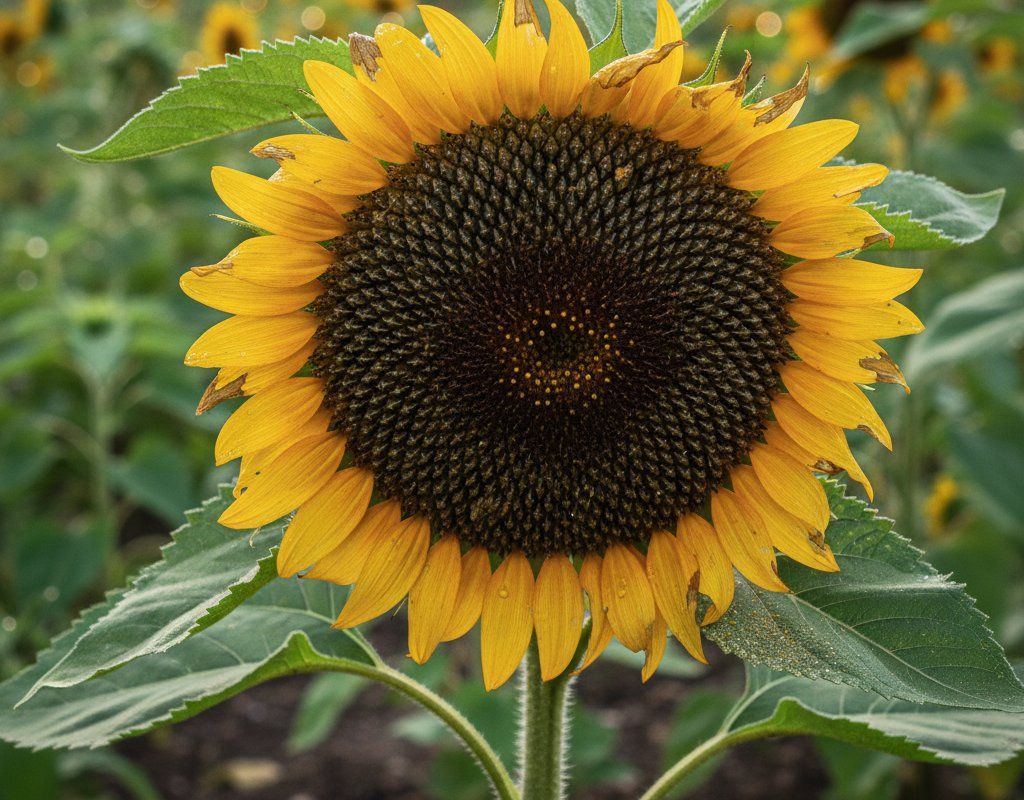
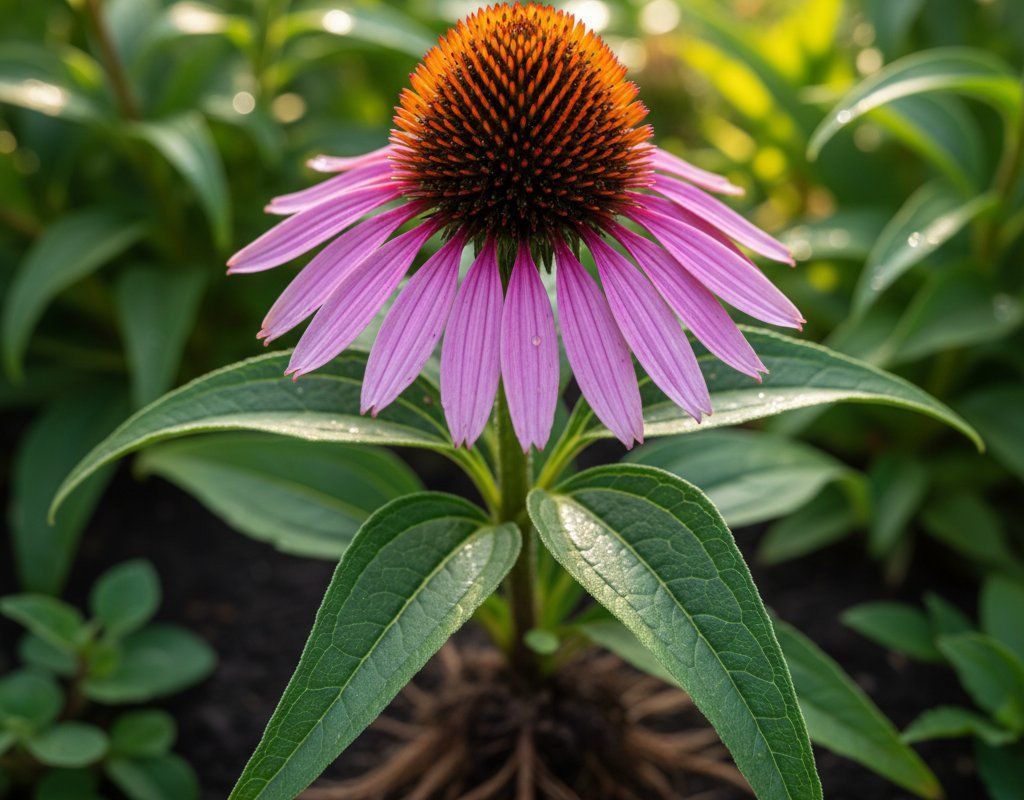
🌸Best Flowers to Plant with Green Beans
These flowers protect your Green Beans from pests and attract pollinators for better harvests.
For Pest Control






Get a Reminder When It's Time to Plant
We'll email you when key planting windows open for your zone.