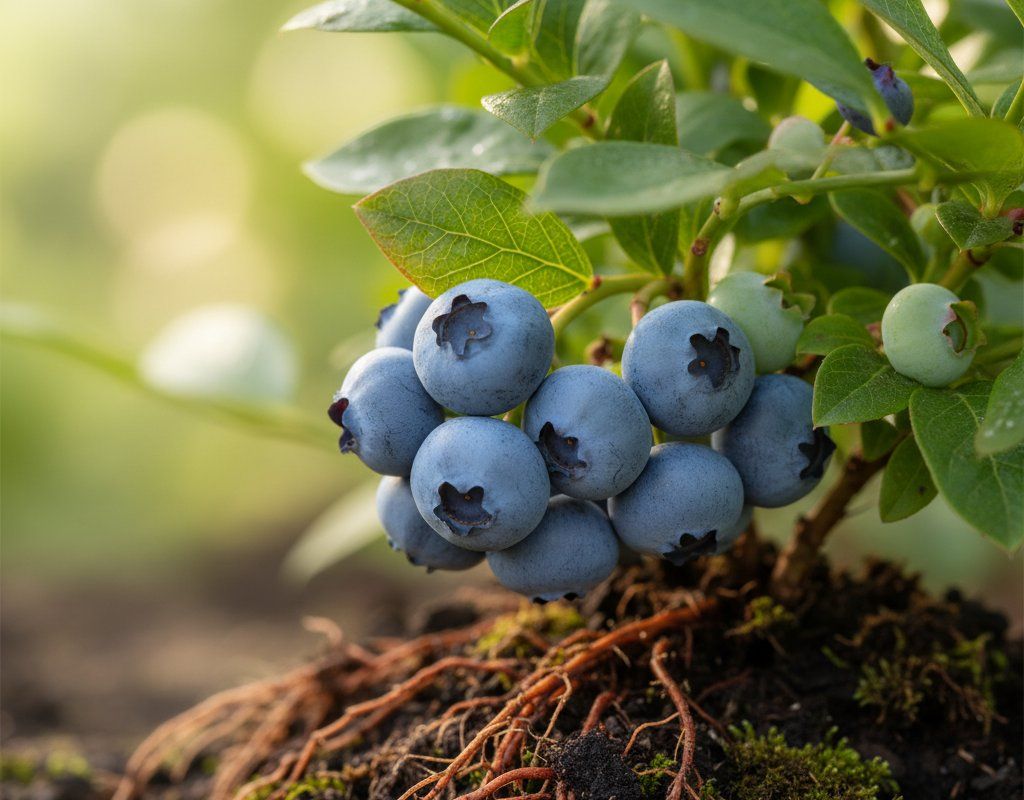
Blueberry in Zone 10B — Florida
Vaccinium corymbosum · Your Complete 2026 Planting Guide
Check Planting Details Below
See the full planting guide for timing information.
How to Plant Blueberry in Zone 10B — Florida
Here are all your options for getting blueberry in the ground, from the easiest method to more advanced approaches.
Buy Starts
RecommendedEarly to late January
around January 5
Plant purchased starts after last frost (January 5).
Buy 2-3 year old potted plants from a nursery. Growing from seed takes many years.
Start Seeds Indoors
ChallengingThis plant is typically not started indoors.
Direct Sow Seeds
ChallengingDirect sowing is not typical for Blueberry.
Transplant Outdoors
Timing InfoEarly to late January
around January 5
Can tolerate light frost, but wait for soil to be workable.
Plan to transplant within a few weeks of your target date.
Overview
Growing your own blueberries in Zone 10B Florida is incredibly rewarding. Imagine popping sweet, juicy berries straight from your garden, perfect for pies, smoothies, or just a quick snack. Plus, you get the satisfaction of nurturing something delicious in your own backyard!
Yes, we have our share of challenges here – humidity, potential fungal issues, and the occasional hurricane scare. But with careful timing and attention, you can absolutely enjoy a bountiful blueberry harvest, especially with our extended 360-day growing season.
Transplanting Outdoors
Transplanting blueberry bushes in your Florida garden should happen in early to late January. This gives the plants time to settle in before our warmer weather hits. Before you plant, harden off your 2-3 year old nursery plants by gradually exposing them to outdoor conditions for about a week.
When you're ready to plant, space your blueberry bushes 4-6 feet apart to allow for good air circulation. Keep an eye on the weather forecast; we sometimes get unexpected cold snaps that time of year, so be prepared to cover your new plants if necessary.
Watering Blueberry in Zone 10B (Florida)
Blueberries need consistent moisture, but they definitely don't like soggy roots. In our Florida climate, pay close attention to watering, especially during the dry spells. The trick is to keep the soil consistently moist, not waterlogged.
During our typically drier spring months, aim for about 1 inch of water per week, either from rainfall or irrigation. Use the "finger test" – stick your finger about 2 inches deep into the soil. If it feels dry, it's time to water. During our wet summers, you might not need to water at all, unless we're experiencing a dry spell. Water at the base of the plant to avoid creating a humid environment around the leaves, which can encourage fungal diseases.
Signs of underwatering include wilting leaves and dry, crumbly soil. Overwatering can lead to yellowing leaves and root rot. Adding a generous layer of pine needle mulch around your blueberry bushes helps retain moisture and acidify the soil – a win-win in our sandy Florida soil.
Pruning & Maintaining Blueberry
Blueberries don't need a ton of pruning, but a little maintenance keeps them productive. Focus on removing the oldest, thickest canes at ground level each winter, usually after harvest and before new growth starts. This encourages new, more fruitful canes to grow.
The goal is to open up the center of the bush to allow for good light penetration and airflow, which helps prevent fungal diseases in our humid climate. Don't prune your blueberry bushes for the first 2-3 years to allow them to establish themselves.
🧪Fertilizing Blueberry
Feeding Schedule
Organic Fertilizer Options
Harvest Time
Expect your first blueberry harvest in early April through mid May here in Florida. The berries are ready to pick when they're fully blue with no red or green tinge. For the sweetest flavor, wait a couple of days after they turn blue before picking.
A ripe blueberry should fall easily into your hand with a gentle touch. Avoid pulling or tugging, which can damage the plant. Blueberries produce continuously over several weeks, so check your bushes every few days for ripe berries. As our first frost approaches around late December, any remaining unripe berries likely won't ripen, so go ahead and harvest them for jams or other preserves.
Common Problems in Zone 10B (Florida)
Here are some common problems you might encounter with blueberries in Florida:
- Birds
- What it looks like: Missing berries, signs of pecking.
- What causes it: Birds love blueberries! They're attracted to the bright color and sweet taste.
- How to fix/prevent it: Netting is the most effective solution. Cover your bushes with bird netting before the berries start to ripen.
- Mummy Berry
- What it looks like: Berries that turn pinkish-gray, shrivel, and become hard ("mummified").
- What causes it: A fungal disease that thrives in our humid conditions.
- How to fix/prevent it: Remove and destroy any infected berries. Improve air circulation by pruning. Fungicides can be used preventatively.
- Blueberry Maggot
- What it looks like: Small, white maggots inside the berries.
- What causes it: A fruit fly that lays its eggs inside the developing berries.
- How to fix/prevent it: Insecticides can be used, but proper timing is crucial. Yellow sticky traps can help monitor for adult flies. Remove fallen fruit to reduce infestation.
- Iron Chlorosis
- What it looks like: Yellowing leaves with green veins, especially on new growth.
- What causes it: Iron deficiency due to high soil pH (blueberries need acidic soil).
- How to fix/prevent it: Amend the soil with sulfur or iron chelates to lower the pH. Use acidic fertilizers formulated for blueberries.
Florida Specific Challenges: Our hot, humid summers make blueberries more susceptible to fungal diseases like mummy berry. Good air circulation and proper watering practices are essential. Nematodes can also be a problem in our sandy soil; consider using nematode-resistant varieties or soil amendments.
Best Companions for Blueberry
Plant these nearby for healthier Blueberry and better harvests.
View Full Companion Planting Chart →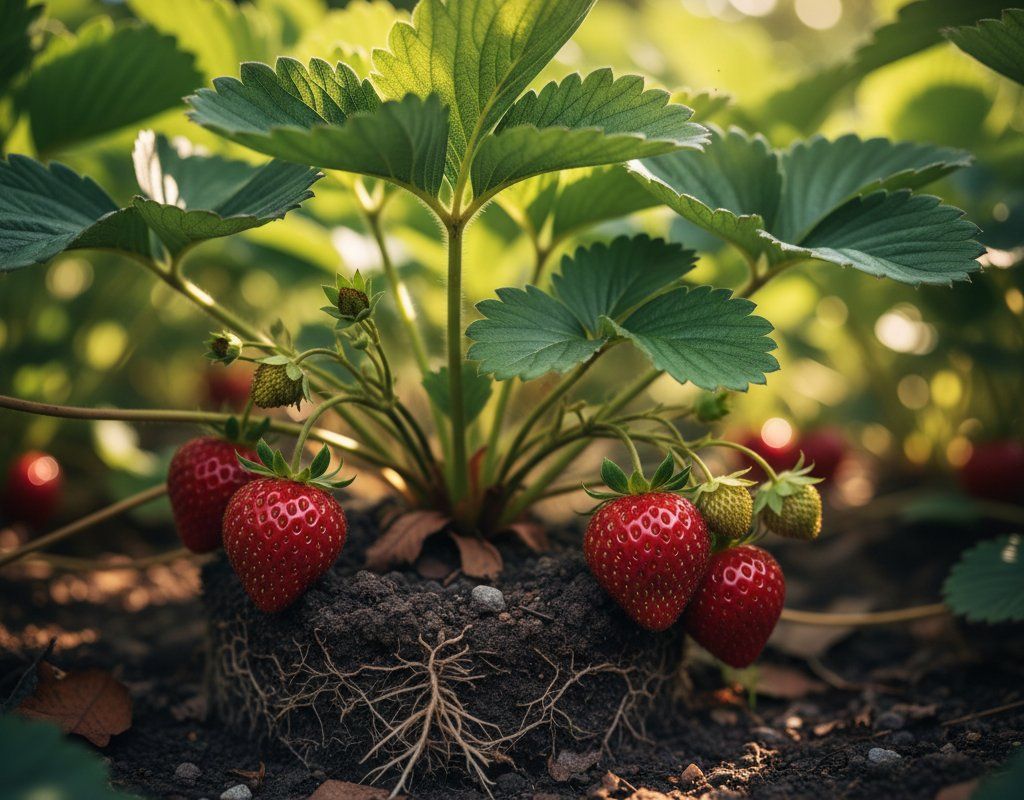




Companion Planting Details
Good companion plants for blueberries in Florida include:
- Strawberries: They enjoy similar acidic soil conditions and can act as a ground cover, suppressing weeds.
- Thyme: This herb repels some pests and attracts beneficial insects.
- Basil: Another herb that deters pests and attracts pollinators.
- Azaleas: They also thrive in acidic soil and offer beautiful blooms, attracting pollinators.
Avoid planting tomatoes and peppers near your blueberries. These plants prefer alkaline soil and can compete for nutrients.
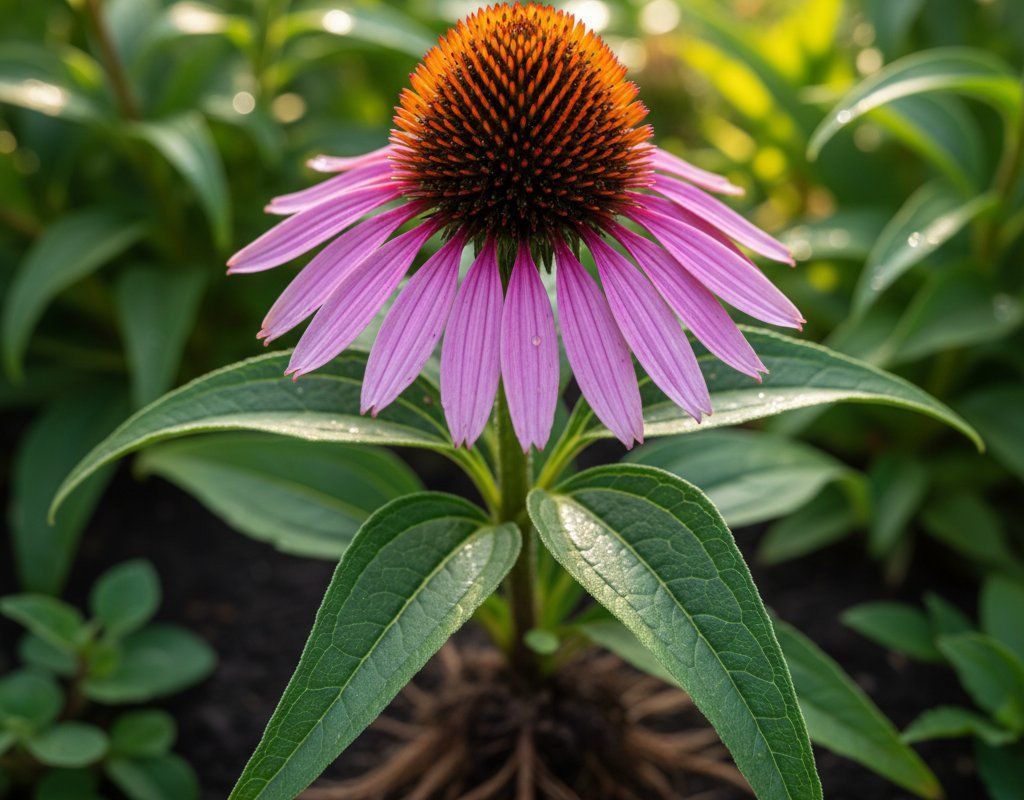
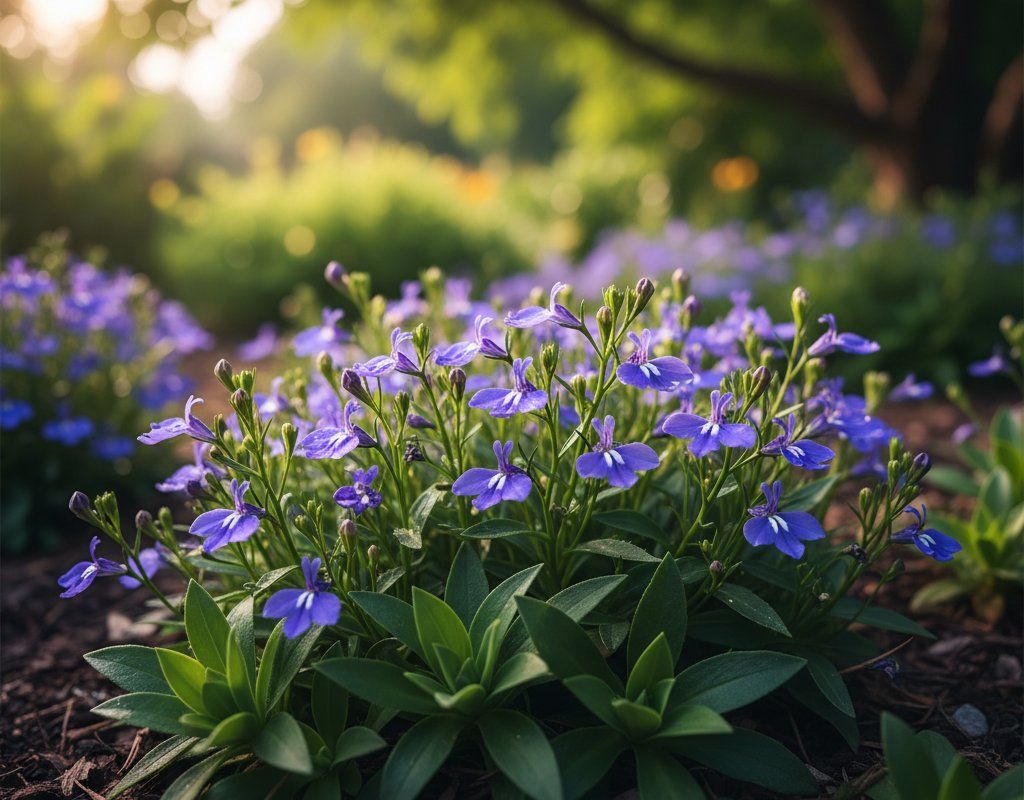
🌸Best Flowers to Plant with Blueberry
These flowers protect your Blueberry from pests and attract pollinators for better harvests.
For Pest Control


Get a Reminder When It's Time to Plant
We'll email you when key planting windows open for your zone.