Gardening in Zone 10B — Florida
Zone 10B is a gardener's paradise, offering an extraordinary growing season that stretches nearly the entire year. With temperatures rarely dipping below 35°F and over 300 frost-free days, you can cultivate an incredible variety of crops that would be impossible in cooler regions. Your biggest challenge isn't survival, but managing continuous production and preventing heat stress during the most intense summer months.
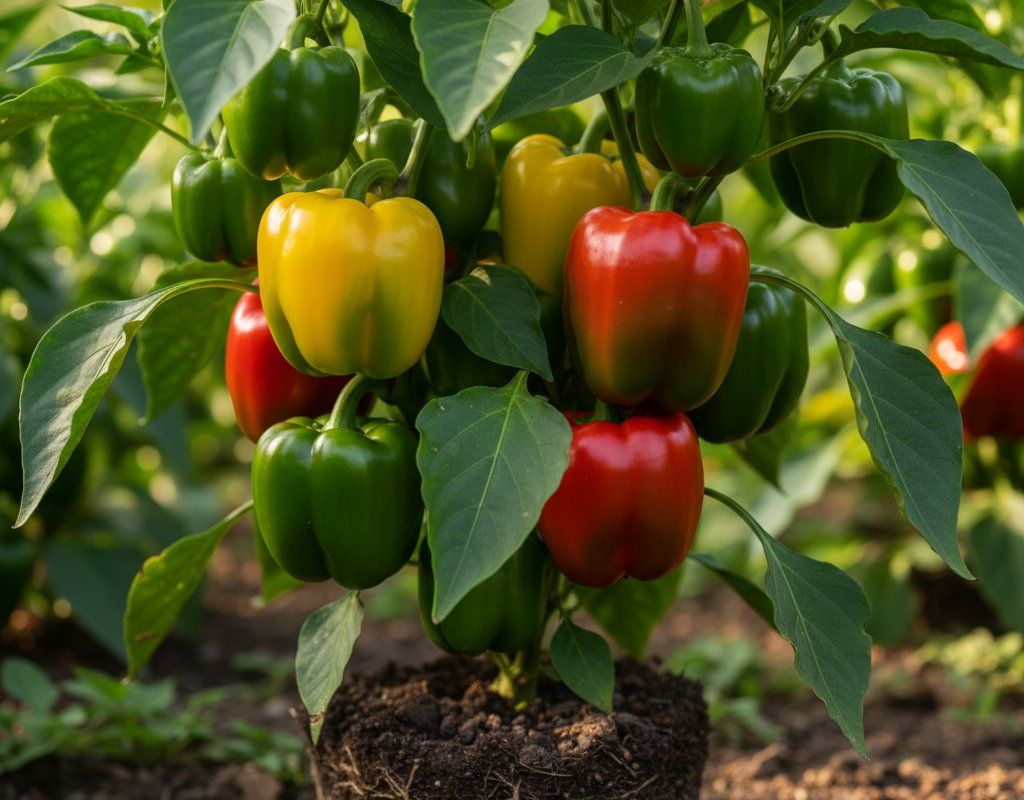
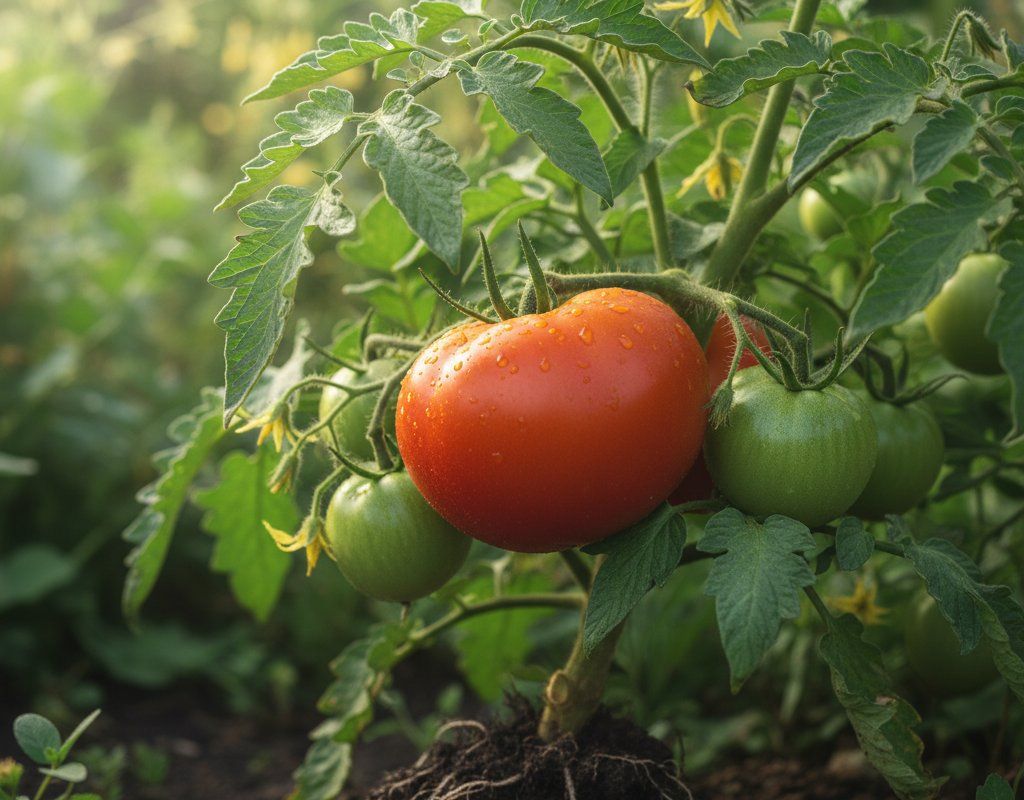
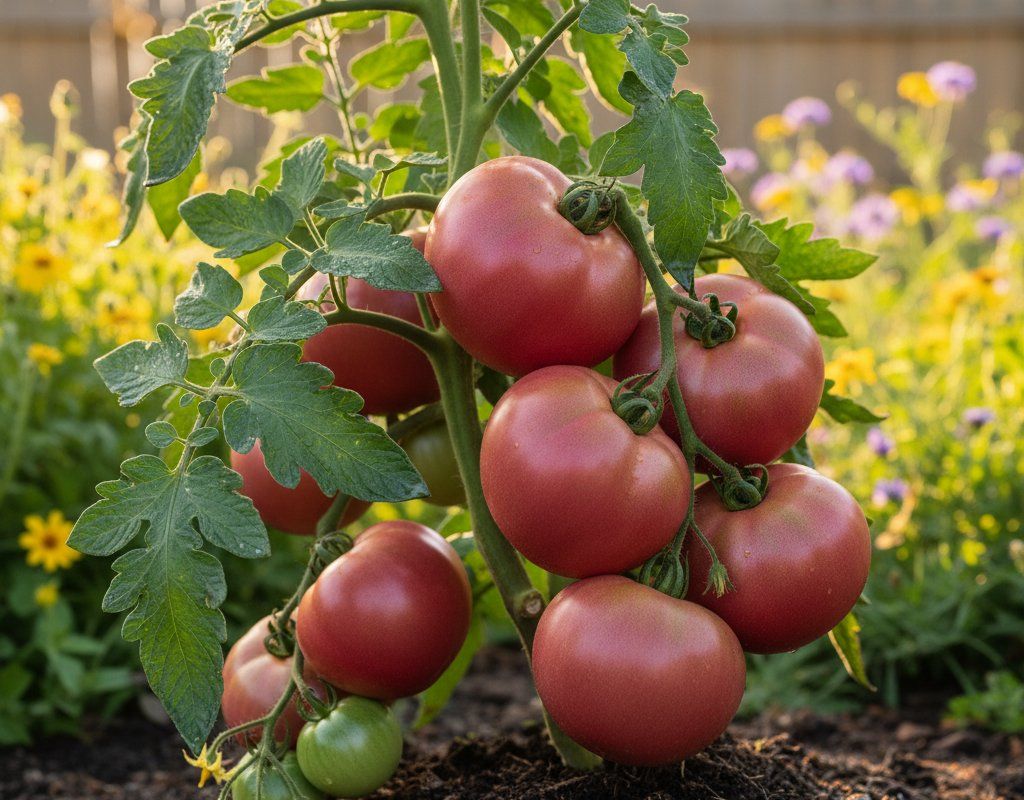
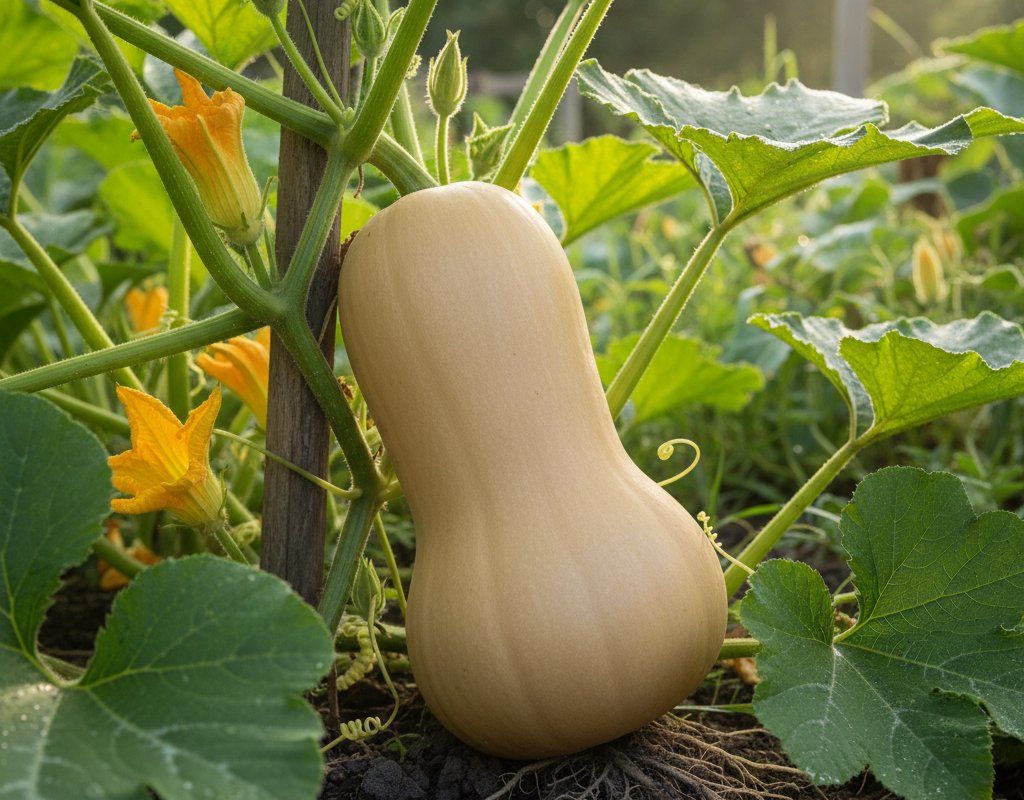
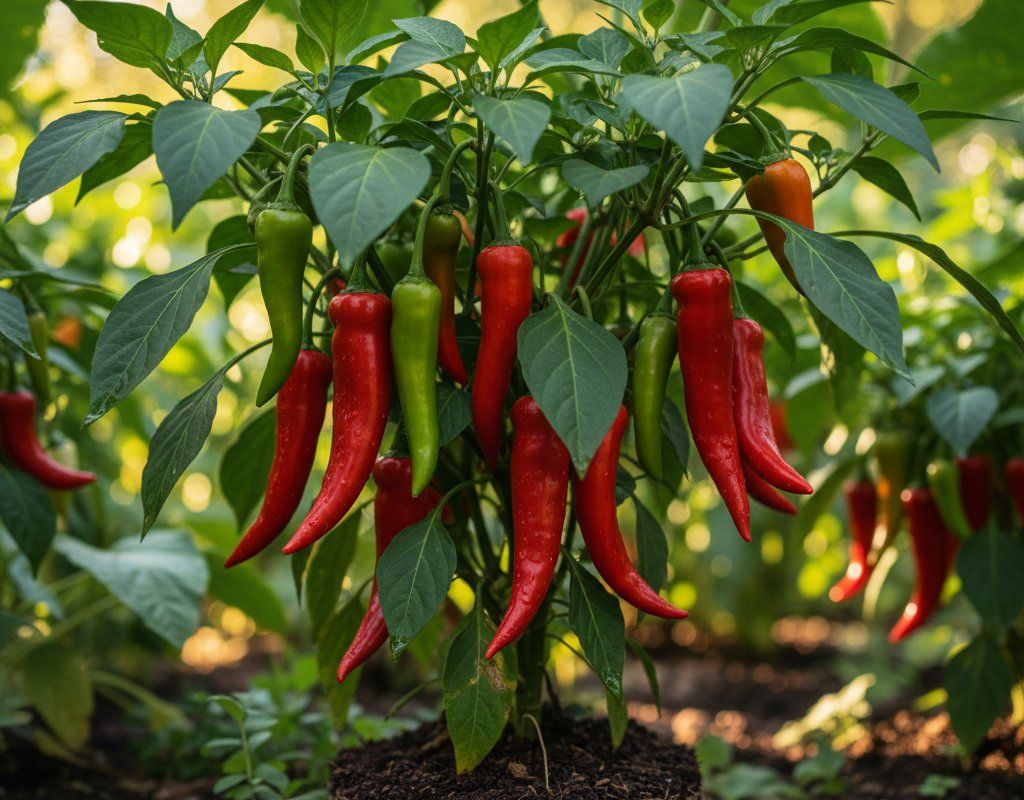
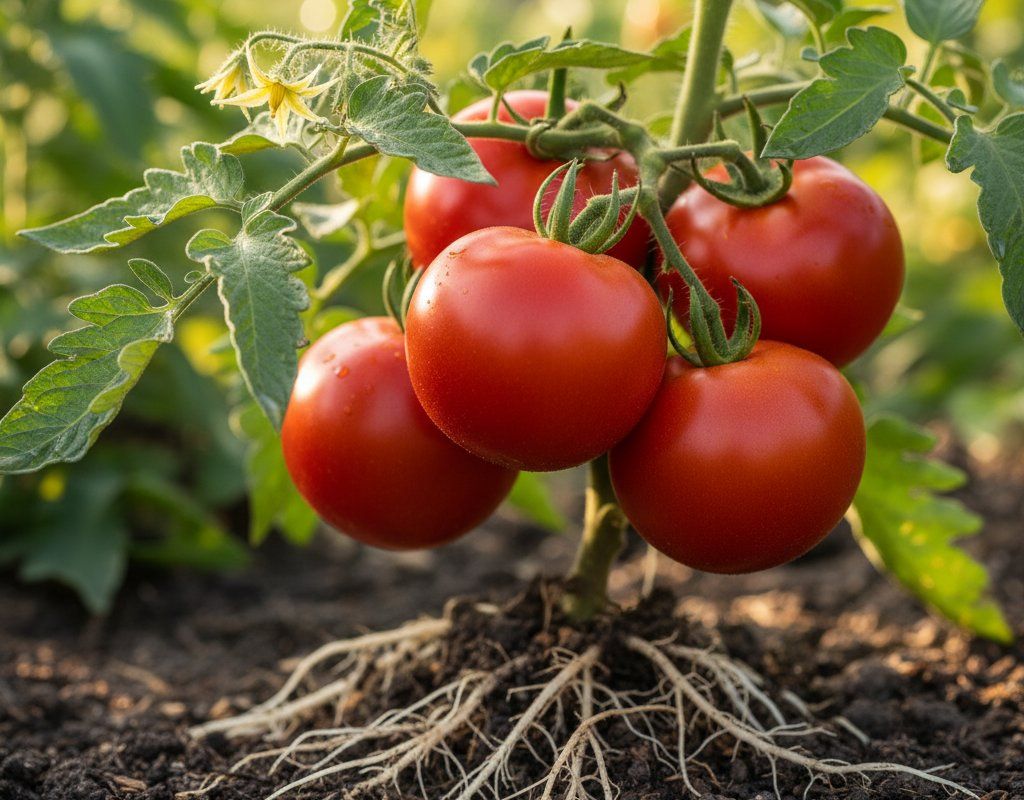
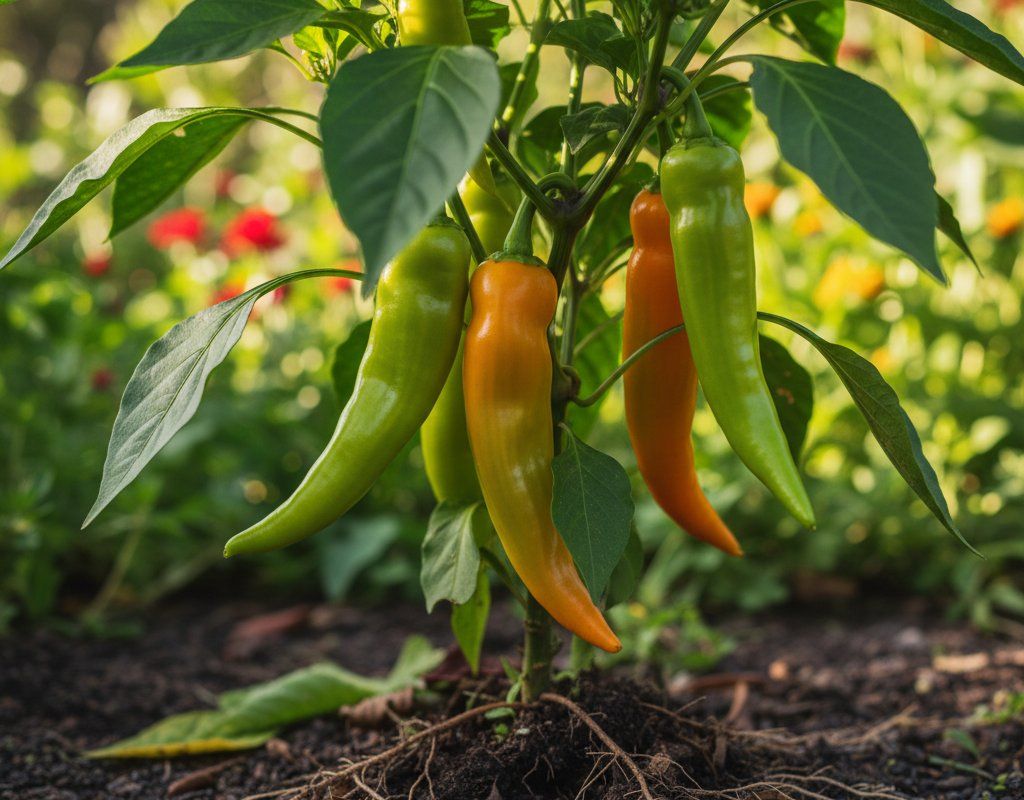
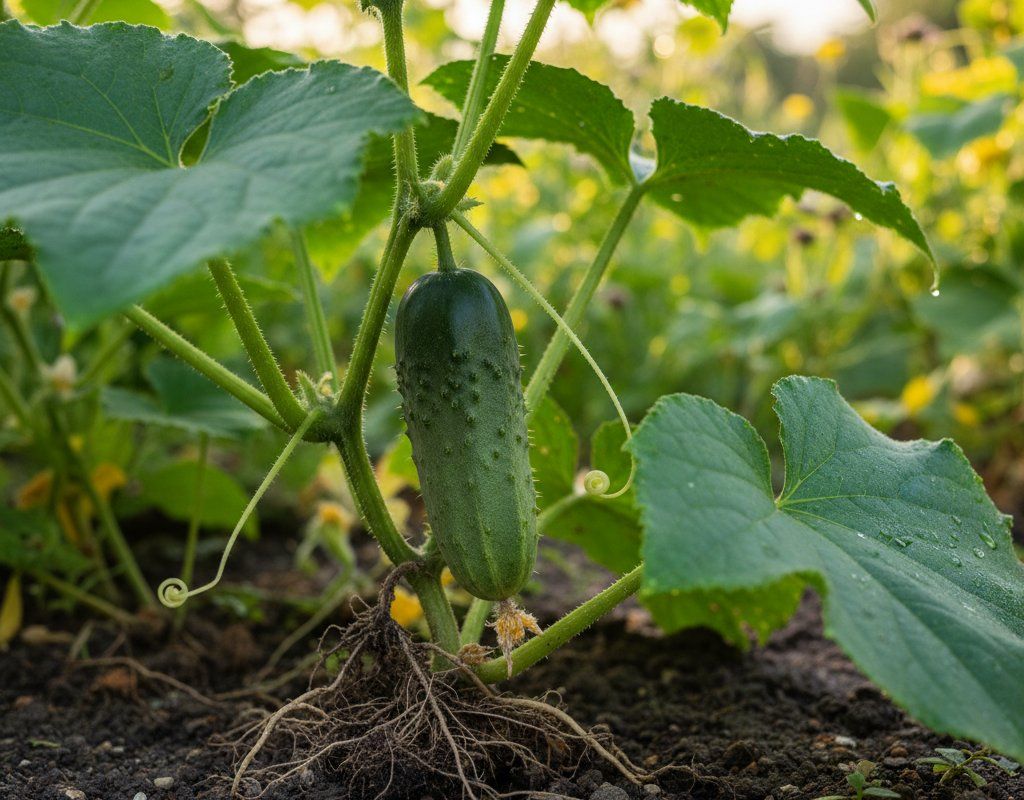
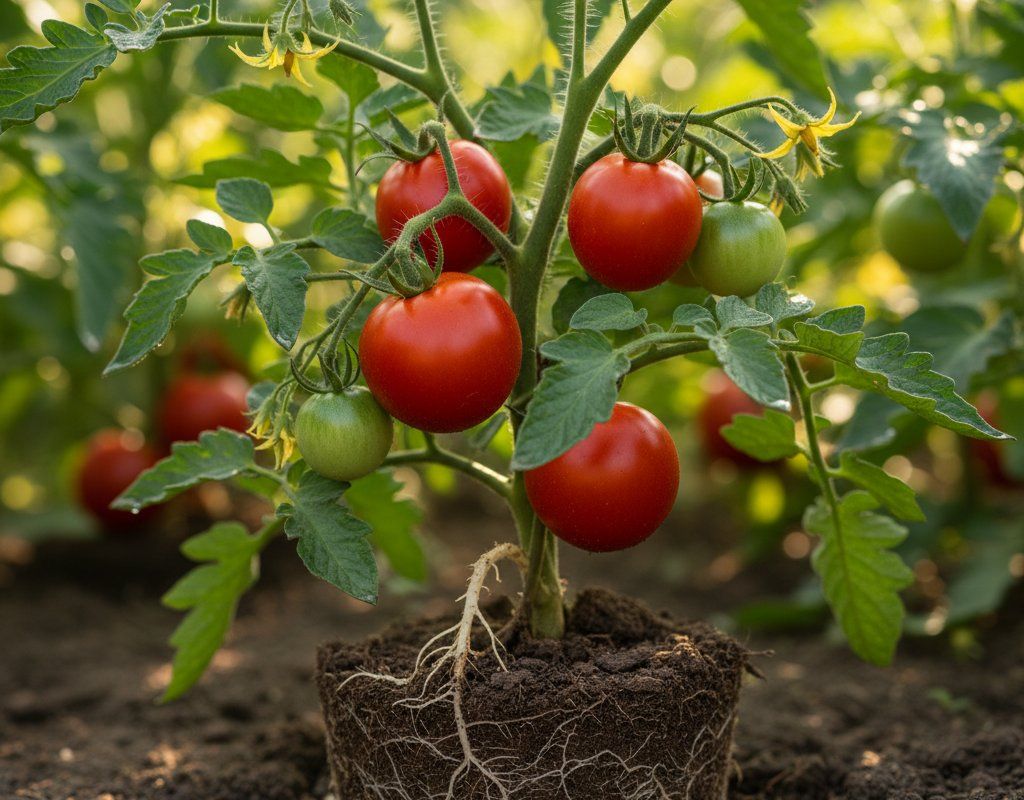
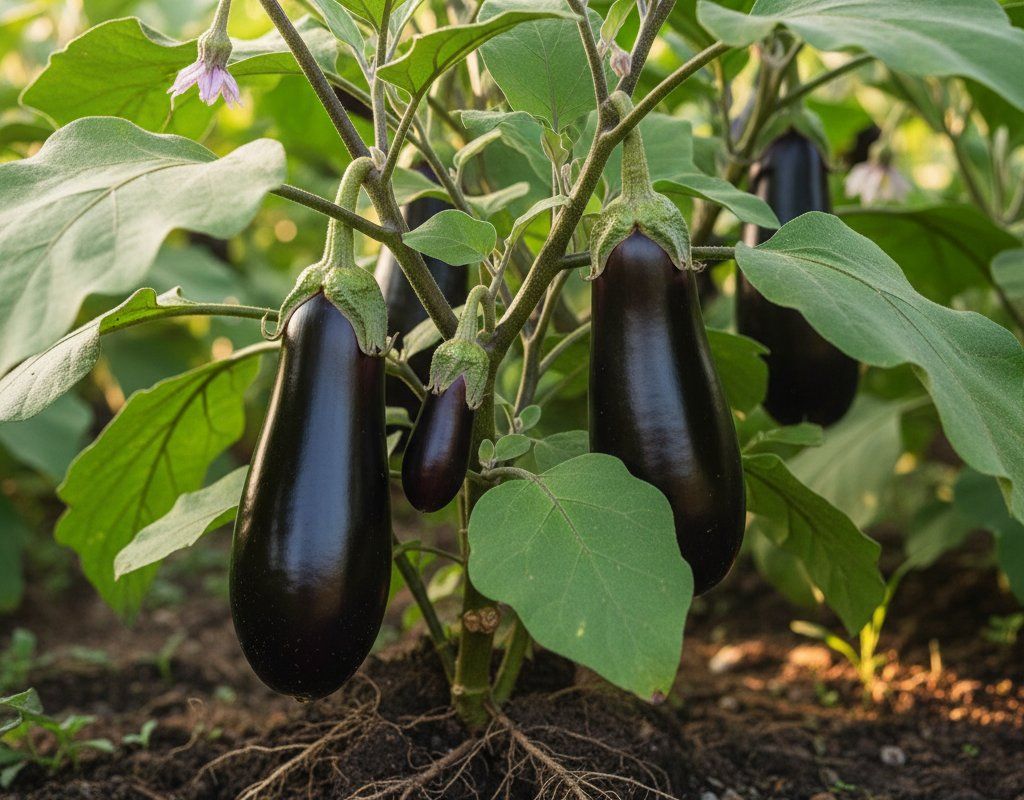
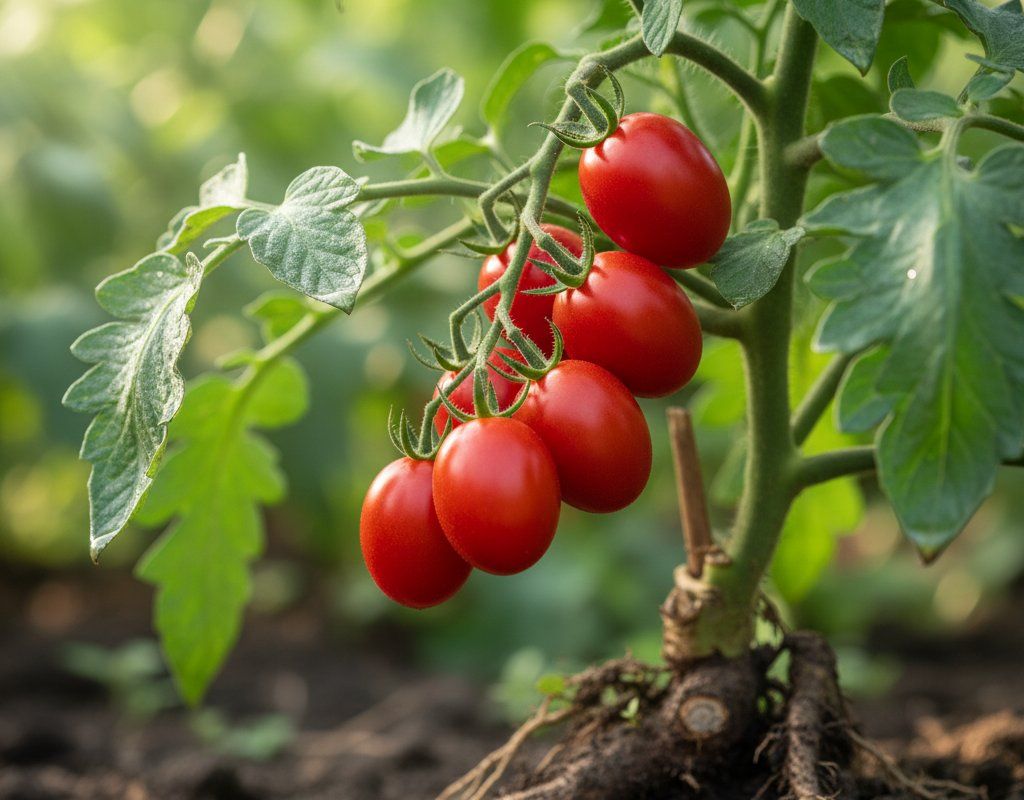
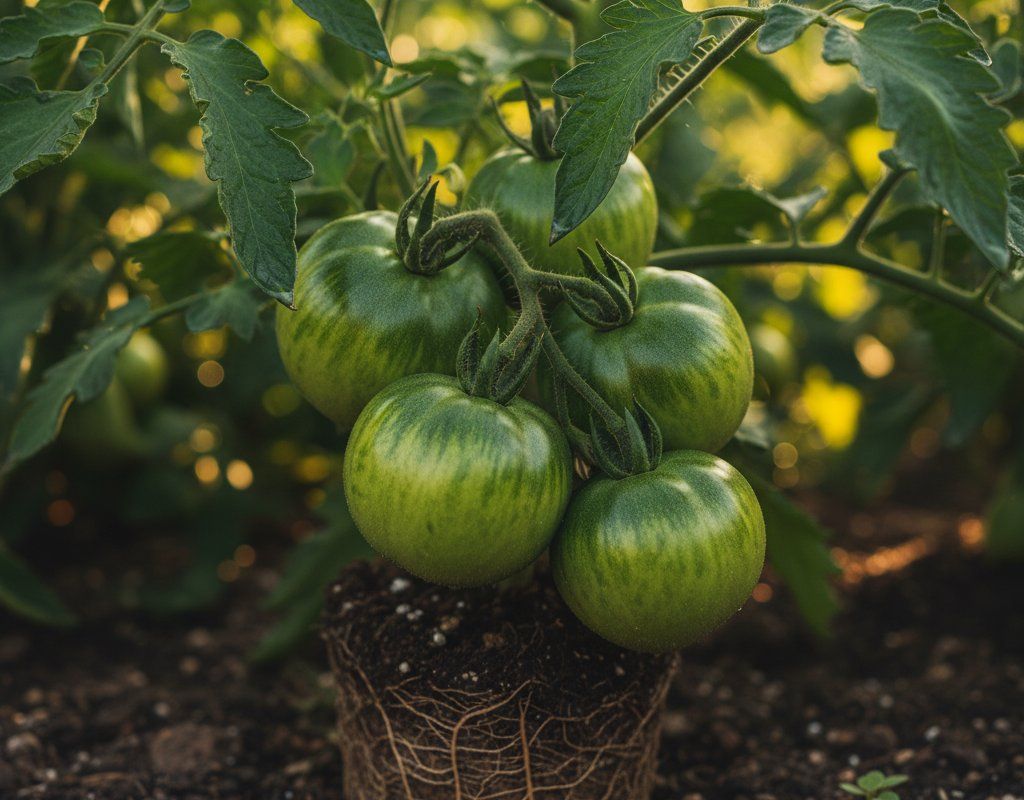
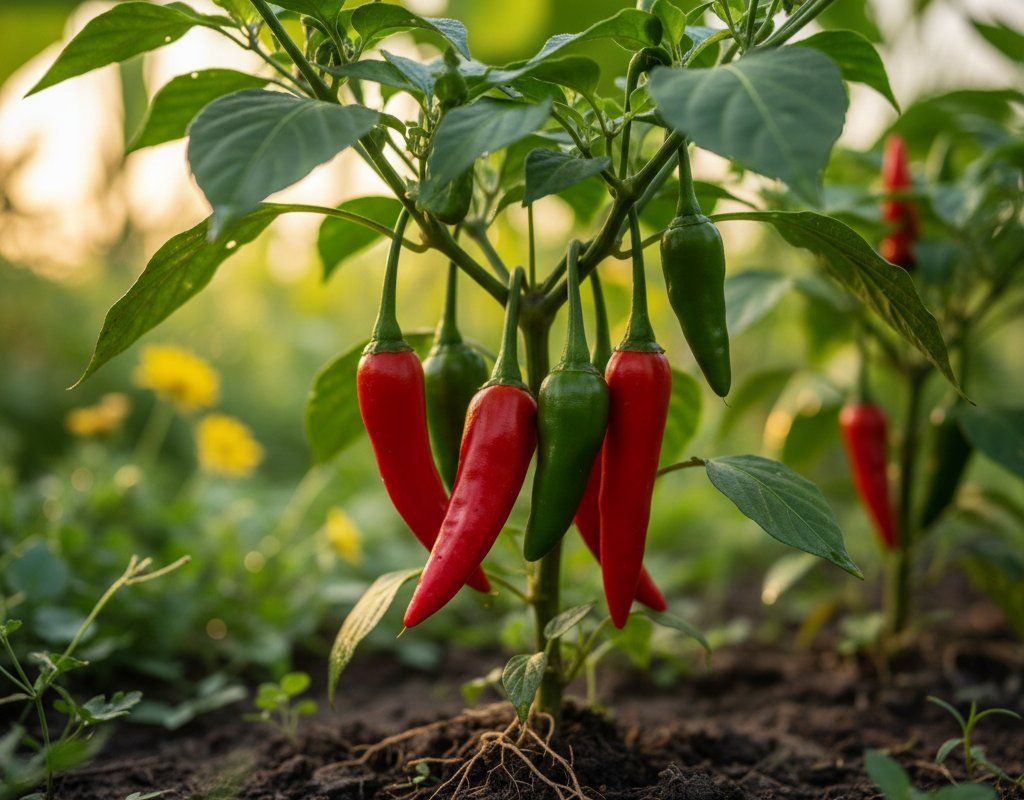
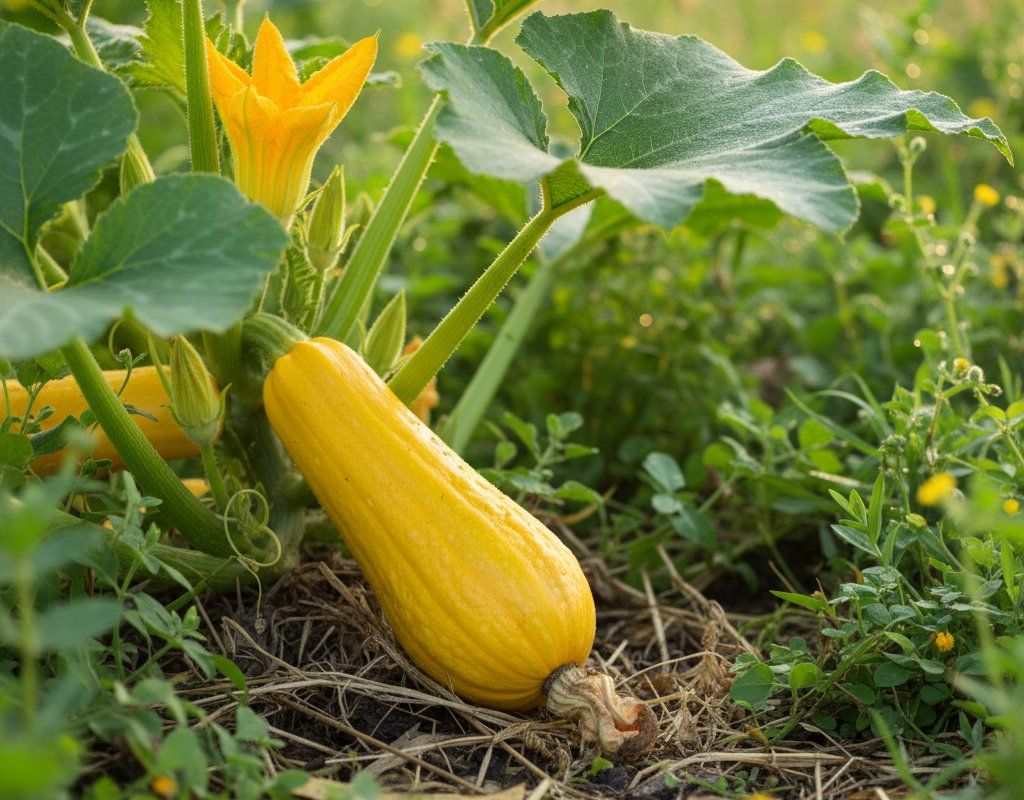
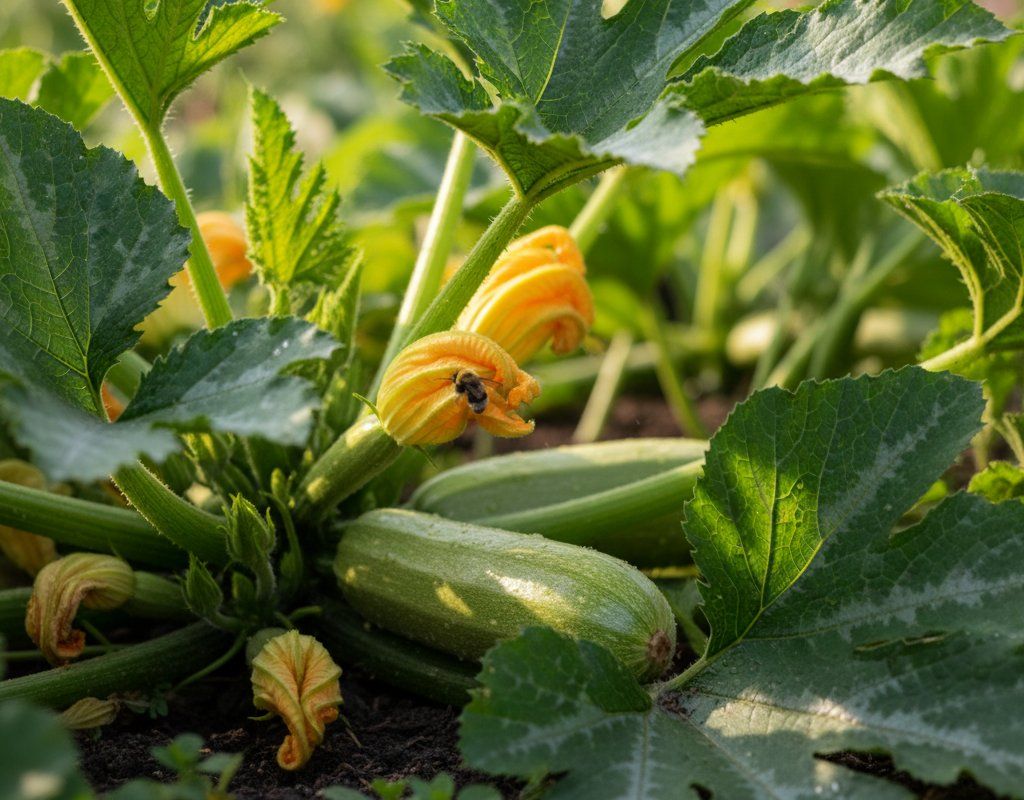
Tomatoes, peppers, and eggplants absolutely thrive here, producing multiple harvests throughout the year. You'll find that crops like cucumbers, squash, and melons grow with remarkable speed, and you can essentially treat your garden as a year-round production system. The key is understanding microclimates, providing afternoon shade during scorching summers, and rotating crops to maintain soil health.
✓ Regional Advantages
- • Year-round growing
- • Tropical crops possible
- • Winter vegetable production
⚠ Regional Challenges
- • Extreme humidity
- • Nematodes
- • Fungal diseases
- • Summer too hot for many crops
- • Hurricanes
- • Sandy soil
Florida Climate Profile
Subtropical to tropical with reversed growing seasons
Best Plants for Zone 10B
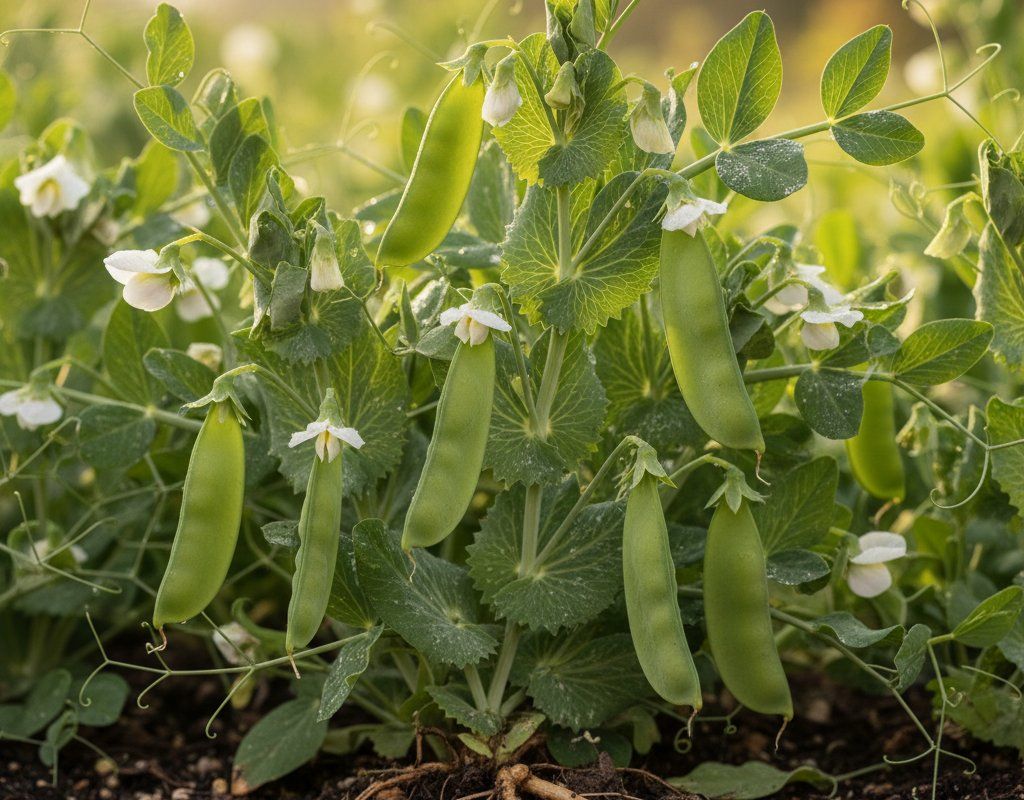
103 plants thrive in Zone 10B's 360-day growing season. Click any plant for zone-specific planting dates.
🍅Fruiting Vegetables (37)
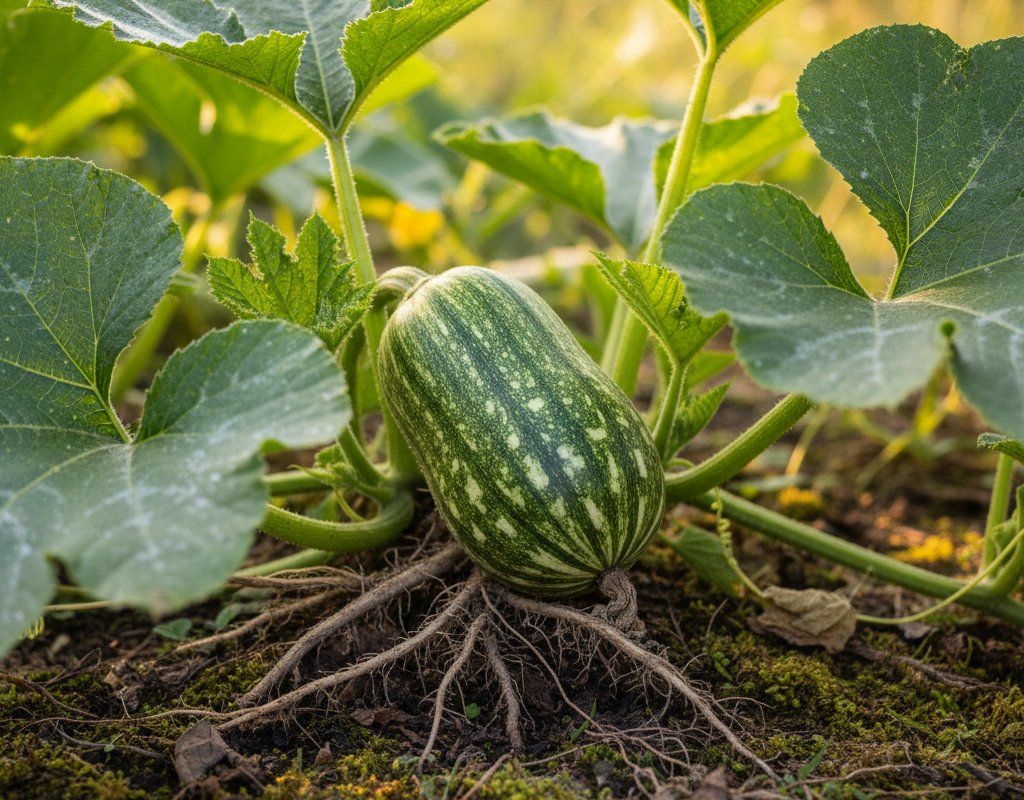
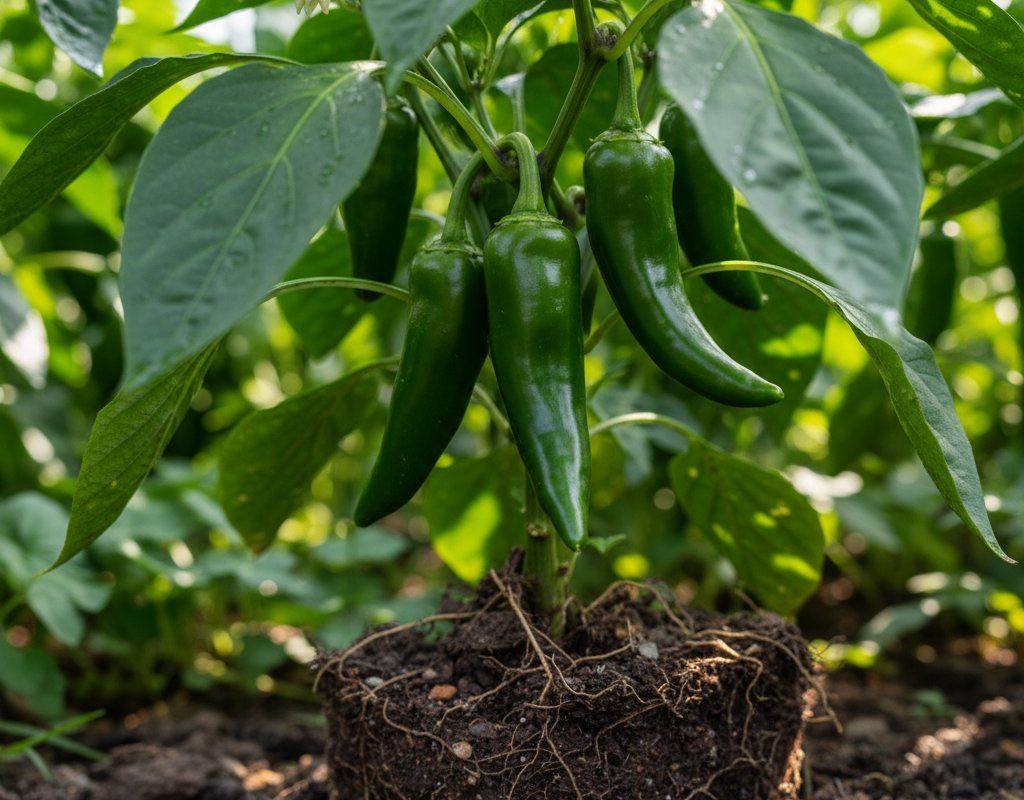
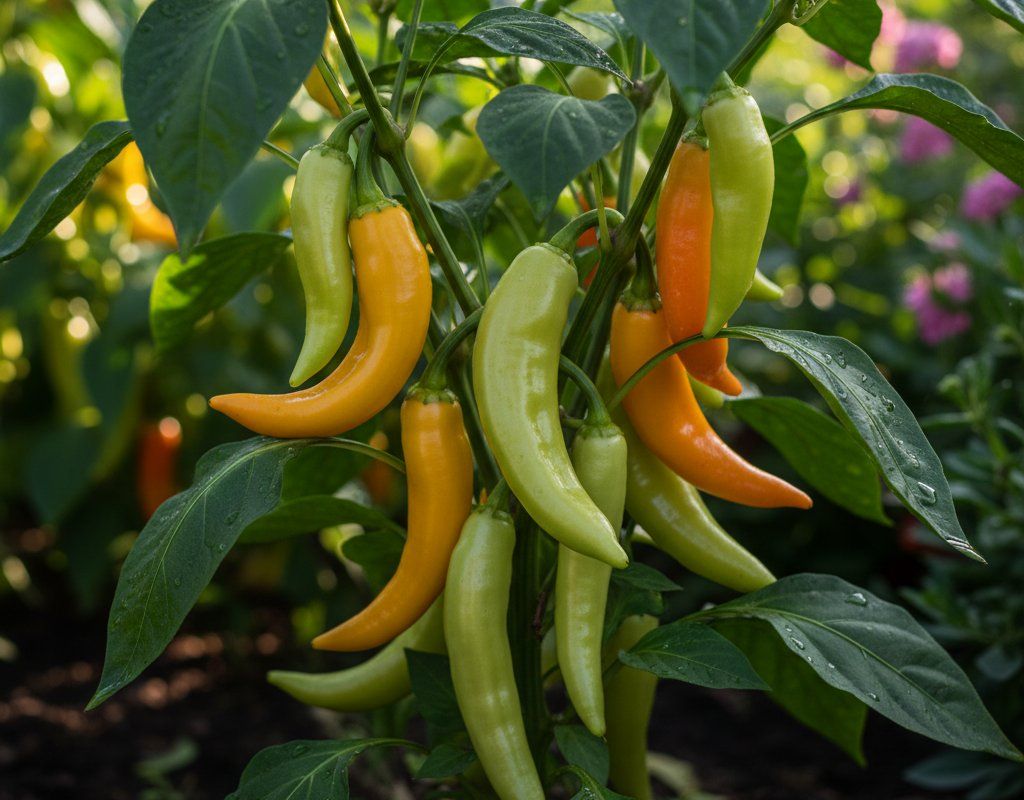
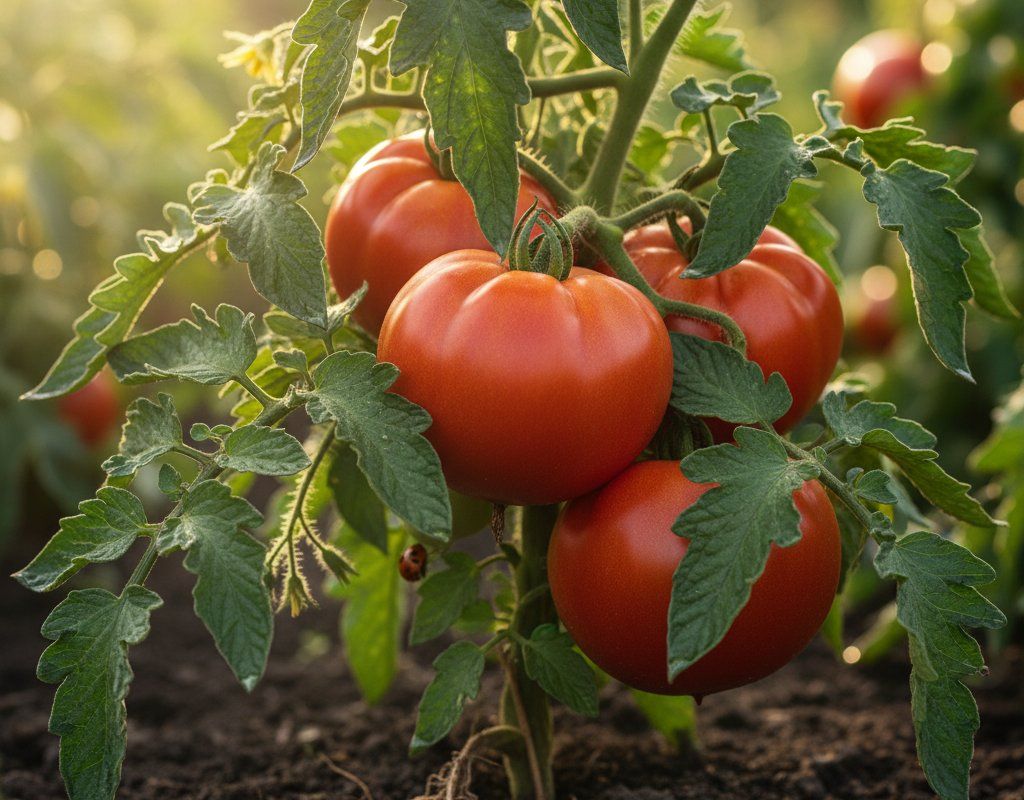


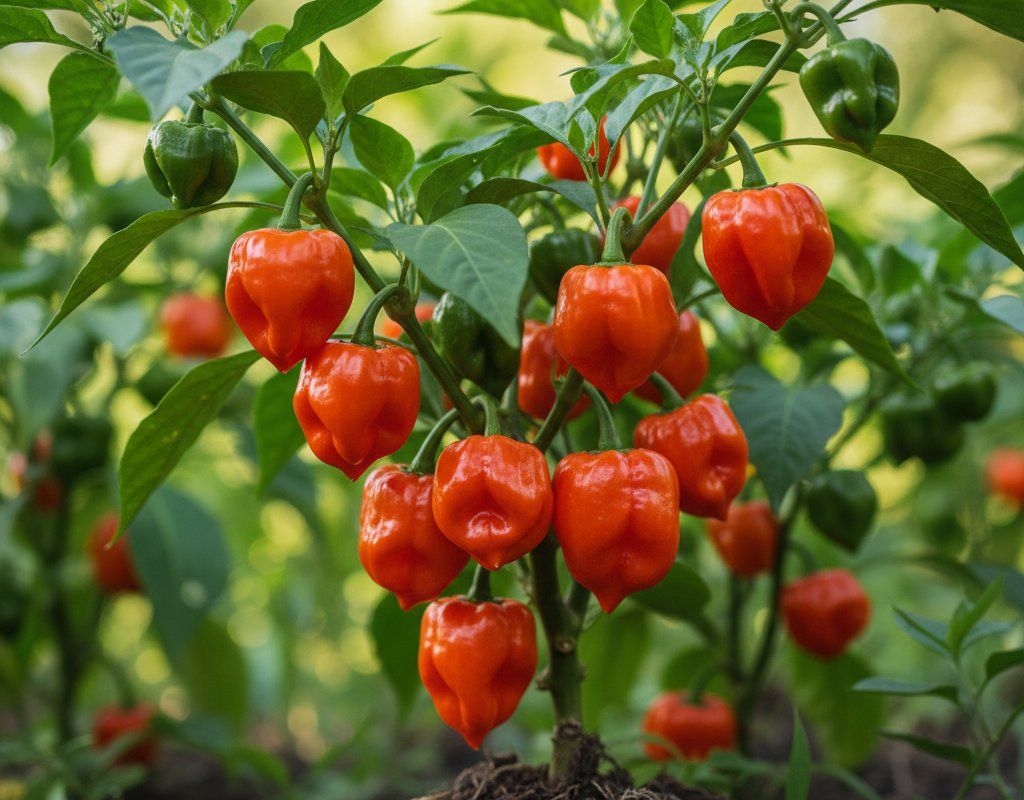
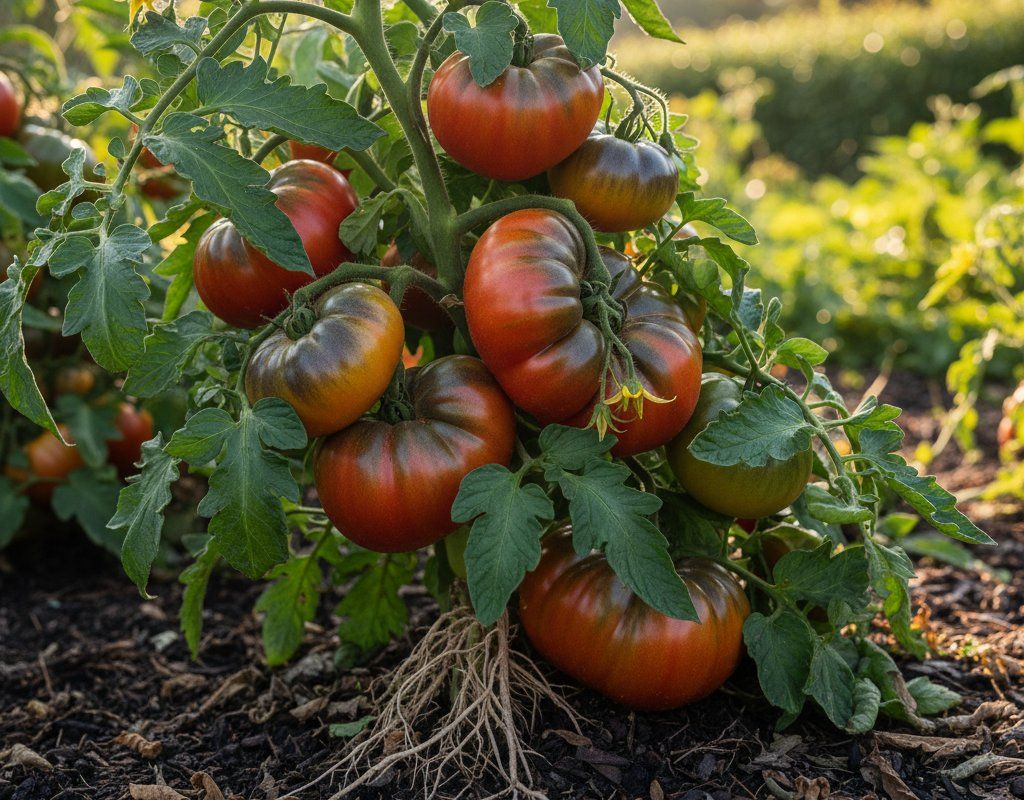
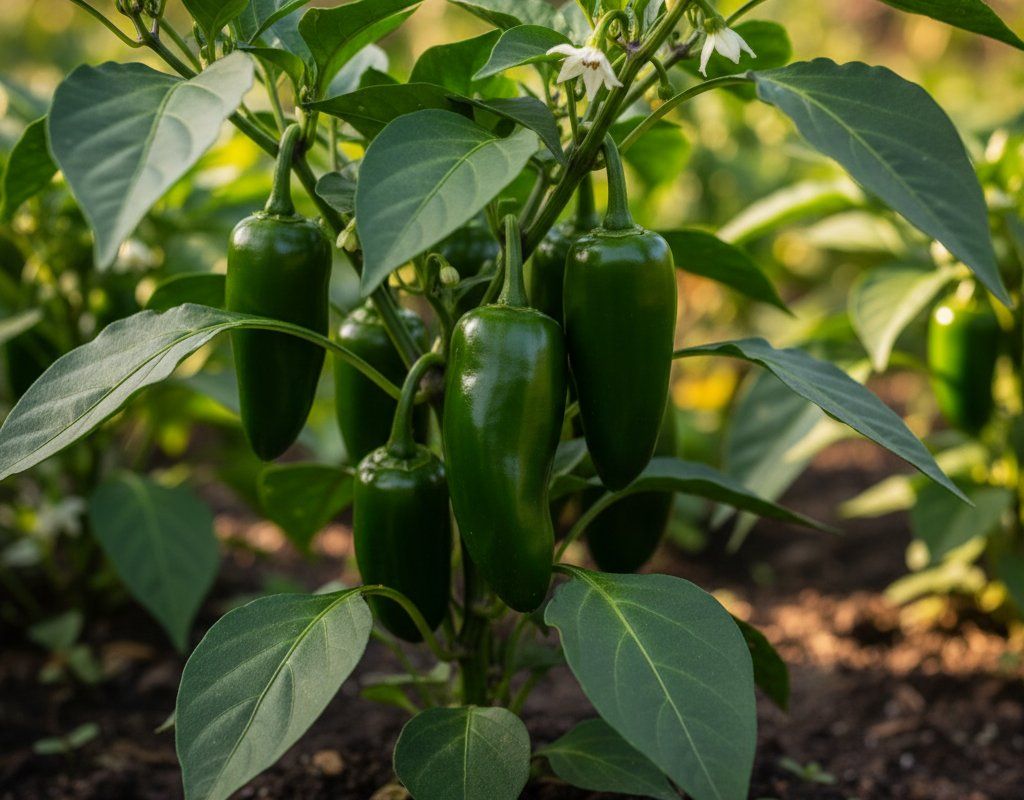

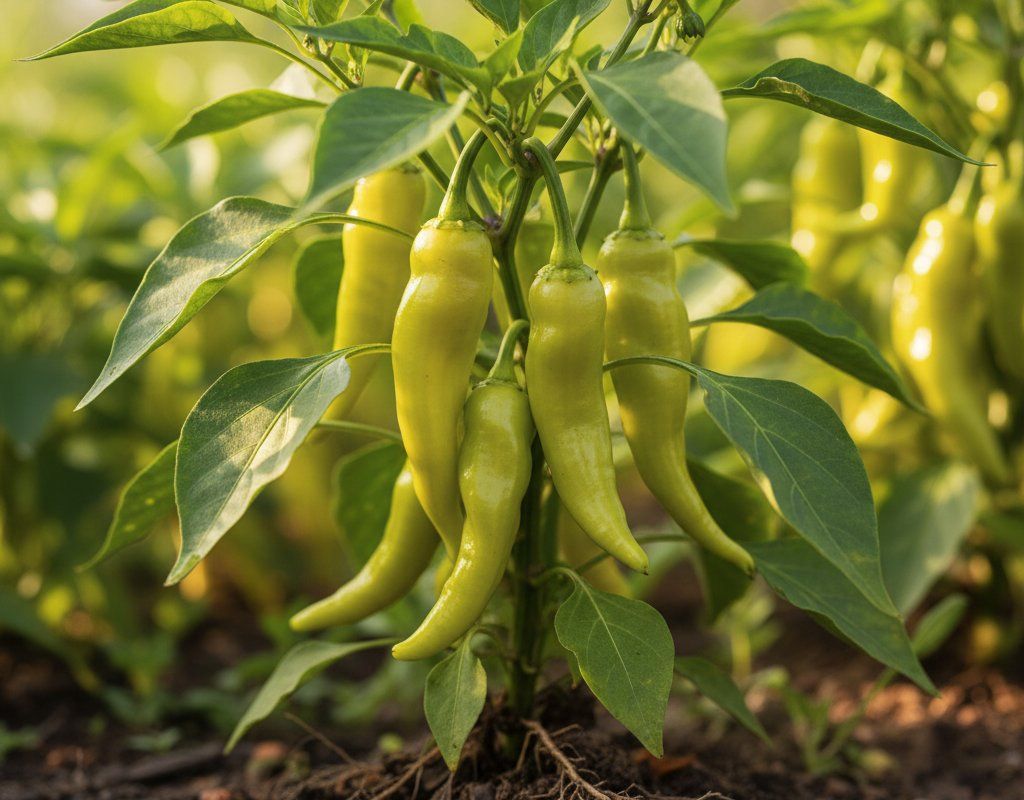
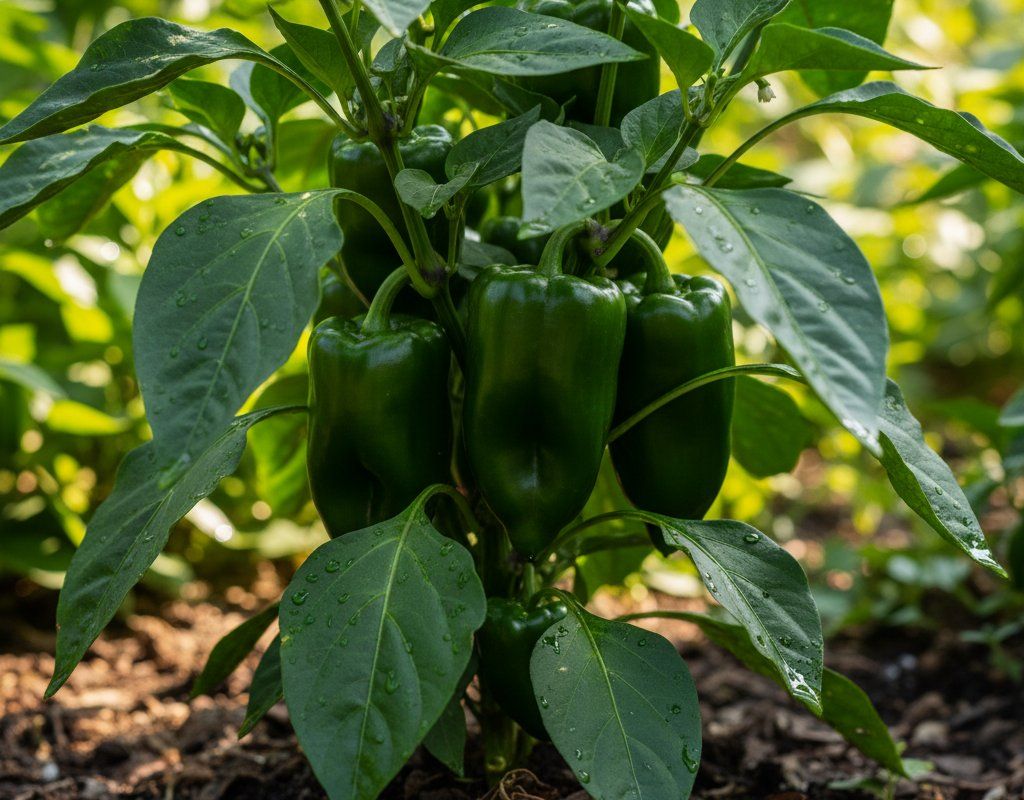

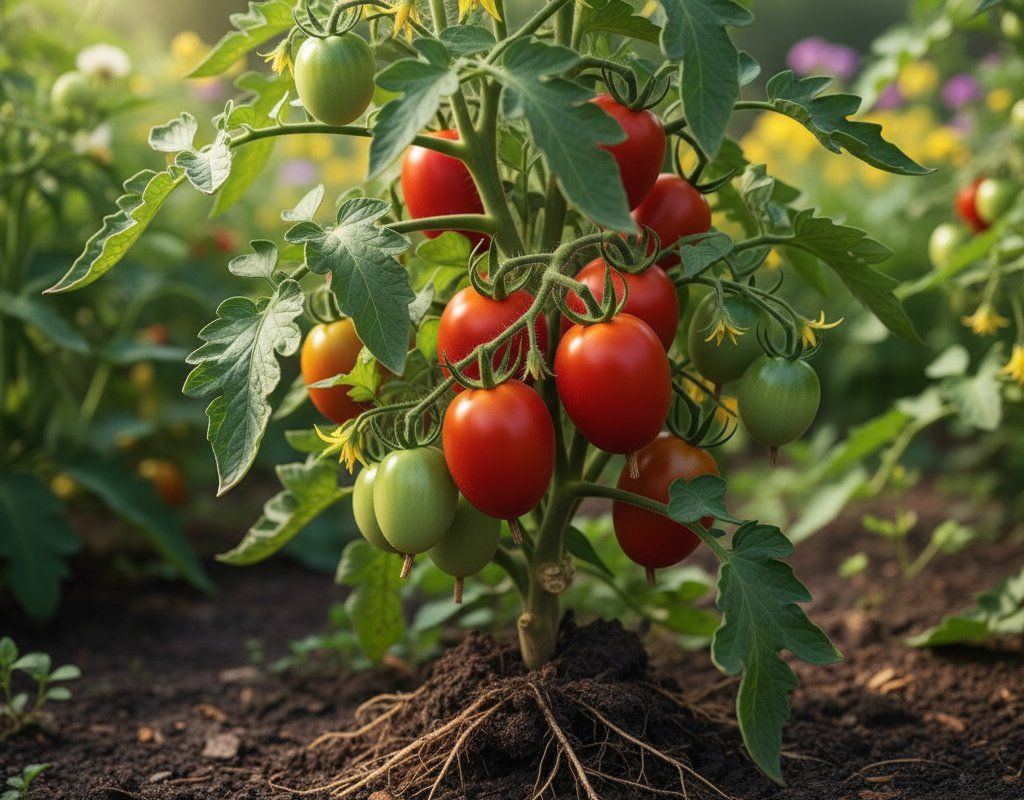
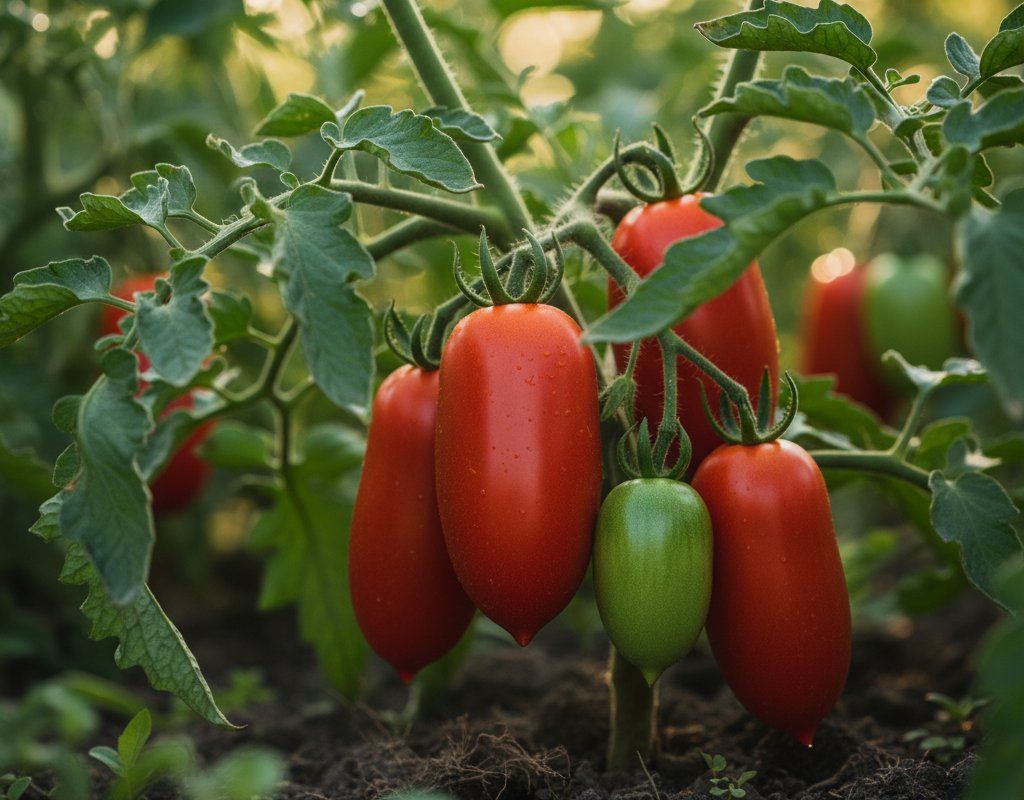
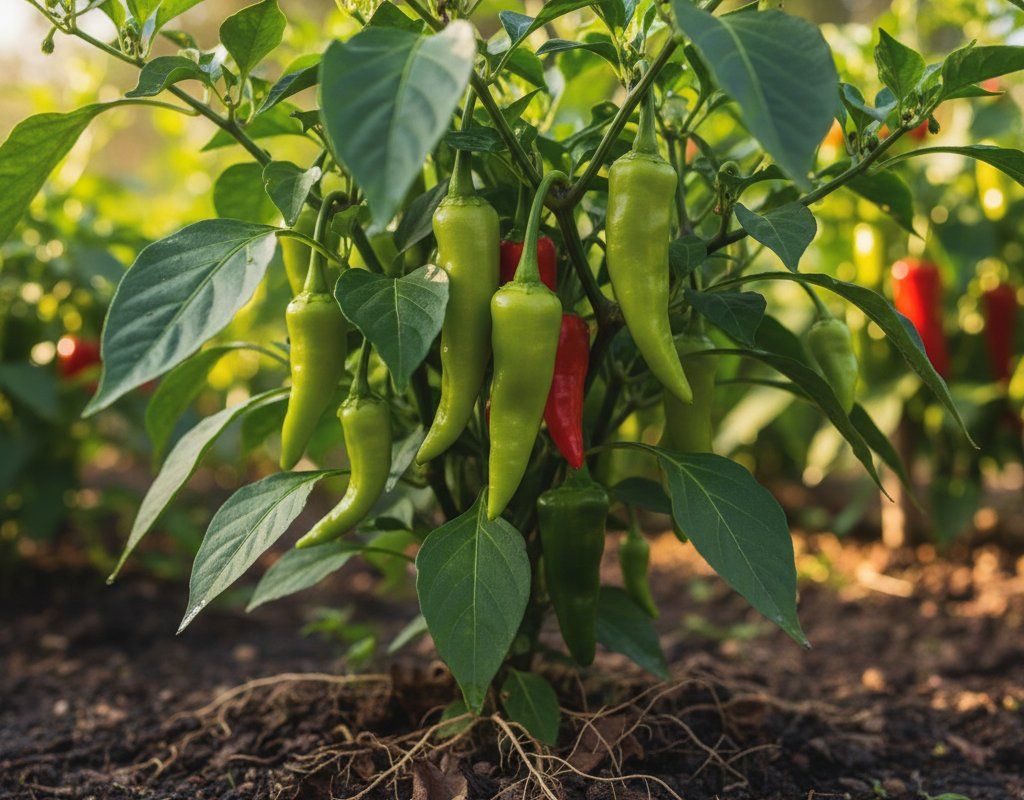
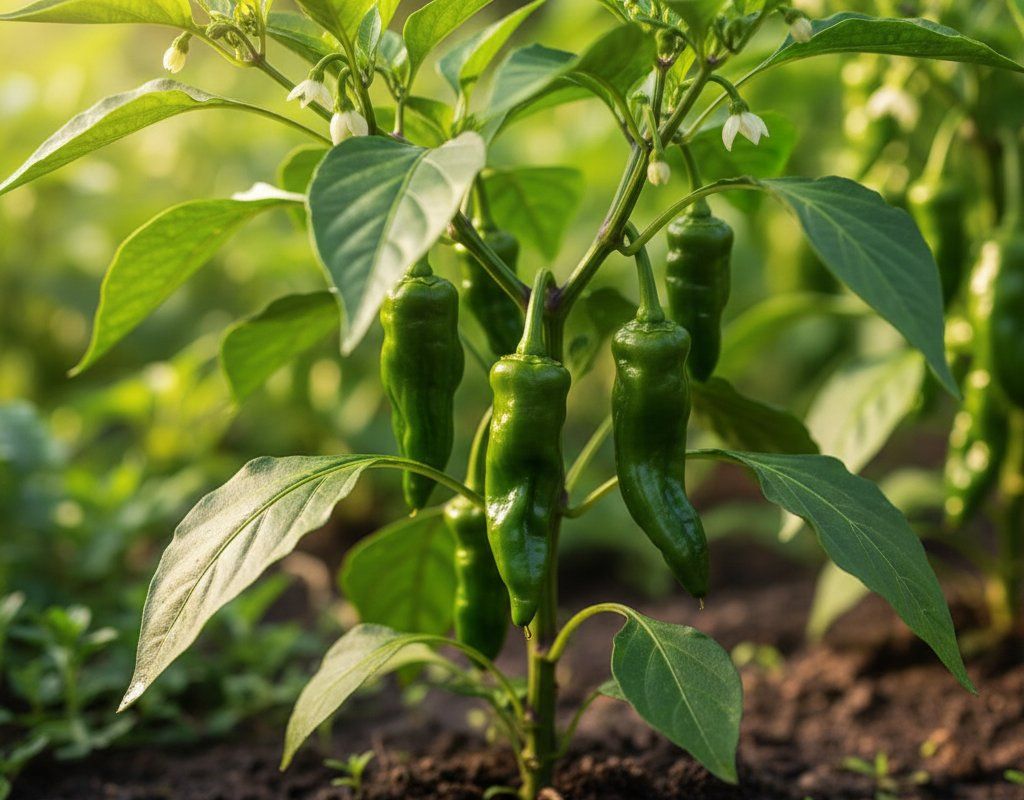
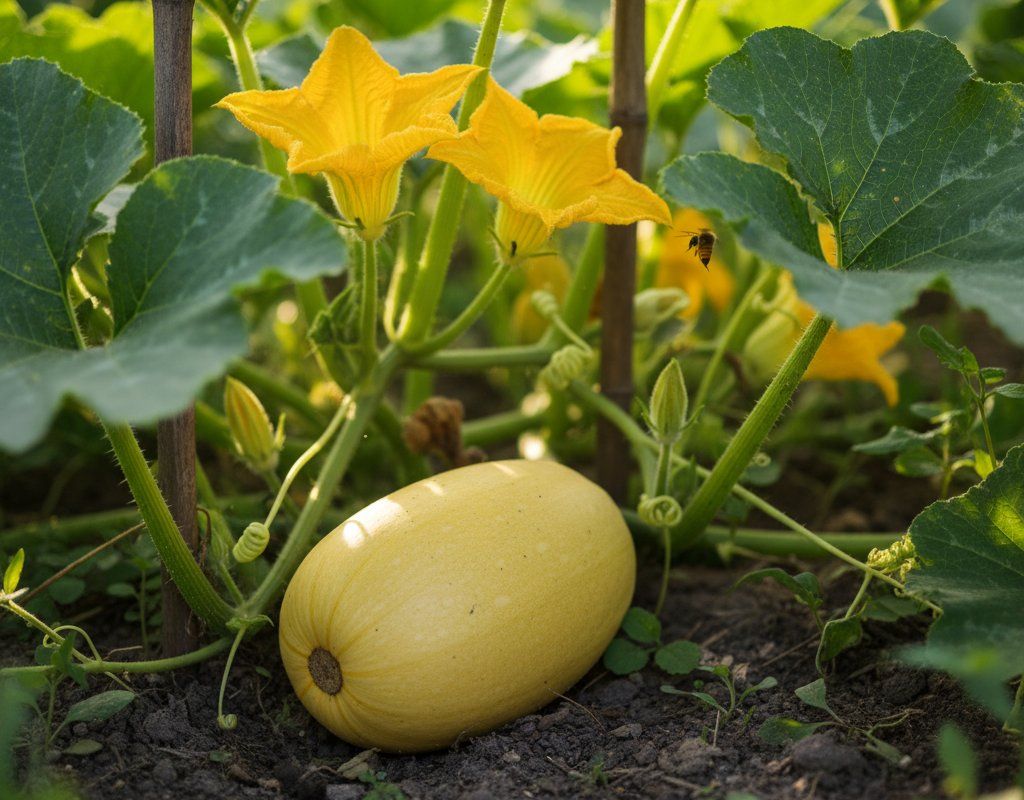

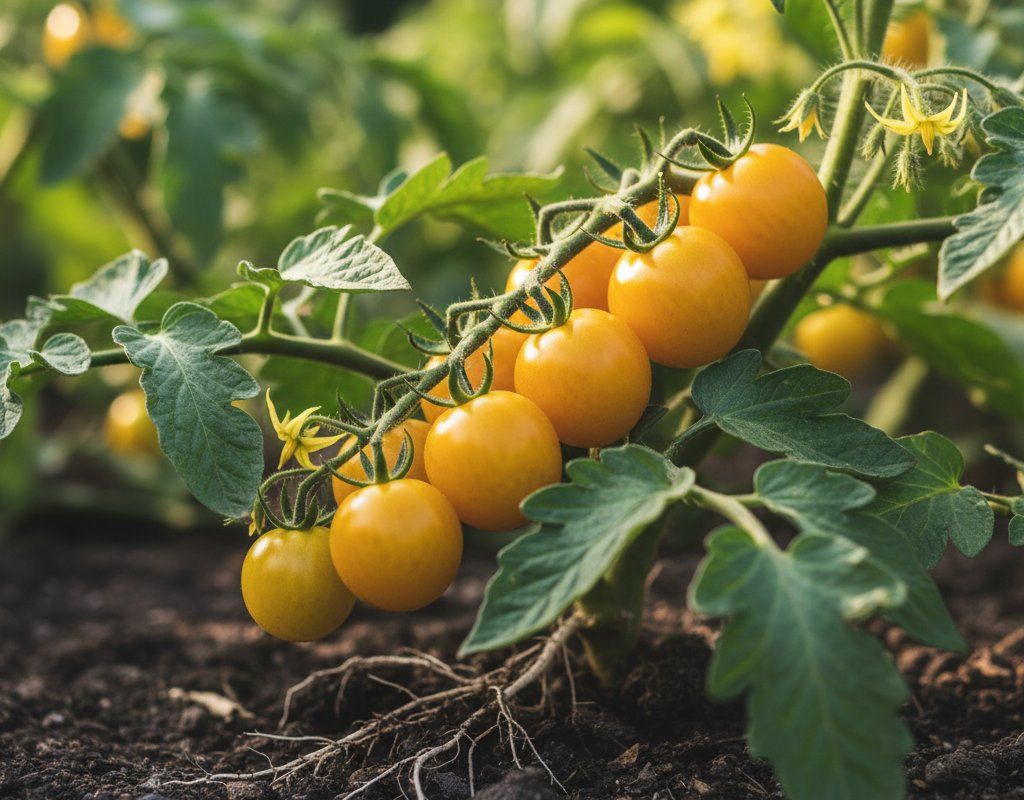
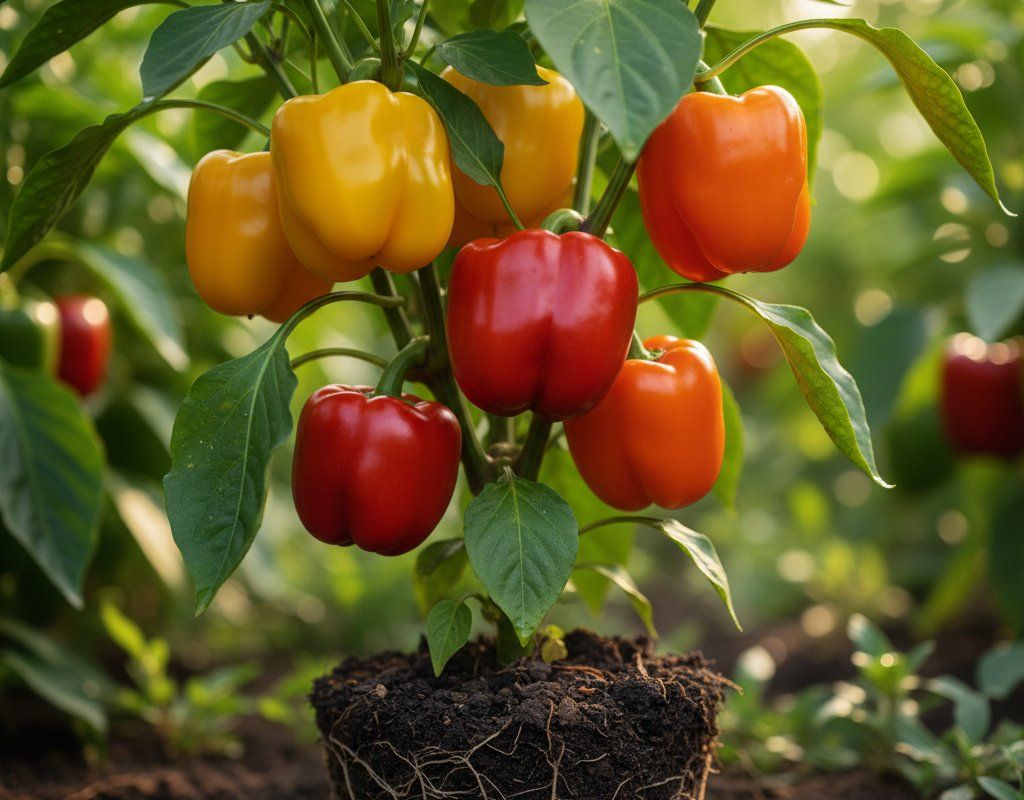

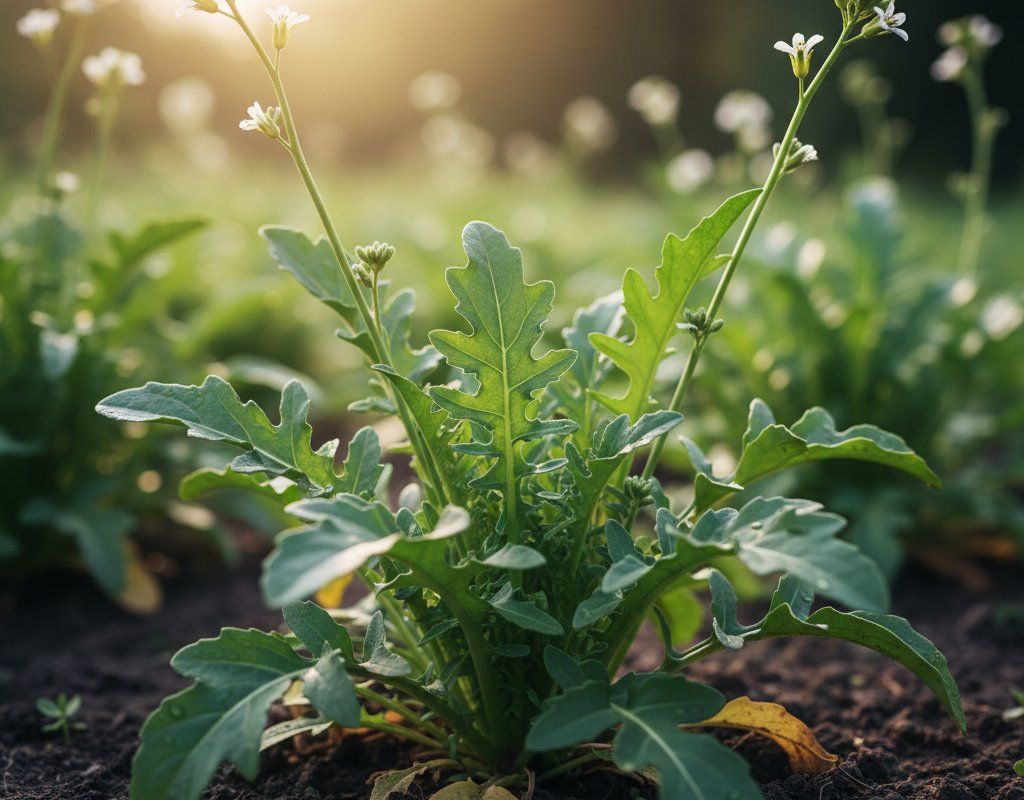
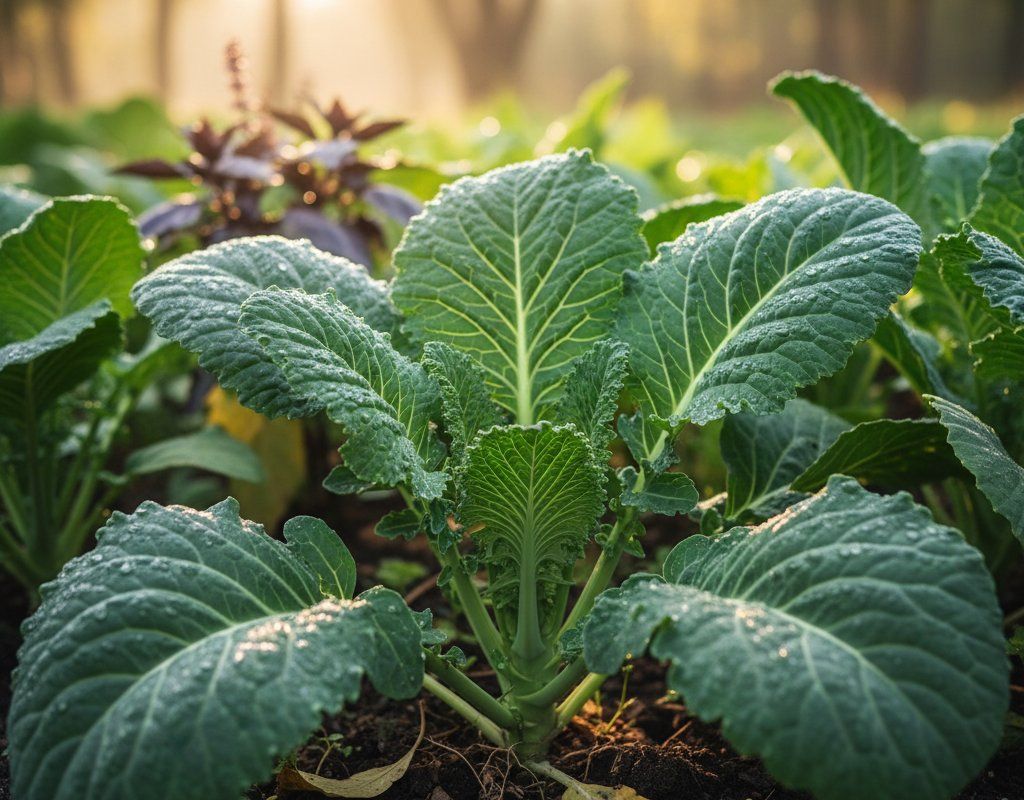
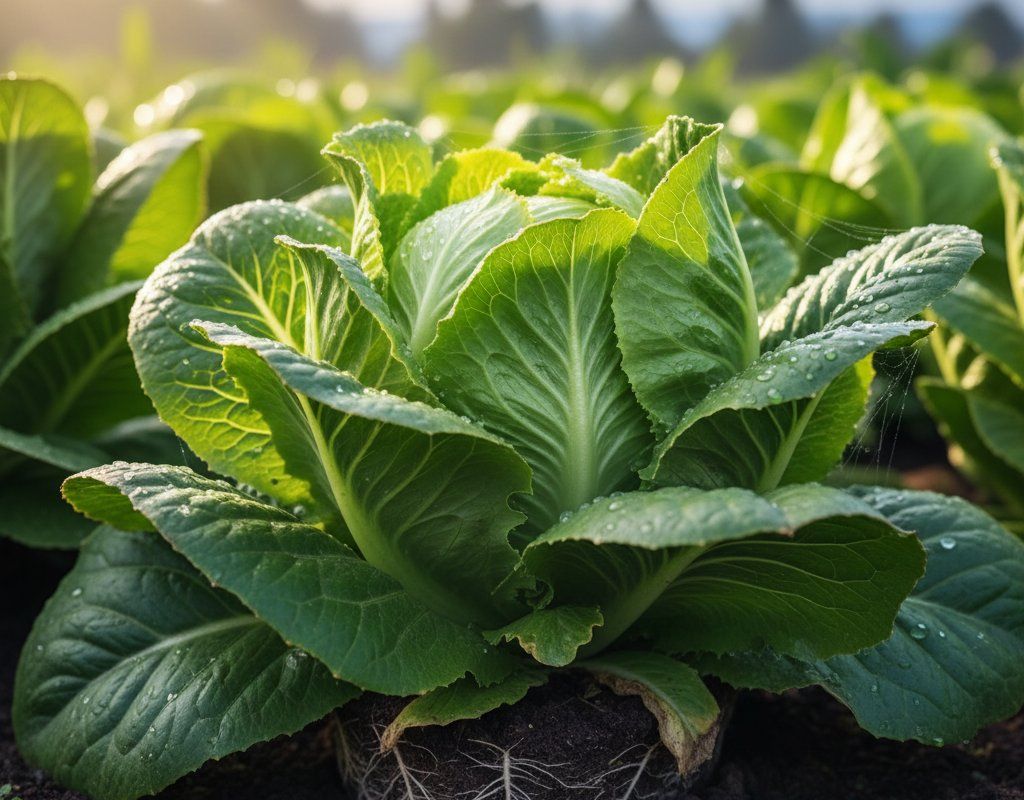
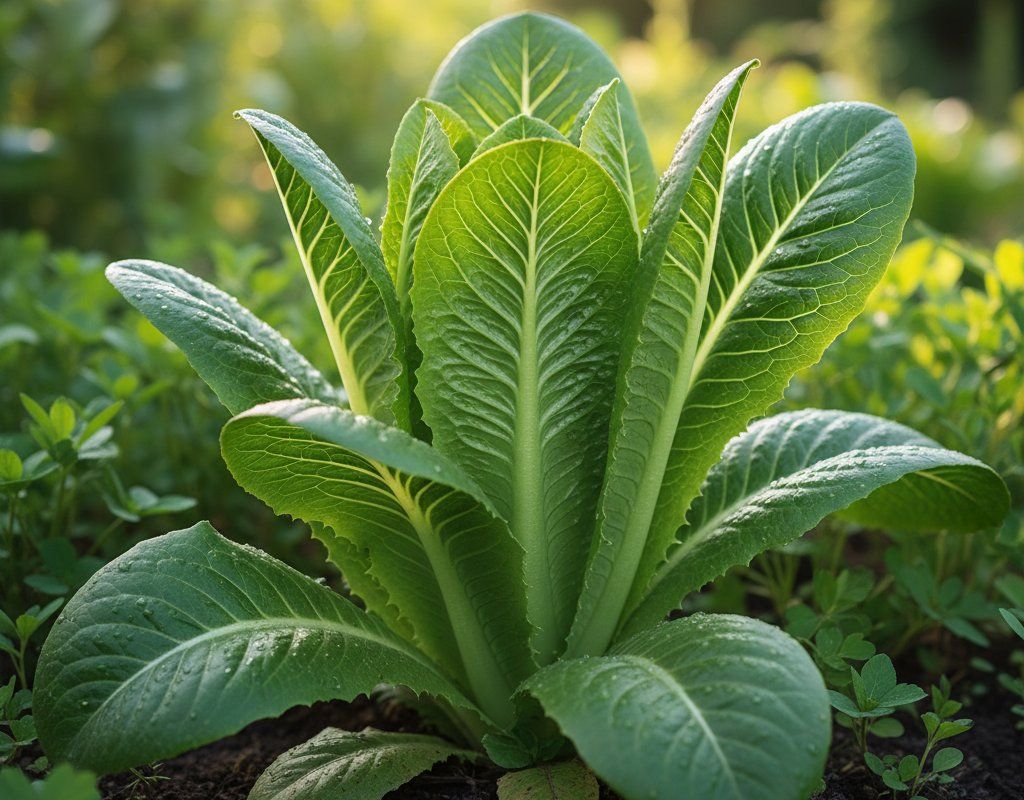
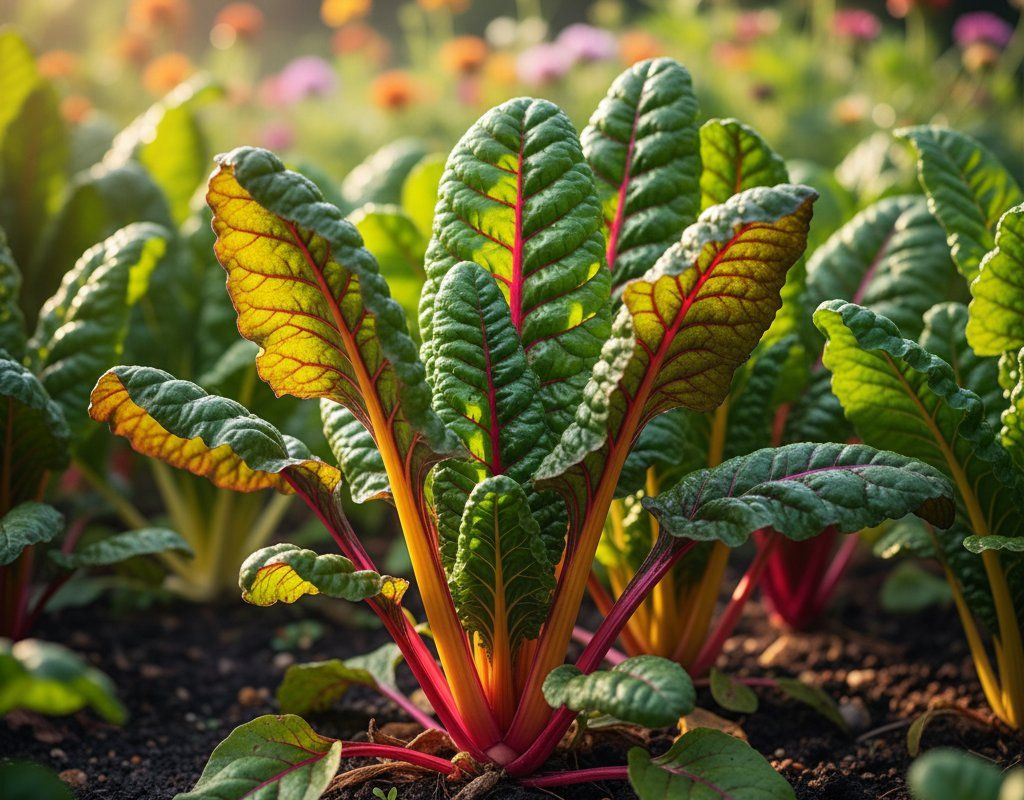
🥬Leafy Greens (9)



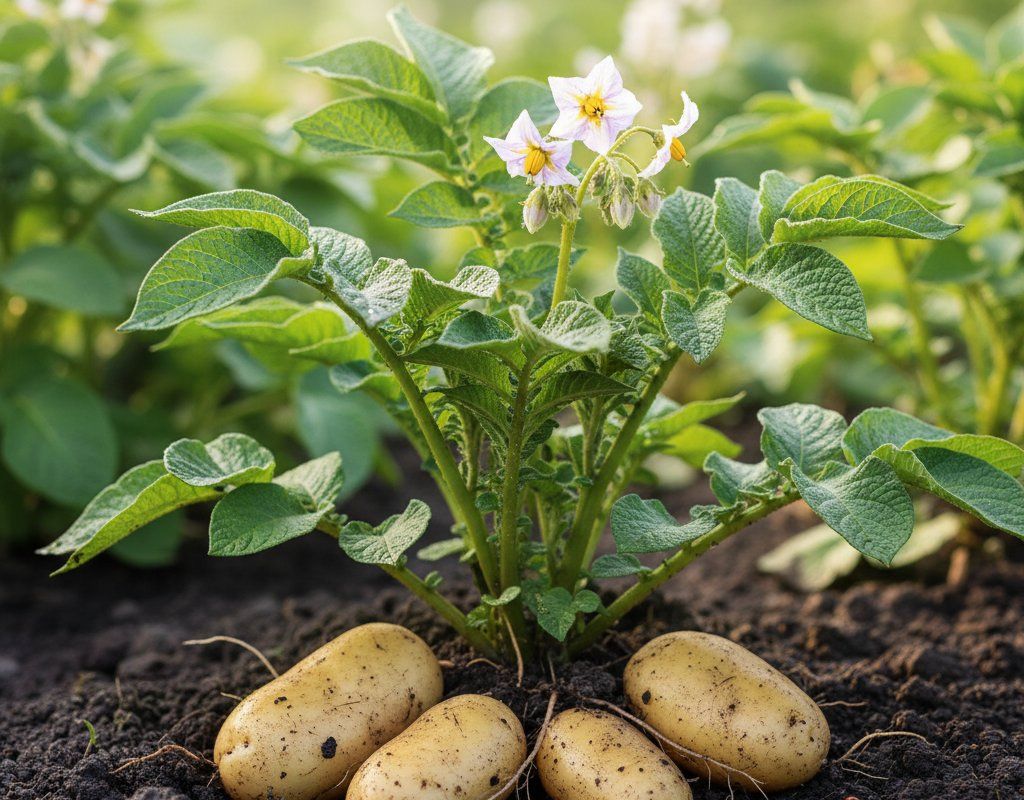
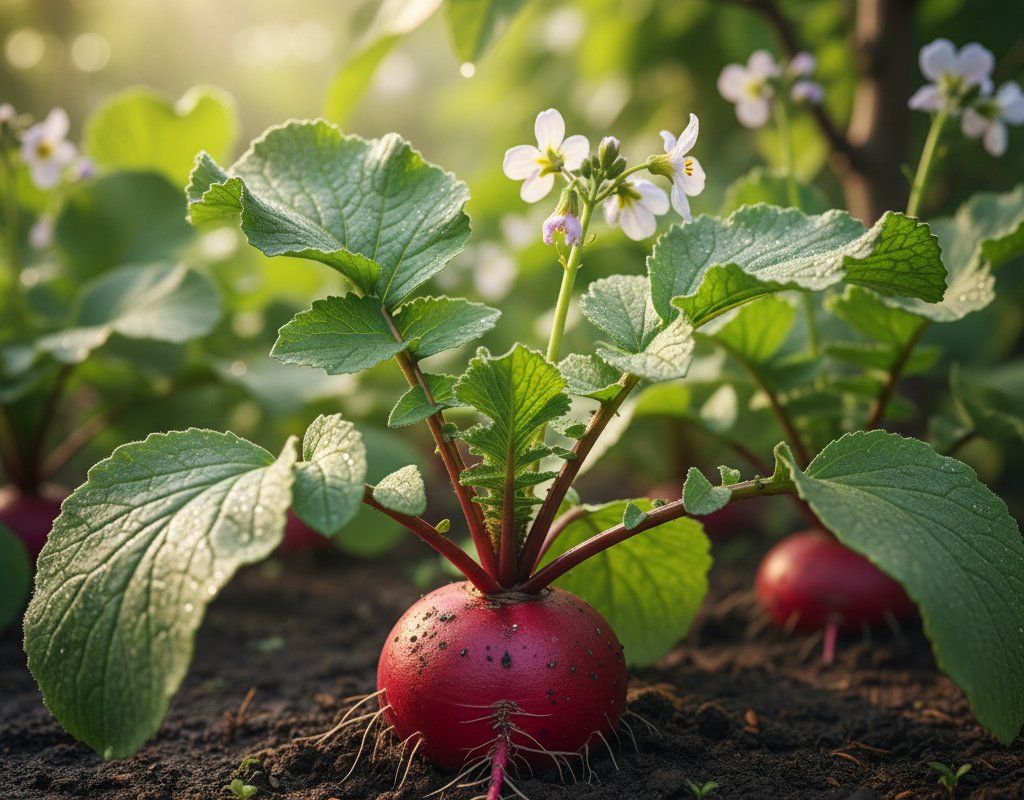
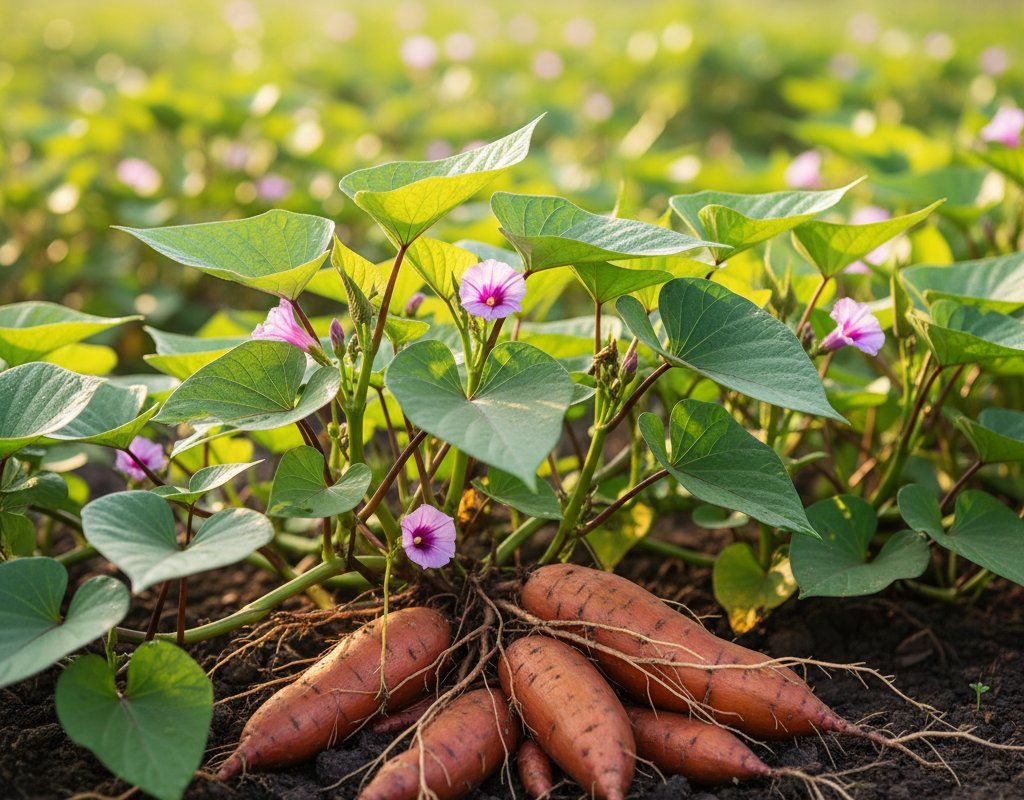
🥕Root Vegetables (5)


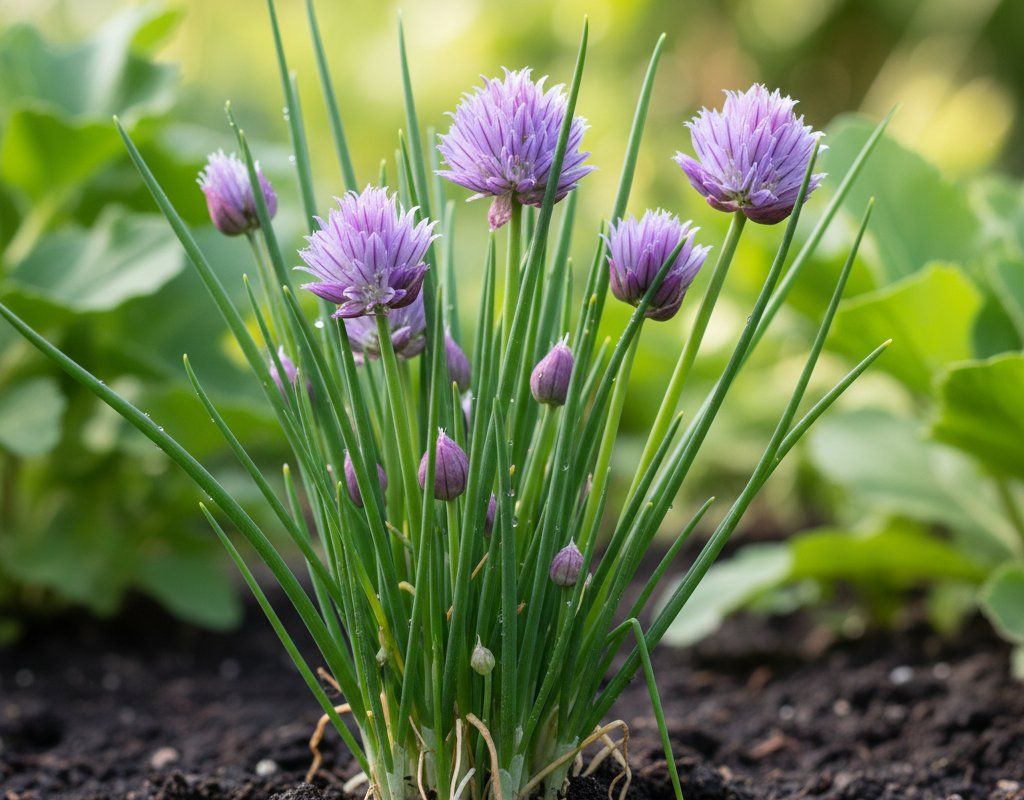
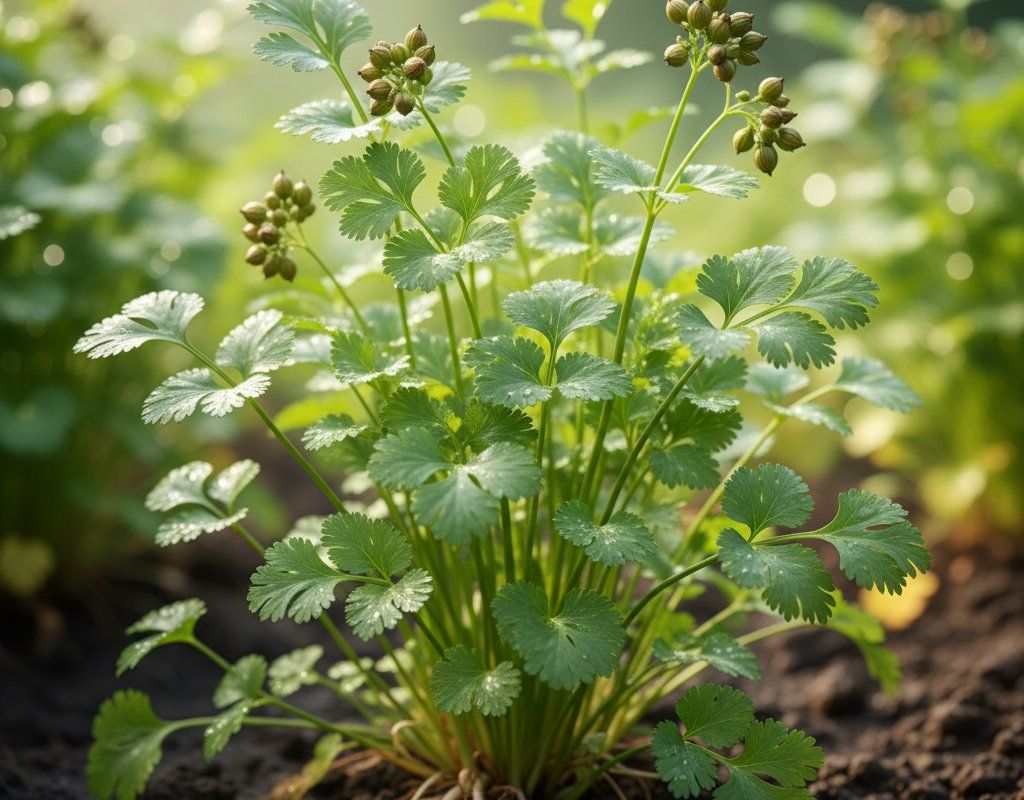
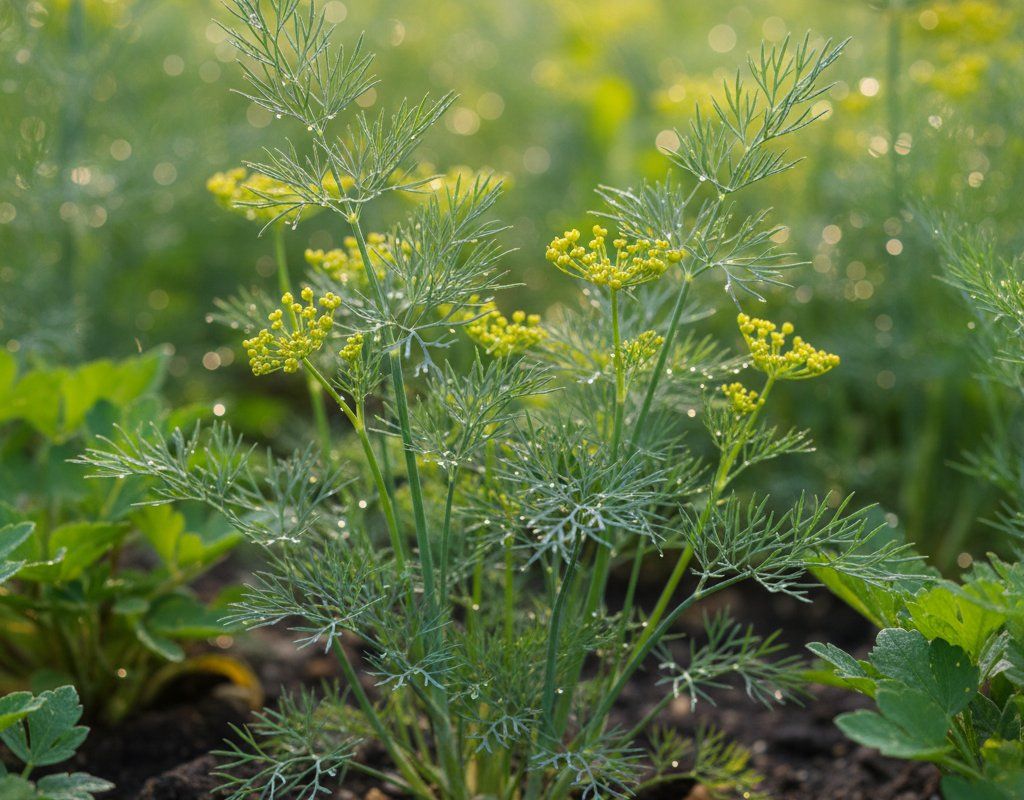
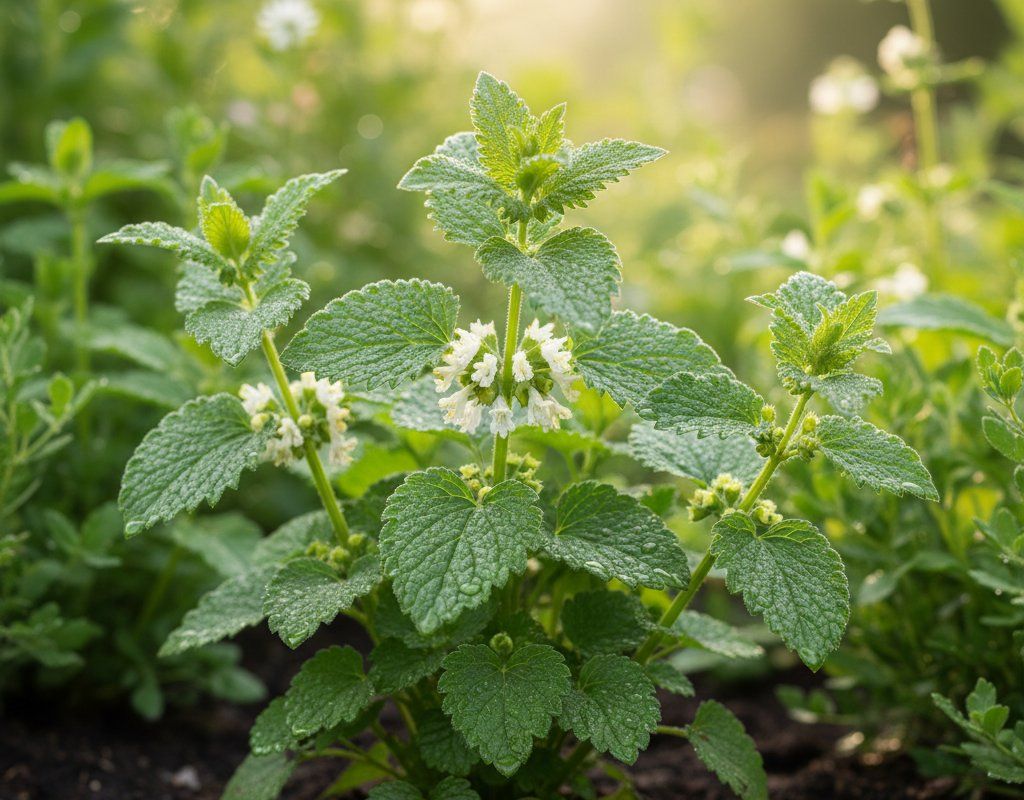
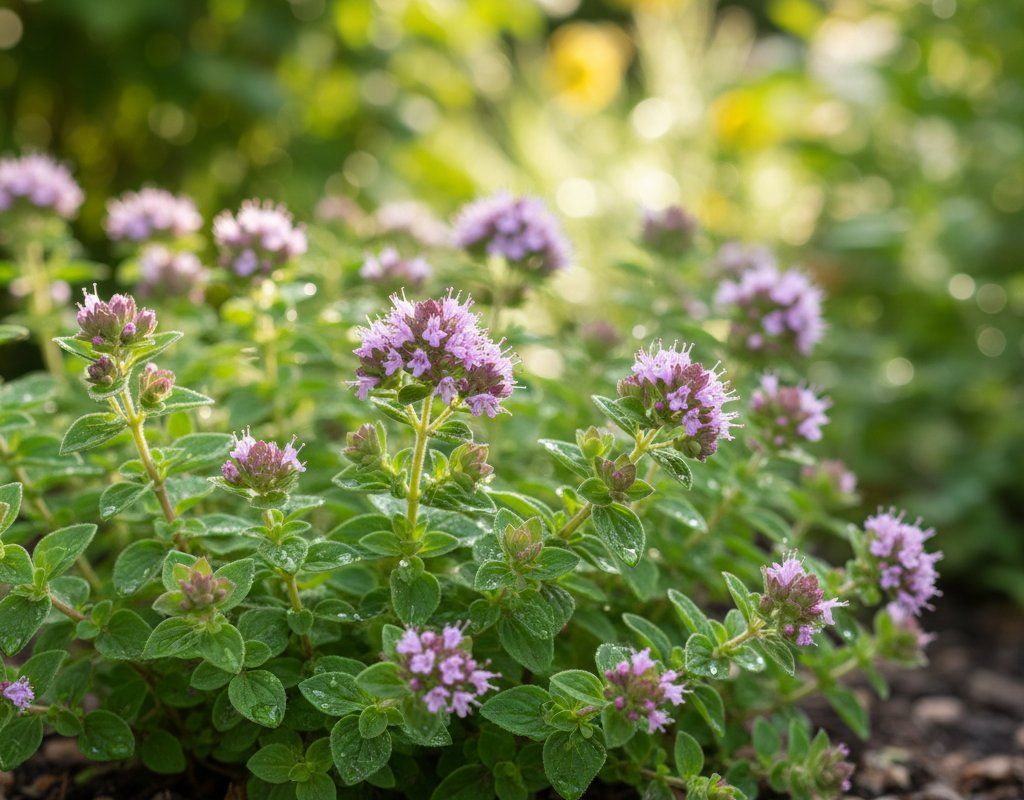
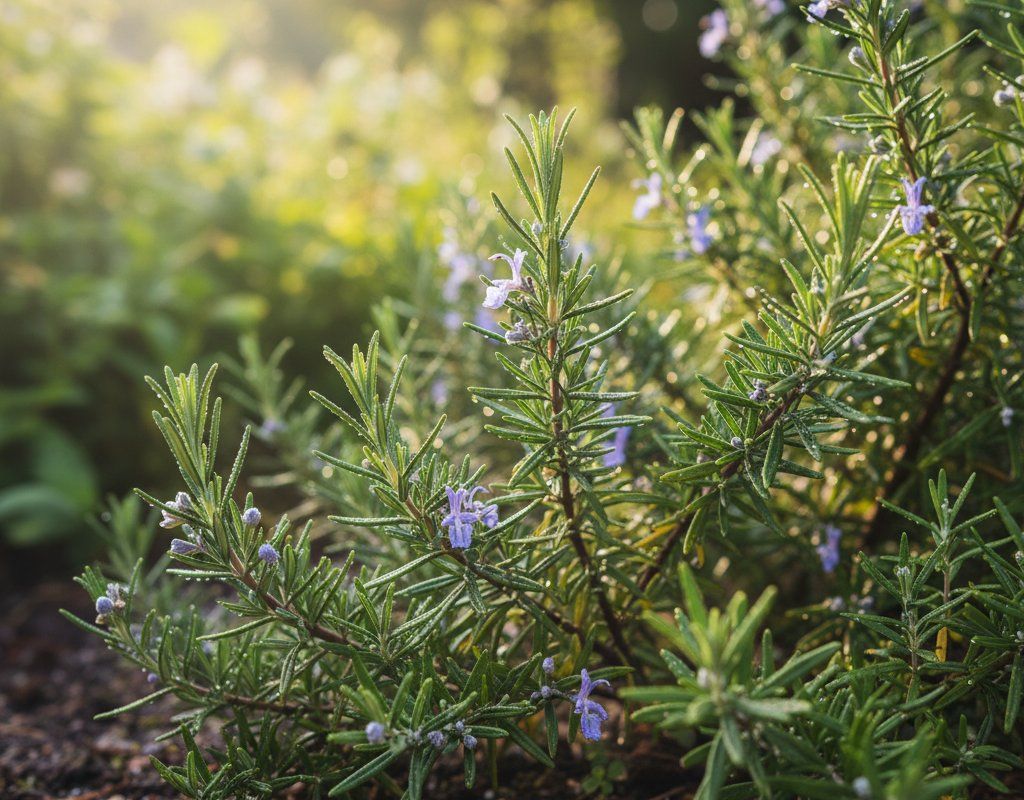
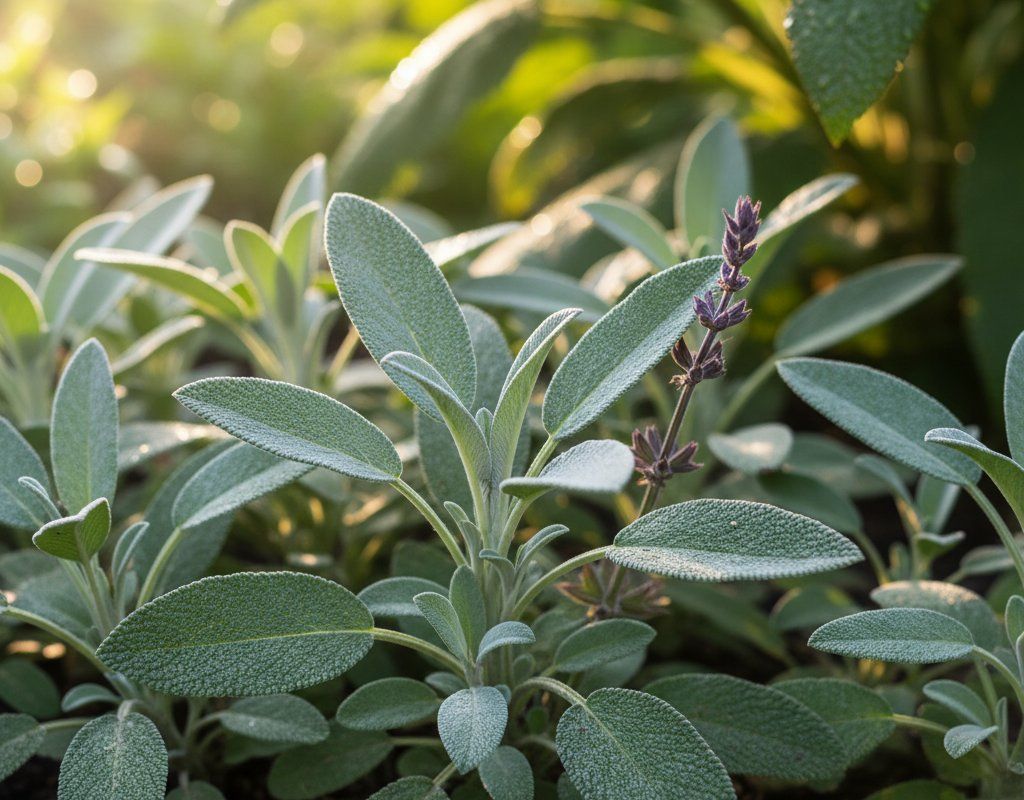
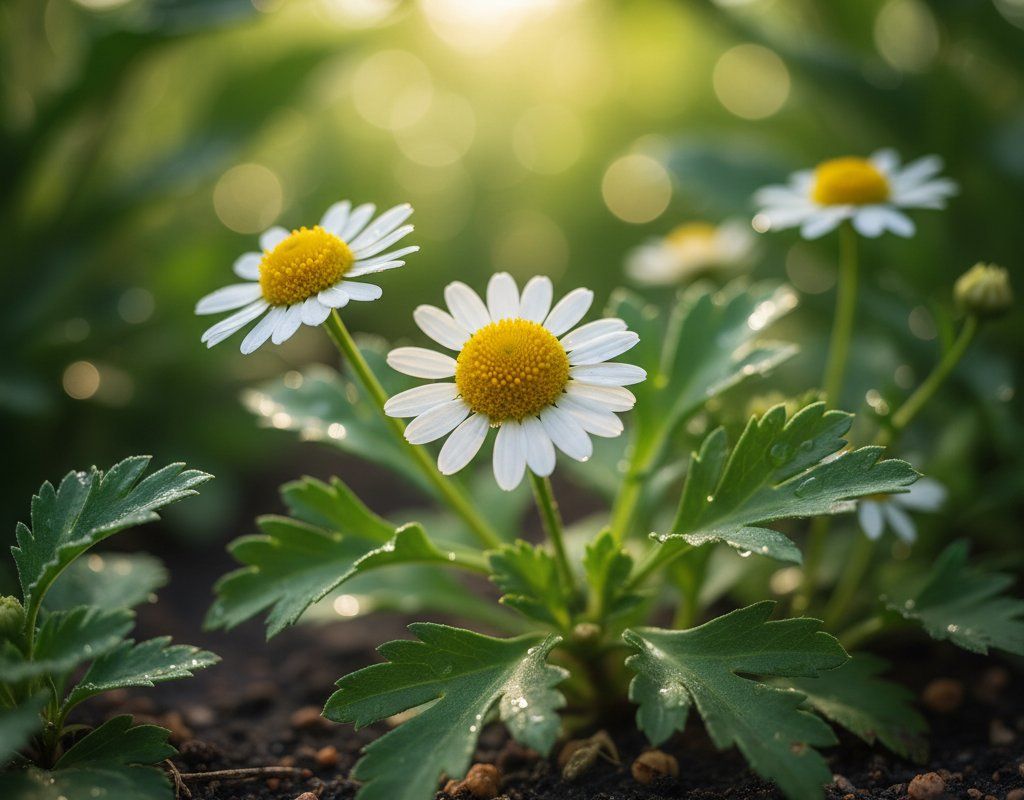
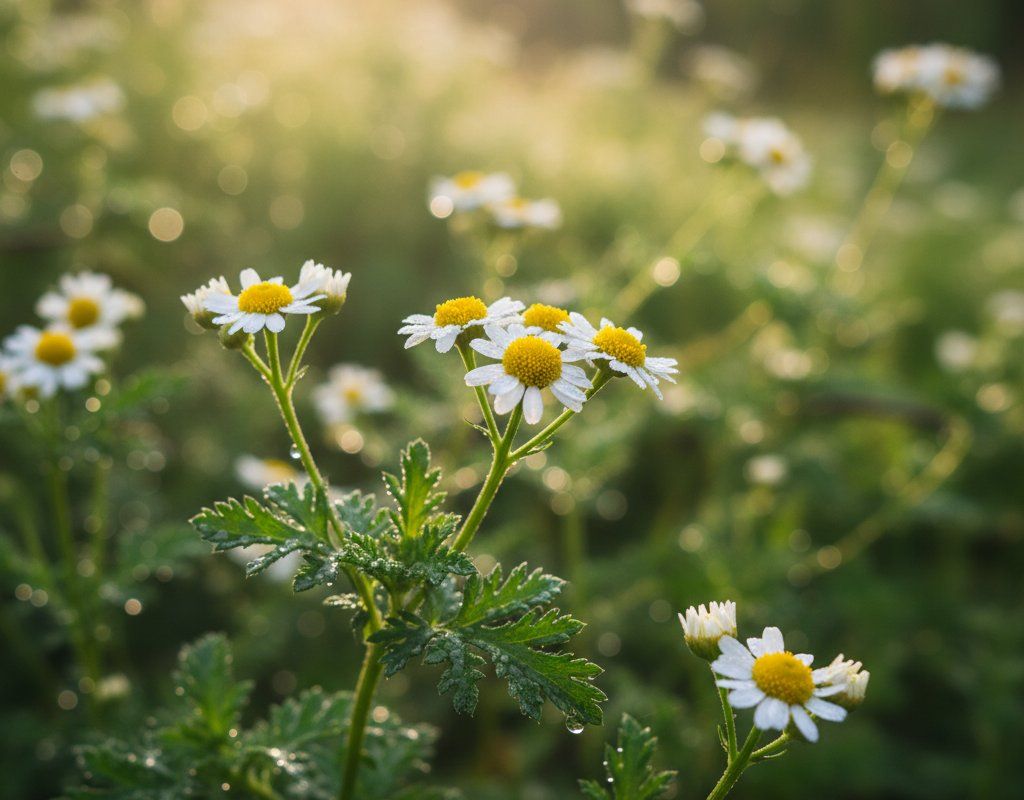
🌿Herbs (12)







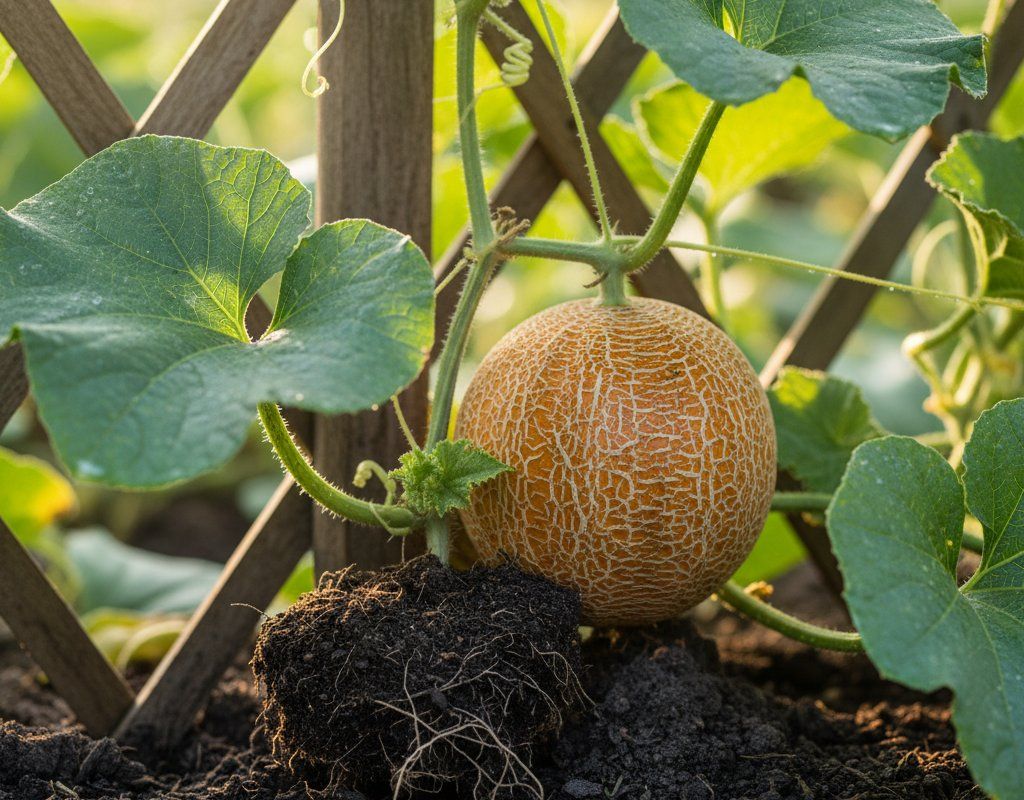
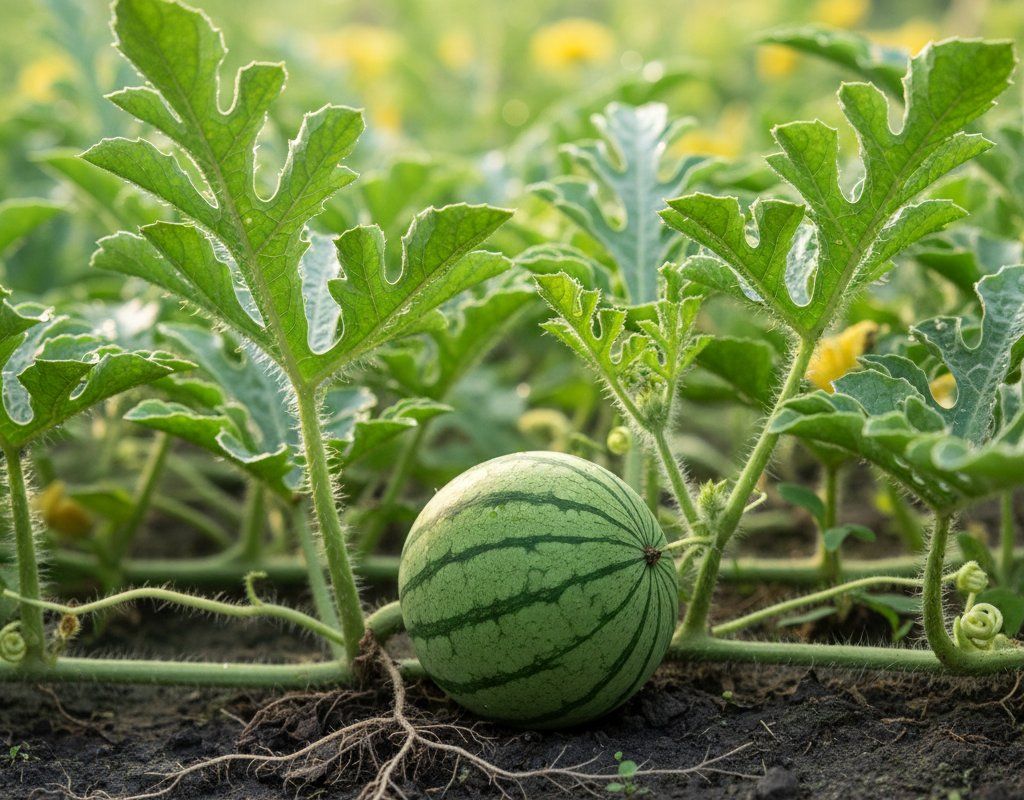
🍉Melons (2)
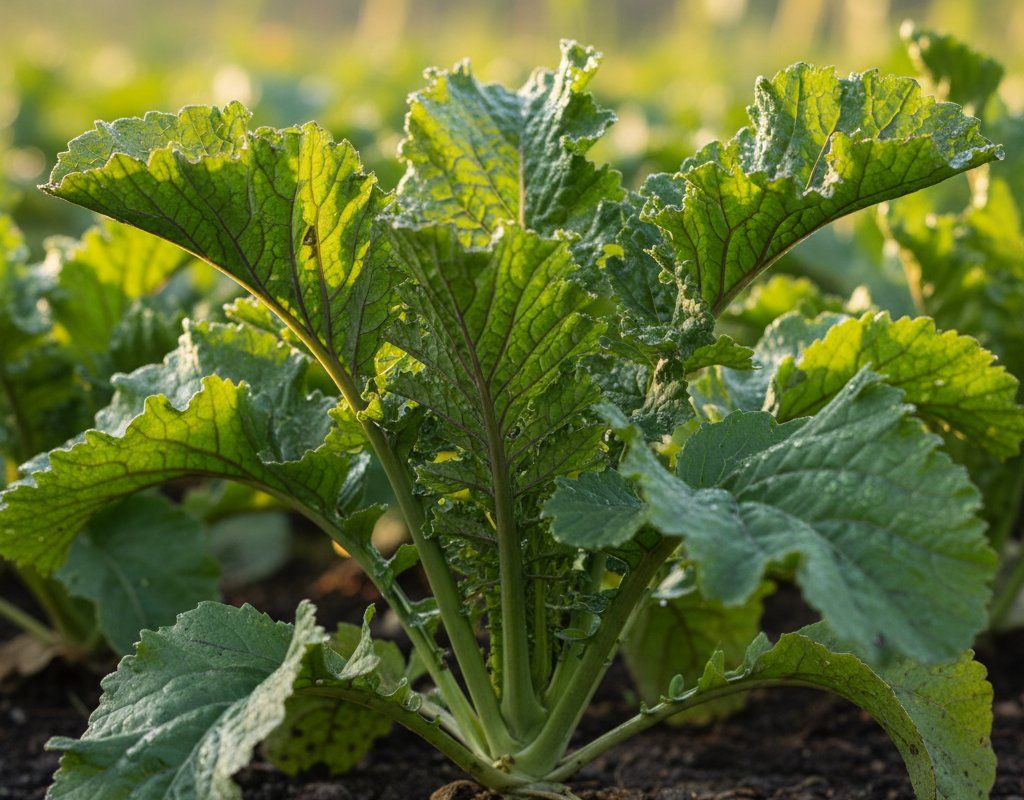
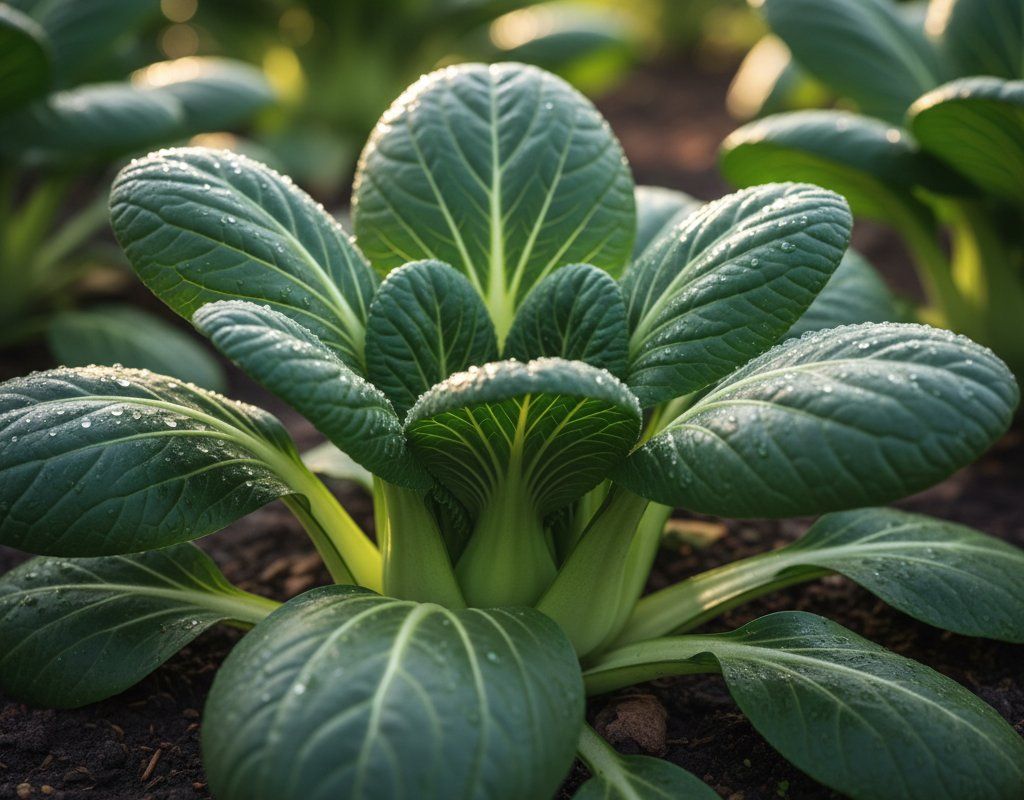
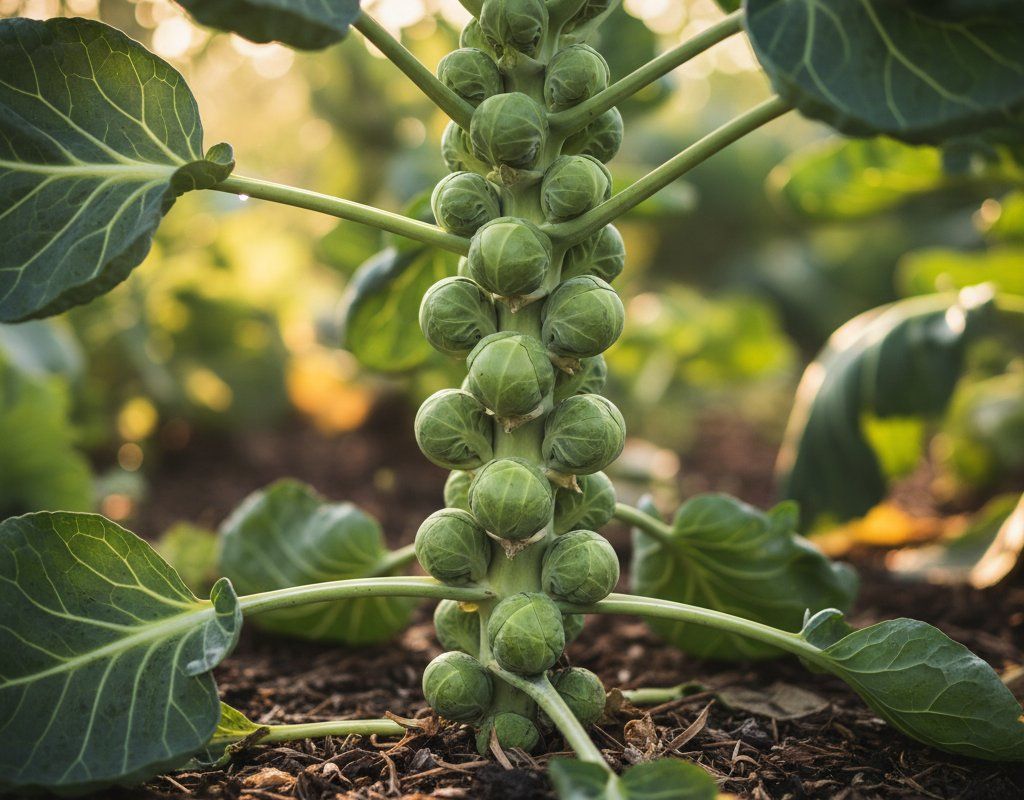
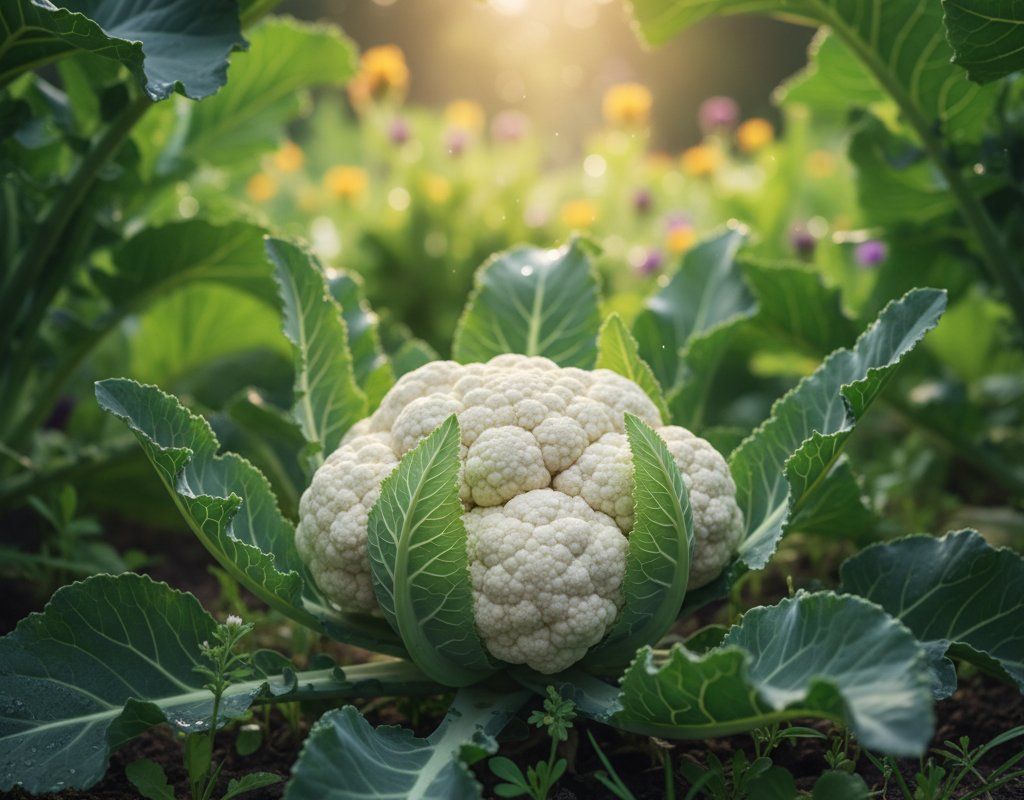
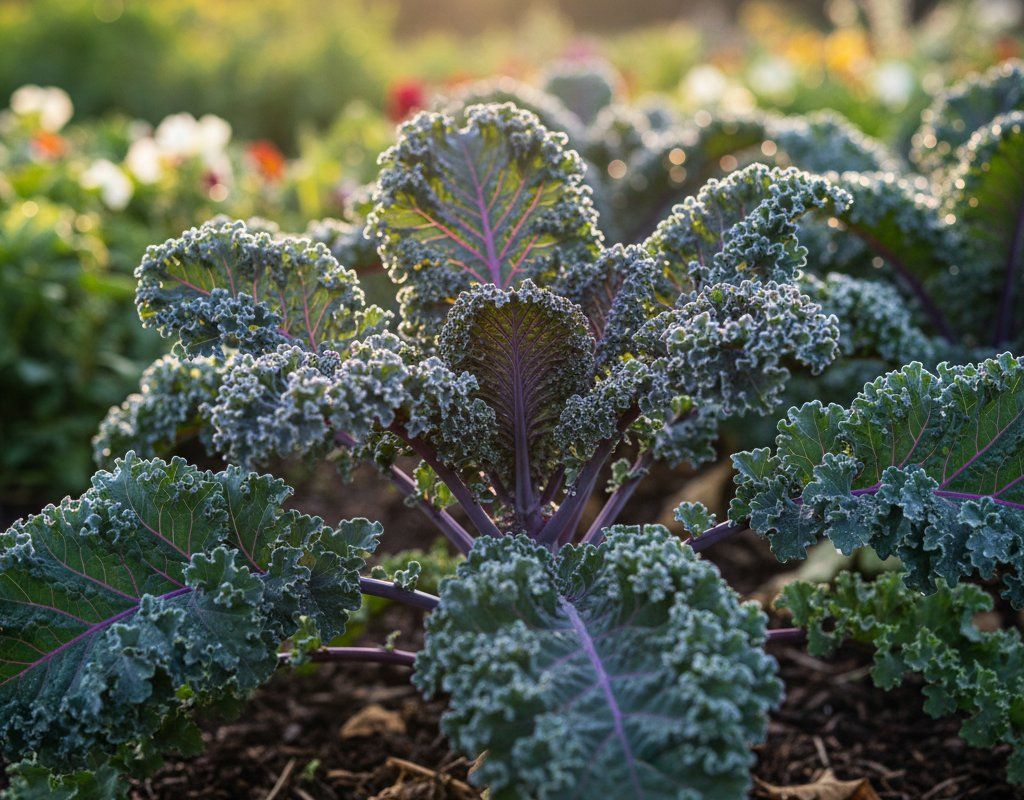
🥦Brassicas (6)


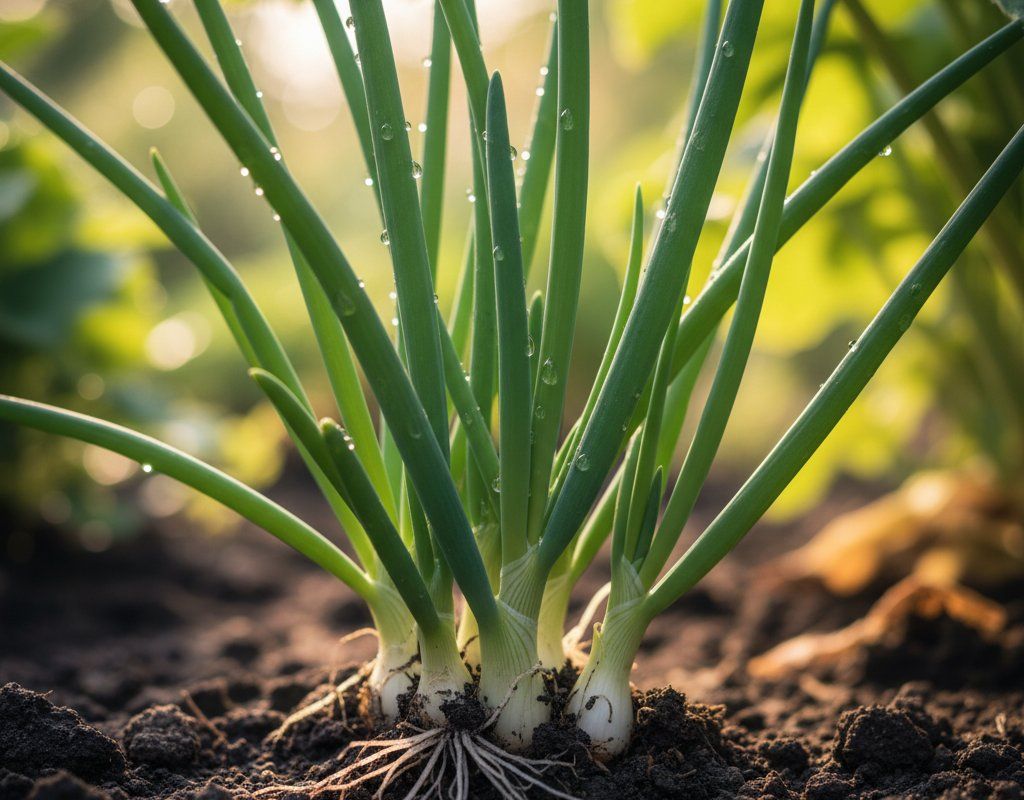
🧅Alliums (3)


🌽Grains (1)

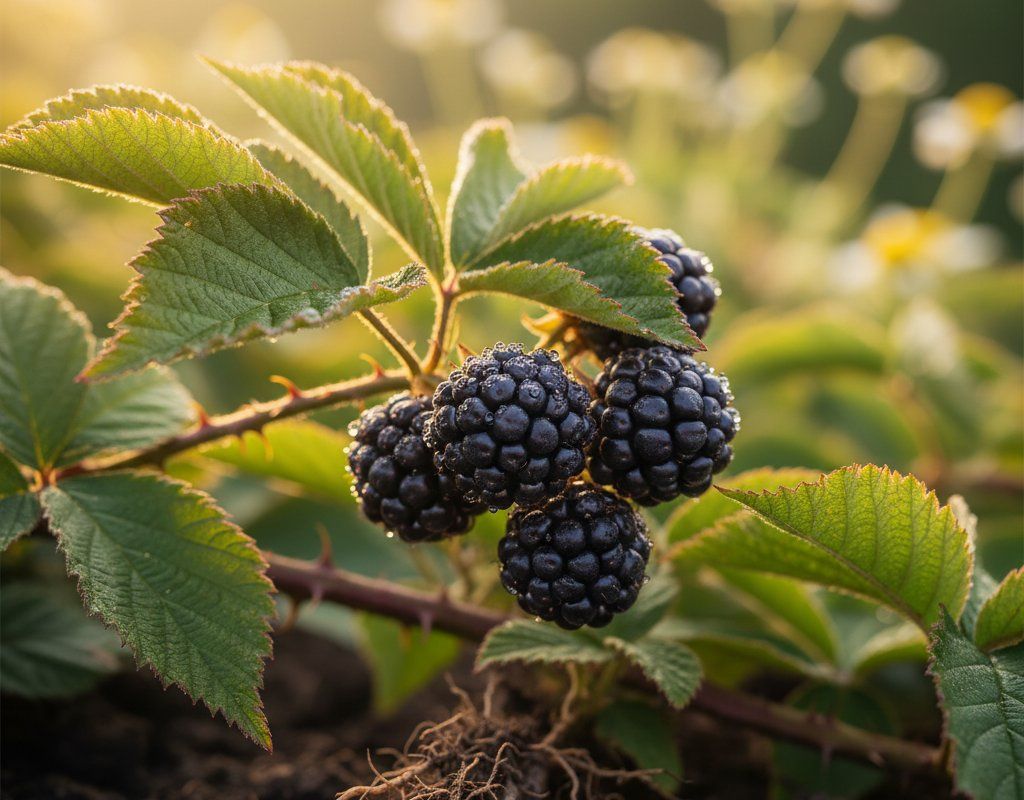
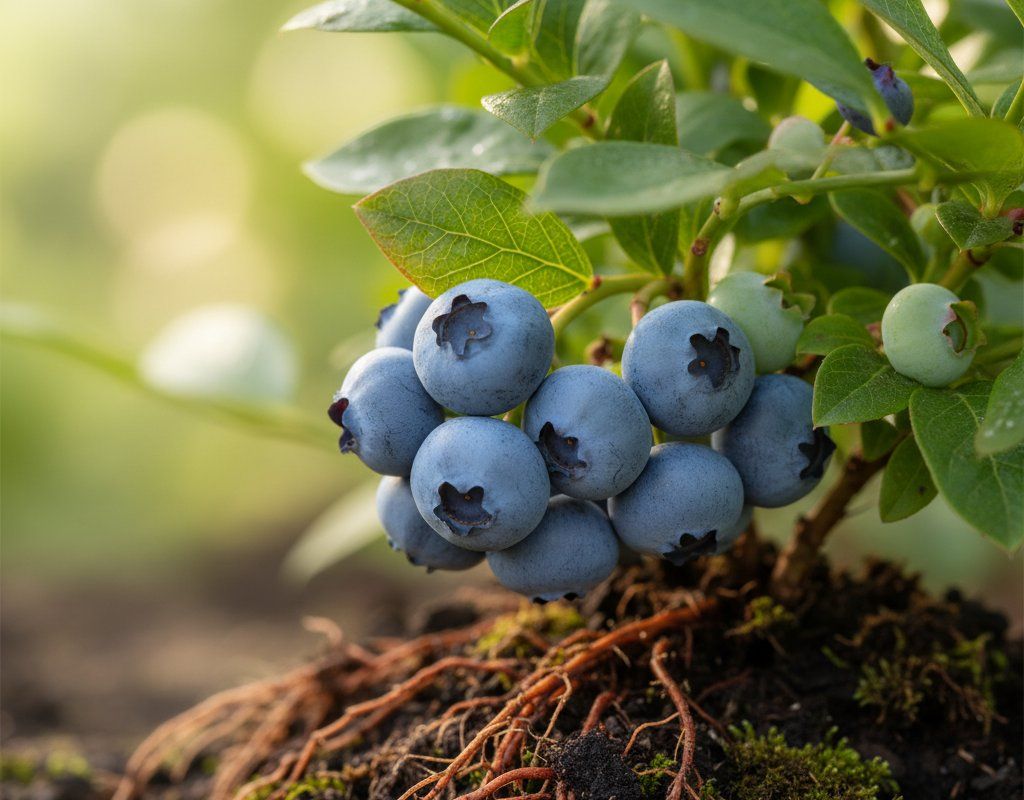
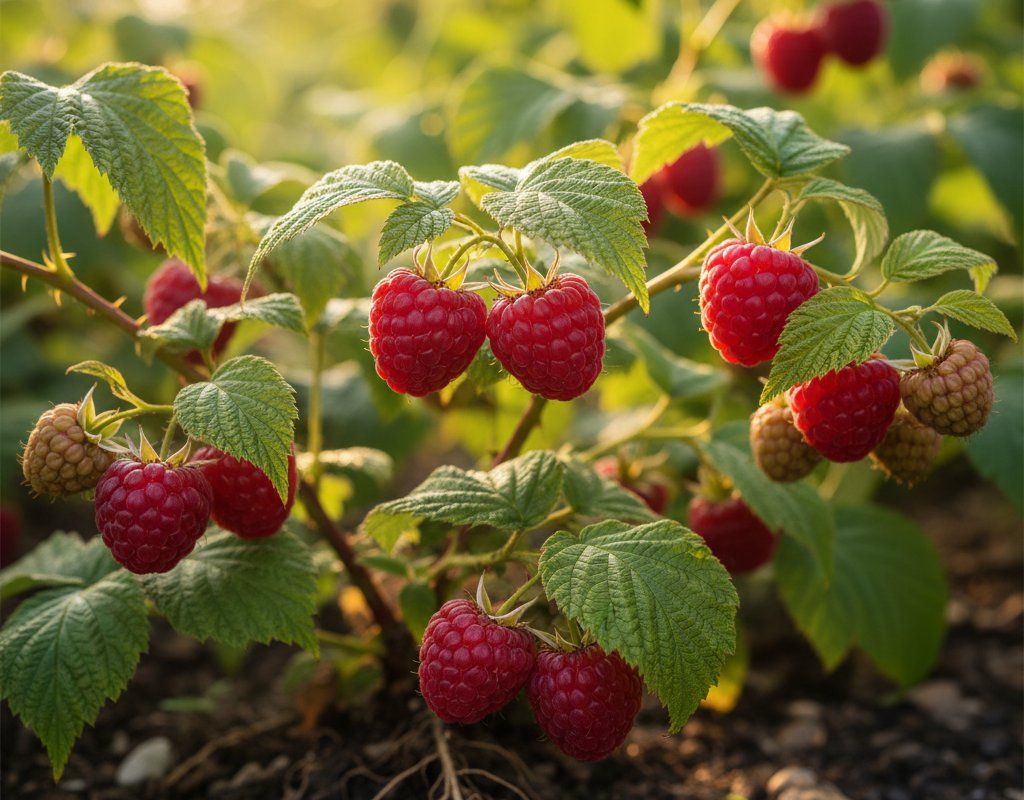

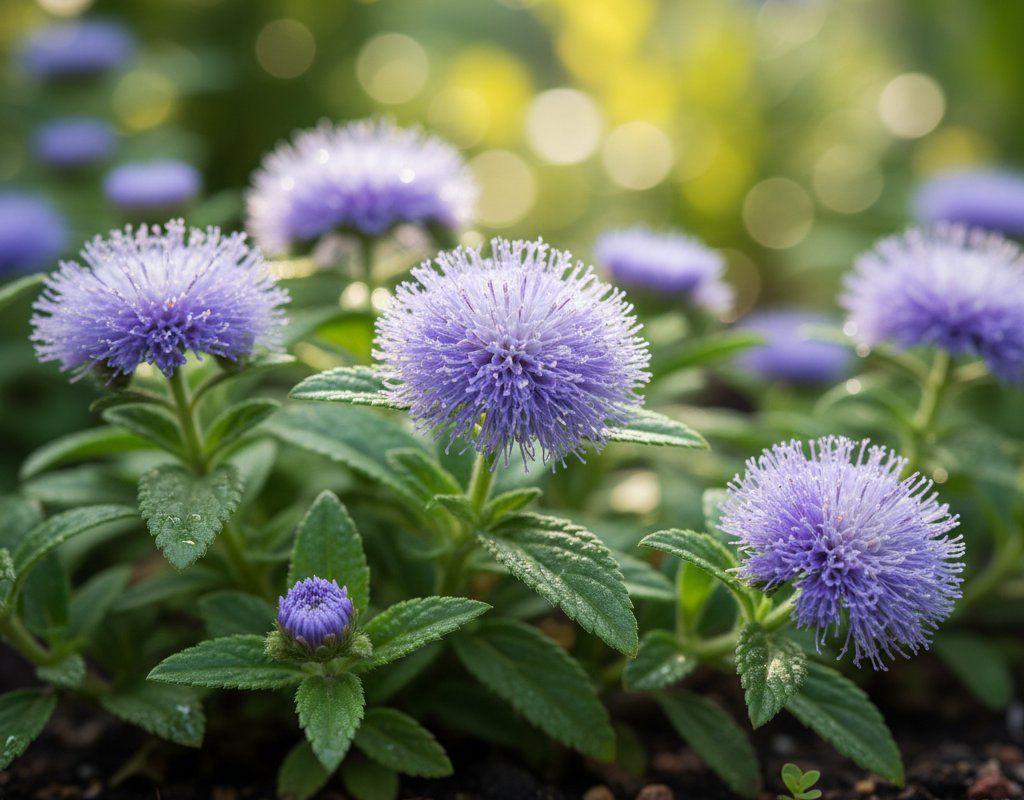
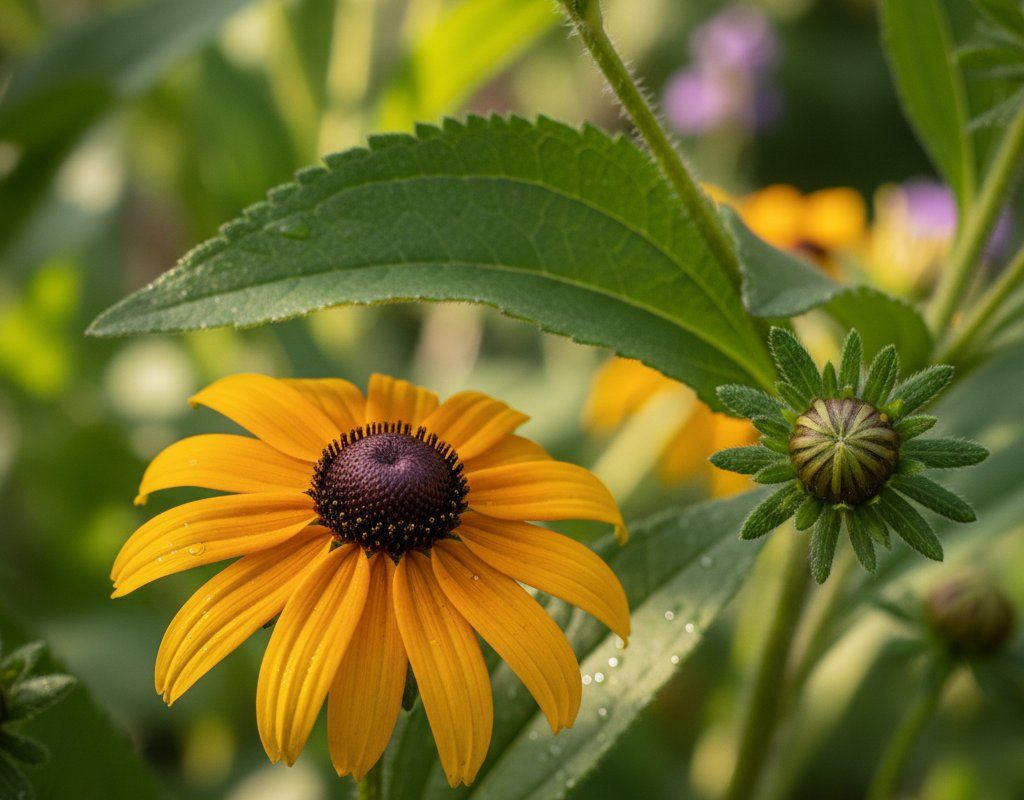
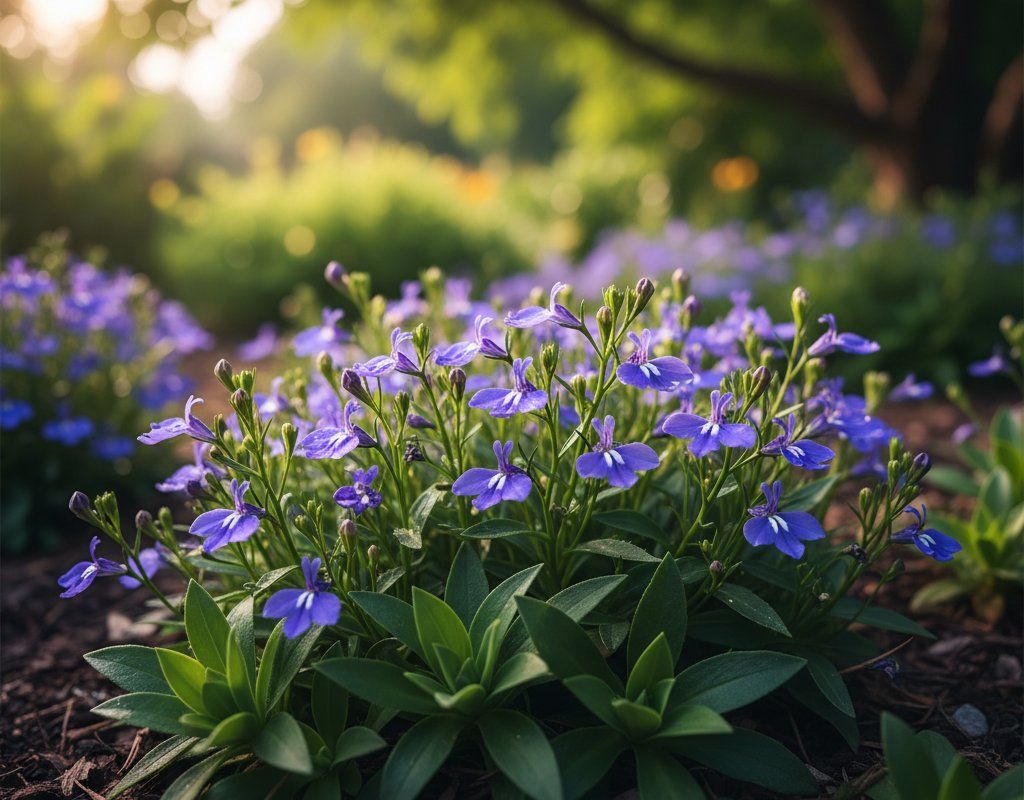
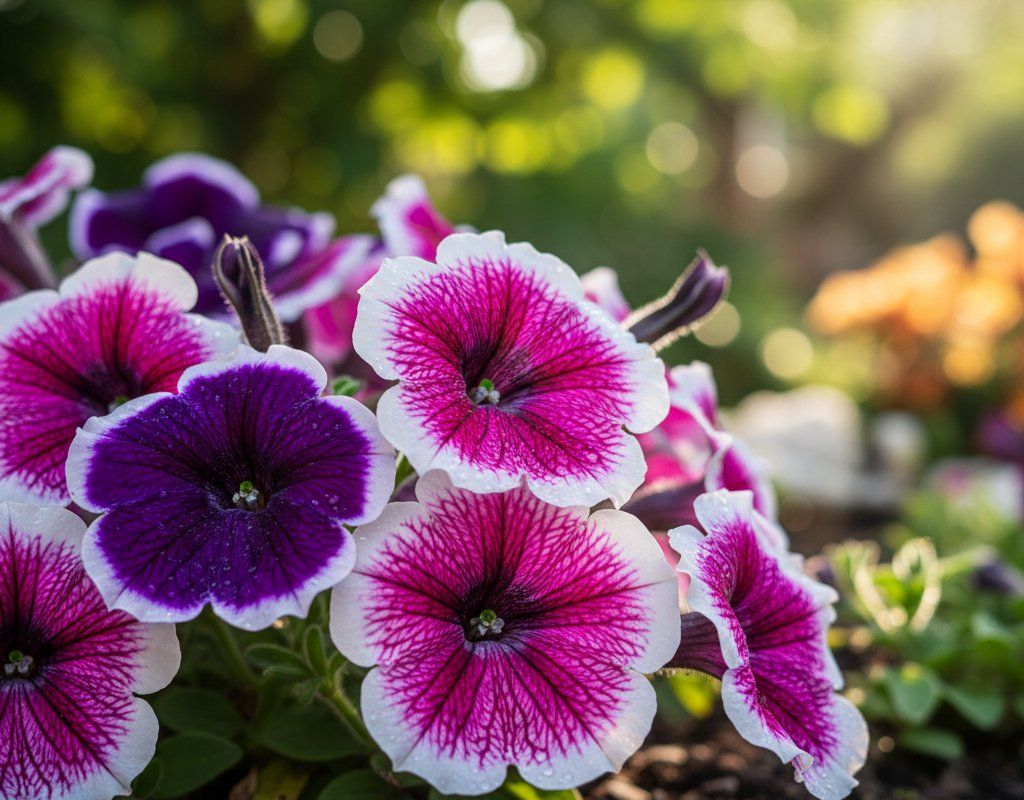
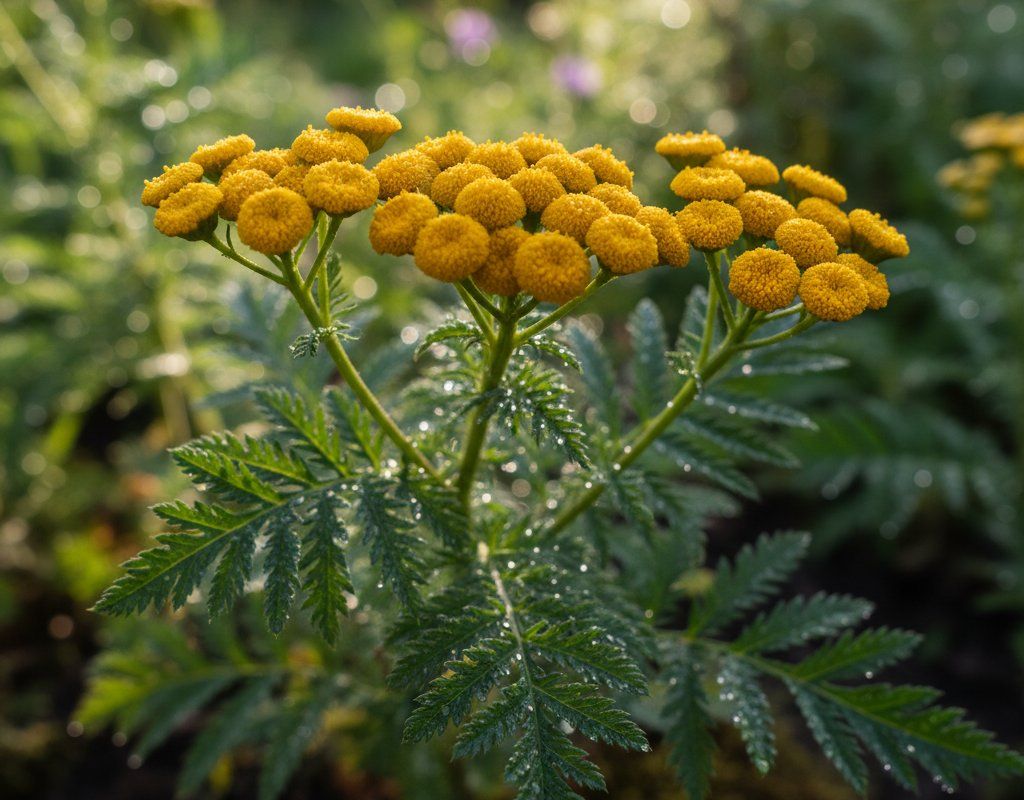
🌸Companion Flowers (20)













Month-by-Month Planting Calendar
What to do each month in your Zone 10B garden.
In January, you're entering peak cool-season vegetable planting time. Start setting out your lettuce, spinach, and root crops like carrots and beets, and begin preparing summer vegetable seedlings indoors. Consider starting heat-tolerant tomato varieties and peppers that will be ready for transplanting in early spring.
February is prime planting season for your warm-season crops. Direct sow beans, plant your first round of tomatoes and peppers, and continue succession planting of leafy greens. Begin preparing your garden beds with compost and consider installing shade cloth structures for the upcoming intense sunlight.
March brings explosive growth potential in Zone 10B. Transplant your warm-season seedlings like eggplants and peppers, direct sow squash and cucumber seeds, and continue your herb garden plantings. Watch for any unexpected temperature spikes and be prepared to provide extra water and temporary shade.
April is your transition month between cool and warm seasons. Complete planting heat-loving crops like okra and melons, finish your spring herb plantings, and start monitoring for pest populations that emerge with increasing temperatures. Begin planning your summer irrigation strategy.
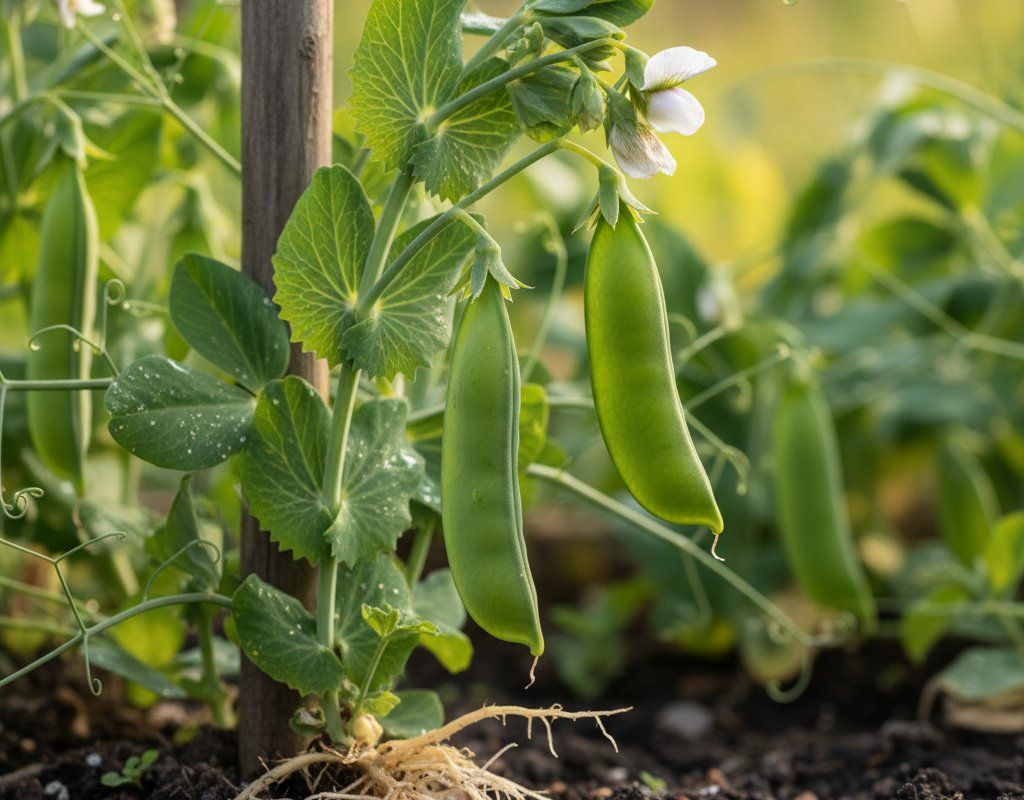
In May, focus on maintaining your established crops and preparing for intense summer heat. Install additional shade structures, mulch heavily around plants, and ensure consistent watering. Start seeds for fall crops that can handle high temperatures like sweet potatoes and southern peas.
June demands water management and heat protection. Provide afternoon shade for sensitive crops, mulch extensively, and water deeply in early mornings. Continue planting heat-tolerant varieties of tomatoes and peppers, and monitor for signs of heat stress.
July is your most challenging gardening month. Concentrate on maintaining existing crops, providing maximum shade and water, and focusing on heat-tolerant varieties. Consider planting heat-loving herbs like basil and starting your fall vegetable seedlings indoors.
August requires strategic gardening to survive intense heat. Prioritize morning watering, use shade cloth extensively, and start seeds for fall and winter crops. Focus on drought-resistant varieties and maintain consistent moisture for existing plants.
September brings your first real cooling trend. Begin planting your fall vegetable garden, including leafy greens, root crops, and brassicas. Remove spent summer crops and refresh your garden beds with compost and fresh amendments.
November offers perfect planting conditions for your cool-season crops. Direct sow root vegetables, continue establishing leafy greens, and prepare your garden for potential rare cold snaps. Monitor weather forecasts closely.
December is your final cool-season planting month. Complete your winter vegetable plantings, protect sensitive crops from potential cold fronts, and plan your upcoming spring garden. Enjoy harvesting winter greens and root crops.
Common Challenges in Zone 10B (Florida)
Zone 10B is fully tropical with 339+ frost-free days and no real winter dormancy. Continuous growing sounds like an advantage, but it means pest and disease cycles never break.
Whiteflies, mealybugs, scale insects, leaf miners, and nematodes are constant. Fungal and bacterial diseases persist year-round in the warmth and humidity.
Standard temperate garden vegetables have a very short window — most varieties of tomatoes, peppers, and lettuce can only be grown from November through March. Soil nutrient depletion happens fast with year-round cropping if you're not actively rebuilding organic matter.
Many gardeners shift to tropical crops that are better adapted to the climate.
Season Extension Tips
In Zone 10B, forget traditional season extension — instead, embrace tropical and subtropical crops. Moringa, papaya, cassava, sweet potatoes, pigeon peas, chayote squash, and Malabar spinach all produce heavily year-round.
For temperate vegetables, your window is roughly November through February: plant tomatoes, peppers, lettuce, and herbs during this 'cool' period. Use shade cloth (60-70%) and reflective mulch to moderate soil and air temperatures during the hotter months.
Container gardening on patios with afternoon shade can extend the range of what you grow. Many Zone 10B gardeners succeed with aquaponics and hydroponics systems in shaded structures.
Soil Preparation
Soil biology runs at full speed year-round, which means organic matter disappears fast. Add compost or aged manure before each planting cycle and mulch constantly.
In sandy or coral-based soils, create raised beds with imported soil mix (equal parts topsoil, compost, and peat or coir) for the best results. Worm composting works exceptionally well in tropical conditions — a single bin of red wigglers can process your kitchen scraps and produce a steady supply of rich castings.
Test soil every 6 months since rapid biological cycling can shift nutrient levels and pH quickly. Mycorrhizal inoculant helps roots access phosphorus and water in poor soils.