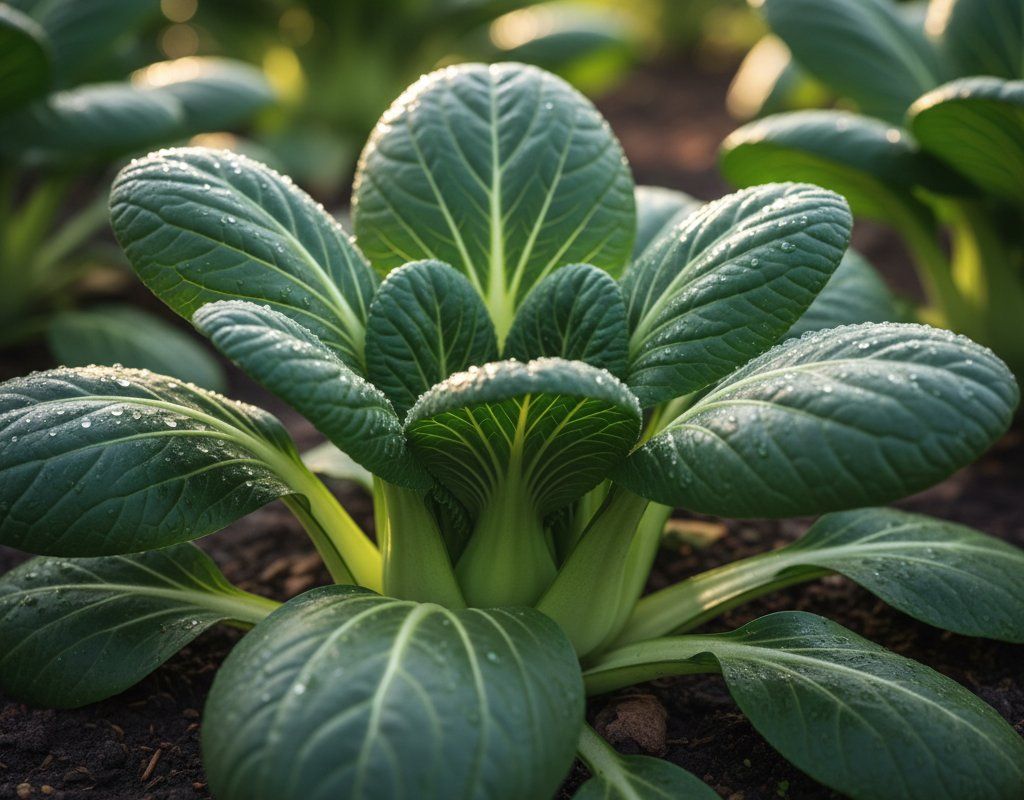
Bok Choy in Zone 9A — Florida
Brassica rapa subsp. chinensis · Your Complete 2026 Planting Guide
Harvest Time!
Your Bok Choy should be producing now!
Harvest Tips
Harvest when heads are firm and tight, before they start to loosen.
How to Plant Bok Choy in Zone 9A — Florida
Here are all your options for getting bok choy in the ground, from the easiest method to more advanced approaches.
Direct Sow Seeds
RecommendedMid January through late October
around January 18
Consider succession planting every 2-3 weeks for continuous harvest.
Start Seeds Indoors
RecommendedLate December through mid January
around January 4
Then transplant: Early February through mid March
Start seeds 4-6 weeks before transplanting outdoors.
Buy Starts
Works WellEarly February through mid March
around February 1
Plant purchased starts after last frost (February 1).
Transplant Outdoors
Timing InfoEarly February through mid March
around February 1
Can tolerate light frost, but wait for soil to be workable.
You have a nice window — no need to rush.
Fall Planting
Late October through late November
November 13 ideal · Direct sow for fall harvest
Plant a second crop in mid-summer for fall harvest. Bok Choy actually prefers the cooling temperatures of fall.
Overview
Bok choy is a fantastic addition to your Florida garden. It's quick to mature, delicious in stir-fries and soups, and surprisingly easy to grow here. Plus, it gives you that satisfying feeling of harvesting fresh greens when so many other plants are taking a break during our warmer months.
Sure, we have our challenges with heat, humidity, and pests. But with a little planning and attention to timing, you can enjoy a bountiful bok choy harvest during our extended growing season. Remember, our Florida gardening calendar is different – we plant in fall, harvest in winter, and summer is the slow season!
Starting Seeds Indoors
Starting bok choy indoors is definitely an option, especially if you want a head start. Late December through mid January is a good time to get those seeds going indoors, about four weeks before you'd like to transplant. Use seed trays and a good seed-starting mix, and keep them in a warm spot with plenty of light.
Bottom watering is your friend here; it helps prevent damping off. Honestly, though, bok choy sprouts pretty easily, so most of us just direct sow. But if you're aiming for an extra-early crop, indoor starting is worth considering. Keep in mind, our spring character is reversed, so plan accordingly!
Transplanting Outdoors
Transplanting bok choy outdoors is best done from early February through mid March. Before you move your seedlings outside, be sure to harden them off. Give them about a week of gradual exposure to the elements.
Space them 6-10 inches apart in your garden bed. Keep an eye on the weather – those early months can bring unexpected temperature swings. If a cold snap is forecast, be ready to cover your young plants.
Direct Sowing
Direct sowing bok choy is super easy and works great here in Florida. You can sow seeds mid January through late October. Prepare your soil well, making sure it's loose and fertile. Bok choy likes a soil temperature between 50°F and 70°F for best germination.
Sow seeds about ½ inch deep and space them 6-10 inches apart. Keep the soil consistently moist until the seedlings emerge. The advantage of direct sowing is you avoid transplant shock, and it's less work! The only downside is you have to be more vigilant about pests when the seedlings are small.
Watering Bok Choy in Zone 9A (Florida)
Watering is absolutely key to happy bok choy in Florida. Our summers are hot and humid, but even during cooler months, consistent moisture is essential to prevent bolting.
During the cooler months (fall through spring), aim for about 1 inch of water per week, either from rain or irrigation. In the hotter, more humid months, check the soil moisture more frequently. Stick your finger about 2 inches deep – if it feels dry, it's time to water. Water at the base of the plants to avoid wetting the leaves, which can encourage fungal diseases in our humid climate.
Signs of underwatering include wilting leaves and slow growth. Overwatering can lead to yellowing leaves and root rot. A good layer of mulch, like pine straw or wood chips, helps retain moisture and regulate soil temperature.
🧪Fertilizing Bok Choy
Feeding Schedule
Organic Fertilizer Options
Harvest Time
You can expect your first bok choy harvest about 45 days after planting. That means if you planted in early February, you could be harvesting by early March! Look for baby bok choy when the leaves are about 6-8 inches tall, or wait for the full-size heads to reach 12-15 inches.
To harvest, cut the bok choy just above the base, leaving the roots intact. This encourages regrowth for a continuous harvest. Keep harvesting regularly to prevent bolting, especially as the weather warms up.
As late December approaches and our first frost looms, harvest any remaining bok choy, even if it's small. You can always use it in soups or stir-fries.
Common Problems in Zone 9A (Florida)
Here are some common problems you might encounter growing bok choy in Florida:
Flea Beetles
- What it looks like: Tiny round holes (shot-hole pattern) in the leaves. You'll see small, dark beetles jumping around when you disturb the plant.
- What causes it: These small jumping beetles love to feed on brassicas, especially young seedlings.
- How to fix/prevent it: Use row covers to protect seedlings. You can also try coating the plants with kaolin clay or spraying with neem oil. Interplanting with basil or catnip can help repel them.
Cabbage Worms
- What it looks like: Smooth green caterpillars chewing irregular holes in the leaves. You might also see dark green droppings and white butterflies fluttering around.
- What causes it: These are the larvae of those white cabbage butterflies, and they can have multiple generations in our warm climate.
- How to fix/prevent it: Bt spray is very effective. Use floating row covers to keep the butterflies from laying eggs. Handpick the caterpillars if you see them.
Slugs
- What it looks like: Irregular holes in the leaves, especially on lower leaves. Silvery slime trails are a dead giveaway.
- What causes it: Slugs love moist conditions and feed at night. They hide under mulch and debris during the day.
- How to fix/prevent it: Beer traps work well. You can also use iron phosphate bait, which is pet-safe. Remove any hiding spots around your plants. Water in the morning so the soil surface dries out by evening.
Bolting in Heat
- What it looks like: The plant sends up a flower stalk, and the leaves become tough and bitter.
- What causes it: Bok choy is a cool-season crop and will bolt when temperatures get too high.
- How to fix/prevent it: Time your plantings for the cooler months (spring and fall). Choose bolt-resistant varieties. Provide shade during warm spells. Mulch to keep the soil cool.
Florida Specific Challenges: Our extreme humidity can exacerbate fungal diseases, so be sure to provide good air circulation and avoid overhead watering. Nematodes can also be a problem in our sandy soil, so consider using nematode-resistant varieties and amending your soil with organic matter. Remember, our wet-summer rainfall patterns mean you need to be extra vigilant about drainage to prevent root rot.
Best Companions for Bok Choy
Plant these nearby for healthier Bok Choy and better harvests.





Keep Away From


Companion Planting Details
Good companion plants for bok choy include garlic and onions, which help deter pests. Beets can improve soil health, while lettuce and spinach offer ground cover and help retain moisture. Avoid planting bok choy near strawberries and tomatoes, as they can attract similar pests and diseases. Planting near aromatic herbs can also help deter pests.
🌸Best Flowers to Plant with Bok Choy
These flowers protect your Bok Choy from pests and attract pollinators for better harvests.


Get a Reminder When It's Time to Plant
We'll email you when key planting windows open for your zone.