
Spinach in Zone 9A — Florida
Spinacia oleracea · Your Complete 2026 Planting Guide
Harvest Time!
Your Spinach should be producing now!
Harvest Tips
Harvest outer leaves for cut-and-come-again, or cut whole head.
How to Plant Spinach in Zone 9A — Florida
Here are all your options for getting spinach in the ground, from the easiest method to more advanced approaches.
Direct Sow Seeds
RecommendedLate December through early November
around December 21
Consider succession planting every 2-3 weeks for continuous harvest.
Spinach loves cold soil. Direct sow as soon as ground can be worked.
Start Seeds Indoors
RecommendedLate November through late December
around December 7
Then transplant: Early January through mid February
Start seeds 4-6 weeks before transplanting outdoors.
Buy Starts
Works WellEarly January through mid February
around January 4
Plant purchased starts after last frost (February 1).
Transplant Outdoors
Timing InfoEarly January through mid February
around January 4
Can tolerate light frost, but wait for soil to be workable.
You have a nice window — no need to rush.
Fall Planting
Late October through late November
November 13 ideal · Direct sow for fall harvest
Plant a second crop in mid-summer for fall harvest. Spinach actually prefers the cooling temperatures of fall.
Overview
In Florida's Zone 9A, spinach offers something special that store-bought bags just can't deliver—tender, sweet leaves harvested at their peak during our perfect winter growing season. Unlike much of the country where spinach is a spring crop, here it thrives when our temperatures drop into the comfortable 60s and 70s, giving you fresh greens right through the holidays and into spring.
The key to success with spinach in our subtropical climate is embracing Florida's reversed growing calendar—what many gardeners call "summer" growing season is actually our downtime. With our 327-day growing season, you have the luxury of timing plantings to avoid the brutal summer heat that would bolt spinach in days, instead enjoying cool-season harvests when the rest of the country is dormant.
Starting Seeds Indoors
Starting spinach indoors makes sense in Florida mainly as insurance against our occasional temperature swings in late fall. You'll want to start seeds from late November through late December, about four weeks before your planned transplant date. This gives you sturdy seedlings ready to go into the garden during our prime spinach window.
Set up your seed trays in a cool spot—spinach actually prefers cooler germination temperatures than many crops, around 50-70°F. Use bottom watering to keep the soil evenly moist without creating the humid conditions that encourage damping-off disease. A simple seedling heat mat can help maintain consistent temperatures if your indoor space gets too cool.
The indoor start method works particularly well if you're planning to succession plant, giving you ready transplants every few weeks through our winter growing season. Just remember that spinach doesn't love root disturbance, so handle seedlings gently when transplanting.
Transplanting Outdoors
Transplant your spinach seedlings from early January through mid-February, when our nighttime temperatures settle into the 40s and 50s consistently. This timing puts your plants in the ground during our coolest months, giving them the best chance to establish before any warm spells arrive.
Spend a full week hardening off your seedlings—even though our winters are mild, indoor-grown plants still need gradual exposure to outdoor conditions, including our higher humidity and occasional cool fronts. Start with just a few hours outside in a protected spot, gradually increasing exposure time and moving them into more direct sunlight.
Space transplants 4-6 inches apart in your prepared bed. Our sandy Florida soils drain quickly, so work in plenty of compost before planting to help retain moisture around the shallow spinach roots. Plant on a cloudy day or in late afternoon to reduce transplant shock.
Direct Sowing
Direct sowing works beautifully for spinach in Florida and is often the preferred method since spinach develops its best root system when not disturbed. Sow seeds from late December through early November—yes, even on New Year's Day if the weather cooperates—when soil temperatures drop into the 35-75°F range that spinach loves.
Our sandy soils actually work in your favor for direct seeding since they warm up and cool down quickly with air temperature changes. Work compost into the planting area to improve water retention, then plant seeds ¼ to ½ inch deep. The cool, moist conditions of Florida winter provide perfect germination weather.
Space seeds about 2 inches apart, then thin to 4-6 inches once seedlings have their first true leaves. Direct-sown plants often outperform transplants in our climate because they develop stronger root systems from the start, making them more resilient during our occasional warm snaps.
Watering Spinach in Zone 9A (Florida)
Spinach needs consistent, even moisture to produce those tender leaves Florida winters are perfect for, but our unique climate patterns require a different watering approach than most gardening advice suggests. During our dry winter months (typically December through April), you'll likely need to water 2-3 times per week, providing about 1-1.5 inches total.
The finger test works perfectly for spinach—stick your finger 2 inches into the soil near the plants. If it's dry at that depth, it's time to water. Our sandy soils drain fast, so check more frequently than you might with other crops. Water early morning to give plants time to dry before evening, which helps prevent fungal issues in our naturally humid environment.
Always water at the base of plants rather than overhead, especially important in Florida where our high humidity can keep leaves wet longer than in drier climates. Even gentle overhead watering can promote downy mildew and other fungal problems that love our warm, moist air. A soaker hose or drip irrigation works beautifully for spinach beds.
Apply 2-3 inches of organic mulch around plants to help retain moisture and keep soil temperatures cool during any warm spells. Pine straw works particularly well in Florida, breaking down slowly and helping maintain the slightly acidic soil spinach prefers.
🧪Fertilizing Spinach
Feeding Schedule
Organic Fertilizer Options
Harvest Time
Your first spinach harvest typically arrives from late January through early March in Florida, about 40 days from seeding. Look for outer leaves that reach 3-4 inches long—they should be deep green, tender, and crisp. Baby spinach can be harvested even smaller for salads, while more mature leaves work better for cooking.
Harvest individual outer leaves by pinching or cutting them at the base, leaving the growing center intact for continued production. This cut-and-come-again method keeps your plants producing for weeks. Alternatively, you can harvest entire small rosettes by cutting about 1 inch above soil level—the plants will often regrow from the remaining stem.
Morning harvest gives you the crispest leaves since plants are fully hydrated from overnight moisture. In Florida's winter weather, you can often get 2-3 cuttings from each plant before they begin showing signs of bolting as day length increases in late February and March.
As our first frost window approaches around late December (though actual frost is rare in Zone 9A), your spinach will likely still be producing. A light frost actually sweetens the leaves, but if temperatures threaten to drop into the upper 20s, harvest everything and enjoy it fresh or preserve it for later use.
Common Problems in Zone 9A (Florida)
Bolting appears as a tall flower stalk shooting up from the center of your spinach plant, often seemingly overnight. The leaves become bitter and tough once the plant shifts into seed production mode. Florida's challenge here is our rapidly increasing day length after the winter solstice combined with occasional warm spells that can trigger premature bolting even in January or February.
Plant at the right time for our zone—too early and warm fall weather triggers bolting, too late and increasing spring day length does the same. Provide afternoon shade during warm spells and keep soil consistently moist, as drought stress accelerates bolting. Choose bolt-resistant varieties like 'Tyee' or 'Space' that tolerate our variable winter weather better.
Downy mildew shows up as yellow patches on leaf tops with fuzzy gray or purple growth on the undersides, eventually causing leaves to brown and die from bottom to top. Our high humidity creates perfect conditions for this disease, especially during our cooler months when moisture lingers on leaves longer.
Remove affected leaves immediately and dispose of them away from your garden. Improve air circulation by proper spacing and avoid overhead watering completely. Water early morning at soil level so any splash-up moisture has time to evaporate. Copper-based fungicides can help prevent spread, but good cultural practices matter more than sprays.
Leaf miners create distinctive serpentine tunnels visible inside the leaf tissue, created by tiny fly larvae eating between the leaf surfaces. These pests are active year-round in Florida and especially problematic on tender spinach leaves during our mild winters.
Use floating row covers immediately after planting to prevent adult flies from laying eggs on your plants. Remove and destroy affected leaves promptly. Yellow sticky traps can help monitor and reduce adult fly populations, though they won't eliminate the problem entirely.
Florida Specific Challenges: Our high humidity and warm nights, even in winter, create conditions where fungal diseases spread faster than in drier climates. Combine this with sandy soils that require more frequent watering, and you need to balance moisture needs with disease prevention more carefully than gardeners in other regions.
Best Companions for Spinach
Plant these nearby for healthier Spinach and better harvests.

Keep Away From
Companion Planting Details
Spinach pairs beautifully with strawberries in Florida gardens—the strawberry plants provide light shade during warm spells while their roots occupy different soil depths, reducing competition. Plant peas and beans nearby to take advantage of their nitrogen-fixing ability, which feeds your spinach naturally as the legume roots release nutrients into our fast-draining sandy soil.
Brassicas like lettuce, arugula, and Asian greens make excellent companions since they share similar cool-season timing and cultural needs in our climate. They also help maximize space in raised beds during our productive winter months. Avoid planting spinach near tall plants that might shade it too much during our lower sun angle winter months—spinach needs good light even in our mild climate to develop properly.
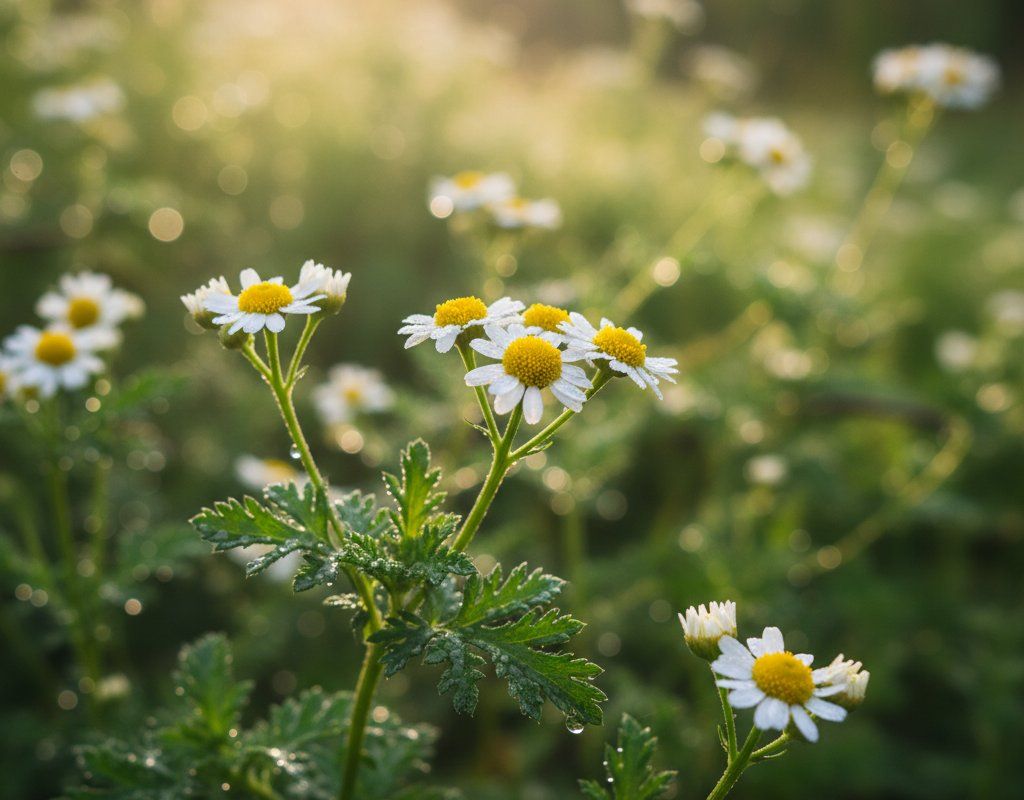
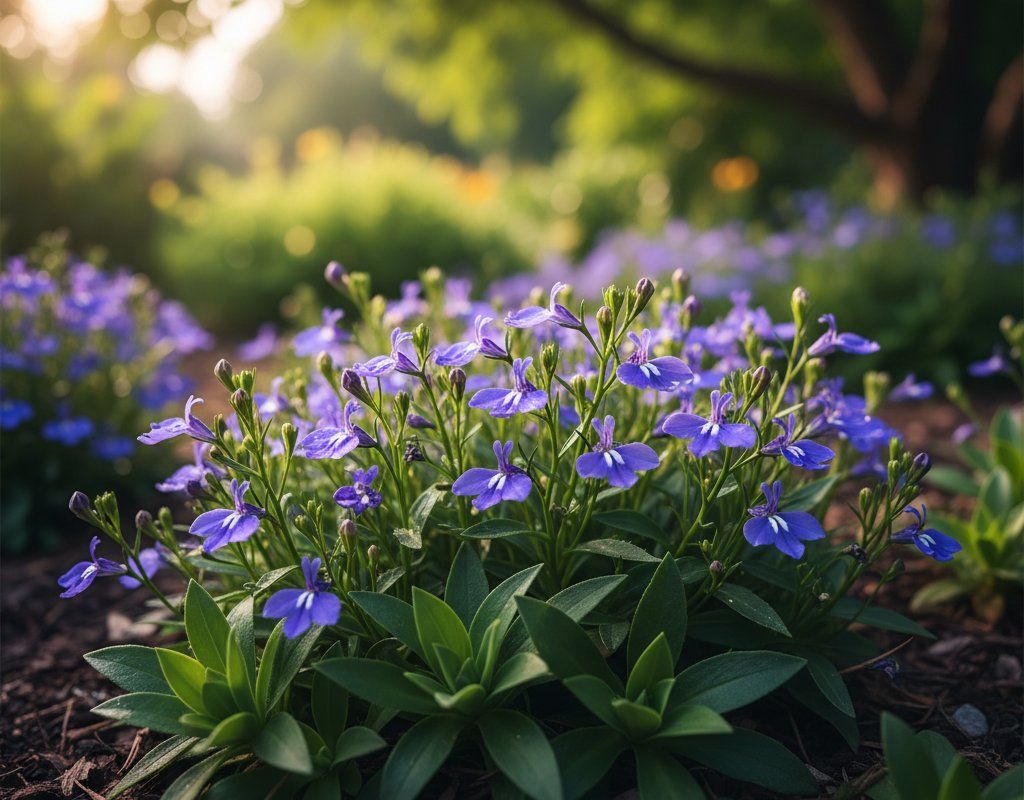
🌸Best Flowers to Plant with Spinach
These flowers protect your Spinach from pests and attract pollinators for better harvests.
For Pest Control



Get a Reminder When It's Time to Plant
We'll email you when key planting windows open for your zone.