
Borage in Zone 4B — Midwest
Borago officinalis · Your Complete 2026 Planting Guide
Planning Ahead — Great!
You’re ahead of the season. Here’s when to start.
Mark Your Calendar
How to Plant Borage in Zone 4B — Midwest
Here are all your options for getting borage in the ground, from the easiest method to more advanced approaches.
Direct Sow Seeds
RecommendedEarly May through mid July
around May 10
Consider succession planting every 2-3 weeks for continuous harvest.
Easy to direct sow and self-seeds readily.
Buy Starts
Works WellLate April through late May
around April 26
Plant purchased starts after last frost (May 10).
Start Seeds Indoors
ChallengingThis plant is typically not started indoors.
Transplant Outdoors
Timing InfoLate April through late May
around April 26
Can tolerate light frost, but wait for soil to be workable.
You have a nice window — no need to rush.
Overview
Borage is a fantastic addition to any Midwest garden. Its edible, cucumber-flavored leaves and beautiful blue star-shaped flowers make it both a culinary delight and a pollinator magnet, drawing in beneficial insects to your garden during our productive summer months. Plus, it thrives in our fertile soil and provides a unique flavor you won't find at the local grocery store.
While Midwest weather can be unpredictable, especially with those spring temperature swings and occasional summer heat spells, Borage is adaptable and quick to mature. With our 138-day growing season, you have plenty of time to get a bountiful harvest. Just keep an eye on the weather and adjust your planting schedule accordingly.
Transplanting Outdoors
You can transplant Borage seedlings outdoors in late April through late May, once the risk of a hard frost has passed. Before transplanting, be sure to harden off your seedlings by gradually exposing them to outdoor conditions for about a week. This helps them adjust to the fluctuating Midwest temperatures and prevents transplant shock.
When you're ready to plant, space your Borage plants 12-18 inches apart to give them room to grow. Keep an eye on the forecast – a late frost can still nip young plants, so be prepared to cover them if needed.
Direct Sowing
Direct sowing is the recommended method for Borage, and it's super easy! You can sow seeds directly into your garden from early May through mid July. Borage germinates best when the soil temperature is consistently above 60°F, so waiting until after our typical last frost date is a good idea.
Prepare your garden bed by loosening the soil and removing any weeds. Sow seeds about ½ inch deep and 12-18 inches apart. Keep the soil consistently moist until the seedlings emerge, which usually takes about a week. Borage is known to self-seed readily, so be prepared for volunteers next year!
Watering Borage in Zone 4B (Midwest)
Borage prefers moderate watering, which fits well with our typical Midwest summer rainfall. During the spring and early summer, when rainfall is usually more frequent, you might not need to water as often. But during those summer heat spells, you'll want to pay closer attention.
A good way to check if your Borage needs water is the "finger test." Stick your finger into the soil about 2 inches deep. If it feels dry, it's time to water. Aim for about 1 inch of water per week, either from rainfall or irrigation. It's generally best to water at the base of the plant, especially with our moderate-to-humid conditions, to avoid creating a humid microclimate that encourages fungal diseases.
Signs of underwatering include wilting leaves and stunted growth. Overwatering can lead to yellowing leaves and root rot. Mulching around your Borage plants with straw or wood chips can help retain moisture in the soil and prevent weeds, which is especially helpful during dry spells.
🧪Fertilizing Borage
Feeding Schedule
Organic Fertilizer Options
Harvest Time
You can expect your first Borage harvest in early July through early October, about 55 days after sowing. Look for the star-shaped blue flowers to be fully open – these are a good indicator that the plant is mature enough to harvest. Both the flowers and young leaves are edible.
To harvest the leaves, simply snip them off near the base of the plant. For the flowers, gently pluck them from the stem. Harvesting regularly encourages continued production, so keep picking those leaves and flowers throughout the season. As our first frost approaches in late September, you can either let the plant self-seed for next year or pull it up to prevent unwanted volunteers.
Common Problems in Zone 4B (Midwest)
Here are some common issues you might face with Borage in your Midwest garden:
Self-Seeding Aggressively
- What it looks like: Numerous Borage seedlings popping up in unexpected places throughout your garden the following spring.
- What causes it: Borage is a prolific self-seeder. The seeds drop easily and can remain viable in the soil for several years.
- How to fix/prevent it: Deadhead the flowers before they go to seed. Pull up unwanted seedlings as they appear. Consider growing Borage in a container to limit its spread.
Powdery Mildew
- What it looks like: White or grayish powdery coating on leaves, stems. Leaves curl, yellow, and die.
- What causes it: Various fungi that thrive in warm days, cool nights, and moderate humidity – conditions we often experience in the Midwest, especially in late summer.
- How to fix/prevent it: Improve air circulation by spacing plants adequately and pruning if needed. Remove affected leaves promptly. Neem oil or potassium bicarbonate sprays can help control the spread. A milk spray (1 part milk to 9 parts water) is surprisingly effective.
Can Become Leggy
- What it looks like: Tall, spindly plant with sparse foliage, especially lower down.
- What causes it: Insufficient sunlight or overcrowding.
- How to fix/prevent it: Ensure your Borage receives at least 6 hours of sunlight per day. Thin out plants to provide adequate spacing. Pinch back the tips of the stems to encourage bushier growth.
Midwest Specific Challenges: Our moderate-to-hot summers and moderate-to-humid conditions can sometimes exacerbate powdery mildew issues, so good air circulation is key. The wet-summer rainfall, while generally beneficial, can also contribute to fungal problems if the plants are too crowded.
Best Companions for Borage
Plant these nearby for healthier Borage and better harvests.
View Full Companion Planting Chart →


Companion Planting Details
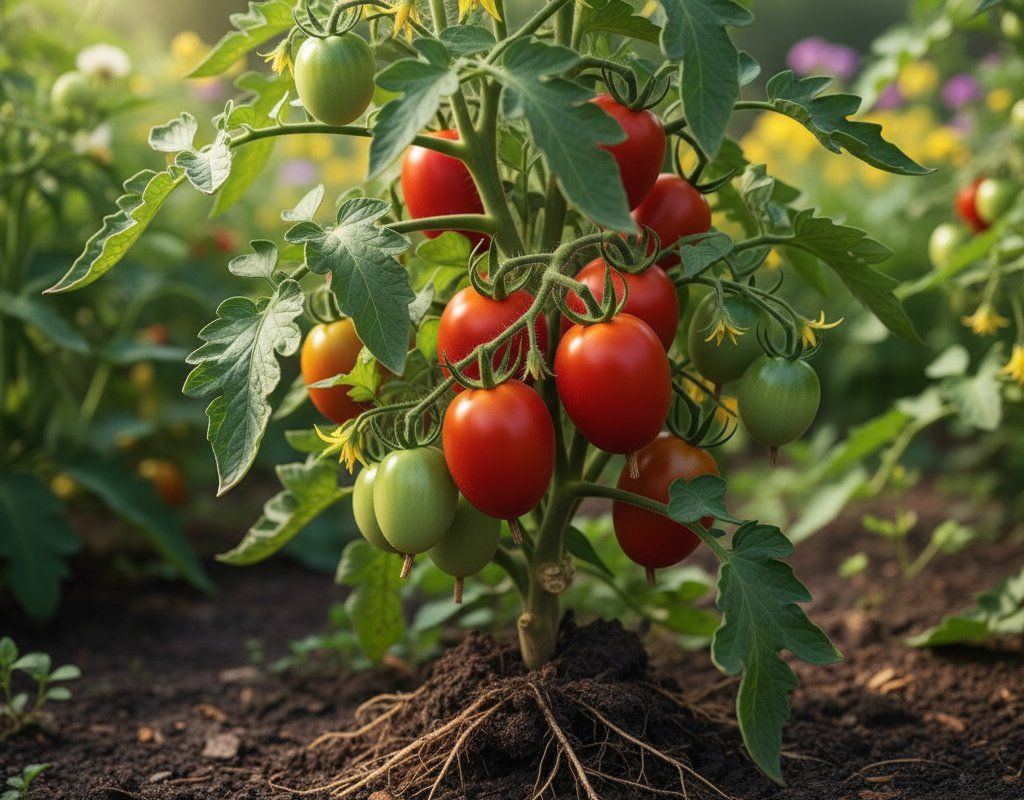
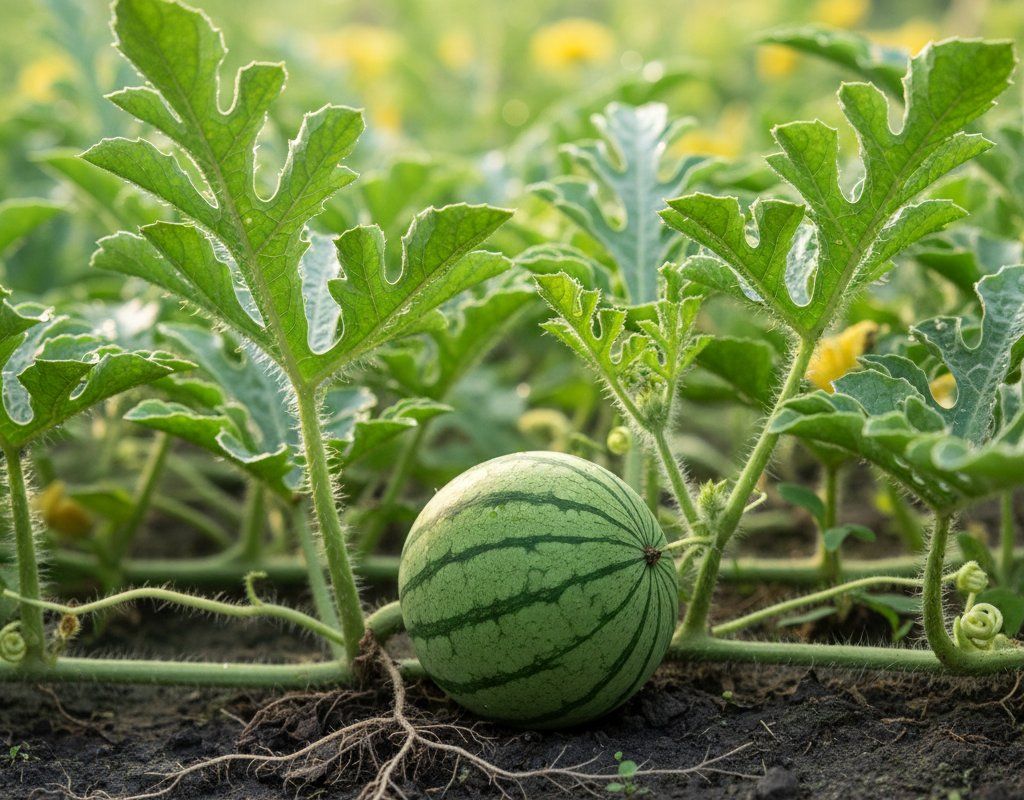
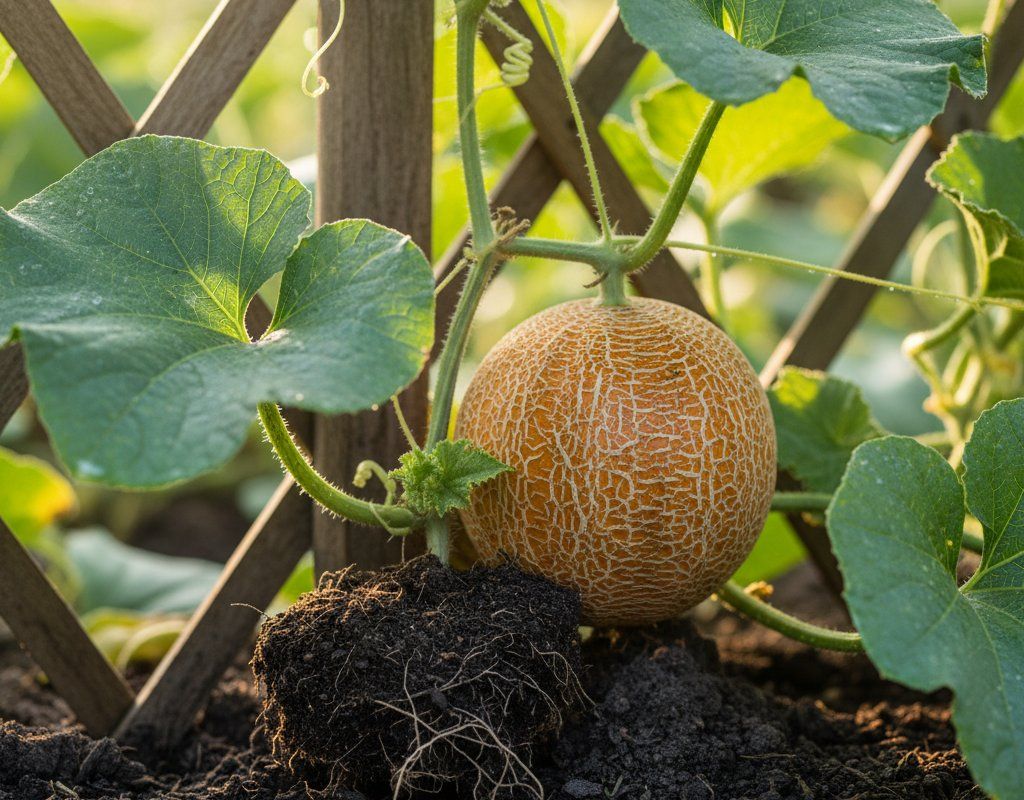
Borage is a great companion plant for many vegetables and herbs in your Midwest garden. It attracts pollinators like bees, which are essential for the success of fruiting plants like tomatoes, squash, and cucumbers. Planting Borage near these crops can increase their yields.
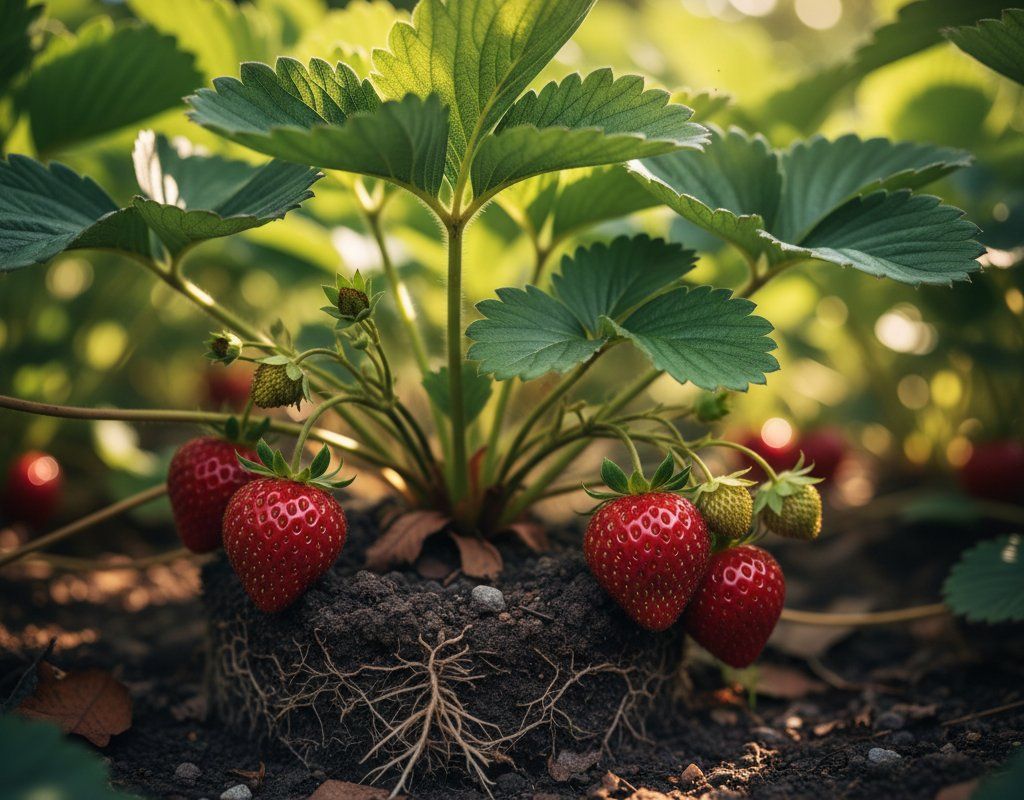
It's also said to deter tomato hornworms, a common pest in our region. Borage is also a good companion for strawberries, as it is believed to improve their flavor and vigor. I haven't found any bad companions for Borage yet, so you should be good to go!
🥬Best Vegetables to Pair With Borage
Borage benefits these vegetables through pest control, pollinator attraction, or improved garden health.



Get a Reminder When It's Time to Plant
We'll email you when key planting windows open for your zone.