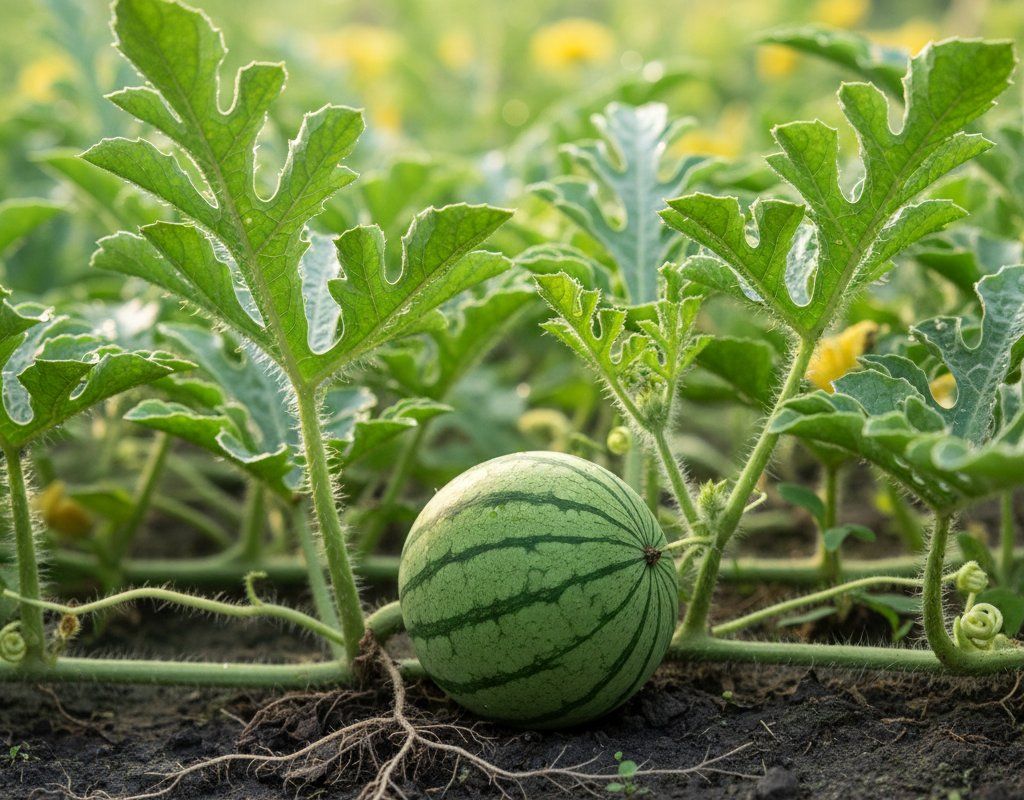
Watermelon in Zone 4B — Midwest
Citrullus lanatus · Your Complete 2026 Planting Guide
Planning Ahead — Great!
You’re ahead of the season. Here’s when to start.
Mark Your Calendar
How to Plant Watermelon in Zone 4B — Midwest
Here are all your options for getting watermelon in the ground, from the easiest method to more advanced approaches.
Direct Sow Seeds
RecommendedLate May through mid June
around May 24
Direct sow as soon as conditions allow.
Needs warm soil. Direct sow works in zones 6+. Start indoors in colder zones.
Buy Starts
Works WellLate May through mid June
around May 24
Plant purchased starts after last frost (May 10).
Start Seeds Indoors
Works WellLate April through mid May
around May 3
Then transplant: Late May through mid June
Start seeds 3-5 weeks before transplanting outdoors.
Handle seedlings carefully — melons resent root disturbance.
Transplant Outdoors
Timing InfoLate May through mid June
around May 24
Wait until nighttime temperatures stay above 50°F.
You have a nice window — no need to rush.
Overview
Growing watermelons in Zone 4B gives you those massive, sweet fruits that taste nothing like the disappointing grocery store versions. Our Midwest summers provide the heat and humidity watermelons crave, while our fertile soil supports these heavy feeders beautifully. There's real satisfaction in harvesting a 20-pound melon you grew yourself in our variable climate.
With our 138-day growing season, timing becomes everything for success with watermelons. Our unpredictable spring weather and that late September first frost mean you'll need to be strategic about when you plant. But don't worry — once you understand the timing, watermelons actually thrive in our summer heat spells and benefit from our reliable summer rainfall.
Starting Seeds Indoors
Starting watermelon seeds indoors makes sense if you want to maximize your growing season or try longer-season varieties. Start seeds late April through mid-May, about 3 weeks before you plan to transplant outdoors. Use individual peat pots or biodegradable containers since watermelons hate root disturbance.
Keep your seed trays warm — around 80°F works best for germination. A heat mat helps during our still-cool spring nights. Bottom watering works well here; just set the trays in a shallow pan of water and let the soil wick up moisture from below.
Handle seedlings like they're made of glass. Watermelons resent any root disturbance, so transplant the entire peat pot when the time comes. With our moderate-to-late spring character, indoor starting gives you a head start when outdoor conditions aren't quite ready.
Transplanting Outdoors
Wait until late May through mid-June to transplant watermelon seedlings outdoors. Soil temperature should be consistently above 65°F, and nighttime lows should stay above 50°F. Our Midwest weather can still surprise us with cool nights even in late May.
Harden off seedlings gradually over a week, starting with just 2-3 hours outdoors in a protected spot. Space transplants 6-8 feet apart in all directions — these vines will sprawl across your garden. Plant the entire peat pot if you used biodegradable containers.
Watch the weather closely during transplant time. A surprise cool snap or severe weather can set back or kill young transplants. Have row covers ready if temperatures drop unexpectedly, which is always possible with our variable spring weather.
Direct Sowing
Direct sowing is the preferred method for watermelons in our zone. Plant seeds late May through mid-June when soil temperature reaches 70°F consistently. Wait until after Memorial Day to be safe — this old Midwest rule applies perfectly to warm-season crops like melons.
Prepare hills or raised rows to warm the soil faster and improve drainage in our sometimes-heavy clay soil. Plant 3-4 seeds per hill, spacing hills 6-8 feet apart. Once seedlings emerge and establish (about 3 weeks), thin to the strongest plant per hill.
Choose a sunny, sheltered spot protected from strong winds. Our summer thunderstorms and occasional severe weather can damage sprawling vines, so some protection helps. The direct-sown plants develop stronger root systems and handle our summer heat spells better than transplants.
Watering Watermelon in Zone 4B (Midwest)
Watermelons need consistent, deep watering throughout the growing season — about 1-2 inches per week including rainfall. With our wet-summer pattern averaging 30-40 inches annually, you might think watering isn't necessary, but our moderate-to-hot summers with heat spells still stress these thirsty plants.
Use the finger test: stick your finger 2 inches into the soil near the plants. If it's dry at that depth, it's time to water deeply. Water at the base of plants rather than overhead — our moderate-to-humid conditions can encourage fungal problems if leaves stay wet too long.
During fruit development, increase watering to maintain consistent soil moisture. Inconsistent watering causes fruit to crack or develop poorly. However, reduce watering about 1-2 weeks before harvest to concentrate sugars and improve flavor — the fruit will actually taste sweeter.
Apply 3-4 inches of straw mulch around plants to retain moisture and suppress weeds. This works especially well in our clay soil, helping prevent the surface from crusting over after heavy summer rains. Watch for signs of overwatering: yellowing leaves and soft, rotting fruit indicate too much moisture.
🧪Fertilizing Watermelon
Feeding Schedule
Organic Fertilizer Options
Harvest Time
Expect your first watermelons mid-August through late September, about 85 days from planting. The timing depends on your variety and when you planted, but most will be ready during our peak summer heat. Look for several signs of ripeness happening together — no single indicator is foolproof.
Check the ground spot where the melon sits on the soil. It should turn from white to creamy yellow when ripe. The tendril nearest to where the fruit attaches to the vine will turn brown and dry up. Give the melon a thump — ripe ones sound hollow rather than solid.
Cut the stem with pruning shears rather than pulling the fruit off. Unlike some crops, watermelons won't continue ripening once harvested, so make sure they're truly ready. A ripe melon will also feel heavy for its size and the skin will resist puncturing with a fingernail.
As our first frost approaches in late September, harvest any remaining melons that show signs of ripeness. Smaller or still-developing fruit won't survive even a light frost, so consider using them for pickled watermelon rind if they're not quite ready for eating.
Common Problems in Zone 4B (Midwest)
Fusarium Wilt This shows up as wilting on one side of the plant first, then spreads to the entire plant. You'll see yellowing leaves starting on one side, and if you cut the stem open, there are brown streaks inside. Our warm, humid summers create perfect conditions for this soil-borne fungus.
The fungus persists in soil for years and enters through the roots. Once a plant is infected, there's no cure — remove and destroy it immediately. Plant resistant varieties marked with 'F' on seed labels, rotate crops on a 4-year cycle, and avoid planting melons in the same spot where other cucurbits showed similar problems.
Anthracnose Look for sunken, dark, circular spots on fruit, stems, and leaves. In our humid conditions, these spots may show pink or orange spore masses during wet weather. This fungal disease thrives in our warm, moderate-to-humid summer climate and spreads through rain splash.
Remove infected fruit and plant debris immediately. Avoid overhead watering and apply copper fungicide preventatively if you've had problems before. Use disease-free seeds and rotate crops away from the cucurbit family. Our frequent summer thunderstorms make this disease particularly challenging here.
Poor Pollination Fruits stay small, develop unevenly, or flowers drop without forming fruit. This happens when male and female flowers don't bloom at the same time, or when pollinators aren't active during our hot spells or after severe weather events.
Plant pollinator-friendly flowers nearby and provide a water source for bees. Hand-pollinate with a small brush if necessary — transfer pollen from male flowers (thin stems) to female flowers (small fruit visible behind the bloom). Avoid pesticides during flowering, especially during morning hours when bees are most active.
Midwest Specific Challenges: Our combination of moderate-to-hot heat, moderate-to-humid conditions, and wet summers creates a perfect storm for fungal diseases. The clay soil common in our region can hold too much moisture around roots, while our summer thunderstorms spread fungal spores. Focus on good drainage, air circulation, and disease prevention rather than treatment.
Best Companions for Watermelon
Plant these nearby for healthier Watermelon and better harvests.

Keep Away From
Companion Planting Details
Corn makes an excellent companion for watermelons in Midwest gardens. The tall corn stalks provide some wind protection from our severe weather, while the sprawling melon vines use ground space efficiently between corn rows. Radishes planted early in the season help break up clay soil before the melons spread, then harvest before the vines take over the space.
Sunflowers work well as companion plants too, attracting pollinators that benefit both crops and providing additional wind protection. Avoid planting watermelons near potatoes — they compete for similar soil nutrients, and both are susceptible to similar diseases that can build up in our fertile but sometimes poorly-drained soils.
🌸Best Flowers to Plant with Watermelon
These flowers protect your Watermelon from pests and attract pollinators for better harvests.


Get a Reminder When It's Time to Plant
We'll email you when key planting windows open for your zone.