
Borage in Zone 7A — Midwest
Borago officinalis · Your Complete 2026 Planting Guide
Planning Ahead — Great!
You’re ahead of the season. Here’s when to start.
Mark Your Calendar
How to Plant Borage in Zone 7A — Midwest
Here are all your options for getting borage in the ground, from the easiest method to more advanced approaches.
Direct Sow Seeds
RecommendedEarly April through mid August
around April 10
Consider succession planting every 2-3 weeks for continuous harvest.
Easy to direct sow and self-seeds readily.
Buy Starts
Works WellLate March through late April
around March 27
Plant purchased starts after last frost (April 10).
Start Seeds Indoors
ChallengingThis plant is typically not started indoors.
Transplant Outdoors
Timing InfoLate March through late April
around March 27
Can tolerate light frost, but wait for soil to be workable.
You have a nice window — no need to rush.
Overview
Borage is a fantastic addition to a Midwest garden because it’s as tough as it is useful. The edible blue flowers have a light cucumber flavor, perfect for summer drinks, and the young leaves can be used like spinach. It's a real workhorse, attracting pollinators like crazy, which gives a boost to everything from your squash to your tomatoes. Our good summer heat really gets it going, making it a reliable and productive plant.
With our 193-day growing season, timing borage is easy. It handles our variable spring weather better than most and isn't too fussy about our clay soil, as long as it's not waterlogged. The key is knowing when to plant it to take advantage of our adequate rainfall and get it established before the real summer heat spells kick in. It’s a forgiving plant that fits right into the rhythm of a Midwest garden.
Transplanting Outdoors
While you can start borage indoors, direct sowing is usually the better bet since it grows a taproot that doesn't love being disturbed. If you do start with transplants, aim to get them in the ground sometime between late March and late April. This window lets you dodge the last hard freezes but gets the plants settled before summer heat arrives.
Before planting, you’ll need to harden them off for about a week. Just set the seedlings outside for a few hours a day, gradually increasing their time in the sun and wind. When you plant them in the garden, give them about 12-18 inches of space so they have room to bush out. Keep an eye on the forecast; our spring weather can swing wildly, so be ready to cover young plants if we get an unexpected late frost.
Direct Sowing
Direct sowing is the easiest and most reliable way to grow borage here in the Midwest. It grows so fast there’s little advantage to starting it inside. You have a huge window for planting, from early April all the way through mid-August. Planting a few seeds every couple of weeks ensures you have a continuous supply of fresh flowers and leaves.
Simply prepare your bed by loosening the soil a bit and sow the seeds about a half-inch deep. Borage isn’t picky, but it appreciates our fertile soil. Keep the soil moist until the seeds germinate, which usually happens in a week or two once the soil has warmed up. Space the plants 12-18 inches apart once they’re a few inches tall. Be warned: it self-seeds generously, so you’ll likely see it pop up in the same spot next year.
Watering Borage in Zone 7A (Midwest)
In the Midwest, watering borage is pretty straightforward thanks to our generally adequate rainfall. For the most part, you can let nature do the work. The goal is to provide about an inch of water per week, including what comes from the sky. Our wet-summer pattern often takes care of this for you.
During those inevitable summer heat spells, especially in July and August, you'll need to pay more attention. Stick your finger two inches into the soil; if it's dry, it's time to water. Borage is not drought tolerant and will wilt dramatically to let you know it's thirsty. A good, deep soak once or twice a week during dry periods is much better than a light sprinkle every day.
Water at the base of the plant, not overhead. With our moderate-to-humid summers, wet leaves can encourage powdery mildew. A 2-inch layer of straw or shredded leaf mulch helps keep the soil moisture consistent and suppresses weeds, which is a big help when things get hot and you'd rather be on the porch.
Signs of underwatering are obvious—the whole plant will droop and look sad. Overwatering, especially in our heavy clay soil, can lead to yellowing leaves and root rot. Just check the soil before you grab the hose, and you'll be fine.
🧪Fertilizing Borage
Feeding Schedule
Organic Fertilizer Options
Harvest Time
You can expect your first borage harvest around early June if you planted in the spring. At about 55 days to maturity, it's a quick turnaround. You'll be picking flowers and leaves all the way until our first frost, which is usually around mid-October.
The beautiful, star-shaped blue flowers are ready when they are fully open. Just pinch them off at the base. For the leaves, pick them when they are young and tender for the best cucumber-like flavor; older leaves get hairy and tough. Harvest in the morning after the dew has dried for the best quality.
Borage is a continuous producer, so the more you harvest, the more it will flower. Regular picking prevents the plant from going to seed too early and extends your harvest season. It's a true cut-and-come-again herb.
As the nights get cooler and that mid-October frost date approaches, harvest any remaining flowers and tender leaves. They won't survive a freeze. You can let a few plants go to seed at the end of the season if you want volunteers to pop up next spring.
Common Problems in Zone 7A (Midwest)
- What it looks like: The following spring, you'll find dozens, if not hundreds, of borage seedlings popping up all over the garden bed and surrounding areas.
- What causes it: Borage produces a lot of seeds and drops them readily. Our cold winters provide the perfect cold stratification period, leading to high germination rates come spring.
- How to fix/prevent it: The easiest fix is to deadhead the spent flowers before they form seeds. If you miss some, the seedlings are easy to pull or till under in the spring. Or, you can just let a few grow and treat them as a free crop for next year.
- What it looks like: You’ll notice a white, dusty coating on the leaves, especially the lower ones. It looks like someone sprinkled them with flour.
- What causes it: This fungal issue loves the conditions we often get in late summer: warm days, cooler nights, and moderate-to-high humidity. It thrives on dry leaf surfaces, which can happen even during our wet summers between rainfalls.
- How to fix/prevent it: Give plants plenty of space (12-18 inches) for good air circulation. Water at the soil level to keep leaves dry. If you see it starting, remove the affected leaves immediately. A spray of neem oil or even a simple solution of 1 part milk to 9 parts water can help manage its spread.
- What it looks like: The plant becomes tall and spindly with sparse foliage, and it may flop over, especially after a heavy rain or one of our summer thunderstorms.
- What causes it: This is often caused by not enough sun or too much nitrogen fertilizer. In the Midwest, it can also happen during a stretch of cloudy, rainy weather early in the season.
- How to fix/prevent it: Make sure you plant borage in a spot that gets at least 6 hours of direct sun. Go easy on the fertilizer; our fertile soil usually has all the nutrients it needs. If a plant gets floppy, you can pinch back the growing tips to encourage bushier growth or simply stake it for support.
Here in the Midwest, the main challenge for borage is managing its vigor. Our fertile soil and reliable summer rains can make it grow like a weed and self-seed everywhere. The moderate-to-humid air, especially in late summer, makes powdery mildew a constant possibility. You just need to stay on top of harvesting and give it enough space to breathe.
Best Companions for Borage
Plant these nearby for healthier Borage and better harvests.
View Full Companion Planting Chart →


Companion Planting Details
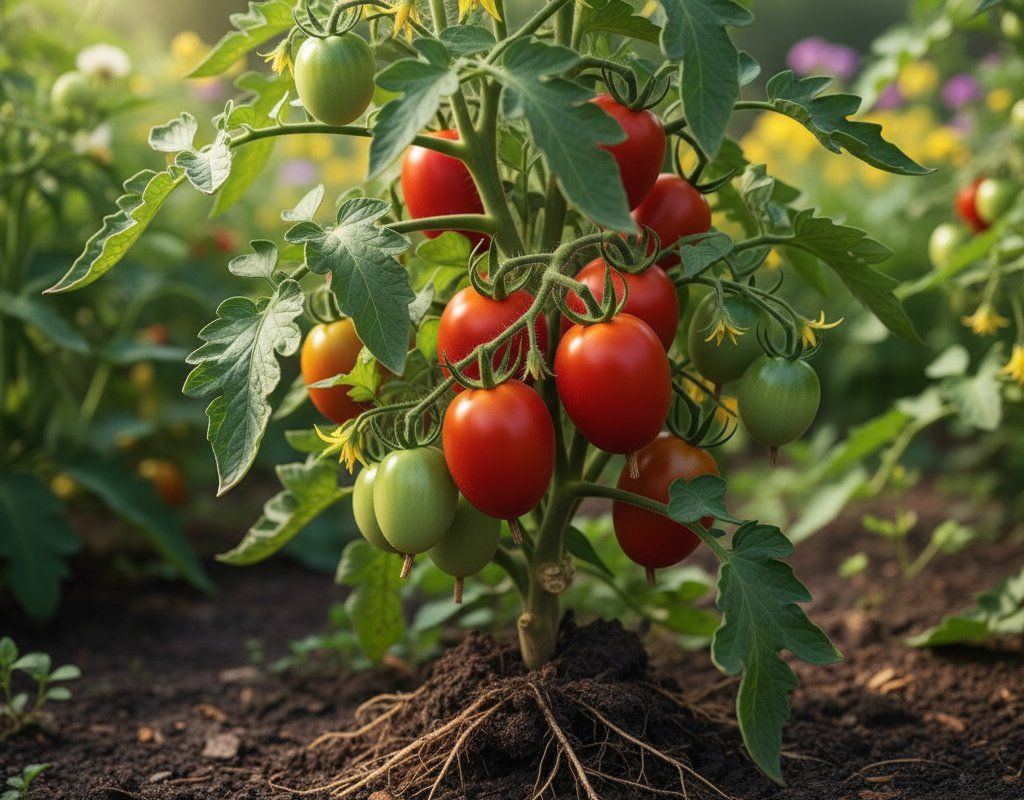
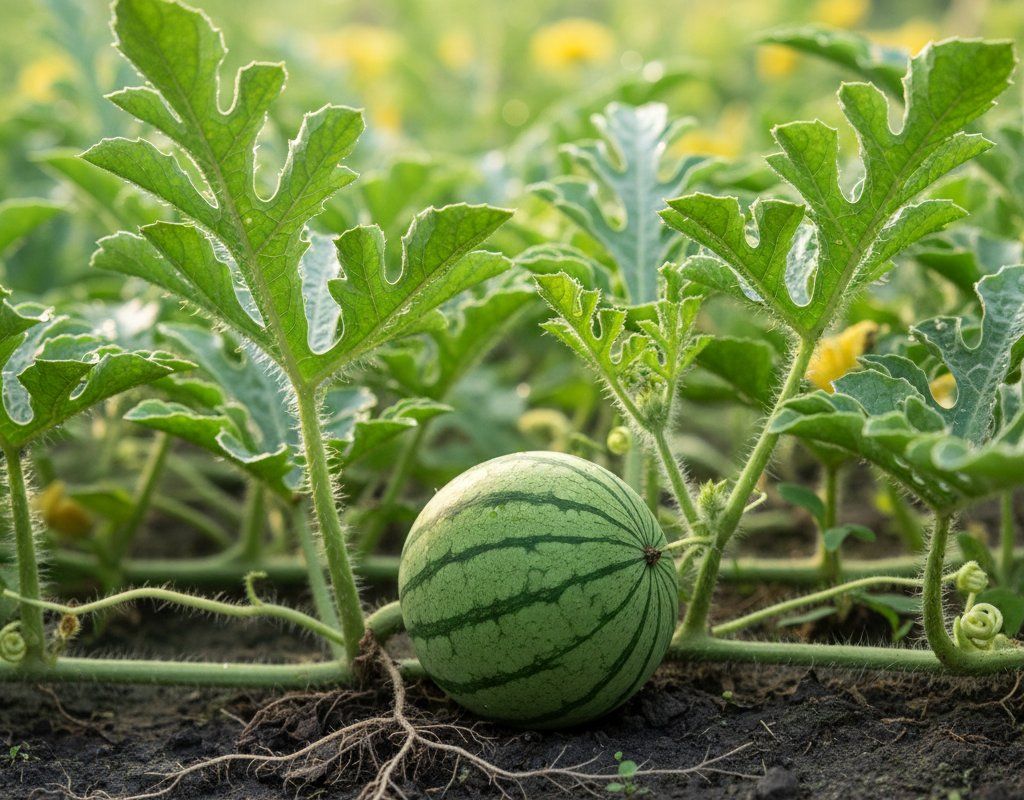
Borage is one of the best neighbors a plant can have in a Midwest garden. Plant it near your tomatoes and squash; its flowers attract bees and other pollinators, which are essential for fruit set on those crops. It's also thought to deter tomato hornworms, a common pest here.
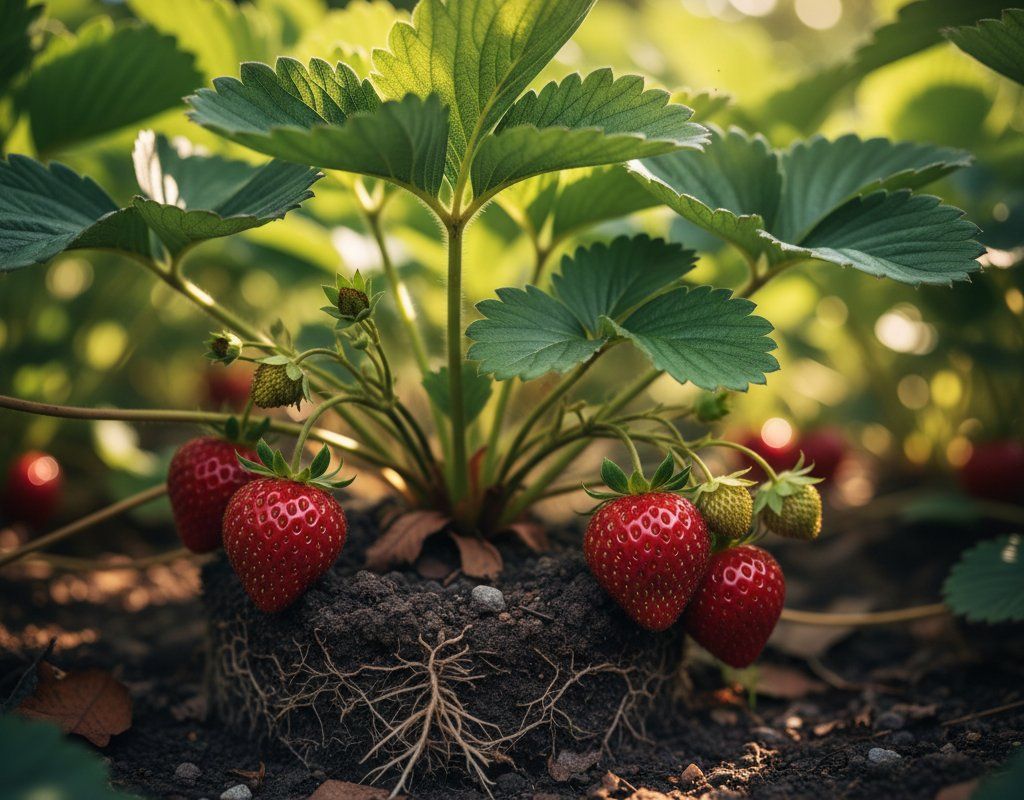
It works well with strawberries, too, as the pollinators it draws in are a huge benefit for the berry patch. Planting it near cucumbers can enhance their growth and flavor. There aren't many plants that dislike borage, but just be mindful of its tendency to get large and reseed, so don't plant it where it will crowd out smaller, more delicate herbs.
🥬Best Vegetables to Pair With Borage
Borage benefits these vegetables through pest control, pollinator attraction, or improved garden health.



Get a Reminder When It's Time to Plant
We'll email you when key planting windows open for your zone.