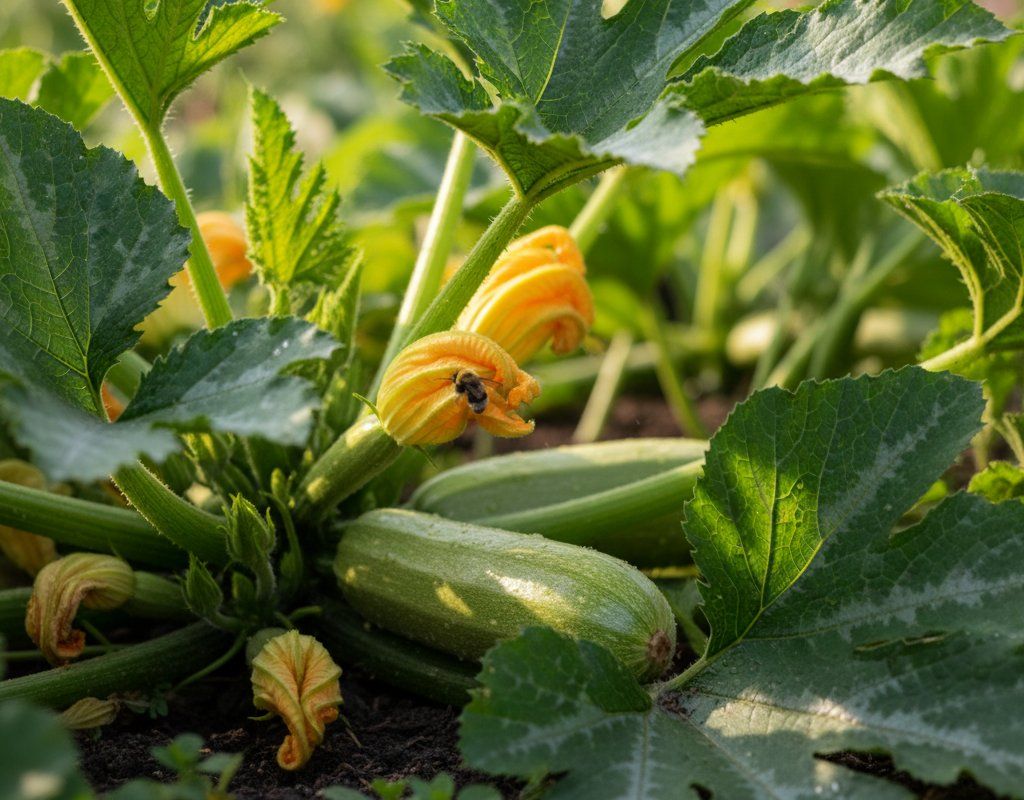
Zucchini in Zone 7A — Midwest
Cucurbita pepo · Your Complete 2026 Planting Guide
Planning Ahead — Great!
You’re ahead of the season. Here’s when to start.
Mark Your Calendar
How to Plant Zucchini in Zone 7A — Midwest
Here are all your options for getting zucchini in the ground, from the easiest method to more advanced approaches.
Direct Sow Seeds
RecommendedMid April through mid August
around April 17
Consider succession planting every 2-3 weeks for continuous harvest.
Zucchini grows so fast that direct sowing is usually easiest.
Buy Starts
Works WellLate April through early June
around April 24
Plant purchased starts after last frost (April 10).
Start Seeds Indoors
Works WellLate March through mid April
around April 3
Then transplant: Late April through early June
Start seeds 3-5 weeks before transplanting outdoors.
Only start indoors if you want earlier harvest. Don't start too early.
Transplant Outdoors
Timing InfoLate April through early June
around April 24
Wait until nighttime temperatures stay above 50°F.
You have a nice window — no need to rush.
Overview
Zucchini thrives in our Midwest summers, producing tender, flavorful squash that puts store-bought to shame. Our fertile soil and reliable summer heat create perfect conditions for these prolific plants, and you'll be amazed at how much you can harvest from just a couple of plants during our long growing season. There's nothing quite like slicing into a fresh zucchini that you picked minutes before dinner.
The Midwest's variable spring weather and potential late frosts might seem challenging, but with proper timing, zucchini is actually one of the most reliable warm-season crops you can grow here. Our 193-day growing season gives you plenty of flexibility for planting, and once established, these vigorous plants handle our summer heat spells beautifully while producing continuously until that first frost in mid-October.
Starting Seeds Indoors
Starting zucchini seeds indoors isn't necessary, but it can give you a head start if you want earlier harvests. Start seeds late March through mid-April, about 3 weeks before you plan to transplant outdoors. This timing works well with our moderate-to-late spring pattern.
Use seed trays with good drainage and keep them warm (70-75°F works best). Bottom watering prevents damping off and keeps the soil evenly moist without waterlogging. Place trays under grow lights or in a sunny south window once seedlings emerge.
Don't start too early — zucchini grows fast and becomes root-bound quickly. If you start in late February, you'll have leggy, stressed transplants by the time it's safe to plant outside. The 3-week indoor window gives you sturdy seedlings without the hassle of managing them through unpredictable spring weather.
Transplanting Outdoors
Transplant your indoor-started zucchini seedlings late April through early June, once soil temperatures consistently reach 60°F and night temperatures stay above 50°F. In our area, this usually means waiting until after Memorial Day for the safest planting, though you can often get away with late April if you're watching the weather closely.
Harden off seedlings gradually over a week before transplanting. Start with 2-3 hours of morning sun, then increase exposure daily. Our spring temperature swings can shock tender plants, so this step is crucial for success.
Space transplants 36-48 inches apart in full sun. Zucchini plants get large and need good air circulation to prevent disease in our moderate-to-humid summers. Plant them in rich, well-draining soil and water deeply after transplanting. Keep row covers handy for unexpected late cold snaps.
Direct Sowing
Direct sowing is the easiest and most reliable method for growing zucchini in the Midwest. Sow seeds mid-April through mid-August for continuous harvests throughout the growing season. Wait until soil temperature reaches at least 60°F — cold, wet soil causes seeds to rot before germinating.
Prepare your planting area by working compost into the soil. Our fertile Midwest soil is perfect for zucchini, but adding organic matter helps with drainage if you have heavy clay. Plant seeds 1 inch deep and space them 36-48 inches apart. You can plant 2-3 seeds per spot and thin to the strongest seedling later.
Zucchini grows so fast that direct-sown seeds often catch up to transplants within a few weeks. The plants establish better root systems when grown in place, making them more resilient during summer heat spells. For continuous harvest, make successive sowings every 3-4 weeks through mid-summer.
Watering Zucchini in Zone 7A (Midwest)
Zucchini has high water needs and isn't drought tolerant, but our Midwest wet-summer pattern means you need to balance consistent moisture with avoiding overwatering. During our typical growing season, aim for about 1-1.5 inches of water per week, including rainfall. Our 30-40 inches of annual precipitation covers much of this, but you'll need to supplement during dry spells.
Use the finger test to check soil moisture — stick your finger 2 inches deep near the base of the plant. Water deeply when the top 2 inches feel dry, usually every 2-3 days during hot weather. Always water at the base of the plant rather than overhead. Our moderate-to-humid summers create perfect conditions for powdery mildew when leaves stay wet.
Watch for signs of inconsistent watering, which causes more problems than drought itself. Wilting during the heat of the day is normal, but if plants stay wilted in the morning or evening, they need water. Yellowing leaves often indicate overwatering, especially common during our wet spells when clay soil doesn't drain well.
Apply a 2-3 inch layer of mulch around plants to maintain even soil moisture and reduce the need for frequent watering. Straw or grass clippings work well in our climate, helping plants handle both our summer heat spells and heavy rainfall events without stress.
🧪Fertilizing Zucchini
Feeding Schedule
Organic Fertilizer Options
Harvest Time
Expect your first zucchini early June through mid-October, depending on when you planted. Direct-sown crops typically start producing about 50 days after planting, while transplants may give you fruit a week or two earlier. Our long growing season means continuous harvests until that first hard frost arrives in mid-October.
Harvest zucchini when they're 6-8 inches long for the best texture and flavor. Check plants daily once production starts — zucchini can grow from perfect size to baseball bat overnight during our warm summer weather. Use a sharp knife or pruning shears to cut the stem cleanly, leaving about an inch attached to the fruit.
Regular harvesting keeps plants productive throughout the season. If you let fruits get oversized, the plant puts energy into seeds rather than new flowers. Those monster zucchini make good compost but poor eating — they're watery and full of large seeds.
As first frost approaches in mid-October, harvest all remaining fruits regardless of size. Green zucchini won't ripen off the vine, but you can use small ones in stir-fries and large ones for baking. Cover plants with row covers or sheets if light frost is predicted — you can often extend the harvest by several weeks with minimal protection.
Common Problems in Zone 7A (Midwest)
Squash Vine Borers Look for sudden wilting of entire vines or sections, even when soil is moist. You'll often see small piles of sawdust-like material (frass) at the base of stems where fat white grubs tunnel inside. Our Midwest climate timing means the adult moths lay eggs in June and July, just as plants are getting established.
The clearwing moths target the base of stems, and their larvae cut off water and nutrient flow as they tunnel through. Wrap the lower 6 inches of stems with aluminum foil when plants are young, or cover with row covers until flowering starts. If you catch borers early, you can inject Bt (beneficial bacteria) into affected stems or carefully slit the stem and remove the grub by hand.
Powdery Mildew White or grayish powdery coating appears on leaves, stems, and sometimes fruit surfaces. Leaves curl, yellow, and eventually die, reducing plant vigor significantly. Our warm days and cool nights with moderate humidity create ideal conditions for this fungal disease, especially in late summer.
Improve air circulation by spacing plants properly and pruning some lower leaves. Remove affected foliage immediately and dispose of it in the trash, not compost. Spray with neem oil or potassium bicarbonate solution, or try the surprisingly effective milk spray (1 part milk to 9 parts water) applied weekly.
Blossom End Rot Dark brown or black leathery patches develop on the bottom (blossom end) of fruits, often affecting the season's first zucchini. This isn't a disease but a calcium uptake problem caused by inconsistent watering — exactly what happens during our variable spring weather when you alternate between heavy rains and dry spells.
The most effective fix is consistent watering. Use mulch to maintain even soil moisture, and avoid over-fertilizing with nitrogen, which can interfere with calcium uptake. Our clay soil often compounds the problem by holding too much water, then drying out completely, so improving drainage helps long-term.
Midwest Specific Challenges: Our moderate-to-humid summers and wet-summer rainfall pattern mean disease prevention focuses on air circulation and avoiding overhead watering. The combination of warm days and occasional cool nights creates perfect conditions for fungal problems, while our clay soil can cause root issues during extended wet periods.
Best Companions for Zucchini
Plant these nearby for healthier Zucchini and better harvests.


Keep Away From
Companion Planting Details
Zucchini pairs beautifully with corn and beans in a modified Three Sisters planting that works well in our Midwest conditions. The corn provides natural trellising for beans, while zucchini's large leaves shade the soil and help retain moisture during summer heat spells. Plant radishes around zucchini hills — they break up clay soil as they grow and may help deter squash bugs.
Mint planted nearby can repel ants that often farm aphids on squash plants, though keep mint in containers to prevent it from taking over your garden. Avoid planting zucchini near potatoes, as both crops attract similar pests and compete for nutrients in the same soil layer. Our fertile soil supports heavy feeders, but spacing these two apart prevents nutrient competition and reduces pest pressure.
🌸Best Flowers to Plant with Zucchini
These flowers protect your Zucchini from pests and attract pollinators for better harvests.
For Pest Control







Get a Reminder When It's Time to Plant
We'll email you when key planting windows open for your zone.