
Borage in Zone 8A — Desert Southwest
Borago officinalis · Your Complete 2026 Planting Guide
Planning Ahead — Great!
You’re ahead of the season. Here’s when to start.
Mark Your Calendar
How to Plant Borage in Zone 8A — Desert Southwest
Here are all your options for getting borage in the ground, from the easiest method to more advanced approaches.
Direct Sow Seeds
RecommendedEarly March through mid September
around March 5
Consider succession planting every 2-3 weeks for continuous harvest.
Easy to direct sow and self-seeds readily.
Buy Starts
Works WellMid February through mid March
around February 19
Plant purchased starts after last frost (March 5).
Start Seeds Indoors
ChallengingThis plant is typically not started indoors.
Transplant Outdoors
Timing InfoMid February through mid March
around February 19
Can tolerate light frost, but wait for soil to be workable.
You have a nice window — no need to rush.
Overview
Borage is a fantastic addition to any Desert Southwest garden. Its edible blue flowers and cucumber-flavored leaves add unique flavors to your dishes, plus it attracts beneficial pollinators, which is a big win with our native arid-adapted insect populations. Watching borage thrive in your garden despite the heat is incredibly rewarding.
Our extreme heat and alkaline soil can be challenging, but with proper timing and a little extra care, borage will flourish. The long growing season, thanks to our mild winters and extended fall, gives you two opportunities to plant and harvest this versatile herb.
Transplanting Outdoors
You can transplant borage outdoors from mid February through mid March. This gives the plants a head start before the extreme heat hits. Before transplanting, harden off your seedlings by gradually exposing them to outdoor conditions for about a week.
Space the plants 12-18 inches apart to allow for good air circulation, which helps prevent powdery mildew. Keep an eye on the weather forecast; late cold snaps can still occur this time of year, so protect your young plants with frost cloth if necessary.
Direct Sowing
Direct sowing is the preferred method for borage, and it's super easy. Sow seeds directly into your garden beds from early March through mid September. Borage actually prefers to sprout in cooler soil (60-70°F), making spring and fall sowing ideal.
Prepare the soil by loosening it and adding some compost to improve drainage and fertility. Sow seeds about 1/4 inch deep and 12-18 inches apart. Borage self-seeds readily, so be prepared to have new plants pop up on their own.
Watering Borage in Zone 8A (Desert Southwest)
Borage needs moderate watering, especially during our hot, dry summers. Aim to keep the soil consistently moist, but not waterlogged. During the peak heat of summer, you might need to water every other day, but during the cooler spring and fall, once or twice a week should suffice.
Use the finger test: stick your finger about two inches deep into the soil. If it feels dry, it's time to water. Provide about 1 inch of water per week, watering deeply at the base of the plant to encourage strong root growth and avoid wetting the foliage, which can contribute to powdery mildew in our monsoon season.
Signs of underwatering include wilting leaves and stunted growth. Overwatering can lead to root rot, indicated by yellowing leaves and a generally unhealthy appearance. A layer of mulch, like decomposed granite or straw, helps retain soil moisture and regulate soil temperature, a must-have in our region.
🧪Fertilizing Borage
Feeding Schedule
Organic Fertilizer Options
Harvest Time
Your first borage harvest should be from late April through early December, depending on when you planted. You can start harvesting the star-shaped blue flowers when they are fully open. Young leaves are also edible and have a refreshing cucumber-like flavor.
To harvest, simply snip off the flowers or leaves with scissors or your fingers. Avoid pulling or tugging, which can damage the plant. Regular harvesting encourages continued production.
As the first frost approaches in late November, you can collect any remaining flowers and leaves for drying or culinary use. Borage might slow down in the cooler months, but it can often survive our mild winters and start producing again in the spring.
Common Problems in Zone 8A (Desert Southwest)
Here are a few common problems you might encounter with Borage in the Desert Southwest:
Self-seeding aggressively
- What it looks like: Borage seedlings popping up everywhere in your garden, even where you didn't plant them.
- What causes it: Borage is a prolific self-seeder, and the seeds are easily dispersed by wind and animals. Our long growing season allows ample time for seeds to mature and sprout.
- How to fix/prevent it: Deadhead flowers before they go to seed to prevent unwanted seedlings. Thin out seedlings as needed, or transplant them to other areas of your garden.
Powdery mildew
- What it looks like: White or grayish powdery coating on leaves, stems.
- What causes it: Various fungi thrive with warm days, cool nights, and moderate humidity. Dry leaf surfaces actually favor it. The humidity from our monsoon season can create ideal conditions.
- How to fix/prevent it: Improve air circulation by spacing plants adequately and pruning. Remove affected leaves promptly. Neem oil or potassium bicarbonate sprays can help.
Can become leggy
- What it looks like: Long, spindly stems with few leaves, especially towards the base of the plant.
- What causes it: Insufficient sunlight or overly rich soil. In the Desert Southwest, even "full sun" plants can struggle with sunscald.
- How to fix/prevent it: Ensure your borage receives adequate sunlight, but provide some afternoon shade during the hottest months. Prune leggy stems to encourage bushier growth. Amend soil if needed to reduce excess nutrients.
Desert Southwest Specific Challenges: The extreme heat and intense sunlight in the Desert Southwest can stress borage, making it more susceptible to powdery mildew and causing it to bolt (flower prematurely). Providing afternoon shade and ensuring adequate watering are crucial for summer survival. Even though we have low humidity, our monsoon season can create conditions favorable for fungal diseases, so monitor your plants closely.
Best Companions for Borage
Plant these nearby for healthier Borage and better harvests.
View Full Companion Planting Chart →



Companion Planting Details
Borage makes a great companion plant in the Desert Southwest garden. It attracts beneficial insects like bees and hoverflies, which pollinate your vegetables and control pests.
Good companions:
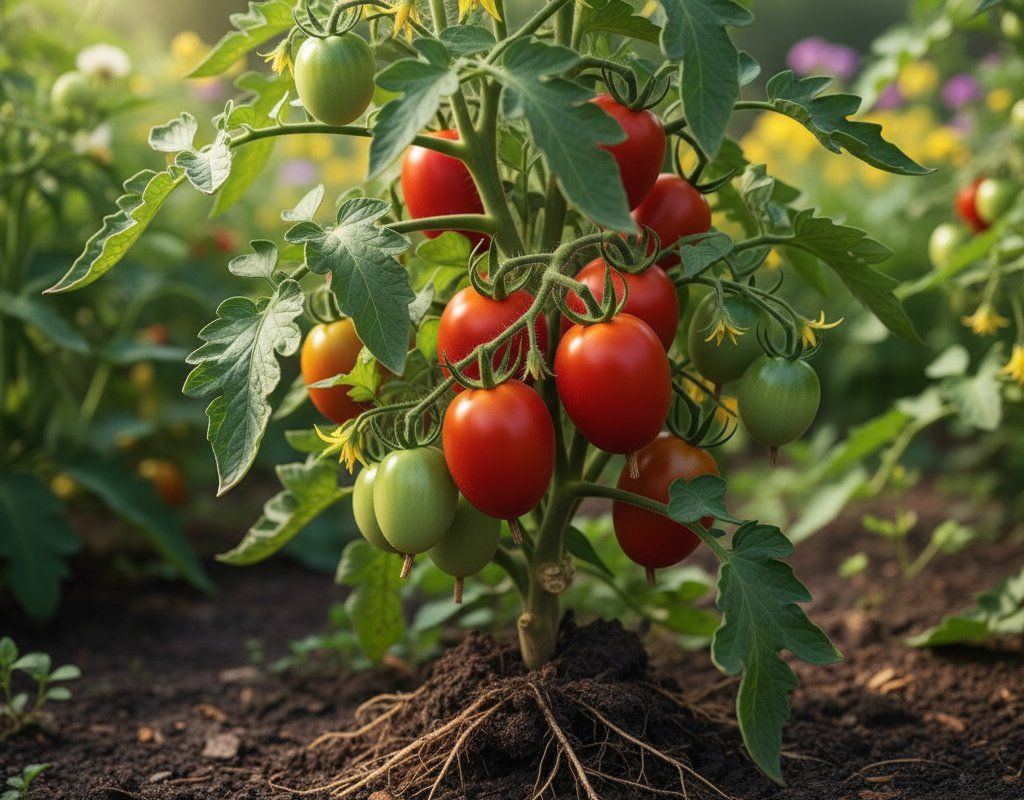
- Tomatoes: Borage repels tomato hornworms and other pests.
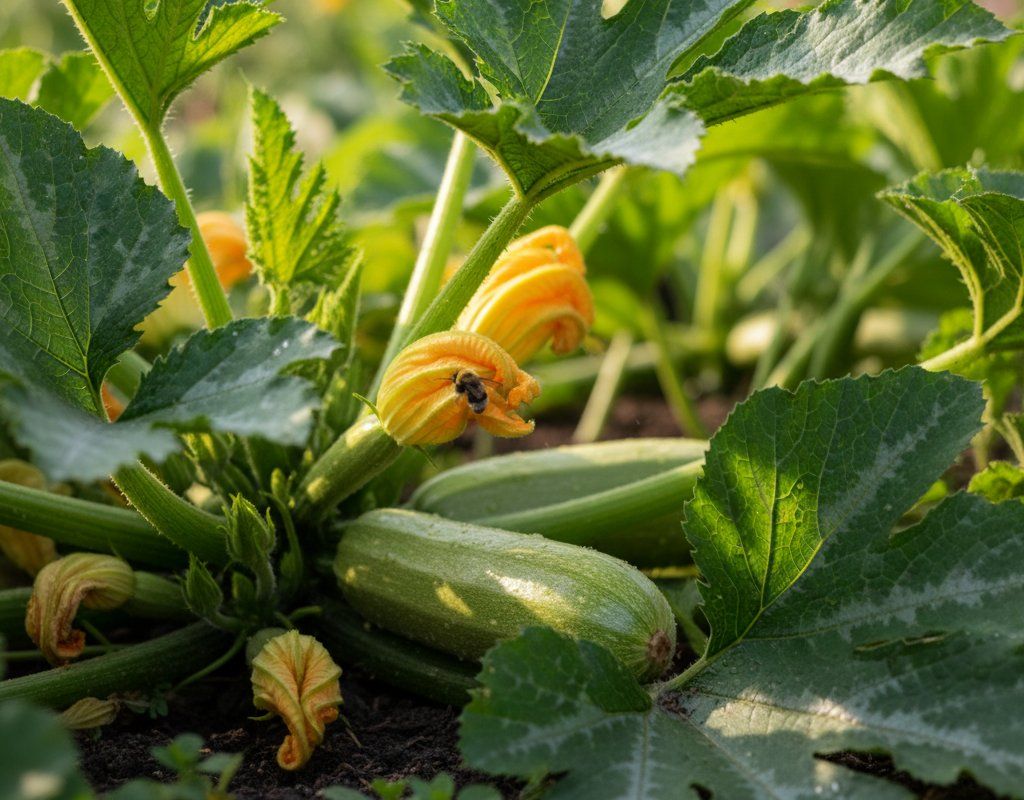
- Squash: Borage attracts pollinators, increasing squash yields.
- Strawberries: Borage deters strawberry pests and diseases.
- Cucumbers: Borage is said to improve the flavor of cucumbers.
Avoid planting borage near:
- Brassicas (cabbage, broccoli, kale): Borage can attract cabbage moths, which can damage brassicas.
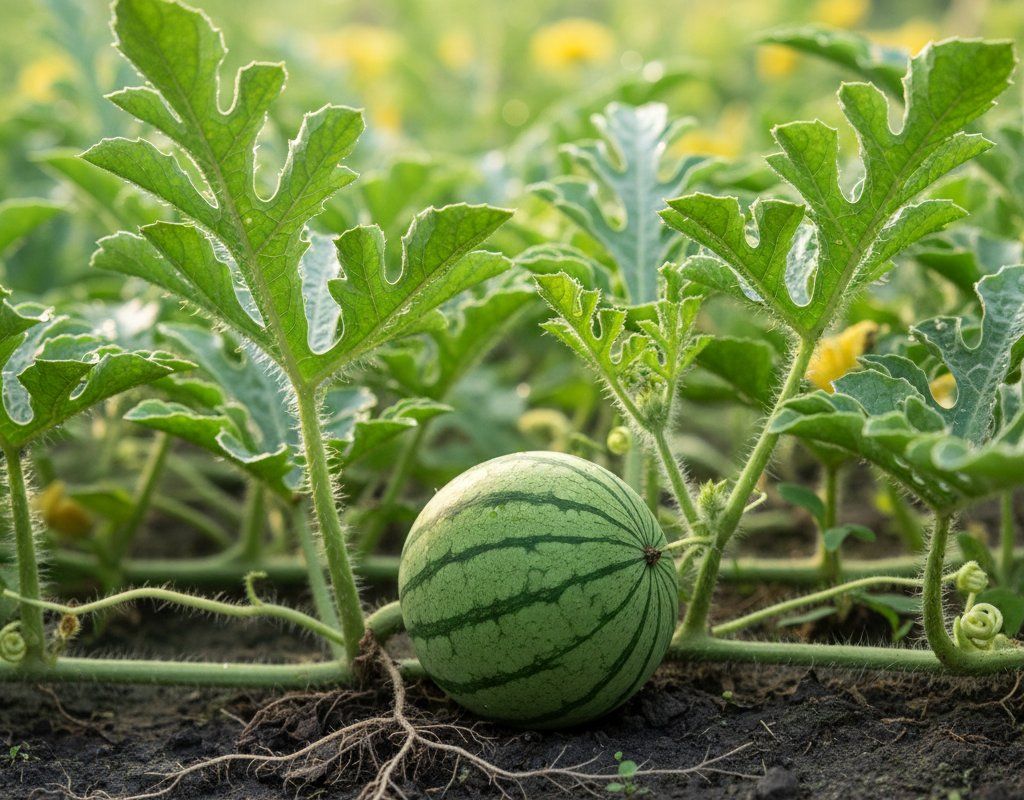
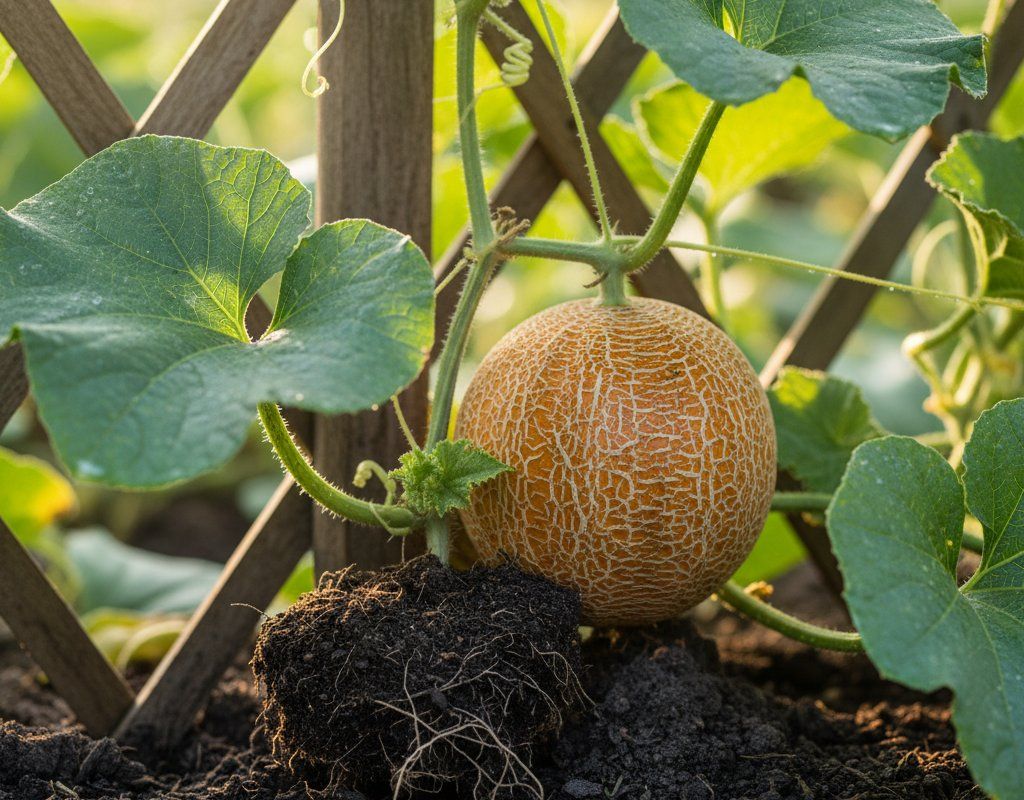
🥬Best Vegetables to Pair With Borage
Borage benefits these vegetables through pest control, pollinator attraction, or improved garden health.


Get a Reminder When It's Time to Plant
We'll email you when key planting windows open for your zone.