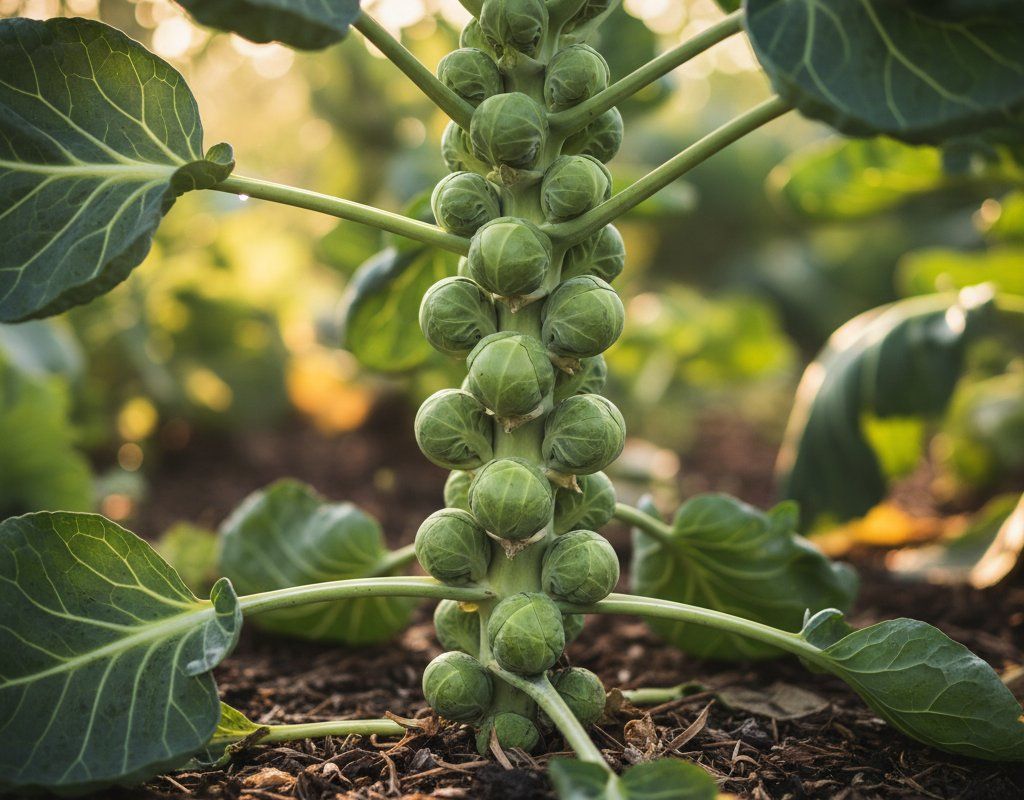
Brussels Sprouts in Zone 5A — Midwest
Brassica oleracea var. gemmifera · Your Complete 2026 Planting Guide
Planning Ahead — Great!
You’re ahead of the season. Here’s when to start.
Mark Your Calendar
How to Plant Brussels Sprouts in Zone 5A — Midwest
Here are all your options for getting brussels sprouts in the ground, from the easiest method to more advanced approaches.
Start Seeds Indoors
RecommendedMid March through early April
around March 20
Then transplant: Early to late May
Start seeds 6-8 weeks before transplanting outdoors.
Very long season (90+ days). Must start early or plant for fall harvest.
Buy Starts
Works WellEarly to late May
around May 1
Plant purchased starts after last frost (May 1).
Direct Sow Seeds
ChallengingDirect sowing is not typical for Brussels Sprouts.
Transplant Outdoors
Timing InfoEarly to late May
around May 1
Can tolerate light frost, but wait for soil to be workable.
Plan to transplant within a few weeks of your target date.
Fall Planting
Early July through early August
July 20 ideal · Transplant for fall harvest
Plant a second crop in mid-summer for fall harvest. Brussels Sprouts actually prefers the cooling temperatures of fall.
Overview
Brussels sprouts often get a bad rap, but homegrown, they're a completely different experience. Their nutty, slightly sweet flavor shines when they're fresh from your garden, especially after a touch of Midwest frost. Plus, they're surprisingly versatile – roasting, shredding into salads, or even grilling them unlocks a world of culinary possibilities.
Growing Brussels sprouts in the Midwest does come with its challenges. We have to contend with variable spring weather and the occasional summer heat spell, but with careful timing, you can definitely succeed. Our 157-day growing season gives you a good window to bring these to harvest, especially if you start them indoors.
Starting Seeds Indoors
Starting Brussels sprouts indoors gives you a head start on our relatively short growing season. Aim to sow your seeds indoors from mid-March through early April, about six weeks before you plan to transplant them outside. This lets the plants get a good size before any potential late frost comes through.
Use seed trays or small pots filled with a good quality seed-starting mix. Keep the soil consistently moist by watering from the bottom to avoid damping off. Place the trays in a warm location, and provide supplemental light with grow lights once the seedlings emerge.
Remember, our Midwest springs can be unpredictable, so starting indoors gives you more control over the growing environment and helps ensure a successful harvest.
Transplanting Outdoors
Transplant your Brussels sprouts seedlings outdoors in early to late May, after any danger of frost has passed. Before planting them in the garden, make sure to harden them off for about a week. This involves gradually exposing them to outdoor conditions, starting with a few hours each day.
Plant them 18-24 inches apart in rows, giving them plenty of room to grow. Our fertile soil will help them thrive, but be prepared for potentially variable late-spring weather. A row cover can help protect them from unexpected chills.
Watering Brussels Sprouts in Zone 5A (Midwest)
Brussels sprouts need consistent moisture throughout the growing season to produce those tight, flavorful sprouts we all crave. Inconsistent watering can lead to loose, bitter sprouts, and nobody wants that. Pay attention to watering, especially during our summer heat spells.
During the warmer months, aim to give your Brussels sprouts about 1-1.5 inches of water per week, either through rainfall or irrigation. Use the "finger test" to check the soil moisture – stick your finger about 2 inches deep into the soil. If it feels dry, it's time to water. Water at the base of the plants rather than overhead to help prevent fungal diseases, especially with our moderate-to-humid humidity.
Keep an eye out for signs of under or overwatering. Wilting leaves indicate the plant is thirsty, while yellowing leaves can indicate overwatering. Adding a layer of mulch around the base of the plants helps retain moisture and keeps the soil temperature consistent, which is especially helpful given our variable Midwest weather.
Supporting Your Brussels Sprouts
Brussels sprouts grow tall, and those stalks can get top-heavy, especially when the sprouts start to develop. Add in a Midwest thunderstorm, and you've got a recipe for disaster. Staking is crucial to keep your plants upright and prevent them from toppling over.
A sturdy stake, like a bamboo stake or a metal garden stake, works best. Install the stake when the plants reach about 2 feet tall, and gently tie the stalk to the stake with garden twine. Be sure to tie it loosely enough to allow for growth.
Pruning & Maintaining Brussels Sprouts
Pruning Brussels sprouts is pretty straightforward. As the sprouts develop upward along the stalk, remove the lower leaves that turn yellow or brown. This encourages air circulation and directs the plant's energy toward sprout production.
About 3-4 weeks before your expected harvest, top the plant by cutting off the top cluster of leaves. This forces the plant to put all its remaining energy into the sprouts, resulting in larger, more uniform sprouts. With our first frost around early October, topping helps ensure you get a good harvest before the cold sets in.
🧪Fertilizing Brussels Sprouts
Feeding Schedule
Organic Fertilizer Options
Harvest Time
You can expect your first harvest of Brussels sprouts in late July through early September, about 90 days after transplanting. The sprouts are ready to pick when they are firm, tight, and about 1-2 inches in diameter. Start harvesting from the bottom of the stalk upward, twisting each sprout off cleanly.
Don't be afraid of a little frost! The flavor of Brussels sprouts actually improves dramatically after a frost, becoming sweeter and milder. Continue to harvest as needed throughout the fall.
As the first frost approaches in early October, you can harvest the entire stalk at once and store it in a cool, dry place. This will extend your harvest and allow you to enjoy fresh Brussels sprouts well into the fall.
Common Problems in Zone 5A (Midwest)
Here are some common problems you might encounter with Brussels sprouts in the Midwest:
Aphids
- What it looks like: Clusters of tiny green, black, or white insects on stems and leaf undersides. Sticky honeydew residue and curled or distorted new growth.
- What causes it: Rapid-reproducing sap-sucking insects. Populations can explode during our warm Midwest weather.
- How to fix/prevent it: Strong water spray to knock them off. Encourage natural predators like ladybugs. Use insecticidal soap or neem oil for heavy infestations. Avoid excess nitrogen fertilizer.
Cabbage Worms
- What it looks like: Smooth green caterpillars chewing holes in leaves. Dark green droppings and white cabbage butterflies hovering around your plants.
- What causes it: Larvae of white cabbage butterflies. Multiple generations per season are possible with our warm summers.
- How to fix/prevent it: Bt spray is very effective. Use floating row covers to prevent the butterflies from laying eggs. Handpick caterpillars.
Loose Sprouts from Heat
- What it looks like: Sprouts that are not tightly formed. They're leafy and open instead of compact and firm. Often taste bitter.
- What causes it: High temperatures, especially during sprout formation. Midwest summer heat spells can really stress the plants.
- How to fix/prevent it: Ensure consistent watering. Provide afternoon shade during the hottest part of the day. Choose heat-tolerant varieties.
Clubroot
- What it looks like: Stunted growth, wilting in the afternoon, yellowing leaves. Roots are swollen, distorted, and club-shaped when dug up.
- What causes it: Soil-borne pathogen that persists for years. Favors acidic, wet soil, which can be an issue in some parts of the Midwest.
- How to fix/prevent it: Raise soil pH to 7.0-7.2 with lime. Improve drainage. Rotate brassicas on a 7-year cycle. Remove and destroy infected plants.
Midwest Specific Challenges: The combination of moderate-to-hot heat and moderate-to-humid humidity can create a breeding ground for pests and diseases. Watch your plants closely, especially during summer heat spells, and take action quickly to prevent problems from getting out of control. Consistent watering is key to preventing loose sprouts.
Best Companions for Brussels Sprouts
Plant these nearby for healthier Brussels Sprouts and better harvests.



Keep Away From



Companion Planting Details
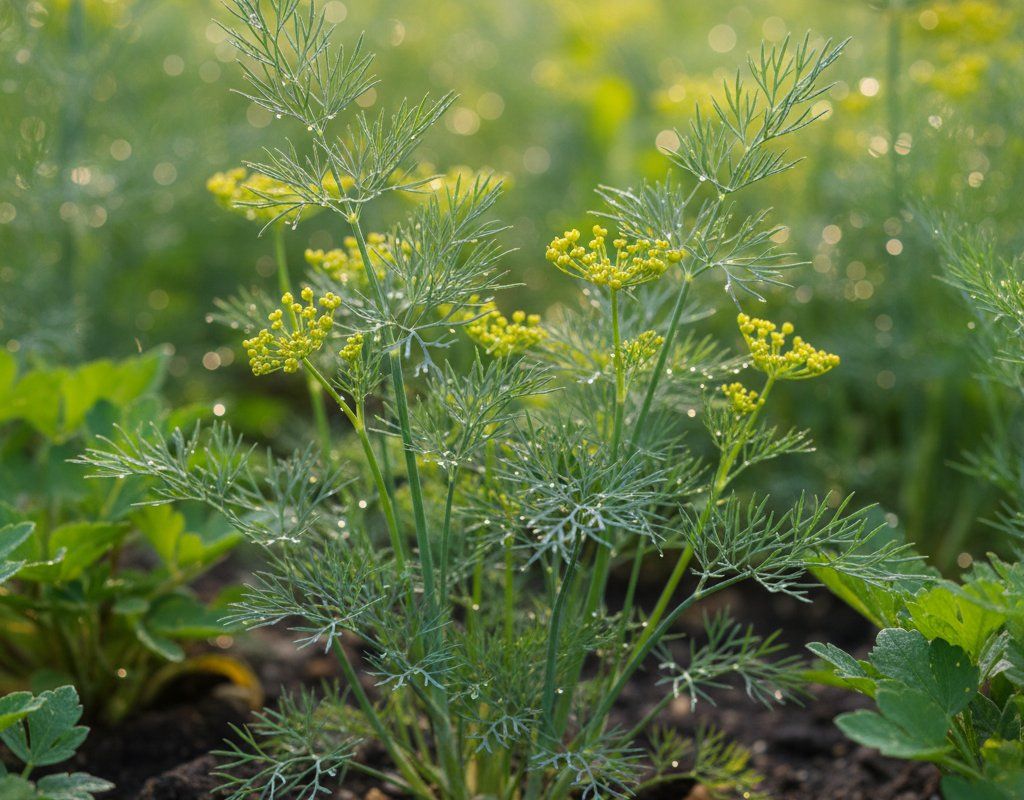
Companion planting can really boost your Brussels sprouts in the Midwest. Green beans are great companions because they fix nitrogen in the soil, which Brussels sprouts love. Celery helps to deter cabbage white butterflies, reducing the risk of cabbage worms. Onions also deter pests with their strong scent. Potatoes don't compete for the same nutrients, and dill attracts beneficial insects like ladybugs and lacewings.
Avoid planting tomatoes, strawberries, or peppers near your Brussels sprouts. Tomatoes and strawberries can attract pests that also attack Brussels sprouts. Peppers can stunt the growth of Brussels sprouts.
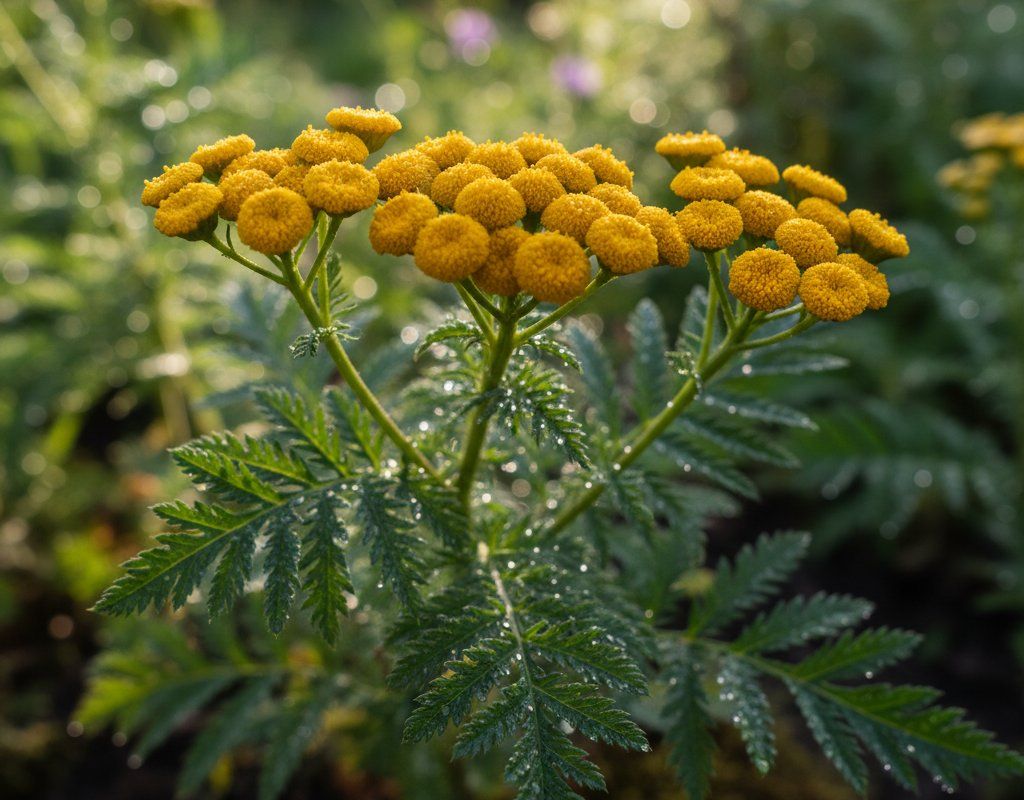
🌸Best Flowers to Plant with Brussels Sprouts
These flowers protect your Brussels Sprouts from pests and attract pollinators for better harvests.
For Pest Control




Get a Reminder When It's Time to Plant
We'll email you when key planting windows open for your zone.