Gardening in Zone 5A — Midwest
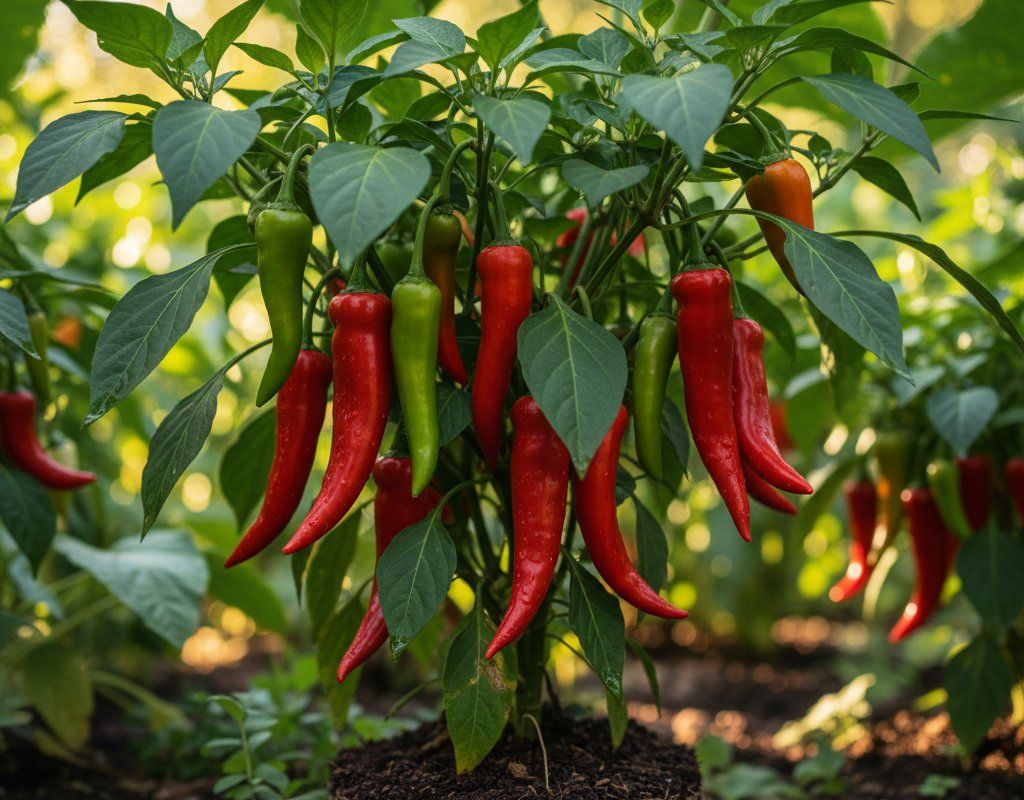
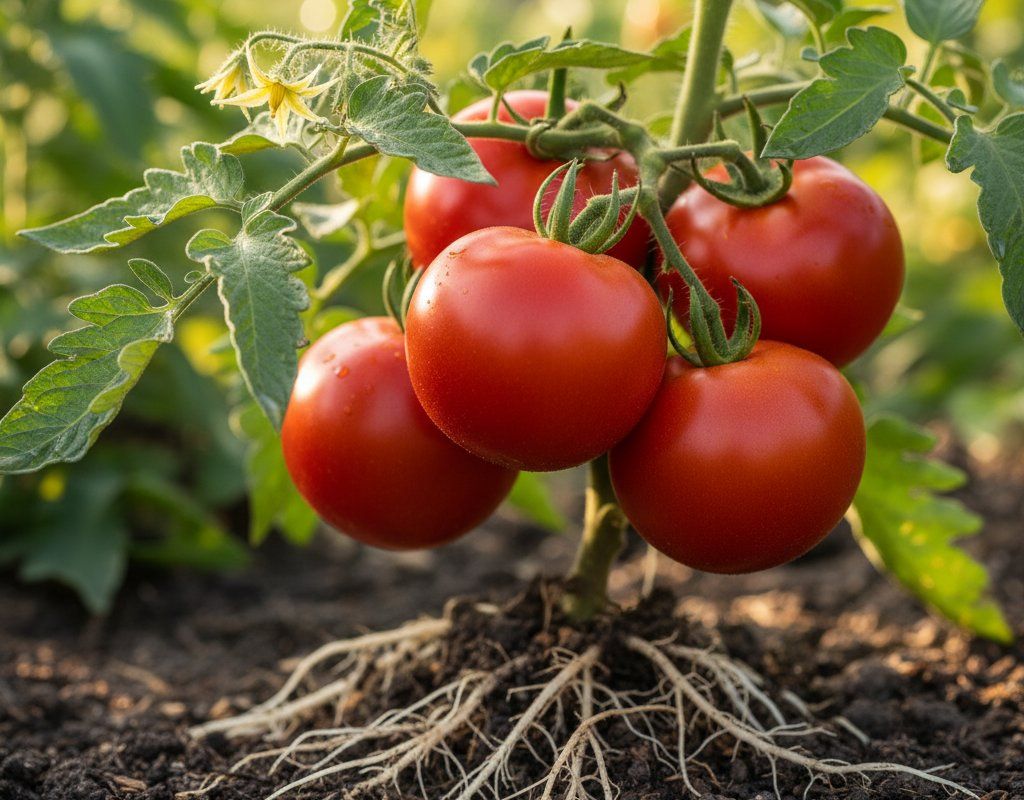
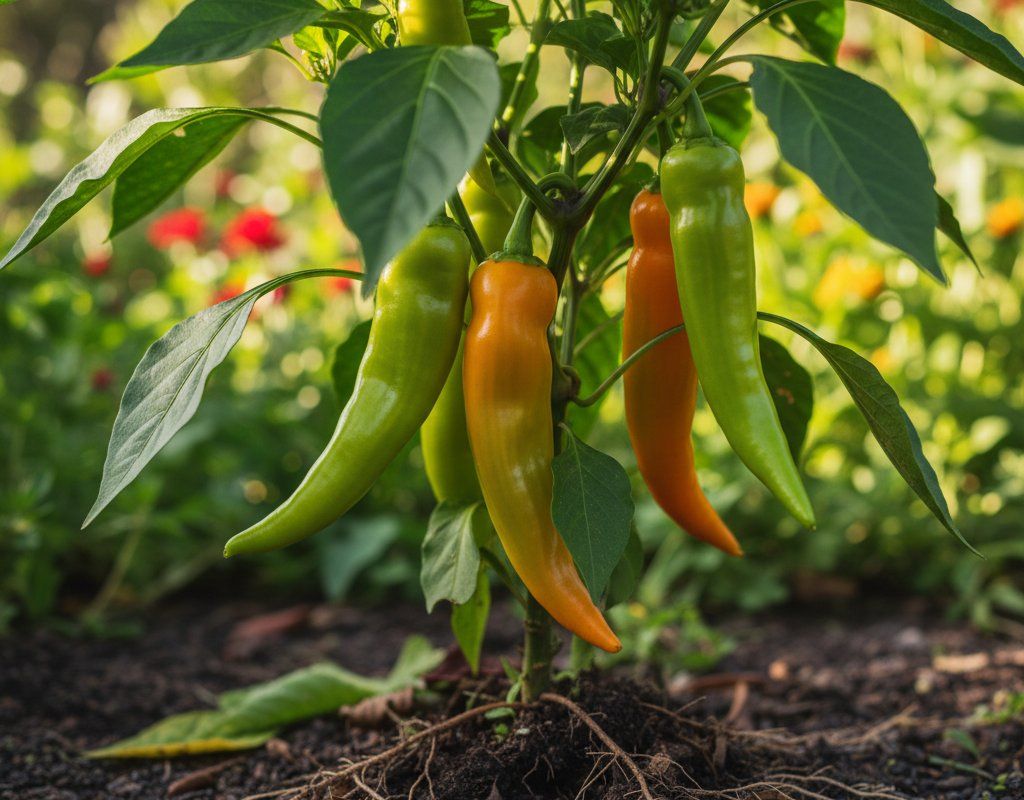
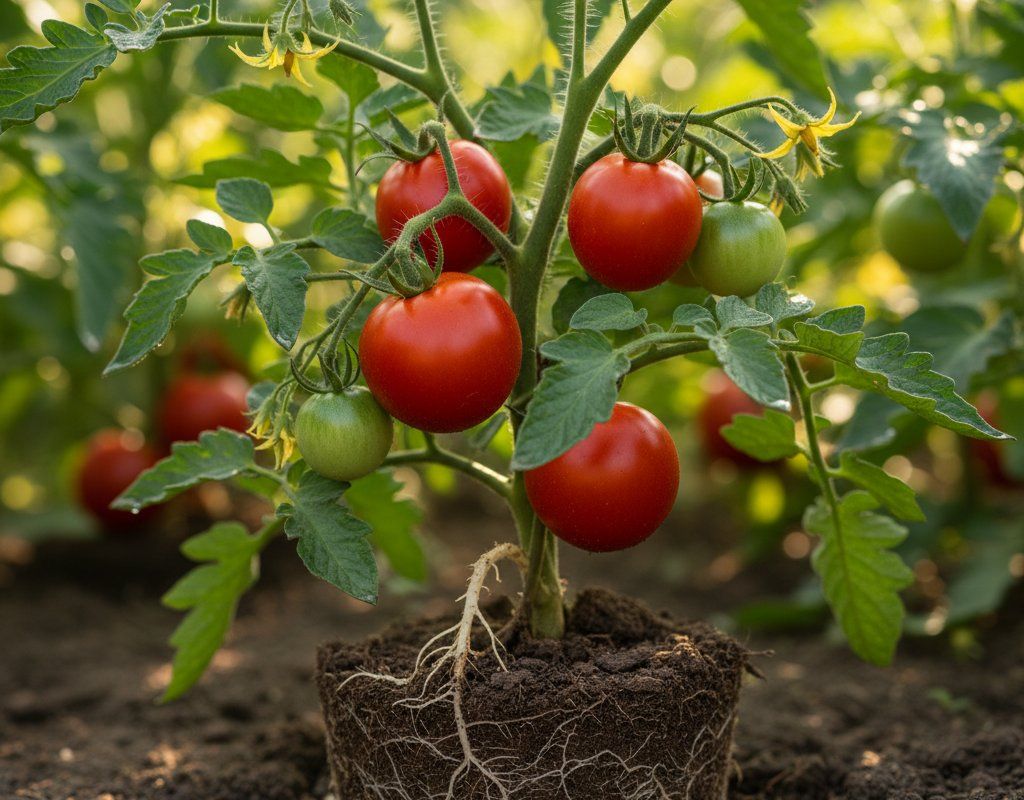
Gardening in Zone 5A is a dance with a shorter, more intense growing season. With temperatures dipping to -20°F in winter and only about 153 available growing days, you'll need to be strategic and quick. The cool climate means your vegetable varieties must be chosen carefully - cold-hardy tomatoes like Early Girl, robust peppers that mature quickly, and quick-growing leafy greens will become your best friends.
The primary challenge here is the unpredictable spring, where temperature swings can catch even experienced gardeners off guard. But don't be discouraged - this zone offers incredible advantages. Your cool summers are perfect for crops that struggle in hot regions, and the cold winter actually helps many perennial herbs and plants by providing necessary dormancy periods. Your garden will produce concentrated, high-quality crops that develop exceptional flavor due to the temperature variations.
✓ Regional Advantages
- • Fertile soil
- • Adequate rainfall
- • Good summer heat for warm crops
⚠ Regional Challenges
- • Cold winters
- • Variable spring
- • Summer heat spells
- • Tornadoes/severe weather
- • Clay soil
Midwest Climate Profile
Cold winters, warm-to-hot summers, fertile soil
Best Plants for Zone 5A
102 plants thrive in Zone 5A's 157-day growing season. Click any plant for zone-specific planting dates.
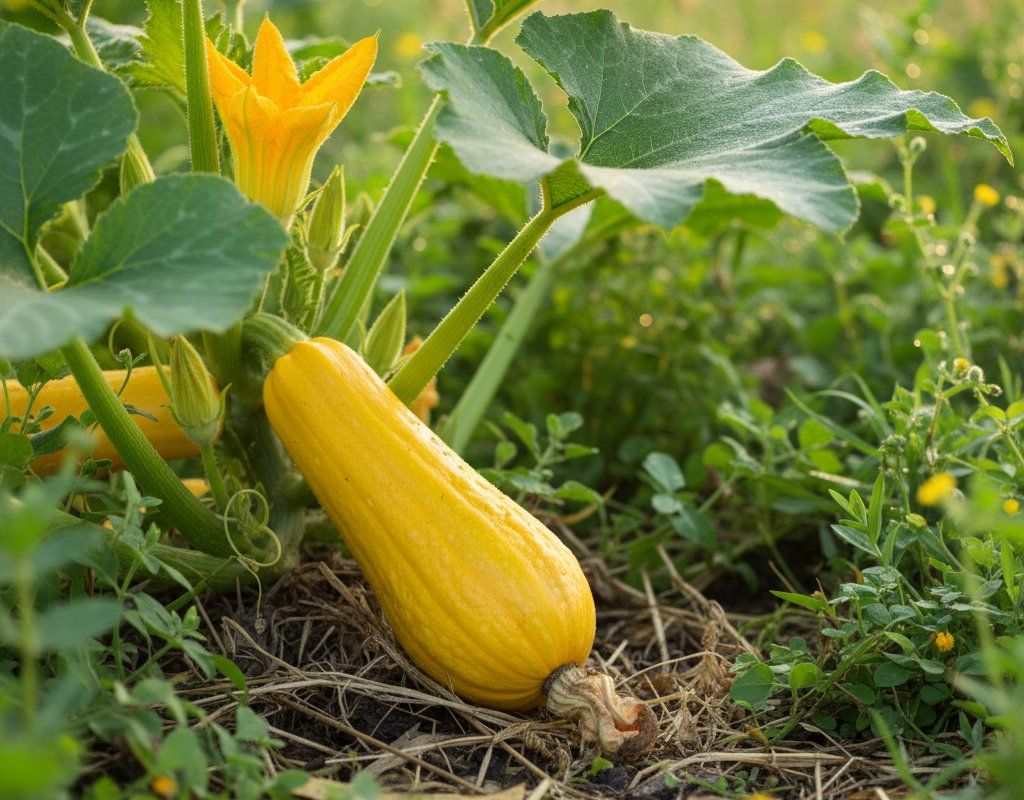
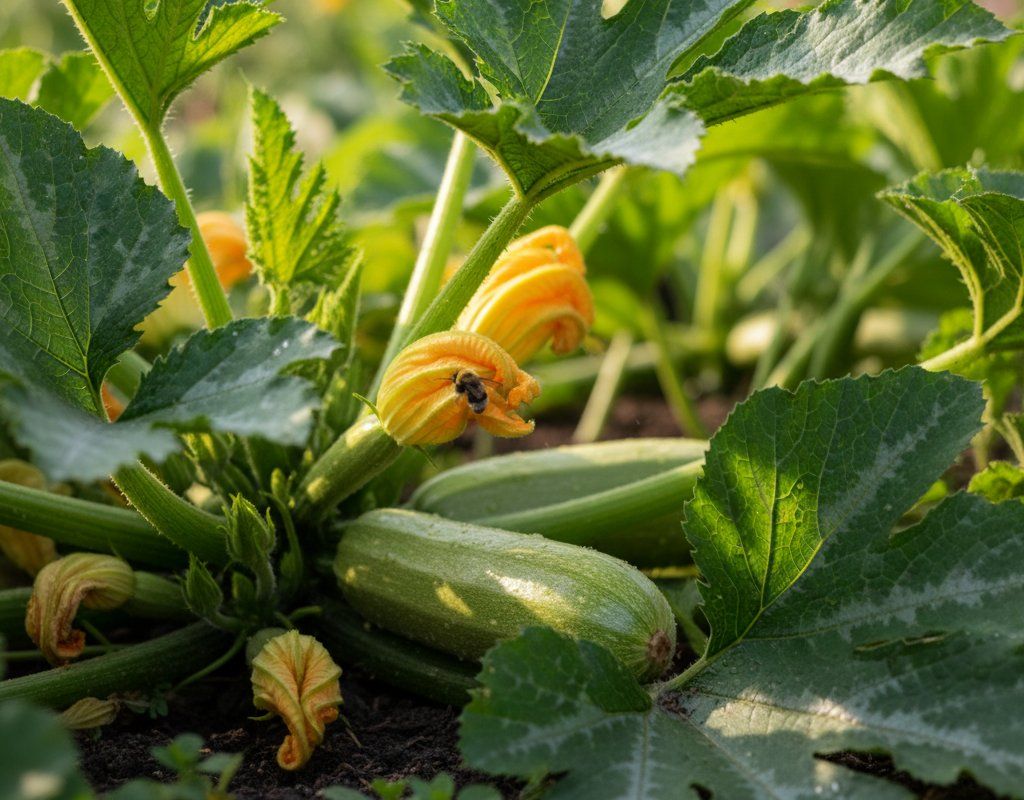
🍅Fruiting Vegetables (37)
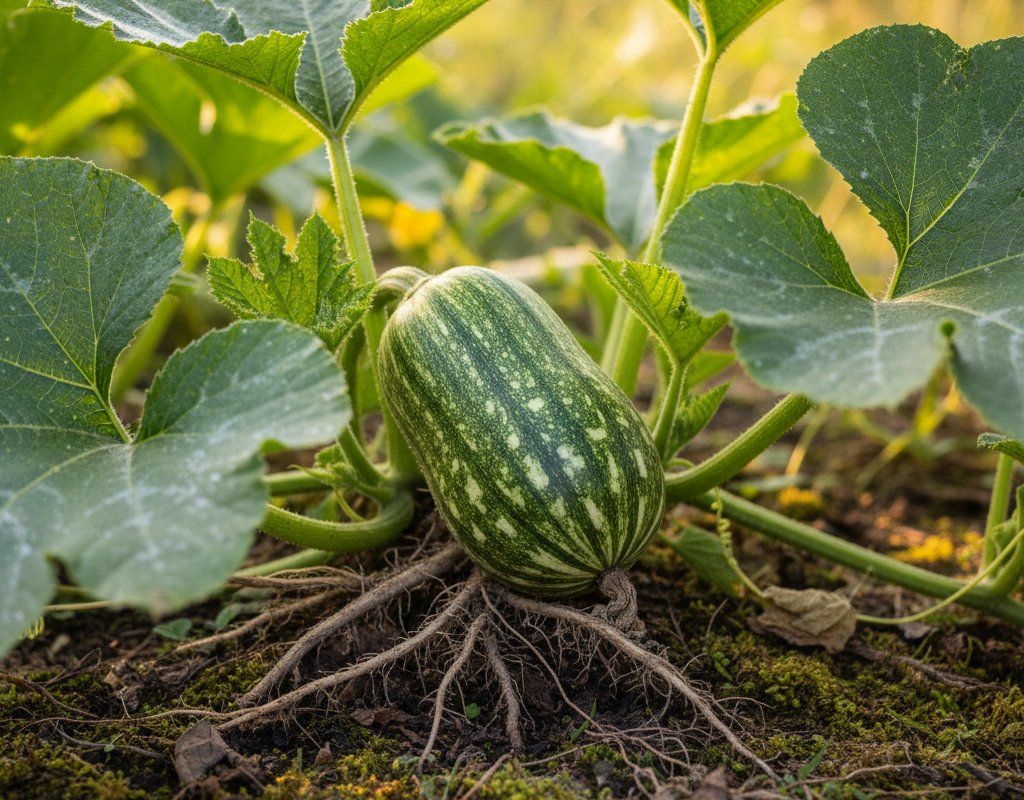
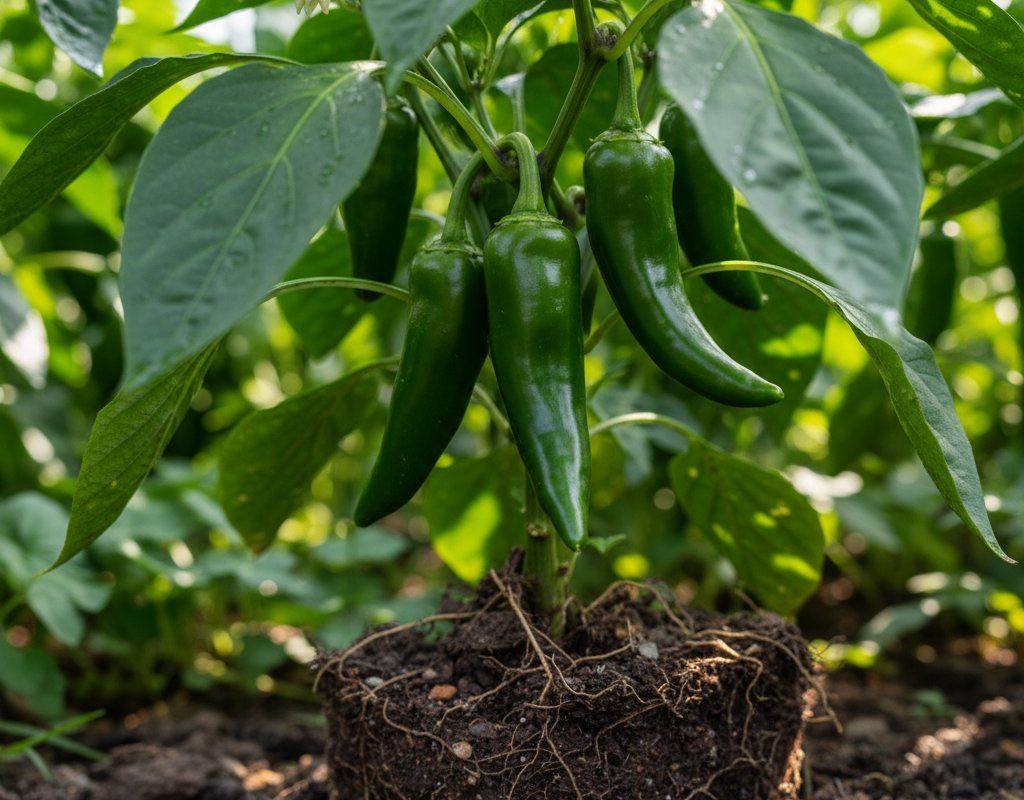
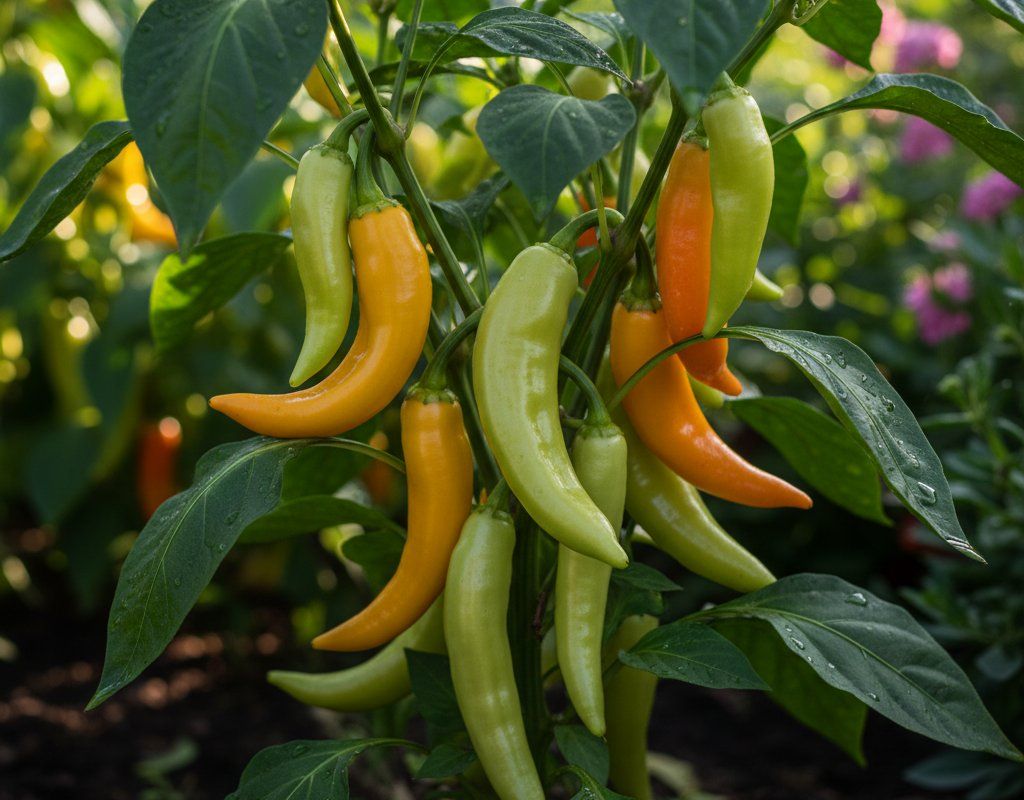
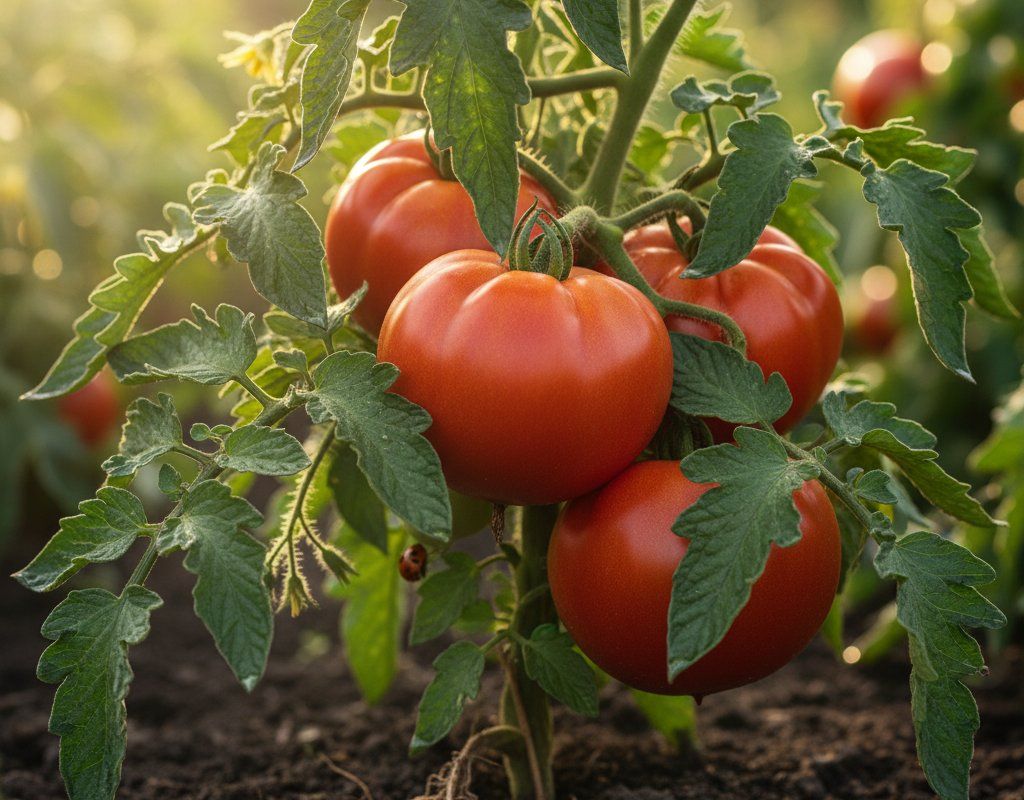
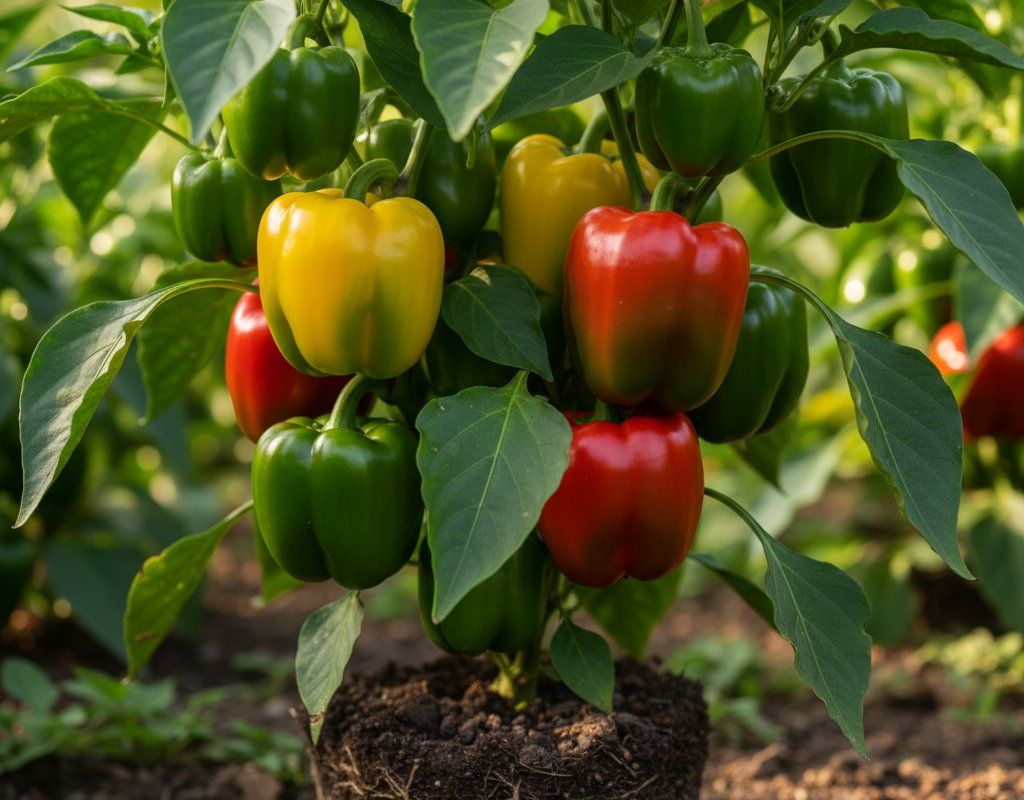
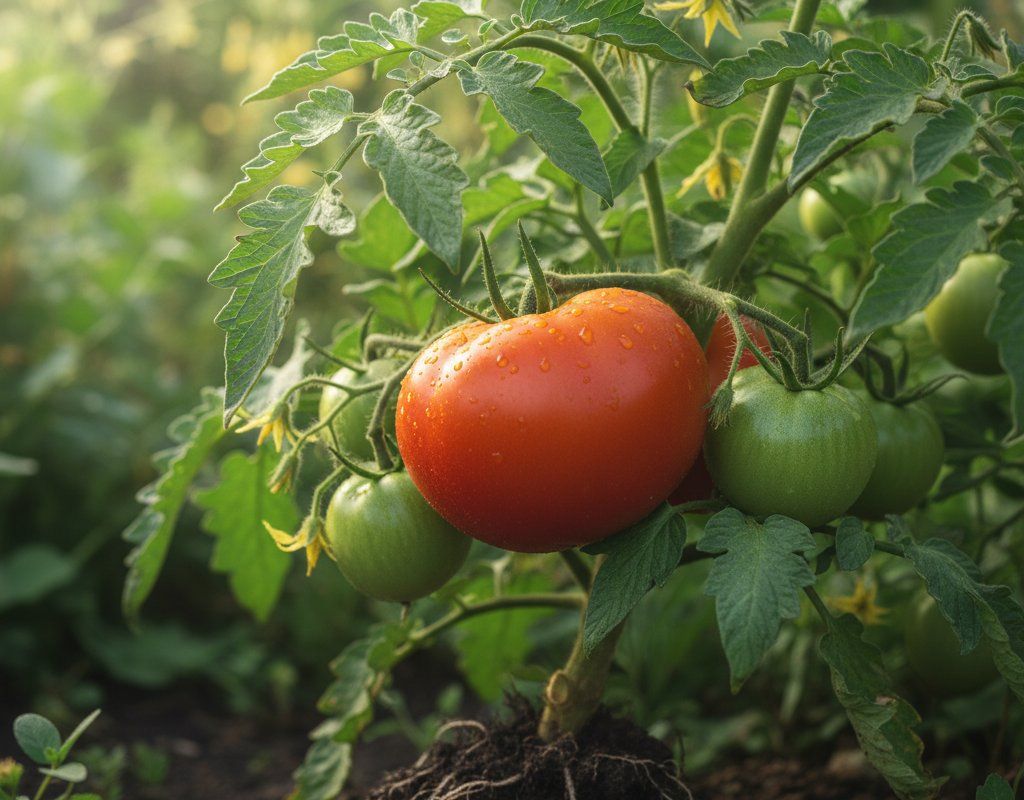
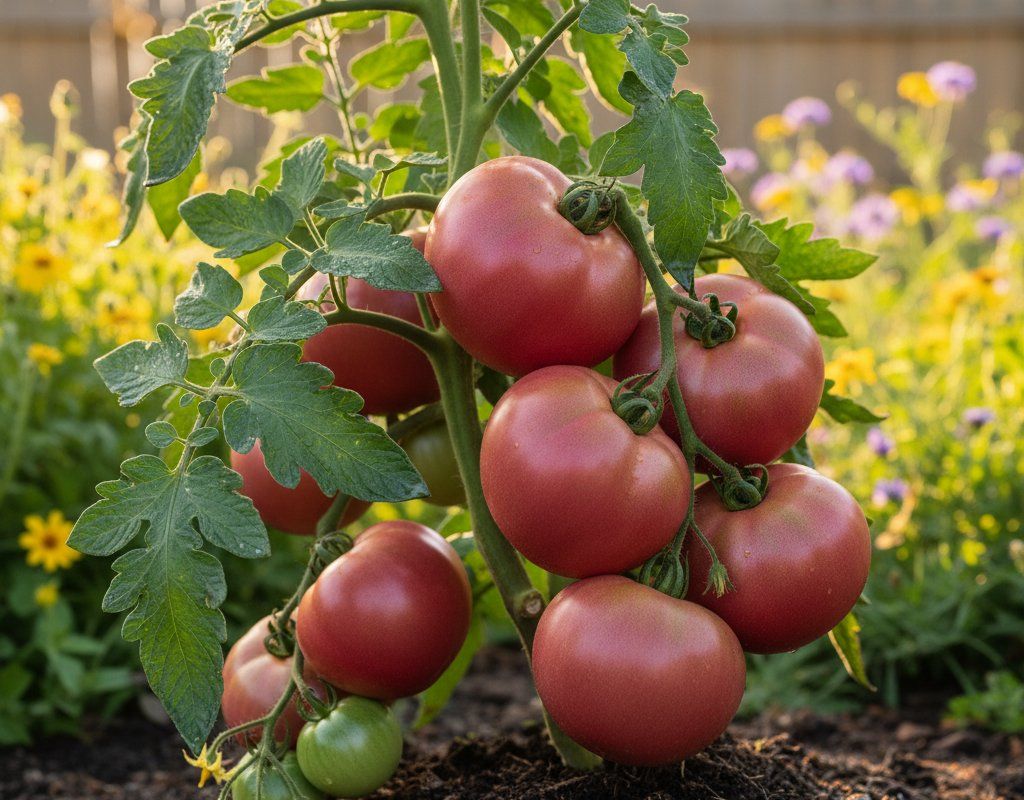
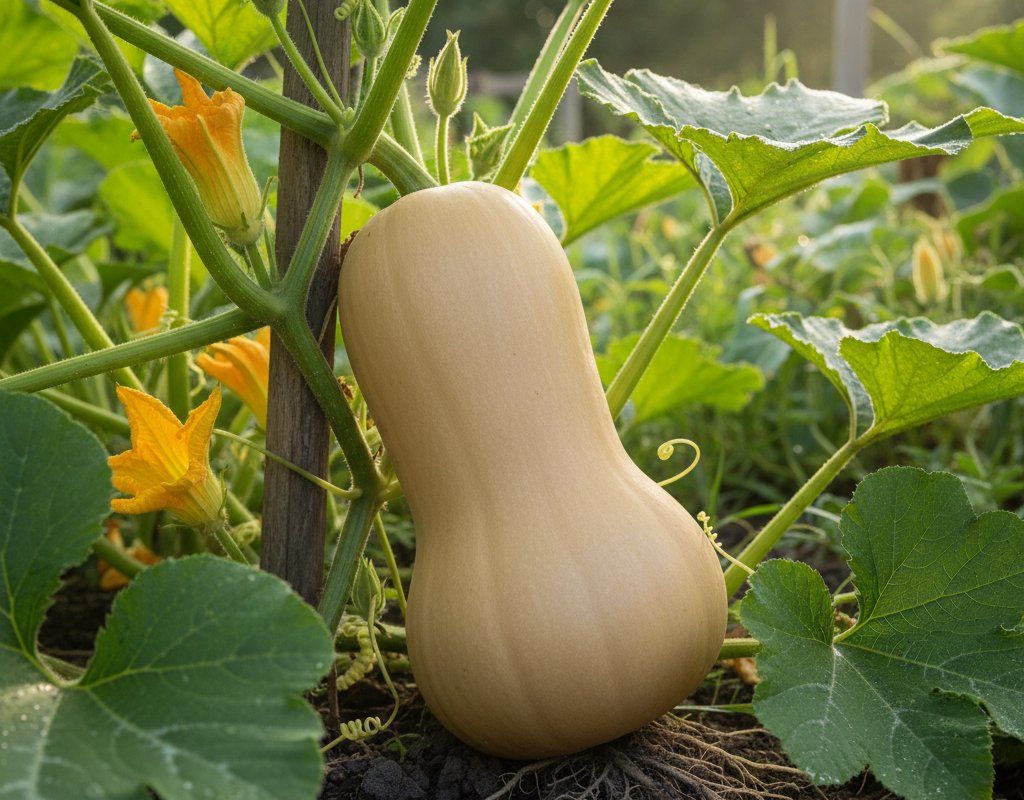


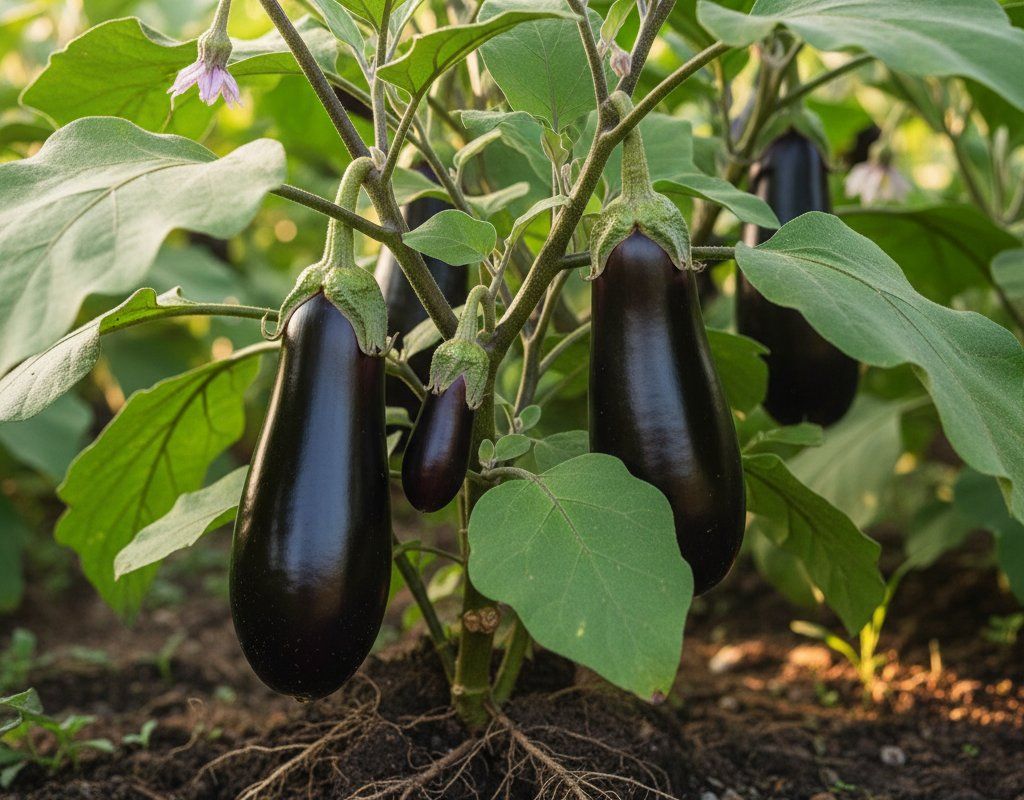

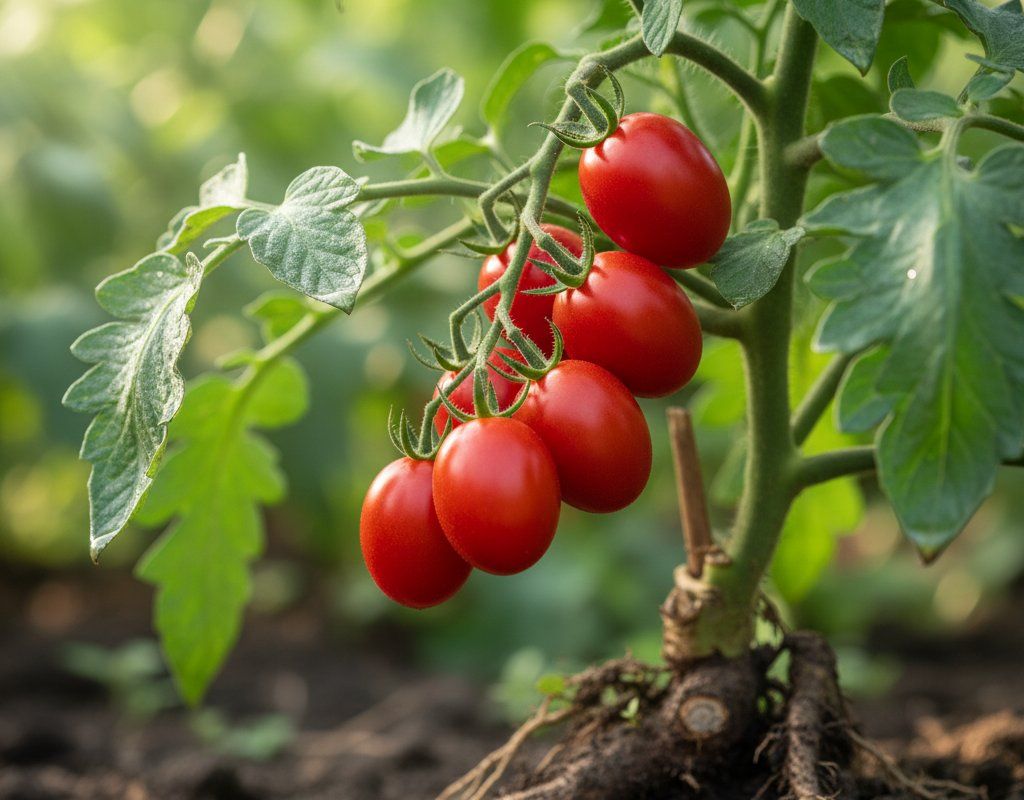
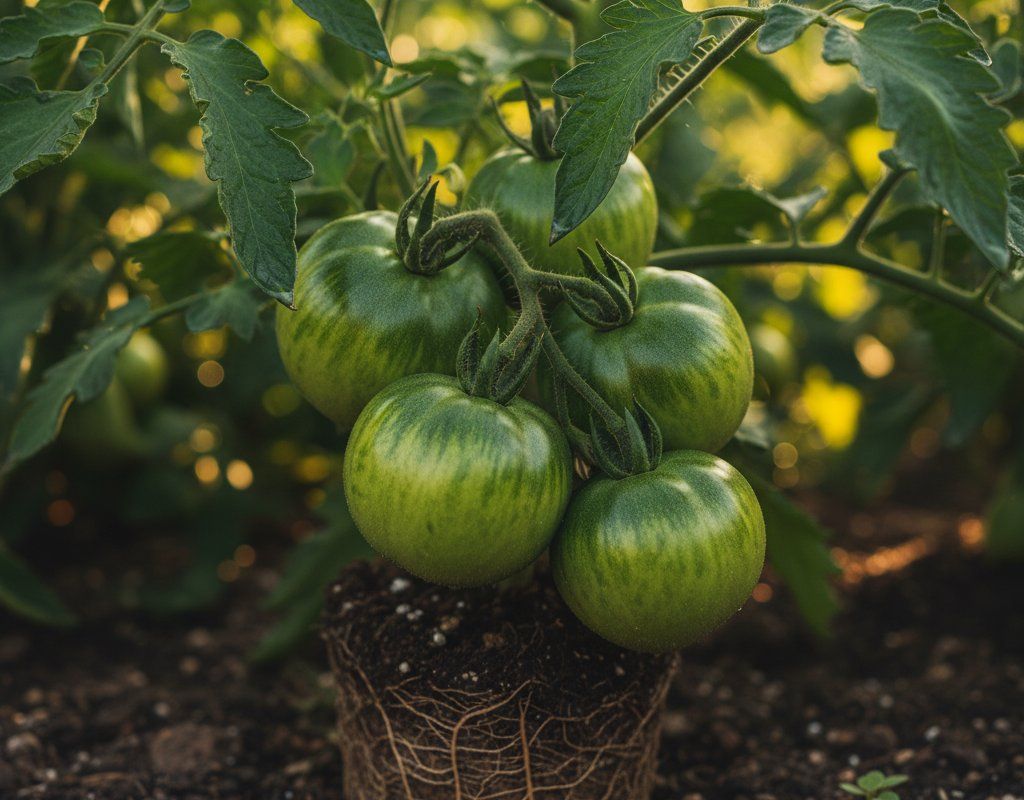
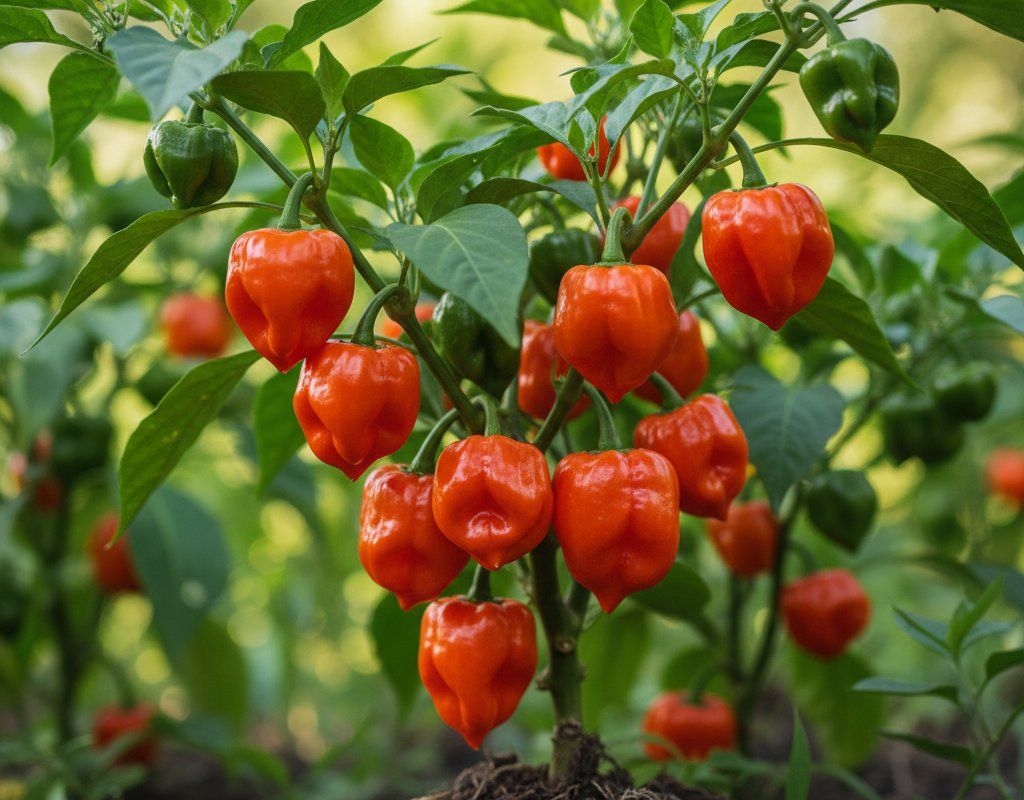
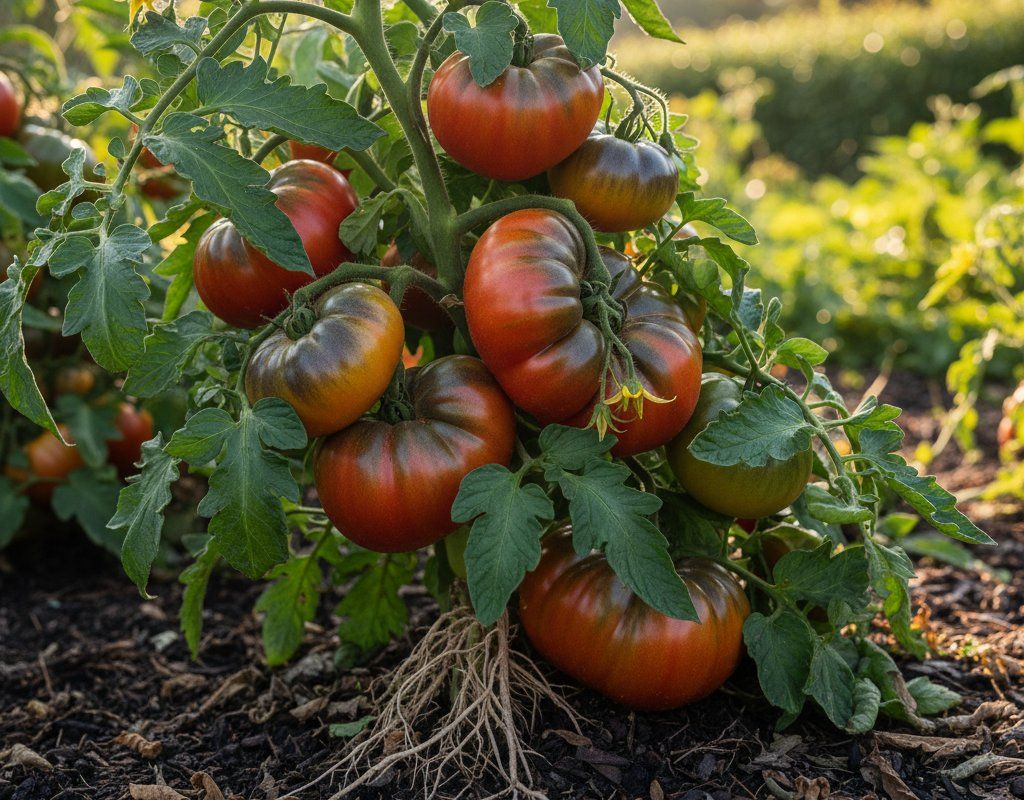
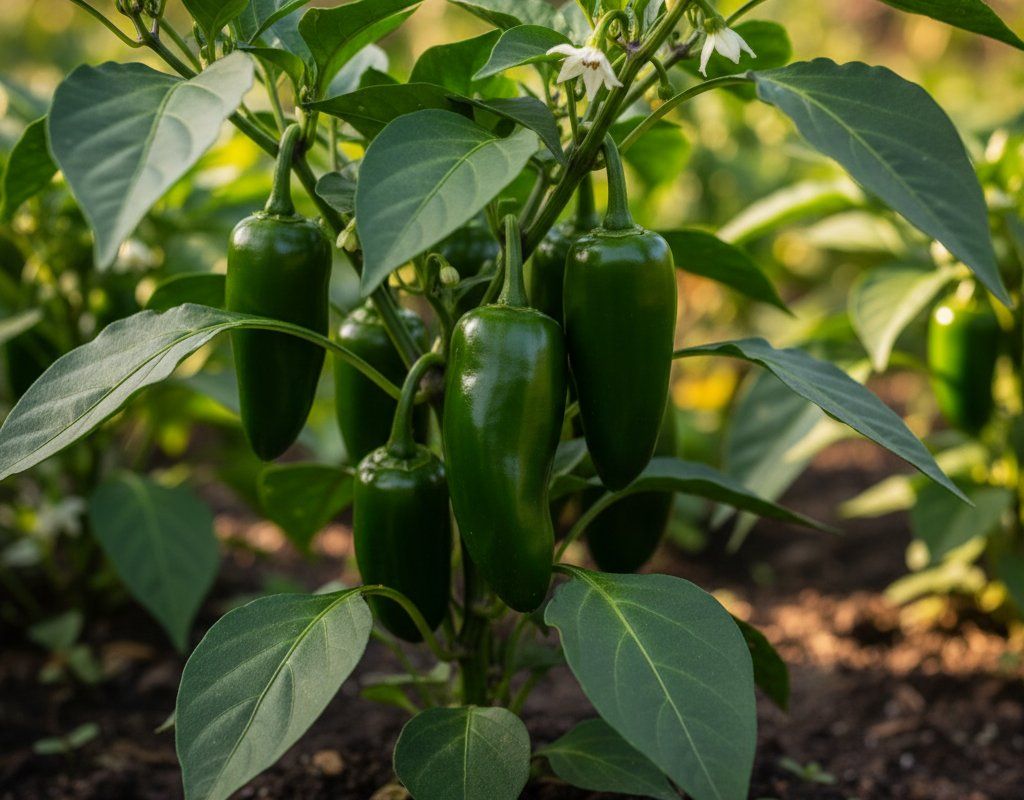

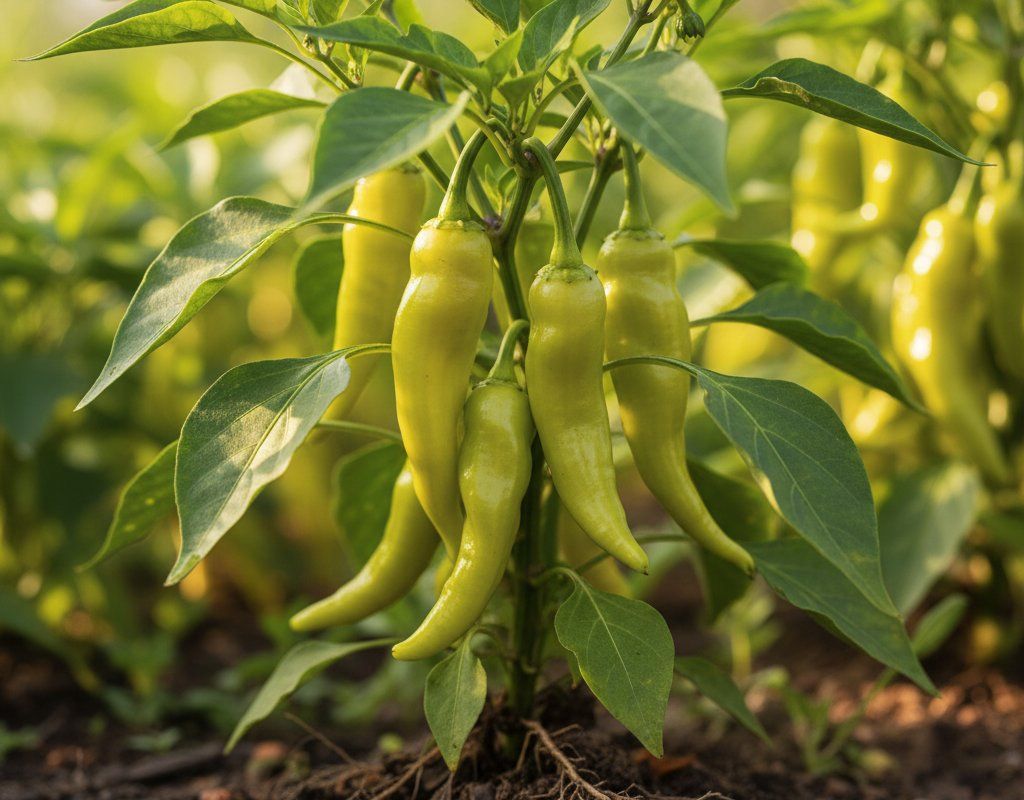
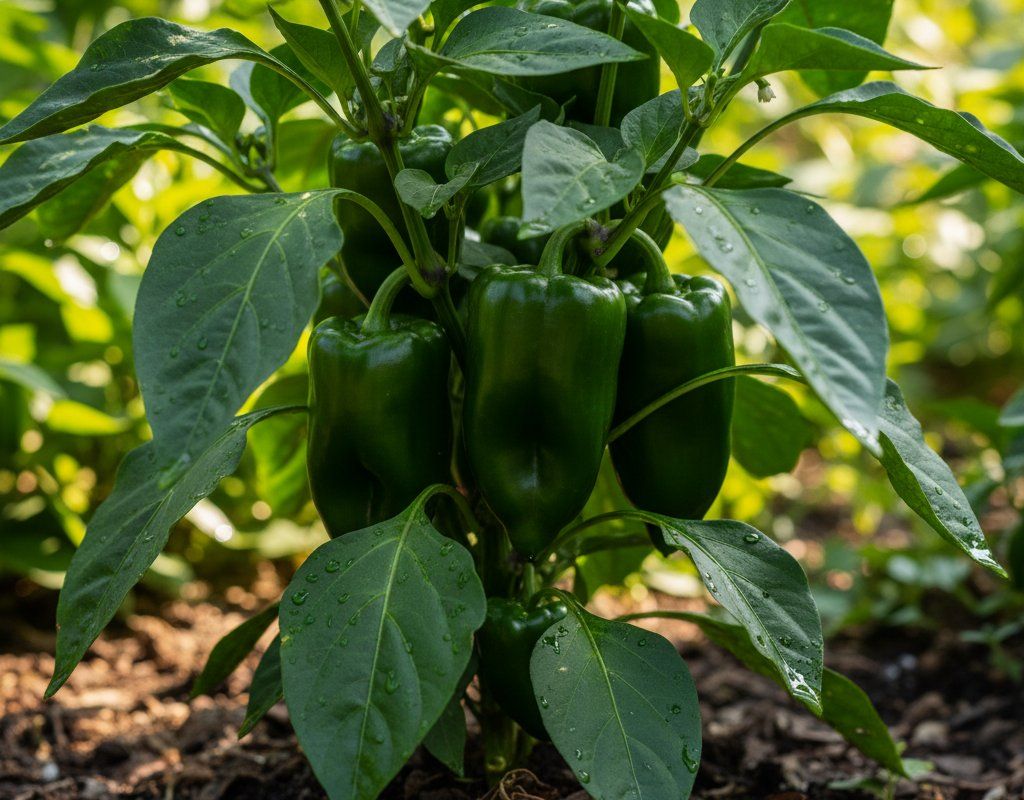

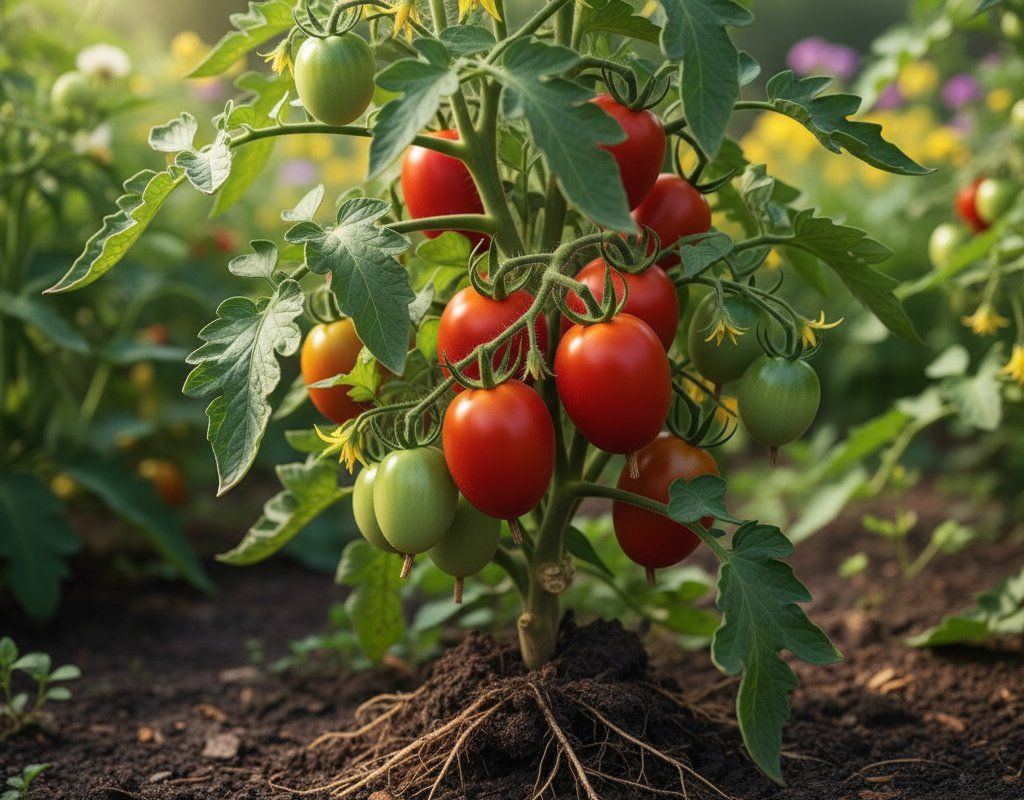
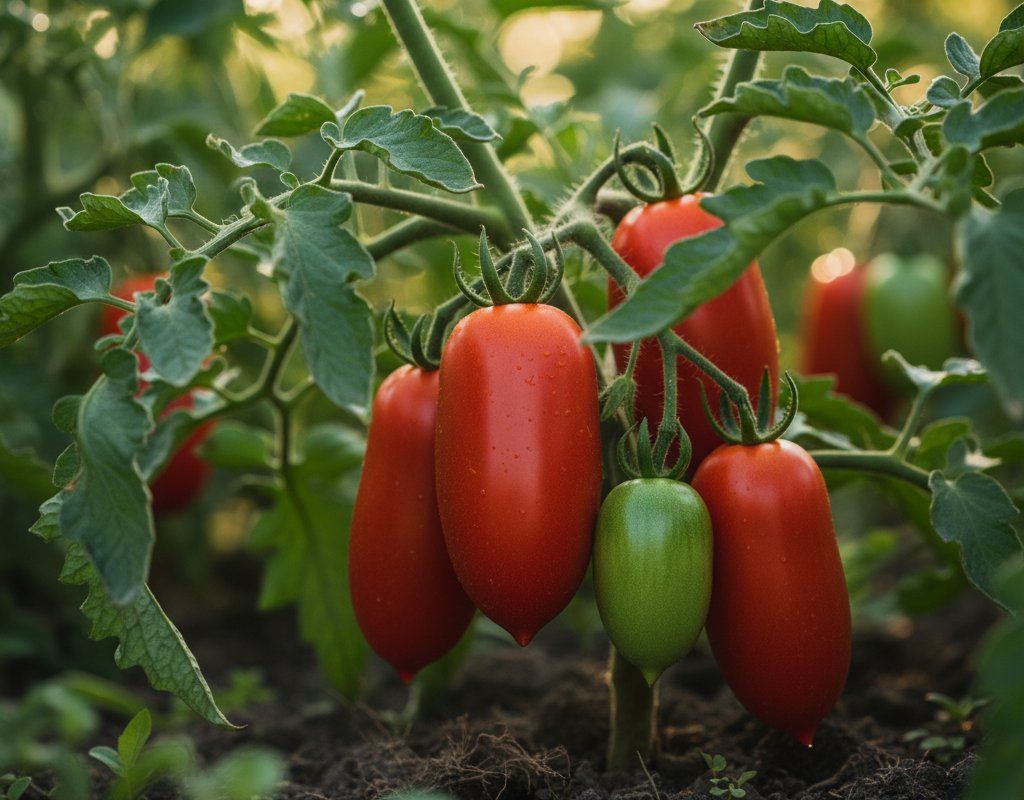
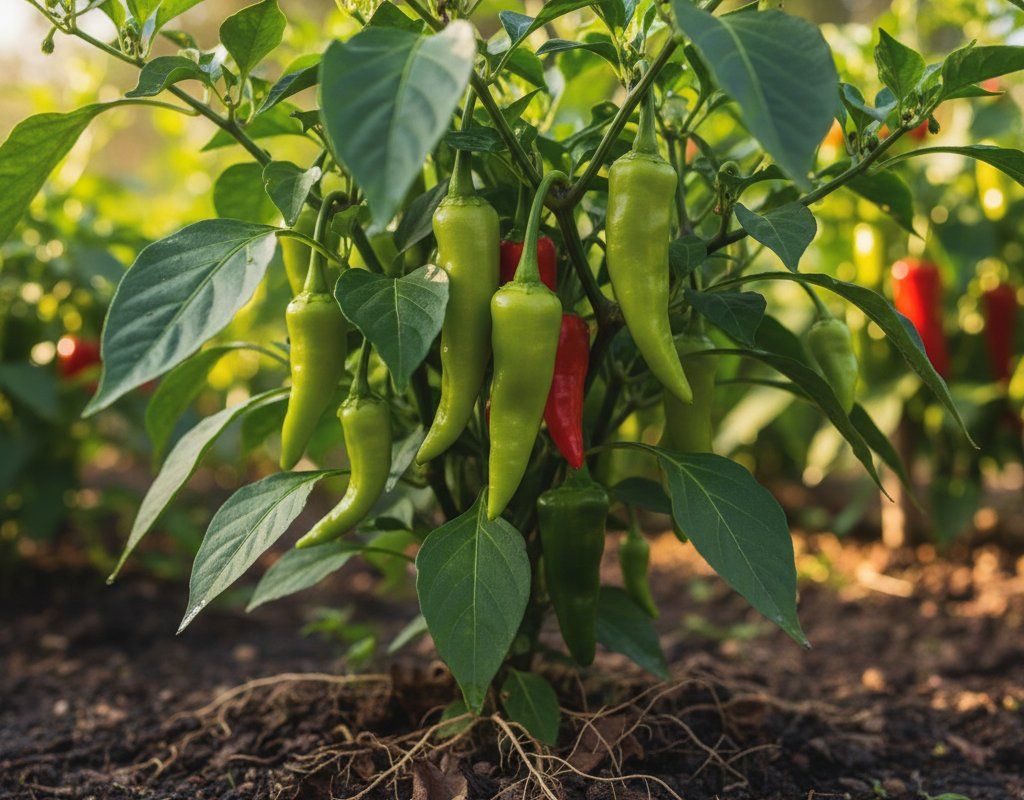
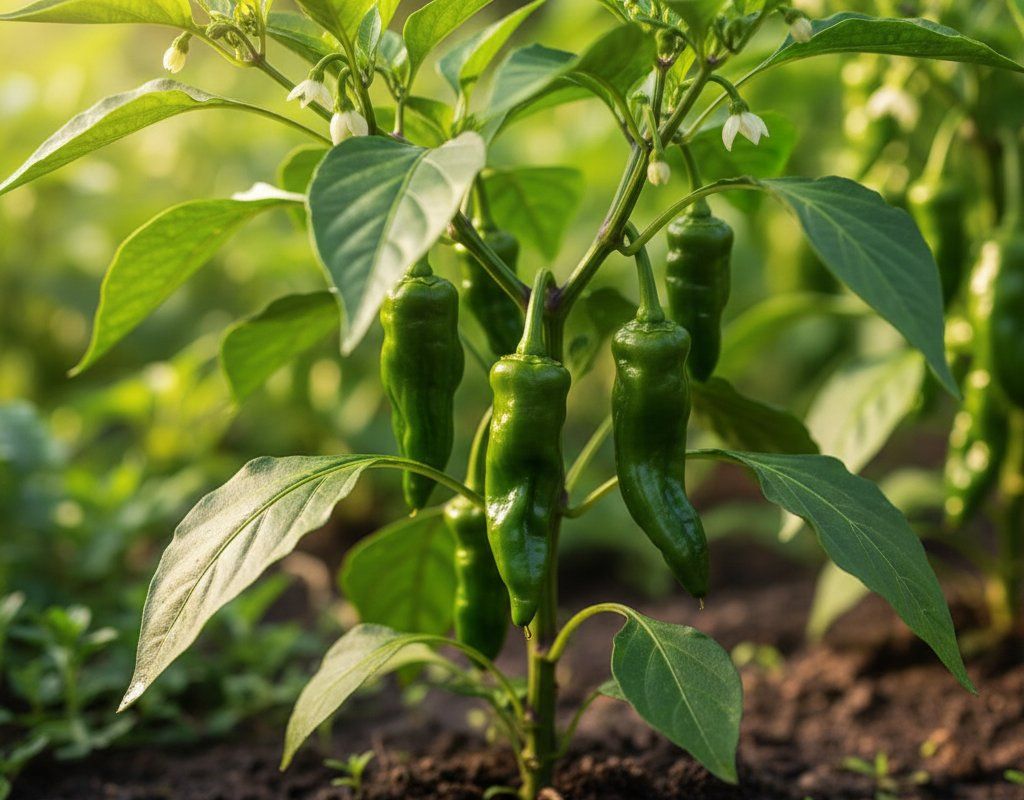
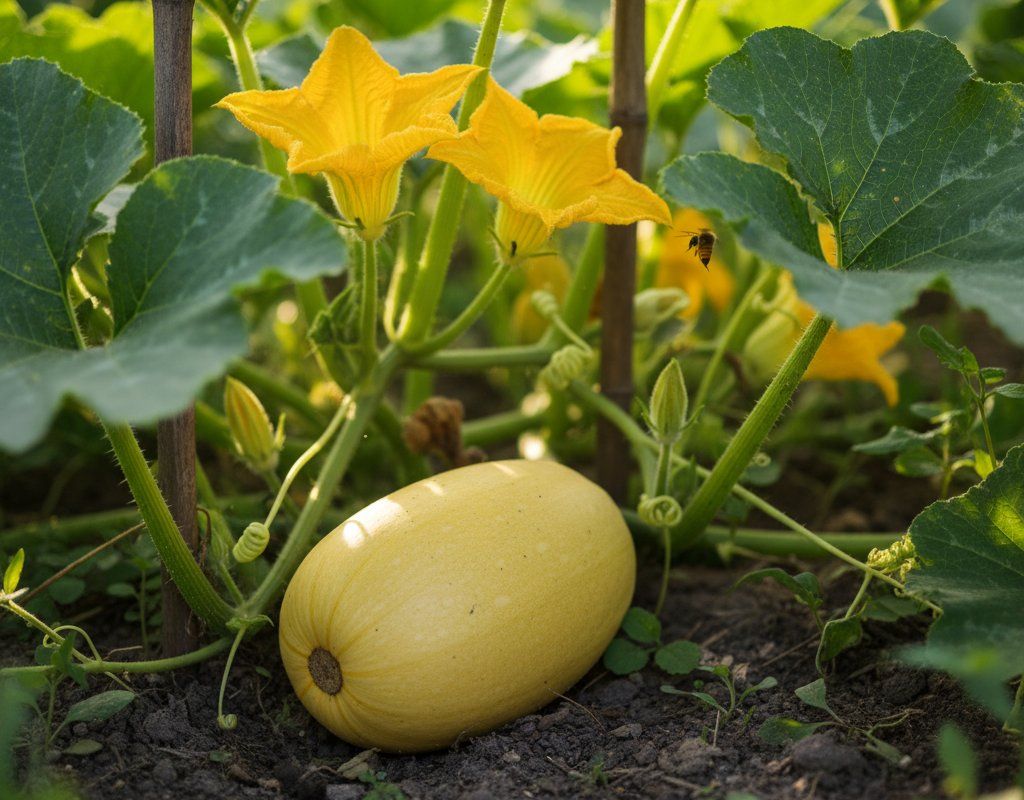

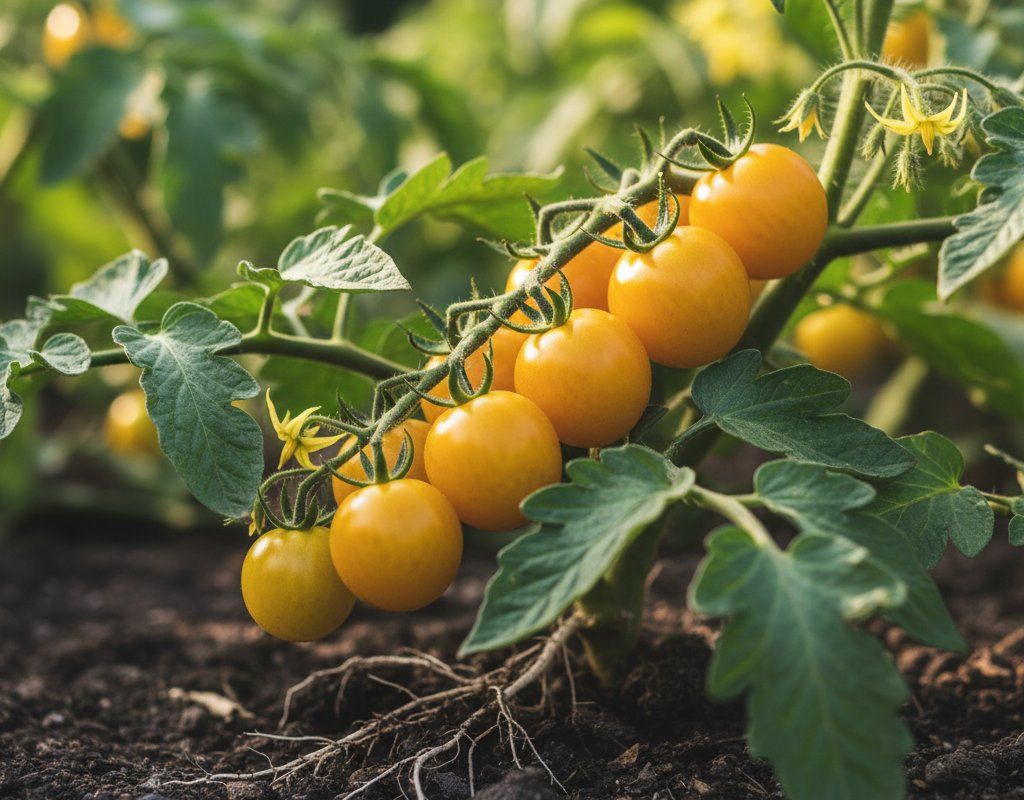
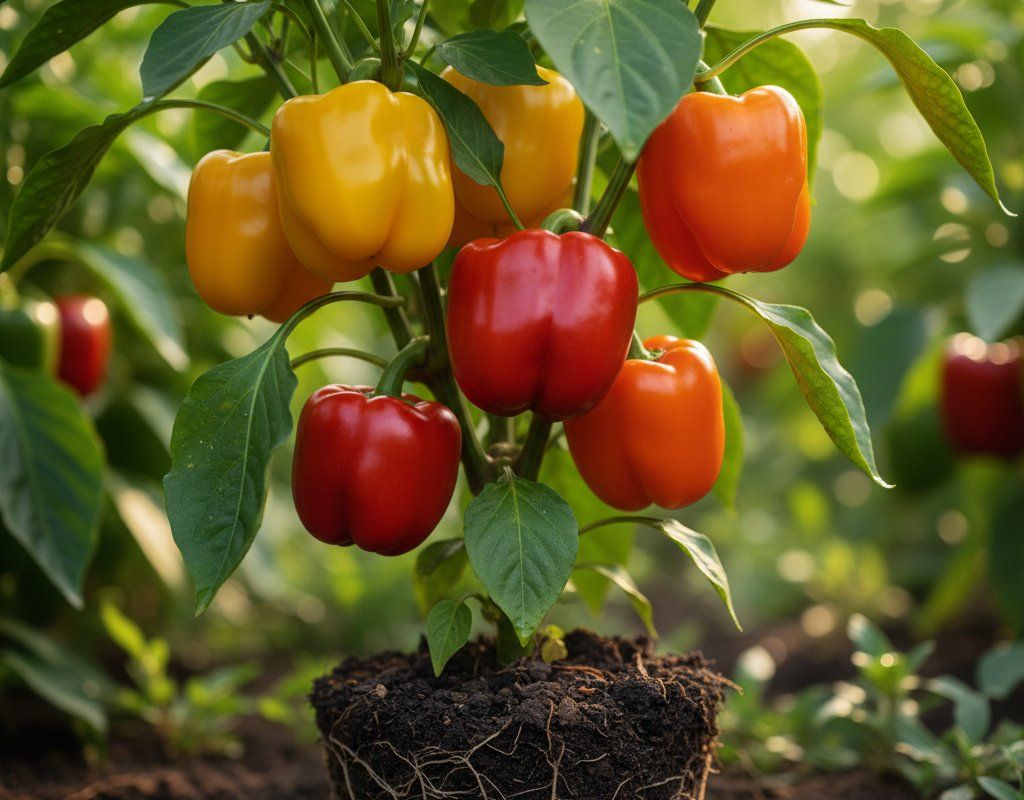
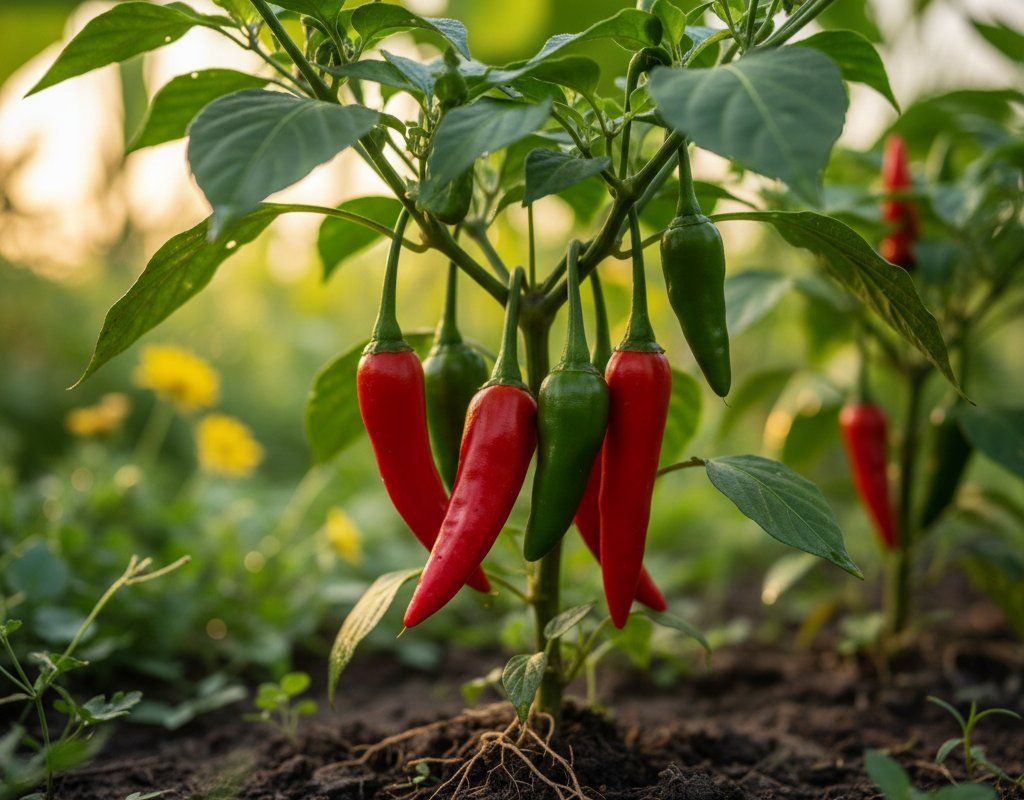

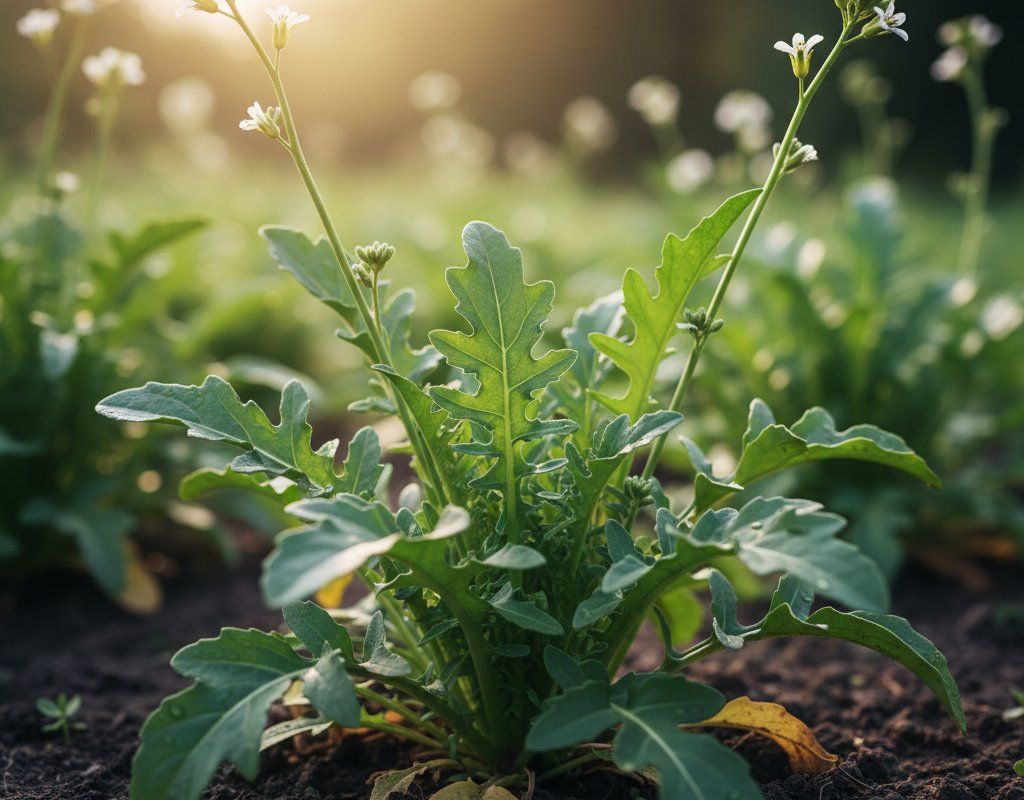
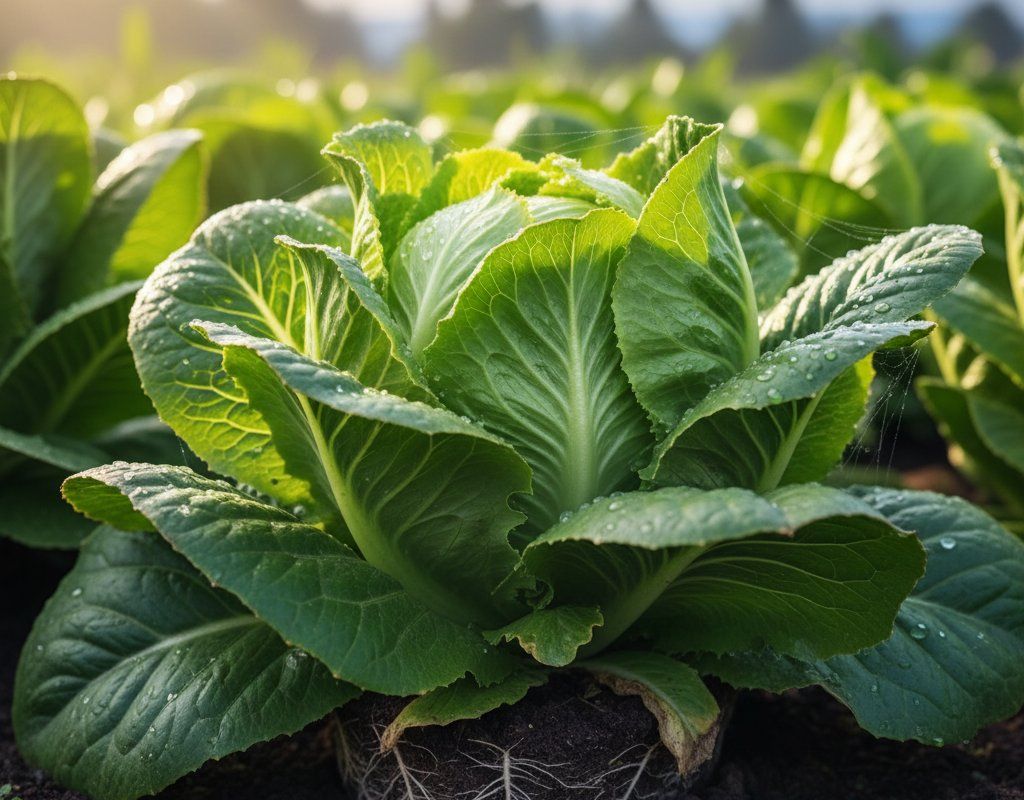
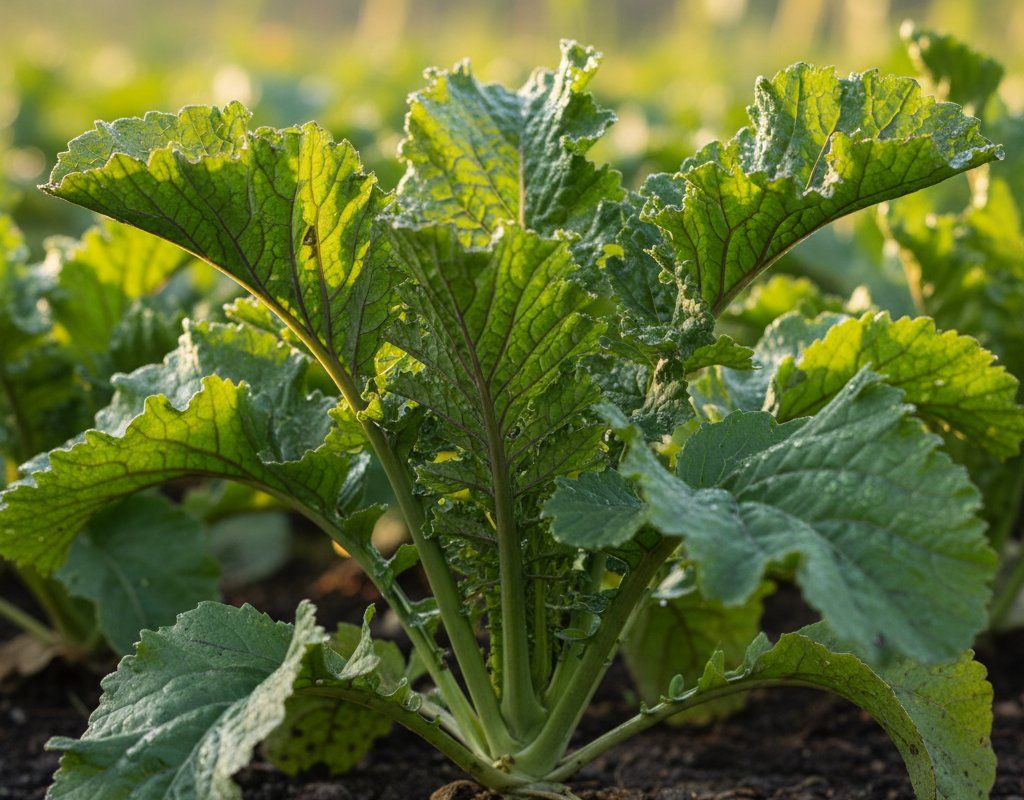
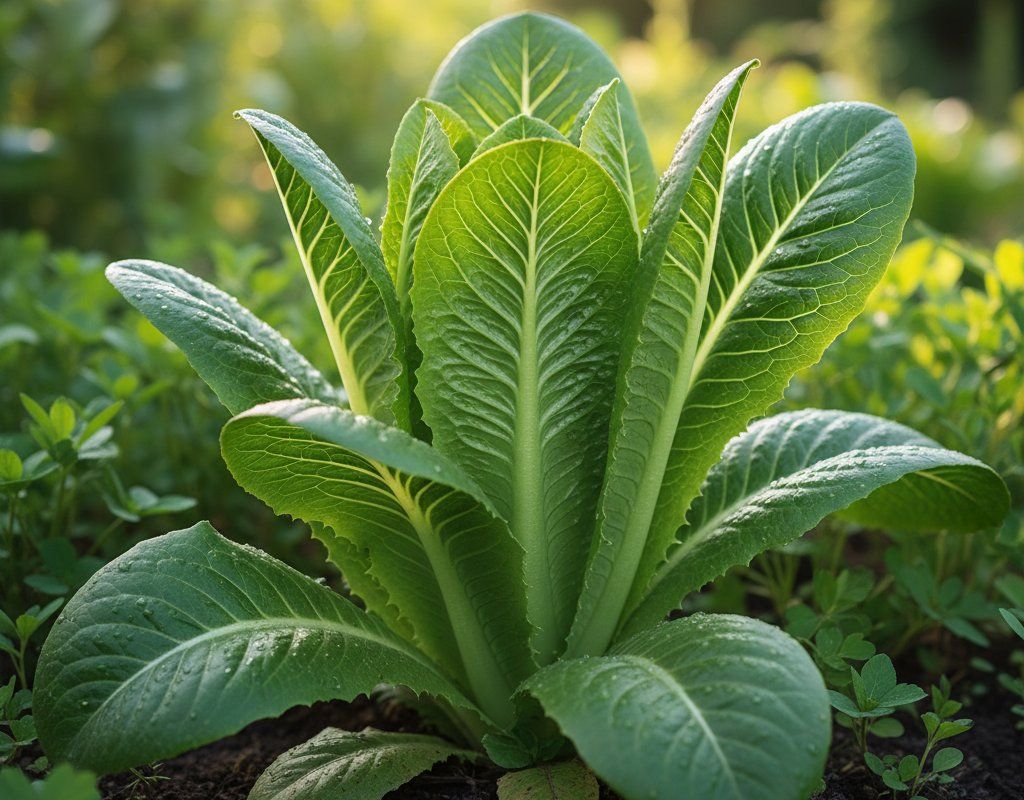
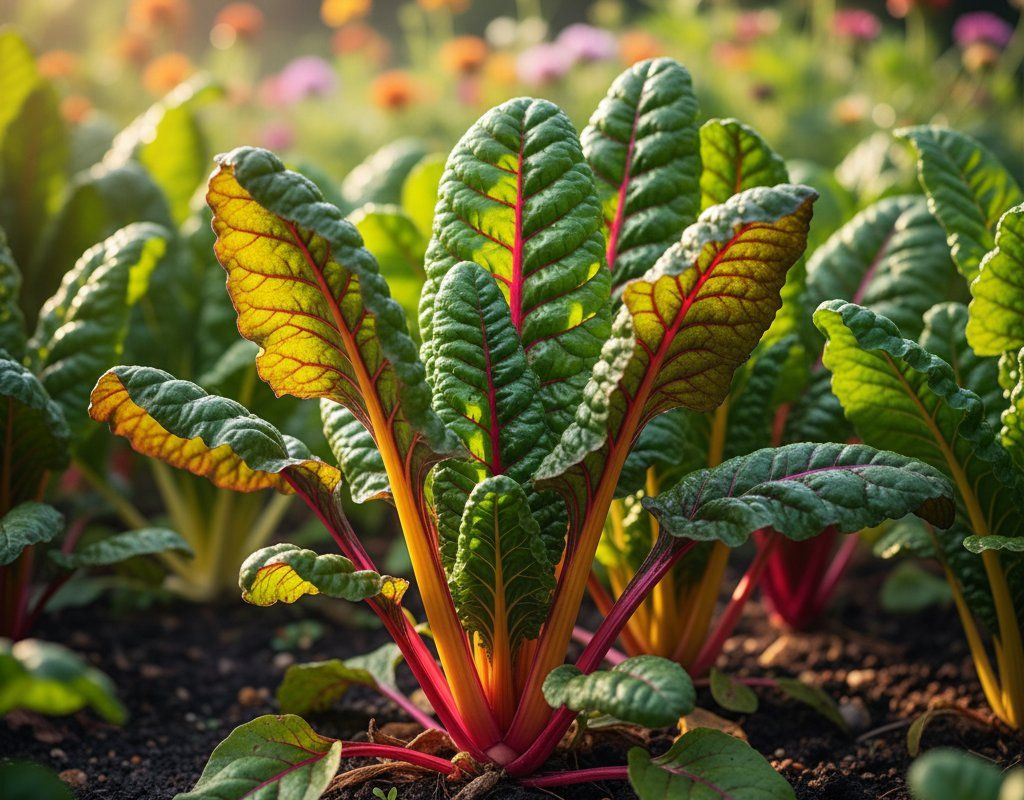
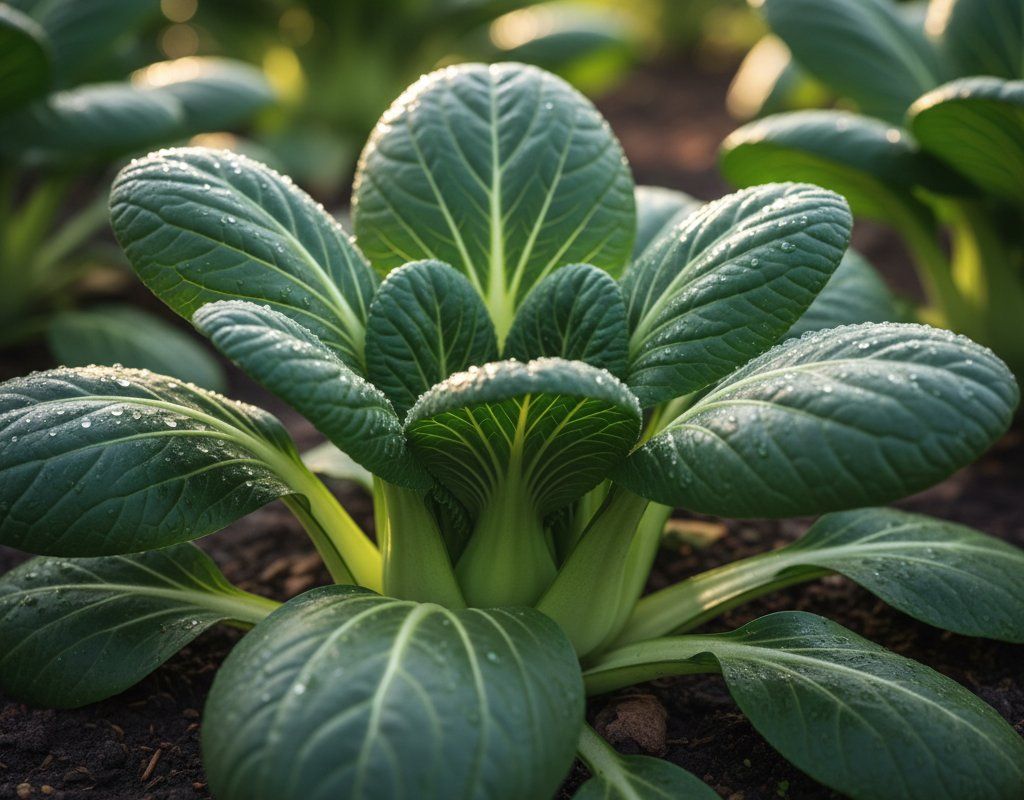
🥬Leafy Greens (9)



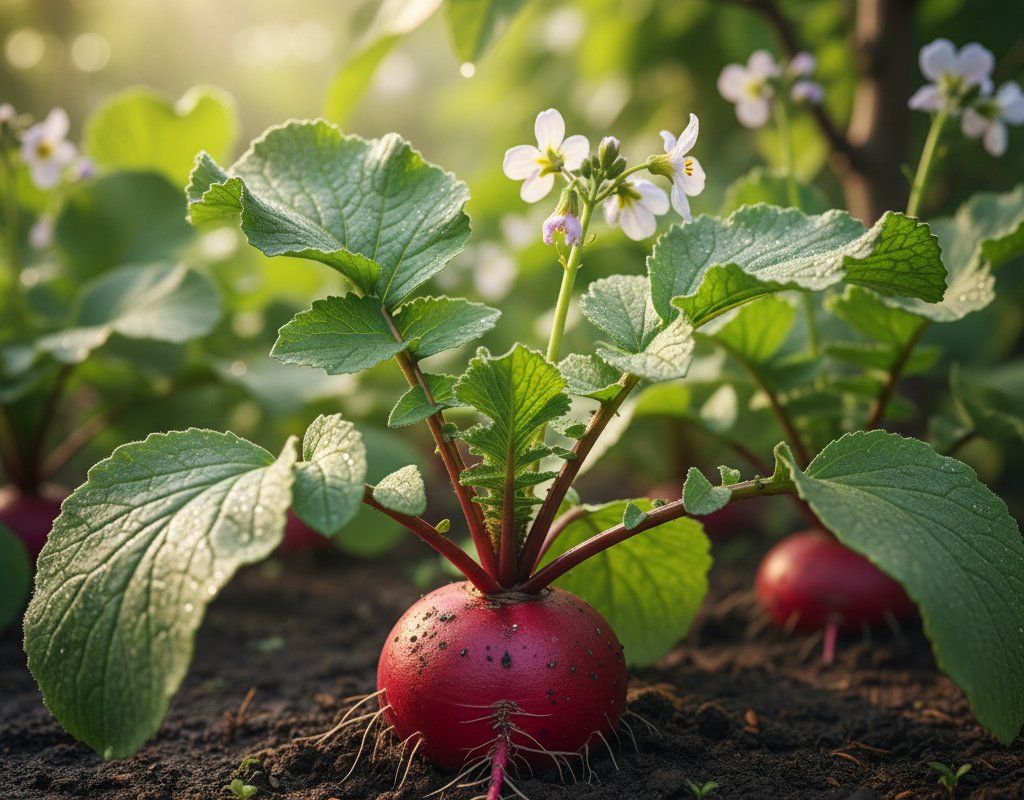
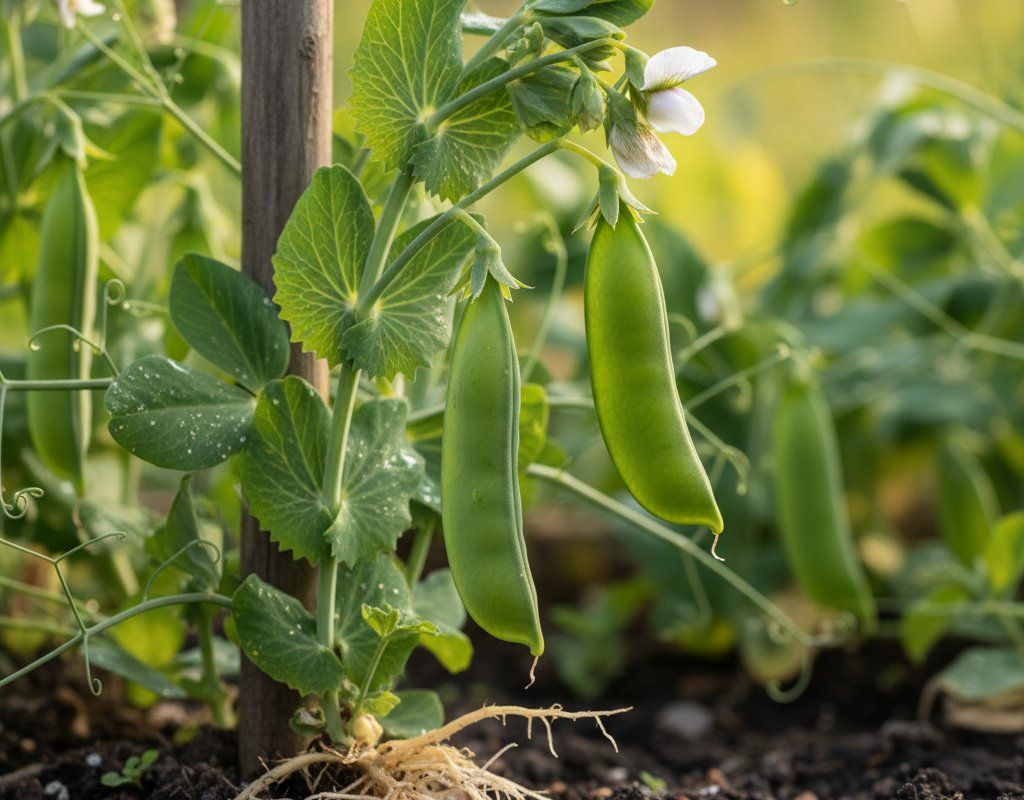
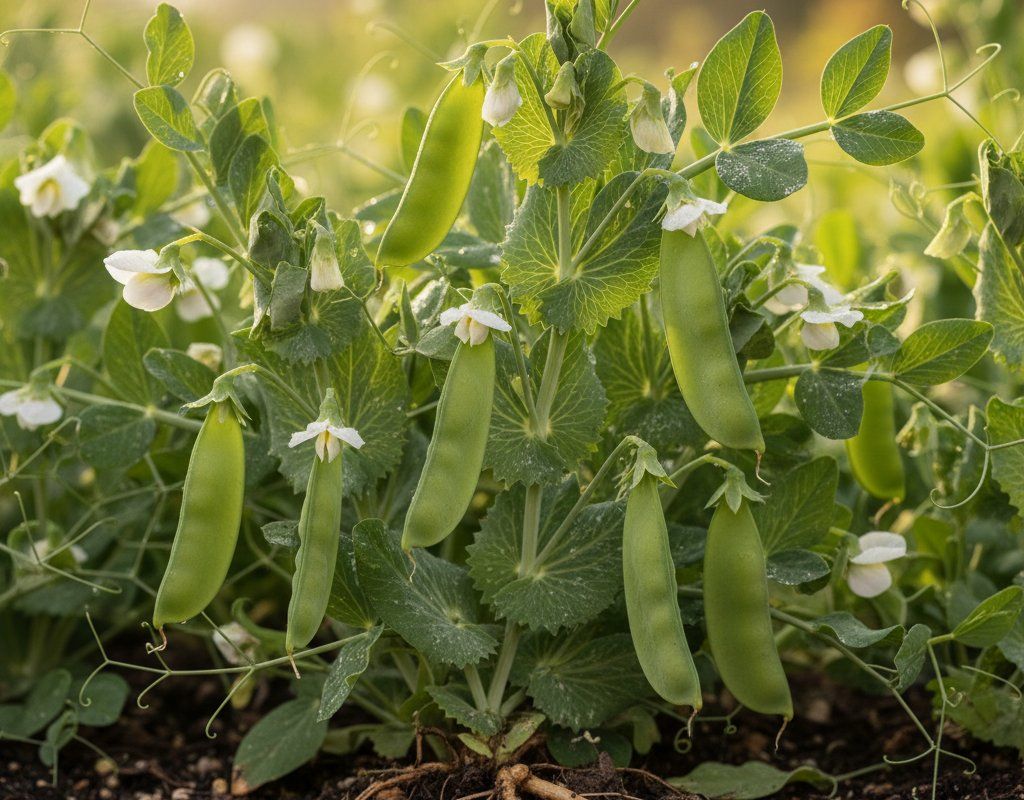
🥕Root Vegetables (5)



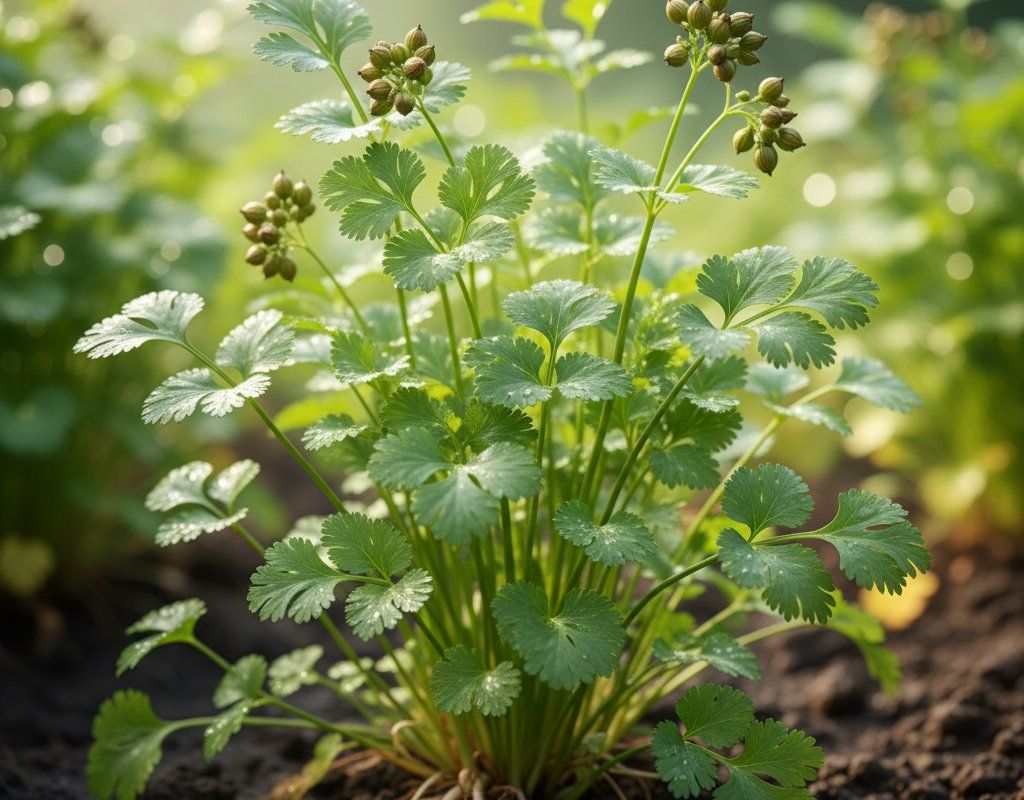
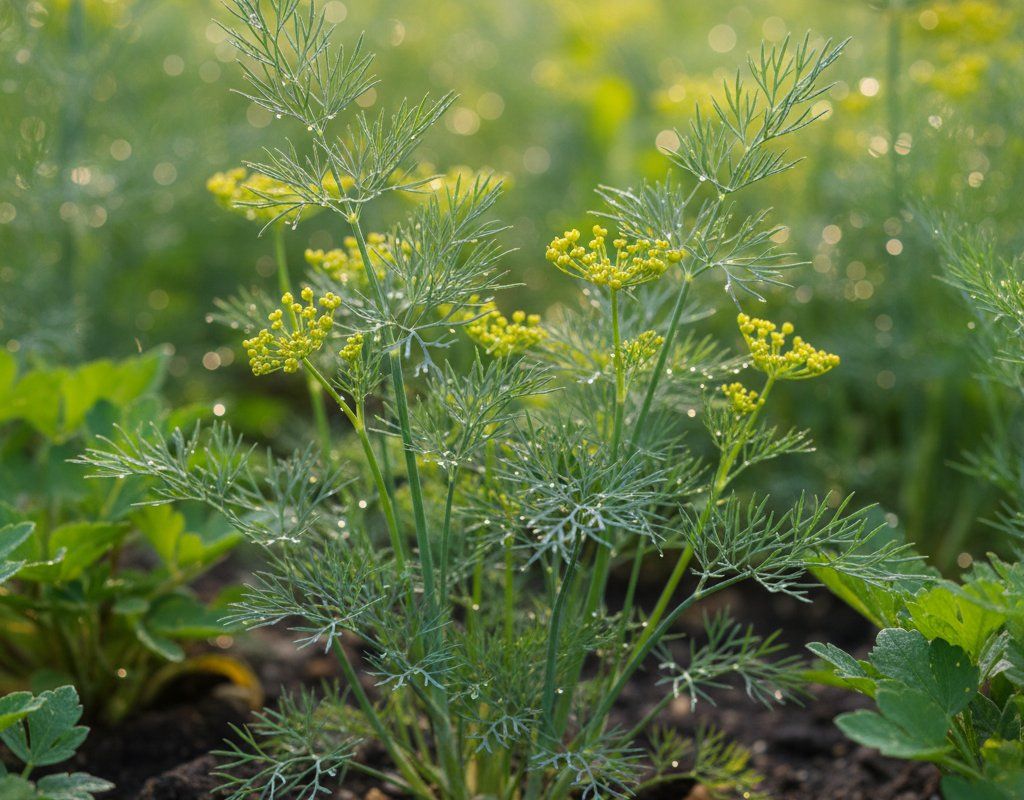
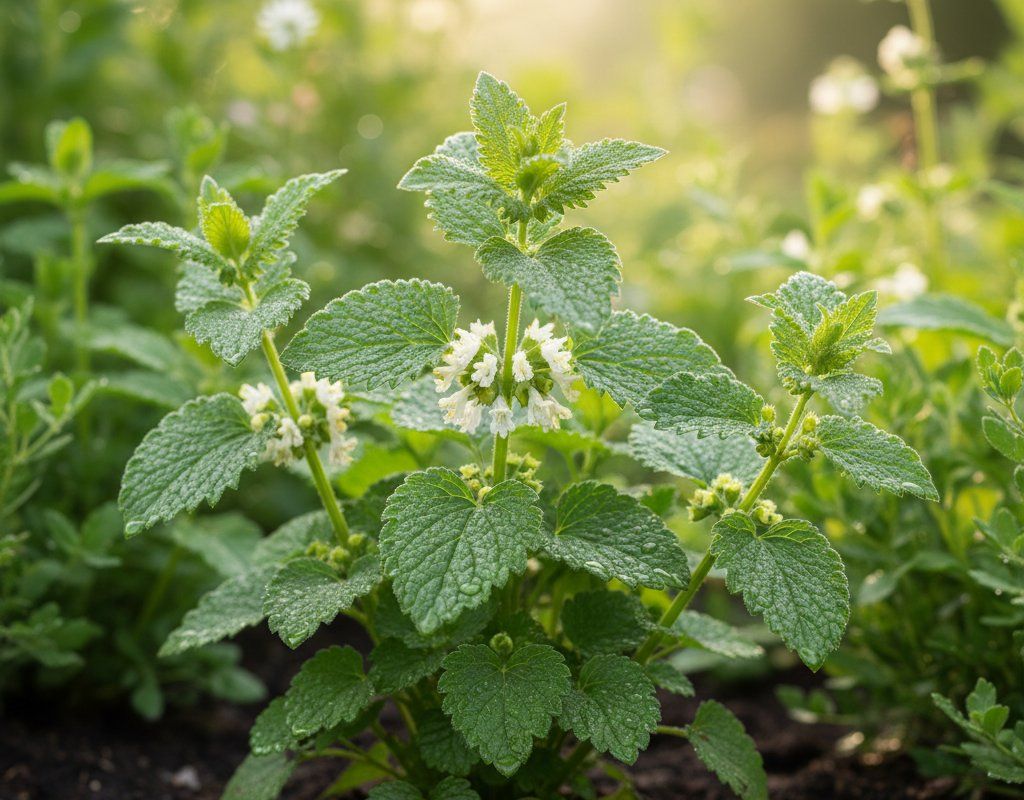
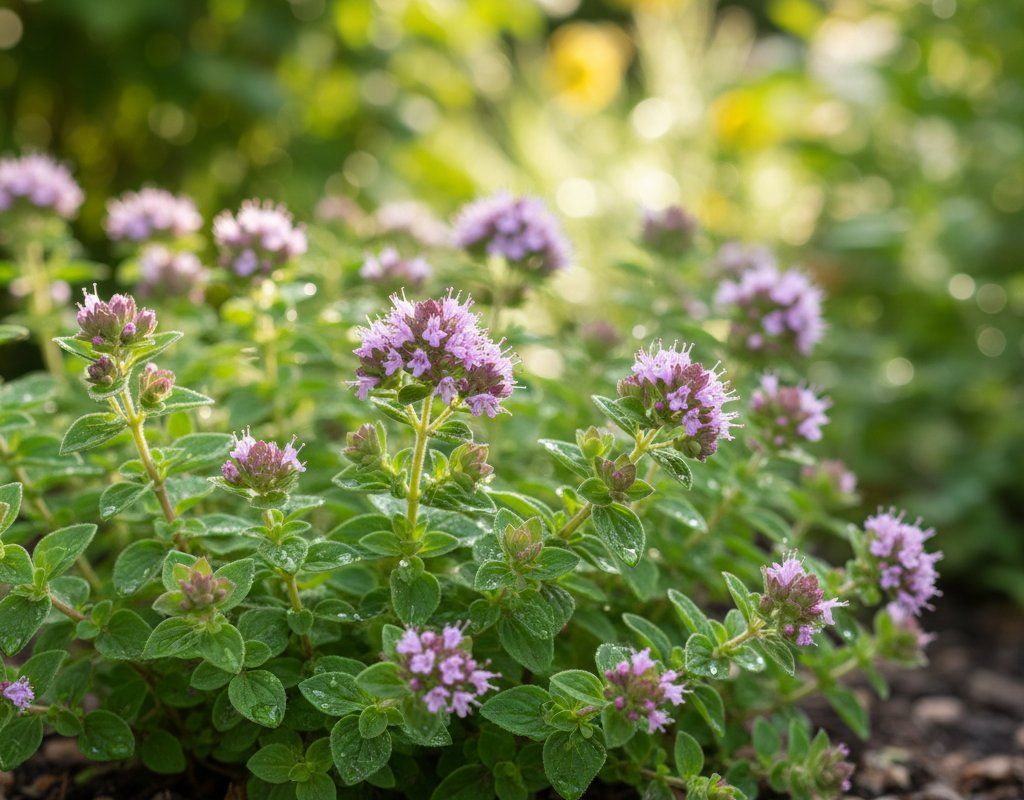
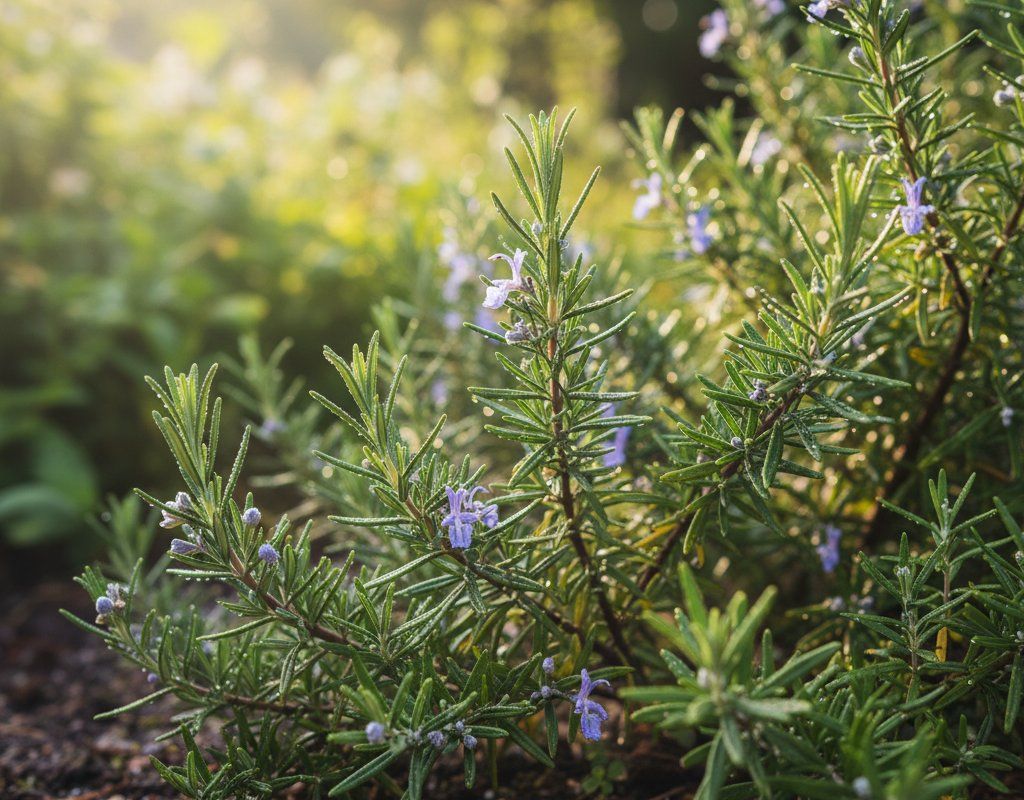
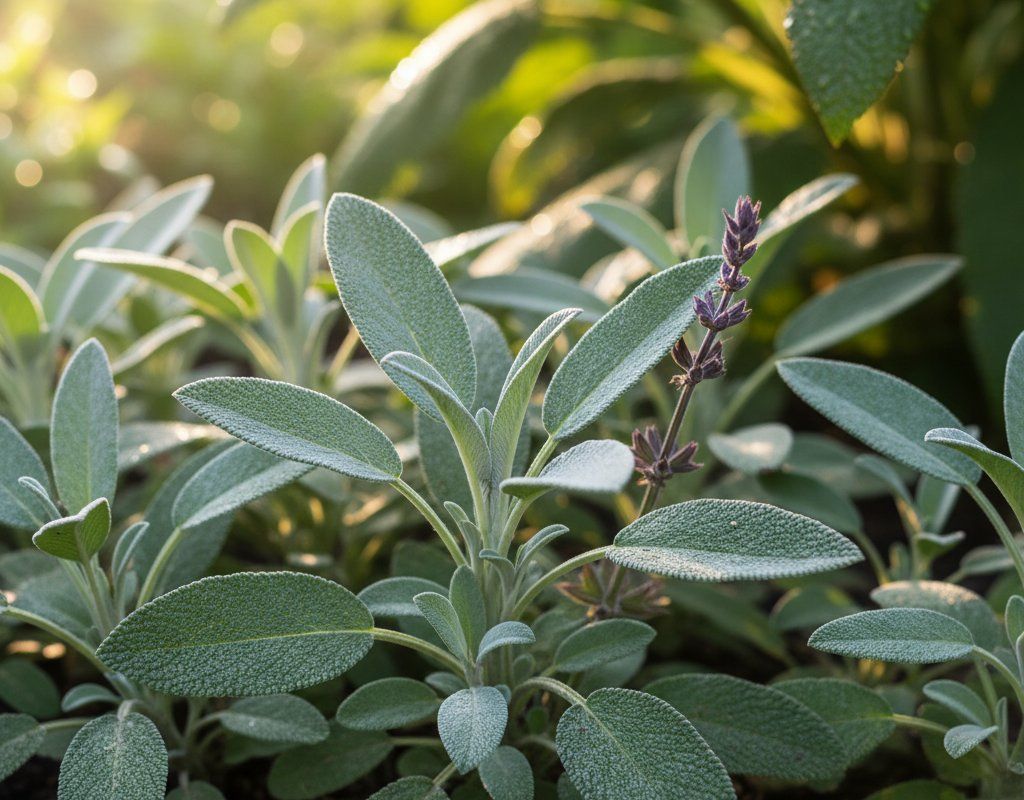
🌿Herbs (12)







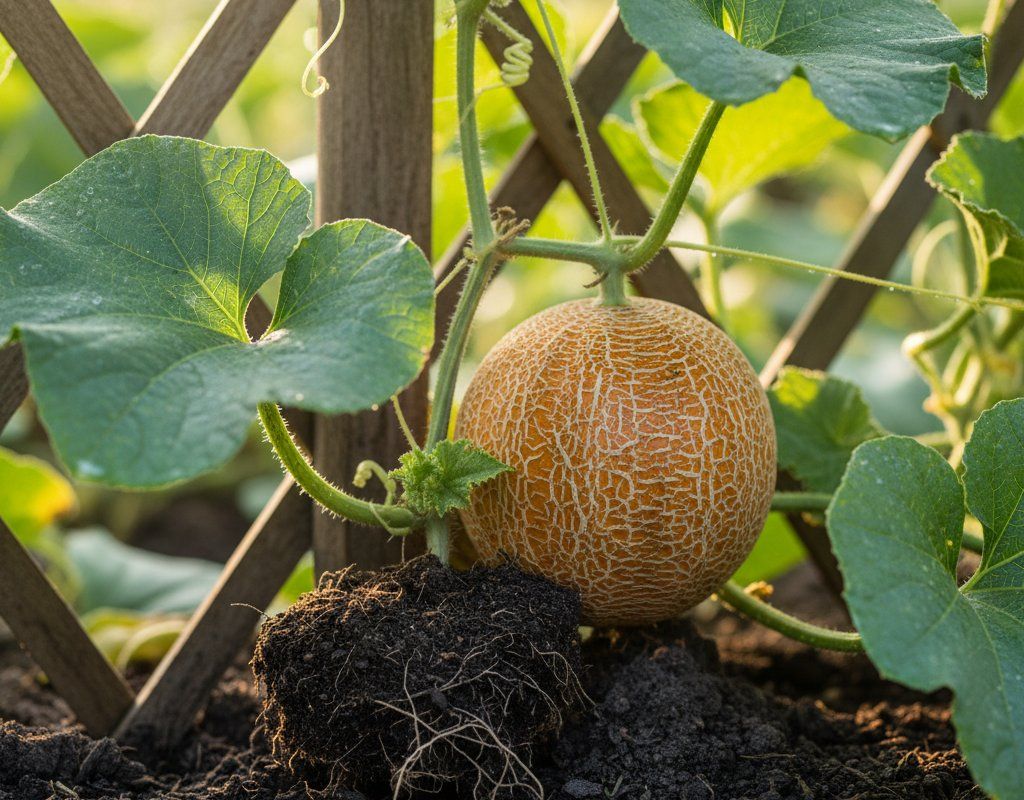
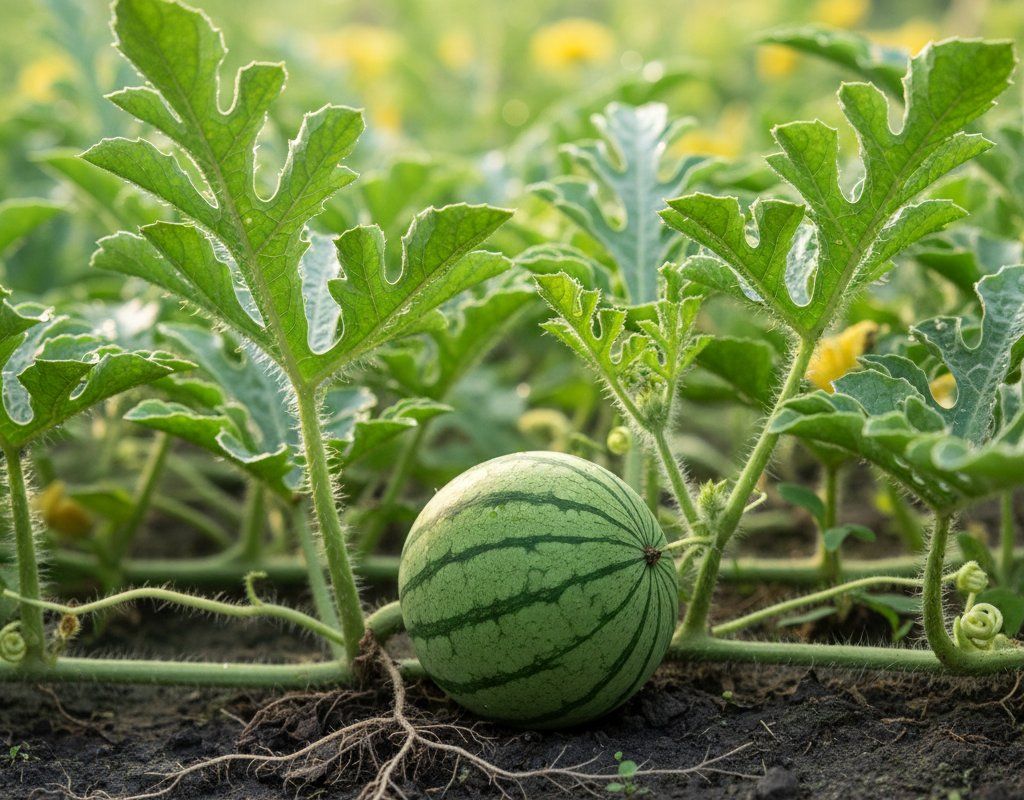
🍉Melons (2)
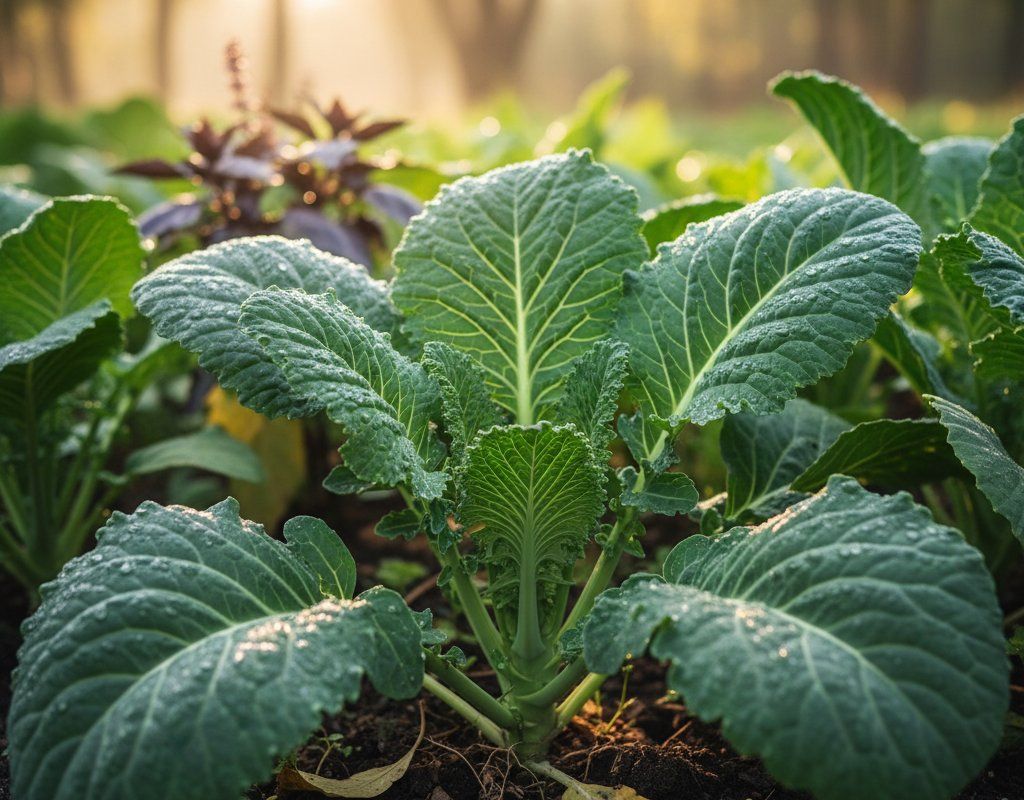
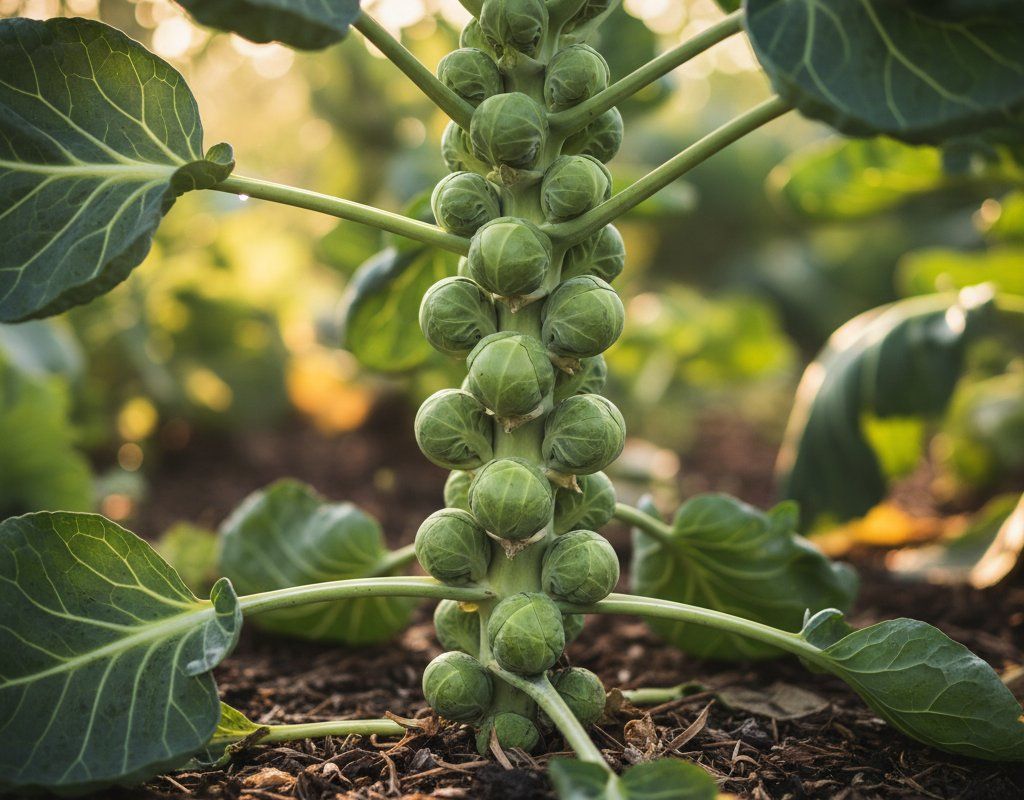
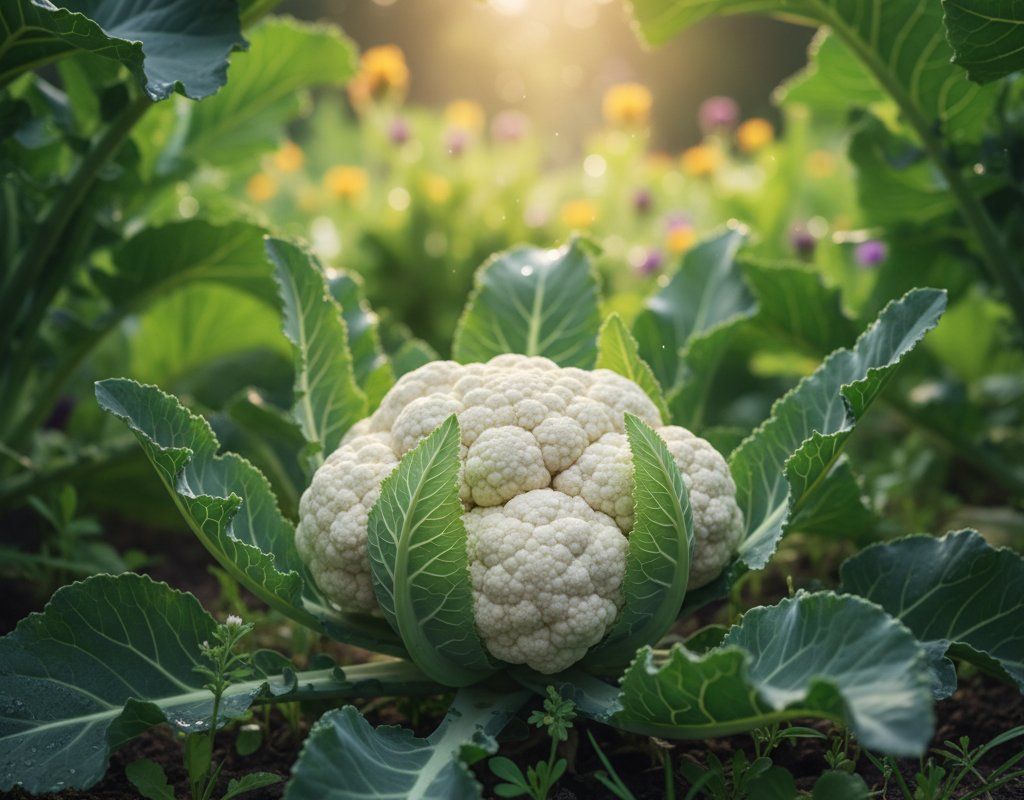
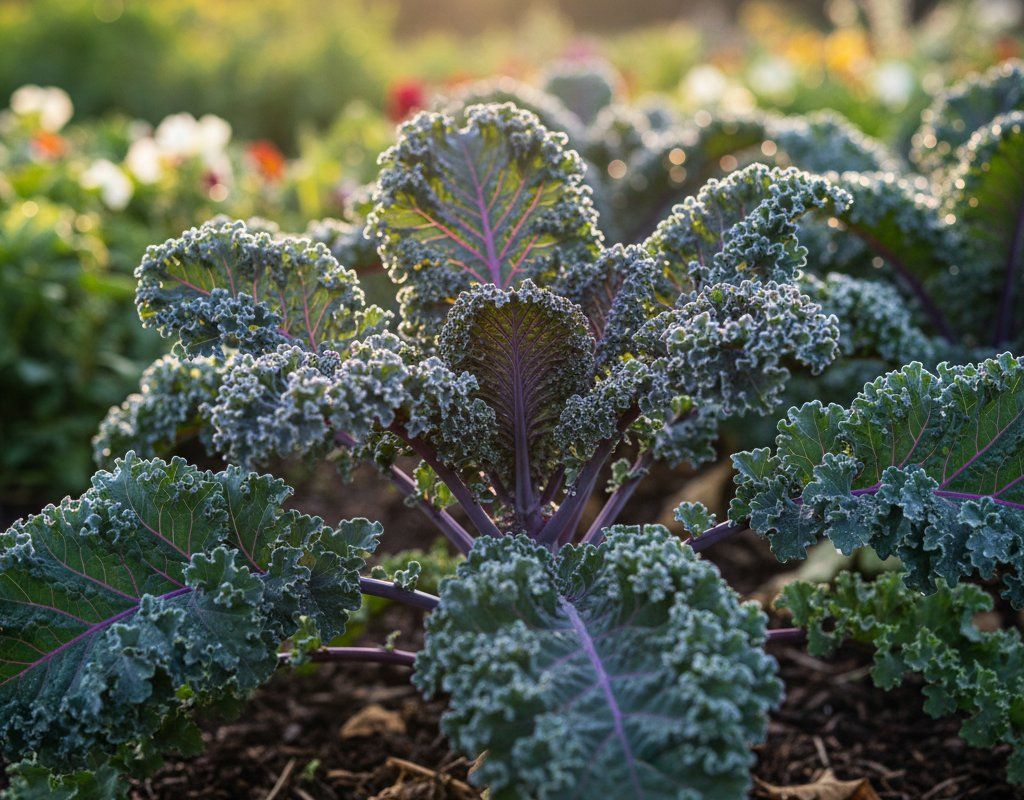
🥦Brassicas (6)


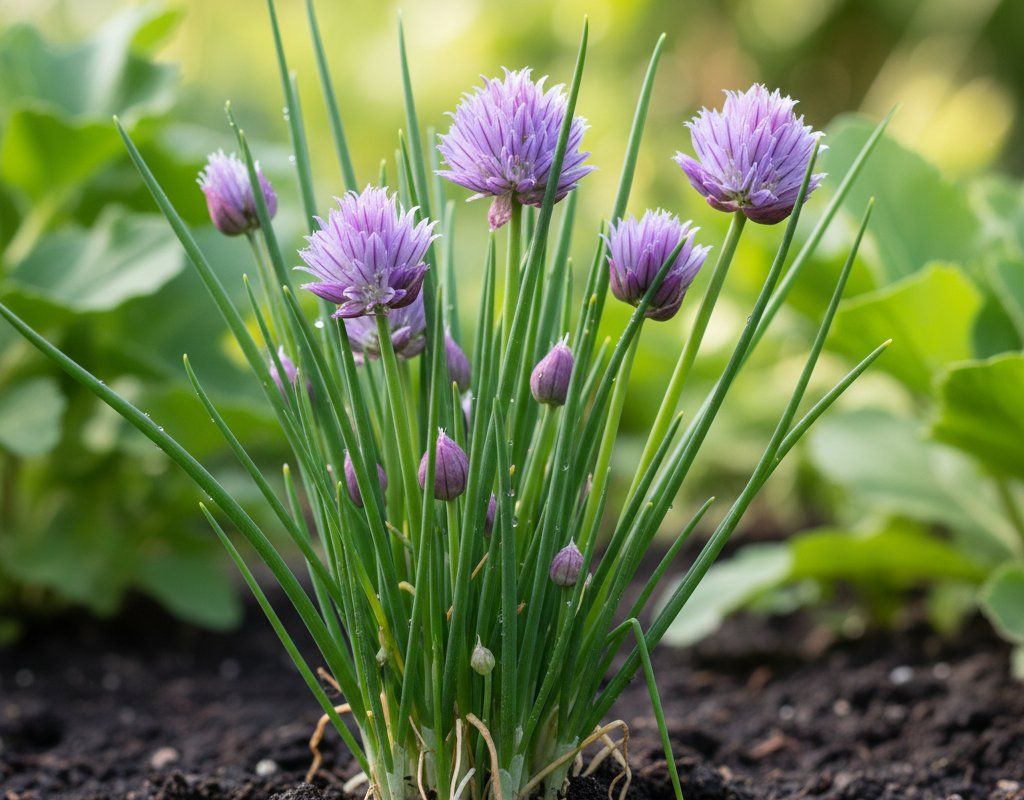
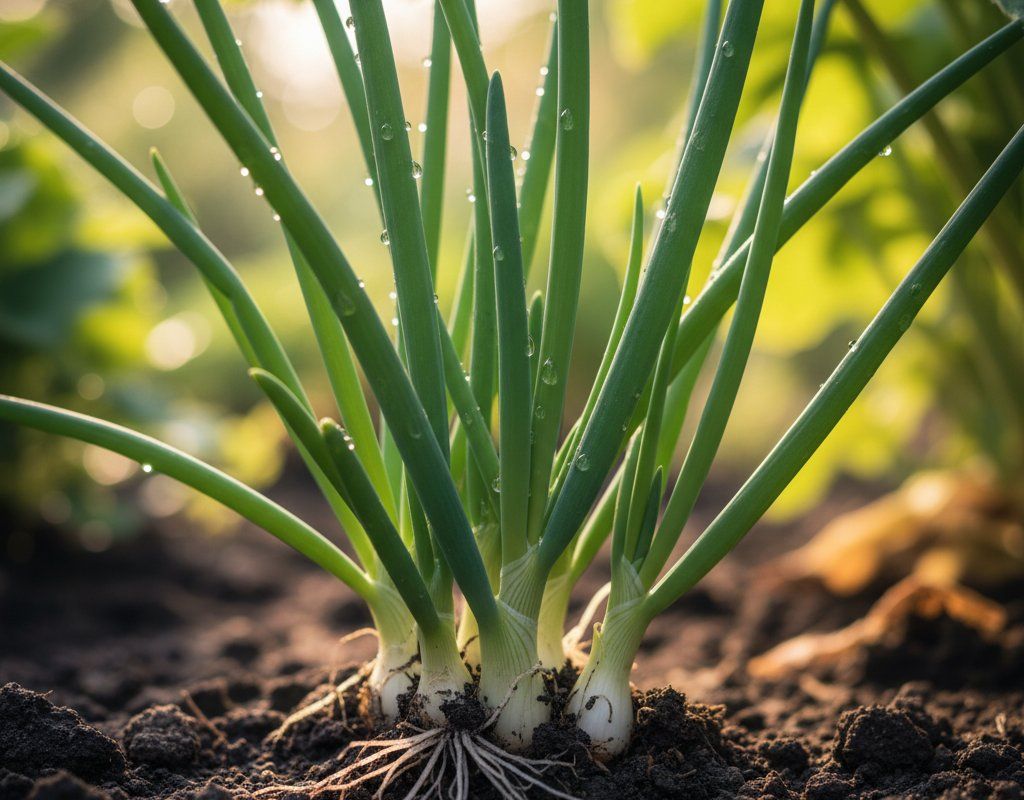
🧅Alliums (2)

🌽Grains (1)

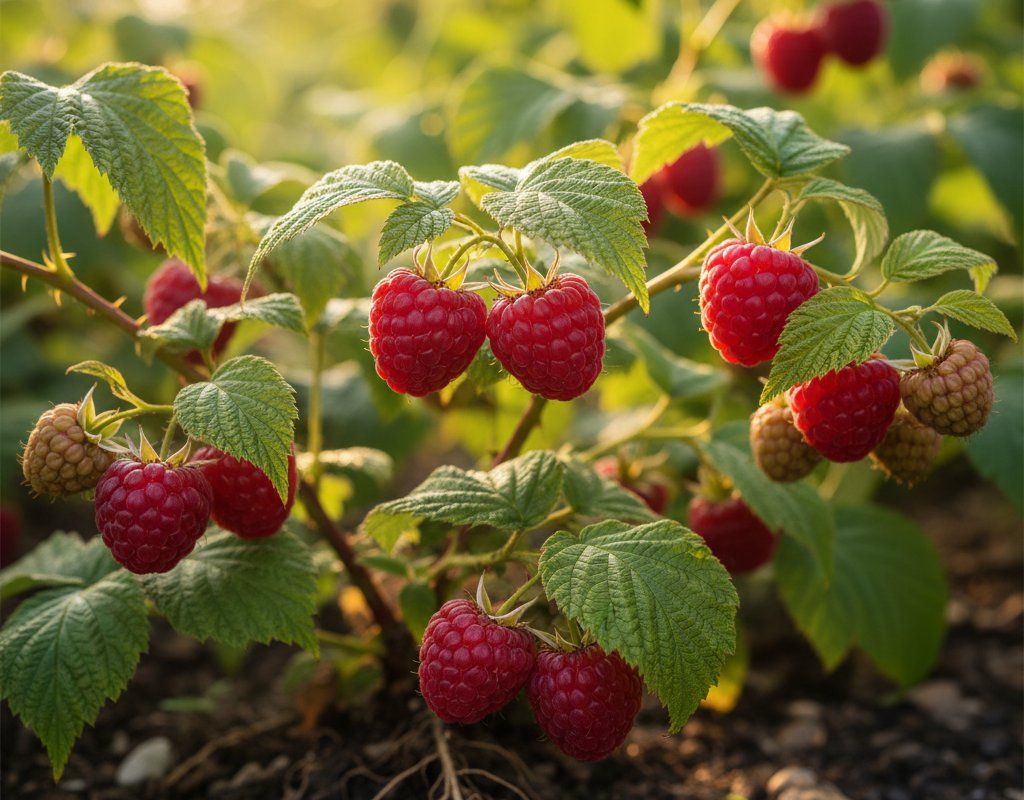

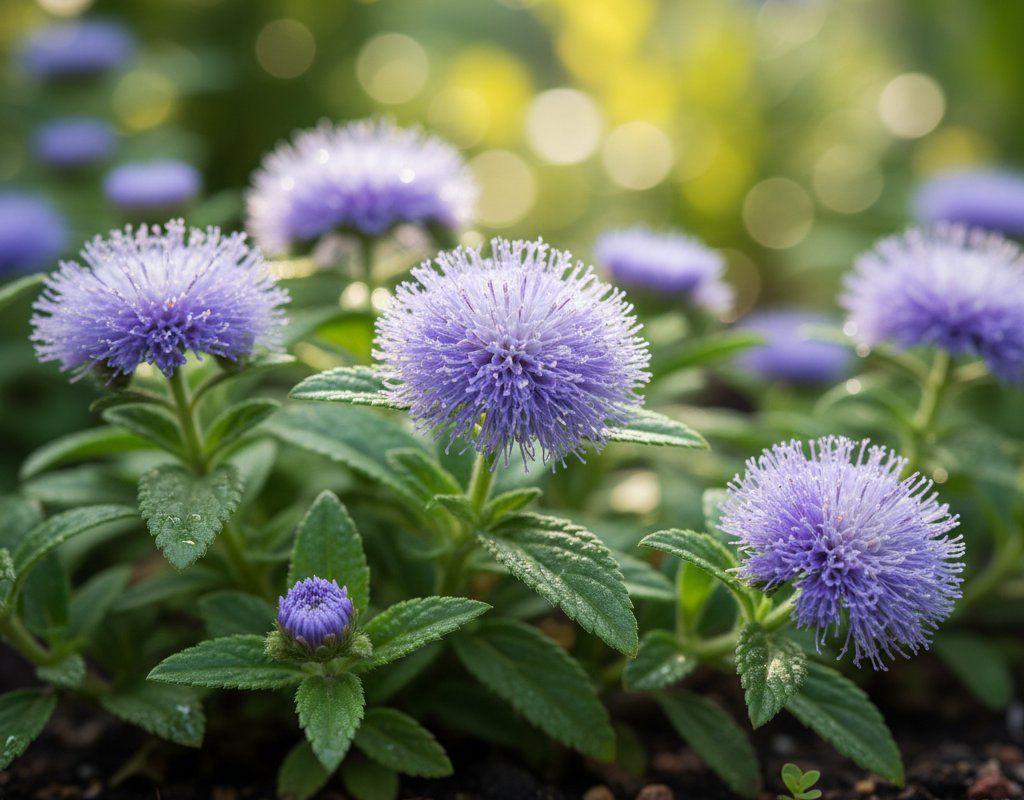
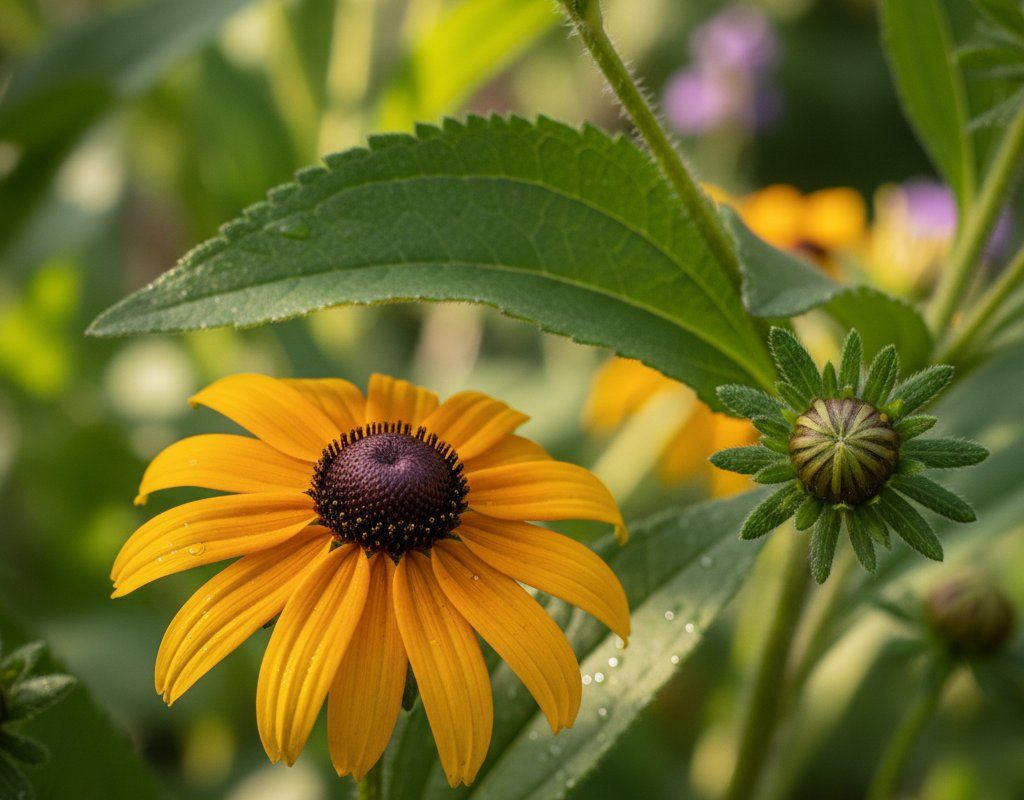
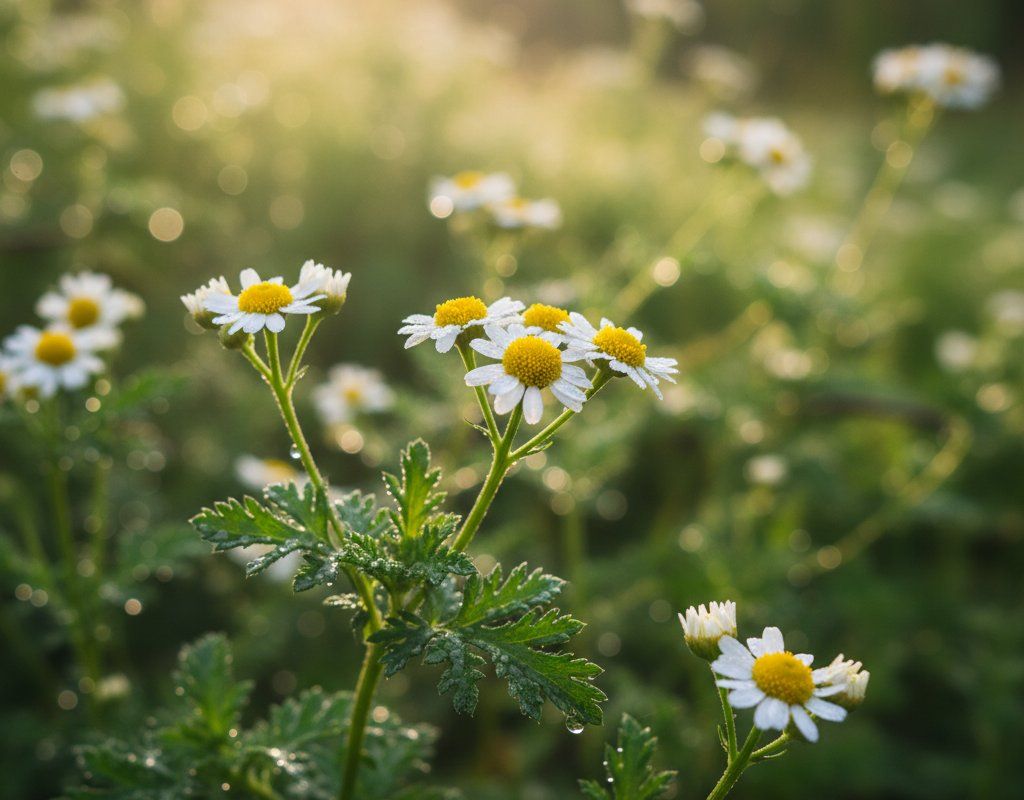
🌸Companion Flowers (20)
















Month-by-Month Planting Calendar
What to do each month in your Zone 5A garden.
In January, Zone 5A gardeners should focus entirely on winter planning and seed ordering. Review your garden notes from last season, sketch out next year's garden layout, and start researching seed catalogs for varieties that perform well in cool climates. This is also an excellent time to order your seeds early to ensure you get the varieties you want.
February is about getting your seed-starting setup ready indoors. Clean and organize your grow lights, heat mats, and seed trays, and start planning your earliest indoor seedlings like peppers, eggplants, and some herbs. Check your grow light bulbs and replace any that are dimming to ensure strong, healthy seedlings.
As early March approaches, start seeds for cool-season crops like broccoli, cauliflower, and cabbage indoors. Begin preparing your cold frames or indoor greenhouse spaces, and check your soil amendments and compost to ensure you're ready for early planting. Watch for those first hints of spring thaw.
April is transition month in Zone 5A - start hardening off your indoor seedlings and prepare for potential late frosts. Direct sow cold-tolerant crops like peas, spinach, and radishes, and be ready to protect tender plants if temperatures dip. Monitor soil temperatures and be patient with warm-season crop plantings.
May is your primary planting month, with the risk of frost finally diminishing. Transplant tomatoes, peppers, and other warm-season crops into the garden, and direct sow beans, squash, and corn. Finish setting up your trellises and supports, and mulch thoroughly to retain soil moisture.
June is all about maintenance and growth. Monitor your plants for pest activity, continue succession planting of quick crops like lettuce and radishes, and start your regular fertilization and watering schedule. Keep an eye on moisture levels as summer heat begins to build.
In July, focus on peak summer garden care - consistent watering, harvesting ripening vegetables, and managing any pest pressures. Continue succession planting of quick crops and start thinking about your fall garden. Prune tomatoes and monitor for any disease signs.
August is harvest central in Zone 5A. Pick vegetables at peak ripeness, preserve your excess produce through canning or freezing, and start planning your fall and winter garden. Begin direct sowing fall crops like kale, spinach, and root vegetables.
September brings cooler temperatures perfect for fall crops. Plant your final rounds of cool-season vegetables, clean up spent summer plants, and start preparing your garden for winter. Begin putting down cover crops in areas that won't have winter vegetables.
In October, focus on final harvests and garden cleanup. Pull remaining warm-season crops before first frost, store root vegetables, and protect any late-season plantings. Start mulching perennial beds and preparing your garden infrastructure for winter.
November is about winter preparation in Zone 5A. Finish cleaning garden beds, drain and store irrigation equipment, and protect any remaining plants. Add extra mulch to perennial beds and take inventory of your garden tools and supplies.
December is a quiet garden month - focus on indoor seed catalogs, garden planning, and equipment maintenance. Review last season's garden journal, order seeds for next year, and enjoy the winter rest period before spring arrives.
Common Challenges in Zone 5A (Midwest)
Zone 5A provides about 153 frost-free days — enough for the full range of common vegetables including longer-season crops like watermelon (if you choose early varieties). The defining challenge is spring unpredictability.
Temperatures can hit 75°F one day and drop below freezing three days later. This back-and-forth stresses young plants and makes hardening off critical.
Summer heat waves (above 95°F) can cause blossom drop in tomatoes and peppers. Squash vine borers are a persistent warm-season pest, and powdery mildew shows up reliably by late summer.
Season Extension Tips
Start warm-season crops indoors under grow lights 6-8 weeks before your last frost date. If you don't have grow lights, a bright south-facing window works, but rotate seedlings daily to prevent legginess.
For the earliest tomatoes, try grafted plants or varieties bred for cold tolerance like 'Glacier' or 'Stupice.' Succession planting is practical here — sow lettuce and radishes every 2-3 weeks from early spring through early September for continuous harvests. A layer of straw mulch after the soil warms keeps roots cool during summer heat waves and reduces watering needs.
Soil Preparation
Once soil is workable (usually late April), add 2-3 inches of compost to beds. In clay-heavy soils common across much of Zone 5A, add compost annually — it takes several years of consistent amending to transform clay into loamy soil, but the difference is dramatic.
Green manure cover crops (crimson clover, winter rye) planted in fall add nitrogen and organic matter when turned under in spring. If you see pale yellow leaves on transplants, your soil may be low in nitrogen — side-dress with blood meal or fish emulsion.