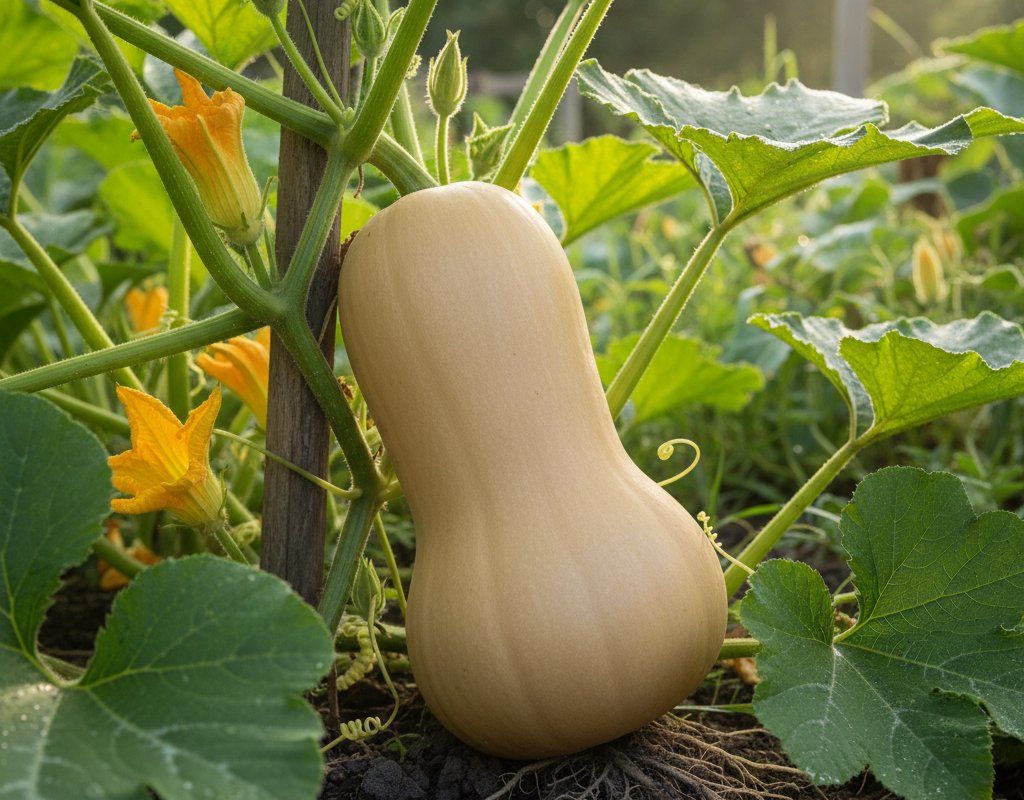
Butternut Squash in Zone 6A — Midwest
Cucurbita moschata · Your Complete 2026 Planting Guide
Planning Ahead — Great!
You’re ahead of the season. Here’s when to start.
Mark Your Calendar
How to Plant Butternut Squash in Zone 6A — Midwest
Here are all your options for getting butternut squash in the ground, from the easiest method to more advanced approaches.
Direct Sow Seeds
RecommendedLate April through late June
around April 27
Consider succession planting every 2-3 weeks for continuous harvest.
Long season crop but direct sowing works. Start indoors in short-season zones.
Buy Starts
Works WellEarly to late May
around May 4
Plant purchased starts after last frost (April 20).
Start Seeds Indoors
Works WellEarly to late April
around April 13
Then transplant: Early to late May
Start seeds 3-5 weeks before transplanting outdoors.
Transplant Outdoors
Timing InfoEarly to late May
around May 4
Wait until nighttime temperatures stay above 50°F.
Plan to transplant within a few weeks of your target date.
Overview
Butternut squash is a fantastic addition to any Midwest garden. Its sweet, nutty flavor makes it a versatile ingredient for everything from soups and stews to pies and roasted side dishes. Plus, there's real satisfaction in harvesting your own beautiful squash after a summer of nurturing.
While Midwest weather can be unpredictable, especially with variable springs and the occasional summer heat spell, Butternut squash is still very manageable. With a growing season around 178 days, you have plenty of time to get a great harvest if you time things right.
Starting Seeds Indoors
Starting Butternut squash indoors isn't essential in the Midwest, but it can give you a head start, especially if you're eager to harvest as early as possible. If you choose to start indoors, aim for early to late April, about three weeks before you plan to transplant.
Use seed trays or small pots filled with a good seed-starting mix. Keep them warm and provide plenty of light, either from a sunny window or a grow light. I like to bottom-water my seedlings to encourage strong root growth. Just set the tray in a shallow dish of water and let the soil soak it up. With our moderate-to-late springs, this can buy you some extra growing time.
Transplanting Outdoors
Transplant your Butternut squash seedlings outdoors in early to late May, after the danger of frost has passed. Before transplanting, harden them off by gradually exposing them to outdoor conditions for about a week. This helps them adjust to the sun and wind.
Space your plants 36-60 inches apart to give them plenty of room to sprawl. Even in late May, keep an eye on the forecast for any unexpected cold snaps. A frost blanket can be a lifesaver if temperatures dip unexpectedly low.
Direct Sowing
Direct sowing is my preferred method for Butternut squash in the Midwest, and it works great with our fertile soil. Sow seeds from late April through late June, once the soil has warmed up to at least 60°F.
Prepare your soil by loosening it and adding some compost or well-rotted manure. Plant seeds about an inch deep, spacing them 36-60 inches apart. Even though Butternut squash is a long-season crop, direct sowing works well here.
Watering Butternut Squash in Zone 6A (Midwest)
Butternut squash needs consistent watering, especially during its active growth phase. While we get decent rainfall in the Midwest during the summer, it's important to supplement when needed.
A good rule of thumb is to water deeply whenever the top two inches of soil feel dry to the touch – that's the "finger test." Aim for about an inch of water per week, either from rainfall or irrigation. During summer heat spells, you might need to water more frequently. Water at the base of the plant to avoid wetting the leaves, which can encourage fungal diseases in our moderate-to-humid climate.
Signs of underwatering include wilting leaves and stunted growth. Overwatering can lead to root rot, so watch out for yellowing leaves and mushy stems. A layer of mulch can help retain moisture and suppress weeds.
🧪Fertilizing Butternut Squash
Feeding Schedule
Organic Fertilizer Options
Harvest Time
You can expect your first Butternut squash harvest from early August through mid-October, about 100 days after planting. The best indicators of ripeness are a uniformly tan skin with no green streaks, a hard shell that you can't easily dent with your fingernail, and a dry, corky stem.
Use a sharp knife or pruners to cut the squash from the vine, leaving a few inches of stem attached. Avoid damaging the squash, as this can shorten its storage life. Butternut squash doesn't ripen off the vine, so wait until it's fully mature.
As the first frost approaches in mid-October, harvest any remaining squash, even if they're not quite fully ripe. Store them in a cool, dry place to cure for about two weeks. Curing helps to harden the skin and improve flavor.
Common Problems in Zone 6A (Midwest)
Here are some common problems you might encounter with Butternut squash in the Midwest:
Squash Vine Borer
- What it looks like: Wilting vines, especially near the base of the plant. You might see small holes in the stem and a sawdust-like substance nearby.
- What causes it: Squash vine borers are moth larvae that tunnel into the stems of squash plants. They're attracted to the plants in early summer.
- How to fix/prevent it: Wrap the base of the stems with aluminum foil or netting to prevent the moths from laying eggs. Inspect stems regularly and remove any borers you find. You can also inject *Bacillus thuringiensis* (Bt) into the stems to kill the larvae.
Powdery Mildew
- What it looks like: White or grayish powdery coating on leaves, stems, and sometimes fruit. Leaves curl, yellow, and die.
- What causes it: Various fungi that thrive in warm days, cool nights, and moderate humidity. Dry leaf surfaces actually favor it.
- How to fix/prevent it: Improve air circulation through spacing and pruning. Remove affected leaves. Neem oil or potassium bicarbonate sprays help. Milk spray (1 part milk to 9 parts water) is surprisingly effective. Plant resistant varieties.
Squash Bugs
- What it looks like: Gray-brown shield-shaped bugs on leaf undersides. Bronze egg clusters on leaves. Wilting leaves that turn brown and crispy.
- What causes it: Sap-sucking insects that inject toxin while feeding. Adults overwinter in garden debris and emerge in spring.
- How to fix/prevent it: Hand-pick adults and crush egg clusters. Board traps (adults hide under boards at night — flip and destroy in morning). Neem oil spray. Remove plant debris in fall. Companion plant with nasturtiums.
Poor Pollination
- What it looks like: Fruit is small, misshapen, or fails to develop. Partially pollinated fruit develops unevenly. Flowers bloom but fall off.
- What causes it: Insufficient pollinator visits, weather too hot or cold for pollination, or timing issues (male/female flowers don't overlap).
- How to fix/prevent it: Plant pollinator-attracting flowers nearby. Hand-pollinate with a small brush. Avoid pesticides during flowering. Plant in blocks (for corn). Provide water source for pollinators.
Midwest Specific Challenges: The moderate-to-hot heat and moderate-to-humid humidity in the Midwest can create ideal conditions for powdery mildew and squash bugs. Regular monitoring and preventative measures are key. Our wet-summer rainfall can also exacerbate fungal issues if air circulation is poor.
Best Companions for Butternut Squash
Plant these nearby for healthier Butternut Squash and better harvests.

Keep Away From
Companion Planting Details
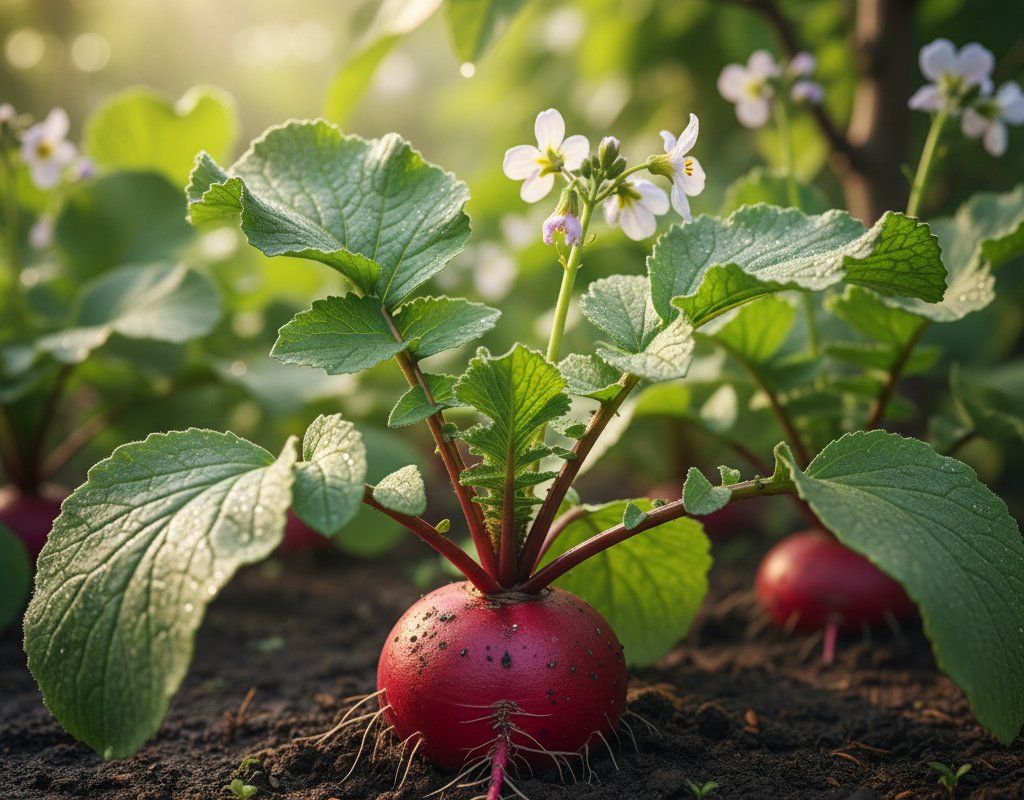
Companion planting can be a great way to improve the health and yield of your Butternut squash. Corn provides a natural trellis for the squash vines to climb, and beans (green) fix nitrogen in the soil, benefiting the squash. Radishes can help deter squash vine borers, while marigolds and nasturtiums repel squash bugs.
Avoid planting Butternut squash near potatoes or brassicas (like cabbage and broccoli). Potatoes compete for nutrients in the soil, while brassicas can attract pests that also affect squash.
🌸Best Flowers to Plant with Butternut Squash
These flowers protect your Butternut Squash from pests and attract pollinators for better harvests.
For Pest Control

Get a Reminder When It's Time to Plant
We'll email you when key planting windows open for your zone.