
Cabbage in Zone 5A — Northeast
Brassica oleracea var. capitata · Your Complete 2026 Planting Guide
Ideal Time: Start Seeds Indoors!
This is the perfect time for the biggest, best harvest.
Start Seeds Now
- Start seeds in trays or pots with seed-starting mix
- Keep soil moist and warm (70-80°F)
- Transplant outdoors Mid April through mid May
Not Starting from Seed?
Buy starts around April 17 — that works great too!
How to Plant Cabbage in Zone 5A — Northeast
Here are all your options for getting cabbage in the ground, from the easiest method to more advanced approaches.
Start Seeds Indoors
RecommendedLate February through mid March
around March 6
Then transplant: Mid April through mid May
Start seeds 6-8 weeks before transplanting outdoors.
Start indoors for spring harvest.
Buy Starts
Works WellMid April through mid May
around April 17
Plant purchased starts after last frost (May 1).
Direct Sow Seeds
ChallengingDirect sowing is not typical for Cabbage.
Transplant Outdoors
Timing InfoMid April through mid May
around April 17
Can tolerate light frost, but wait for soil to be workable.
You have a nice window — no need to rush.
Fall Planting
Mid July through mid August
July 30 ideal · Transplant for fall harvest
Plant a second crop in mid-summer for fall harvest. Cabbage actually prefers the cooling temperatures of fall.
Overview
Cabbage is a rewarding crop for Northeast gardeners. Its crisp texture and mild flavor shine in slaws, stir-fries, and even fermented dishes. Plus, there's nothing quite like the satisfaction of harvesting a dense, homegrown head of cabbage after nursing it through our cool nights.
Our short growing season and unpredictable spring weather can be a hurdle, but with careful timing, you can absolutely enjoy a successful cabbage harvest. We have about 153 days between frosts, so let's make the most of them!
Starting Seeds Indoors
Starting cabbage indoors gives you a head start on our short growing season. Begin your seeds indoors from late February through mid March, roughly six weeks before you plan to transplant them outside. Use seed trays filled with a good seed-starting mix, and provide consistent warmth and light.
Bottom watering helps prevent damping-off disease, which can be a problem in our sometimes-humid spring air. Just set the tray in a shallow dish of water and let the soil absorb the moisture from the bottom. Remember, spring can be late in the Northeast, so be patient!
Transplanting Outdoors
Transplant your cabbage seedlings outdoors from mid April through mid May, once the danger of a hard frost has passed. Before planting, harden off your seedlings by gradually exposing them to outdoor conditions for about a week. This helps them adjust to the cooler temperatures and stronger sunlight.
Space your plants 12-18 inches apart to allow for proper head development. Even though May *should* be mild, keep an eye out for late frosts, and be ready to cover your young plants if temperatures dip unexpectedly.
Watering Cabbage in Zone 5A (Northeast)
Cabbage needs consistent moisture to thrive, but overwatering can be just as detrimental. Aim for about 1-1.5 inches of water per week, including rainfall. Stick your finger about two inches into the soil near the base of the plant. If it feels dry, it's time to water.
Water at the base of the plant rather than overhead, especially given our moderate-to-humid summers; this helps prevent fungal diseases. The Northeast tends to have even rainfall, but pay attention to dry spells. Heavy watering after a dry period can cause the heads to split.
Signs of underwatering include wilting leaves and slow growth. Overwatering can lead to yellowing leaves and root rot. A layer of mulch around your cabbage plants will help retain moisture and suppress weeds, which is especially useful with our variable rainfall.
🧪Fertilizing Cabbage
Feeding Schedule
Organic Fertilizer Options
Harvest Time
You can expect to harvest your cabbage from late June through mid August, about 70 days after transplanting. A ripe cabbage head will feel firm and solid when you squeeze it. It should also be close to the full size expected for the variety you're growing.
To harvest, use a sharp knife to cut the head at its base, leaving a few outer leaves intact. This can sometimes encourage smaller side shoots to develop for a later, smaller harvest.
As our first frost approaches around early October, harvest any remaining heads, even if they're a little smaller than expected. Better to harvest early than lose them to frost!
Common Problems in Zone 5A (Northeast)
Here are some common problems you might encounter growing cabbage in the Northeast:
Cabbage Worms
- What it looks like: Smooth green caterpillars on brassica leaves. Irregular holes chewed in leaves. Dark green droppings. White butterflies hovering around plants.
- What causes it: Larvae of white cabbage butterflies. Multiple generations per season in warm climates.
- How to fix/prevent it: Bt spray is very effective. Floating row covers prevent egg laying. Handpick caterpillars. Interplant with aromatic herbs (thyme, sage). Encourage parasitic wasps.
Cabbage Loopers
- What it looks like: Pale green caterpillars that move in a looping fashion. They chew large holes in leaves, often leaving only the veins.
- What causes it: Similar to cabbage worms, these are the larvae of moths. They thrive in warm weather.
- How to fix/prevent it: Bt spray is effective. Handpick the loopers. Encourage natural predators like birds and parasitic wasps. Row covers can help prevent moths from laying eggs.
Splitting
- What it looks like: The cabbage head cracks open.
- What causes it: Inconsistent watering, especially after a period of drought followed by heavy rain. Rapid growth due to fluctuating moisture levels causes the head to burst.
- How to fix/prevent it: Water consistently, especially during dry spells. Mulch around the plants to retain moisture. Choose varieties that are less prone to splitting. Harvest heads as soon as they are mature to prevent them from becoming overripe and splitting.
Clubroot
- What it looks like: Stunted growth, wilting in afternoon heat, yellowing leaves. Roots are swollen, distorted, and club-shaped when dug up.
- What causes it: Soil-borne pathogen (*Plasmodiophora brassicae*) that persists in soil for 10+ years. Favors acidic, wet soil.
- How to fix/prevent it: Raise soil pH to 7.0-7.2 with lime. Improve drainage. Rotate brassicas on a 7-year cycle. Remove and destroy infected plants (don't compost). Start transplants in sterile mix.
Northeast Specific Challenges: Our moderate heat and even rainfall can contribute to splitting if watering isn't consistent. The moderate-to-humid climate can also increase the risk of fungal diseases, so good air circulation and avoiding overhead watering are important. Also, deer love cabbage, so fencing is a must!
Best Companions for Cabbage
Plant these nearby for healthier Cabbage and better harvests.



Keep Away From



Companion Planting Details
Companion planting can help your cabbage thrive. Green beans are a great companion because they fix nitrogen in the soil, which cabbage loves. Celery also benefits cabbage by deterring cabbage white butterflies.
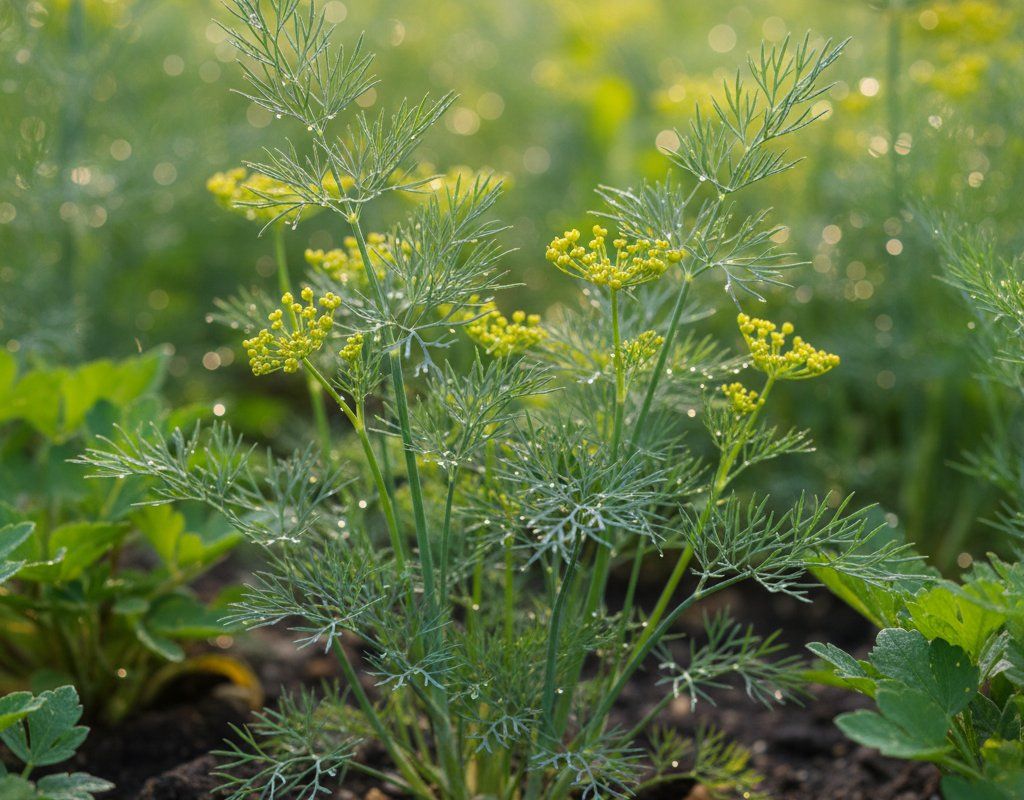
Onions can repel some pests, while potatoes can improve soil structure. Dill attracts beneficial insects that prey on cabbage pests. Avoid planting cabbage near tomatoes, strawberries, or peppers, as they can inhibit each other's growth.
🌸Best Flowers to Plant with Cabbage
These flowers protect your Cabbage from pests and attract pollinators for better harvests.
For Pest Control





Get a Reminder When It's Time to Plant
We'll email you when key planting windows open for your zone.