
Calendula in Zone 8A — Desert Southwest
Calendula officinalis · Your Complete 2026 Planting Guide
Time to Buy Starts!
Seed starting window passed, but starts are available now.
Buy Starts Now
Head to your local nursery, Home Depot, or farmers market for transplants.
- Look for stocky plants with dark green leaves
- Avoid leggy seedlings or plants already flowering
- Check that roots aren't circling the pot (rootbound)
How to Plant Calendula in Zone 8A — Desert Southwest
Here are all your options for getting calendula in the ground, from the easiest method to more advanced approaches.
Direct Sow Seeds
RecommendedMid February through late September
around February 19
Consider succession planting every 2-3 weeks for continuous harvest.
Start Seeds Indoors
RecommendedEarly to late January
around January 8
Then transplant: Mid February through early April
Start seeds 6-8 weeks before transplanting outdoors.
Buy Starts
Works WellMid February through early April
around February 19
Plant purchased starts after last frost (March 5).
Transplant Outdoors
Timing InfoMid February through early April
around February 19
Can tolerate light frost, but wait for soil to be workable.
You have a nice window — no need to rush.
Overview
Calendula is a fantastic addition to any Desert Southwest garden. Its cheerful blooms are not only beautiful but also edible, adding a peppery zing to salads. Plus, it attracts beneficial insects and can even be used medicinally. Growing your own is incredibly satisfying, especially when you can harvest blooms well into fall.
Our extreme heat and alkaline soil can be challenging, but with proper timing, Calendula thrives here. The key is to take advantage of our two growing seasons and long 265-day growing season. You'll be surprised at how well it does with a little planning.
Starting Seeds Indoors
Starting Calendula indoors in the Desert Southwest is an option, especially if you want a head start. Begin in early to late January, giving you about six weeks before transplanting. Use seed trays with well-draining potting mix and provide warmth (a heat mat helps) and bright light (grow lights are ideal).
Bottom watering is a great way to keep the seedlings consistently moist without overwatering. It's not essential, but for our very-early spring character, starting indoors gives you more control over the initial growth.
Transplanting Outdoors
Transplant your Calendula seedlings outdoors from mid February through early April. Before planting, harden them off by gradually exposing them to outdoor conditions for about a week. This prevents shock from our intense Desert Southwest sun.
Space them 8-12 inches apart in well-draining soil. Keep an eye on the weather; even though our winters are mild, a late cold snap can still happen. Covering the seedlings with frost cloth if temperatures dip too low will protect them.
Direct Sowing
Direct sowing Calendula is easy and often successful in the Desert Southwest. Sow seeds from mid February through late September. The soil should be at least 55°F (13°C) for good germination.
Prepare the soil by loosening it and mixing in compost. Sow seeds about ¼ inch deep, and space them 8-12 inches apart. Keep the soil consistently moist until seedlings emerge. Direct sowing works well, but you'll need to be diligent about watering, especially as we head into our hotter months.
Watering Calendula in Zone 8A (Desert Southwest)
Watering is critical for Calendula survival in our Desert Southwest climate. While Calendula needs moderate moisture, it's not drought-tolerant and suffers in our extreme heat. During the spring and fall, water deeply about twice a week, providing about 1 inch of water each time.
Use the "finger test" – if the top 2 inches of soil are dry, it's time to water. During our monsoon season, you might need to adjust based on rainfall. Water at the base of the plants to avoid wetting the foliage, which can encourage fungal issues, even in our arid conditions.
In the peak of summer, Calendula might go dormant to survive. Reduce watering during this time, but don't let the soil completely dry out. Signs of underwatering include wilting leaves and stunted growth. Overwatering can lead to root rot, indicated by yellowing leaves and a mushy stem base. A layer of organic mulch helps retain moisture and regulate soil temperature, which is very important in our climate.
Pruning & Maintaining Calendula
Pruning Calendula is simple but essential for continuous blooming. Deadhead spent flowers regularly throughout the growing season. This encourages the plant to produce more blooms instead of focusing on seed production.
Simply pinch or cut off the flower heads just below the bloom. Toward the end of the season (around late November, when our first frost approaches), you can let some flowers mature to collect seeds for next year. However, continue deadheading most of the flowers to extend the bloom time as long as possible.
🧪Fertilizing Calendula
Feeding Schedule
Organic Fertilizer Options
Harvest Time
You can expect your first Calendula harvest from early April through early December in our Desert Southwest gardens. Harvest the flowers when they are fully open and at their peak color. The petals are edible and have a slightly spicy flavor.
To harvest, simply snip off the flower heads with scissors or pruning shears. Be gentle to avoid damaging the plant. Regular harvesting encourages continued production, so check your plants every few days. As our first frost approaches in late November, harvest any remaining flowers. You can dry them for later use or enjoy them fresh.
Common Problems in Zone 8A (Desert Southwest)
Here are common issues you might encounter with Calendula in the Desert Southwest:
Powdery Mildew
- What it looks like: A white or grayish powdery coating on leaves and stems. Leaves may curl, yellow, and eventually die.
- What causes it: Various fungi that thrive in warm days, cool nights, and moderate humidity. Ironically, dry leaf surfaces favor it. Our monsoon season can create the perfect conditions, even though we're generally arid.
- How to fix/prevent it: Improve air circulation by spacing plants adequately and pruning. Remove affected leaves promptly. Neem oil or potassium bicarbonate sprays can help. A milk spray (1 part milk to 9 parts water) is also effective.
Aphids
- What it looks like: Clusters of tiny green, black, or white soft-bodied insects on stems and leaf undersides. Sticky honeydew residue. Curled or distorted new growth.
- What causes it: Rapid-reproducing sap-sucking insects. Populations explode in warm weather. Ant colonies may farm them for honeydew. The Desert Southwest's warm springs and falls can lead to quick infestations.
- How to fix/prevent it: A strong spray of water can knock them off. Encourage ladybugs and lacewings (natural predators). Insecticidal soap is effective for heavy infestations. Neem oil works systemically. Avoid excess nitrogen fertilizer.
Whiteflies
- What it looks like: Tiny white, moth-like insects that fly up when disturbed. Yellowing or silvering of leaves. Sticky honeydew residue.
- What causes it: Sap-sucking insects that thrive in warm, dry climates. They are attracted to stressed plants. Our extreme heat and water scarcity can make plants more susceptible.
- How to fix/prevent it: Sticky traps can help catch adults. Strong sprays of water can dislodge them. Insecticidal soap or neem oil are effective treatments. Ensure plants are properly watered and fertilized to reduce stress.
Desert Southwest Specific Challenges: Calendula can struggle with sunscald and extreme heat during the peak of our summers. Providing afternoon shade with shade cloth can help prevent leaf burn. Also, our alkaline soil can affect nutrient availability, so amending with compost and using fertilizers formulated for alkaline conditions is beneficial.
Best Companions for Calendula
Plant these nearby for healthier Calendula and better harvests.
View Full Companion Planting Chart →

Companion Planting Details
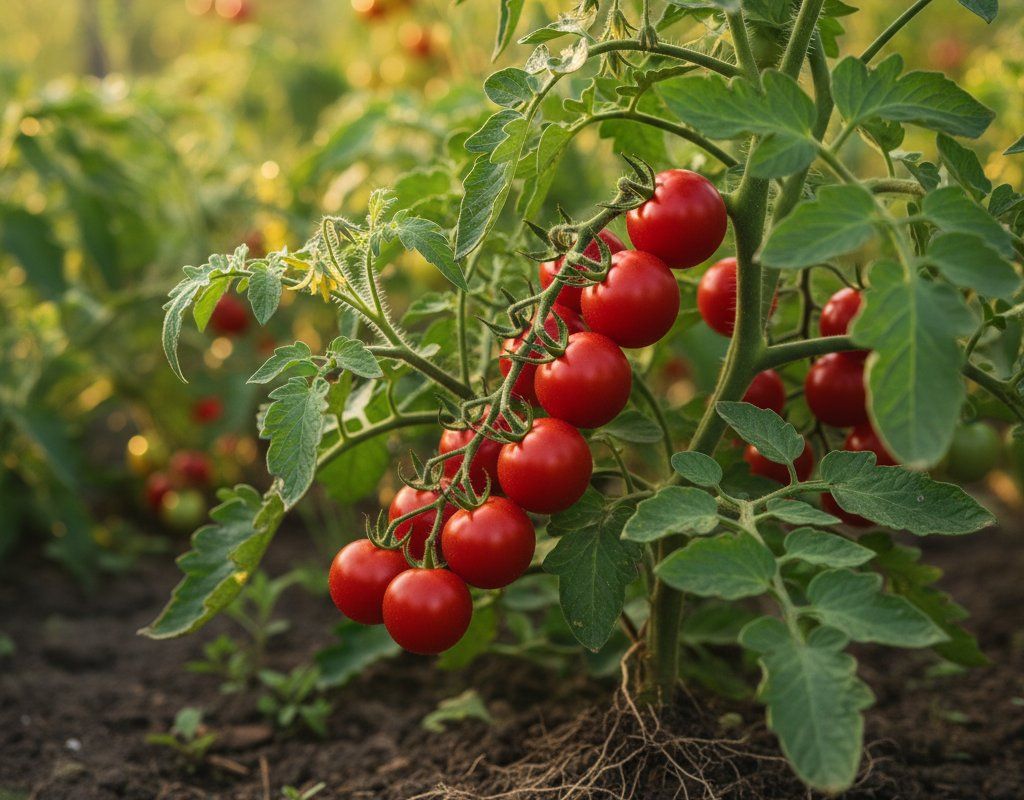
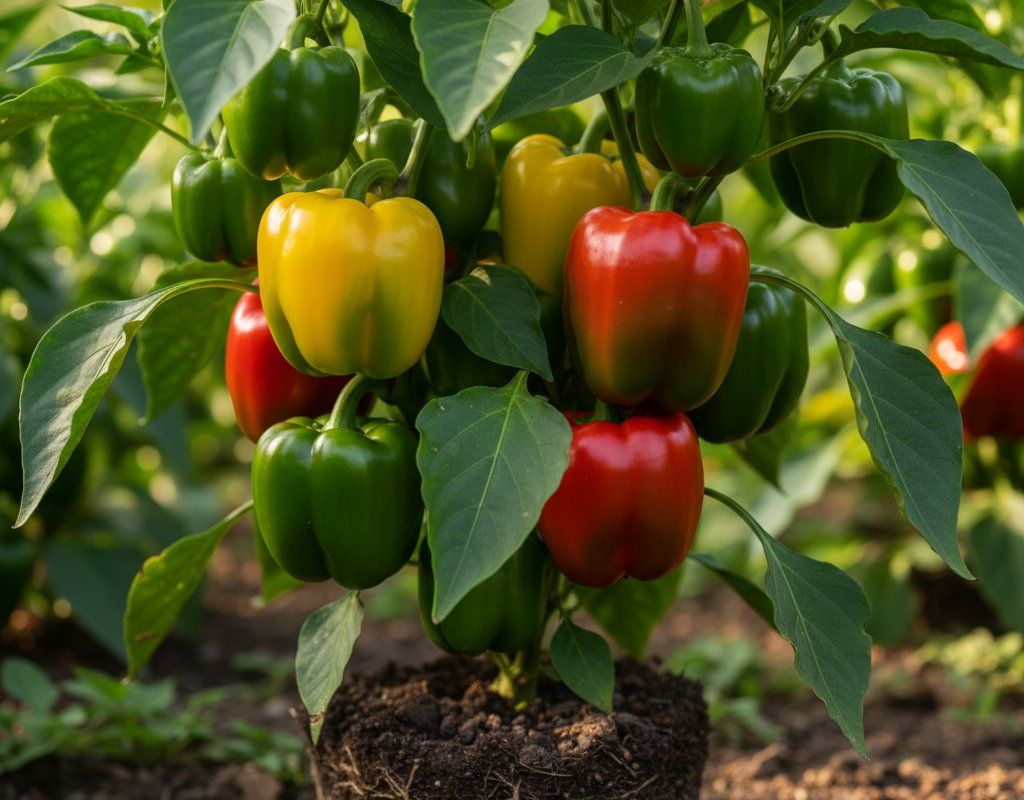
Calendula makes great companion plants in the Desert Southwest garden. Plant them near tomatoes and peppers because they attract beneficial insects that prey on common pests like aphids and whiteflies. Plus, Calendula's scent can deter certain pests.
They also work well with green beans, as they can attract pollinators and improve bean production. Avoid planting Calendula near plants that are highly susceptible to powdery mildew, as they can potentially spread the disease.
🥬Best Vegetables to Pair With Calendula
Calendula benefits these vegetables through pest control, pollinator attraction, or improved garden health.



Get a Reminder When It's Time to Plant
We'll email you when key planting windows open for your zone.