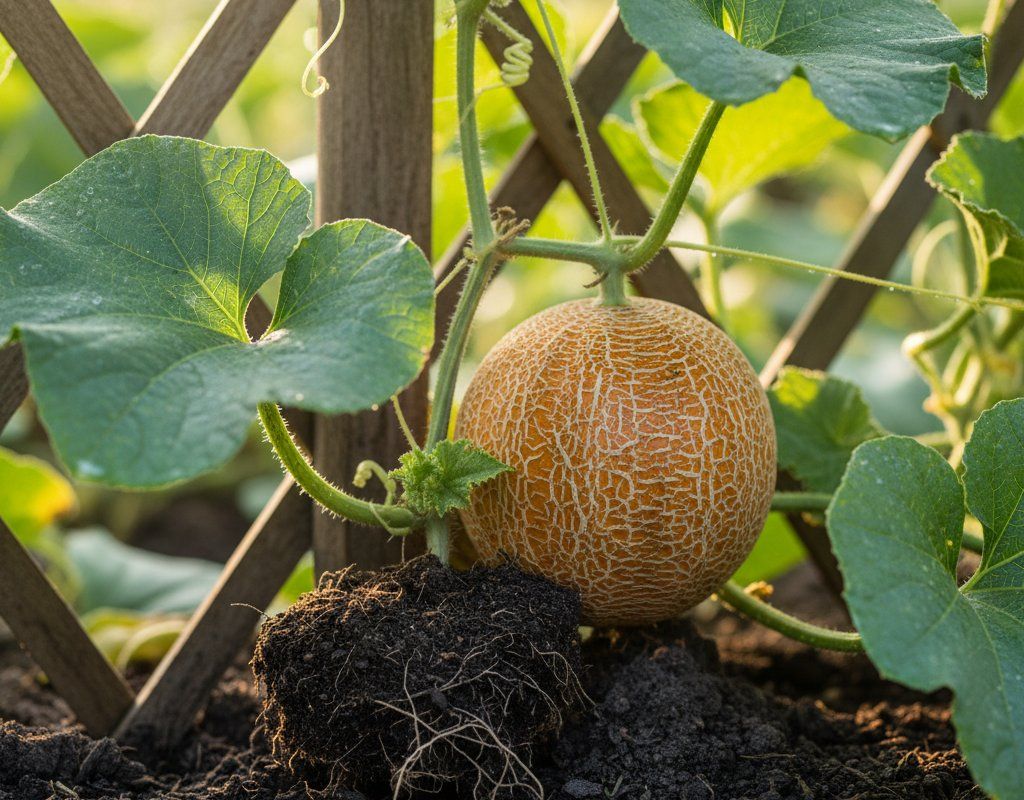
Cantaloupe in Zone 3B — Midwest
Cucumis melo · Your Complete 2026 Planting Guide
Planning Ahead — Great!
You’re ahead of the season. Here’s when to start.
Mark Your Calendar
How to Plant Cantaloupe in Zone 3B — Midwest
Here are all your options for getting cantaloupe in the ground, from the easiest method to more advanced approaches.
Direct Sow Seeds
RecommendedEarly to mid June
around June 3
Direct sow as soon as conditions allow.
Same as watermelon — needs warm soil, direct sow works in most zones.
Buy Starts
Works WellEarly to mid June
around June 3
Plant purchased starts after last frost (May 20).
Start Seeds Indoors
Works WellEarly to late May
around May 13
Then transplant: Early to mid June
Start seeds 3-5 weeks before transplanting outdoors.
Transplant Outdoors
Timing InfoEarly to mid June
around June 3
Wait until nighttime temperatures stay above 50°F.
Plan to transplant within a few weeks of your target date.
Overview
Growing cantaloupe in Zone 3B brings that perfect summer sweetness right to your Midwest table. There's nothing quite like biting into a sun-warmed melon you've grown yourself — the flavor absolutely destroys anything from the grocery store. Our fertile soil and adequate summer heat create ideal conditions for these heat-loving vines, and with our typical 30-40 inches of summer rainfall, you won't be fighting drought like gardeners in drier regions.
Yes, our 118-day growing season feels short for an 80-day crop, but the timing works perfectly when you start right. Our variable spring means waiting until early June for direct sowing, but once our soil warms up and summer heat spells kick in, cantaloupe takes off beautifully. The key is working with our Midwest weather patterns rather than fighting them.
Starting Seeds Indoors
Starting cantaloupe seeds indoors isn't the typical approach, but it can give you a head start if you're feeling ambitious. Sow seeds in early to late May, about three weeks before you plan to transplant outdoors. You'll need seed trays, a warm spot (75-80°F), and good lighting since our moderate-to-late spring doesn't provide strong sun yet.
Use bottom watering to keep seedlings consistently moist without encouraging damping off. These heat-loving plants need warmth to germinate well — a heat mat helps if your house runs cool. Keep in mind that cantaloupe doesn't love root disturbance, so use larger cells or peat pots if you go this route.
Honestly, direct sowing works so well in our climate that indoor starting is more trouble than it's worth for most Midwest gardeners. Our soil warms up plenty by early June, and direct-sown plants often outperform transplants by midsummer.
Transplanting Outdoors
If you've started seeds indoors, transplant them outdoors in early to mid June when night temperatures stay consistently above 60°F. Your transplants need a full week of hardening off — gradually increasing their outdoor exposure time. Our Midwest spring can still surprise you with cool snaps, even in early June.
Space transplants 36-48 inches apart to allow for their spreading vine habit and good air circulation. Our moderate-to-humid summers mean crowded plants invite disease problems. Choose a spot with full sun and well-draining soil — important since our clay soil can stay soggy after spring rains.
Handle the roots gently during transplanting. Cantaloupe hates root disturbance, and stressed transplants may struggle to establish before our growing season runs out. Water them in well and consider row covers for the first week if cool weather threatens.
Direct Sowing
Direct sowing is absolutely the way to go for cantaloupe in our region. Wait until early to mid June when soil temperature reaches 65-70°F consistently — usually after Memorial Day once our soil has had time to warm up properly. Our clay soil benefits from working in compost or aged manure before planting to improve drainage and warmth retention.
Plant seeds 1 inch deep in hills spaced 36-48 inches apart, or space them along rows with the same distance between plants. The wide spacing accounts for their sprawling vine habit and helps prevent disease in our moderate-to-humid summers. Plant 2-3 seeds per hill and thin to the strongest seedling once they're established.
Our fertile Midwest soil gives cantaloupe everything it needs once it gets going. The plants will spread 4-6 feet in all directions by midsummer, so plan accordingly. If space is tight, you can train vines along one direction, but don't try to contain them completely — they need room to roam.
Watering Cantaloupe in Zone 3B (Midwest)
Cantaloupe needs consistent deep watering throughout most of the growing season, but our wet Midwest summers mean you'll water less than gardeners in drier regions. With 30-40 inches of typical summer rainfall, you'll mainly supplement during dry spells rather than providing all their water needs. Use the finger test — stick your finger 2 inches into the soil, and water deeply if it's dry at that depth.
During their main growth period (June through early August), cantaloupe needs about 1-2 inches of water per week total, including rainfall. Water at the base of plants rather than overhead — our moderate-to-humid conditions can encourage fungal diseases on wet leaves. Deep, less frequent watering encourages strong root development in our clay soil.
Here's the critical part: Stop watering completely about one week before harvest. This concentrates the sugars and prevents bland, watery fruit. Since harvest typically begins in late August, you'll cut off watering around mid-to-late August. Our late-summer weather usually provides enough residual moisture in the soil to carry them through.
A 2-3 inch layer of organic mulch helps retain moisture and keeps soil temperatures stable during our summer heat spells. Straw or shredded leaves work well and break down to improve our clay soil over time. Keep mulch a few inches away from the main stem to prevent pest issues.
🧪Fertilizing Cantaloupe
Feeding Schedule
Organic Fertilizer Options
Harvest Time
Your first ripe cantaloupe will be ready in late August through mid-September, about 80 days from planting. In our Zone 3B climate, this timing works perfectly — you'll get several weeks of harvest before our typical mid-September first frost arrives. The fruit develops quickly once our summer heat really kicks in during July and August.
Look for these ripeness signs: the netting pattern is fully developed and raised, the stem separates easily from the fruit with gentle pressure (this is called "slipping"), and you'll smell that distinctive sweet cantaloupe aroma at the blossom end. The background color changes from green to tan or yellow. Don't pick too early — cantaloupe won't continue ripening once harvested.
Harvest in the morning when temperatures are cooler and the fruit has had all night to develop sugars. Twist and lift gently — a ripe cantaloupe will slip right off the vine. If you have to pull hard, it's not ready yet. Each plant typically produces 2-4 full-sized melons over a 2-3 week period.
As first frost approaches in mid-September, harvest any nearly ripe fruit and bring them indoors. While they won't get sweeter, they may soften slightly if they're close to maturity. Cover plants with row covers or sheets if light frost is predicted — you might squeeze out another week of harvest time.
Common Problems in Zone 3B (Midwest)
Powdery Mildew appears as white or grayish powdery patches on leaves, stems, and sometimes fruit surfaces. Leaves curl, turn yellow, and eventually die back, reducing the plant's ability to ripen fruit. This fungal disease thrives in our Midwest conditions — warm days, cool nights, and moderate humidity create perfect conditions. Unlike many fungi, powdery mildew actually prefers dry leaf surfaces. Combat it by improving air circulation through proper spacing and pruning excess foliage. Remove affected leaves immediately and dispose of them. Neem oil or potassium bicarbonate sprays help control spread, and surprisingly, milk spray (1 part milk to 9 parts water) is very effective.
Aphids show up as clusters of tiny soft-bodied insects in green, black, or white colors on stems and leaf undersides. You'll notice sticky honeydew residue and curled or distorted new growth. These sap-sucking pests multiply rapidly in warm weather, and ant colonies often protect them for their honeydew. Knock them off with a strong spray from your hose, or use insecticidal soap for heavy infestations. Encourage natural predators like ladybugs and lacewings by planting diverse flowers nearby. Avoid excess nitrogen fertilizer — it makes plants more attractive to aphids.
Poor Sweetness means your cantaloupe looks ripe but tastes bland and watery instead of sweet. This usually stems from overwatering near harvest time, insufficient heat accumulation, or picking too early. Our moderate-to-hot summers provide adequate heat, but you must stop watering 5-7 days before harvest to concentrate sugars. Wait for proper ripeness indicators — the fruit should slip easily from the vine and smell sweet at the blossom end. Choose varieties specifically bred for shorter seasons if sweetness continues to be an issue.
Midwest Specific Challenges: Our moderate-to-humid summers create ideal conditions for fungal diseases, so spacing plants properly for air circulation is crucial. Summer heat spells help ripen fruit quickly, but our wet-summer pattern means you'll need to manage watering carefully to avoid overwatering during rainy periods.
Best Companions for Cantaloupe
Plant these nearby for healthier Cantaloupe and better harvests.


Keep Away From
Companion Planting Details
Corn makes an excellent companion for cantaloupe in Midwest gardens — the tall stalks provide some wind protection during severe weather, and corn's deep roots don't compete with the melon's spreading surface roots. Sunflowers work similarly, offering wind protection and attracting beneficial insects that help with pest control. Plant lettuce or other cool-season greens between young cantaloupe plants in early summer — they'll be harvested before the melon vines spread and take over the space.
Avoid planting cantaloupe near potatoes, which can harbor diseases that affect melons, or other cucumbers and melons, which compete for the same nutrients and space while attracting similar pests. In our fertile Midwest soil, giving cantaloupe plenty of elbow room and pairing it with non-competing plants leads to healthier vines and sweeter fruit.
🌸Best Flowers to Plant with Cantaloupe
These flowers protect your Cantaloupe from pests and attract pollinators for better harvests.


Get a Reminder When It's Time to Plant
We'll email you when key planting windows open for your zone.