Gardening in Zone 3B — Midwest
Gardening in Zone 3B is not for the faint of heart—it's a challenging dance with an incredibly short growing season and brutally cold winters. Your window for outdoor growing is compact but mighty, spanning roughly 133 days between frosts. This means you'll need to be strategic, selecting cold-tolerant varieties and using season extension techniques like cold frames and quick-maturing vegetable cultivars.
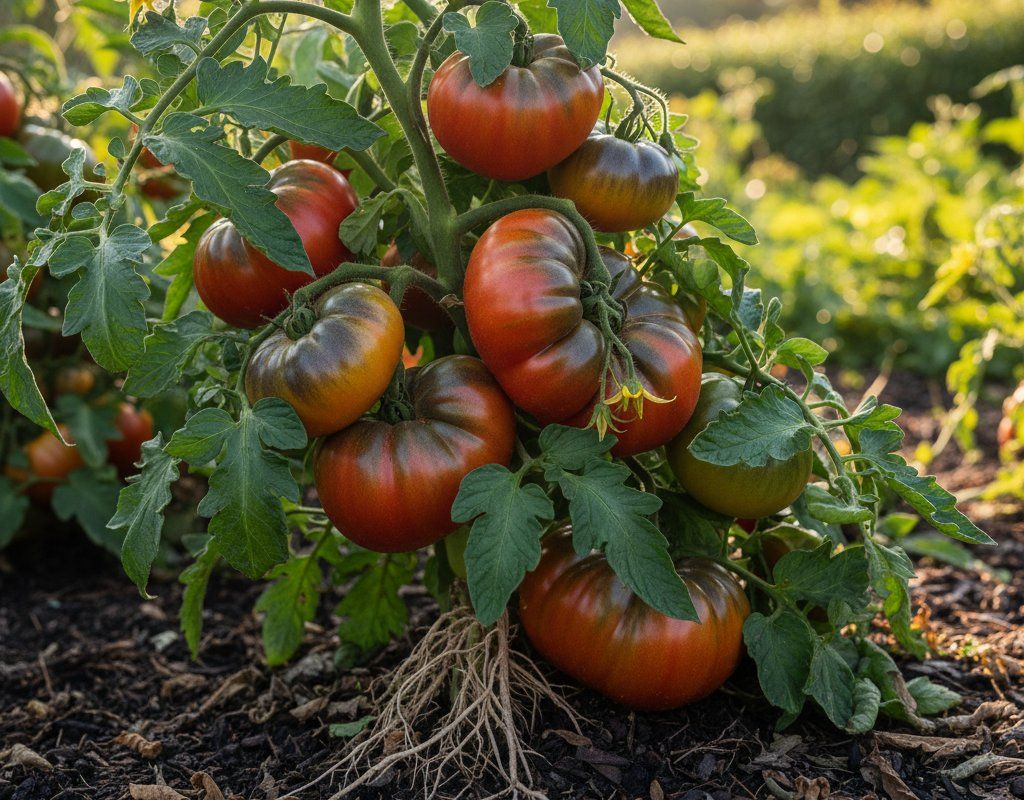
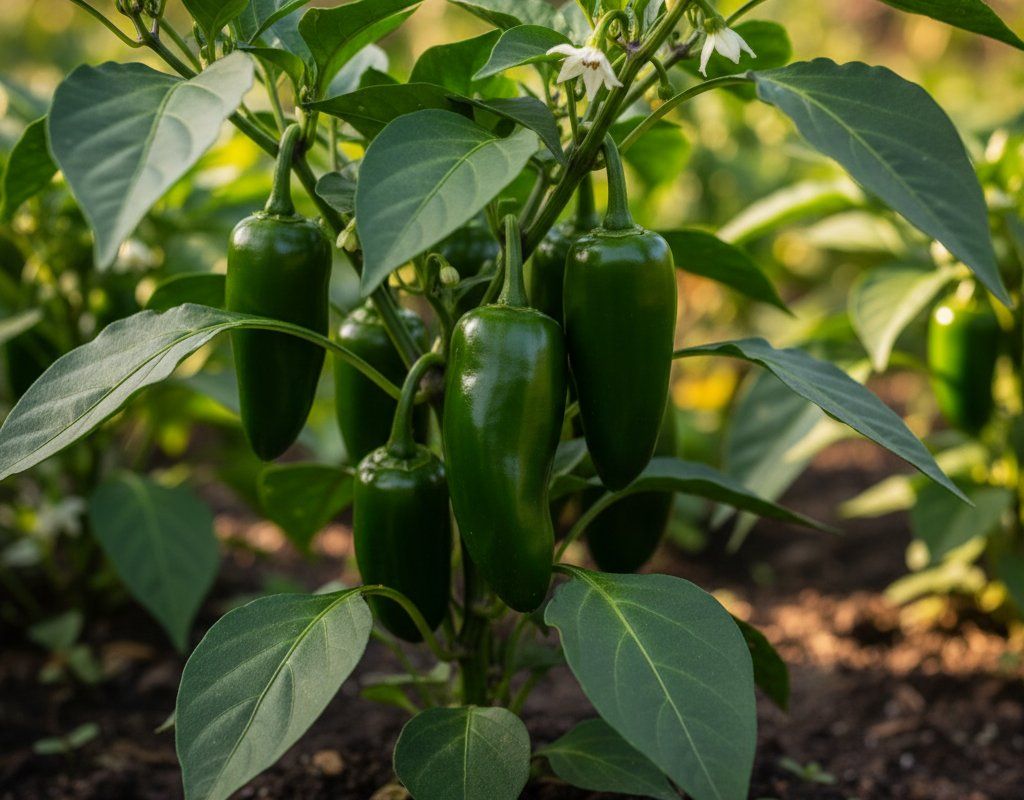
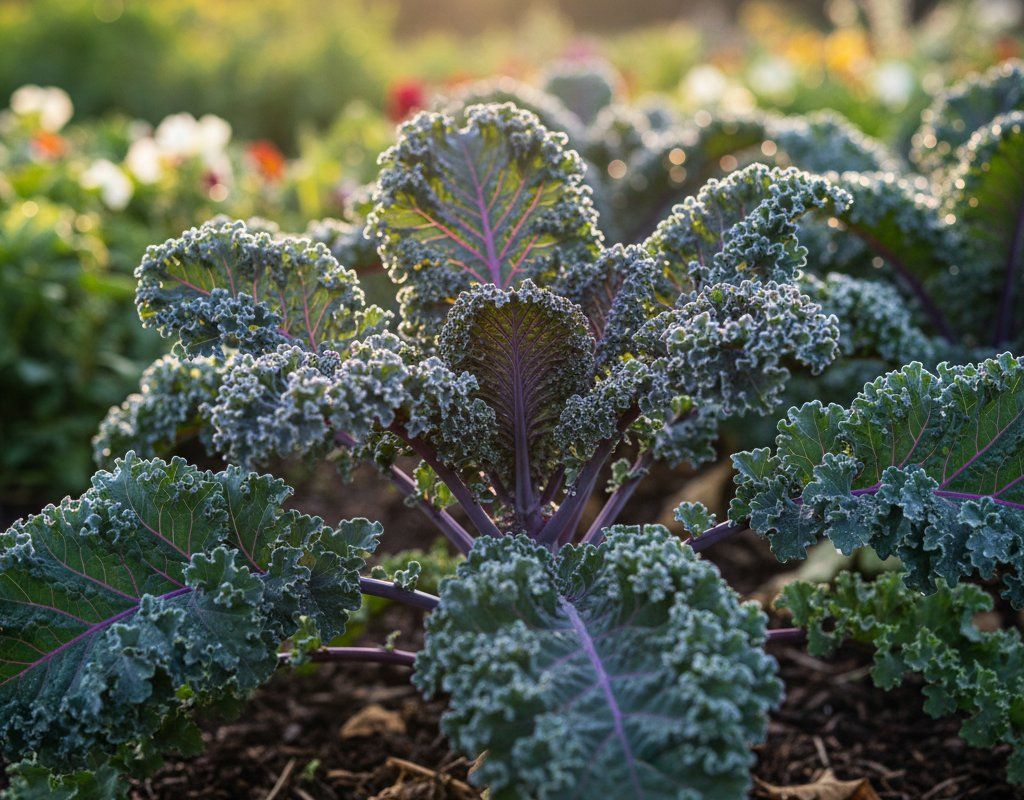
Your greatest allies will be short-season tomatoes like Early Girl, quick-producing peppers such as jalapeños, and hardy vegetables like kale, broccoli, and root crops that thrive in cooler conditions. While other zones might enjoy leisurely planting schedules, you'll be mastering precise timing, protecting tender plants, and learning to maximize every precious warm week. The advantage? Intensely flavored vegetables that develop excellent sugars in cool climates, and a gardening approach that rewards careful planning and resilience.
✓ Regional Advantages
- • Fertile soil
- • Adequate rainfall
- • Good summer heat for warm crops
⚠ Regional Challenges
- • Cold winters
- • Variable spring
- • Summer heat spells
- • Tornadoes/severe weather
- • Clay soil
Midwest Climate Profile
Cold winters, warm-to-hot summers, fertile soil
Best Plants for Zone 3B
101 plants thrive in Zone 3B's 118-day growing season. Click any plant for zone-specific planting dates.
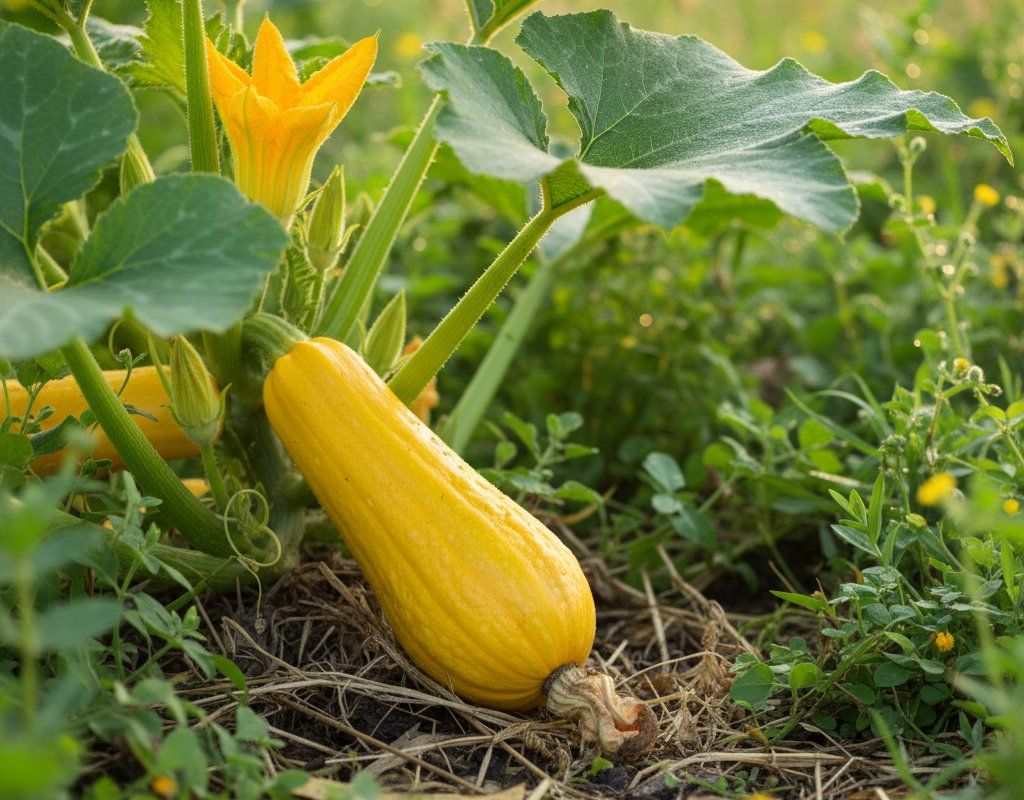
🍅Fruiting Vegetables (36)
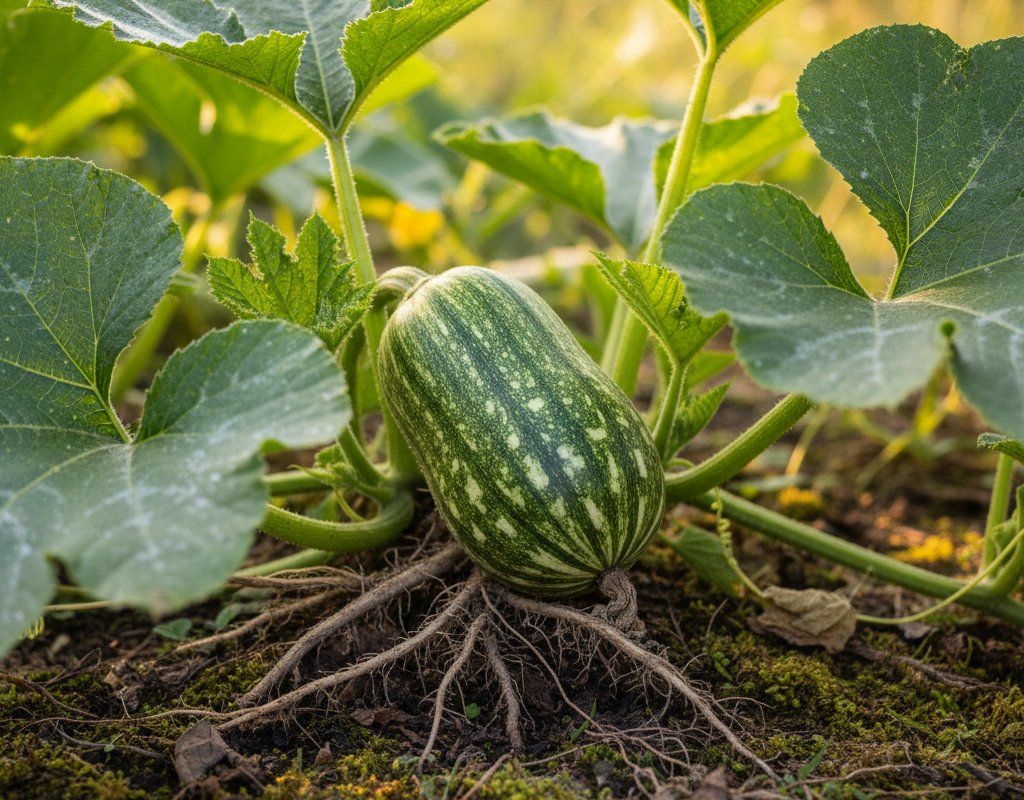
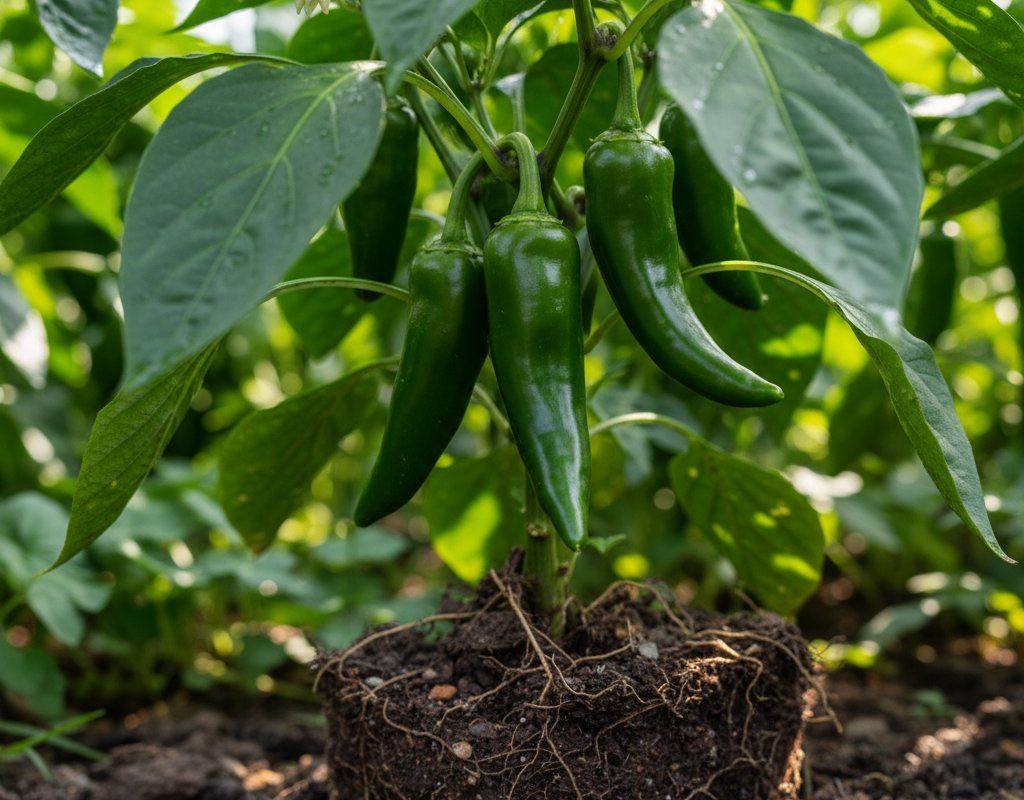
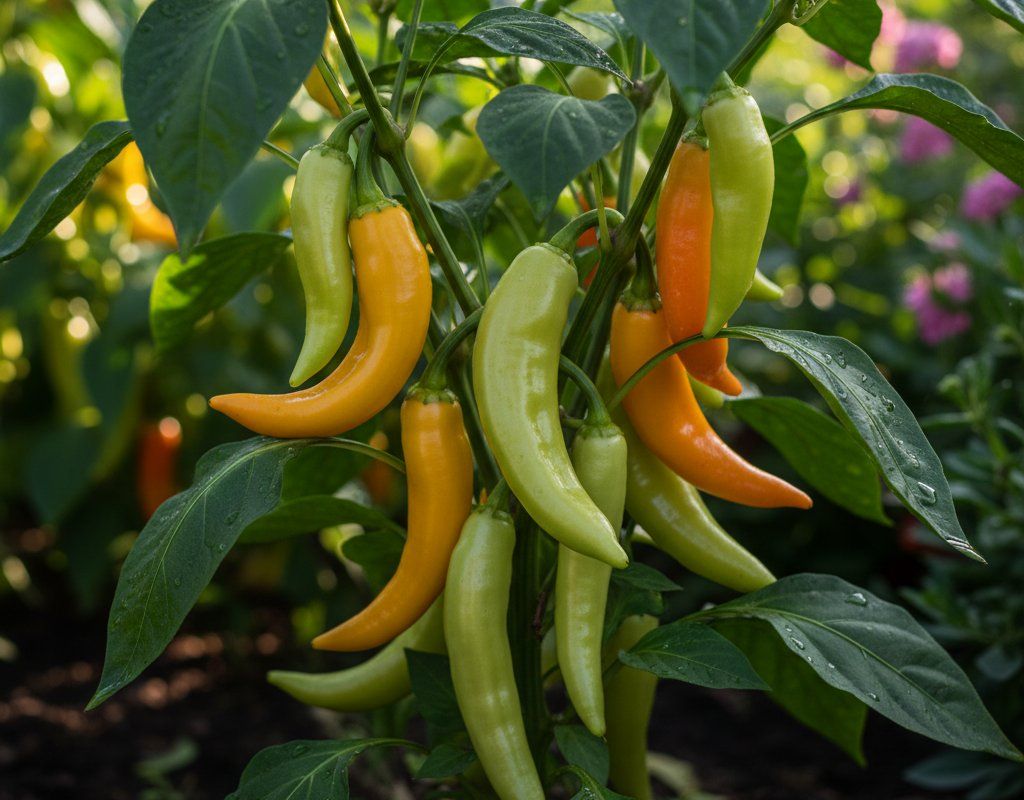
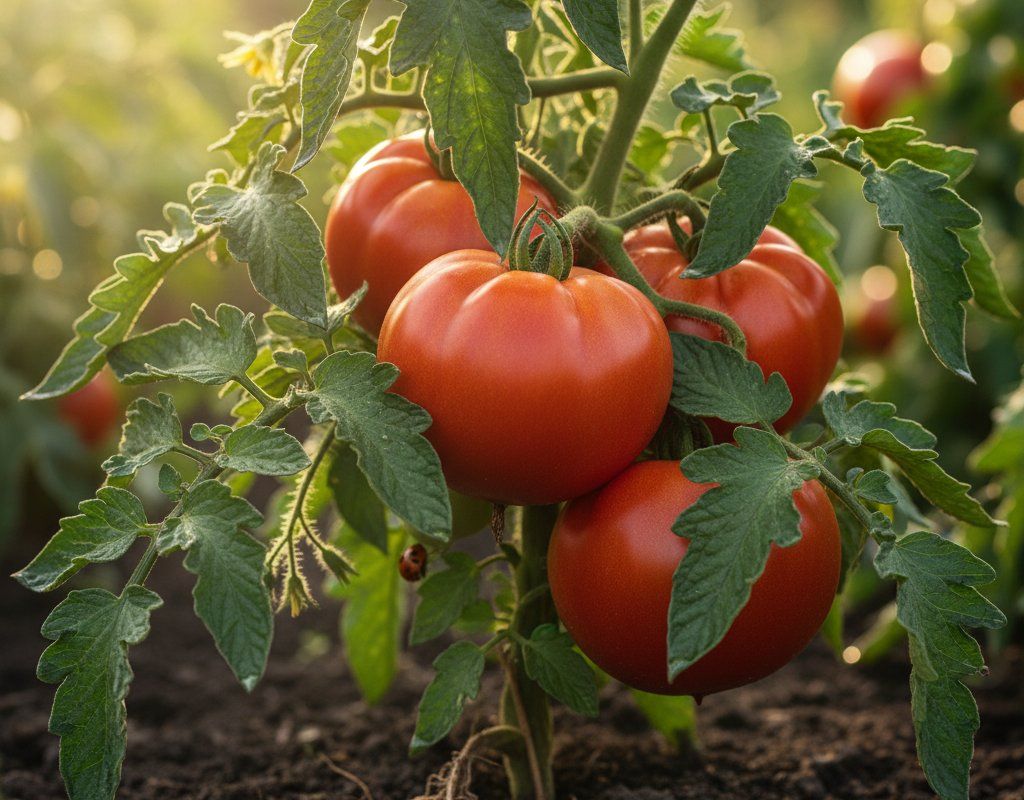
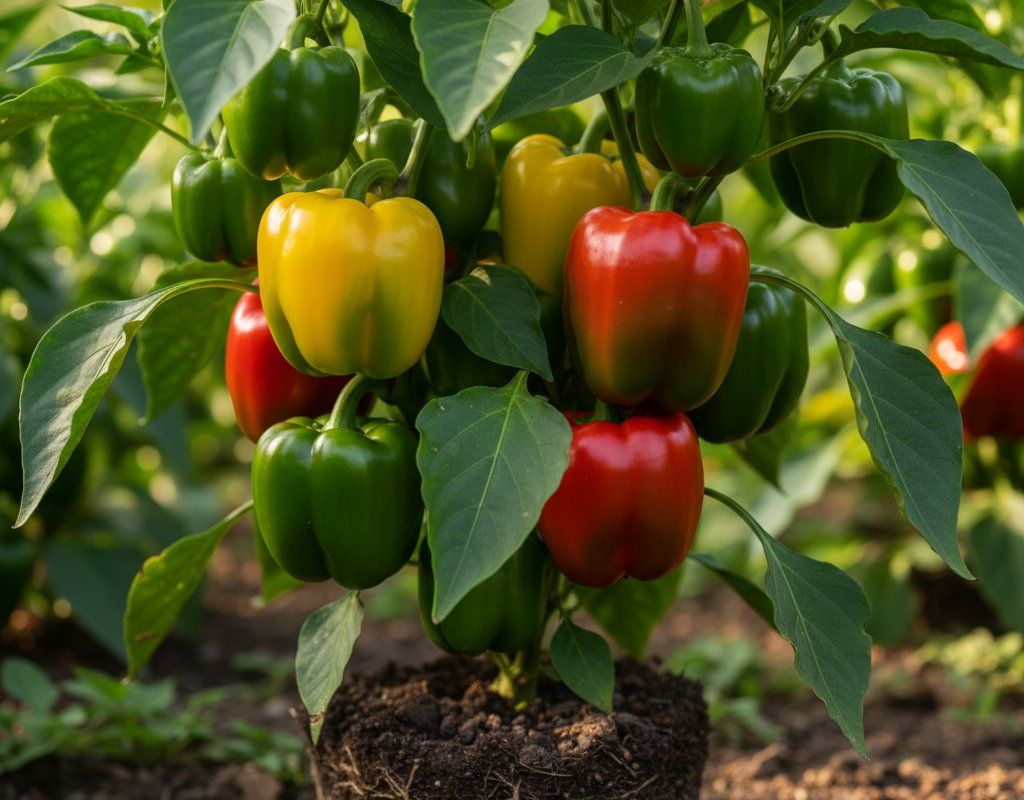
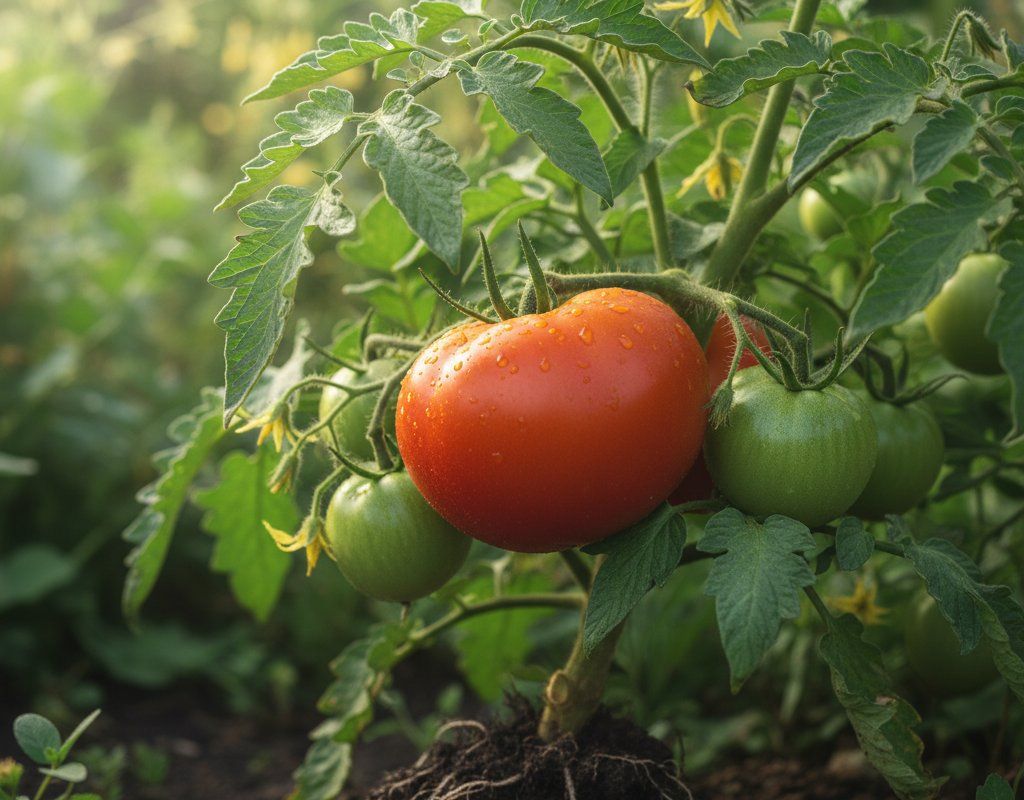
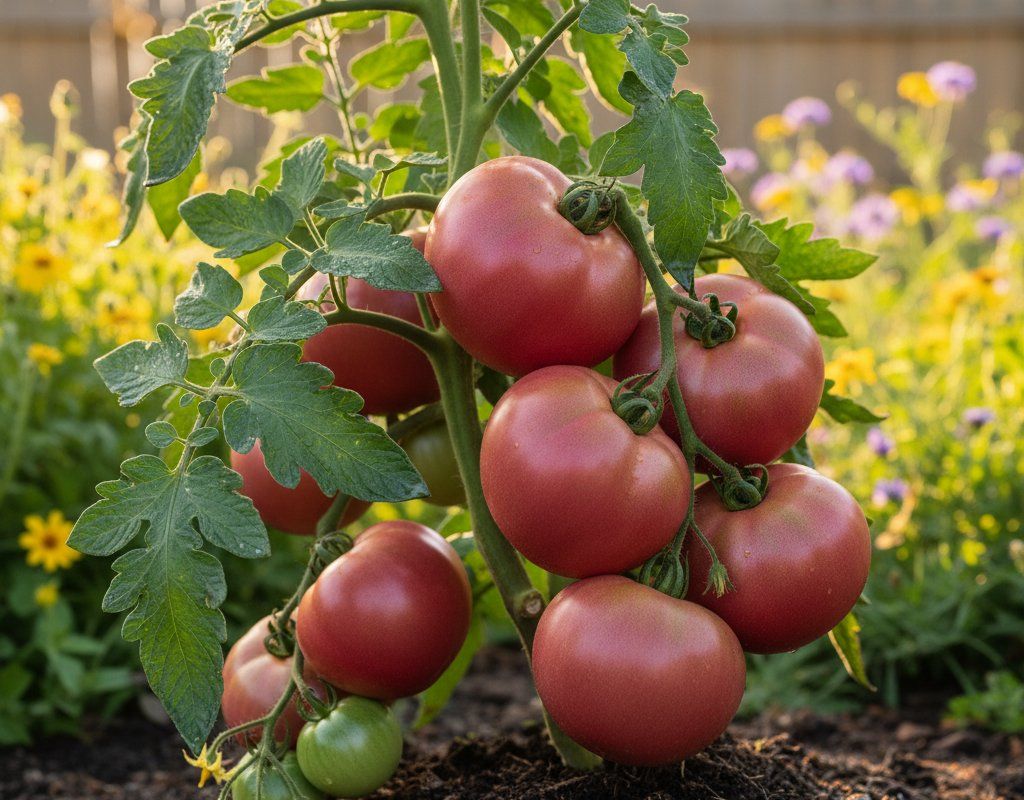
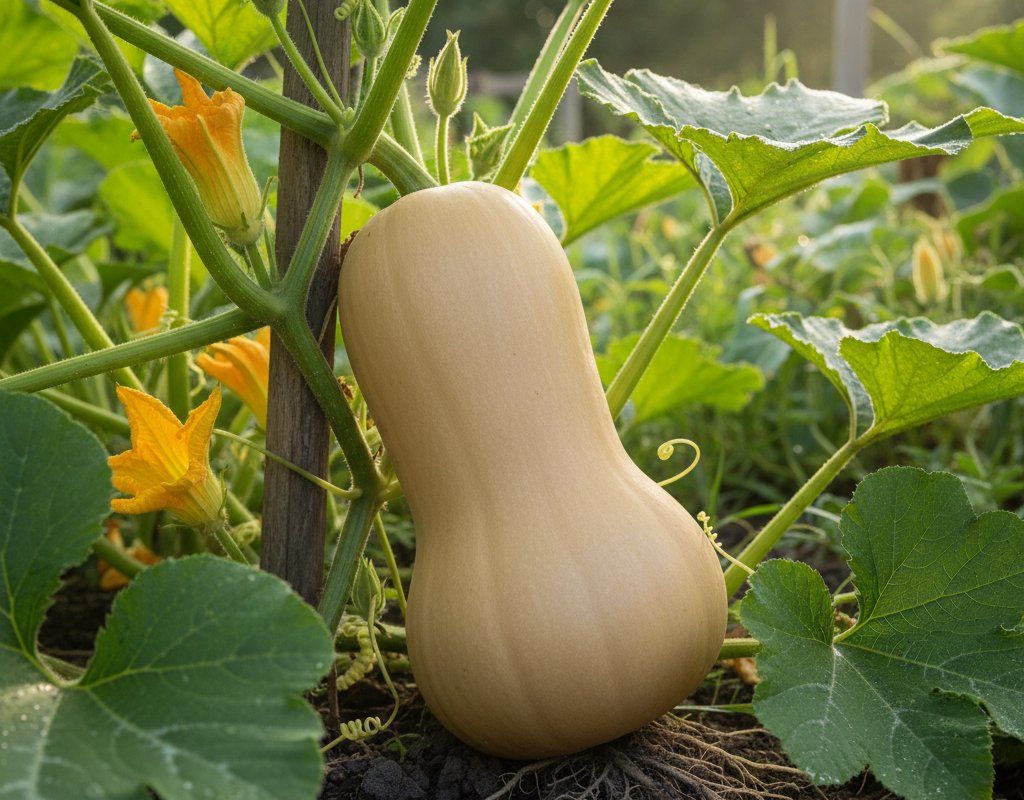
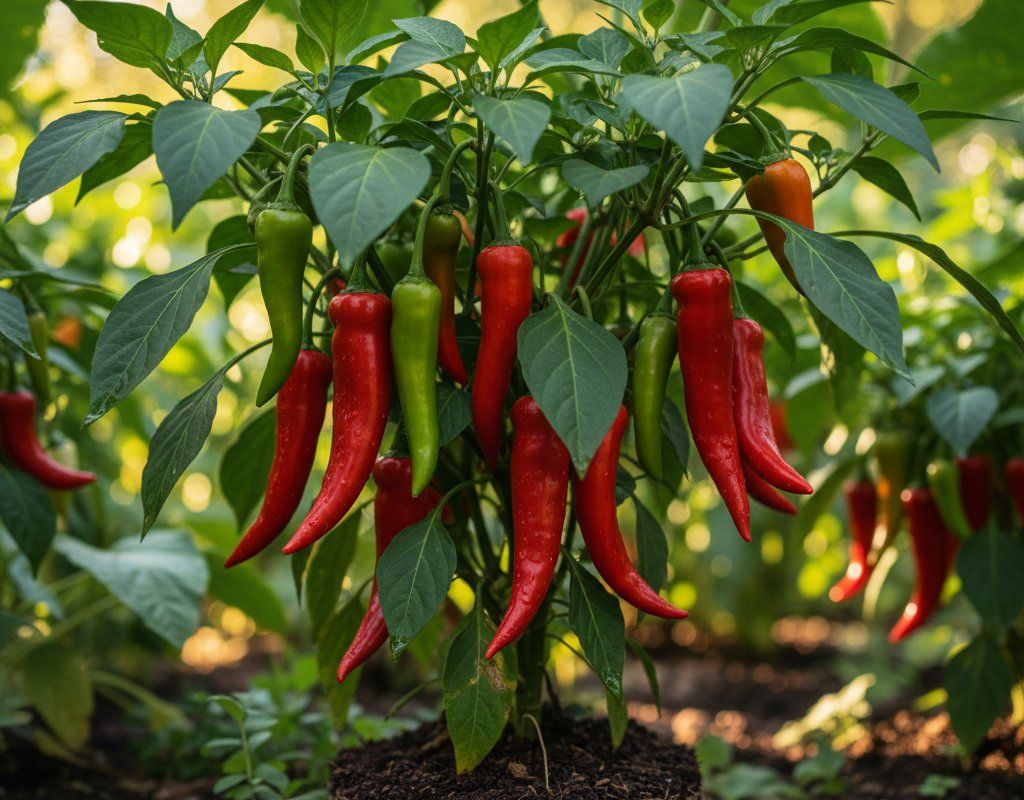
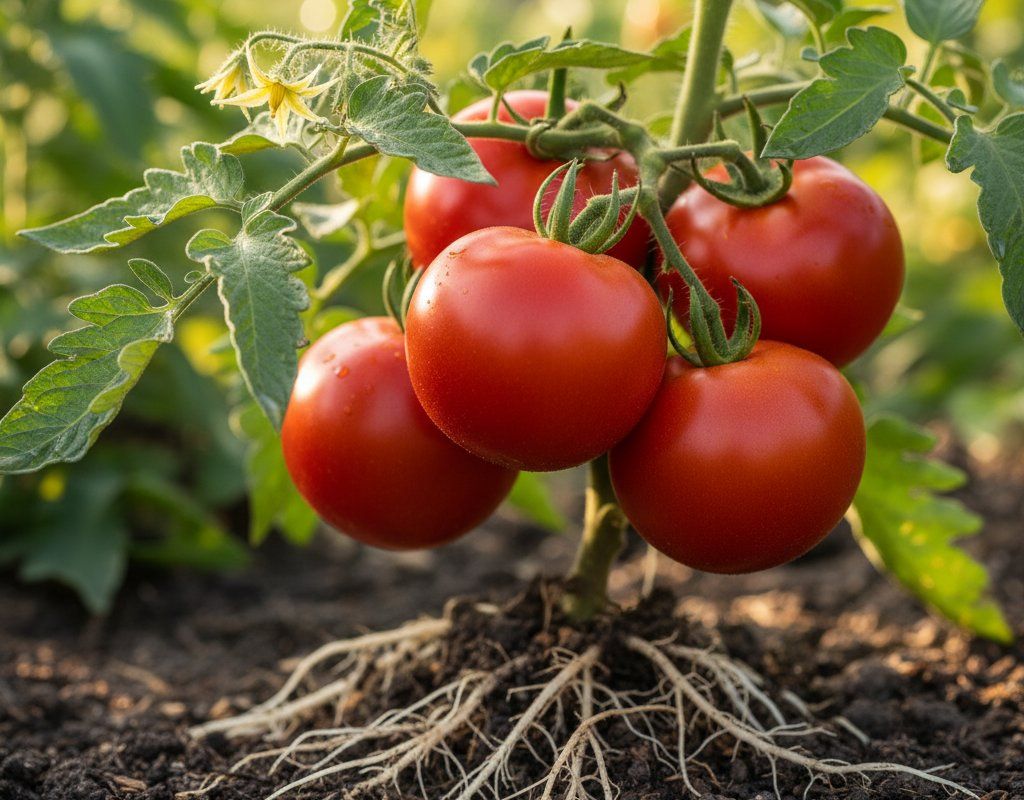

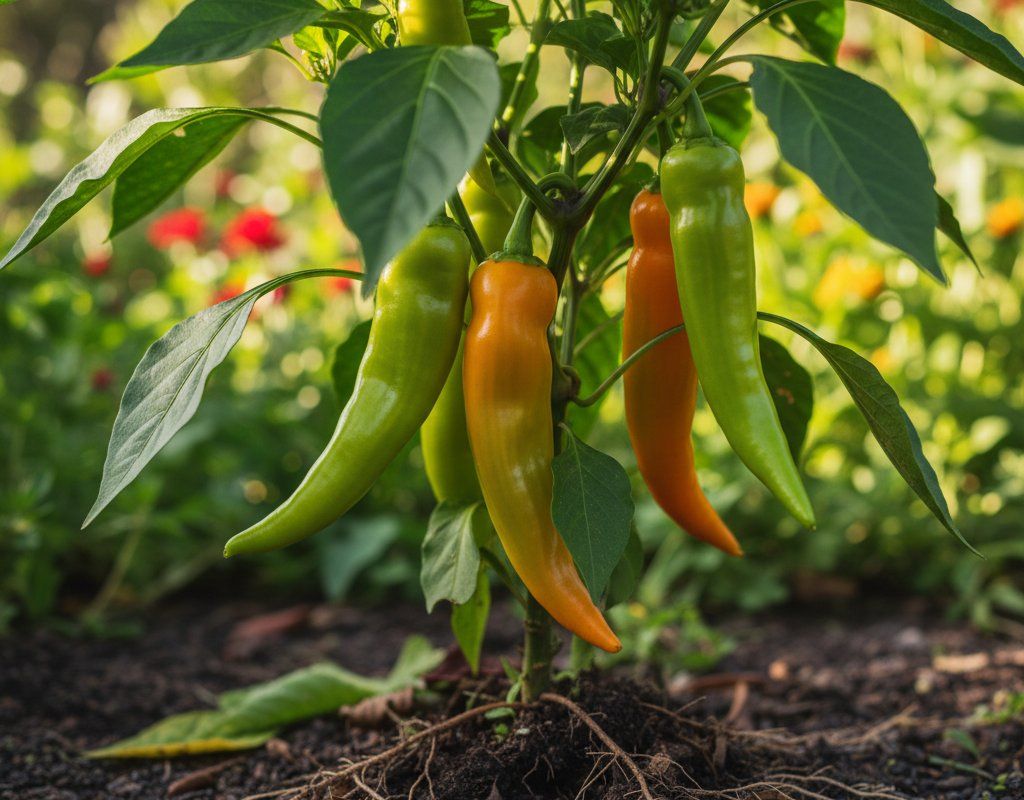

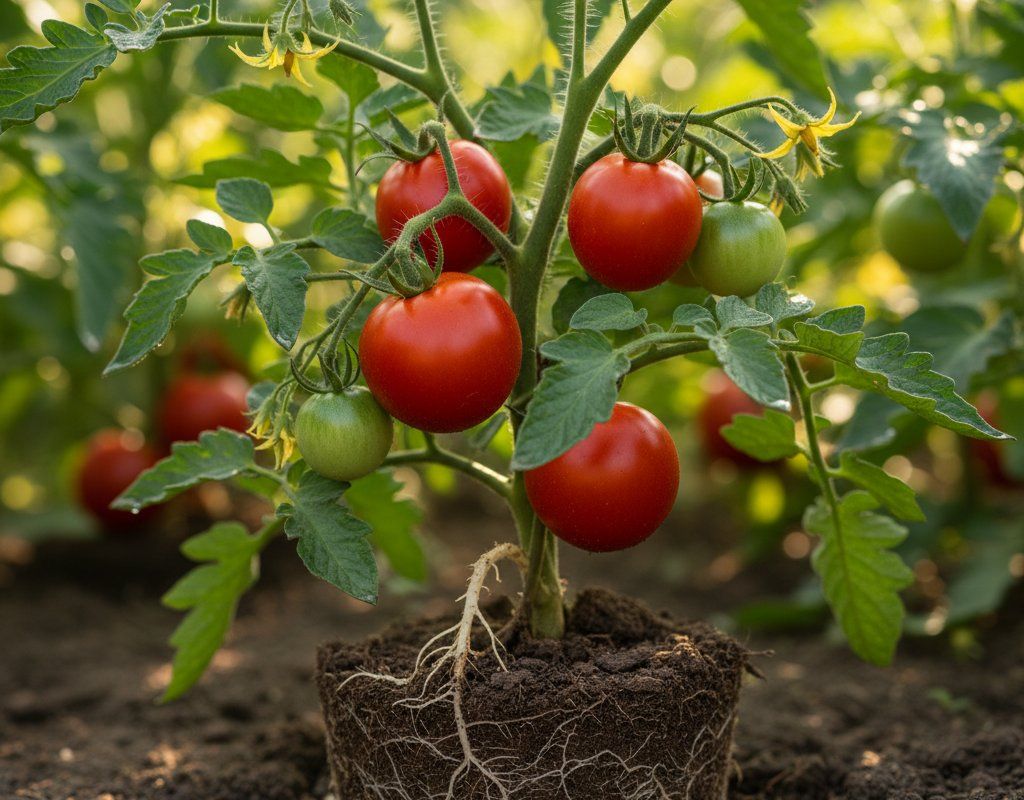
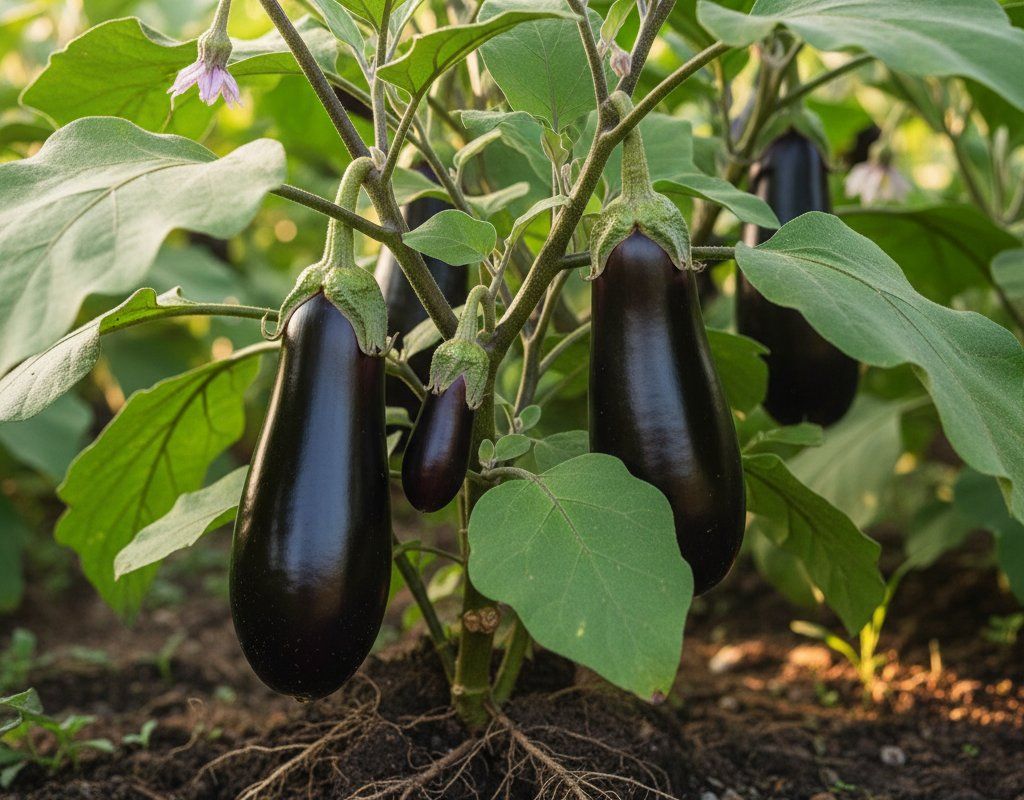
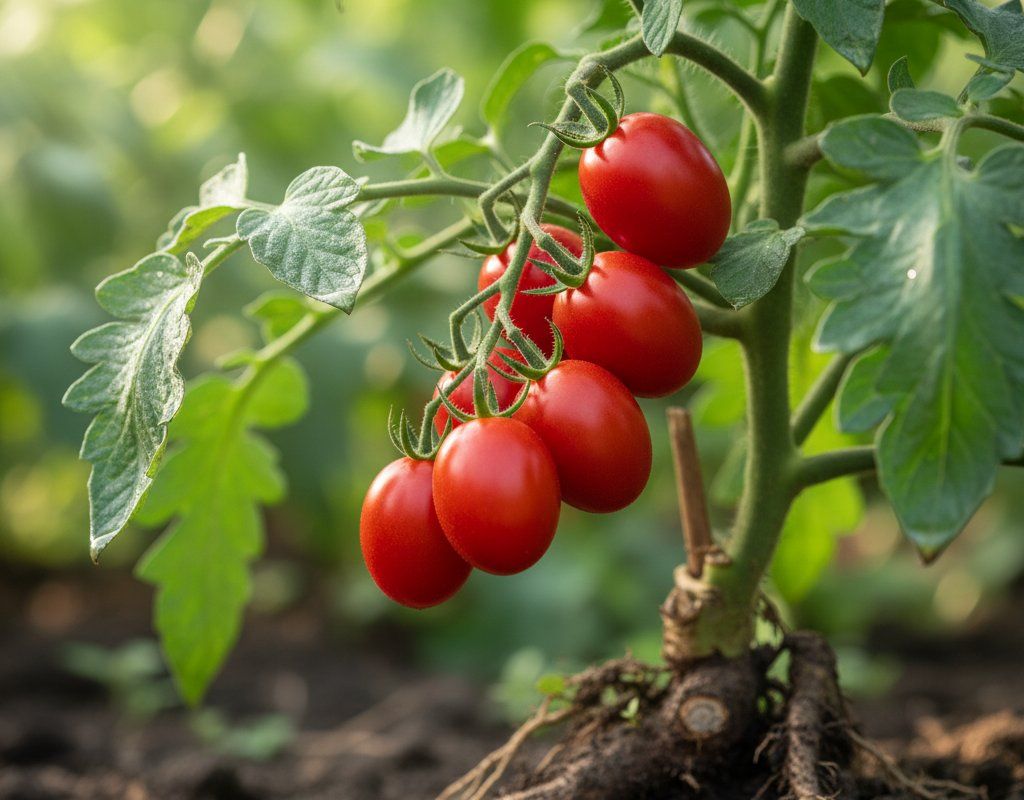
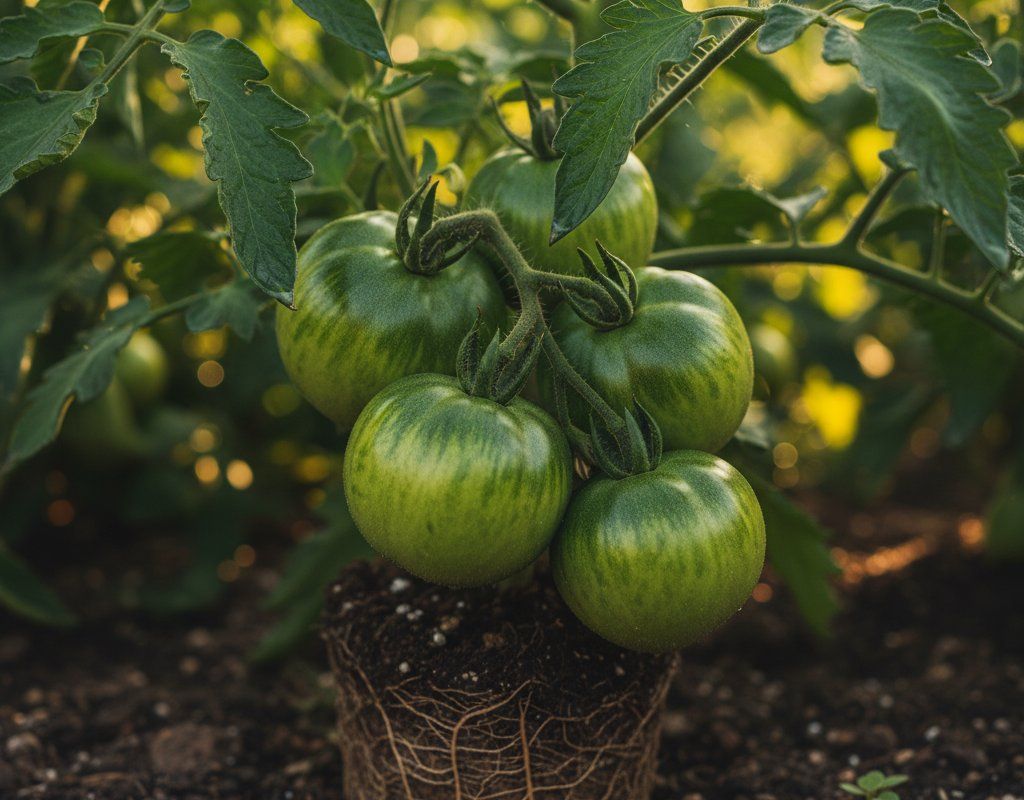
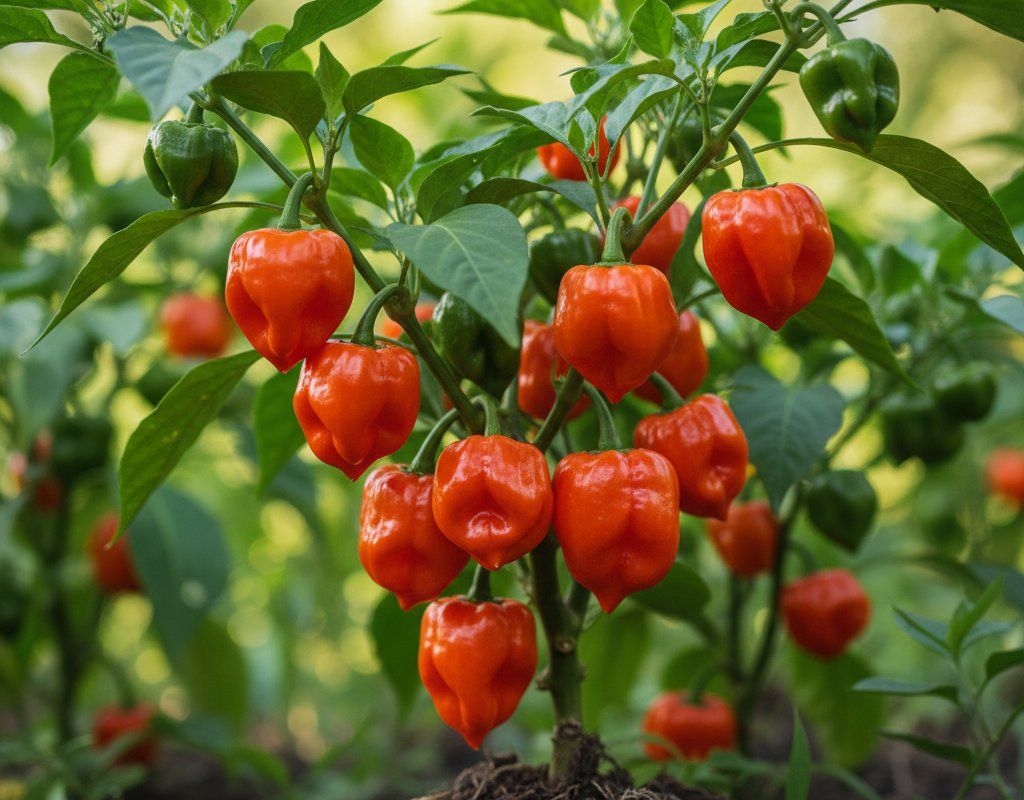


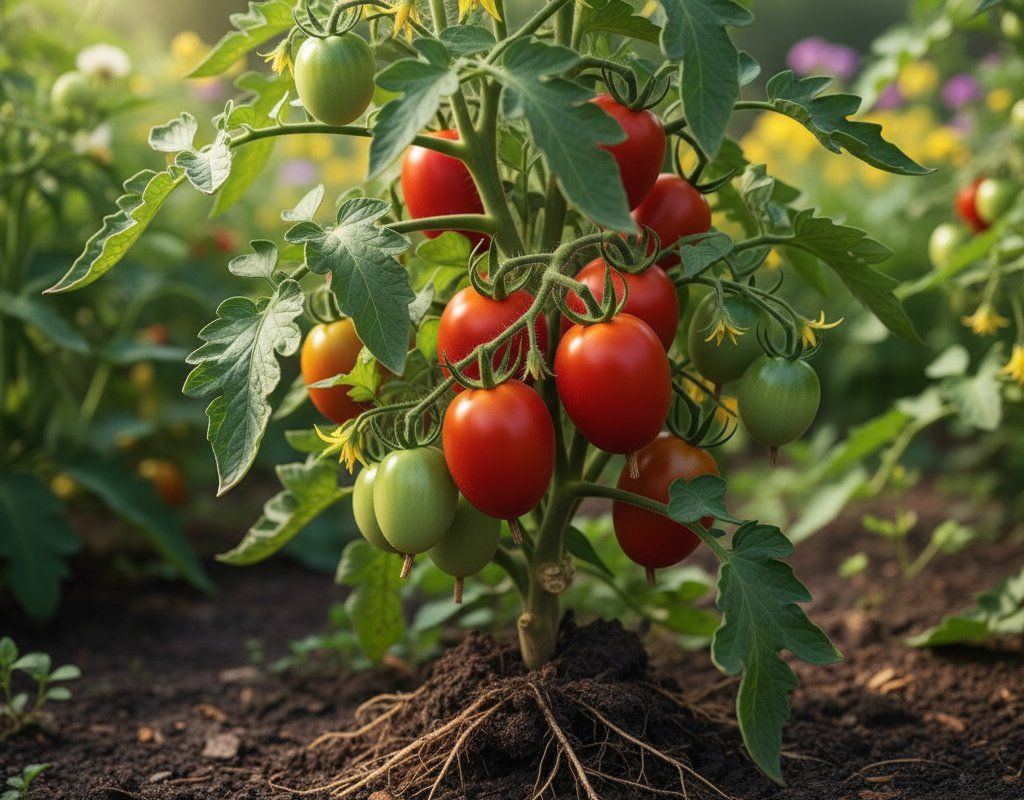
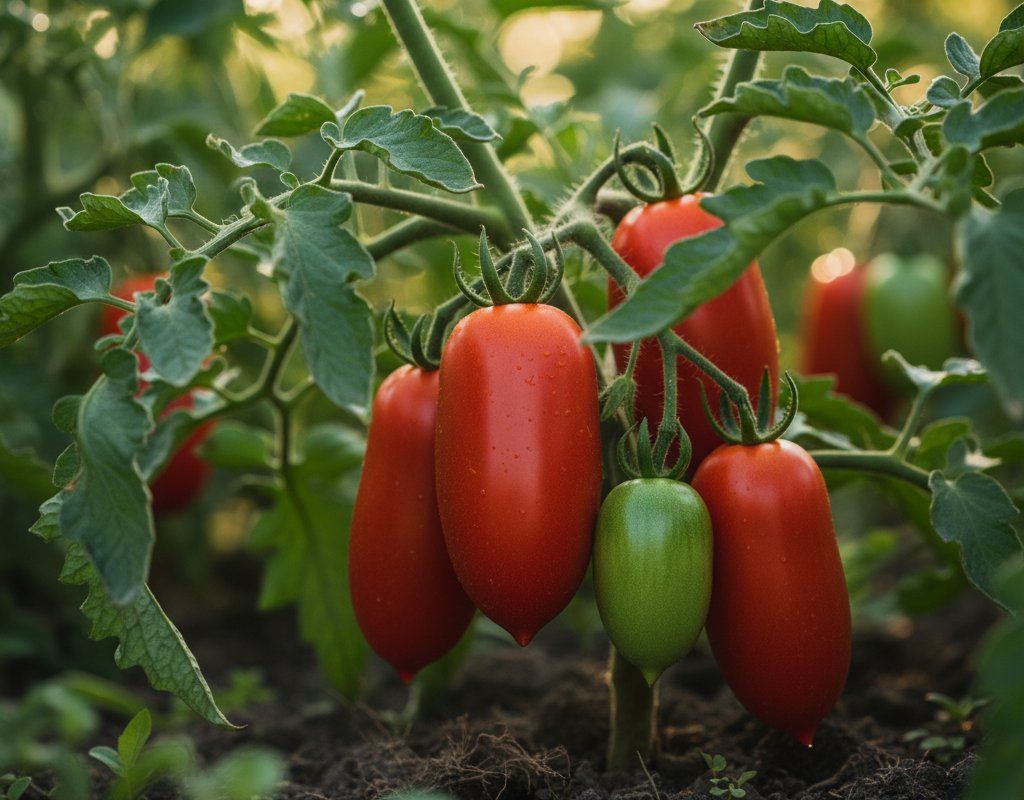
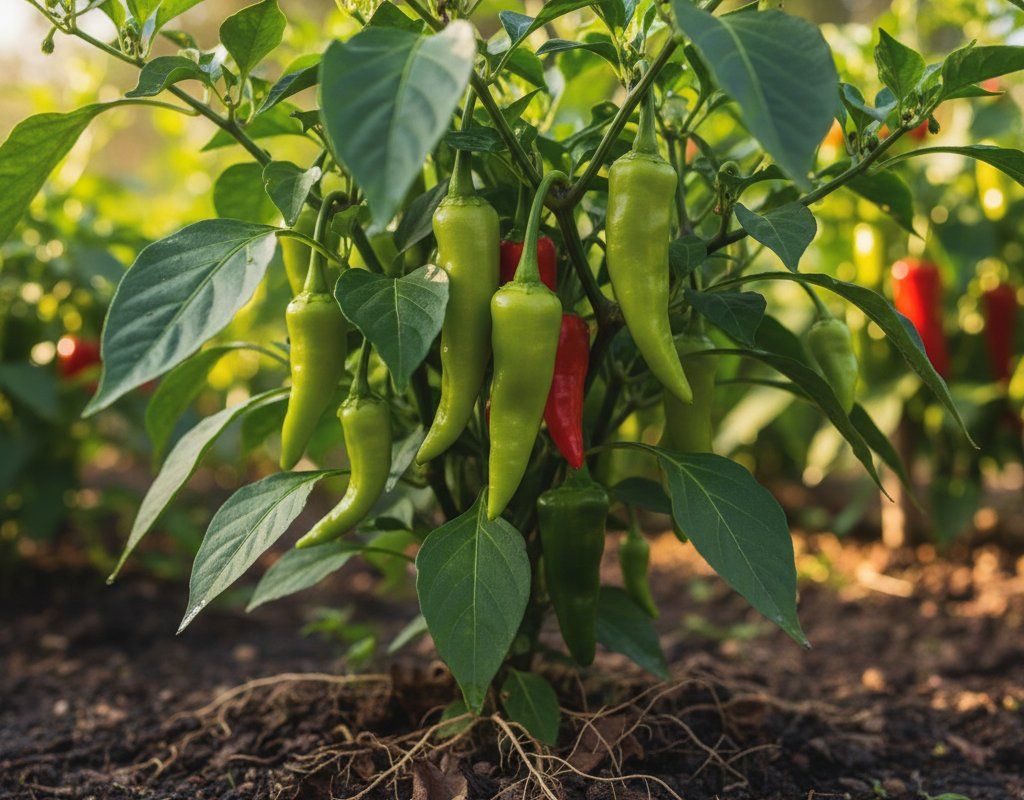
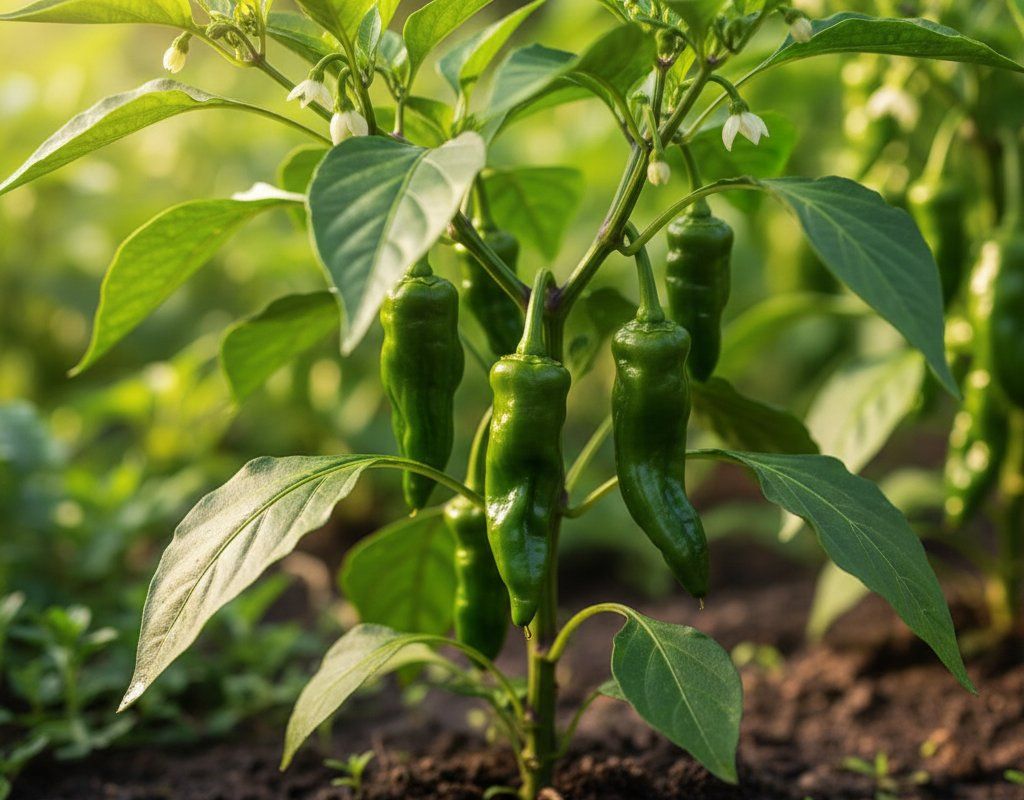



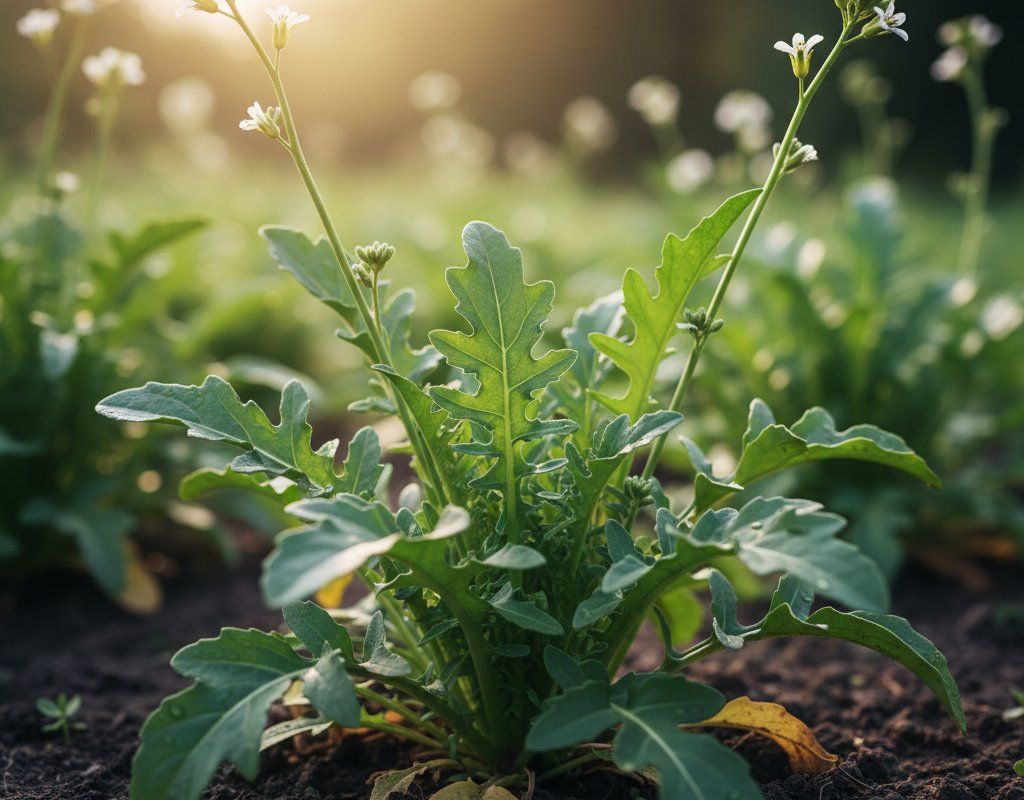
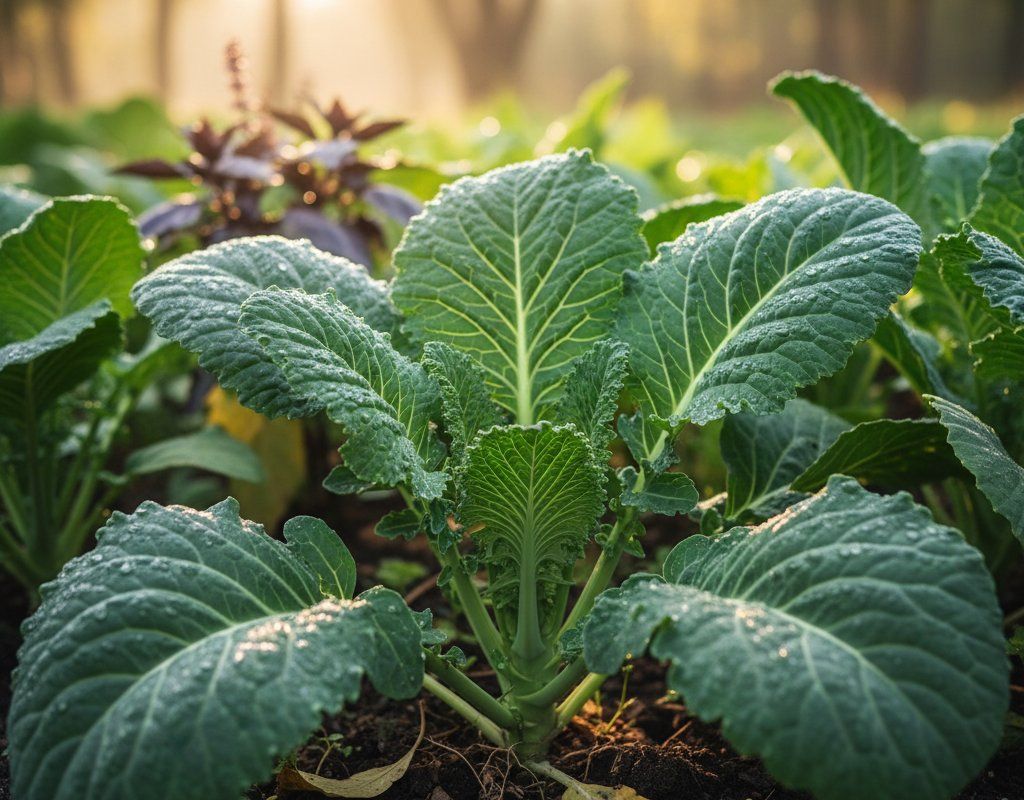
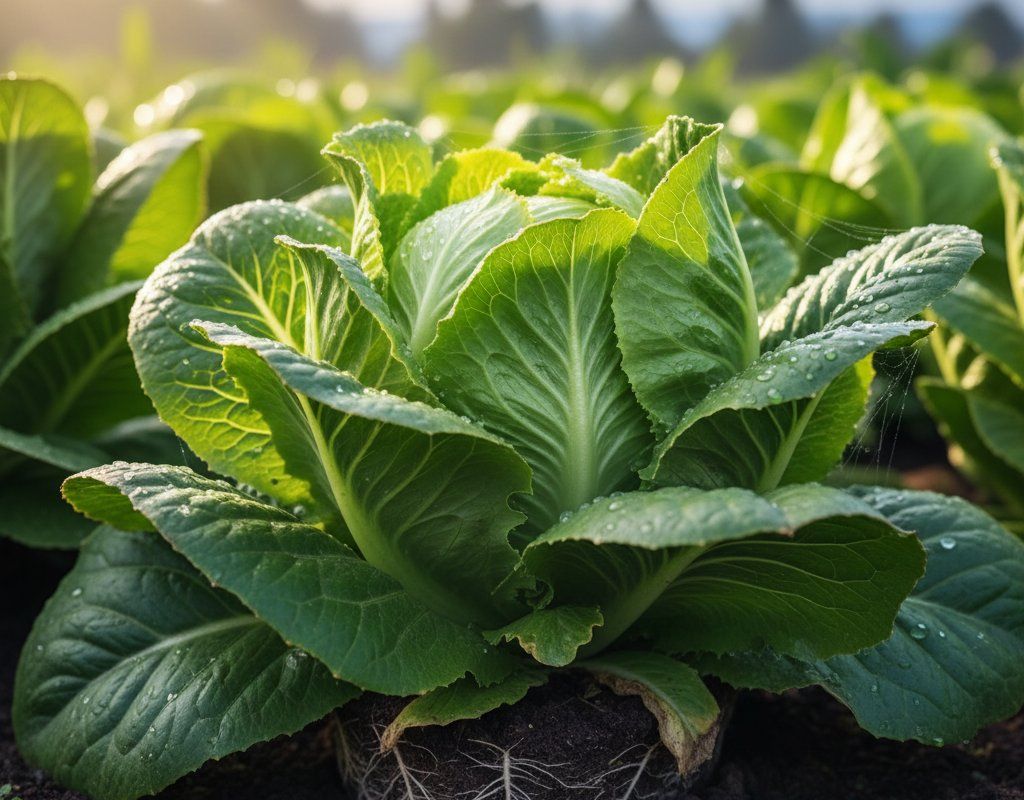
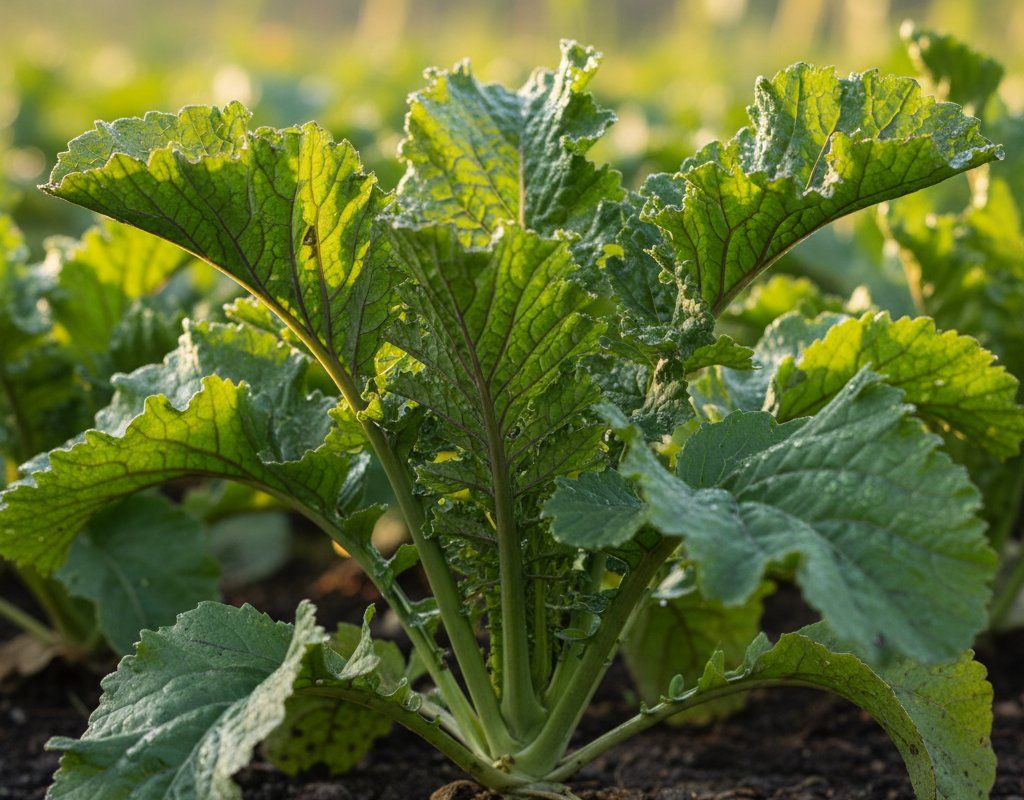
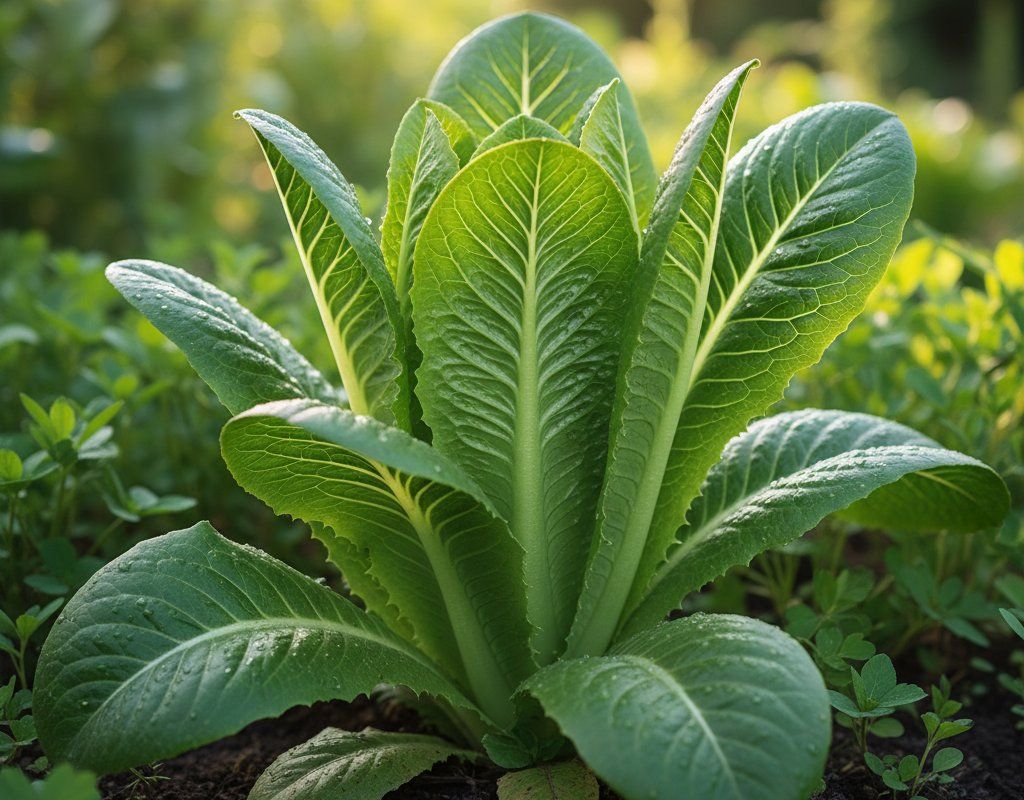
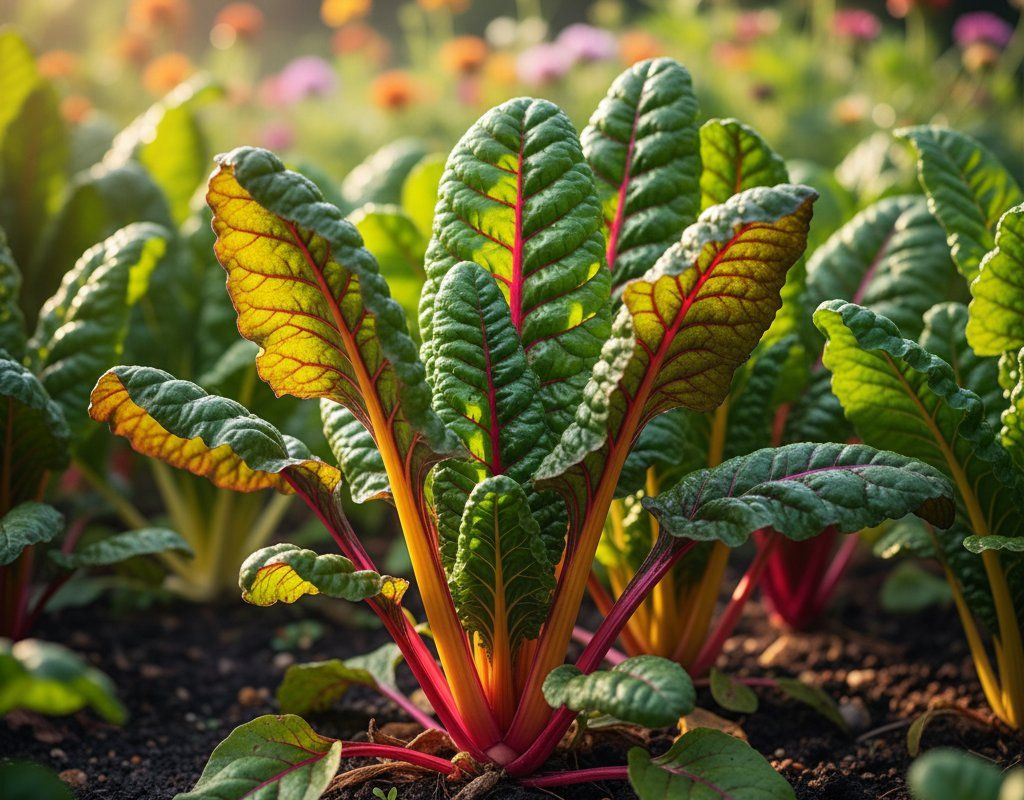
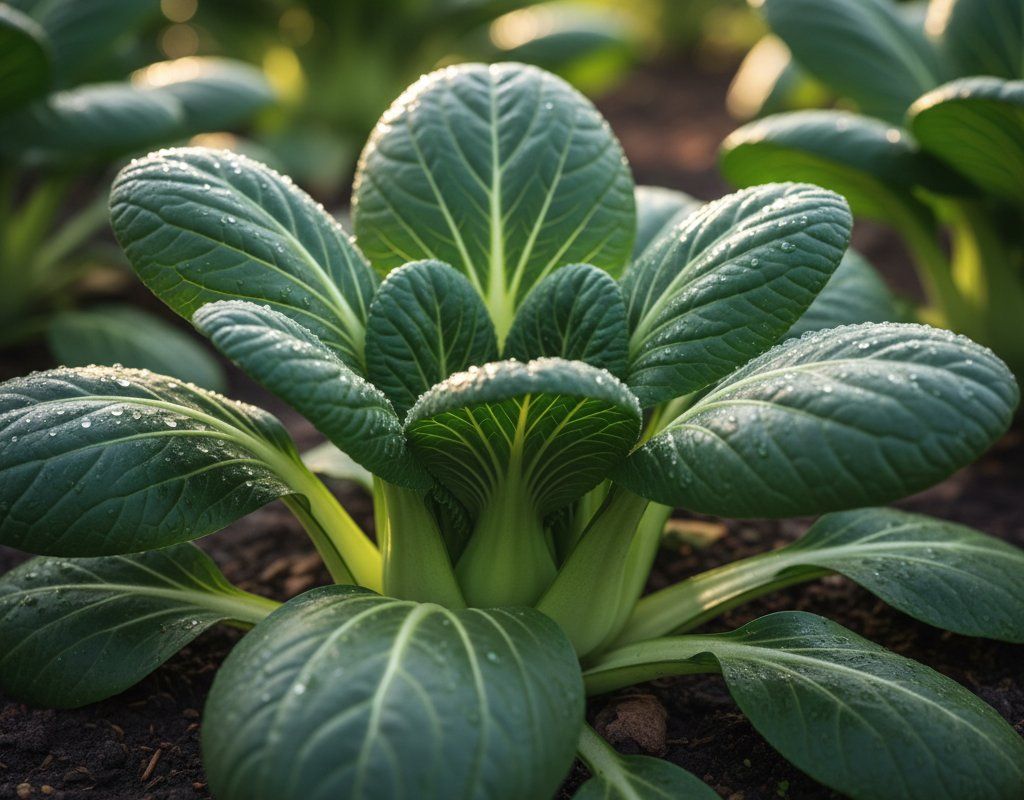
🥬Leafy Greens (9)



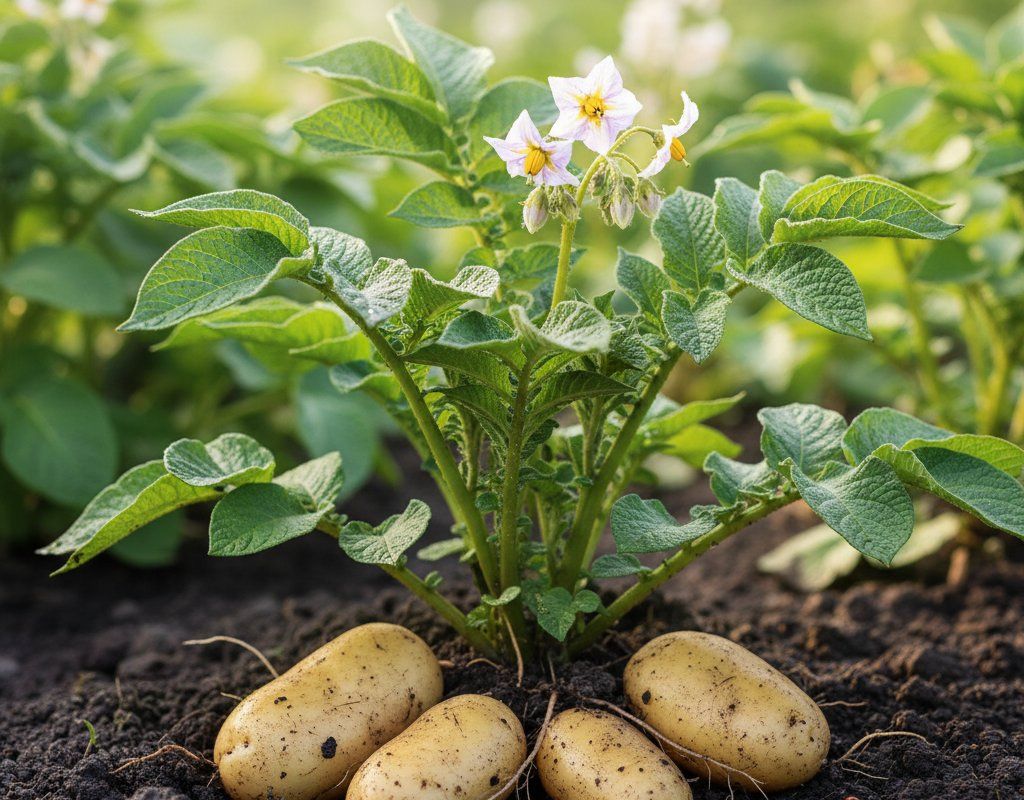
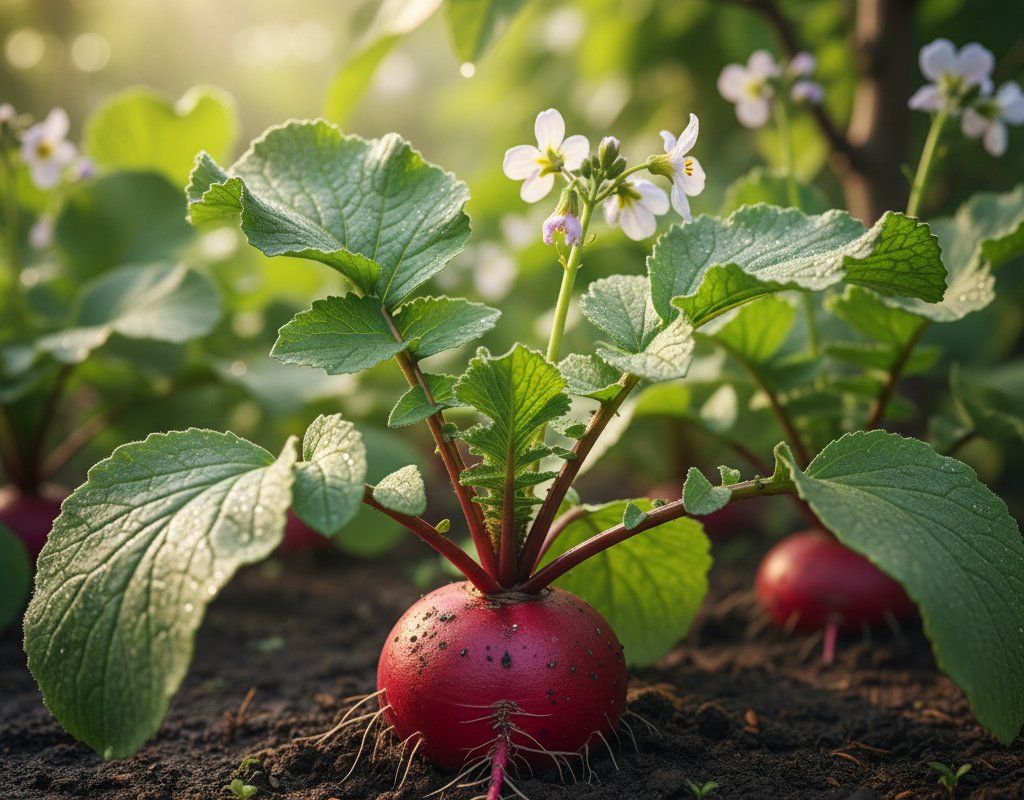
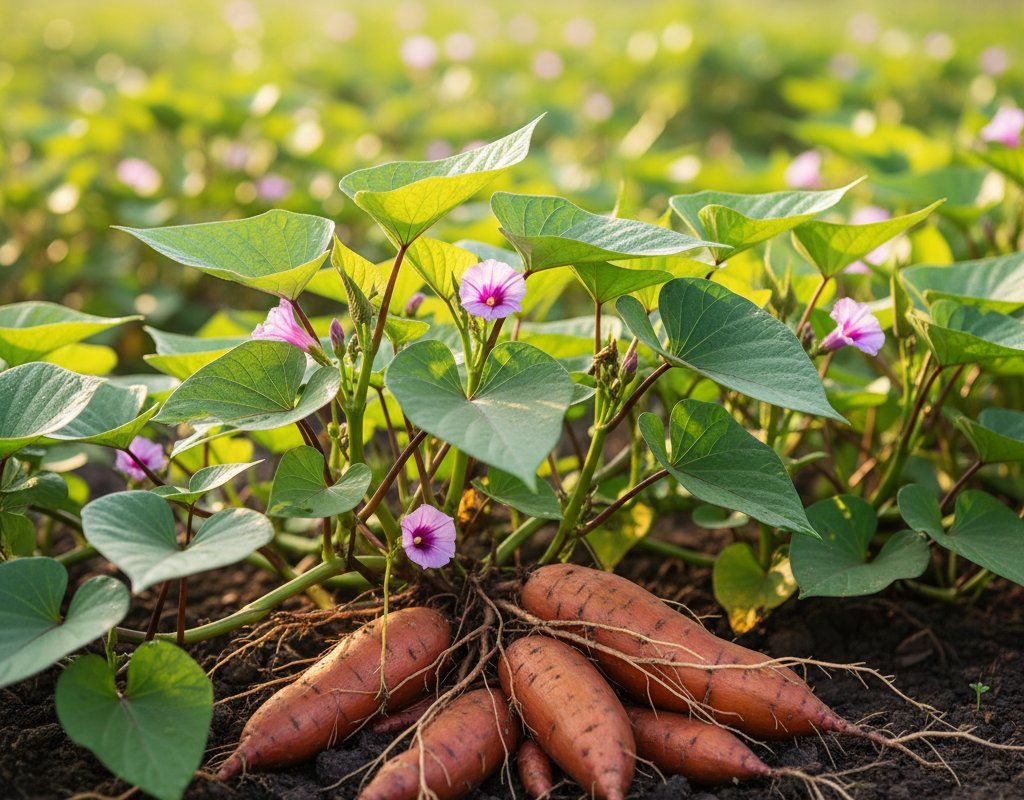
🥕Root Vegetables (5)


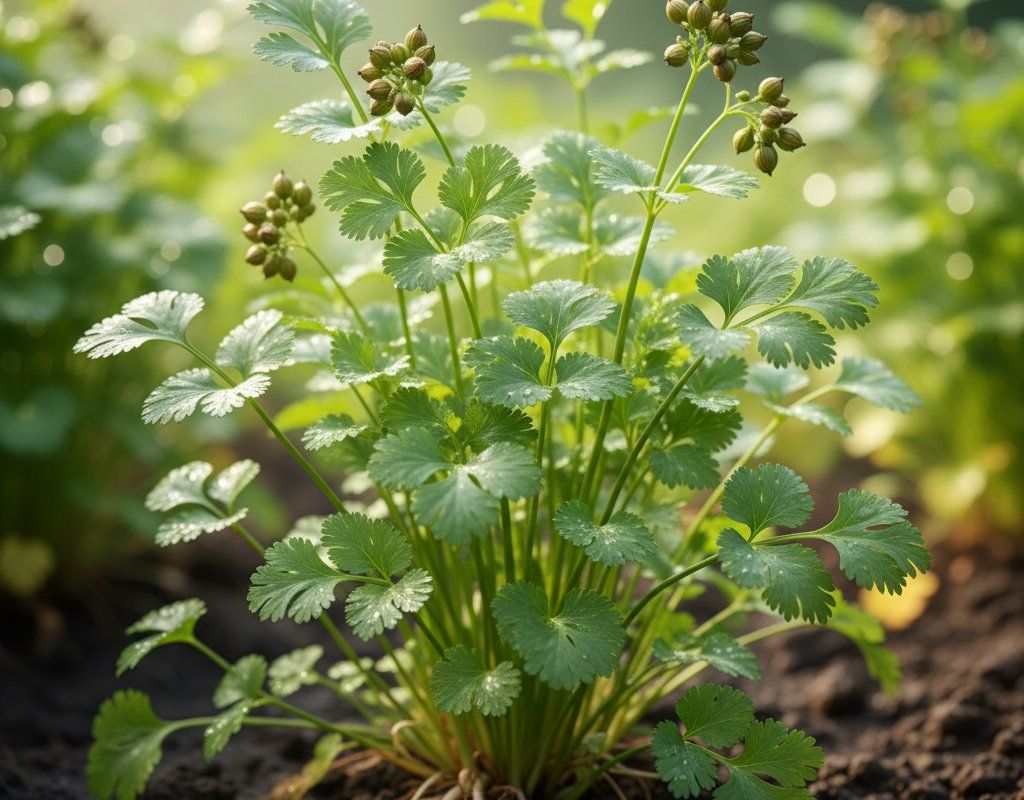
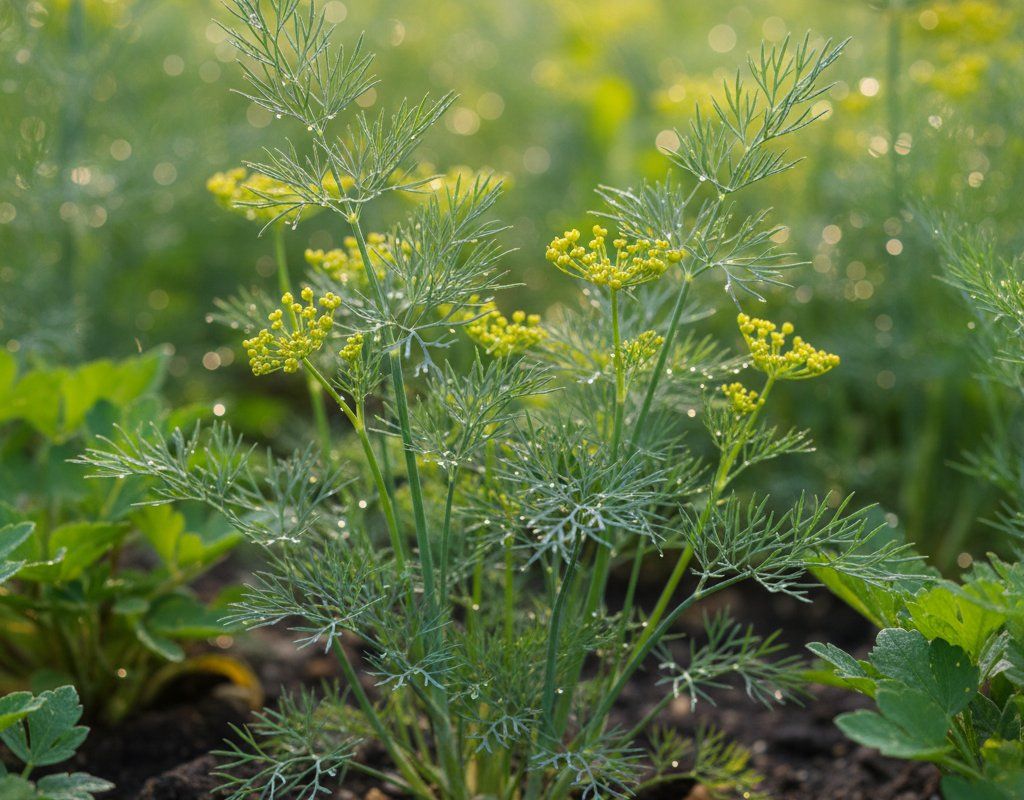
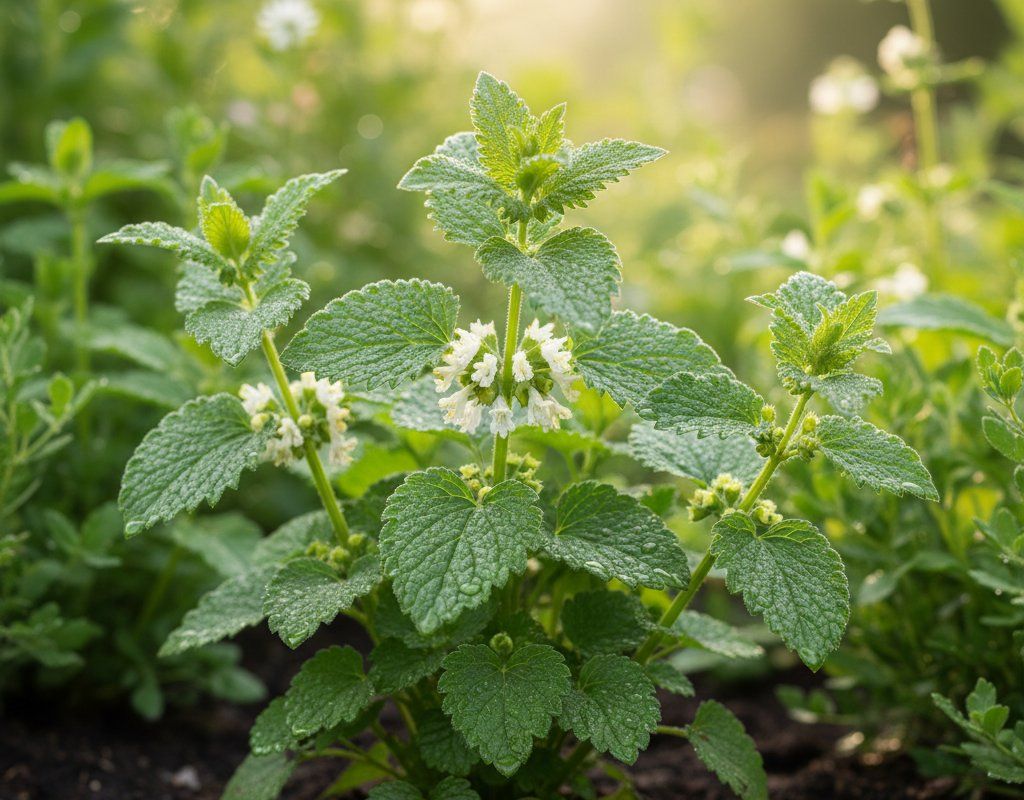
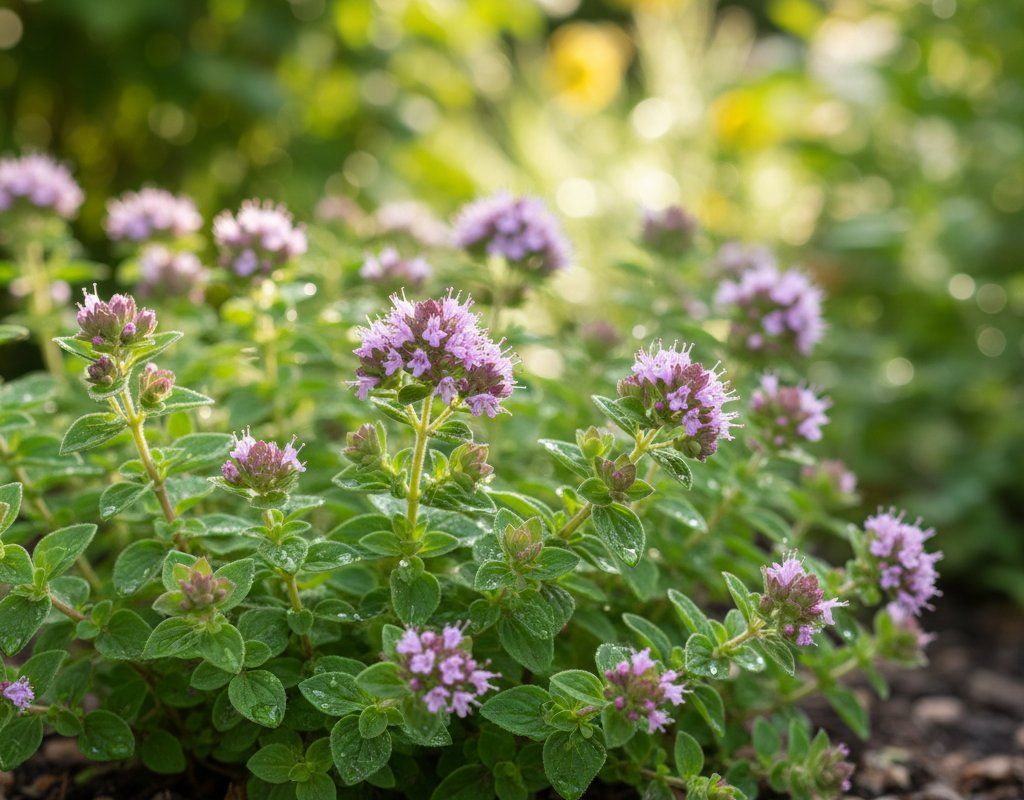
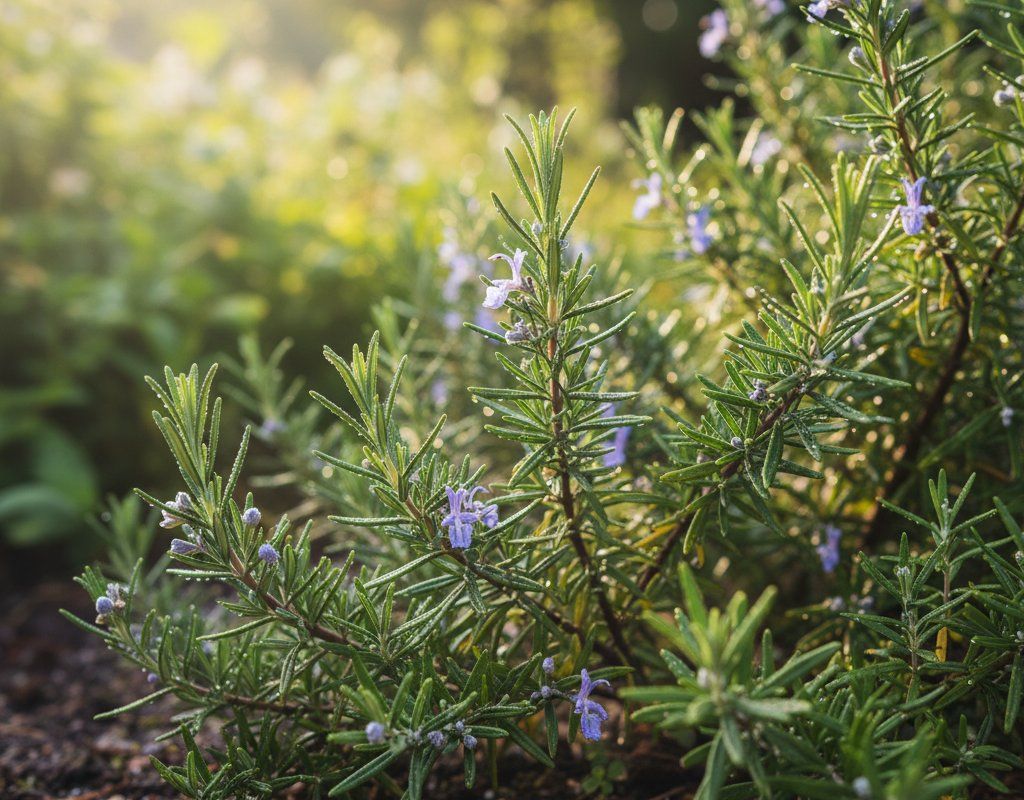
🌿Herbs (12)




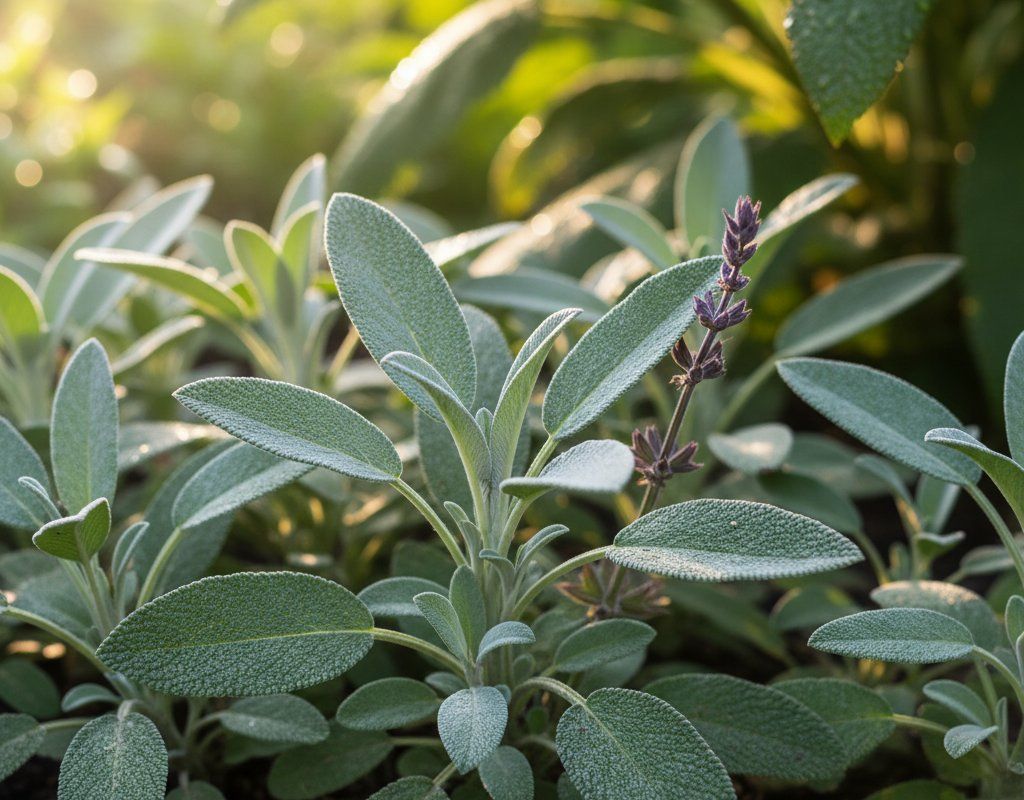



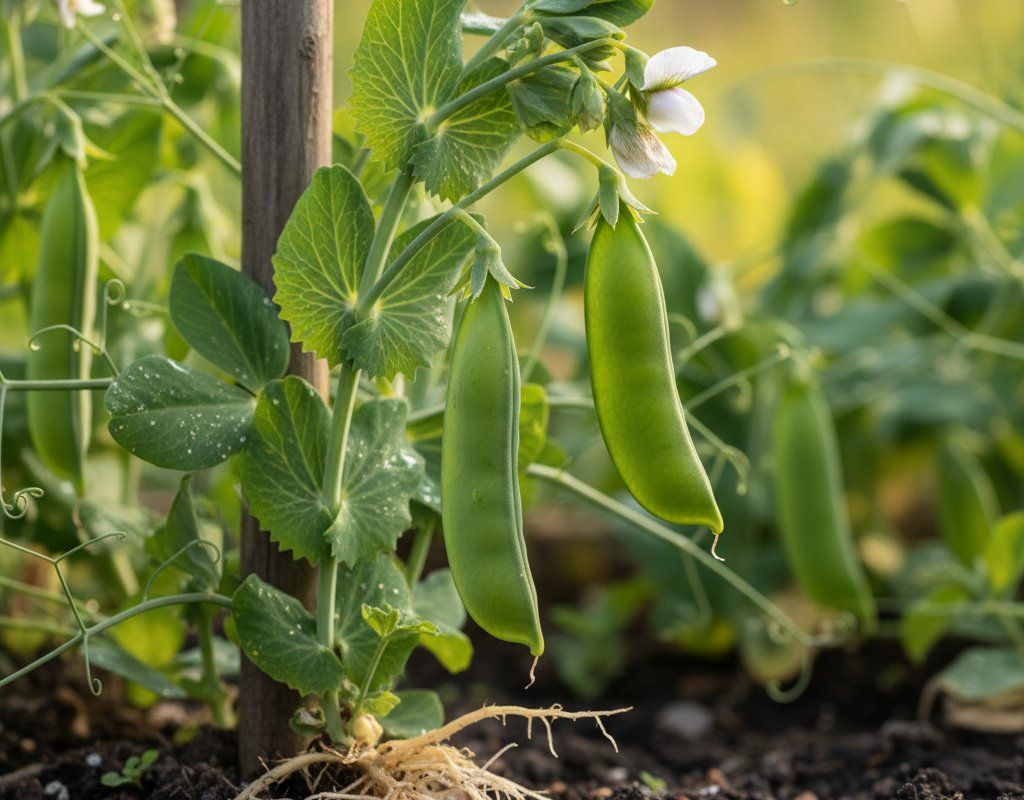
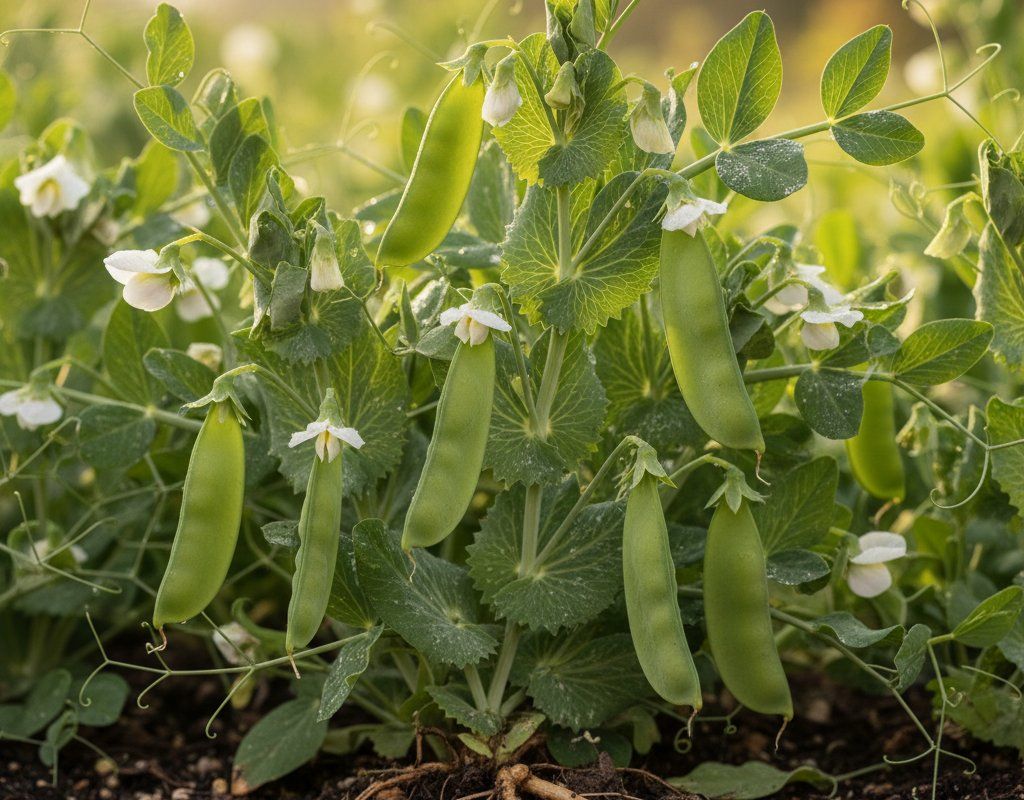
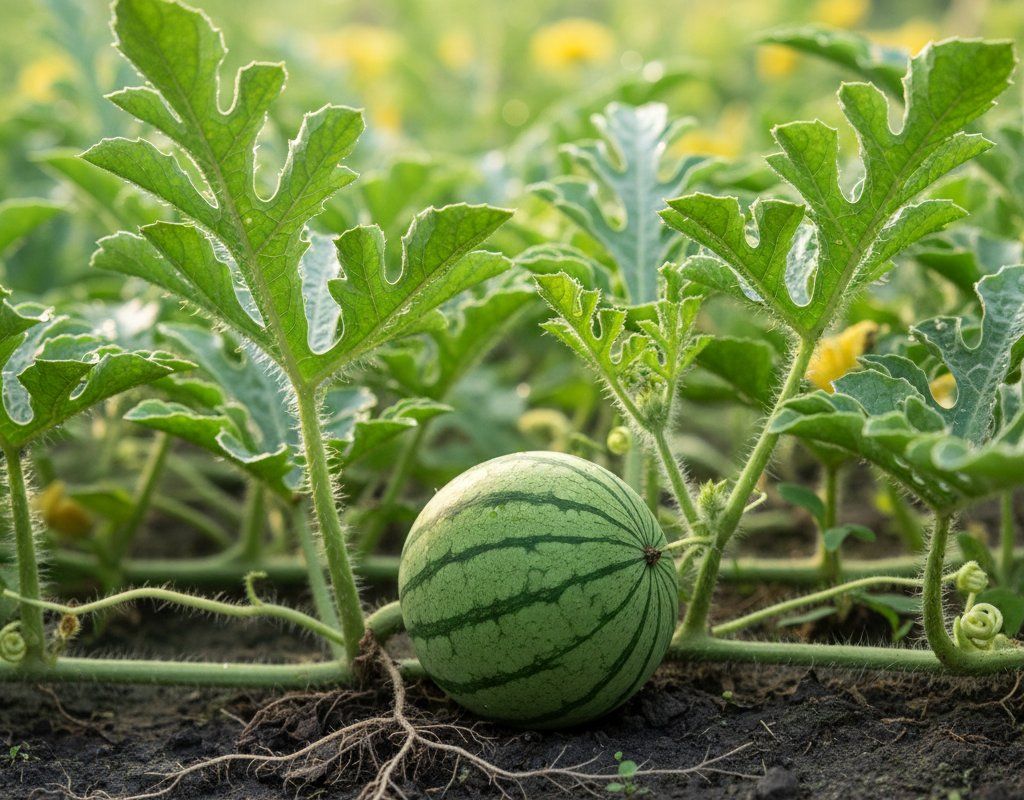
🍉Melons (2)
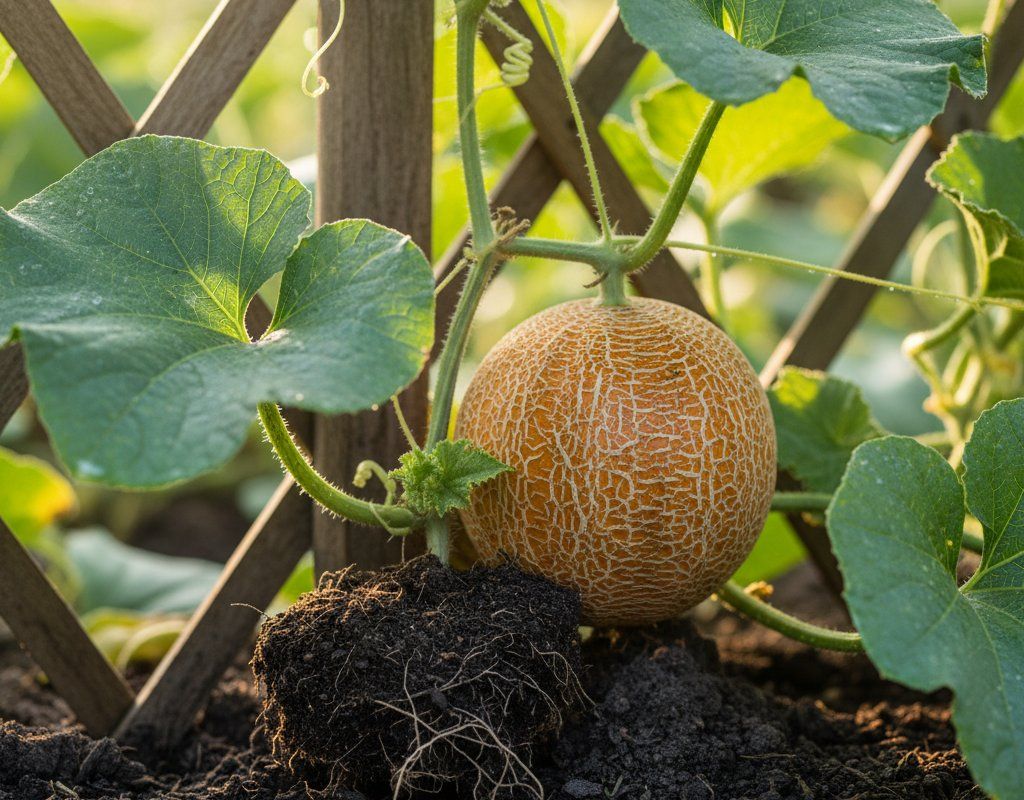
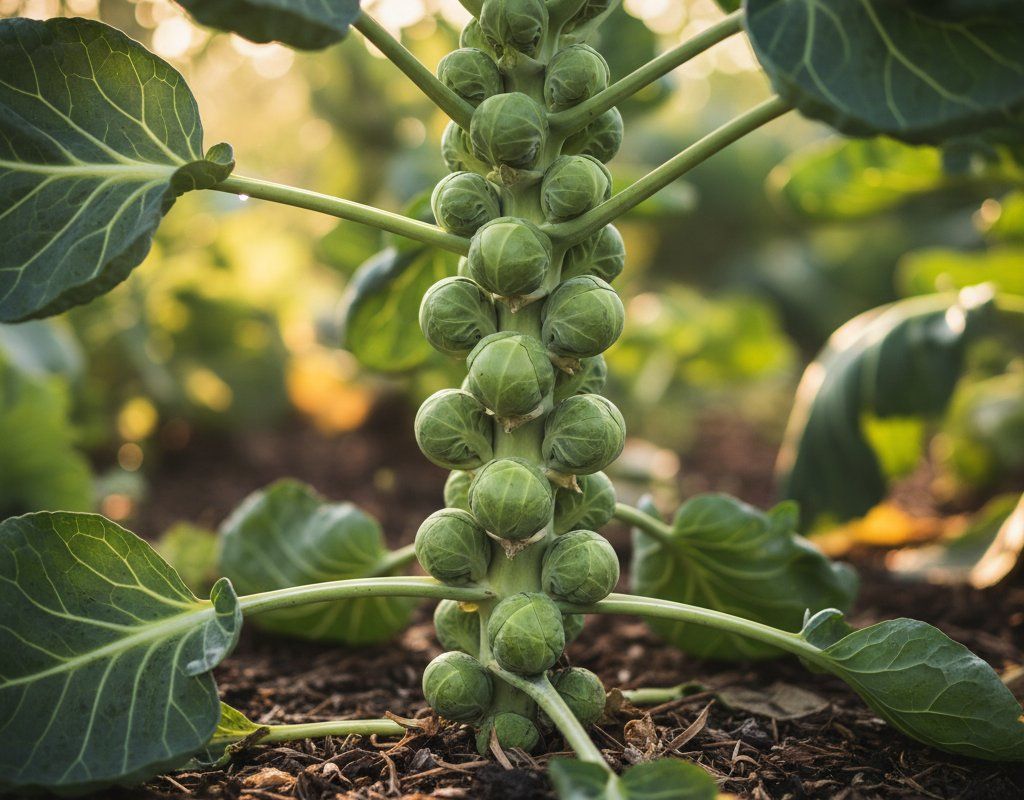
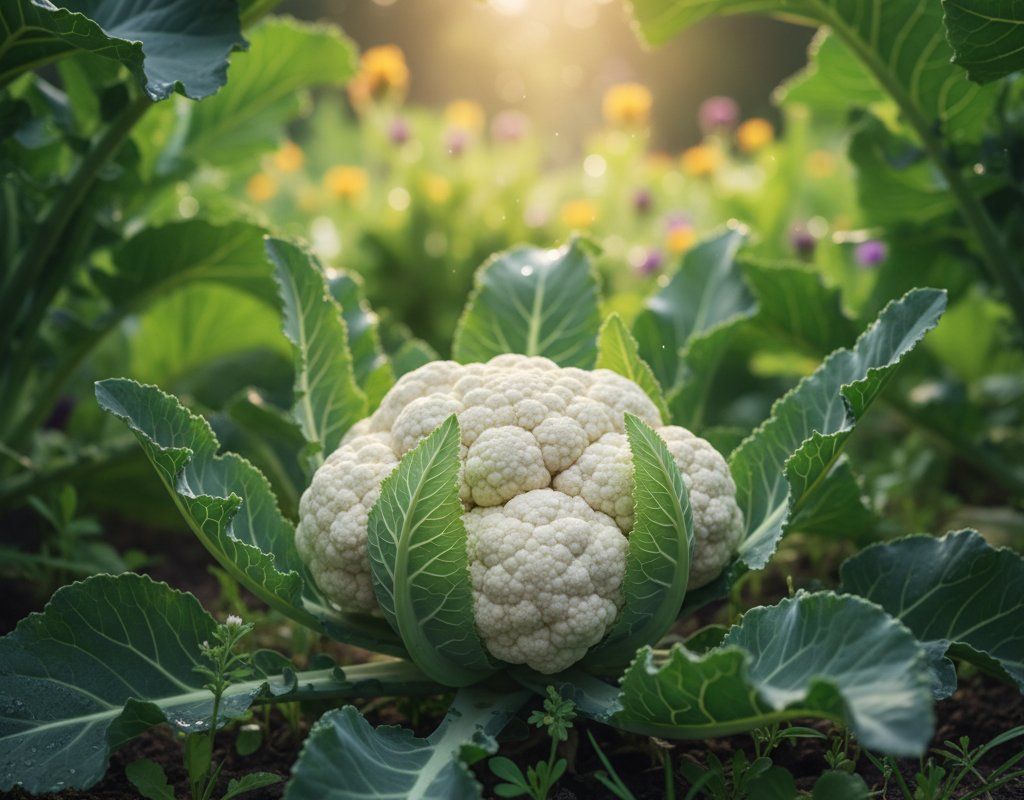
🥦Brassicas (6)


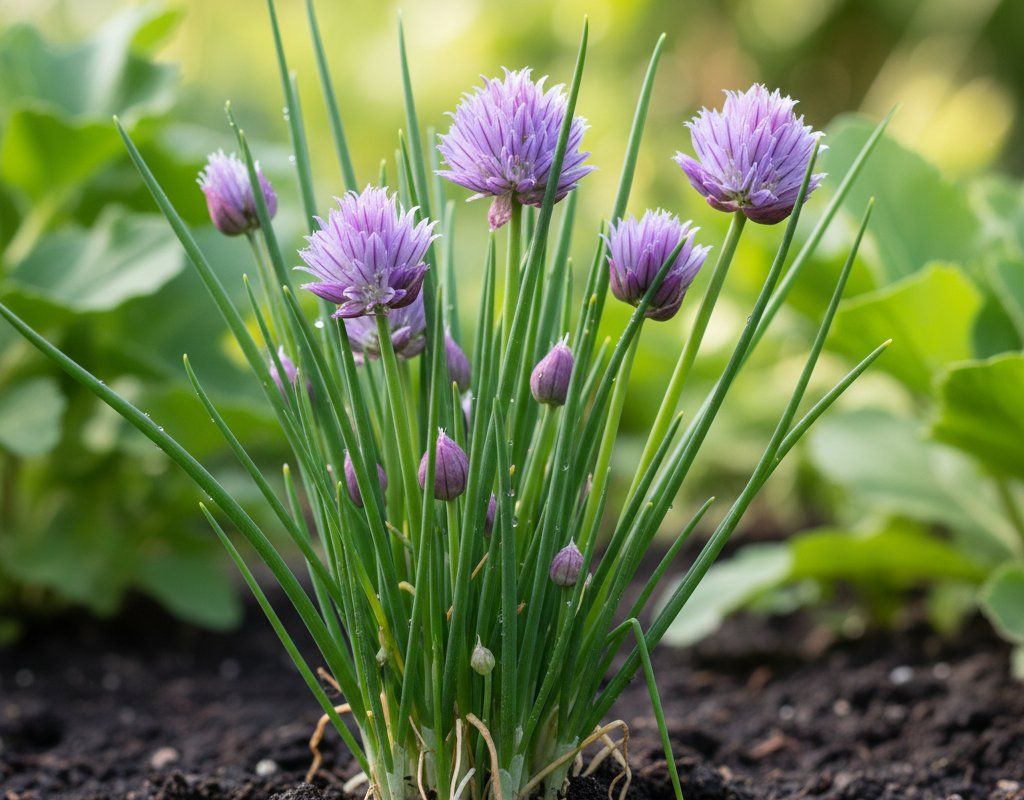
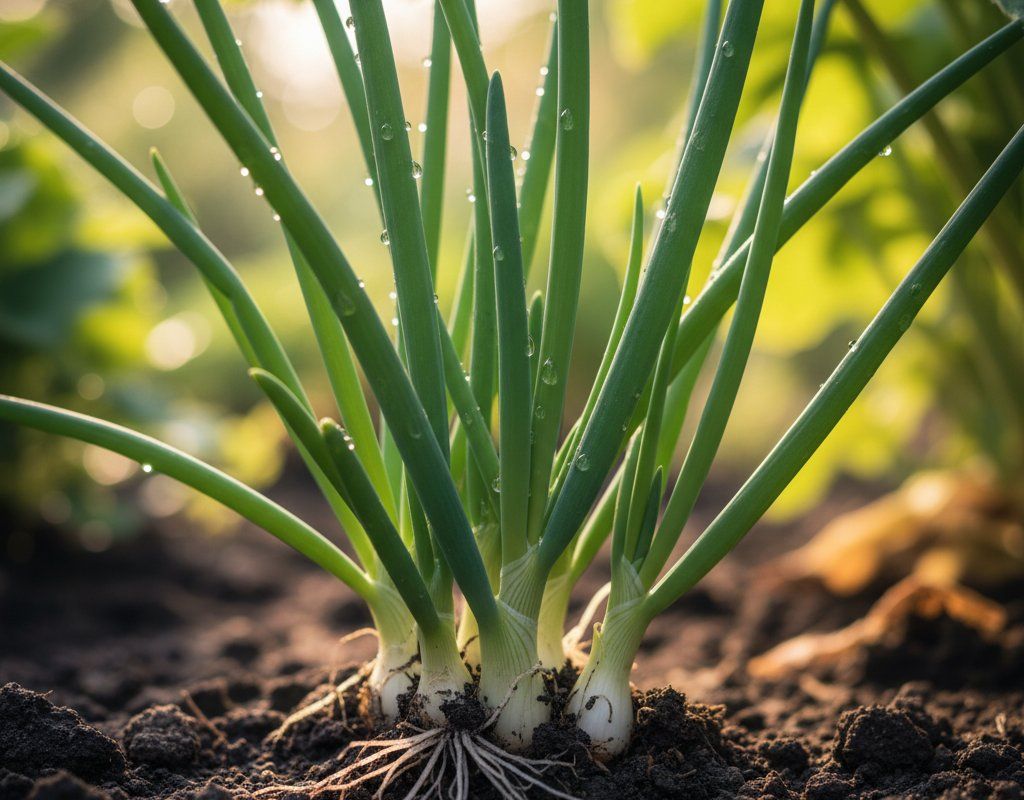
🧅Alliums (2)

🌽Grains (1)

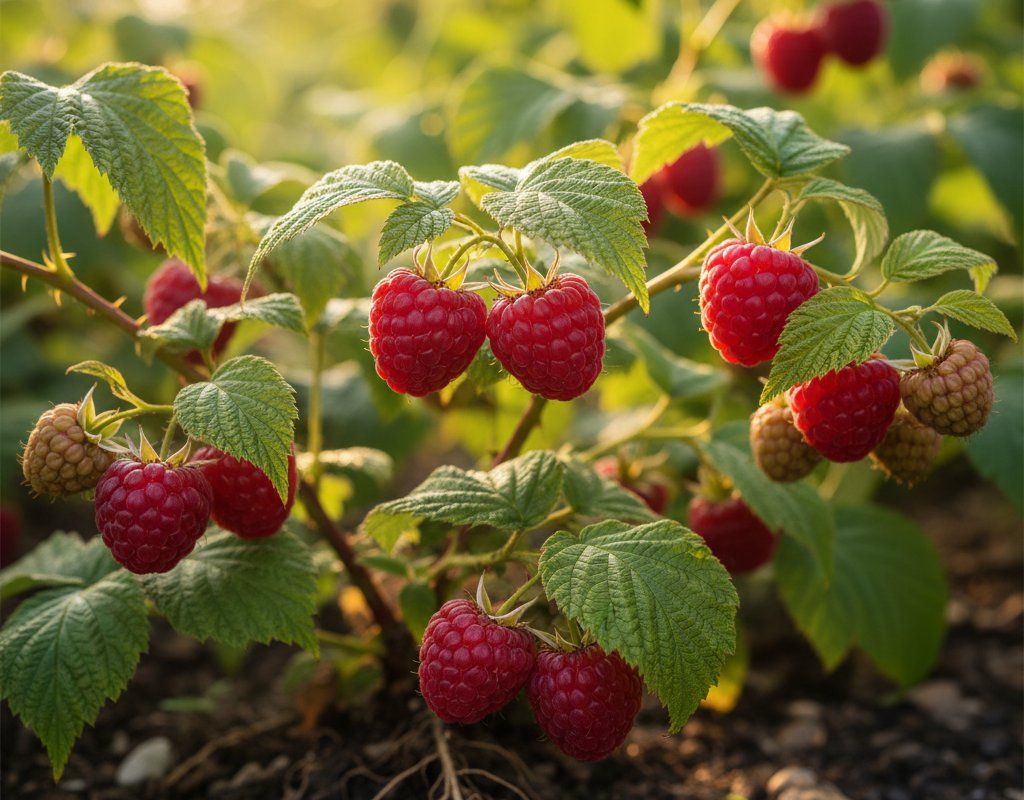
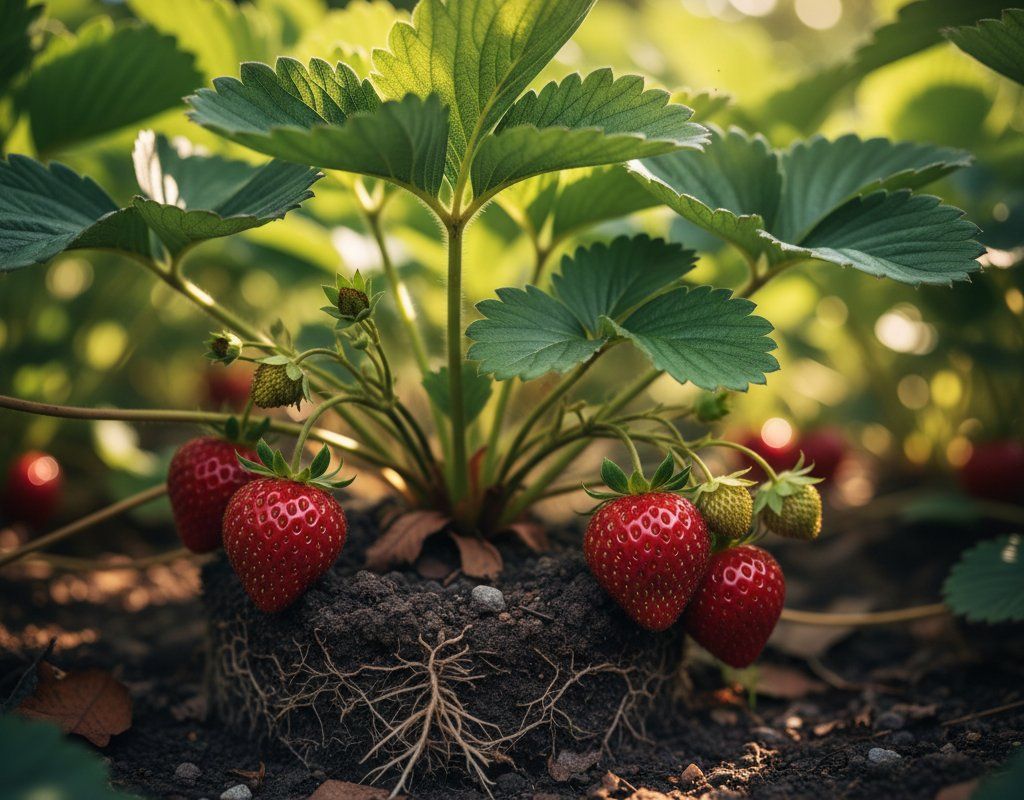
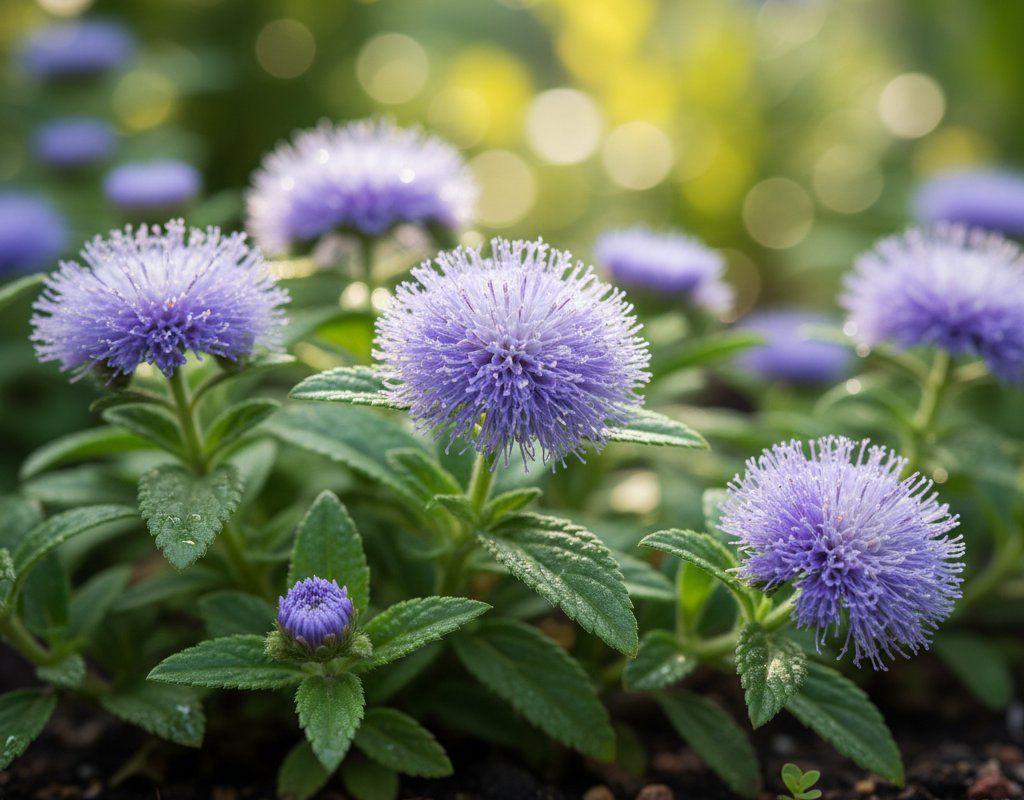
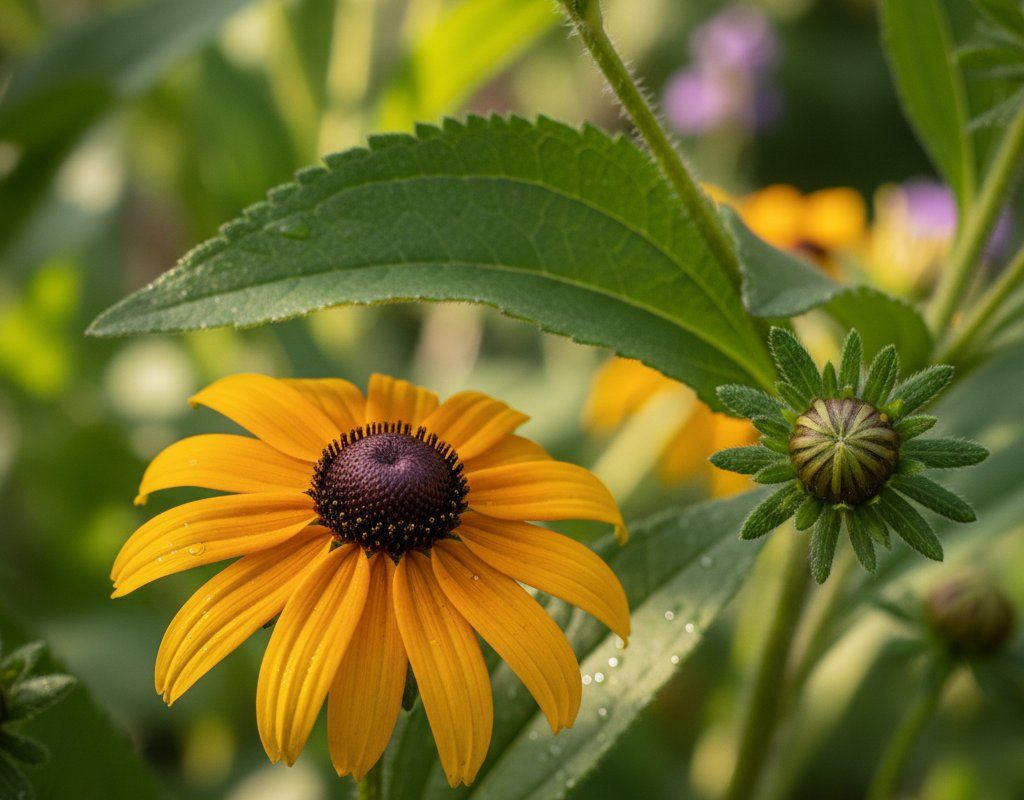
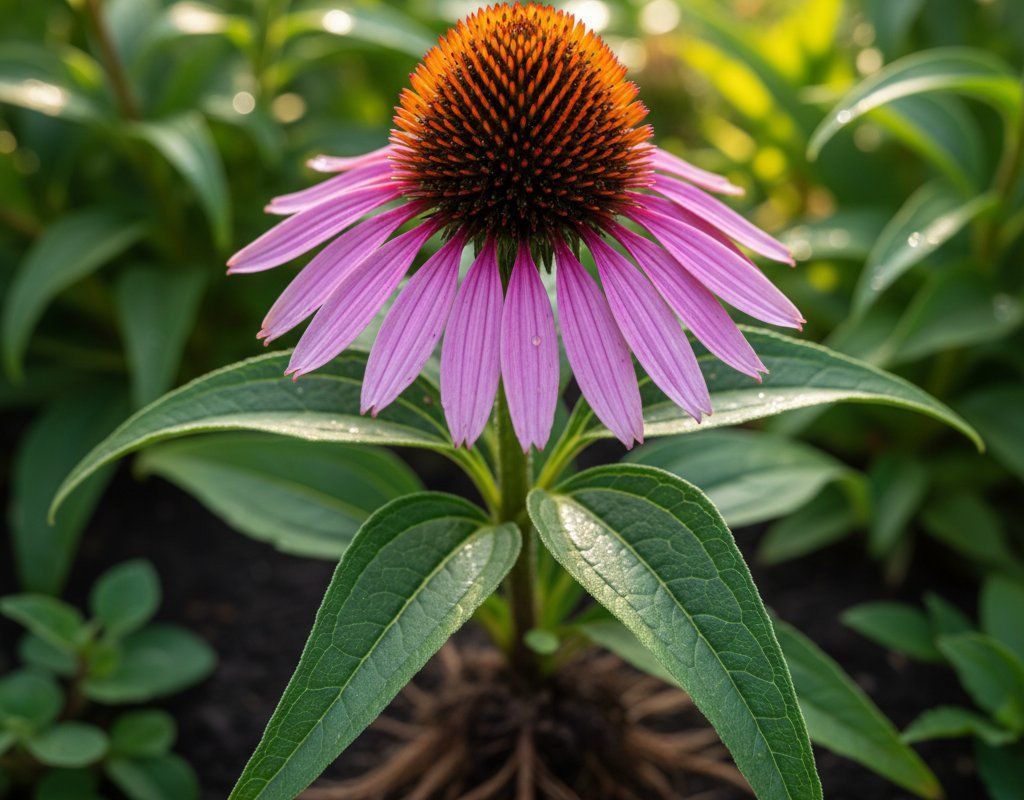
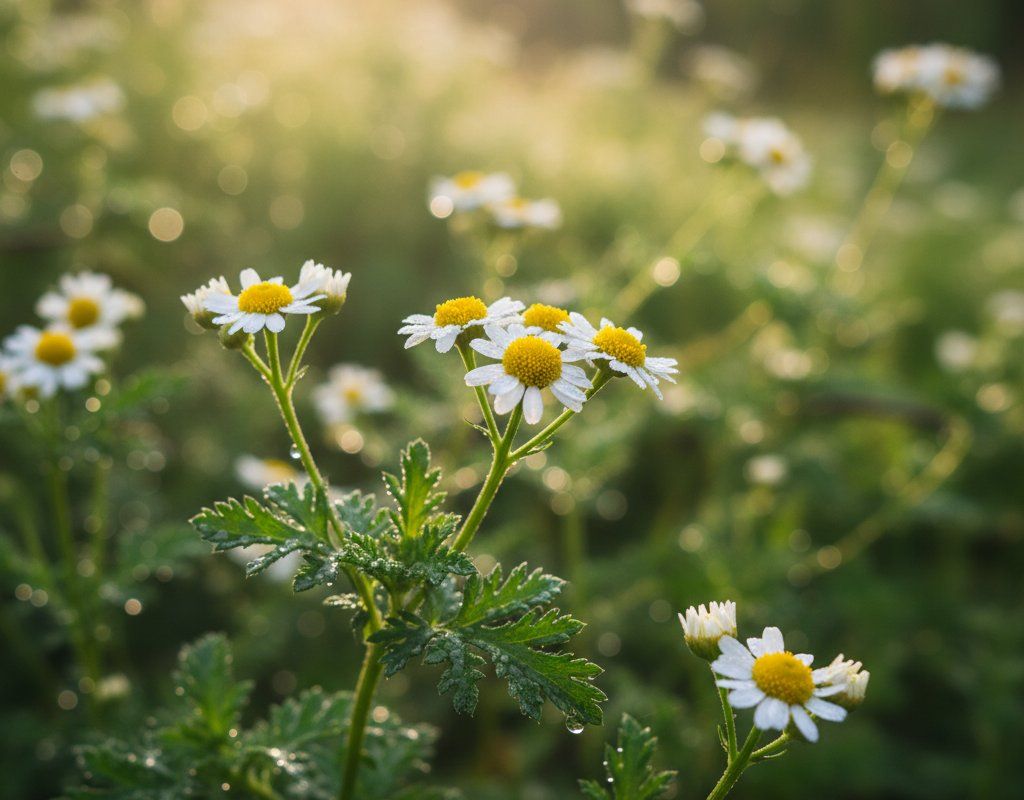
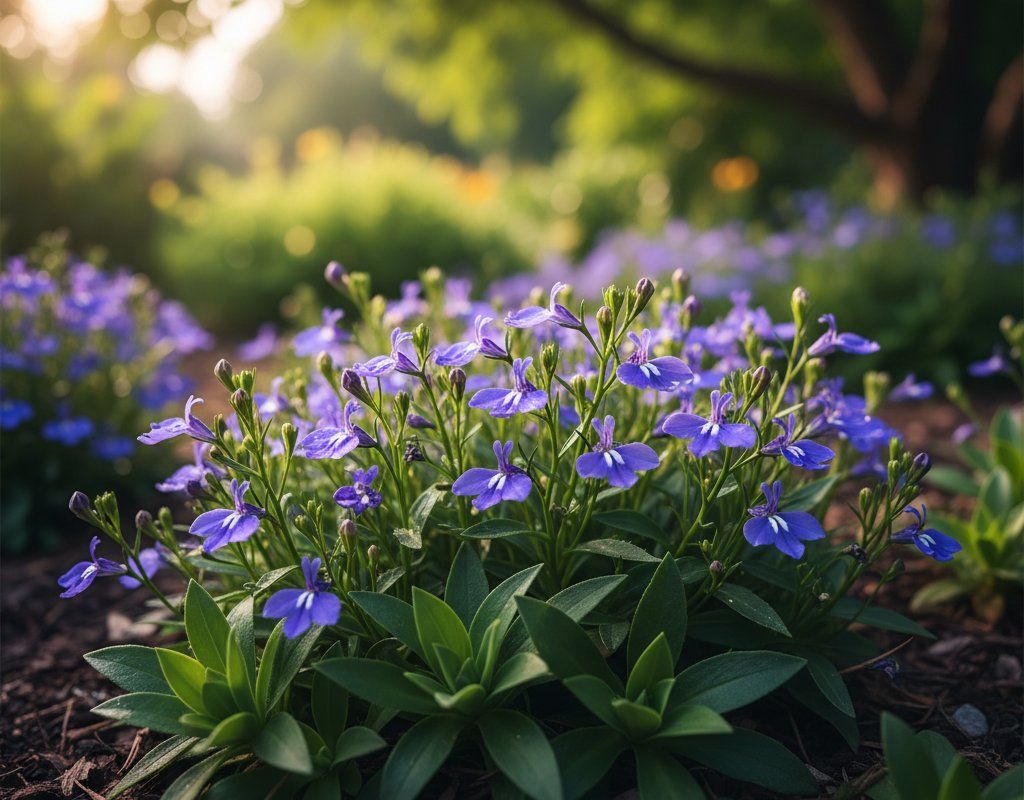
🌸Companion Flowers (20)















Month-by-Month Planting Calendar
What to do each month in your Zone 3B garden.
In January, Zone 3B gardeners are deep into winter planning mode. You'll want to inventory your seeds, review last season's garden journal, and start ordering seeds for your upcoming growing season. Consider mapping out your garden layout and researching cold-hardy varieties that can succeed in your challenging climate.
February is seed-starting preparation time. Begin setting up your indoor grow lights, gathering seed-starting trays, and calculating your seed-starting schedule based on your typical last frost date around early May. Start thinking about cold-tolerant vegetables like broccoli, kale, and early lettuce varieties.
As early March arrives, start seeds indoors for cool-season crops like broccoli, cauliflower, and cabbage. Prepare your seed-starting area with grow lights and heat mats, and begin monitoring soil temperatures for potential early outdoor plantings of peas and spinach.
April in Zone 3B means preparing for potential late frosts while getting cool-season crops ready. Start hardening off indoor-started seedlings, prepare garden beds by clearing winter debris, and be prepared to protect young plants if temperatures dip. Direct-seed cold-hardy crops like radishes and carrots.
May is your primary planting month. After your last frost, quickly transplant cold-tolerant seedlings and direct-seed warm-season crops like beans and corn. Use season extenders like wall-o-water for tomatoes and peppers to protect against potential cold snaps.
June is peak planting and establishment time. Finish transplanting warm-season vegetables, mulch to retain moisture, and start monitoring for early pest activity. Keep row covers handy in case of unexpected temperature drops.
July is your prime growing month. Focus on maintaining your garden, consistent watering, and monitoring for potential pest issues. Harvest early crops like peas and lettuce, and ensure your tomatoes and peppers are well-supported.
August means heavy harvesting and preservation. Can and freeze vegetables, collect seeds from mature plants, and start planning your fall garden. Watch for early signs of fall approaching and protect heat-loving crops.
In September, focus on harvesting remaining crops before first frost. Begin cleaning up garden beds, saving seeds, and preparing for winter. Plant garlic and consider cover crops for soil health.
October is preservation and cleanup month. Harvest remaining crops, clean and store garden tools, and protect any late-season plantings. Consider adding mulch to perennial beds for winter protection.
November means final garden winterization. Clean and store tools, protect sensitive perennial herbs, and review your garden journal. Reflect on this season's successes and challenges.
December is for garden dreaming and planning. Review seed catalogs, update your garden layout, and start thinking about next year's strategies. Maintain your gardening skills by caring for indoor plants and planning your upcoming season.
Common Challenges in Zone 3B (Midwest)
Zone 3B gives you about 130 frost-free days — slightly more than 3A, but still a tight window for warm-season crops like tomatoes and peppers. Spring arrives slowly, and soil warming lags behind air temperature by several weeks.
The biggest mistake new gardeners make here is transplanting too early based on a few warm days, only to lose plants to a late frost. Hailstorms during summer can damage crops quickly.
The flip side is that long summer daylight hours (15+ hours) drive fast growth once plants get established.
Season Extension Tips
Start seeds indoors 6-8 weeks before your last frost date to make the most of your short season. A simple cold frame — even a repurposed window over a raised bed — extends your growing season by 3-4 weeks in spring and fall.
Row covers rated to 28°F provide reliable overnight frost protection without needing to remove them daily. For tomatoes, consider using red plastic mulch, which reflects light up into the plant canopy and warms the root zone.
High tunnels are worth the investment if you want to grow melons, eggplant, or longer-season peppers.
Soil Preparation
Add compost in fall and cover beds with straw mulch or a cover crop of winter rye. In spring, pull back mulch 2-3 weeks early to let soil absorb sunlight and warm up.
Test soil pH — cold-climate soils often trend acidic, especially where conifer needles accumulate. Most vegetables prefer pH 6.0-7.0.
Raised beds 8-12 inches tall give you the warmest, best-draining soil. Work in bone meal for phosphorus and greensand for potassium if your soil test shows deficiencies.