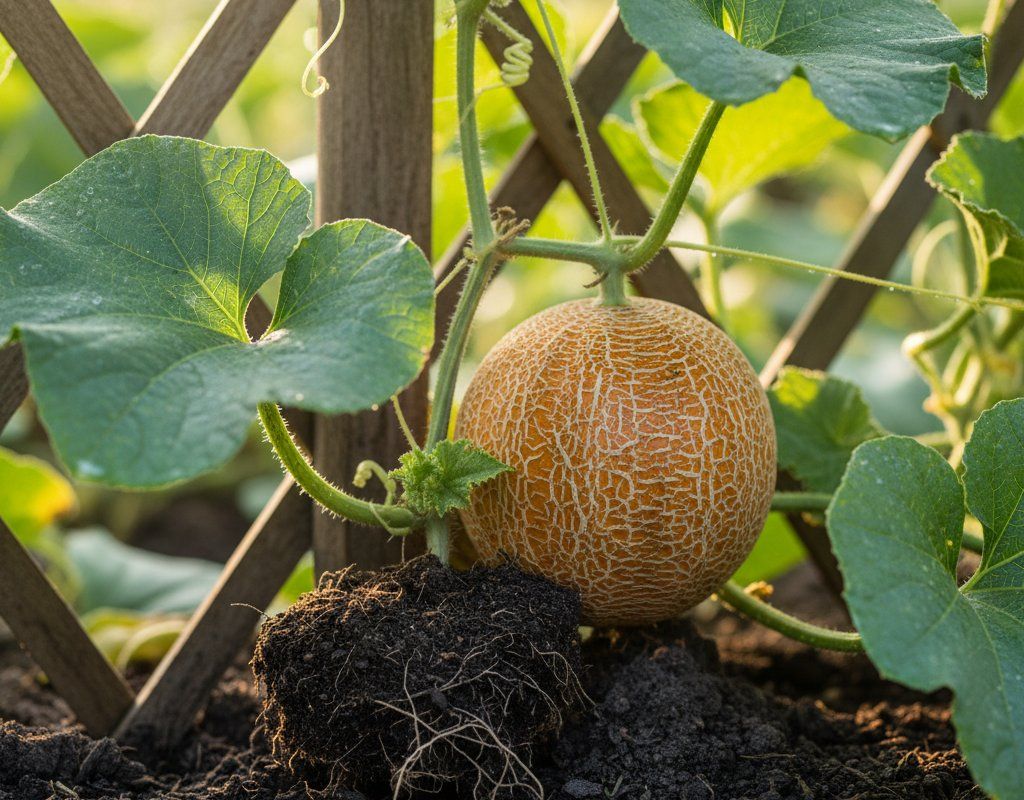
Cantaloupe in Zone 4B — Mountain West
Cucumis melo · Your Complete 2026 Planting Guide
Planning Ahead — Great!
You’re ahead of the season. Here’s when to start.
Mark Your Calendar
How to Plant Cantaloupe in Zone 4B — Mountain West
Here are all your options for getting cantaloupe in the ground, from the easiest method to more advanced approaches.
Direct Sow Seeds
RecommendedLate May through mid June
around May 29
Direct sow as soon as conditions allow.
Same as watermelon — needs warm soil, direct sow works in most zones.
Buy Starts
Works WellLate May through mid June
around May 29
Plant purchased starts after last frost (May 15).
Start Seeds Indoors
Works WellEarly to late May
around May 8
Then transplant: Late May through mid June
Start seeds 3-5 weeks before transplanting outdoors.
Transplant Outdoors
Timing InfoLate May through mid June
around May 29
Wait until nighttime temperatures stay above 50°F.
Plan to transplant within a few weeks of your target date.
Overview
Growing cantaloupe in our Mountain West climate delivers exceptional sweetness that makes the effort worthwhile. The intense high-altitude sun combined with our cool nights creates ideal conditions for sugar development, producing melons with concentrated flavor that puts store-bought varieties to shame. These heat-loving vines thrive in our dry air where fungal diseases struggle to take hold.
Our 128-day growing season gives cantaloupe just enough time to mature if you time the planting right. The key is working with our late spring warmup and protecting from our early fall frost. While cantaloupe demands warm soil and consistent water in our dry climate, the payoff of vine-ripened melons in late summer makes it a worthy challenge for Mountain gardeners.
Starting Seeds Indoors
Starting cantaloupe seeds indoors isn't the preferred method, but it can give you a head start if you're worried about our short season. Start seeds from early to late May, about 3 weeks before you plan to transplant outdoors. This timing works because our spring stays cool longer than lower elevations.
Set up seed trays in a warm spot (70-80°F) with good light or grow lights. Bottom watering works best for melon seeds since it prevents damping-off and keeps the soil evenly moist. The seedlings will be ready to transplant when they have 2-3 true leaves, which coincides nicely with our soil warming up in late May.
Keep in mind that cantaloupe hates root disturbance, so use biodegradable pots if starting indoors. Many Mountain gardeners find direct sowing more reliable since the plants establish stronger root systems without transplant shock.
Transplanting Outdoors
Transplant cantaloupe seedlings outdoors from late May through mid-June, once soil temperatures consistently reach 65°F and nighttime lows stay above 50°F. Our intense UV requires a careful hardening-off process - start with just 1-2 hours of morning sun and gradually increase exposure over a full week.
Space transplants 36-48 inches apart to account for their sprawling vine habit and to ensure good air circulation in our dry climate. Plant on slightly raised mounds to improve drainage and help soil warm faster. Our alkaline soil benefits from working in some compost at planting time.
Watch the weather closely during transplant season since late cold snaps can still hit the Mountain West through early June. Have row covers ready to protect young transplants if temperatures threaten to drop below 50°F overnight.
Direct Sowing
Direct sowing is the recommended method for cantaloupe in our region since these vines establish stronger root systems without transplant shock. Sow seeds from late May through mid-June when soil temperature reaches at least 65°F - use a soil thermometer to be sure since our high-altitude soils warm slowly.
Prepare the planting area by working compost into our typically alkaline soil and creating slightly raised mounds for better drainage and heat absorption. Plant 3-4 seeds per mound, spacing mounds 36-48 inches apart. The wide spacing accounts for the vines' sprawling growth and helps prevent disease issues in our low humidity climate.
Our intense mountain sun can scorch seedlings, so consider providing light shade cloth (30%) for the first two weeks after germination. Once established, remove protection so plants get full sun exposure needed for fruit development and sugar production.
Watering Cantaloupe in Zone 4B (Mountain West)
Cantaloupe has high water needs that require careful management in our dry Mountain climate. These vines need about 1-1.5 inches of water weekly, but our 10-20 inches of annual rainfall means you'll be supplementing significantly. Deep, infrequent watering works best - aim for 2-3 thorough sessions per week rather than daily light watering.
Check soil moisture with the finger test, pushing down 2 inches near the base of plants. In our low humidity and intense sun, soil dries quickly even at altitude. Water at the base of plants rather than overhead since our dry air makes foliar diseases less of a concern, and ground-level watering conserves moisture longer.
Watch for signs of stress in our challenging conditions. Wilting in mid-afternoon heat (even at our moderate 85°F highs) often indicates insufficient water, while yellowing leaves and slow growth suggest overwatering. Our alkaline soils can create drainage issues, so ensure water penetrates deeply rather than running off.
The most critical watering tip for cantaloupe: stop watering completely 5-7 days before harvest. This concentrates sugars and prevents watery, bland fruit. A 2-3 inch mulch layer helps retain moisture during the growing season while keeping roots cool in our intense UV environment.
🧪Fertilizing Cantaloupe
Feeding Schedule
Organic Fertilizer Options
Harvest Time
Your first cantaloupe harvest typically arrives from mid-August through mid-September, about 80 days after planting. In our Mountain growing season, this timing works perfectly since you'll finish harvesting before our mid-September frost risk increases significantly.
Ripe cantaloupe shows fully developed netting across the skin and easily separates from the vine with gentle pressure - this is called "slipping." You'll also notice a sweet, musky aroma at the blossom end when the fruit is ready. Unlike some melons, cantaloupe won't continue ripening once picked, so timing is crucial.
Harvest in the morning when temperatures are cooler and sugar content is highest after our chilly mountain nights. Cut the stem with clean pruners if the fruit doesn't slip easily, but true ripeness means minimal effort to separate it from the vine.
As our first frost approaches in mid-September, watch the weather forecast closely. Harvest any nearly-ripe melons before temperatures drop below 32°F, though they won't develop full sweetness if picked too early. Our short season means every day counts for final ripening.
Common Problems in Zone 4B (Mountain West)
Powdery Mildew appears as white or grayish powdery coating on leaves and stems, eventually causing leaves to yellow and die. Our Mountain conditions with warm days, cool nights, and dry air actually favor this fungal disease since it thrives on dry leaf surfaces. Improve air circulation with proper spacing, remove affected leaves immediately, and apply neem oil or milk spray (1 part milk to 9 parts water) weekly. Our low humidity helps treatments stick and work effectively.
Aphids cluster as tiny green, black, or white insects on stems and leaf undersides, leaving sticky honeydew residue and causing curled growth. These sap-suckers multiply rapidly in warm weather and are attracted to the nitrogen-rich growth common in our alkaline soils. Blast them off with strong water spray, encourage natural predators like ladybugs, or use insecticidal soap for heavy infestations. Our intense UV helps dry out their soft bodies once they're exposed.
Poor Sweetness results in bland, watery melons despite proper appearance. This often comes from overwatering near harvest time or insufficient heat accumulation in our shorter season. Stop watering 5-7 days before harvest, ensure plants get full sun exposure, and wait for proper ripeness indicators. Our cool nights actually help with sugar development, but the fruit needs adequate time to concentrate those sugars.
Mountain West Specific Challenges: Our intense UV can stress plants if they lack adequate water, while our alkaline soil can lock up nutrients needed for fruit development. The combination of hot days and cold nights creates ideal conditions for powdery mildew, making good air circulation essential. Hail storms can devastate vines in minutes - consider row covers during storm season.
Best Companions for Cantaloupe
Plant these nearby for healthier Cantaloupe and better harvests.


Keep Away From
Companion Planting Details
Corn makes an excellent companion for cantaloupe in our Mountain gardens, providing afternoon shade that protects melons from our intense UV while the sprawling vines suppress weeds around corn stalks. Sunflowers work similarly, offering wind protection and partial shade while their deep roots don't compete with the melon's surface feeding roots. Plant lettuce and other cool-season greens nearby in early season - they'll be harvested before the melon vines need that space, and their shallow roots complement the melons' deeper feeding zone.
Avoid planting cantaloupe near potatoes, which can harbor similar pests and compete for nutrients in our alkaline soil. Keep cucumbers and other melons well separated since they can cross-pollinate and share diseases like powdery mildew, which already challenges us in our Mountain climate conditions.
🌸Best Flowers to Plant with Cantaloupe
These flowers protect your Cantaloupe from pests and attract pollinators for better harvests.


Get a Reminder When It's Time to Plant
We'll email you when key planting windows open for your zone.