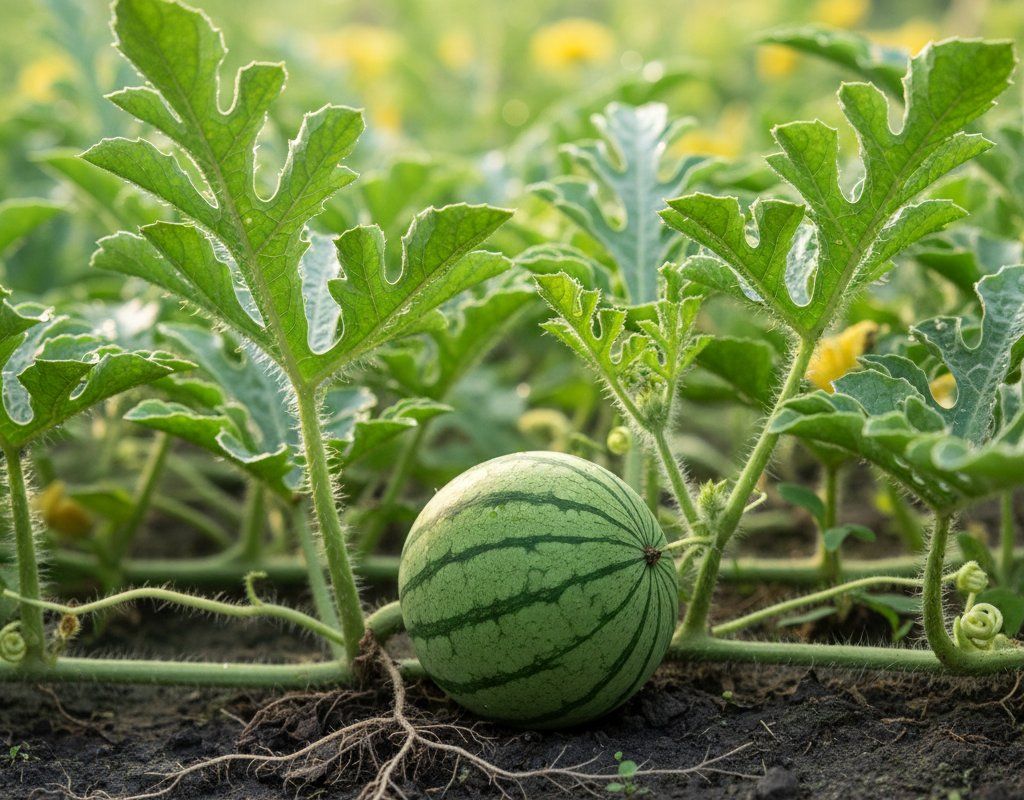
Watermelon in Zone 4B — Mountain West
Citrullus lanatus · Your Complete 2026 Planting Guide
Planning Ahead — Great!
You’re ahead of the season. Here’s when to start.
Mark Your Calendar
How to Plant Watermelon in Zone 4B — Mountain West
Here are all your options for getting watermelon in the ground, from the easiest method to more advanced approaches.
Direct Sow Seeds
RecommendedLate May through mid June
around May 29
Direct sow as soon as conditions allow.
Needs warm soil. Direct sow works in zones 6+. Start indoors in colder zones.
Buy Starts
Works WellLate May through mid June
around May 29
Plant purchased starts after last frost (May 15).
Start Seeds Indoors
Works WellEarly to late May
around May 8
Then transplant: Late May through mid June
Start seeds 3-5 weeks before transplanting outdoors.
Handle seedlings carefully — melons resent root disturbance.
Transplant Outdoors
Timing InfoLate May through mid June
around May 29
Wait until nighttime temperatures stay above 50°F.
Plan to transplant within a few weeks of your target date.
Overview
Growing watermelon in our Zone 4B Mountain West region delivers some of the sweetest, most flavorful fruit you'll ever taste. Those cool nights we're famous for concentrate the sugars while our intense high-altitude sun powers robust growth during the day. There's nothing quite like slicing into a homegrown melon that ripened under our brilliant mountain skies—the flavor difference from store-bought is remarkable.
Our 128-day growing season gives us just enough time if we work with the rhythm of our late spring start and early fall frost. Yes, watermelons need heat and time, but our intense UV radiation and temperature swings actually work in our favor once you understand the timing. The key is embracing direct sowing when soil temperatures cooperate rather than fighting our mountain climate.
Starting Seeds Indoors
Starting watermelon seeds indoors makes sense if you want to push your luck with our short season, but it's not the primary method I'd recommend here. If you choose this route, start seeds early to late May, about three weeks before your planned transplant date. Our late spring character means soil won't be warm enough for transplanting until late May anyway.
Use seed-starting trays in a warm spot—watermelon seeds need soil temperatures around 70°F to germinate well. Bottom watering works best to keep seedlings from getting leggy, and they'll need strong light once they emerge. In our intense mountain sun environment, you'll want to harden them off gradually over a full week before transplanting.
Handle watermelon seedlings with extreme care since they absolutely hate root disturbance. Use biodegradable pots that can go directly into the ground, or peat pellets that break down naturally. Even slight root damage can set plants back weeks in our already short season.
Transplanting Outdoors
Transplant your watermelon seedlings outdoors from late May through mid-June, but only after soil temperatures hit 65°F consistently. Our mountain nights can still dip surprisingly cold even into early June, so don't rush this timing. Wait for that stable warm spell when nighttime temperatures stay above 50°F.
Space transplants 72 to 96 inches apart—these vines will sprawl extensively in our intense sun. The wider spacing also helps with air circulation, which matters in our low-humidity environment where plants can struggle with heat stress despite our moderate-at-altitude temperatures. Harden off seedlings over a full week, gradually increasing their outdoor exposure to adjust to our UV intensity.
Watch for late season cold snaps that can still surprise us in early June. Keep row covers handy for those unexpected temperature drops that can shock newly transplanted melons. Once they're established though, they'll love our sunny, dry conditions.
Direct Sowing
Direct sowing is absolutely the way to go for watermelons in our mountain climate. Sow seeds directly from late May through mid-June when soil temperatures reach 65°F and stay there—usually about two weeks after our average last frost. Our warm, well-draining mountain soils are perfect for this approach once they heat up.
Prepare your planting area by working compost into the soil and checking that drainage is excellent. Space seeds or small groups of seeds 72 to 96 inches apart—trust me on this spacing, even though it seems excessive. These vines will easily cover 20 square feet each in our intense sunlight. Plant seeds about 1 inch deep and keep the soil consistently moist until germination, which takes 7-10 days in warm soil.
The beauty of direct sowing here is that plants never experience transplant shock, which is crucial in our short 128-day season. Seeds planted directly adapt immediately to our unique combination of hot days, cool nights, and low humidity. Plus, you avoid the root disturbance that watermelons despise, giving them the best start possible in our challenging but rewarding mountain environment.
Watering Watermelon in Zone 4B (Mountain West)
Watermelons are absolutely thirsty plants, and our dry mountain climate with only 10-20 inches of annual rainfall means you'll be their primary water source. During active growth and fruit development, they need about 1-2 inches per week, delivered deeply and consistently. In our low-humidity environment, plants lose moisture quickly through their large leaves, especially during our intense midday sun.
Water at the base of plants rather than overhead—our dry air means foliar diseases are less of a concern than in humid climates, but ground-level watering is still more efficient. Use the finger test: stick your finger 2 inches into the soil near the plant base. If it's dry at that depth, it's time to water deeply. During peak summer heat, even at our moderate 85°F highs, the combination of intense UV and low humidity means daily checking becomes essential.
Watch for signs of water stress: leaves wilting during the hottest part of the day (normal), but staying wilted into evening (problem). Overwatering shows up as yellowing leaves and poor fruit development. In our well-draining mountain soils, overwatering is less common than underwatering, but clay pockets can create soggy conditions that melons hate.
About two weeks before harvest—usually early September here—reduce watering significantly. This concentrates the sugars and prevents bland, watery fruit. A light mulch of grass clippings helps retain moisture in our dry air while keeping weeds down, but keep mulch away from the plant stem to prevent pest issues.
🧪Fertilizing Watermelon
Feeding Schedule
Organic Fertilizer Options
Harvest Time
Your first watermelons should be ready from late August through mid-September, right around 85 days from planting. In our Zone 4B mountain climate, this timing works perfectly since we typically see first frost around mid-September. You'll want to harvest everything before those temperatures drop, as watermelons cannot ripen off the vine.
Look for these reliable ripeness indicators: the ground spot (where the melon sits on soil) changes from white to creamy yellow or orange. The tendril closest to where the fruit attaches to the vine turns brown and dry. When you thump the melon, you'll hear a deep, hollow sound rather than a high-pitched ping. The skin becomes dull rather than glossy, and you can't dent it easily with your fingernail.
Harvest by cutting the stem with clean garden shears rather than pulling—this prevents damage to the vine and other developing fruit. Handle carefully since the skins can be surprisingly thin on homegrown melons compared to commercial varieties bred for shipping.
As first frost approaches in mid-September, harvest any melons that show signs of ripening even if they're not perfect. Our intense mountain sun often ripens fruit faster than expected, and it's better to pick slightly early than lose everything to frost. Smaller melons that won't ripen in time make excellent pickles or can be added to fall soups.
Common Problems in Zone 4B (Mountain West)
Fusarium Wilt This soil-borne fungus shows up as wilting on one side of the plant first, gradually spreading across the entire vine. You'll notice yellowing leaves starting from one side, and if you cut the stem open, you'll see brown streaks inside. Our alkaline mountain soils can actually favor this pathogen when combined with warm soil temperatures.
The fungus enters through roots and persists in soil for years, making crop rotation essential. Once infected, there's no cure—remove and destroy affected plants immediately. Plant resistant varieties marked with 'F' on seed packets, rotate watermelons to different areas on a 4-year cycle, and maintain soil pH above 6.5, which isn't hard in our naturally alkaline conditions.
Poor Pollination You'll see small, misshapen fruit that develops unevenly, or flowers that bloom and drop without setting fruit. This happens when male and female flowers don't overlap in timing, or when pollinators can't do their job effectively. Our cool mountain nights can actually delay flower opening, creating timing mismatches.
Our low humidity and intense UV can stress pollinators, so plant sunflowers or other pollinator-friendly flowers nearby to attract and support bee populations. Hand-pollinate using a small brush if needed—transfer pollen from male flowers (on stems) to female flowers (with tiny melons behind them). Provide a shallow water source for bees, especially important in our dry climate.
Anthracnose Look for sunken, dark circular spots on fruit, leaves, and stems. In wet conditions, you might see pink or orange spore masses in the center of spots. While our dry mountain climate makes this less common than in humid regions, it can still appear during our brief monsoon periods or with overhead watering.
Remove any infected fruit and plant debris immediately. Stick to ground-level watering to avoid splash dispersal of spores. Apply copper-based fungicide preventatively if you've had problems before, and always use clean, disease-free seeds. Our dry conditions actually help prevent this disease compared to more humid climates.
Mountain West Specific Challenges Our combination of intense UV, cool nights, and short growing season creates unique stresses for watermelons. Plants may sunscald in our high-altitude sunshine, so some afternoon shade during the hottest part of summer can help. Hail is always a concern—row covers or shade cloth provide protection during storm season. The short season means every warm day counts, so don't let water stress slow growth during our brief but intense summer.
Best Companions for Watermelon
Plant these nearby for healthier Watermelon and better harvests.

Keep Away From
Companion Planting Details
Corn makes an excellent companion for watermelons in our mountain gardens—the tall stalks provide some afternoon shade during our most intense UV hours while the melons sprawl beneath without competing for the same soil space. Radishes planted around the edges help break up our sometimes compacted mountain soils and mature quickly before the watermelon vines spread. Sunflowers planted nearby attract the pollinators that watermelons desperately need, especially important in our lower-humidity environment where bee activity can be reduced.
Avoid planting watermelons near potatoes, as both crops can share similar pest and disease issues, and potatoes' underground growth can interfere with the watermelon's extensive root system. In our alkaline soils, both plants compete for similar nutrients, making this combination particularly problematic in mountain gardens where soil improvement takes extra effort.
🌸Best Flowers to Plant with Watermelon
These flowers protect your Watermelon from pests and attract pollinators for better harvests.


Get a Reminder When It's Time to Plant
We'll email you when key planting windows open for your zone.