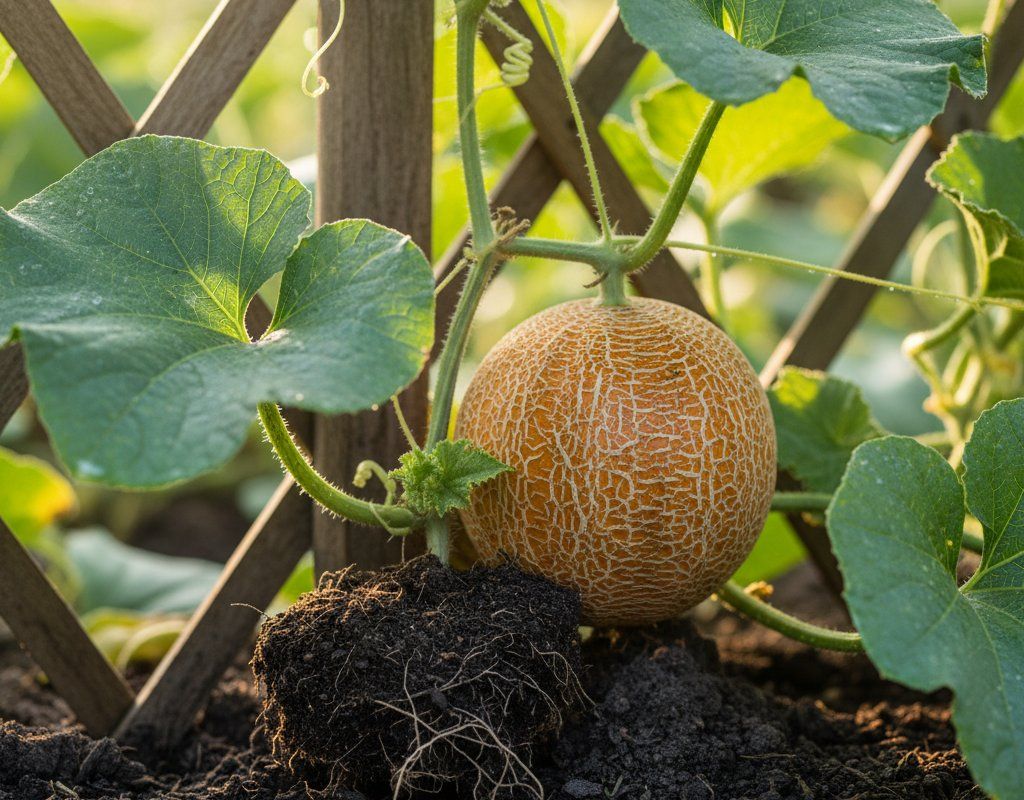
Cantaloupe in Zone 4B — Great Plains
Cucumis melo · Your Complete 2026 Planting Guide
Planning Ahead — Great!
You’re ahead of the season. Here’s when to start.
Mark Your Calendar
How to Plant Cantaloupe in Zone 4B — Great Plains
Here are all your options for getting cantaloupe in the ground, from the easiest method to more advanced approaches.
Direct Sow Seeds
RecommendedMid May through late June
around May 19
Consider succession planting every 2-3 weeks for continuous harvest.
Same as watermelon — needs warm soil, direct sow works in most zones.
Buy Starts
Works WellMid May through mid June
around May 19
Plant purchased starts after last frost (May 5).
Start Seeds Indoors
Works WellLate April through mid May
around April 28
Then transplant: Mid May through mid June
Start seeds 3-5 weeks before transplanting outdoors.
Transplant Outdoors
Timing InfoMid May through mid June
around May 19
Wait until nighttime temperatures stay above 50°F.
You have a nice window — no need to rush.
Overview
Growing cantaloupe in our Zone 4B Plains climate rewards you with sweet, aromatic melons that put store-bought fruit to shame. Our intense sunshine and fertile prairie soil create ideal conditions for developing the complex sugars that make homegrown cantaloupe so special. The satisfaction of harvesting your own perfectly ripe melon on a hot August morning makes the effort worthwhile.
Our short growing season and variable spring weather present challenges, but cantaloupe's 80-day maturity window fits well within our 149-day frost-free period. With proper timing and attention to our Plains climate patterns, you can successfully grow these heat-loving vines even with our temperature swings and wind exposure.
Starting Seeds Indoors
Starting cantaloupe seeds indoors works but isn't necessary in most Plains locations. If you choose this route, start seeds in late April through mid May, about three weeks before your planned transplant date. Our variable spring weather makes indoor starting appealing when you want extra control over timing.
Use seed trays with good drainage and keep soil warm (75-80°F) for best germination. Bottom watering prevents damping-off and keeps seedlings healthier than overhead watering. Provide strong light once seedlings emerge, either from a sunny south window or grow lights.
The main advantage of indoor starting here is protection from late cold snaps that can delay direct sowing. However, cantaloupe transplants somewhat poorly due to their sensitive root systems, so most Plains gardeners succeed better with direct sowing once soil warms.
Transplanting Outdoors
If you've started cantaloupe indoors, transplant seedlings mid May through mid June when soil temperature consistently reaches 65°F and nighttime temperatures stay above 50°F. Our Plains springs can fool you with warm spells followed by cool weather, so wait for stable conditions.
Harden off seedlings gradually over one week, starting with two hours outdoors in a protected spot and increasing exposure daily. Wind protection is essential during this transition period—use row covers or temporary windbreaks until plants establish.
Space transplants 36-48 inches apart in full sun locations. Handle rootballs carefully since cantaloupe resents root disturbance. Water thoroughly after transplanting and maintain consistent moisture while plants establish their extensive root systems.
Direct Sowing
Direct sowing works best for cantaloupe in our Plains climate and is the recommended method. Sow seeds from mid May through late June when soil temperature reaches 65°F consistently—usually about two weeks after our average last frost date in early May.
Prepare planting areas by working compost into our naturally fertile prairie soil. Plant seeds 1 inch deep in hills spaced 36-48 inches apart, sowing 4-5 seeds per hill. Once seedlings emerge and develop their first true leaves, thin to the strongest 1-2 plants per hill.
Choose a location with full sun exposure and natural wind protection if possible. Our intense Plains sunshine gives cantaloupe the heat energy they need for sugar development, while wind protection helps prevent mechanical damage to the large leaves and developing fruits.
Watering Cantaloupe in Zone 4B (Great Plains)
Cantaloupe needs consistent deep watering throughout the growing season, requiring about 1-2 inches per week during our hot Plains summers. Check soil moisture with the finger test—soil should feel moist 2 inches down but not waterlogged. Our typically low-to-moderate humidity means plants lose water quickly through transpiration.
Water deeply at the base of plants rather than overhead, especially during our variable rainfall periods. Soaker hoses work well for maintaining consistent moisture without wetting foliage. During peak summer heat when temperatures reach 93°F or higher, you may need to water every other day if rainfall is insufficient.
Stop all watering completely one week before harvest to concentrate sugars in the fruit. This is critical for developing the sweetness that makes homegrown cantaloupe worthwhile. Overwatering near harvest dilutes flavor and can cause fruits to crack or develop poor texture.
Apply 2-3 inches of organic mulch around plants to conserve moisture and moderate soil temperature swings. Grass clippings or shredded leaves work well in our Plains conditions, helping retain the deep watering you provide while suppressing weeds that compete for water.
🧪Fertilizing Cantaloupe
Feeding Schedule
Organic Fertilizer Options
Harvest Time
Expect your first harvest from early August through early October, depending on planting timing and variety. The 80-day maturity period from direct sowing typically puts harvest right in our peak summer heat when fruits develop their best flavor.
Cantaloupe is ready when the netting pattern is fully developed and raised, the ground spot (where fruit touches soil) turns from white to cream-colored, and most importantly, the stem separates easily from the fruit with gentle pressure—called "slipping." A sweet, musky aroma at the blossom end indicates peak ripeness.
Harvest during morning hours when fruits are cool. Use both hands to support the melon while testing for slip—if you need to force it, wait another day or two. Unlike some fruits, cantaloupe won't continue ripening once removed from the vine, so proper timing is essential.
As our first frost date approaches in early October, harvest any full-sized fruits even if they haven't developed full slip yet. These can be used for cooking or preserving, though they won't achieve the sweetness of vine-ripened melons. Focus your watering on the most promising fruits during the final weeks before frost.
Common Problems in Zone 4B (Great Plains)
Powdery Mildew What it looks like: White or grayish powdery coating appears on leaves, stems, and sometimes fruit surfaces. Leaves curl, turn yellow, and eventually die. Plant vigor decreases noticeably, and fruit production suffers. What causes it: Fungal spores that thrive in our Plains conditions of warm days, cool nights, and moderate humidity. Ironically, dry leaf surfaces actually encourage this fungus, unlike most plant diseases. How to fix/prevent it: Improve air circulation by proper spacing and removing some older leaves. Apply neem oil or potassium bicarbonate sprays at first sign of infection. Surprisingly, a milk spray (1 part milk to 9 parts water) works effectively as both prevention and treatment.
Aphids What it looks like: Clusters of tiny green, black, or white soft-bodied insects on stems and undersides of leaves. You'll notice sticky honeydew residue and curled or distorted new growth. Ants may be present, farming the aphids for their honeydew. What causes it: These sap-sucking insects reproduce rapidly in warm weather, and populations can explode during our hot Plains summers. Excess nitrogen fertilizer attracts them. How to fix/prevent it: Blast them off with strong water spray from your hose. Encourage natural predators like ladybugs and lacewings. For heavy infestations, use insecticidal soap or neem oil applications every 3-5 days until controlled.
Poor Sweetness What it looks like: Cantaloupe appears properly ripe with good netting and proper slip, but tastes bland or watery rather than sweet and aromatic. What causes it: Most commonly caused by watering too close to harvest, insufficient heat accumulation, or harvesting before full ripeness. Our variable Plains weather can sometimes limit heat unit accumulation. How to fix/prevent it: Stop watering 5-7 days before harvest to concentrate sugars. Ensure plants receive full sun exposure and choose varieties suited to our 149-day growing season. Wait for proper ripeness indicators—don't harvest early thinking fruits will ripen off the vine.
Great Plains Specific Challenges: Our combination of intense heat, low-to-moderate humidity, and variable rainfall creates unique stresses for cantaloupe. Wind can damage large leaves and developing fruits, while sudden temperature swings stress plants. Plan for wind protection and consistent watering during our hot, dry periods to maintain healthy, productive vines.
Best Companions for Cantaloupe
Plant these nearby for healthier Cantaloupe and better harvests.


Keep Away From
Companion Planting Details
Corn makes an excellent companion for cantaloupe in Plains gardens, providing natural wind protection for the sprawling vines while the melons don't compete for the same soil nutrients. Sunflowers work similarly, creating windbreaks while their deep taproots don't interfere with cantaloupe's spreading root system. Plant these taller companions on the north or west side to block our prevailing winds without shading the melons.
Lettuce and other cool-season greens can be interplanted early in the season before cantaloupe vines spread, maximizing garden space during our relatively short growing season. Avoid planting near potatoes, which can harbor similar pests and diseases, and keep cantaloupe separated from cucumbers to prevent cross-pollination that can affect fruit quality and to reduce concentrated pest pressure from cucumber beetles.
🌸Best Flowers to Plant with Cantaloupe
These flowers protect your Cantaloupe from pests and attract pollinators for better harvests.


Get a Reminder When It's Time to Plant
We'll email you when key planting windows open for your zone.