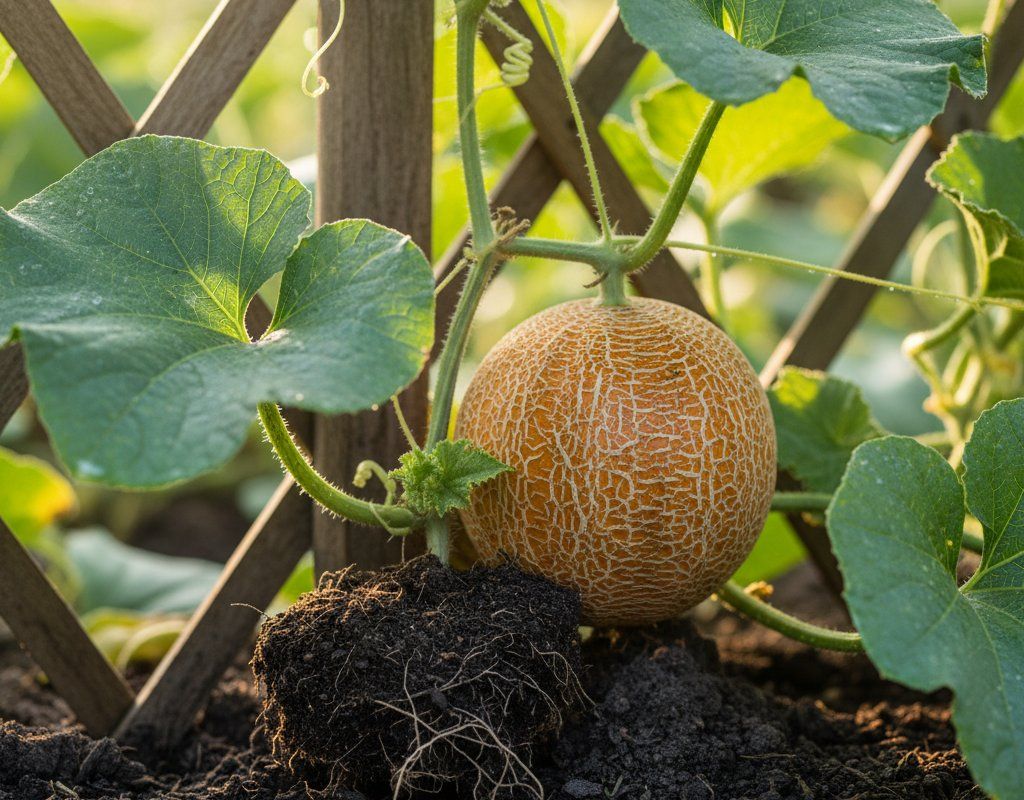
Cantaloupe in Zone 6B — Mountain West
Cucumis melo · Your Complete 2026 Planting Guide
Planning Ahead — Great!
You’re ahead of the season. Here’s when to start.
Mark Your Calendar
How to Plant Cantaloupe in Zone 6B — Mountain West
Here are all your options for getting cantaloupe in the ground, from the easiest method to more advanced approaches.
Direct Sow Seeds
RecommendedEarly May through early July
around May 9
Consider succession planting every 2-3 weeks for continuous harvest.
Same as watermelon — needs warm soil, direct sow works in most zones.
Buy Starts
Works WellEarly May through early June
around May 9
Plant purchased starts after last frost (April 25).
Start Seeds Indoors
Works WellMid April through early May
around April 18
Then transplant: Early May through early June
Start seeds 3-5 weeks before transplanting outdoors.
Transplant Outdoors
Timing InfoEarly May through early June
around May 9
Wait until nighttime temperatures stay above 50°F.
You have a nice window — no need to rush.
Overview
Growing cantaloupe in the Mountain West feels like a small miracle when you bite into that first perfectly ripe melon in late summer. Our high altitude and intense sun create surprisingly sweet fruit, and the cool nights that make warm-season crops challenging actually help concentrate sugars in melons. The satisfaction of growing your own cantaloupe here goes beyond just the incredible flavor – it's proof that with the right timing, even tender crops can thrive in our mountain climate.
Our short growing season and late spring starts make cantaloupe one of the more challenging crops to grow, but don't let that discourage you. With 163 growing days and our intense summer sun, you have enough time to get a good harvest if you time things right. The key is understanding that cantaloupe needs warm soil and consistent heat, which means being patient in spring and making the most of our brief but productive summer season.
Starting Seeds Indoors
Starting cantaloupe seeds indoors isn't the primary method I'd recommend here, but it can give you a head start if you're trying to push the season or want extra insurance. You'll want to start seeds about 3 weeks before transplanting, which puts you in that mid-April through early May window. Use seed trays with good drainage and keep them somewhere warm – these seeds need soil temperatures around 70°F to germinate well.
Set up your trays in a sunny window or under grow lights, and use bottom watering to keep the soil evenly moist without waterlogging the seeds. Our late spring character means soil outside won't be ready for transplants until early May at the earliest, so indoor starting can help bridge that gap. Just remember that melons don't love having their roots disturbed, so use larger cells or biodegradable pots if you go this route.
The main downside of indoor starting is that cantaloupe really prefers direct seeding – the taproot doesn't appreciate being moved. I usually recommend this method only if you're dealing with a particularly short season or want to try a longer-season variety that needs every possible growing day.
Transplanting Outdoors
If you've started seeds indoors, you can transplant them outside from early May through early June, once soil temperatures are consistently above 60°F and nighttime temperatures stay above 50°F. Before moving them outside permanently, spend a full week hardening them off – start with just an hour of morning sun and gradually increase their outdoor time. Our intense UV can shock tender seedlings that haven't been acclimated properly.
Space your transplants 36 to 48 inches apart to give them room to spread. Cantaloupe vines can easily sprawl 6 feet in each direction, and good air circulation helps prevent disease issues. Plant them in your warmest, most protected spot – south-facing slopes or areas that get reflected heat from walls work well here.
The biggest challenge with transplanting in the Mountain West is our unpredictable late spring weather. Even in early June, we can still get surprise cold snaps that will set back or kill tender transplants. Have row covers or milk jugs ready to protect them if temperatures threaten to drop below 50°F at night.
Direct Sowing
Direct sowing is definitely the way to go with cantaloupe in our region. You can sow seeds from early May through early July, though I prefer the earlier part of that window to give the fruit maximum time to mature. Wait until soil temperature hits at least 65°F – stick a soil thermometer down 2 inches deep in the morning to check. Cold soil will just rot the seeds before they can germinate.
Prepare your planting area by working in plenty of compost and ensuring good drainage. Cantaloupe needs rich, well-draining soil and can't tolerate wet feet. Plant seeds about an inch deep and space them 36 to 48 inches apart – trust me, they need that much room. I like to plant 2-3 seeds per spot and thin to the strongest seedling once they're established.
The key to success with direct seeding here is soil preparation and timing. Our alkaline soil benefits from added organic matter, and you want to choose the warmest spot in your garden. A black plastic mulch laid down a week before planting can help warm the soil faster, or you can use clear plastic if you prefer. Just remember to remove it once the seeds are up and growing.
Watering Cantaloupe in Zone 6B (Mountain West)
Cantaloupe has high water needs throughout most of its growing season, which means you'll be watering regularly in our dry mountain climate. With only 10-20 inches of annual rainfall, you're essentially providing all the water these thirsty plants need. During the main growing season, aim for about 1-2 inches of water per week, delivered in deep, infrequent sessions rather than daily light sprinklings.
Use the finger test to check soil moisture – stick your finger down about 2 inches into the soil near the base of the plant. If it's dry at that depth, it's time to water. Our low humidity means surface soil can look dry while there's still moisture below, so don't rely on just surface appearance. Water at the base of the plants rather than overhead to avoid getting the leaves wet, which can encourage disease problems even in our dry climate.
During our moderate summer temperatures (typically around 85°F), you'll probably need to water every 2-3 days once the vines are established and growing vigorously. The fruit development stage requires the most consistent moisture – any stress during this period can affect fruit size and quality. Mulch around the plants with straw or grass clippings to help retain moisture and keep the soil temperature more consistent.
Here's the crucial part: stop watering completely about a week before you expect to harvest. This concentrates the sugars and prevents watery, bland fruit. Watch for the telltale signs that harvest is approaching (the stem starts to separate from the fruit) and cut off the water supply. The plants can handle this brief drought, and your taste buds will thank you for the extra sweetness.
🧪Fertilizing Cantaloupe
Feeding Schedule
Organic Fertilizer Options
Harvest Time
Your first cantaloupe should be ready from late July through early October, depending on when you planted and which variety you chose. The 80-day maturity time starts counting from when the seeds germinate, so plan accordingly. In our climate, fruit that starts developing in August usually has the best flavor because it gets those crucial warm days and cool nights during the final ripening period.
The key to harvesting cantaloupe is knowing when it's truly ripe – and unlike some crops, cantaloupe won't continue ripening once it's off the vine. Look for the netting pattern to be fully developed and raised from the surface. The stem should separate easily from the fruit with just gentle pressure – this is called "slipping." If you have to yank or cut the stem, it's not ready yet. A ripe cantaloupe will also have a sweet, musky aroma at the blossom end.
Check your plants every day once they start approaching maturity because perfectly ripe fruit can quickly become overripe in our intense sun. The color under the netting should change from green to cream or tan. When you lift a ripe cantaloupe, it should feel heavy for its size and give slightly when pressed at the blossom end.
As our first frost approaches in early October, you'll need to make some hard choices about any remaining fruit. Cantaloupe that's nearly full-sized but not quite ripe can sometimes be harvested and used for preserves or pickles, but it won't develop that sweet, melony flavor we're after. Focus your energy on protecting the most promising fruits with row covers if temperatures threaten to drop below 40°F at night.
Common Problems in Zone 6B (Mountain West)
Powdery Mildew This shows up as white or grayish powdery patches on leaves, stems, and sometimes the fruit itself. Leaves start to curl, turn yellow, and eventually die back, which reduces the plant's ability to feed the developing fruit. In our Mountain West climate, powdery mildew loves our warm days combined with cool nights, and surprisingly, it actually thrives on dry leaf surfaces rather than wet ones. The fungus spreads quickly in these conditions, especially when plants are crowded together. Improve air circulation by maintaining proper spacing and pruning off some lower leaves. Remove any affected leaves immediately. Neem oil or potassium bicarbonate sprays help control it, but try milk spray first – mix 1 part milk with 9 parts water and spray weekly. It sounds odd, but it's remarkably effective and safer than chemical treatments.
Aphids You'll see clusters of tiny, soft-bodied insects in green, black, or white varieties gathering on stems and the undersides of leaves. They leave behind a sticky honeydew residue that can attract ants and lead to sooty mold. New growth becomes curled and distorted as they suck the plant juices. These sap-sucking pests reproduce incredibly quickly in warm weather, and ant colonies often farm them for their sweet honeydew secretions. A strong water spray from your hose can knock them off effectively. Encourage their natural predators like ladybugs and lacewings by planting flowering herbs nearby. For heavy infestations, insecticidal soap works well, or try neem oil for systemic control. Avoid over-fertilizing with nitrogen, which creates tender growth that aphids find irresistible.
Poor Sweetness Your cantaloupe looks perfectly ripe and ready, but when you bite into it, the flavor is bland and watery instead of sweet and intense. This frustrating problem usually comes from overwatering near harvest time, insufficient heat accumulation, or harvesting too early before sugars have fully developed. Our mountain climate can sometimes provide marginal heat units for full sugar development, especially in shorter seasons. Stop all watering 5-7 days before you expect to harvest – this is crucial for concentrating sugars. Make sure your plants get maximum sun exposure and heat by choosing your warmest garden spot. Wait for proper ripeness indicators like easy stem separation rather than picking based on size alone. Consider shorter-season varieties that are bred specifically for cooler climates.
Mountain West Specific Challenges Our combination of moderate summer heat, low humidity, and dry conditions creates a unique growing environment for cantaloupe. The intense UV at altitude can stress plants, while our alkaline soils may need amendments for optimal growth. Short seasons mean every growing day counts, and late spring cold snaps can delay planting. However, our low humidity actually helps reduce many fungal diseases, and those cool nights that challenge heat-lovers like cantaloupe can improve fruit quality once the plants are established.
Best Companions for Cantaloupe
Plant these nearby for healthier Cantaloupe and better harvests.


Keep Away From
Companion Planting Details
Corn makes an excellent companion for cantaloupe in our mountain gardens because it provides afternoon shade that helps protect the melon vines from our intense UV while still allowing morning and mid-day sun. The tall corn stalks also create a windbreak that helps retain soil moisture in our dry climate. Sunflowers work similarly, offering some protection from our harsh afternoon sun while their deep roots don't compete with the melon's more shallow root system.
Lettuce and other cool-season greens can be interplanted early in the season when your cantaloupe is just getting established, then harvested before the vines need the full space. Avoid planting potatoes nearby since they can harbor similar pests, and skip cucumbers or other melons too close by – they're susceptible to the same diseases and will compete for nutrients. The key in our dry climate is choosing companions that won't compete heavily for water or create too much shade during our already-short growing season.
🌸Best Flowers to Plant with Cantaloupe
These flowers protect your Cantaloupe from pests and attract pollinators for better harvests.


Get a Reminder When It's Time to Plant
We'll email you when key planting windows open for your zone.