Gardening in Zone 6B — Mountain West
Zone 6B offers gardeners a beautifully balanced growing environment. Your moderate climate provides nearly 183 days of growing time, which means you can cultivate an impressive range of vegetables, herbs, and fruits. From juicy tomato-heirloom-zone-6b-mountain/" class="text-green-700 underline hover:text-green-900">heirloom tomatoes to crisp peppers and leafy greens, you've got tremendous flexibility in what you can grow.
The primary challenge in Zone 6B is navigating late spring frost risks, which can catch less experienced gardeners off guard. However, with some strategic planning and protective techniques like row covers or cold frames, you can easily overcome this hurdle. Your zone's moderate temperatures allow for both early and late-season crops, giving you extended growing opportunities that gardeners in more extreme zones might envy.
✓ Regional Advantages
- • Intense sunlight
- • Low disease pressure
- • Cool nights improve flavor
⚠ Regional Challenges
- • High altitude
- • Intense UV
- • Low humidity
- • Short season
- • Cold nights
- • Alkaline soil
- • Hail
Mountain West Climate Profile
High altitude with intense sun, cool nights, and low humidity
Best Plants for Zone 6B
102 plants thrive in Zone 6B's 163-day growing season. Click any plant for zone-specific planting dates.
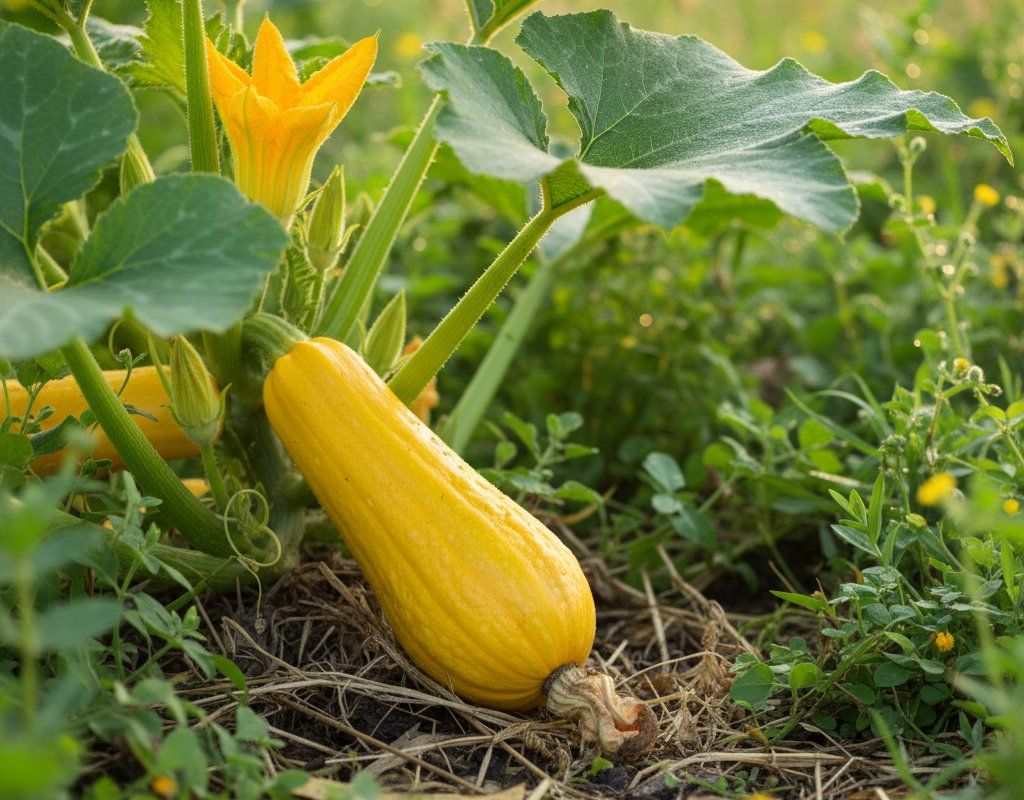
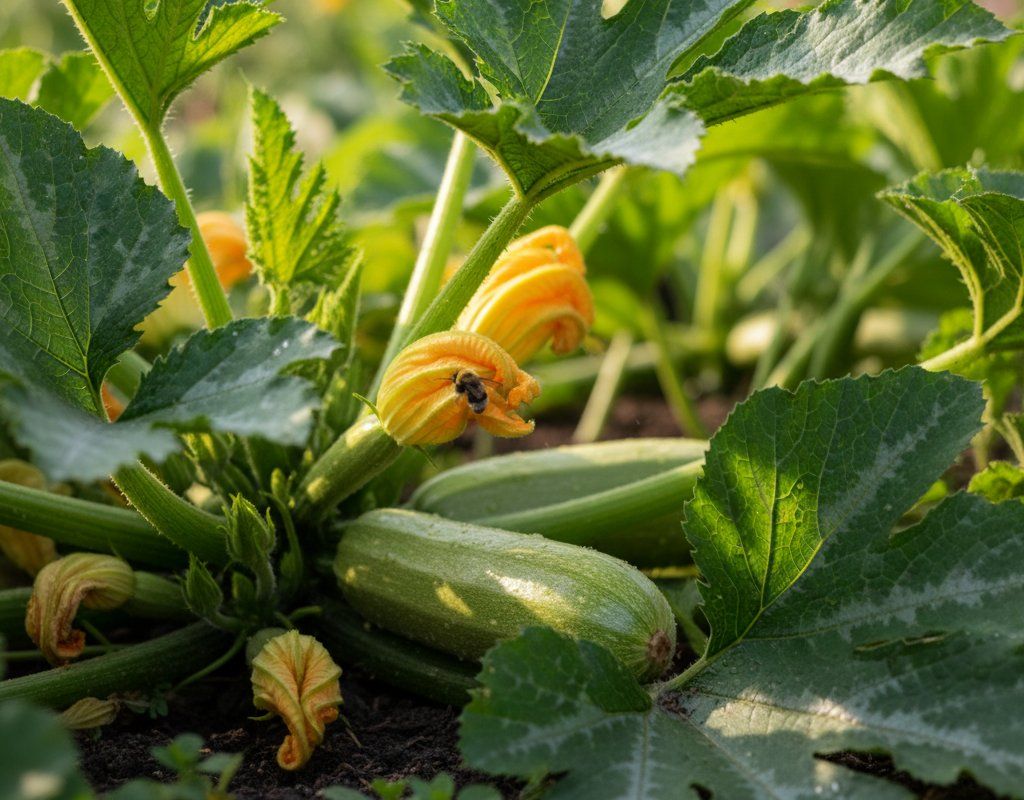
🍅Fruiting Vegetables (37)
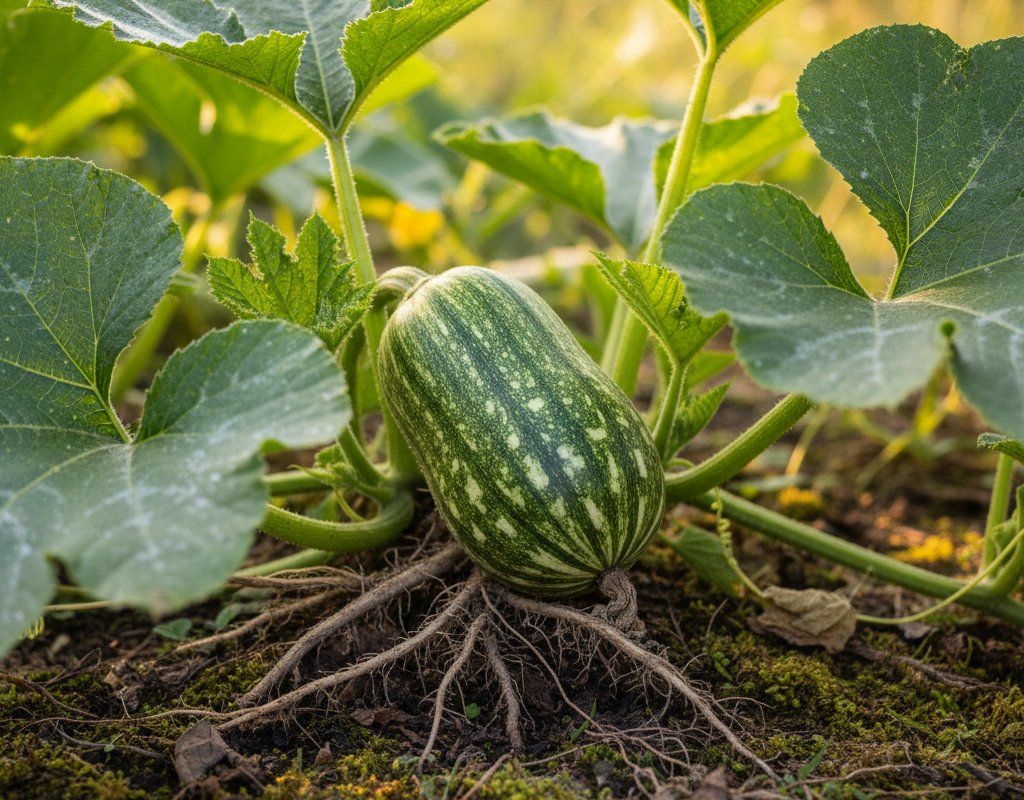
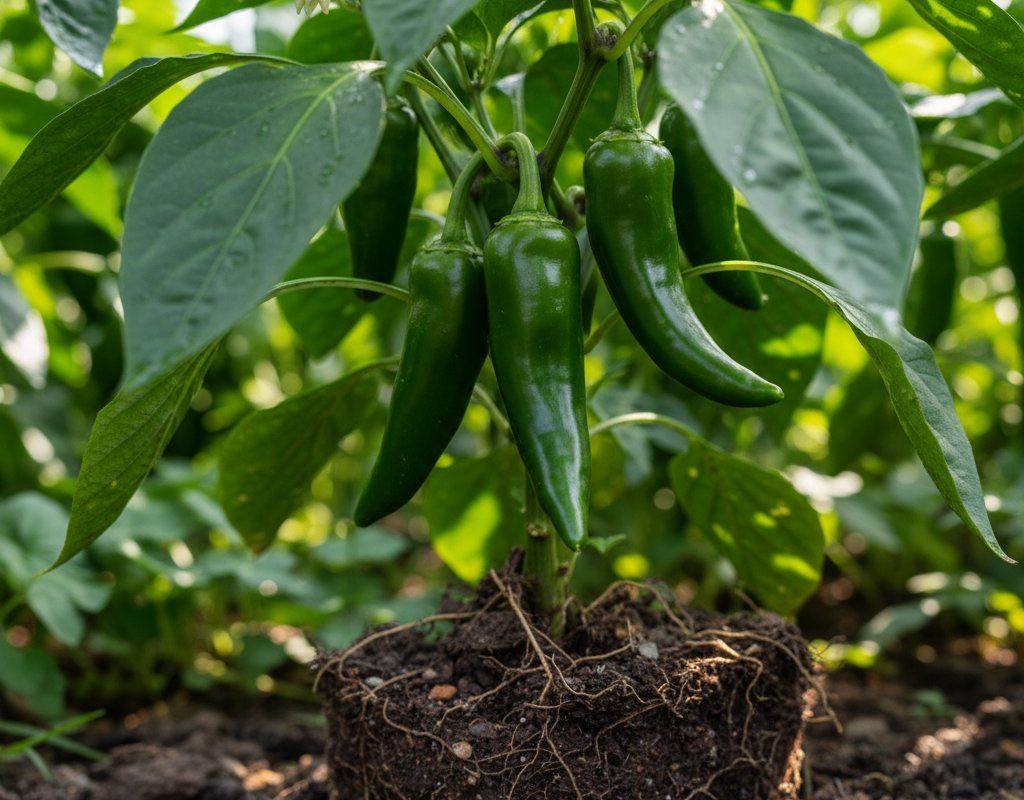
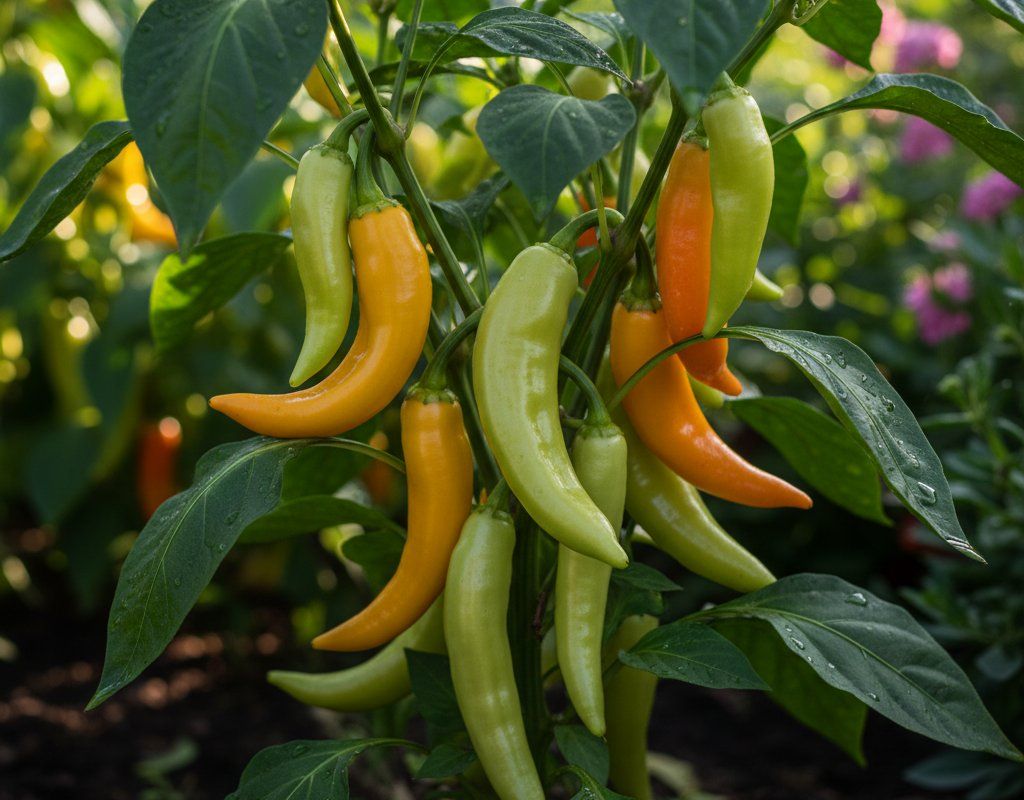
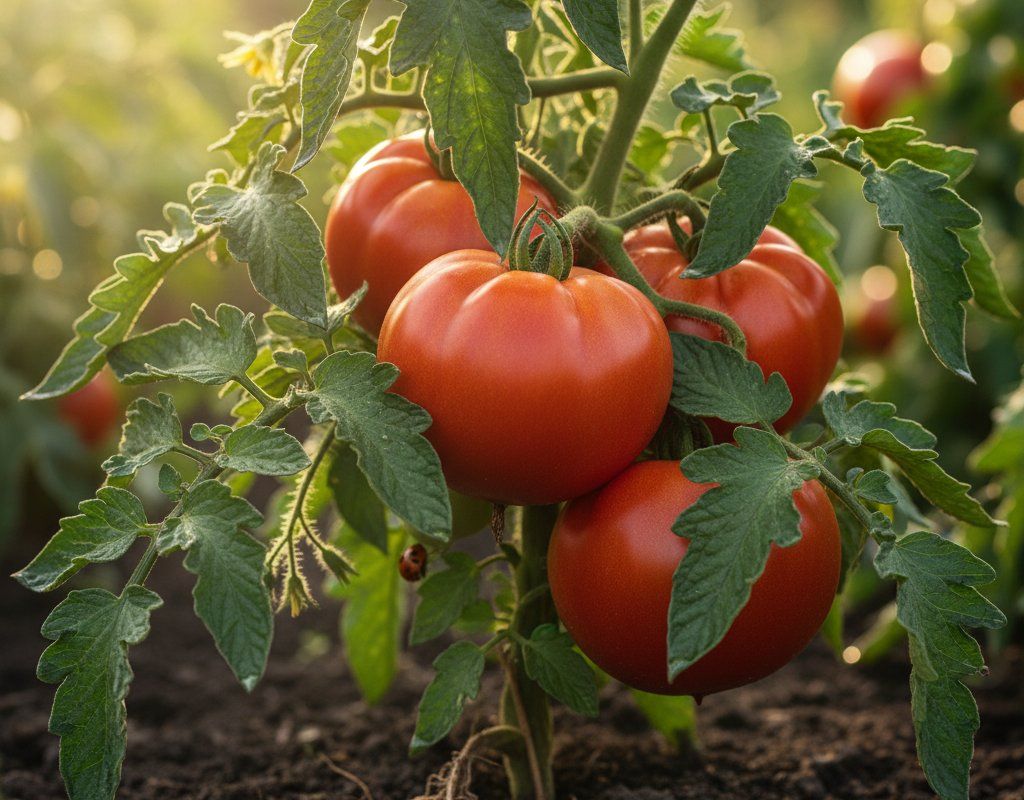
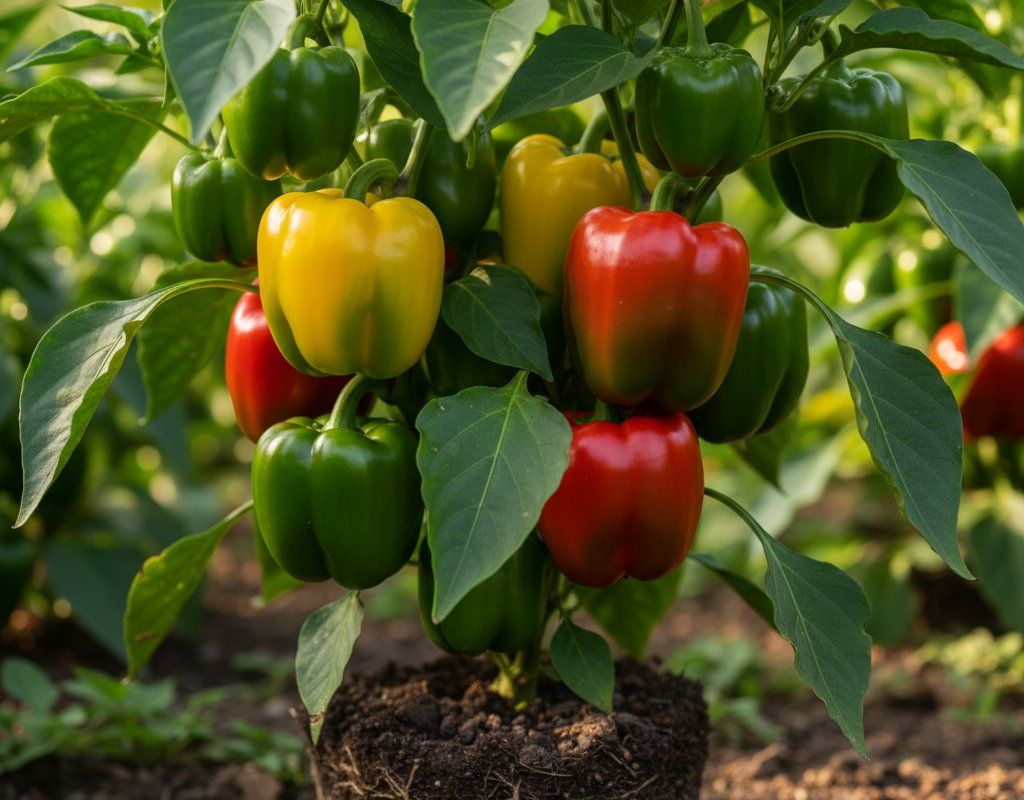
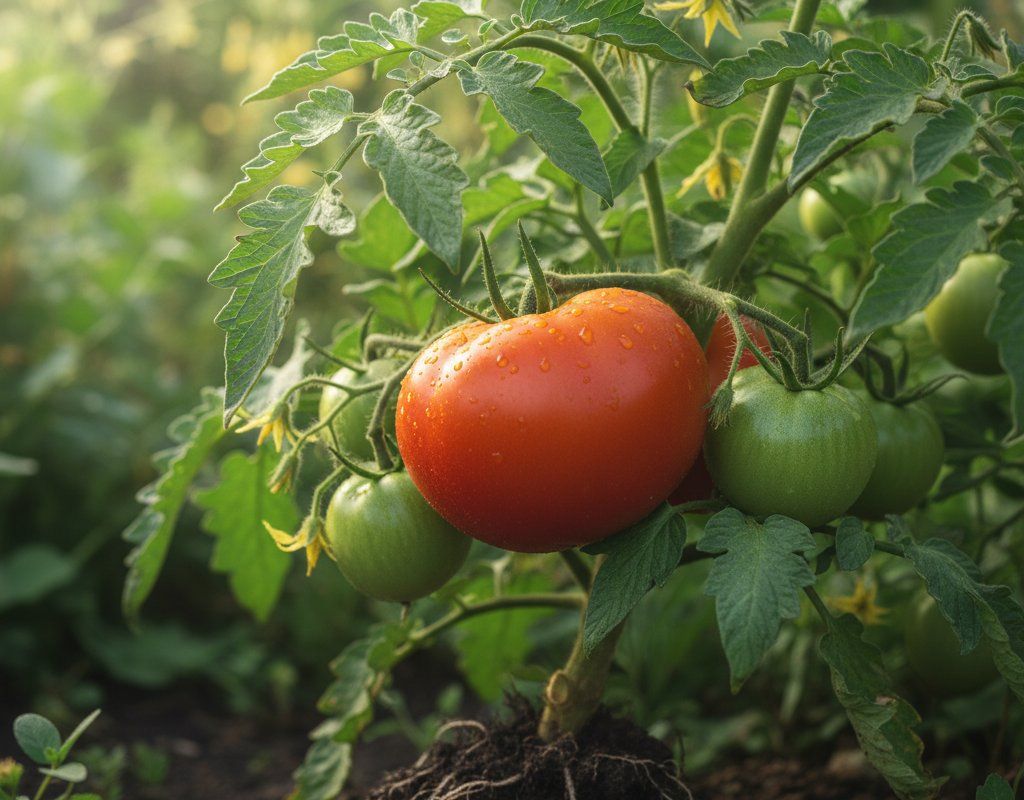
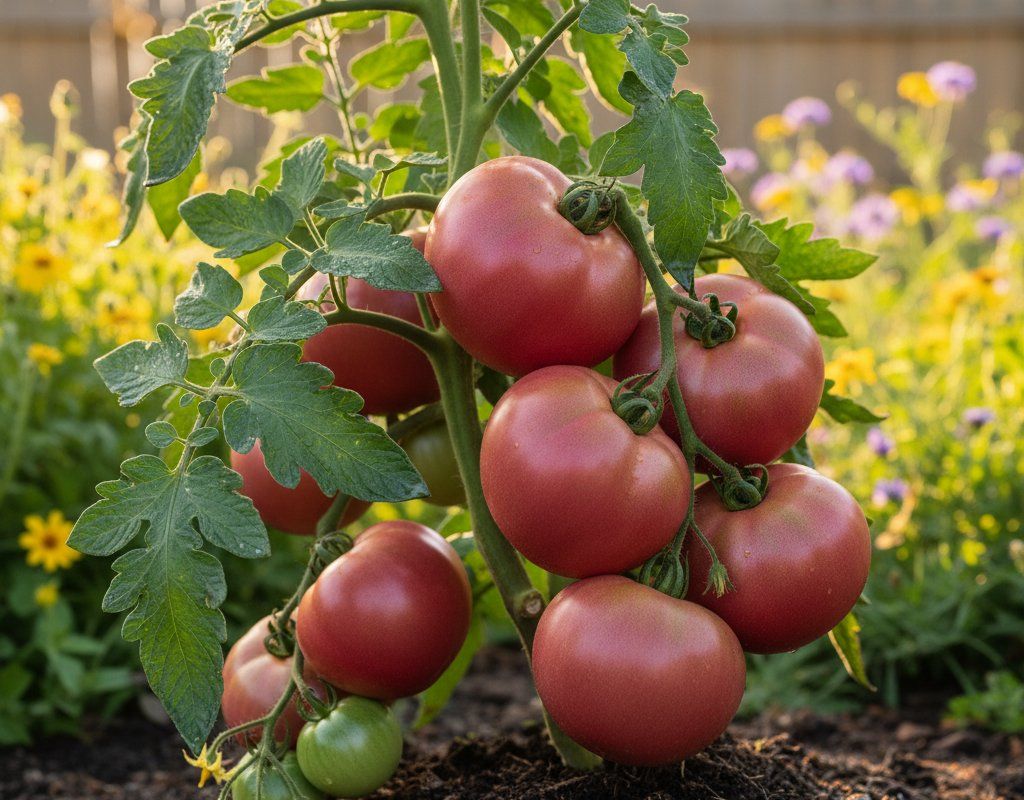
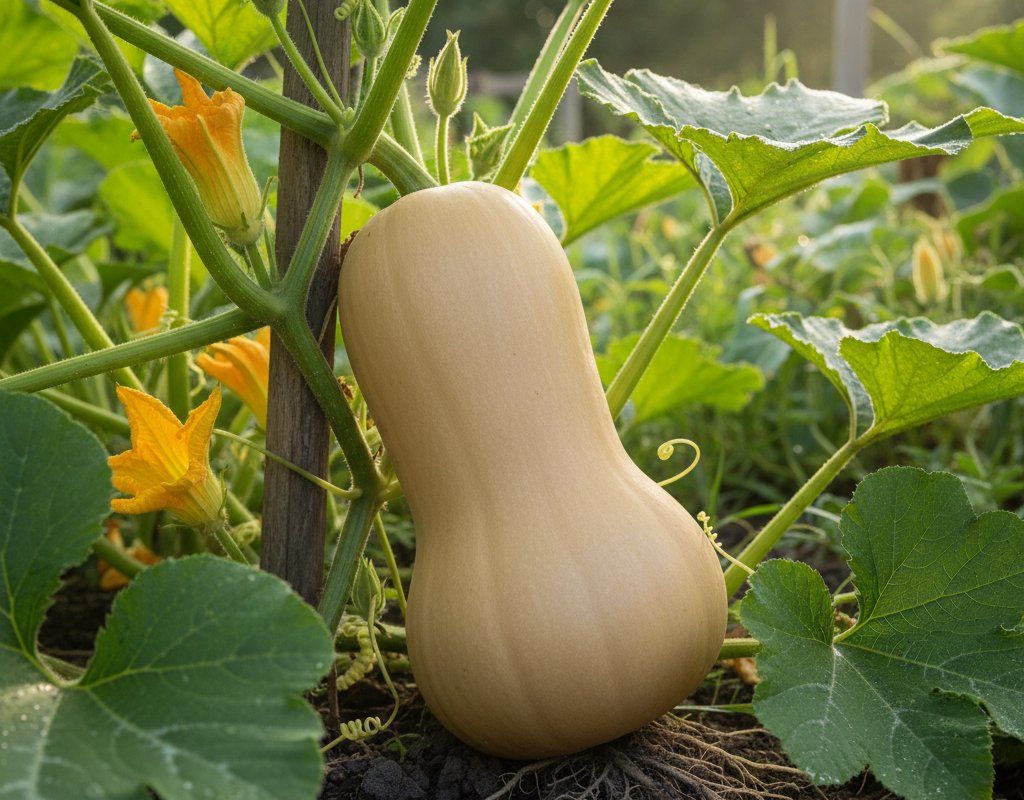
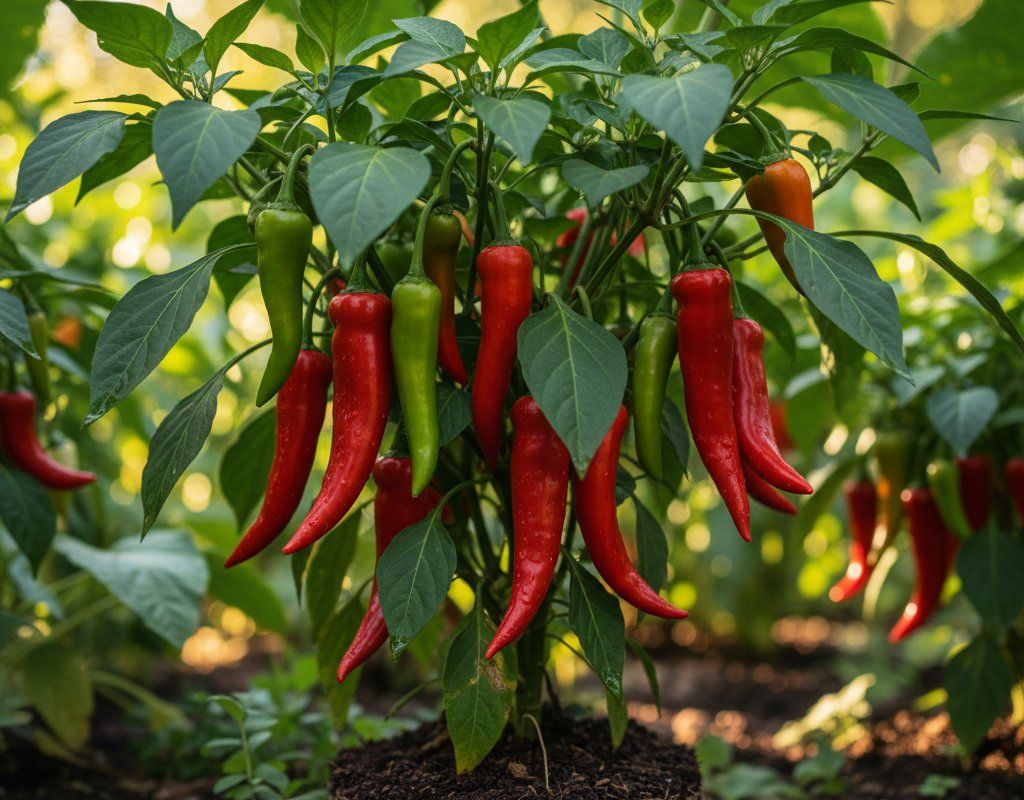
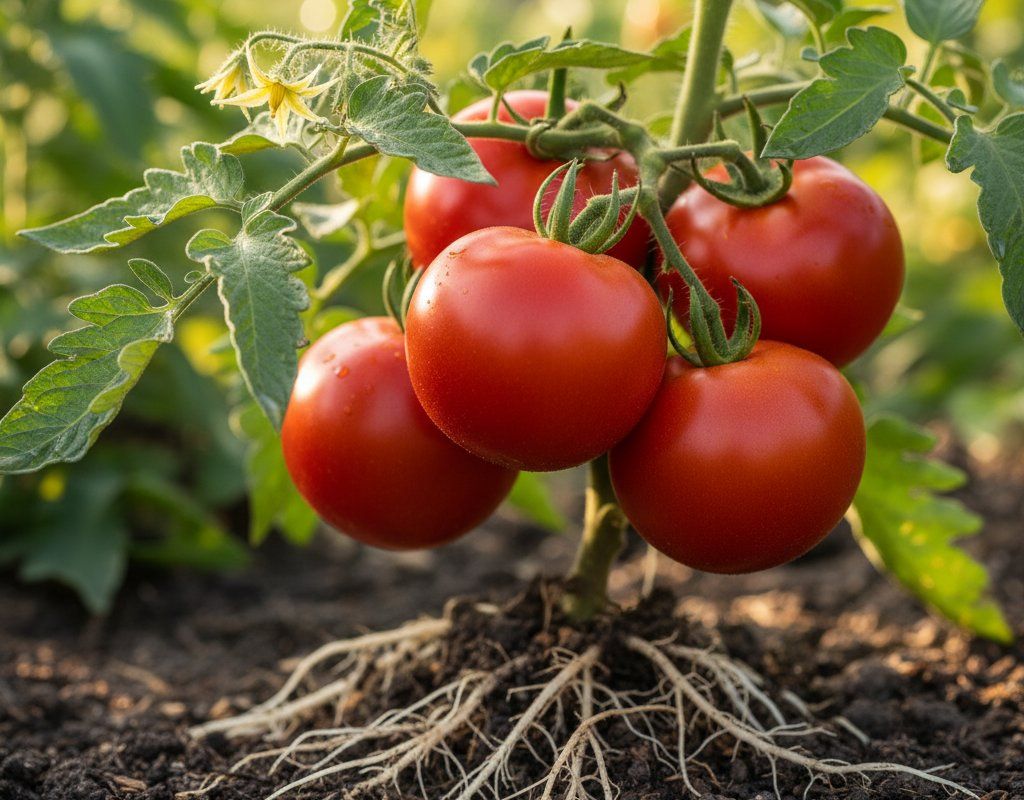

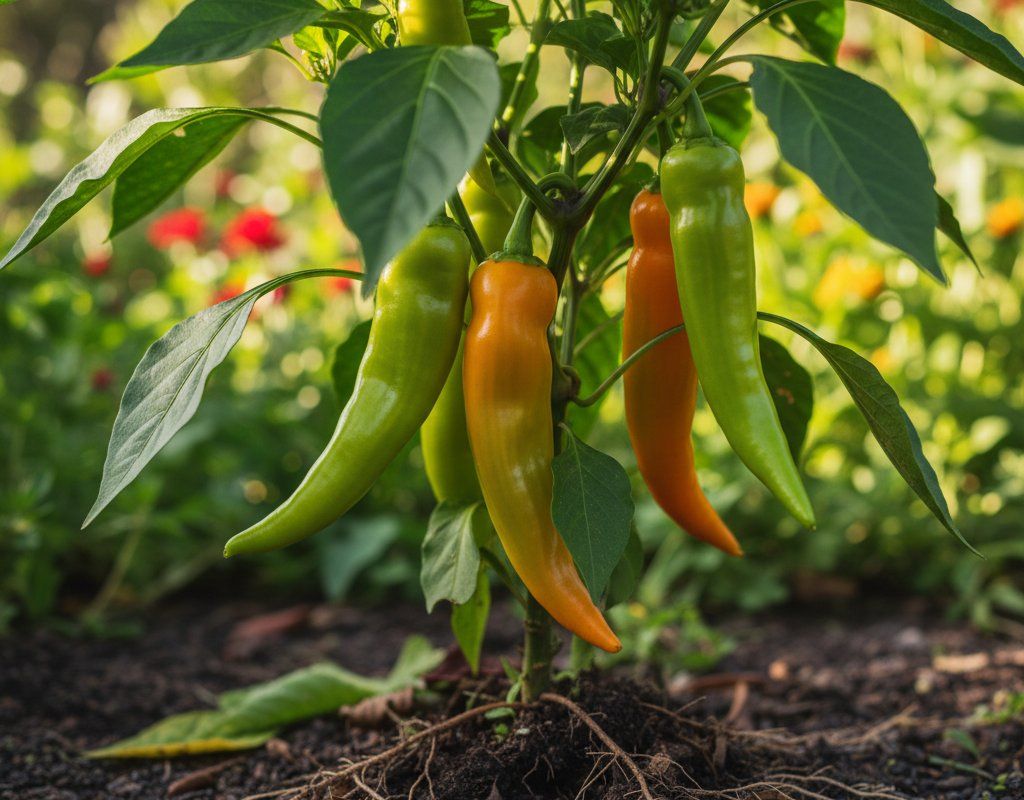

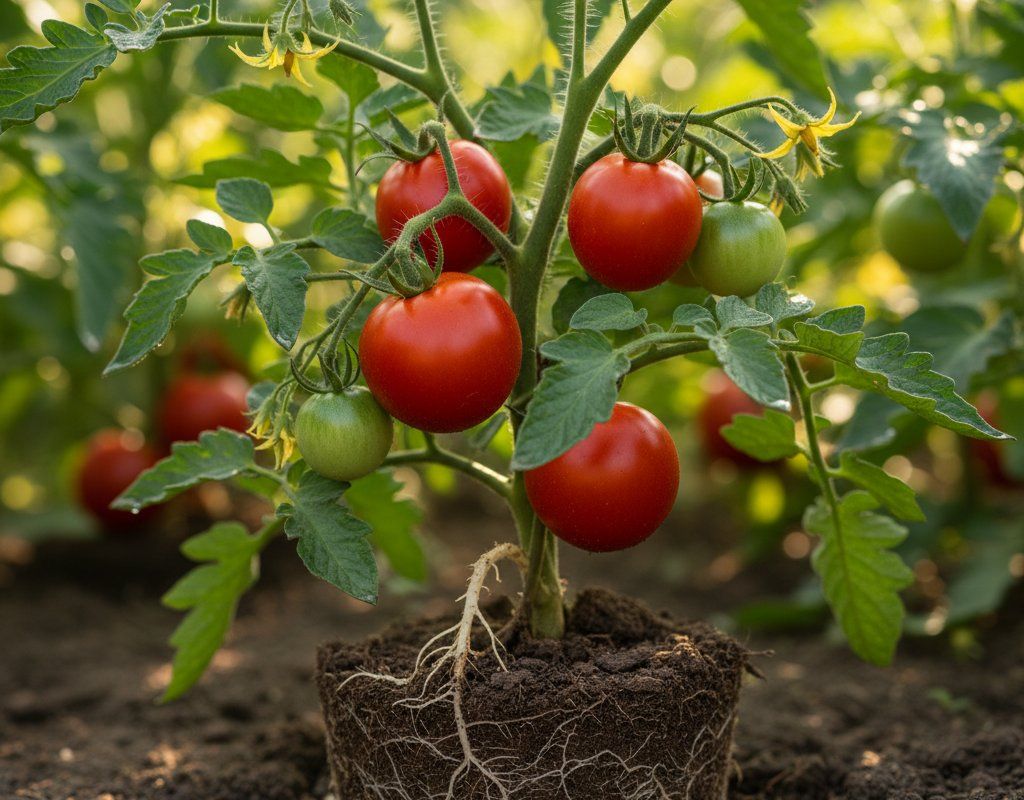
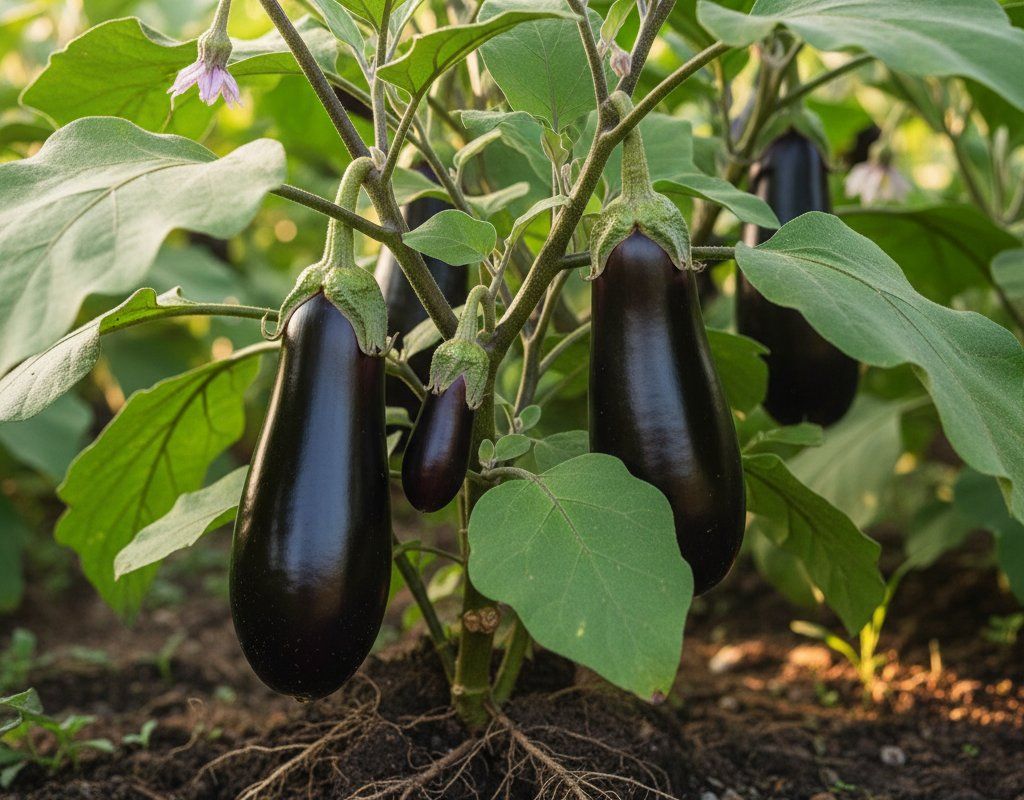

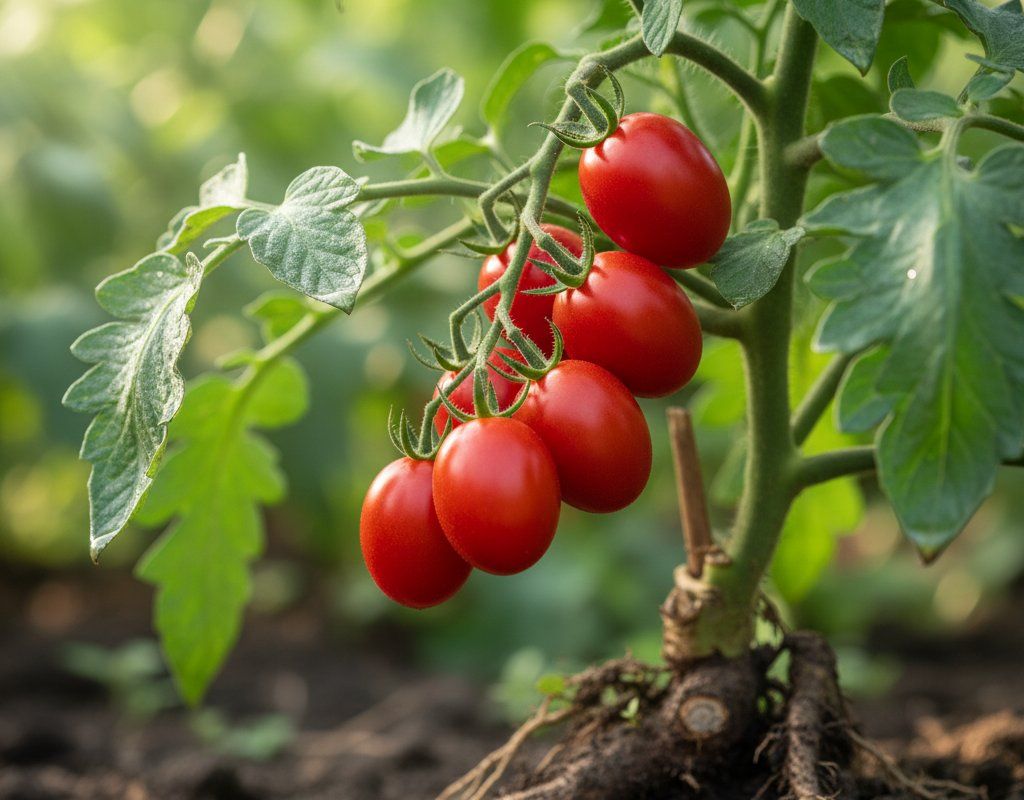
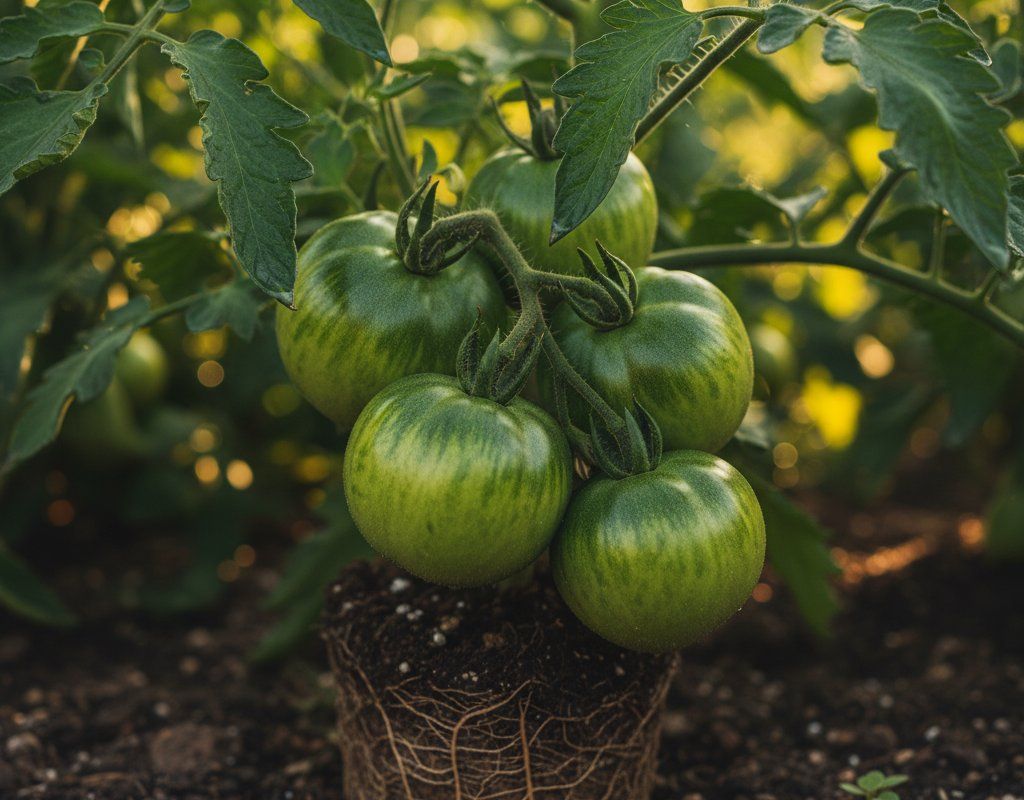
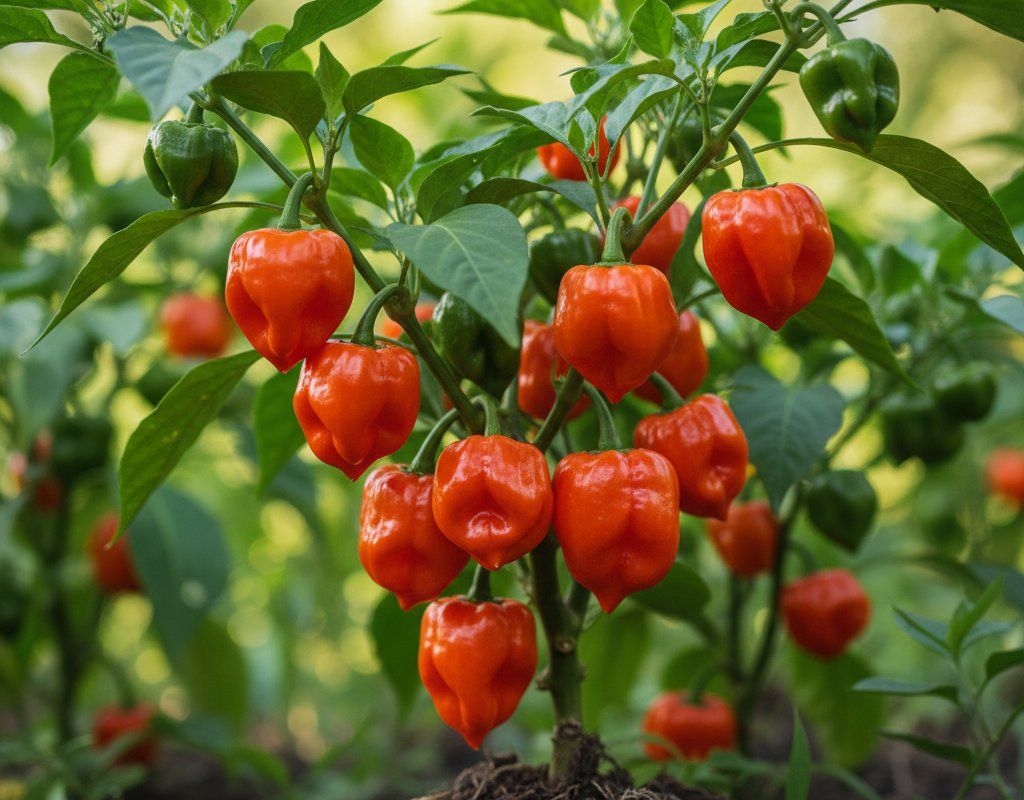
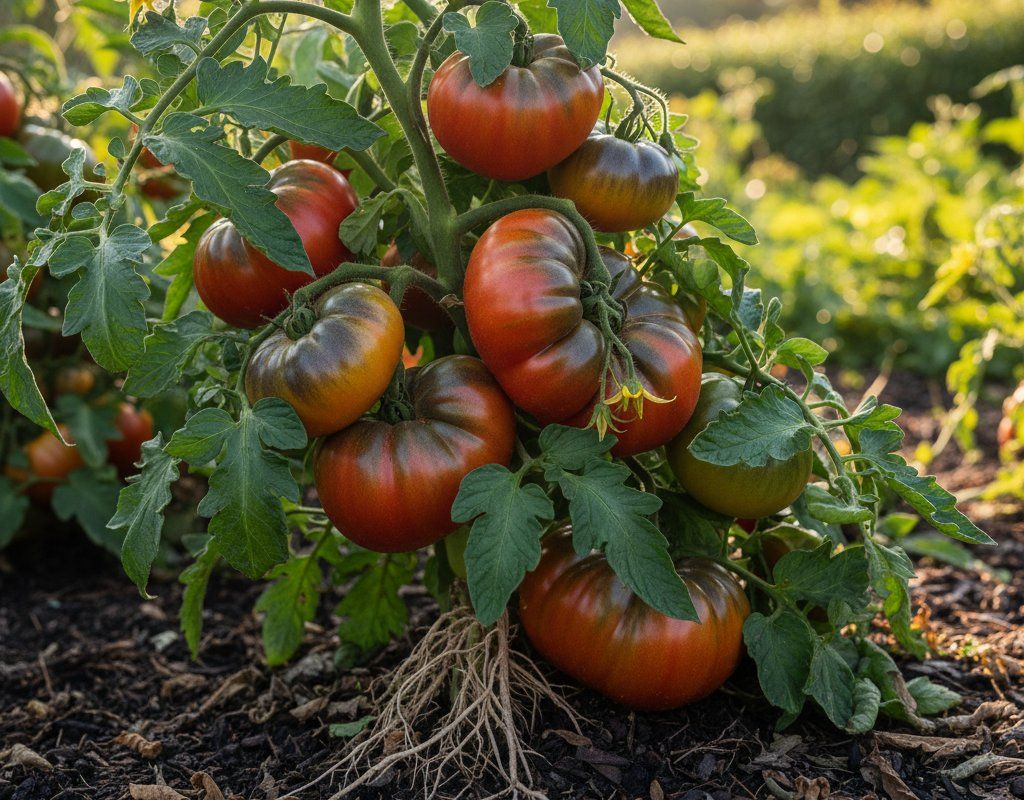
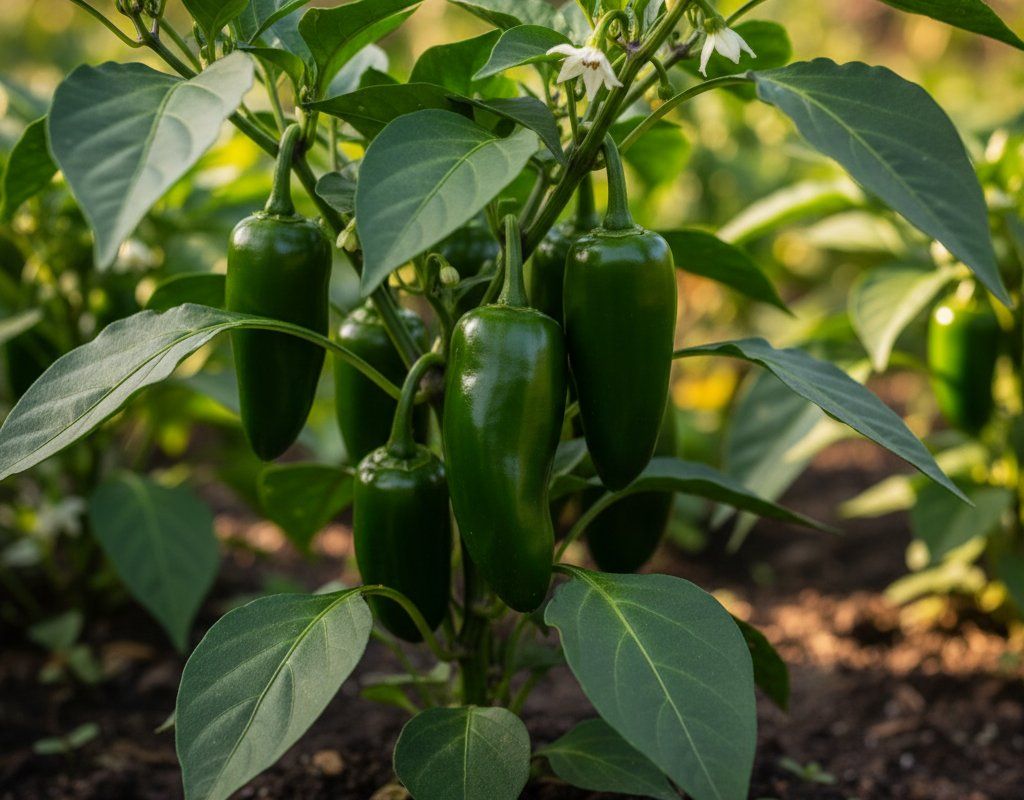

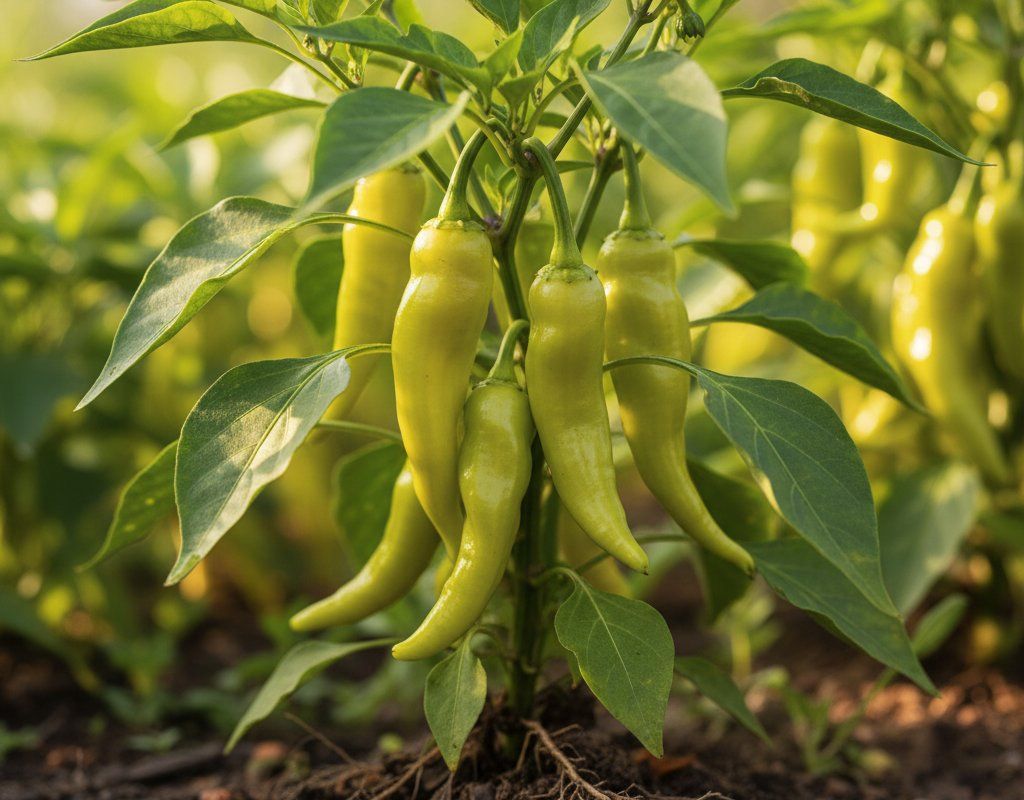
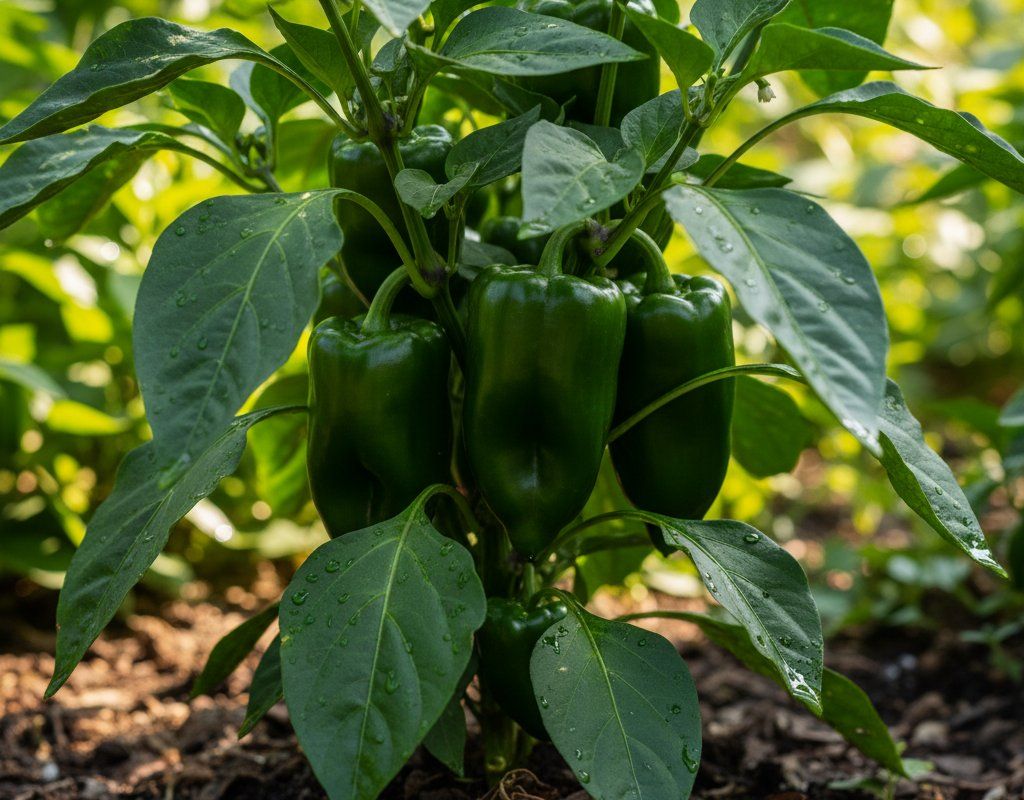

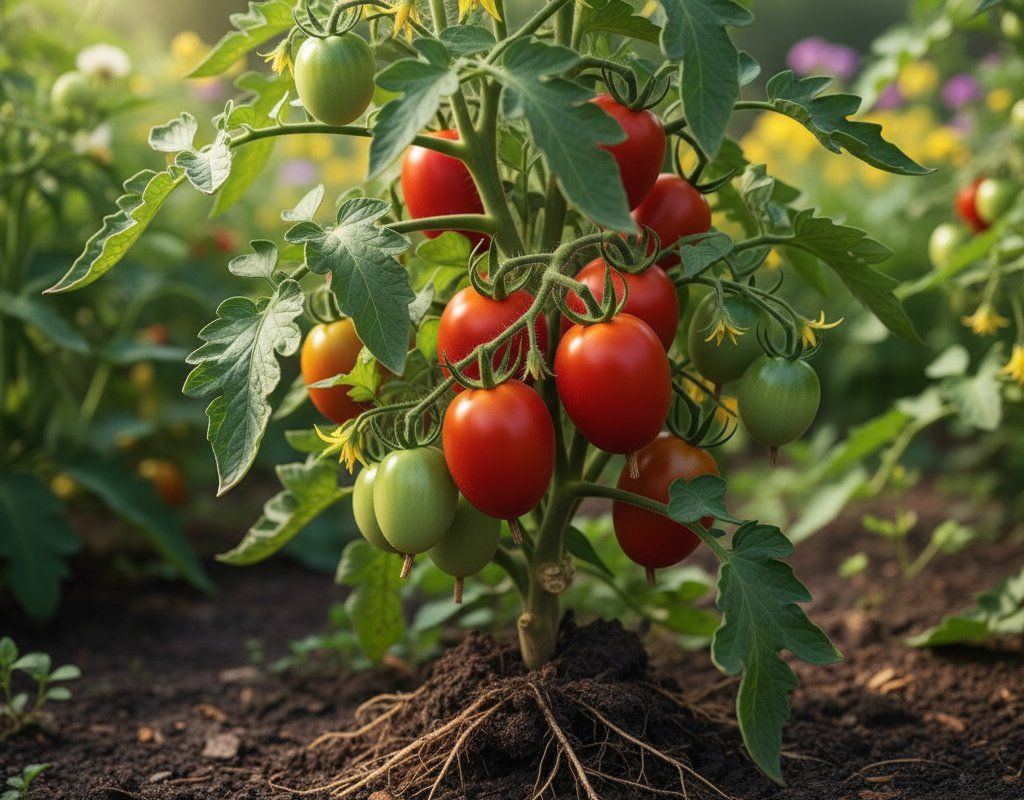
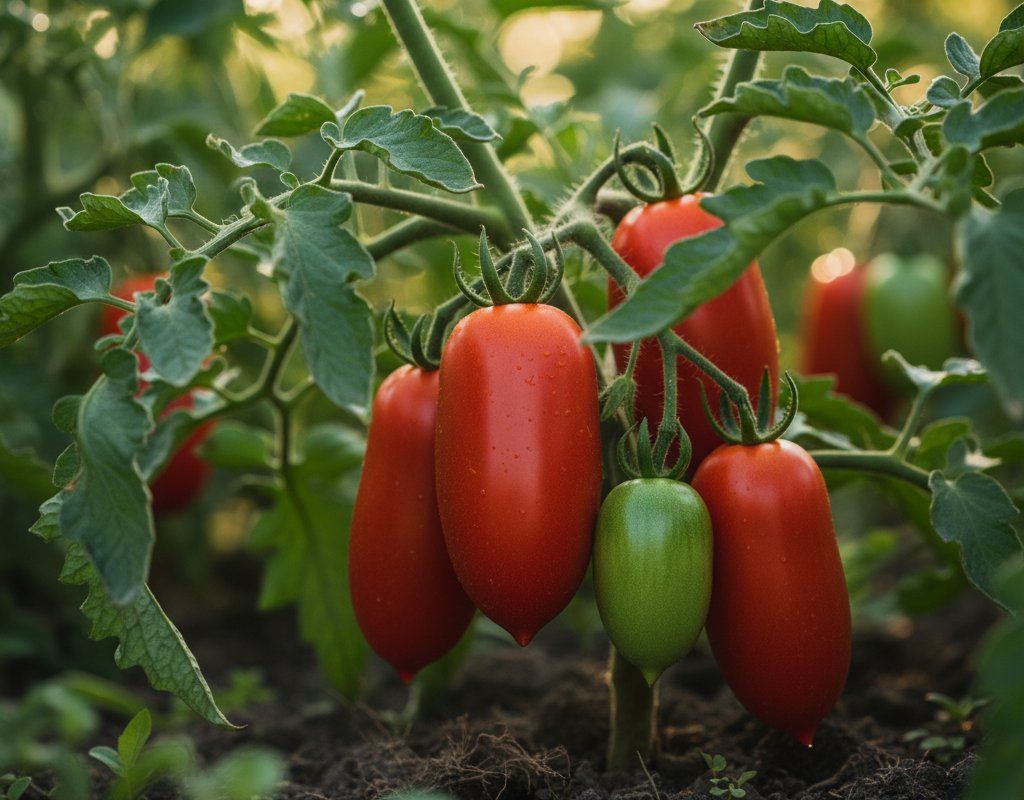
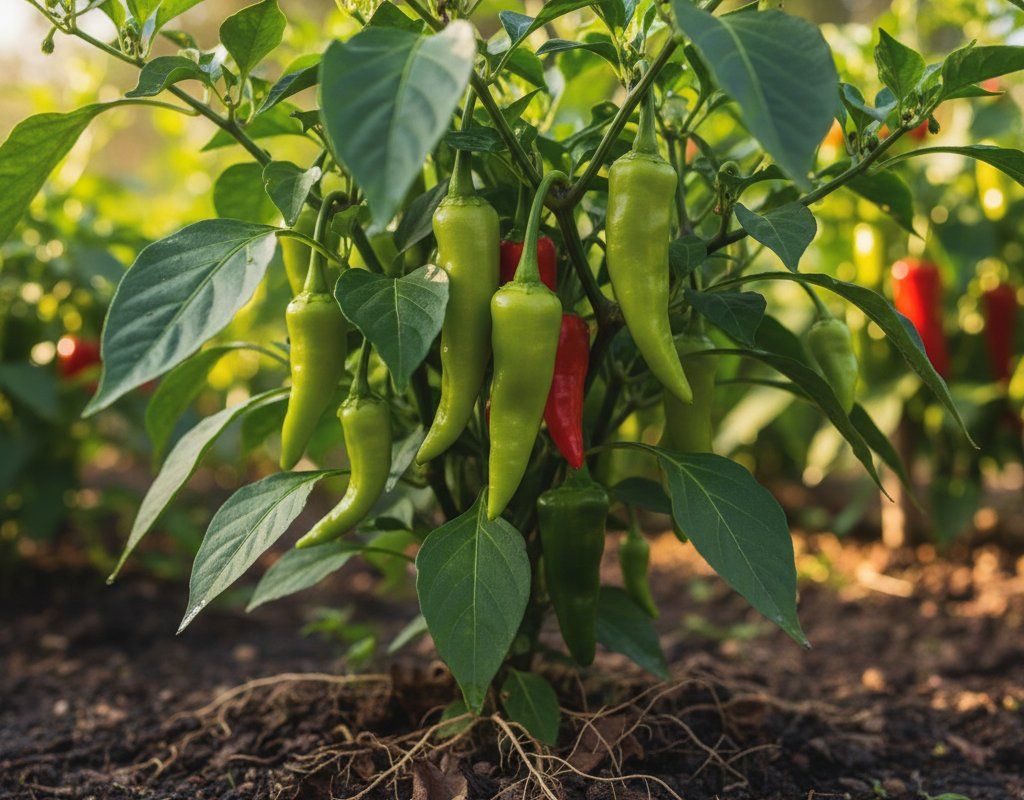
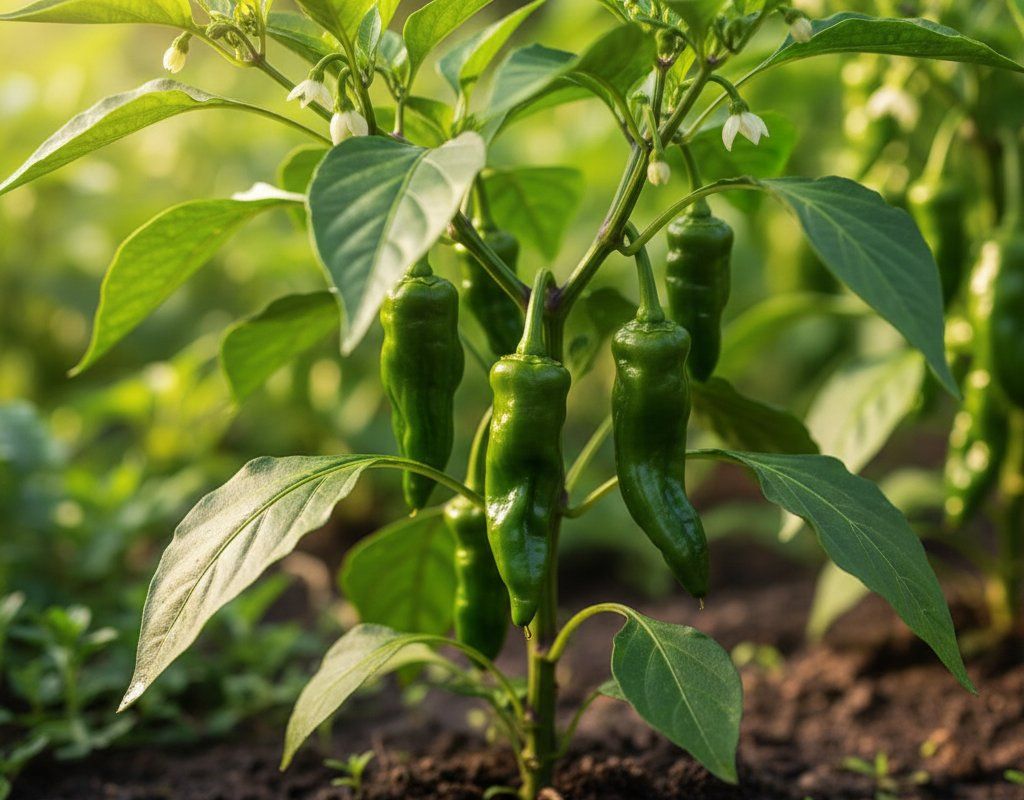
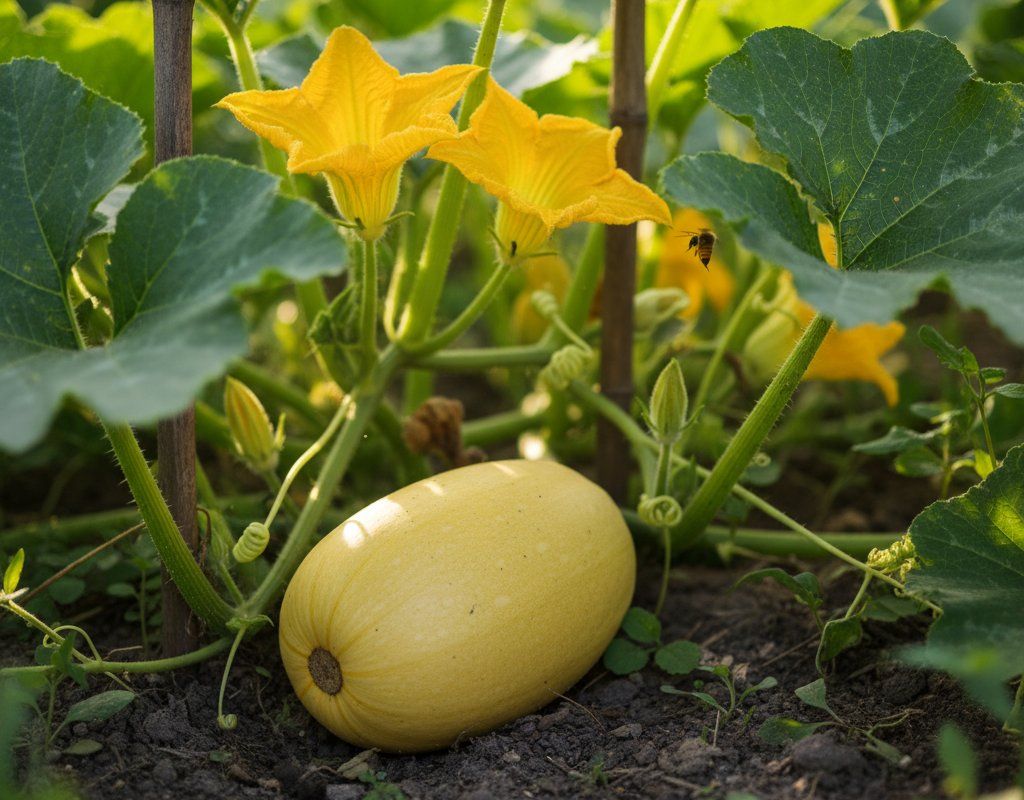

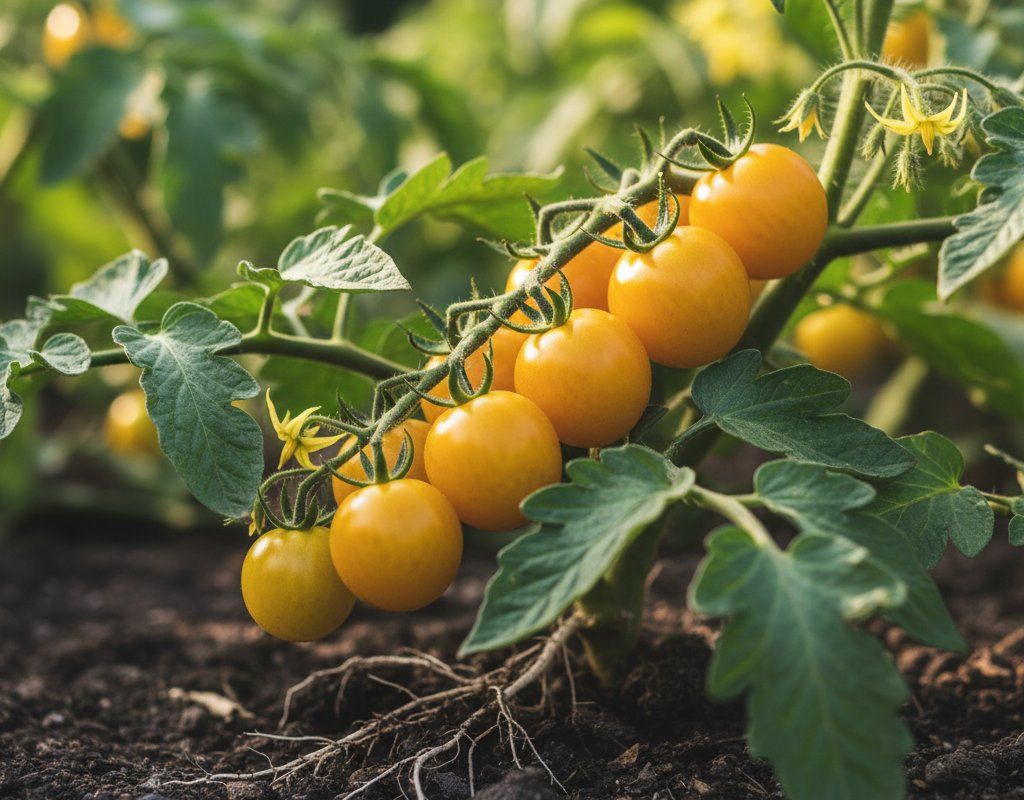
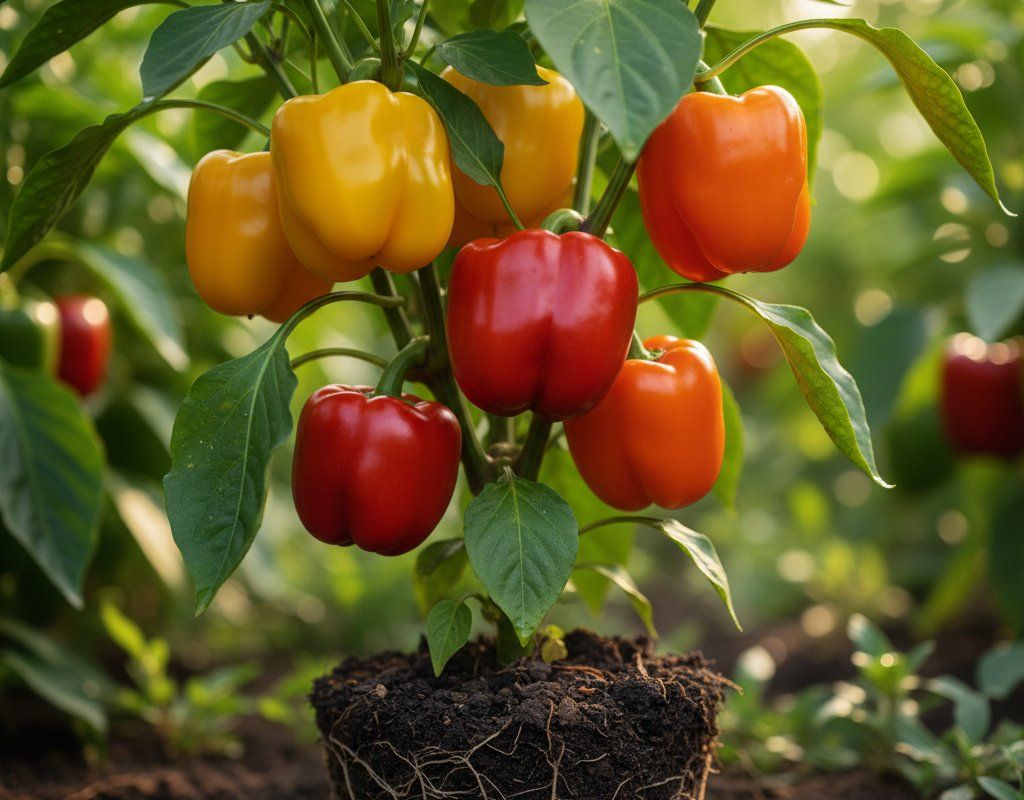
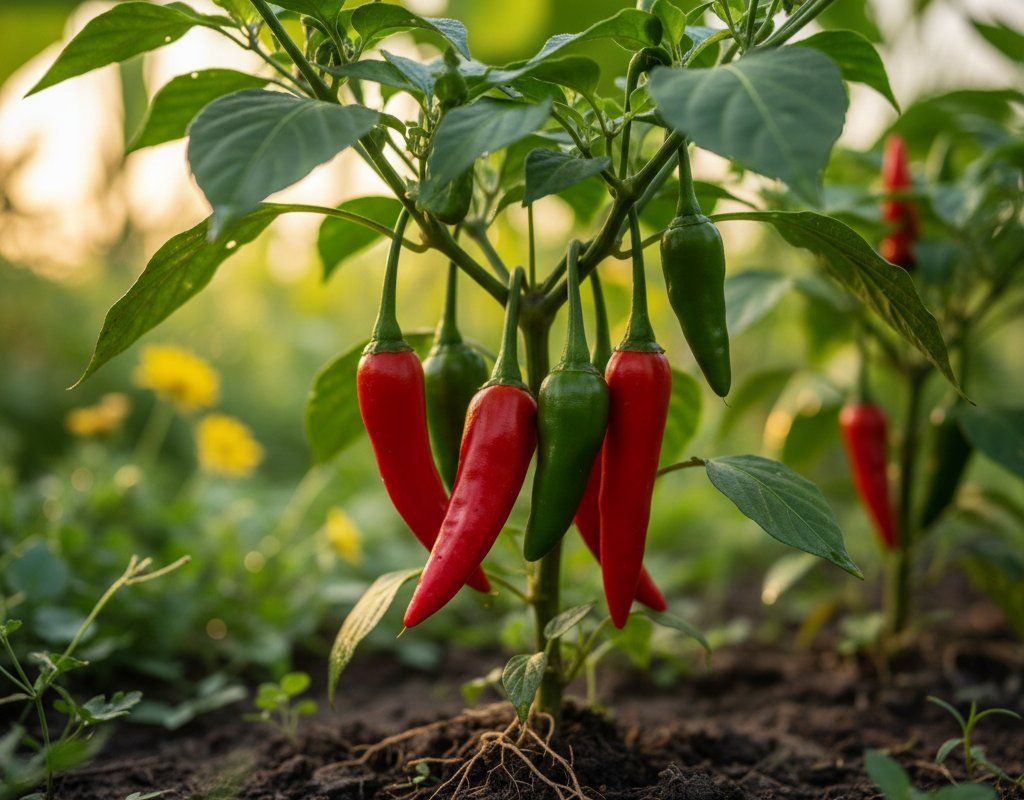

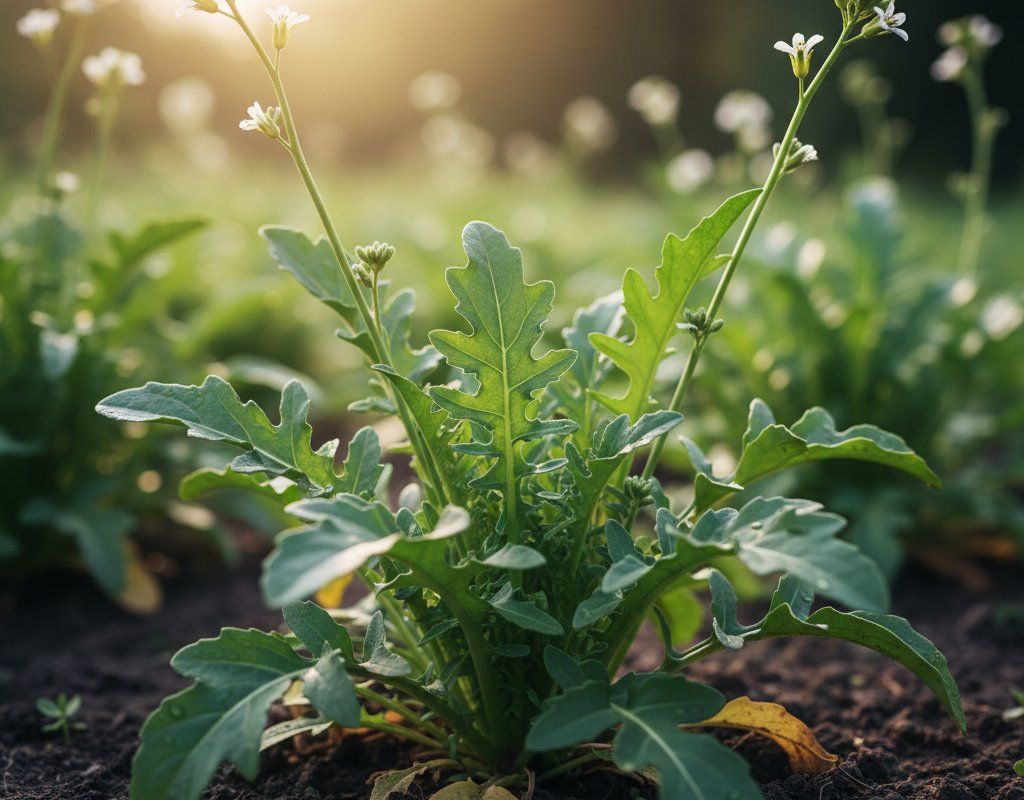
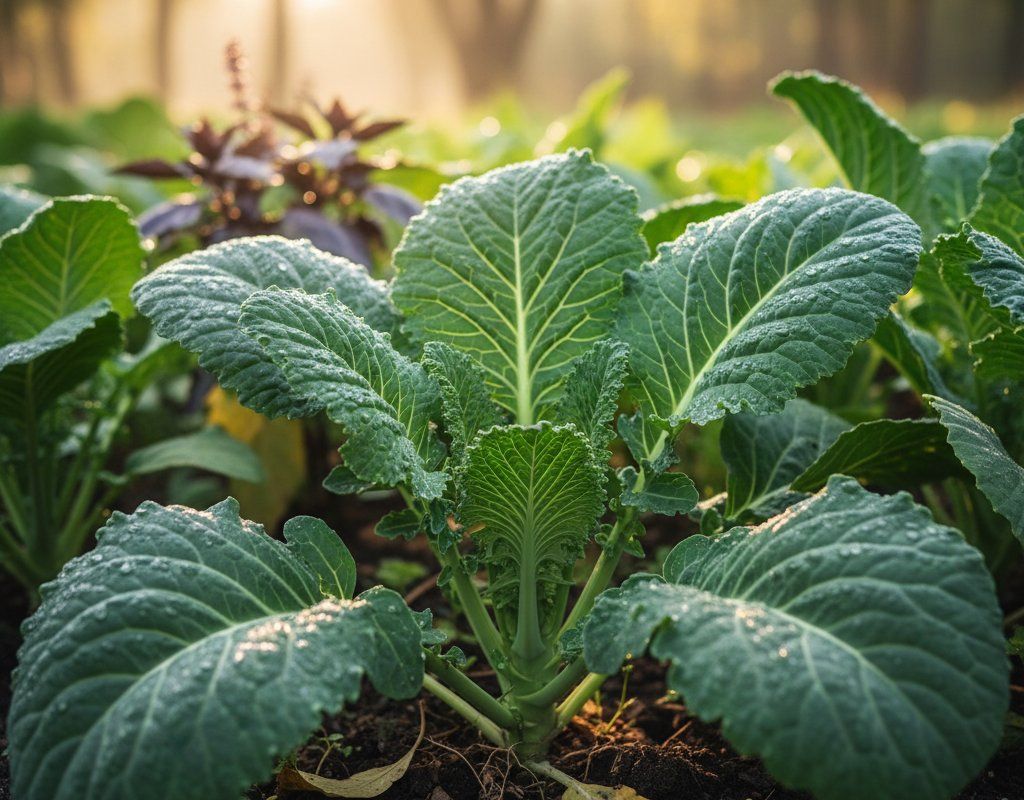
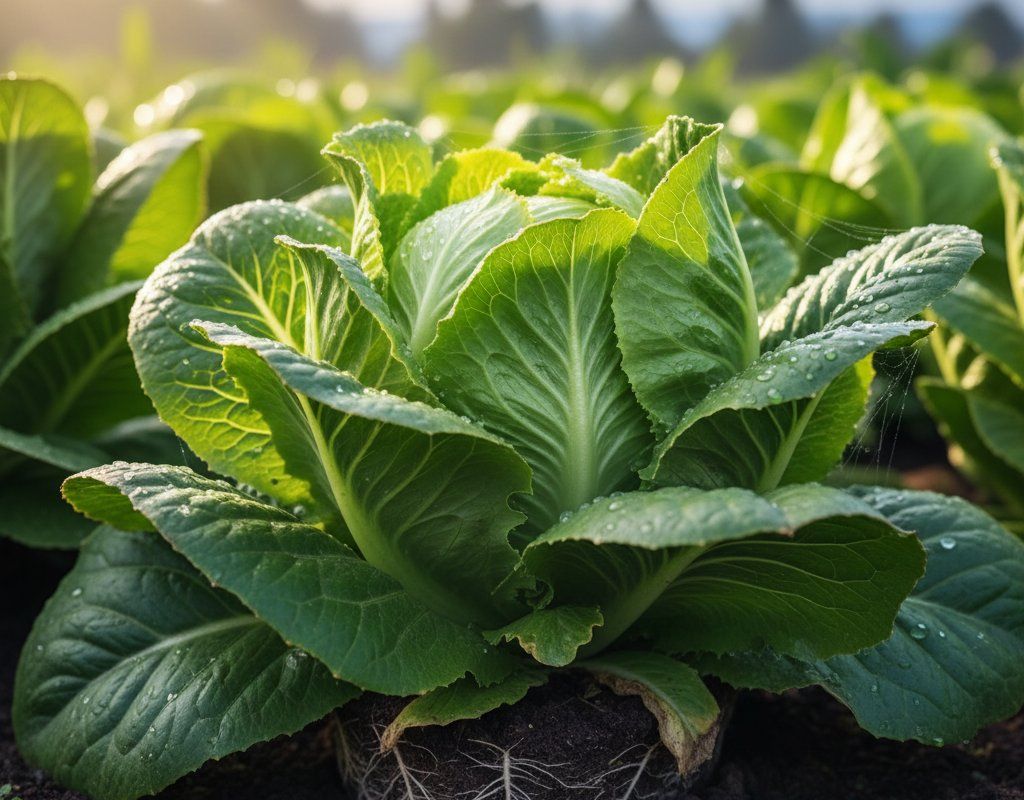
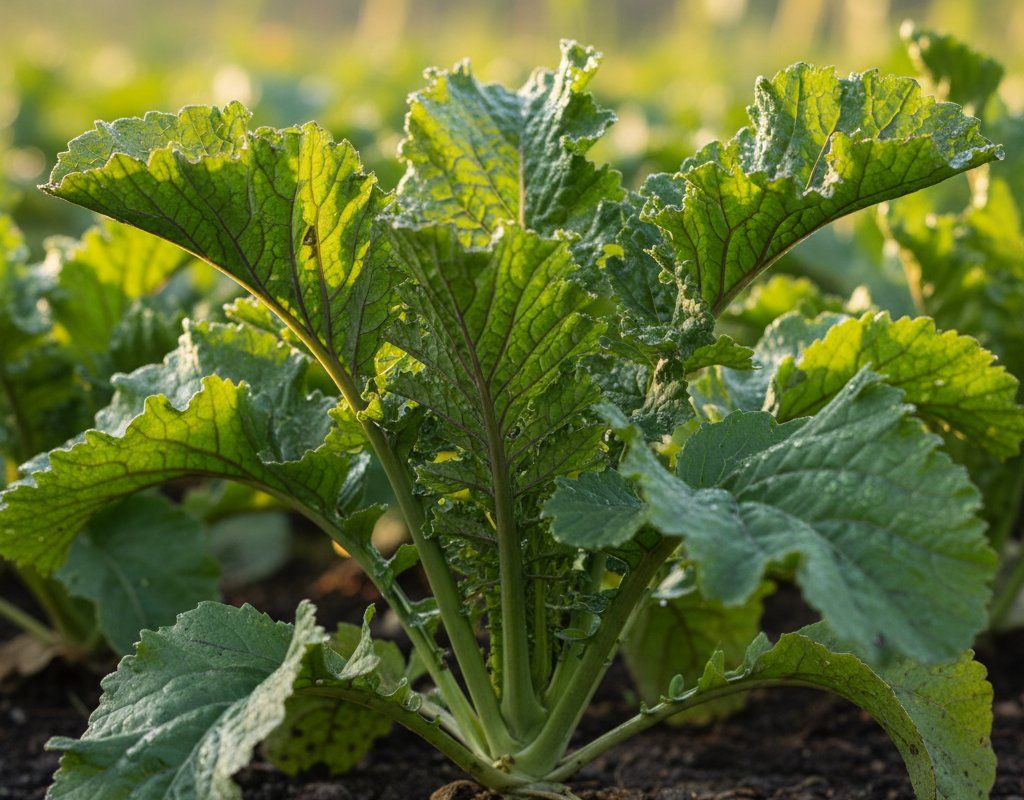
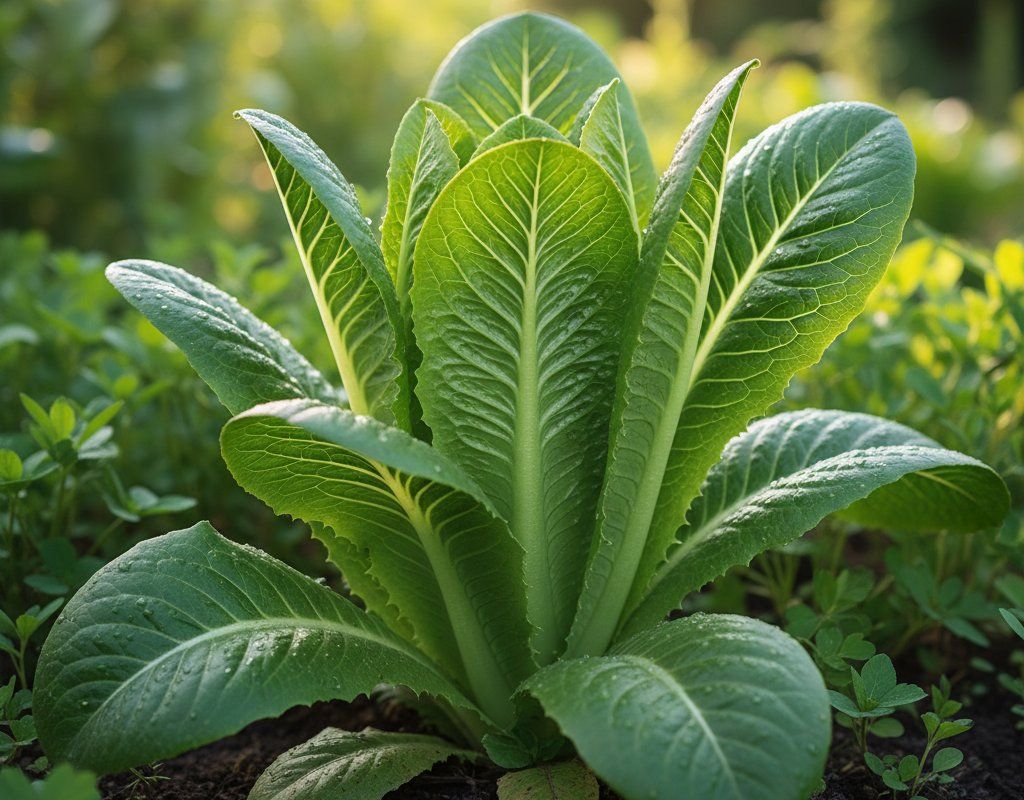
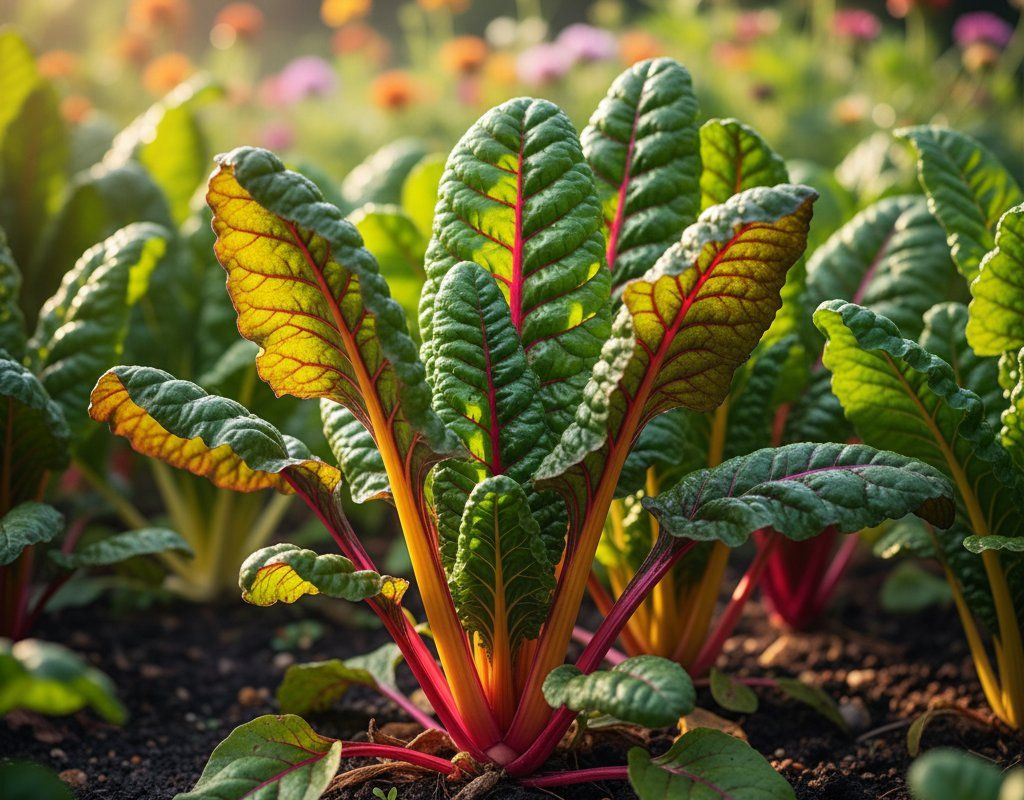
🥬Leafy Greens (9)



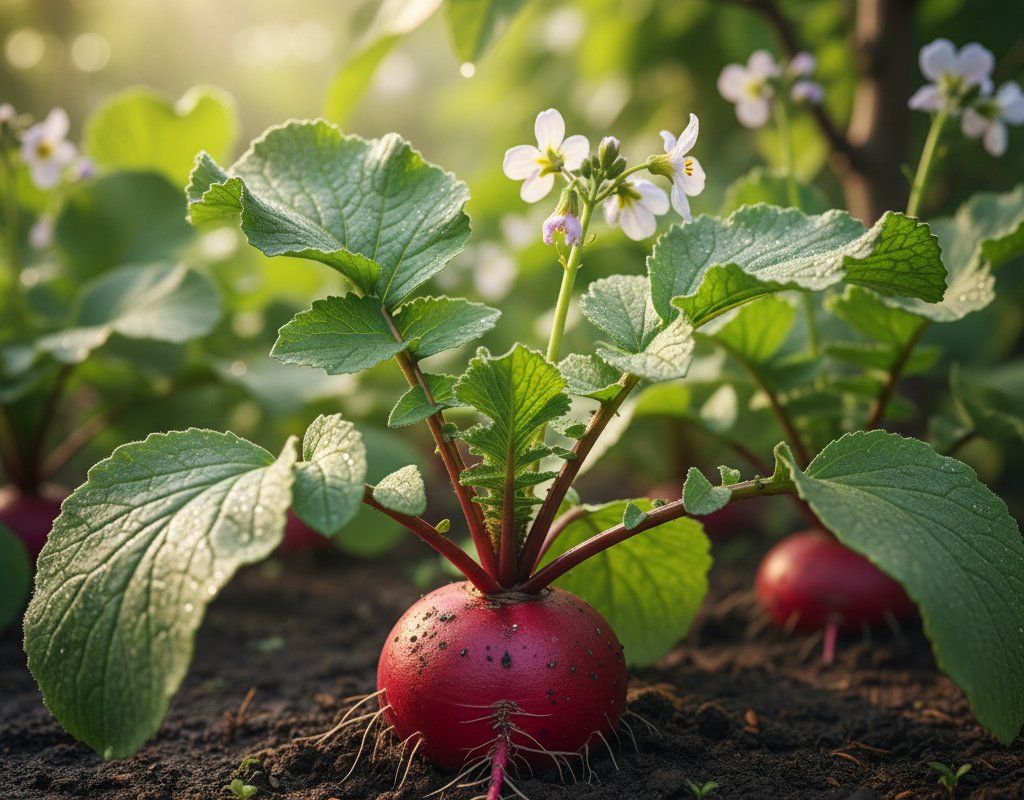
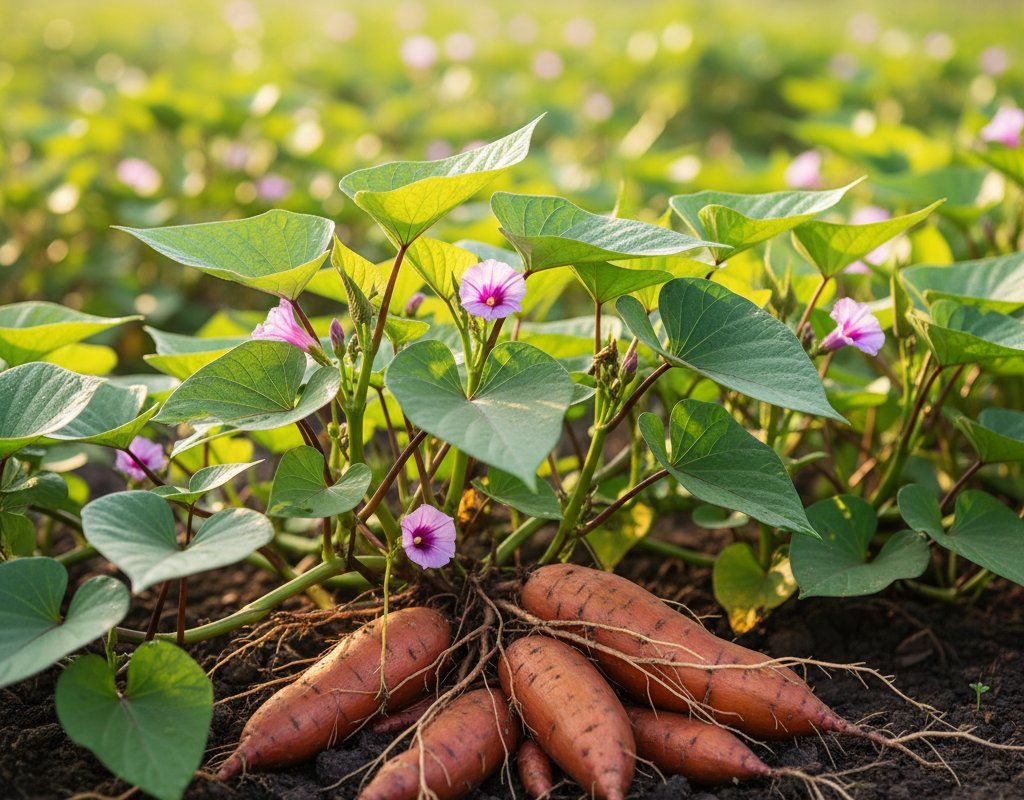
🥕Root Vegetables (5)



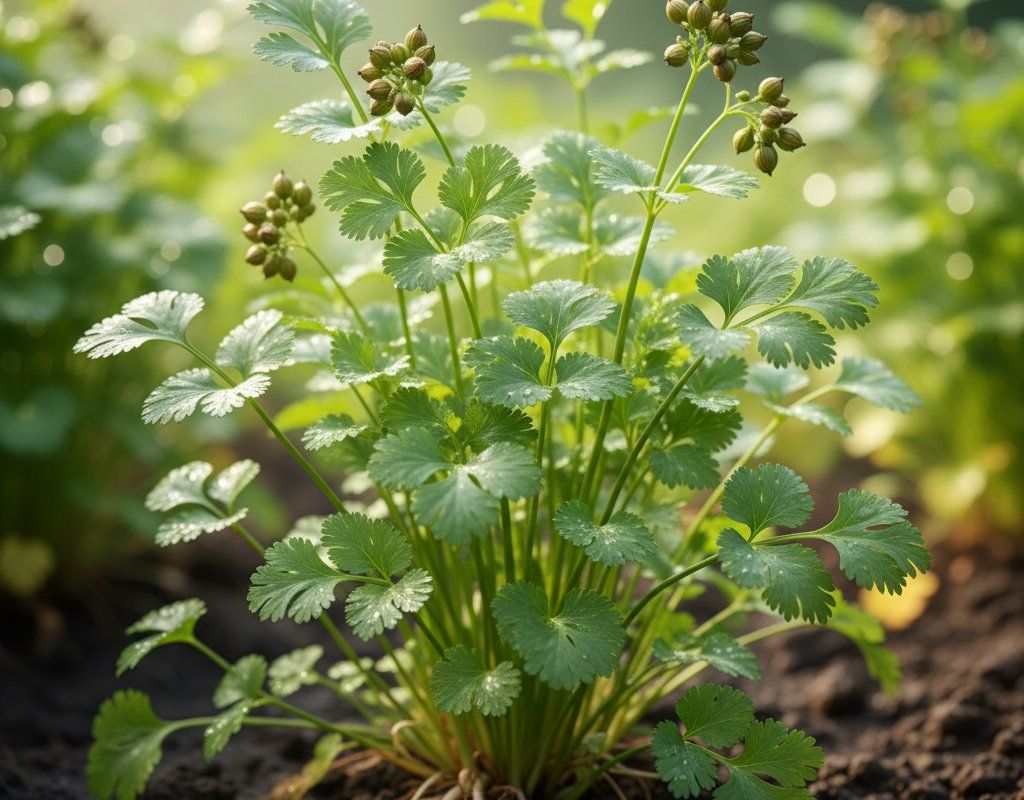
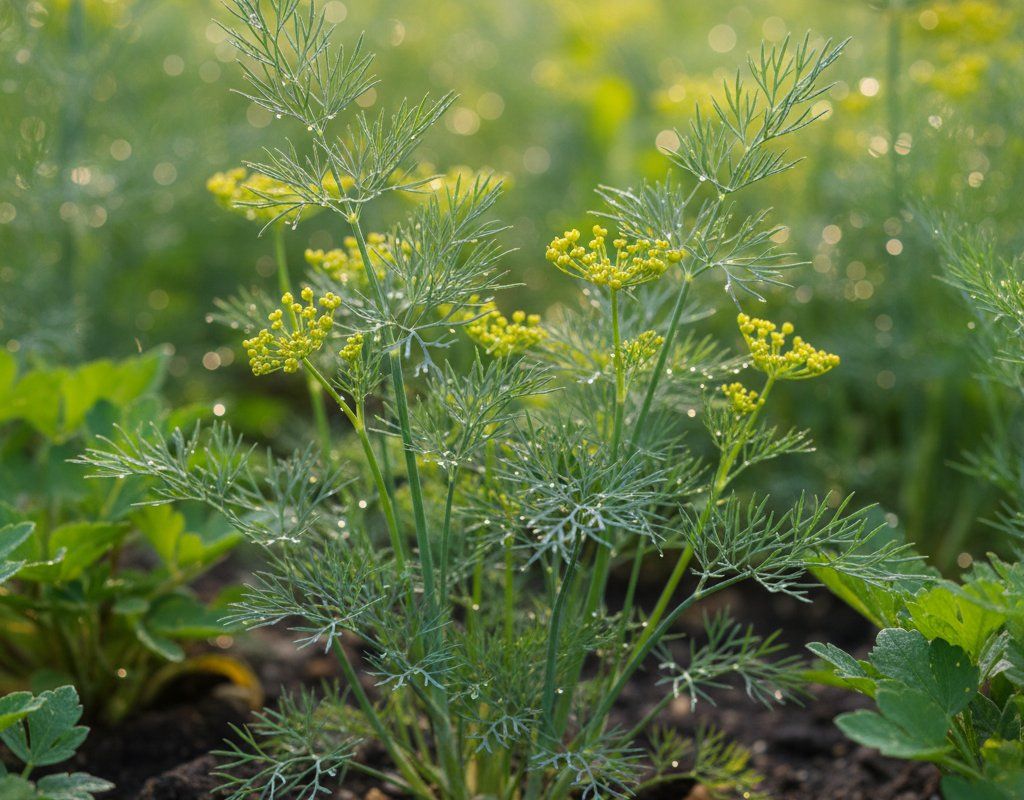
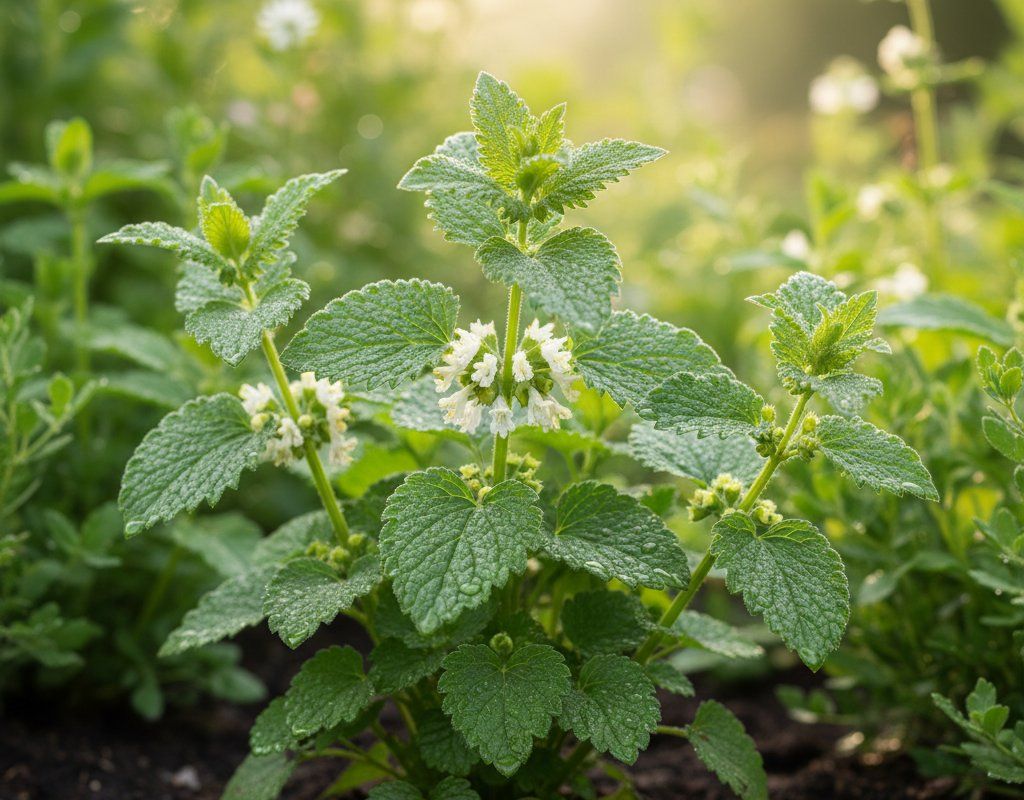
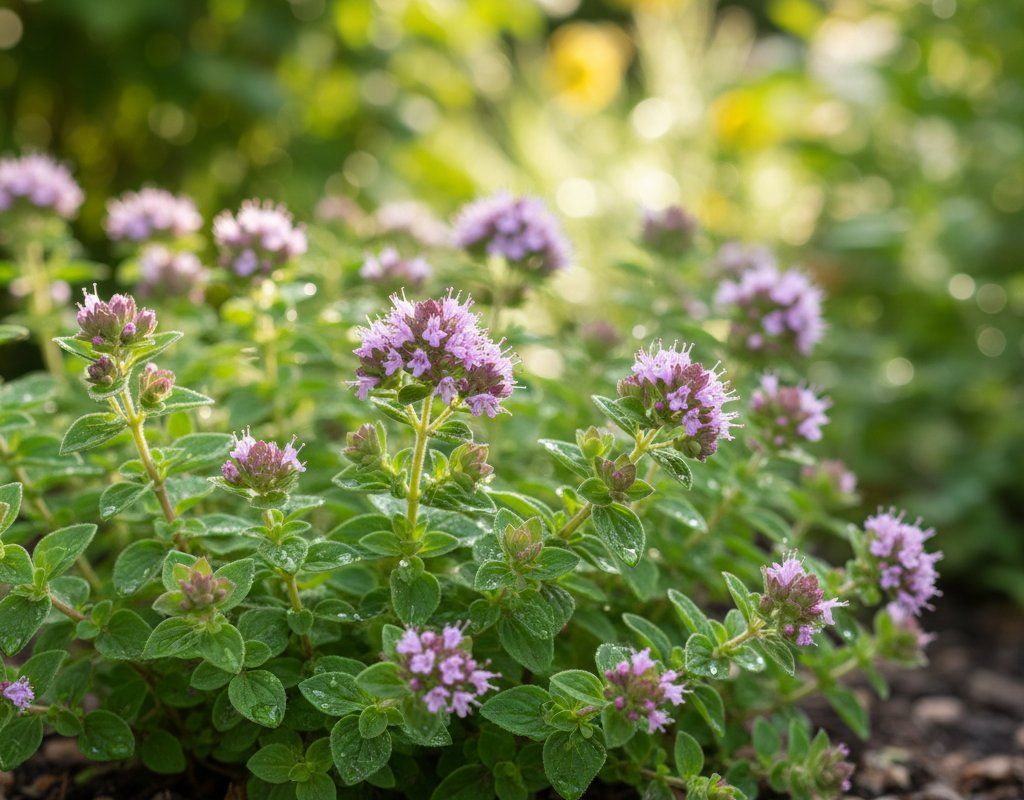
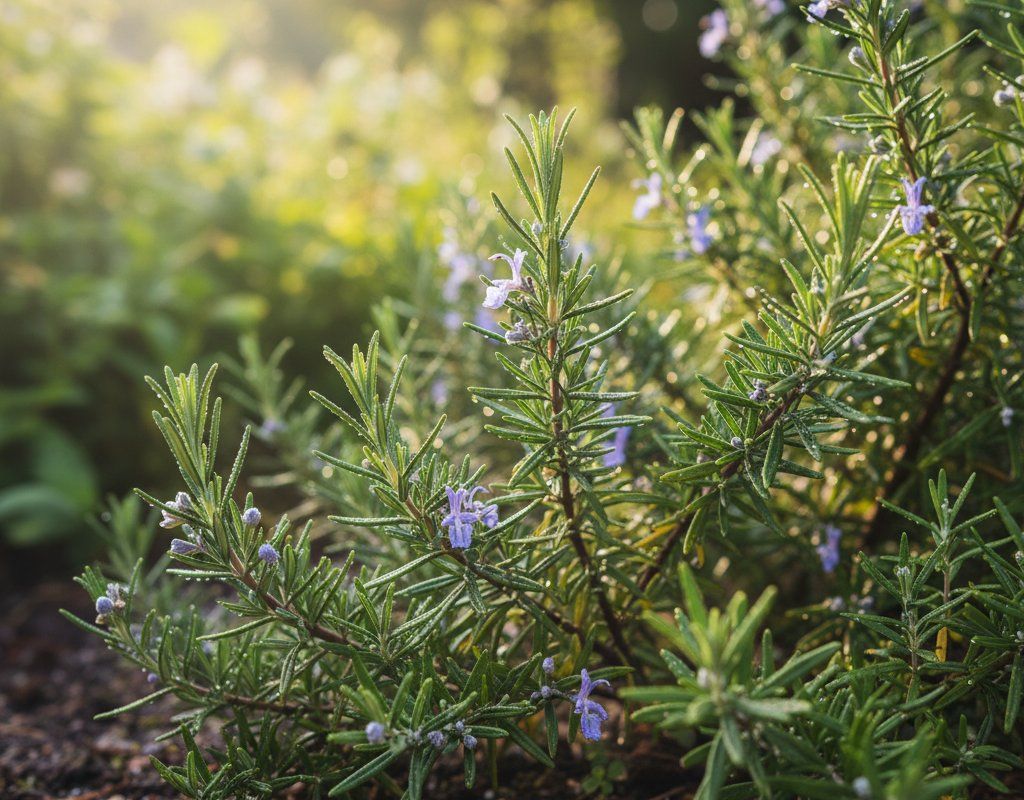
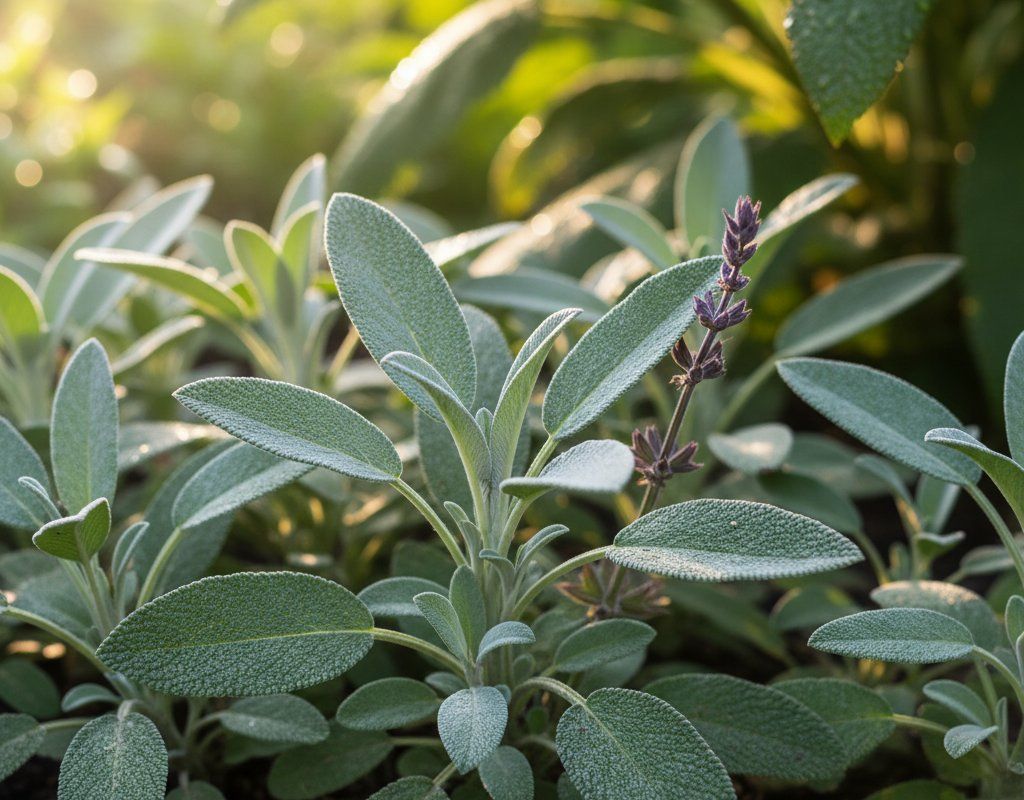
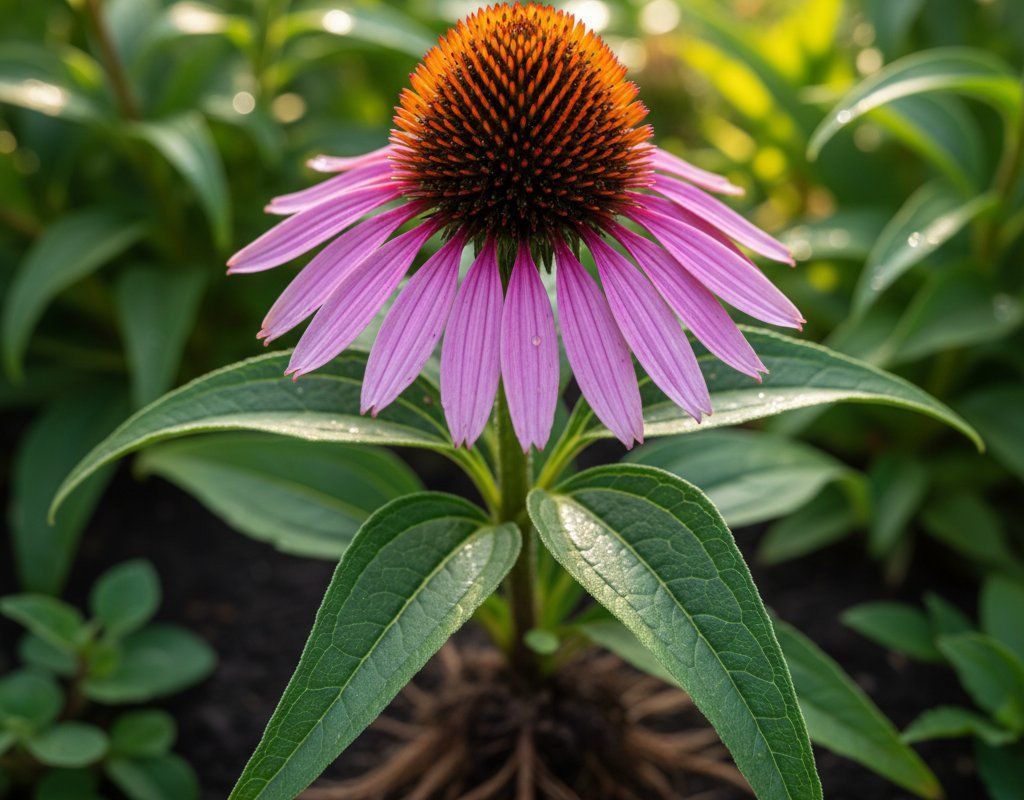
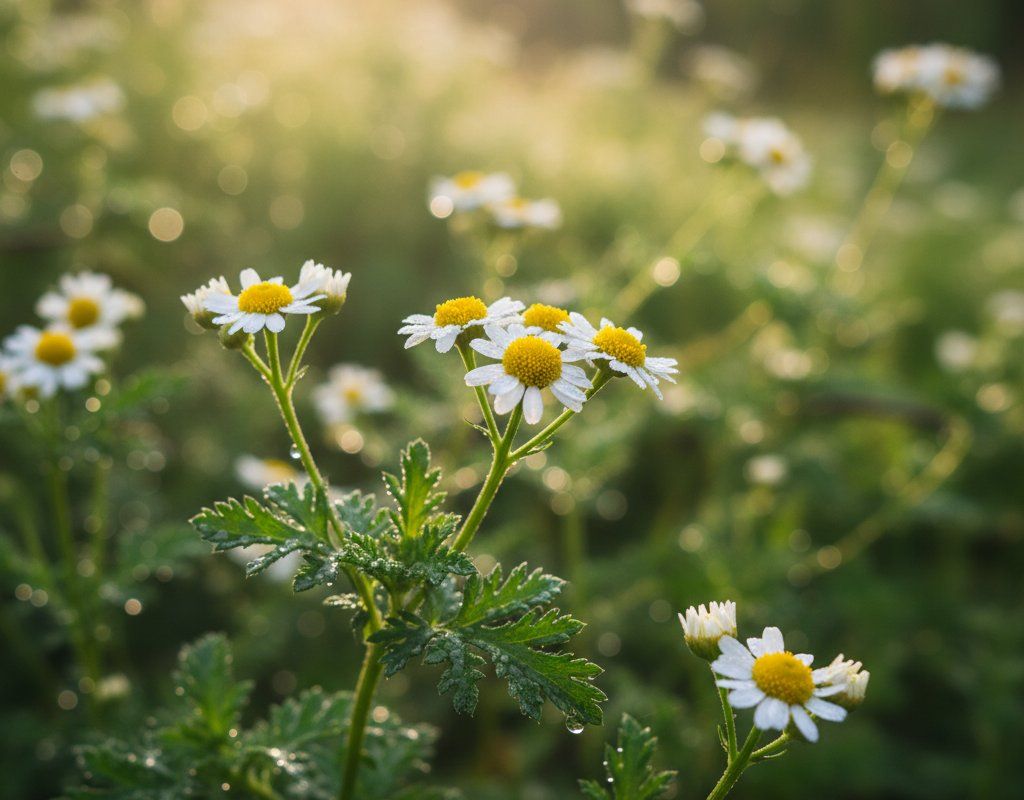
🌿Herbs (12)






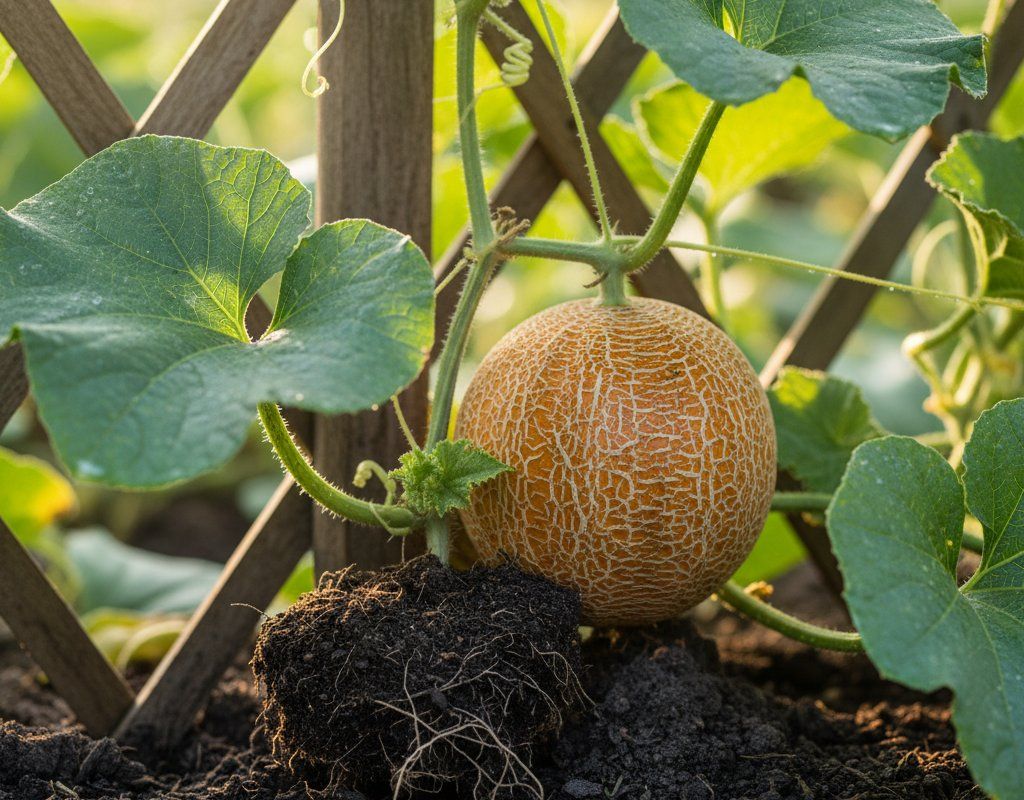
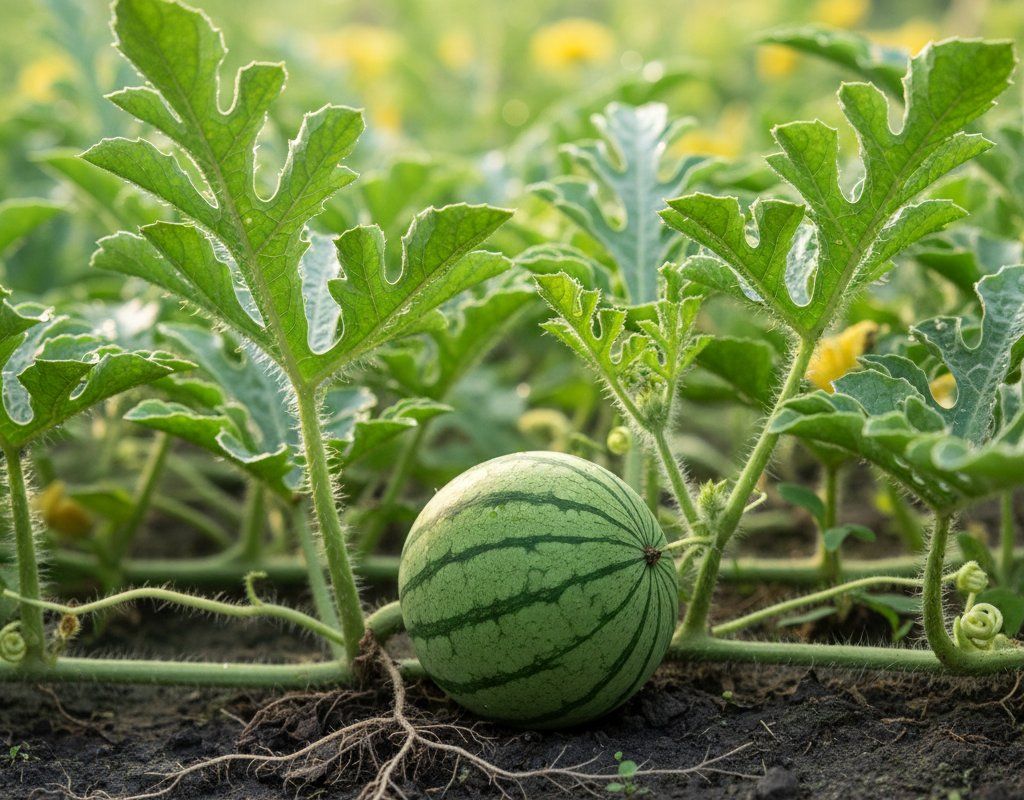
🍉Melons (2)
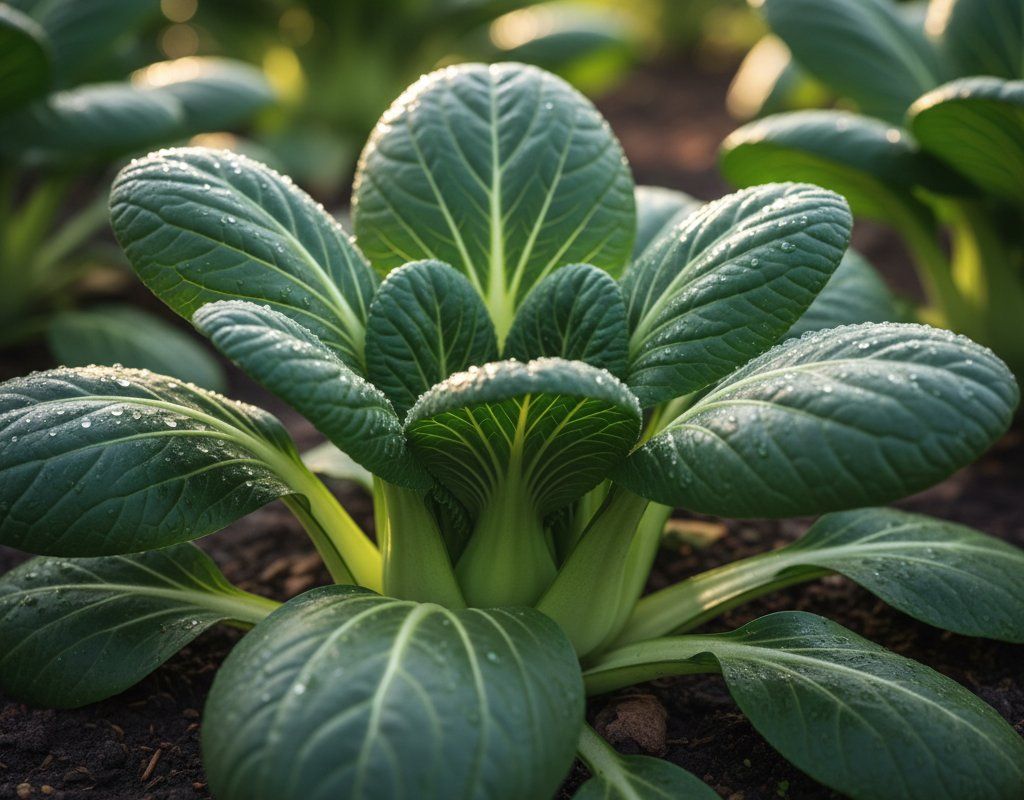
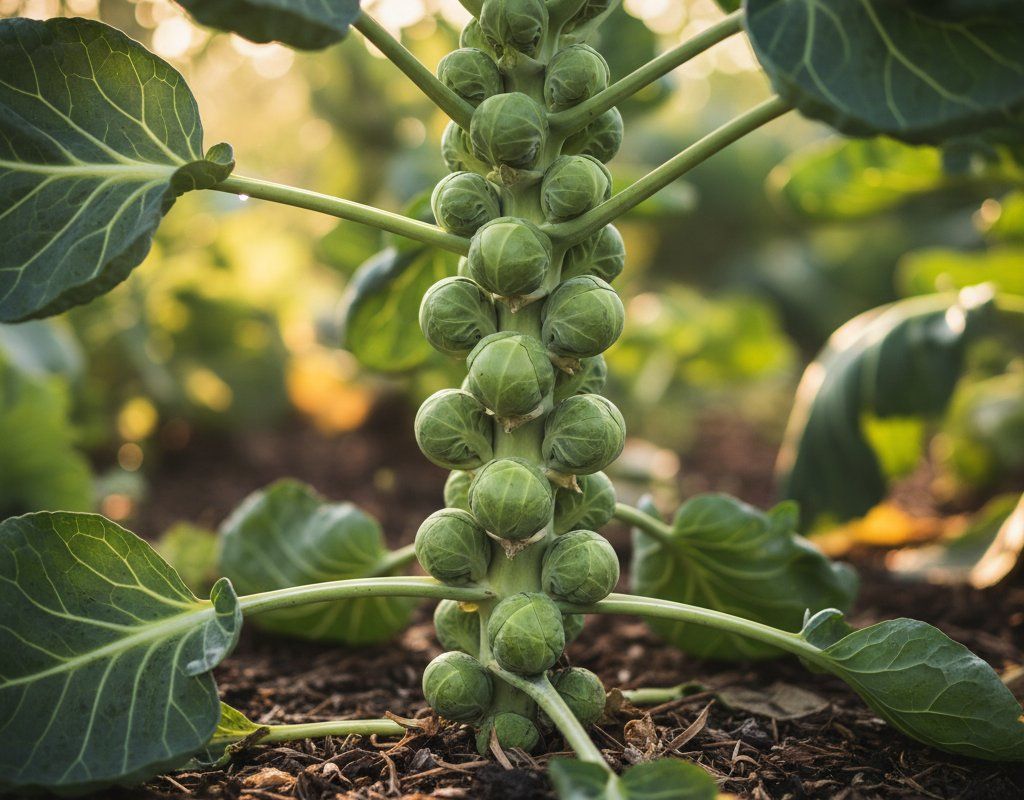
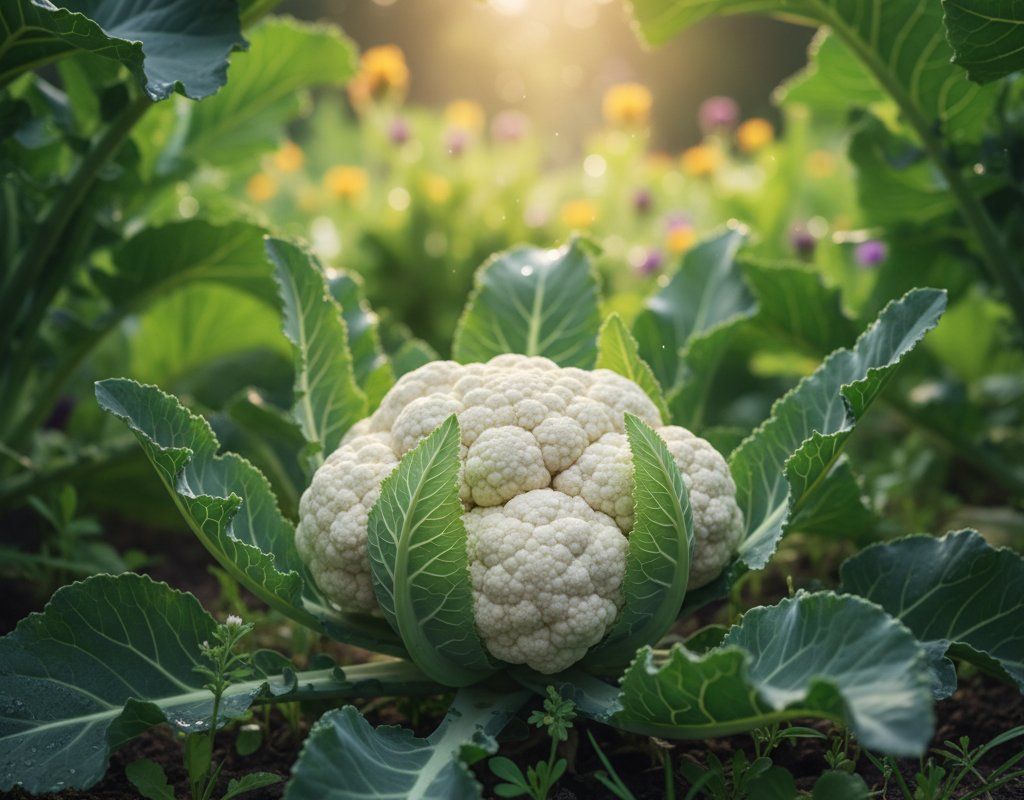
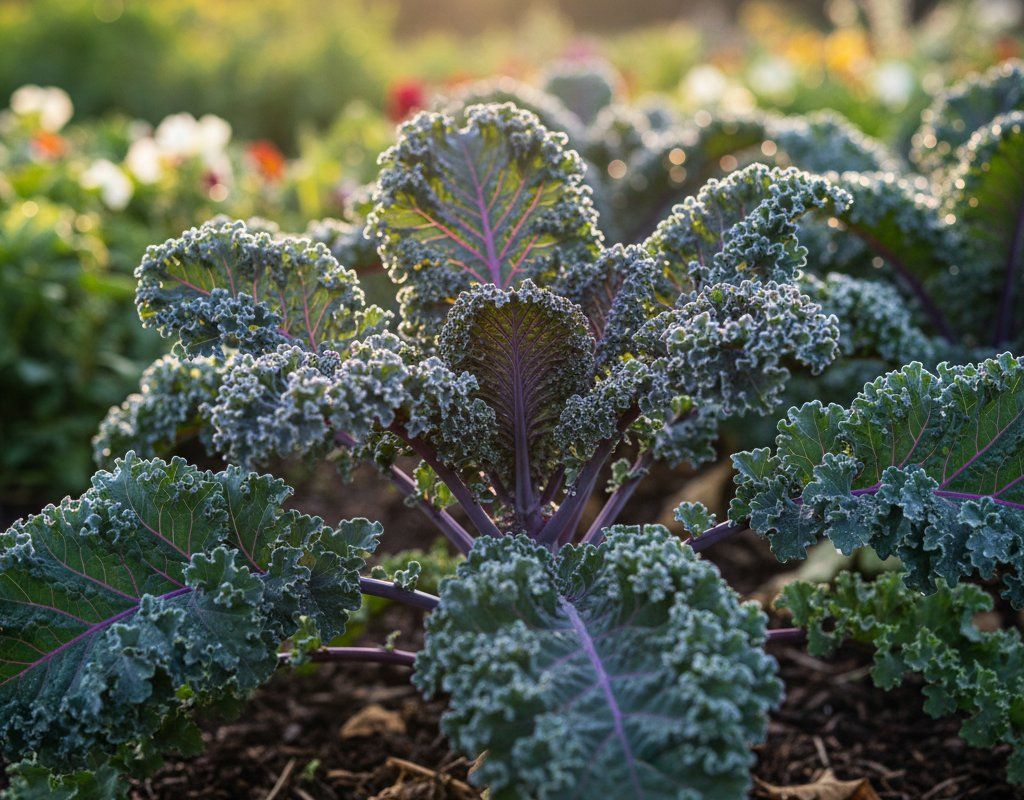
🥦Brassicas (6)


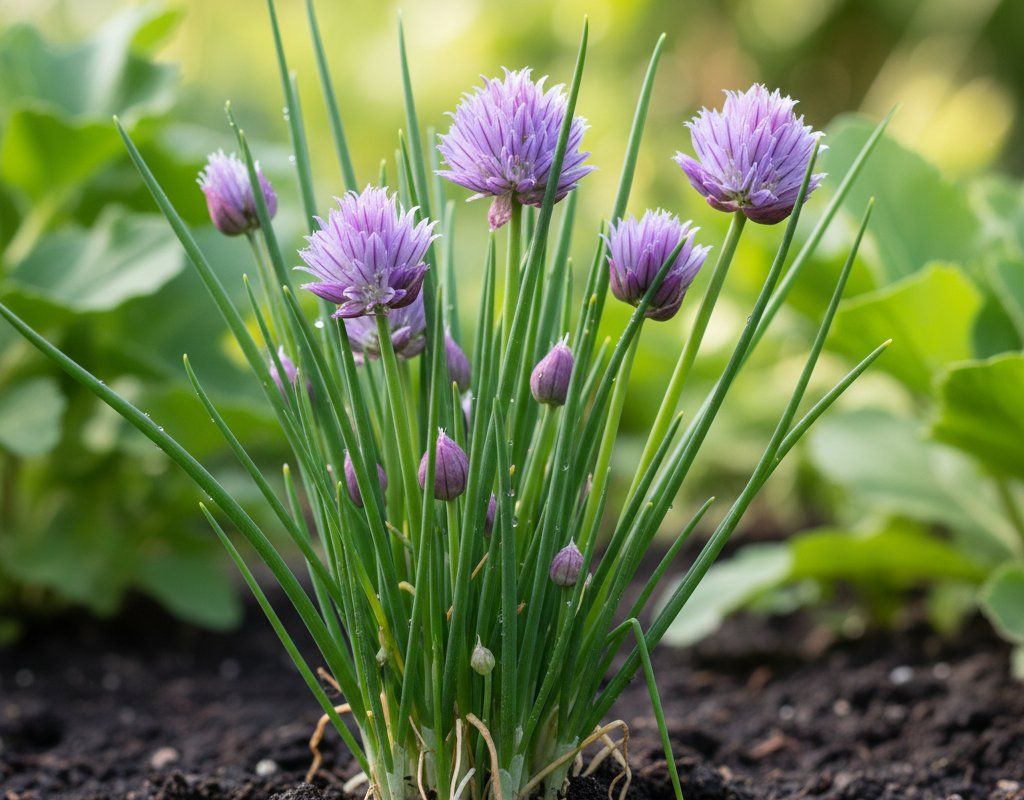
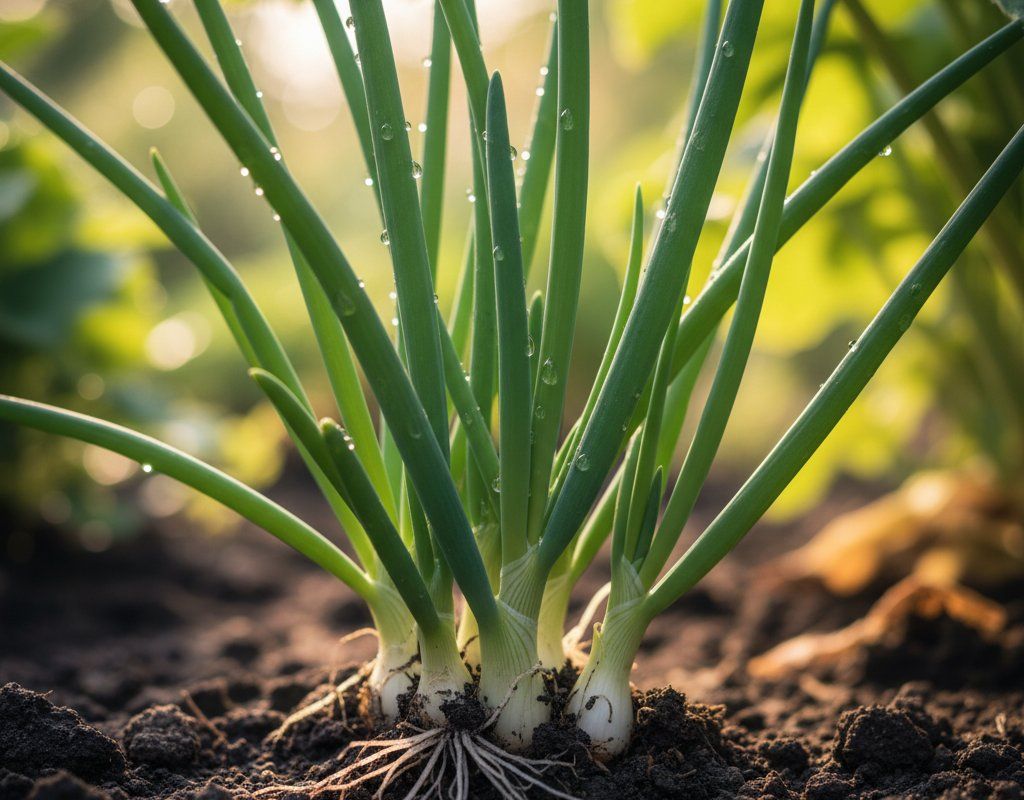
🧅Alliums (2)

🌽Grains (1)

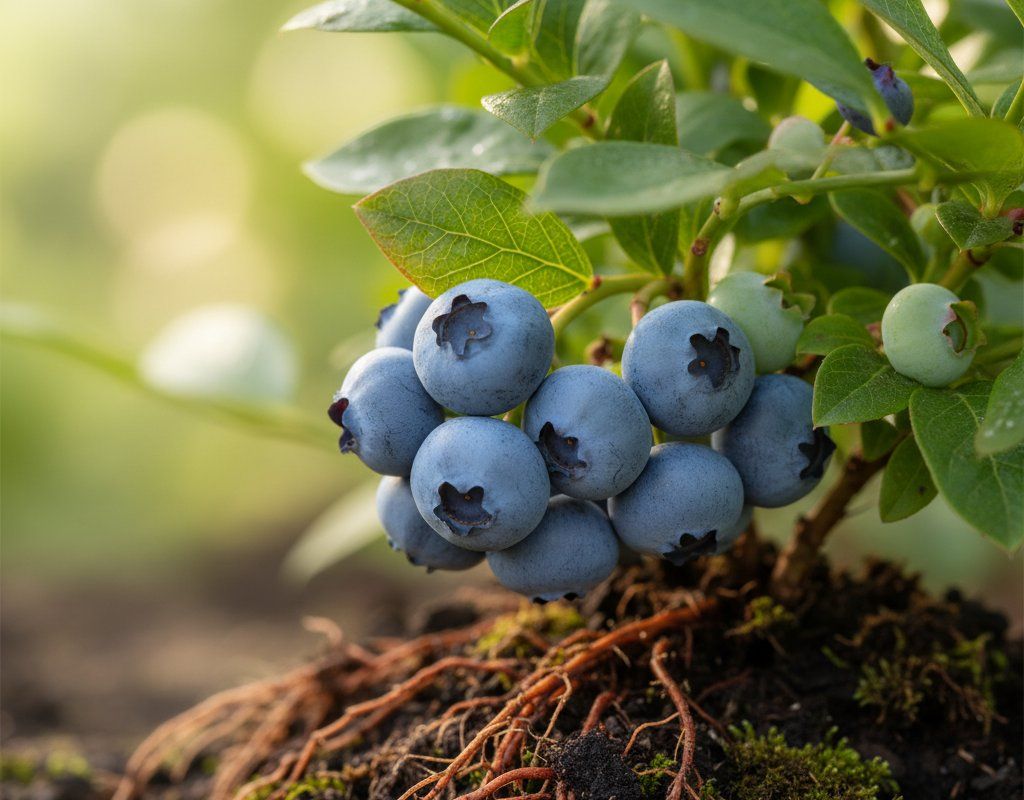
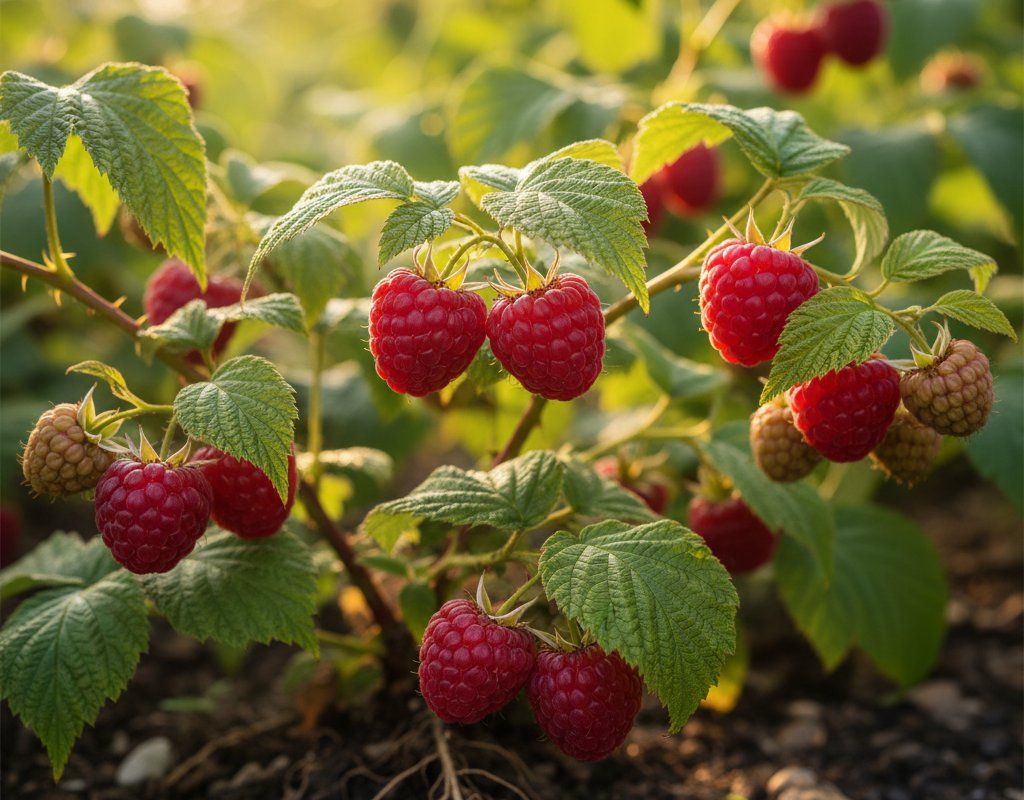

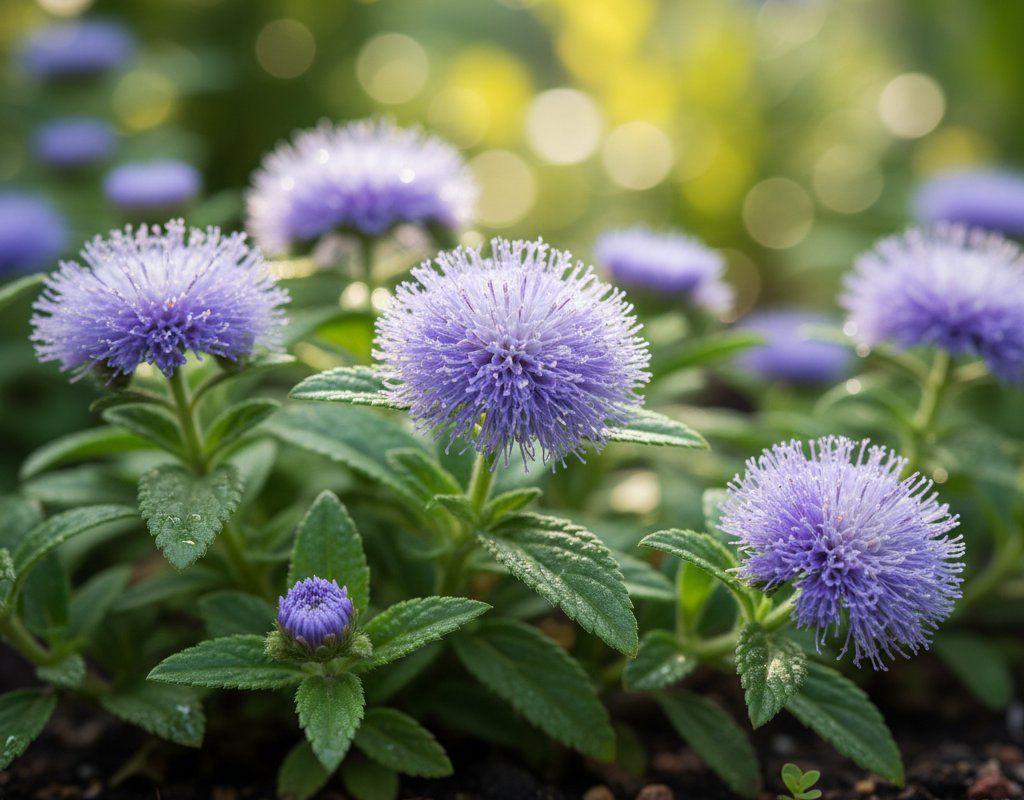
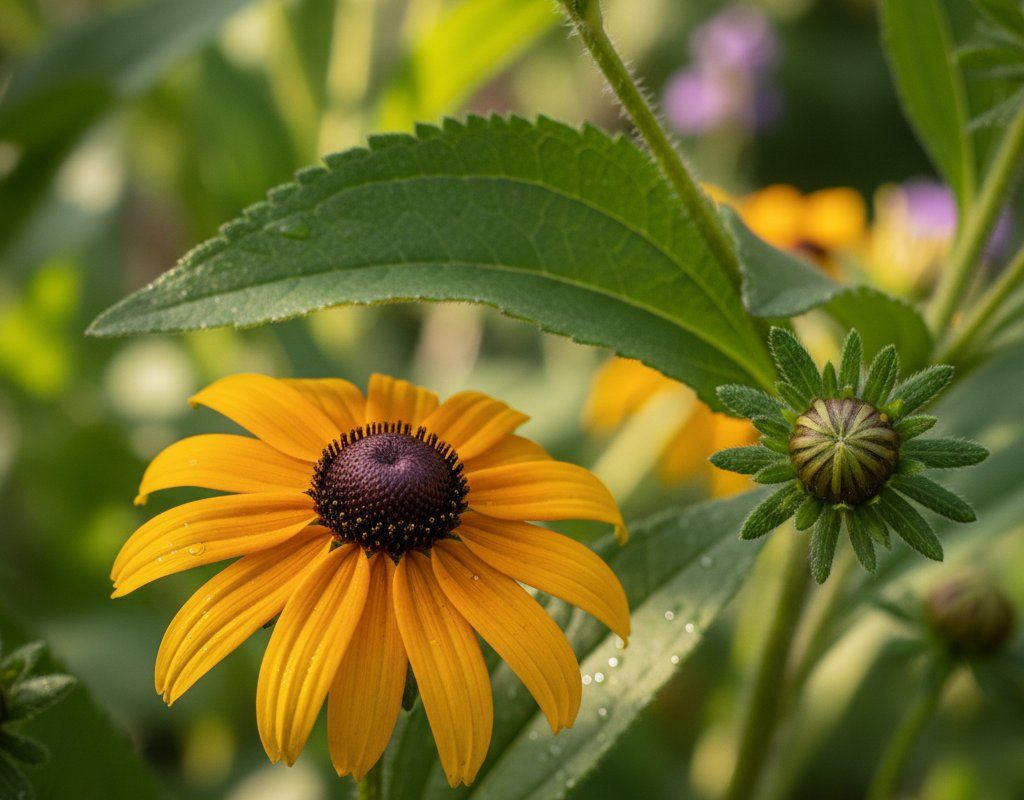
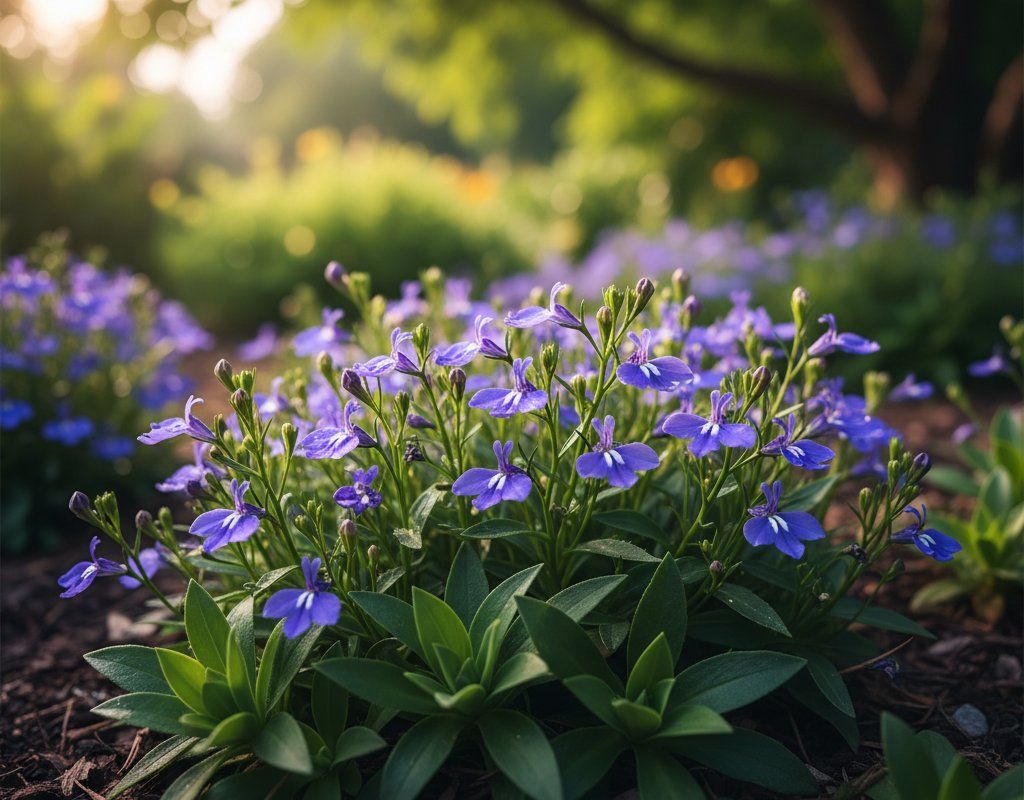
🌸Companion Flowers (20)















Month-by-Month Planting Calendar
What to do each month in your Zone 6B garden.
January is your prime planning month. Start reviewing seed catalogs, sketching garden layouts, and ordering seeds for tomatoes, peppers, and herbs that you'll start indoors. Check your gardening supplies, clean and organize tools, and consider purchasing any new equipment you'll need for the upcoming season.
In February, begin starting seeds indoors for slower-growing crops like peppers, eggplants, and some tomato varieties. Prepare your seed-starting area with grow lights and heating mats, and continue maintaining your gardening equipment. Review your garden plan and make any final adjustments before the planting season begins.
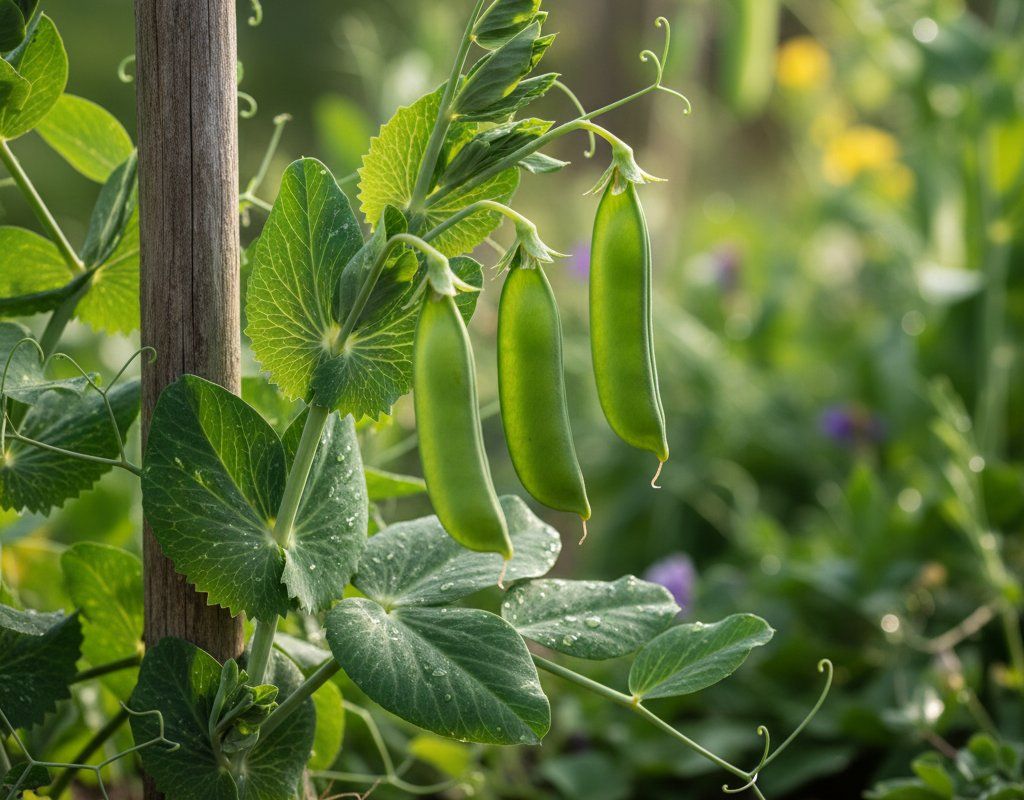
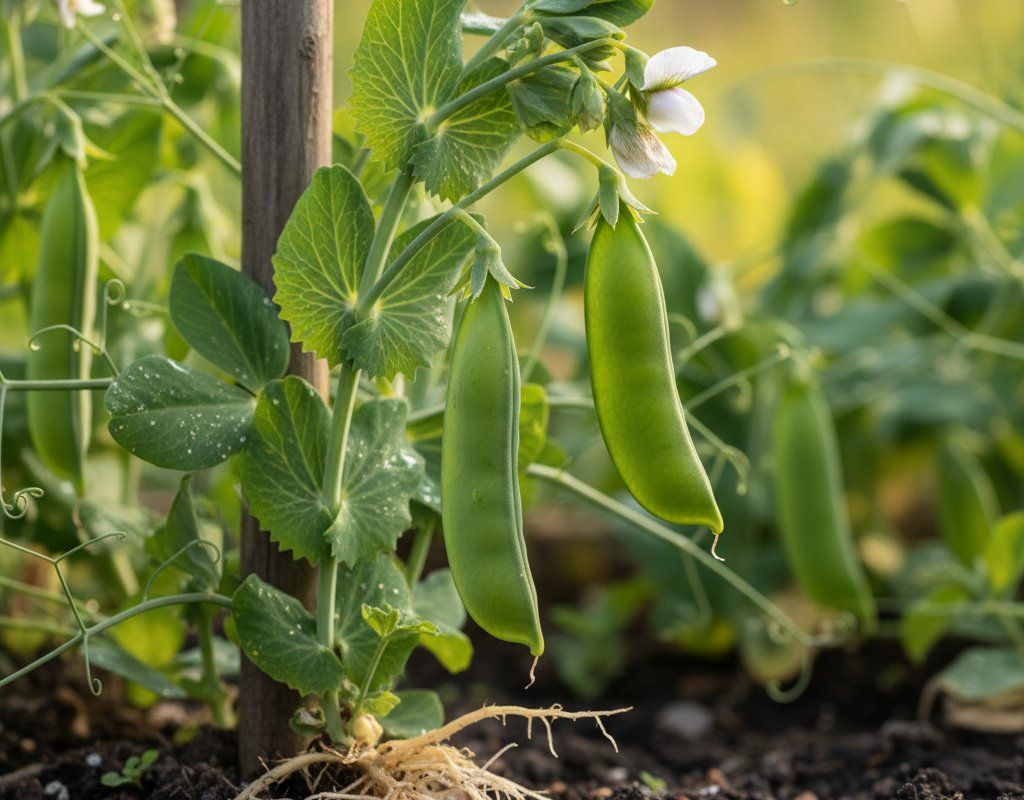
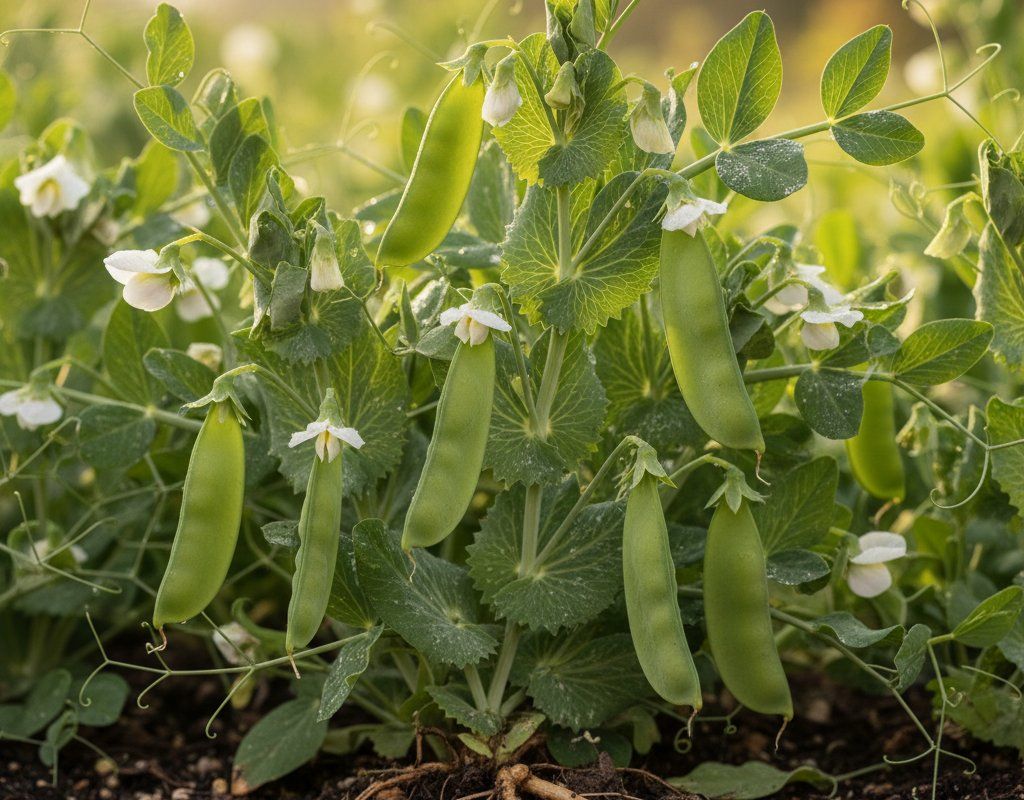
March is for preparing your garden beds and starting cool-season crops. Begin turning over soil, adding compost, and preparing raised beds. You can direct sow hardy vegetables like peas, spinach, and radishes, and start more indoor seedlings for warm-season crops.
April brings exciting garden preparation in Zone 6B. Watch for your last frost date and begin hardening off indoor seedlings. Plant cool-season crops like lettuce, kale, and broccoli directly in the ground, and prepare your warm-season garden beds for tomatoes and peppers.
May is your primary planting month. After the last frost, transplant tomatoes, peppers, and other warm-season vegetables into the garden. Direct sow beans, squash, and corn, and continue succession planting of leafy greens to extend your harvest.
June is all about maintaining and supporting your growing garden. Stake tomatoes, train climbing beans, and monitor for any pest issues. Mulch your garden beds to retain moisture and suppress weeds, and continue harvesting early crops like lettuce and radishes.
In July, your garden will be in full production. Focus on consistent watering, especially during hot spells, and harvest vegetables regularly to encourage continued production. Watch for signs of heat stress and provide shade for sensitive plants if needed.
August is peak harvest time in Zone 6B. Preserve your abundant tomatoes, peppers, and other vegetables through canning, freezing, or dehydrating. Continue monitoring garden health and start planning your fall and winter crops.
September marks the transition to fall gardening. Plant cool-season crops like kale, spinach, and root vegetables. Begin cleaning up spent summer crops and prepare beds for cover crops or winter protection.
October is for final harvests and garden cleanup. Remove spent summer plants, add compost to beds, and plant garlic and spring-flowering bulbs. Consider adding row covers to extend the season for remaining crops.
In November, complete your garden winterization. Clean and store tools, drain irrigation systems, and add a layer of mulch to protect perennial herbs and overwintering crops. Reflect on this year's garden and start planning next season.
December is a quiet gardening month. Review your garden journal, organize seed collections, and continue winter garden planning. Take time to maintain tools and enjoy the winter garden's restful period.
Common Challenges in Zone 6B (Mountain West)
Zone 6B provides about 183 days between last and first frost — nearly six months of growing time. This is enough for two full rounds of many crops.
Late frost is the main risk: experienced gardeners watch the forecast carefully through late April, because a single overnight frost can kill unprotected transplants. Summer heat and humidity bring disease pressure, especially on tomatoes (early blight, septoria) and cucurbits (powdery mildew).
Squash vine borers are a dependable June arrival. On the plus side, the long season means you can recover from setbacks with succession plantings.
Season Extension Tips
You're well-positioned for year-round food production with modest infrastructure. Start warm-season seeds indoors in early to mid-March.
After hardening off, transplant around May 1 (keeping row cover handy for any late frost forecast). Plant fall crops aggressively: broccoli, cabbage, and cauliflower transplants go out in late July, while direct-sown beets, carrots, turnips, and radishes go in through mid-August.
Garlic planted in mid to late October produces well. A cold frame or low tunnel lets you harvest spinach, mache, and claytonia through most of winter.
Soil Preparation
Spring soil prep starts in early to mid-April. If you mulched heavily in fall, pull mulch aside to let the top few inches warm and dry.
Add 1-2 inches of aged compost across beds and lightly incorporate it. For clay soils (common in many 6B regions), consistent annual compost additions gradually transform soil tilth — you'll notice improvement within 2-3 years.
Avoid working soil when it's wet enough to form a ball that doesn't crumble. A soil thermometer is worth having: most warm-season crops want soil at 60°F+ for transplanting.
Cover crop with winter rye or crimson clover on empty beds in fall.