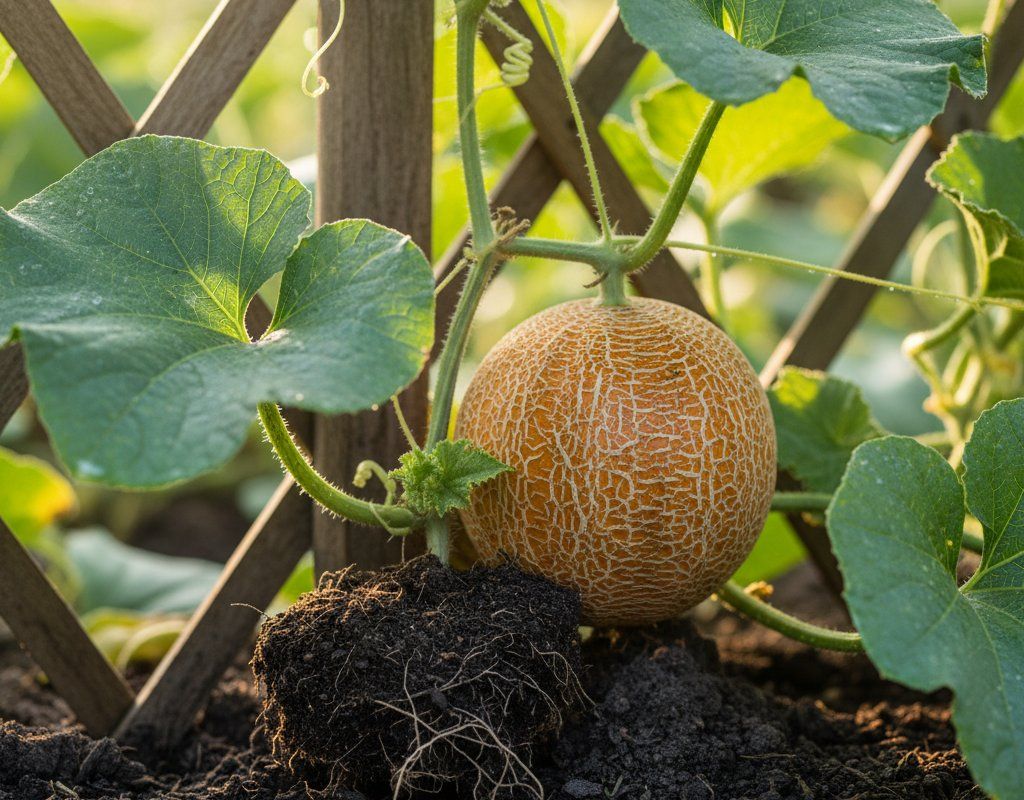
Cantaloupe in Zone 6B — Great Plains
Cucumis melo · Your Complete 2026 Planting Guide
Planning Ahead — Great!
You’re ahead of the season. Here’s when to start.
Mark Your Calendar
How to Plant Cantaloupe in Zone 6B — Great Plains
Here are all your options for getting cantaloupe in the ground, from the easiest method to more advanced approaches.
Direct Sow Seeds
RecommendedLate April through late July
around April 24
Consider succession planting every 2-3 weeks for continuous harvest.
Same as watermelon — needs warm soil, direct sow works in most zones.
Buy Starts
Works WellLate April through late May
around April 24
Plant purchased starts after last frost (April 10).
Start Seeds Indoors
Works WellLate March through mid April
around April 3
Then transplant: Late April through late May
Start seeds 3-5 weeks before transplanting outdoors.
Transplant Outdoors
Timing InfoLate April through late May
around April 24
Wait until nighttime temperatures stay above 50°F.
You have a nice window — no need to rush.
Overview
Growing cantaloupe in Zone 6B's Great Plains climate rewards you with incredibly sweet, aromatic melons that put anything from the grocery store to shame. Our intense Prairie sunshine and hot summer days create ideal conditions for developing those complex sugars that make homegrown cantaloupe so addictive. The low humidity here also means fewer disease issues compared to more humid regions, giving your vines a better chance at producing those perfect, netted fruits.
The Plains' extreme temperature swings and variable spring weather can make cantaloupe timing tricky, but with our 198-day growing season, you have plenty of time to work with once the soil warms up. The key is patience—wait for consistently warm conditions rather than rushing into those early warm spells that often fool us here. Your cantaloupe will thank you for the wait with superior fruit quality.
Starting Seeds Indoors
Starting cantaloupe seeds indoors from late March through mid-April can give you a head start, especially if you want to maximize your harvest window before our first frost in late October. This method works well when our variable spring weather makes direct sowing risky, though most Plains gardeners find direct sowing more reliable for melons.
Set up your seeds in seed trays with good drainage, keeping them warm (75-85°F) for best germination. Use bottom watering to prevent damping-off disease—just set your trays in shallow water and let the soil wick up moisture. Cantaloupe seedlings need strong light once they germinate, so a south-facing window or grow lights work best.
Plan to transplant your seedlings outdoors about 3 weeks after starting, when soil temperatures consistently hit 65°F and nighttime temperatures stay above 50°F. Our spring weather swings can delay this timing, so keep those seedlings under lights a bit longer if needed rather than rushing them outside.
Transplanting Outdoors
Transplant your indoor-started cantaloupe seedlings outdoors from late April through late May, timing it with our last frost period and consistently warm soil. Wait until soil temperatures reach at least 65°F—cold soil will shock these tender plants and set back growth significantly in our climate.
Harden off your seedlings for a full week before transplanting, gradually exposing them to outdoor conditions including our notorious Plains wind. Start with just an hour or two outside, then extend the time daily. This process is crucial here because our temperature swings and wind can shock unprepared seedlings.
Space your transplants 36-48 inches apart to handle their sprawling vine growth, and plant them slightly deeper than they were in their containers. Choose a spot with wind protection if possible—young transplants are particularly vulnerable to our spring winds until their root systems establish.
Direct Sowing
Direct sowing is the preferred method for cantaloupe in the Plains, giving you stronger plants better adapted to our extreme weather conditions. Sow seeds from late April through late July, but wait until soil temperatures consistently reach 65-70°F—usually mid to late May in most of Zone 6B here.
Prepare your planting area by working compost into the Prairie soil, creating slight mounds or raised rows for better drainage and heat absorption. Plant seeds 1 inch deep in groups of 3-4, spacing these groups 36-48 inches apart. The warm, well-draining soil conditions prevent the root rot issues that can plague transplanted melons.
You can succession plant every 2-3 weeks through early June to extend your harvest window, taking advantage of our long growing season. Later plantings often perform better in our hot summers since they'll be establishing during consistent warm weather rather than dealing with spring's temperature rollercoaster.
Watering Cantaloupe in Zone 6B (Great Plains)
Cantaloupe demands consistent, deep watering throughout the growing season, especially challenging in our variable rainfall climate where you might get 15 inches one year and 35 the next. Plan to provide about 1-2 inches per week through deep, infrequent watering sessions that encourage deep root development in our Prairie soils.
Water at the base of plants rather than overhead—our low-to-moderate humidity means foliar diseases are less of a concern, but ground-level watering conserves precious moisture and prevents wetting the developing fruits. Use the finger test by checking soil moisture 2 inches deep; if it's dry, it's time for a thorough soaking that penetrates 6-8 inches down.
During our hot summer days with temperatures hitting 93°F regularly, you'll likely need to water 2-3 times per week, especially during fruit development. Apply a 3-4 inch layer of organic mulch around plants to conserve soil moisture and moderate temperature swings—crucial in our extreme climate where soil can bake during the day and cool rapidly at night.
Critical timing note: Stop watering completely about one week before harvest to concentrate sugars in the fruit. This is especially important in the Plains where our intense sunshine can already stress the plants, and the reduced water forces the plant to focus energy on ripening rather than continued growth.
🧪Fertilizing Cantaloupe
Feeding Schedule
Organic Fertilizer Options
Harvest Time
Your first cantaloupe harvest typically begins in mid-July and continues through late October, depending on when you planted and which varieties you chose. With 80 days to maturity, seeds sown in late May will be ready by early August—perfect timing to avoid the worst of our late summer heat stress.
Look for full netting development across the entire fruit surface and a color change from green to tan or cream underneath the netting. The most reliable indicator is the "slip test"—when ripe, the stem will separate easily from the fruit with gentle pressure, leaving a clean depression. You'll also notice a sweet, musky aroma at the blossom end when the fruit is ready.
Harvest in the morning when temperatures are cooler and the fruit has had all night to concentrate its sugars. Unlike some fruits, cantaloupe won't continue ripening once picked, so timing is everything. Check your vines daily once fruits start showing color changes—our hot Plains weather can accelerate ripening quickly.
As our first frost approaches in late October, harvest any remaining fruits regardless of full ripeness. Green melons won't ripen further, but nearly mature fruits can be used for preserves or pickles rather than losing the entire harvest to an unexpected early freeze.
Common Problems in Zone 6B (Great Plains)
Powdery Mildew This shows up as white or grayish powdery patches on leaves, stems, and sometimes the fruit itself, eventually causing leaves to yellow, curl, and die back. In the Plains, our warm days followed by cooler nights create perfect conditions for this fungal disease, especially during humid spells. Improve air circulation by proper spacing and removing some lower leaves, then spray affected plants with neem oil or a milk solution (1 part milk to 9 parts water). The dry air here actually helps once you get the initial infection under control.
Aphids These tiny soft-bodied insects cluster on stems and leaf undersides, leaving sticky honeydew residue and causing new growth to curl and distort. Our hot summer weather causes aphid populations to explode rapidly, and the wind can blow them in from neighboring crops or weeds. Knock them off with strong water spray in the morning, encourage beneficial insects like ladybugs, or use insecticidal soap for heavy infestations. Avoid over-fertilizing with nitrogen, which makes plants more attractive to aphids.
Poor Sweetness Your cantaloupe looks perfectly ripe but tastes bland or lacks the expected sweetness despite proper appearance. This often results from overwatering near harvest time, insufficient heat accumulation, or harvesting too early in our variable climate. Stop all watering 5-7 days before harvest, ensure your plants get full sun exposure during our intense summer heat, and wait for proper ripeness indicators rather than rushing the harvest.
Great Plains Specific Challenges: Our extreme temperature swings can stress cantaloupe vines, while sudden hailstorms can damage developing fruits overnight. The combination of intense heat and low humidity means plants need consistent deep watering but can suffer from overwatering just as easily. Wind protection becomes essential for young plants, and our variable spring weather often delays planting longer than gardeners in more stable climates.
Best Companions for Cantaloupe
Plant these nearby for healthier Cantaloupe and better harvests.


Keep Away From
Companion Planting Details
Corn and sunflowers make excellent cantaloupe companions in the Plains, providing crucial wind protection for your sprawling vines while their deep root systems don't compete with the melon's spreading surface roots. Plant these taller crops on the north or west side of your cantaloupe patch to shield against our prevailing winds. Lettuce and other cool-season greens work well as early-season companions, maturing and being harvested before the cantaloupe vines need the full space.
Avoid planting cantaloupe near potatoes, which can harbor similar pests and diseases, or near other cucumbers and squash family plants that compete for the same nutrients and space. These related crops also attract the same pests, creating concentrated problem areas that are harder to manage in our challenging Plains climate where stressed plants are more vulnerable to everything from aphids to sudden weather changes.
🌸Best Flowers to Plant with Cantaloupe
These flowers protect your Cantaloupe from pests and attract pollinators for better harvests.


Get a Reminder When It's Time to Plant
We'll email you when key planting windows open for your zone.