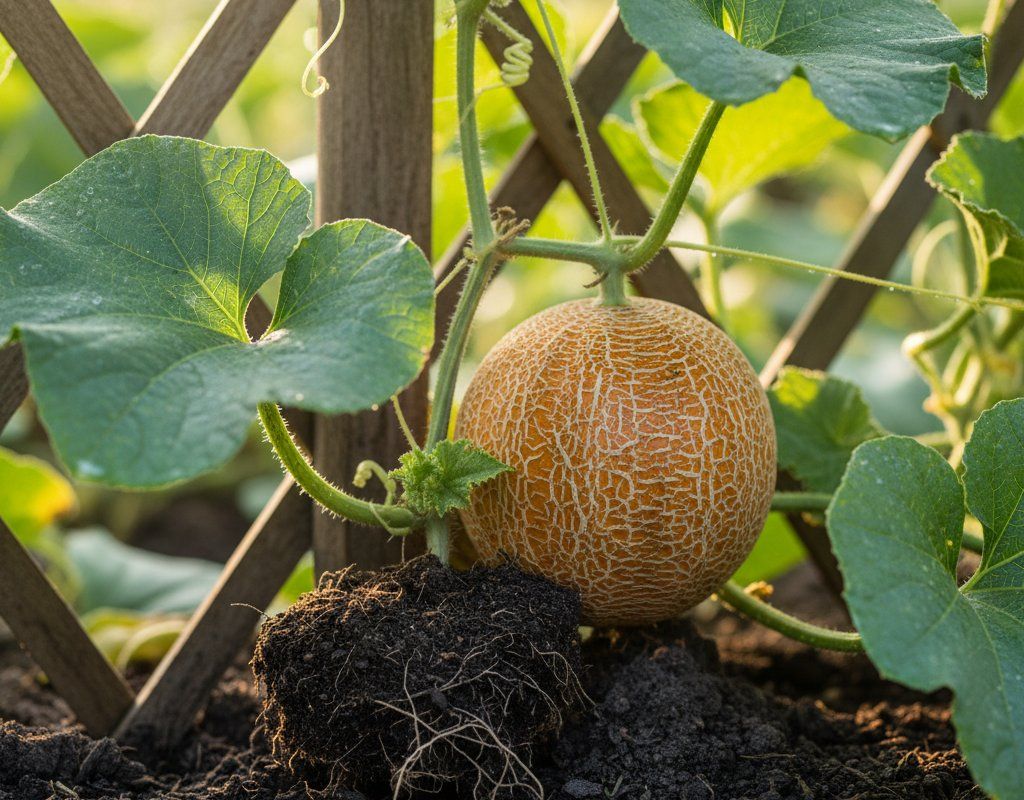
Cantaloupe in Zone 8A — Desert Southwest
Cucumis melo · Your Complete 2026 Planting Guide
Last Call for Seed Starting!
Indoor seed starting window closes in 8 days.
Start Seeds This Week
Start seeds now for transplanting later.
Or Wait for Starts
If you don’t want to start seeds, starts will be available around March 19.
How to Plant Cantaloupe in Zone 8A — Desert Southwest
Here are all your options for getting cantaloupe in the ground, from the easiest method to more advanced approaches.
Direct Sow Seeds
RecommendedMid March through late August
around March 19
Consider succession planting every 2-3 weeks for continuous harvest.
Same as watermelon — needs warm soil, direct sow works in most zones.
Buy Starts
Works WellMid March through mid April
around March 19
Plant purchased starts after last frost (March 5).
Start Seeds Indoors
Works WellMid February through mid March
around February 26
Then transplant: Mid March through mid April
Start seeds 3-5 weeks before transplanting outdoors.
Transplant Outdoors
Timing InfoMid March through mid April
around March 19
Wait until nighttime temperatures stay above 50°F.
You have a nice window — no need to rush.
Overview
Fresh cantaloupe from your Desert Southwest garden tastes nothing like the bland, watery melons from the grocery store. In our Zone 8A climate, you can grow incredibly sweet cantaloupes with dense, flavorful flesh that perfectly captures the intense desert sun. Our extreme heat actually works in your favor here — cantaloupes need those high temperatures to develop their signature sweetness and aroma.
The Desert Southwest presents some unique challenges for cantaloupe growing, especially our extreme summer heat and arid conditions. However, with our generous 265-day growing season and two distinct growing windows, you can time your plantings to avoid the worst heat while still giving your melons plenty of warm weather to ripen. The key is understanding when to plant and how to manage water in our low-humidity environment.
Starting Seeds Indoors
Starting cantaloupe seeds indoors isn't the primary method here in the Desert Southwest, but it can give you a slight head start in our very-early spring growing season. If you want to try indoor starting, begin seeds in mid February through mid March, about 3 weeks before you plan to transplant outdoors.
Use seed-starting trays with a good seed-starting mix, and keep them warm — around 80-85°F for best germination. A heat mat helps in our cooler late winter nights. Bottom watering works best to keep the soil evenly moist without creating soggy conditions that lead to damping off.
The main advantage of indoor starting is getting a jump on the season, but cantaloupes actually prefer direct sowing. Their tap roots don't love transplant shock, so only start indoors if you're trying to squeeze in an extra week or two of growing time.
Transplanting Outdoors
If you've started cantaloupe seeds indoors, plan to transplant them outdoors from mid March through mid April, after our last frost danger passes in early March. Your seedlings need about a week of hardening off — gradually introducing them to outdoor conditions for increasing hours each day.
Space transplants 36-48 inches apart to give their sprawling vines plenty of room. In our Desert Southwest spring, you might hit some unexpectedly warm days followed by cooler nights, so watch the weather and be ready to provide some temporary shade cloth if temperatures spike above 95°F before the plants are established.
Handle the root ball gently when transplanting, as cantaloupes don't recover quickly from root damage. Plant at the same depth they were growing in their containers, and water thoroughly after transplanting to help them settle in.
Direct Sowing
Direct sowing is the preferred method for cantaloupe in the Desert Southwest, and you have a surprisingly long window — from mid March through late August. The key is soil temperature: wait until your soil consistently stays above 65°F, which usually happens by mid to late March in our zone.
Prepare your planting area by loosening the soil deeply and mixing in compost to improve drainage — our alkaline desert soil benefits from organic matter. Plant seeds about 1 inch deep and space them 36-48 inches apart. Cantaloupe vines spread wide and need room for good air circulation, especially important in our low-humidity climate.
For fall plantings, sow by late August to give the melons 80 days to mature before our first frost around late November. Summer plantings can work if you provide shade cloth during the extreme heat months, but spring and fall sowings typically produce the sweetest fruit.
Watering Cantaloupe in Zone 8A (Desert Southwest)
Cantaloupe has high water needs and isn't drought tolerant, making water management critical in our arid Desert Southwest climate. These plants need consistent deep watering throughout their growing period, but the timing and amount change significantly with our seasons.
During spring establishment, water deeply 2-3 times per week, providing about 1-2 inches total. Use the finger test — if the soil is dry 2 inches down, it's time to water. Always water at the base of the plants rather than overhead; our low humidity means wet leaves can actually encourage powdery mildew, and surface watering evaporates quickly in our arid air.
As summer heat intensifies, you'll need to increase watering frequency to almost daily deep soaks, potentially 2-3 inches per week during extreme heat periods above 105°F. However, about one week before harvest, stop watering completely — this concentrates the sugars and prevents bland, watery fruit.
Mulch around your plants with a light-colored organic material to conserve moisture and keep soil temperatures manageable. In our Desert Southwest heat, proper mulching can reduce your watering needs by 30-40% while protecting the shallow feeder roots from temperature extremes.
🧪Fertilizing Cantaloupe
Feeding Schedule
Organic Fertilizer Options
Harvest Time
Your first cantaloupes should be ready from early June through late November, depending on when you planted. With our 80-day maturity window, spring plantings typically start producing in early summer, while late summer plantings can provide fresh melons well into fall.
A ripe cantaloupe will have a fully developed netting pattern covering the skin, and most importantly, the stem will separate easily from the fruit with gentle pressure — this is called "slipping." You'll also notice a sweet, musky aroma at the blossom end. Don't rely on color alone, as our intense Desert Southwest sun can create misleading color changes.
Harvest in the early morning when possible, as the cooler temperatures help preserve the fruit's quality. Unlike some fruits, cantaloupes don't continue ripening off the vine, so timing is crucial. A properly ripe melon will yield slightly to pressure at the blossom end but still feel firm overall.
As late November approaches and first frost threatens, harvest any remaining melons that are close to ripe. They won't improve much after picking, but they're better than losing them to frost. Plan your fall plantings so the majority of harvest occurs before mid-November for the sweetest results.
Common Problems in Zone 8A (Desert Southwest)
Powdery Mildew This appears as white or grayish powdery coating on leaves, stems, and sometimes the fruit itself. Leaves curl, turn yellow, and eventually die, reducing the plant's vigor just when your melons need it most. In the Desert Southwest, powdery mildew thrives during our temperature swings — warm days followed by cooler nights, especially during spring and fall growing seasons. Ironically, our dry air actually favors this fungus since it doesn't need wet leaf surfaces like most fungi.
Remove affected leaves immediately and improve air circulation through proper spacing. Neem oil or potassium bicarbonate sprays help control existing infections. A surprisingly effective home remedy is milk spray — mix 1 part milk with 9 parts water and spray weekly. Plant resistant varieties when possible, and avoid overhead watering.
Aphids Look for clusters of tiny, soft-bodied insects in green, black, or white colors on stems and leaf undersides. You'll notice sticky honeydew residue and curled or distorted new growth. These sap-sucking pests multiply rapidly in our warm Desert Southwest weather, and ant colonies often farm them for their sweet secretions.
Blast them off with strong water spray from your hose, and encourage natural predators like ladybugs and lacewings. For heavy infestations, use insecticidal soap or neem oil, which works systemically. Avoid excess nitrogen fertilizer, as it creates the tender new growth that aphids prefer.
Poor Sweetness Your cantaloupes look perfectly ripe but taste bland and watery instead of sweet and flavorful. This disappointing problem usually stems from overwatering near harvest time, insufficient heat accumulation, or harvesting too early. Our monsoon moisture in late summer can particularly contribute to this issue.
Stop all watering 5-7 days before harvest to concentrate sugars. Ensure your plants get full sun exposure and adequate heat — use reflective mulch if needed to boost ground temperatures. Wait for proper ripeness indicators, especially the "slip" test where the stem separates easily. Choose varieties specifically bred for shorter-season areas if you're struggling with heat accumulation.
Desert Southwest Specific Challenges Our extreme heat and arid conditions create unique stresses for cantaloupe. Plants may show leaf scorch during 105°F+ days, requiring temporary shade cloth during peak summer. The low humidity can cause rapid moisture loss from both soil and plants, making consistent deep watering even more critical than in humid climates.
Best Companions for Cantaloupe
Plant these nearby for healthier Cantaloupe and better harvests.


Keep Away From
Companion Planting Details
Corn makes an excellent companion for cantaloupe in the Desert Southwest, providing natural shade during our extreme heat while the cantaloupe vines sprawl beneath. The corn's height creates beneficial microclimates that reduce soil temperature and wind stress. Sunflowers work similarly, offering afternoon shade that's particularly valuable during summer growing periods.
Lettuce planted between young cantaloupe plants makes good use of space and actually benefits from the light shade the developing vines provide. However, avoid planting potatoes near cantaloupe as they compete for similar nutrients and can harbor diseases that affect melons. Cucumbers should also be kept separate — they're susceptible to the same pests and diseases, potentially creating concentrated problem areas in your Desert Southwest garden.
🌸Best Flowers to Plant with Cantaloupe
These flowers protect your Cantaloupe from pests and attract pollinators for better harvests.


Get a Reminder When It's Time to Plant
We'll email you when key planting windows open for your zone.