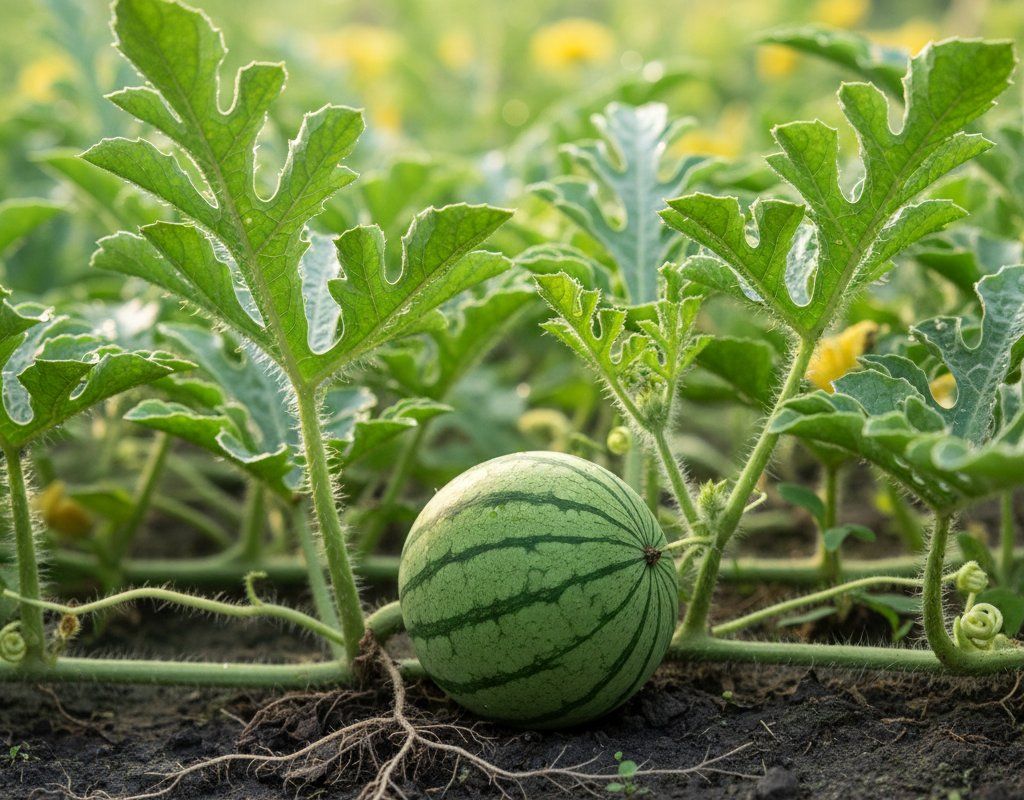
Watermelon in Zone 8A — Desert Southwest
Citrullus lanatus · Your Complete 2026 Planting Guide
Last Call for Seed Starting!
Indoor seed starting window closes in 8 days.
Start Seeds This Week
Start seeds now for transplanting later.
Or Wait for Starts
If you don’t want to start seeds, starts will be available around March 19.
How to Plant Watermelon in Zone 8A — Desert Southwest
Here are all your options for getting watermelon in the ground, from the easiest method to more advanced approaches.
Direct Sow Seeds
RecommendedMid March through mid August
around March 19
Consider succession planting every 2-3 weeks for continuous harvest.
Needs warm soil. Direct sow works in zones 6+. Start indoors in colder zones.
Buy Starts
Works WellMid March through mid April
around March 19
Plant purchased starts after last frost (March 5).
Start Seeds Indoors
Works WellMid February through mid March
around February 26
Then transplant: Mid March through mid April
Start seeds 3-5 weeks before transplanting outdoors.
Handle seedlings carefully — melons resent root disturbance.
Transplant Outdoors
Timing InfoMid March through mid April
around March 19
Wait until nighttime temperatures stay above 50°F.
You have a nice window — no need to rush.
Overview
Growing watermelon in our Desert Southwest can be incredibly rewarding when you work with our two growing seasons. In our arid climate, nothing beats the satisfaction of harvesting a sweet, juicy melon that you've nursed through our extreme heat. Home-grown watermelons here develop intense sweetness thanks to our abundant sunshine and low humidity, and you'll taste the difference compared to store-bought varieties that were picked early for shipping.
Our Zone 8A desert climate presents unique challenges for watermelon - extreme summer heat, alkaline soil, and water scarcity can stress these thirsty vines. But with our generous 265-day growing season and mild winters, you have flexibility in timing that gardeners in colder zones can only dream of. The key is understanding when to plant and when to provide extra protection.
Starting Seeds Indoors
Starting watermelon seeds indoors isn't the preferred method here in the Desert Southwest, but it can make sense in specific situations. If you want to get a jump start on the season or you're dealing with particularly challenging soil conditions, start seeds indoors from mid-February through mid-March, about 3 weeks before your planned transplant date.
Use seed trays with good drainage and keep them warm - watermelon seeds need soil temperatures around 75-80°F to germinate well. Bottom watering works best to avoid disturbing the emerging seedlings and prevents damping off. Our very early spring character means you can get transplants out earlier than most regions.
Handle watermelon seedlings with extra care since melons strongly resent root disturbance. Use biodegradable pots or peat pots that can be planted directly, or be extremely gentle when transplanting to avoid shocking the roots.
Transplanting Outdoors
If you've started watermelon seeds indoors, transplant them outdoors from mid-March through mid-April once soil temperatures consistently stay above 65°F. In our desert climate, this timing usually works well since our spring warms up quickly and stays relatively stable.
Harden off seedlings gradually over a week by exposing them to outdoor conditions for increasing periods daily. Start with just a couple hours of morning sun and work up to full-day exposure. Space transplants 72-96 inches apart - watermelon vines need serious room to spread, and proper spacing improves air circulation in our low-humidity environment.
Watch for late cold snaps during transplant season, though they're less common here than in other Zone 8A regions. Our mild spring weather generally cooperates, but having row cover handy never hurts for unexpected cool nights.
Direct Sowing
Direct sowing is absolutely the preferred method for watermelons in the Desert Southwest. You can direct sow from mid-March through mid-August, giving you incredible flexibility to work around our extreme summer heat. Most gardeners here plant in spring for summer harvest, then again in late summer for fall melons.
Wait until soil temperature reaches at least 70°F before sowing - cold soil leads to poor germination and potential rot. Plant seeds 1 inch deep and space them 72-96 inches apart. The wide spacing is critical here since good air circulation helps prevent fungal issues in our monsoon humidity, and the vines will easily fill the space.
For spring plantings, mid-March through early May works well. For a fall crop that avoids the worst summer heat, plant in late July through mid-August. The seeds germinate quickly in warm desert soil, and direct-sown plants typically outperform transplants since there's no root disturbance.
Watering Watermelon in Zone 8A (Desert Southwest)
Watermelons are incredibly thirsty plants, and in our arid Desert Southwest climate, consistent watering becomes absolutely critical for success. These vines need about 1-2 inches of water per week, but during our extreme summer heat with temperatures hitting 105°F regularly, you may need to increase that significantly.
Water deeply at the base of plants rather than overhead - our low humidity means water evaporates quickly from leaves, and wet foliage during monsoon season can invite fungal problems. Use the finger test by checking soil moisture 2 inches deep; the soil should feel consistently moist but not waterlogged. During fruit development, maintain steady moisture since irregular watering can cause cracking or poor fruit quality.
Set up a drip irrigation system or soaker hoses if possible - they're game-changers in our water-scarce environment and help you maintain consistent moisture without waste. Apply a thick layer of mulch around plants to retain soil moisture and keep roots cooler during extreme heat periods. Signs of underwatering include wilting vines (especially during afternoon heat), while overwatering shows up as yellowing leaves and potential root rot.
Reduce watering about 1-2 weeks before harvest to concentrate sugars and improve flavor. During our monsoon season, adjust your irrigation schedule based on natural rainfall, but don't rely entirely on sporadic desert storms to meet these plants' high water needs.
🧪Fertilizing Watermelon
Feeding Schedule
Organic Fertilizer Options
Harvest Time
Your first watermelons will be ready from mid-June through late November, depending on when you planted. With our long growing season, spring plantings typically mature in summer, while late-summer sowings provide fall harvest around 85 days after planting.
Look for these key ripeness indicators: the ground spot where the melon rests changes from white to creamy yellow, the tendril nearest the fruit attachment point turns brown and dry, and the melon produces a hollow sound when thumped. The skin should be dull rather than shiny, and you may notice the vine starting to pull away slightly from the fruit.
Harvest carefully by cutting the stem with clean pruners rather than pulling the fruit, which can damage the vine and potentially other developing melons. Unlike some fruits, watermelons don't continue ripening once picked, so timing is crucial.
As our first frost approaches in late November, harvest any remaining melons even if they're not fully ripe. Smaller melons may not have time to reach full sweetness, but they can still be used for pickles or preserves rather than letting them freeze on the vine.
Common Problems in Zone 8A (Desert Southwest)
Fusarium Wilt This shows up as wilting on one side of the plant first, then gradually spreading to the entire vine. You'll notice yellow leaves starting on one side, and if you cut open the stem, you'll see brown streaks inside. In our desert climate, warm soil temperatures and stress from extreme heat can make plants more susceptible to this soil-borne fungus. Once infected, there's no cure - remove and destroy the entire plant immediately. Prevent it by planting resistant varieties (look for 'F' on seed labels), rotating crops on a 4-year cycle, and raising soil pH above 6.5 since our naturally alkaline desert soils actually help with this.
Anthracnose Look for sunken, dark circular spots on fruit, stems, and leaves. During monsoon season, you might see pink or orange spore masses in the spots. This fungal disease thrives in the warm, humid conditions we get during summer thunderstorms. Remove infected fruit and debris immediately, avoid overhead watering, and apply copper fungicide preventatively before monsoon season hits. Our typically dry air helps, but those brief periods of high humidity during storms create perfect conditions for this disease.
Poor Pollination Fruits develop small, misshapen, or fail to develop entirely, and flowers may bloom but drop off without setting fruit. Our extreme heat can interfere with pollinator activity - bees often stay inactive during the hottest parts of summer days. Hand-pollinate with a small brush during cooler morning hours, plant pollinator-friendly flowers nearby for habitat, and avoid using pesticides during flowering. Consider planting in blocks and providing a water source for pollinators, which is especially important in our water-scarce desert environment.
Desert Southwest Specific Challenges Our extreme heat and intense sun can cause sunscald on developing fruits, so consider providing afternoon shade during peak summer. The combination of alkaline soil and high evaporation rates means you'll need to monitor soil pH and moisture more carefully than gardeners in other climates, and our low humidity stress can concentrate pest problems when they do occur.
Best Companions for Watermelon
Plant these nearby for healthier Watermelon and better harvests.

Keep Away From
Companion Planting Details
Corn makes an excellent companion for watermelons in the Desert Southwest since the tall stalks provide much-needed afternoon shade during extreme heat, while the melons spread beneath as a living mulch that helps conserve soil moisture. Plant radishes nearby as trap crops for cucumber beetles, and their quick maturation means they'll be harvested before the watermelon vines need the space. Sunflowers work well too, offering shade and attracting beneficial pollinators that watermelons need for fruit set.
Avoid planting watermelons near potatoes, as both crops are susceptible to similar fungal diseases that can spread between them, and potatoes may compete too heavily for the consistent moisture that watermelons desperately need in our arid climate. In our water-scarce environment, grouping plants with similar watering needs makes irrigation much more efficient.
🌸Best Flowers to Plant with Watermelon
These flowers protect your Watermelon from pests and attract pollinators for better harvests.


Get a Reminder When It's Time to Plant
We'll email you when key planting windows open for your zone.