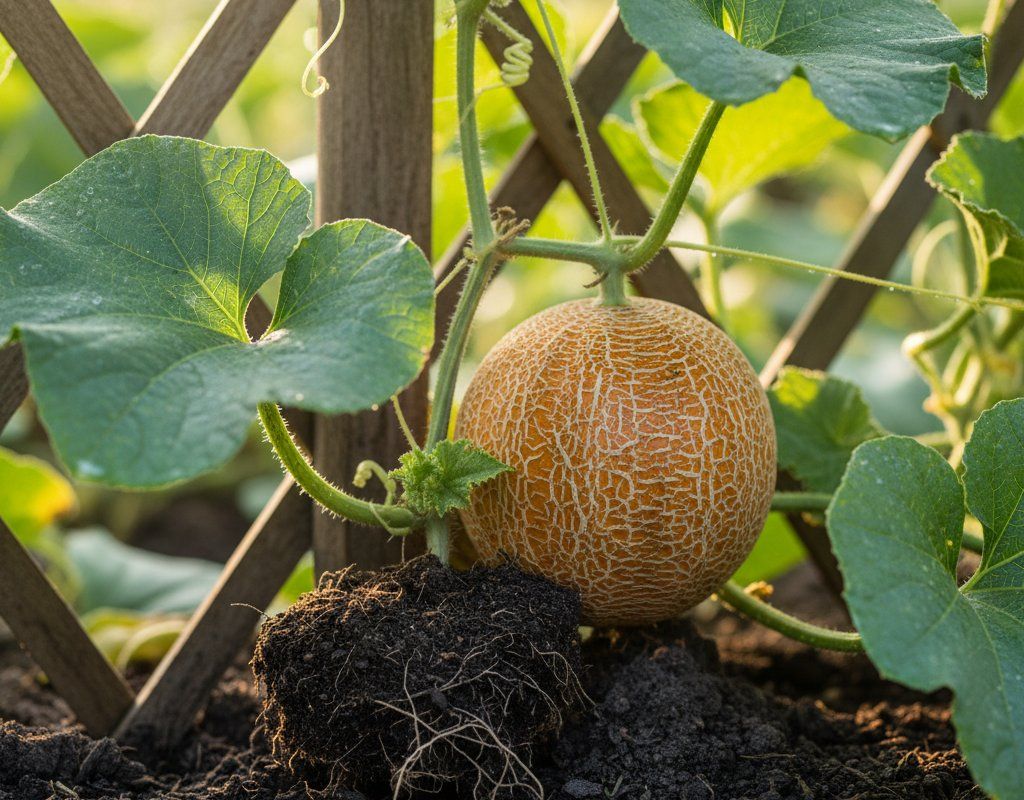
Cantaloupe in Zone 8A — Florida
Cucumis melo · Your Complete 2026 Planting Guide
Missed Seed Starting? No Problem!
Wait for starts to become available.
What to Do
Starts will be available at nurseries in 7 days (around March 11).
How to Plant Cantaloupe in Zone 8A — Florida
Here are all your options for getting cantaloupe in the ground, from the easiest method to more advanced approaches.
Direct Sow Seeds
RecommendedMid March through early September
around March 11
Consider succession planting every 2-3 weeks for continuous harvest.
Same as watermelon — needs warm soil, direct sow works in most zones.
Buy Starts
Works WellMid March through early April
around March 11
Plant purchased starts after last frost (February 25).
Start Seeds Indoors
Works WellMid February through early March
around February 18
Then transplant: Mid March through early April
Start seeds 3-5 weeks before transplanting outdoors.
Transplant Outdoors
Timing InfoMid March through early April
around March 11
Wait until nighttime temperatures stay above 50°F.
You have a nice window — no need to rush.
Overview
Growing cantaloupe in Zone 8A Florida gives you the incredible advantage of harvesting sweet, juicy melons from your own garden when store-bought varieties pale in comparison. Our warm climate and long growing season mean you can enjoy homegrown cantaloupe from late spring through early winter - something gardeners up north can only dream of. The flavor difference between a sun-ripened Florida cantaloupe and those shipped from distant farms is remarkable.
Florida's intense heat and humidity do present challenges for melon growing, but our 283-day growing season gives you flexibility that makes success very achievable. The key is working with our climate rather than against it - timing your plantings to avoid the worst summer stress while taking advantage of our warm soil and abundant sunshine.
Starting Seeds Indoors
Starting cantaloupe seeds indoors isn't the preferred method here in Florida, but it can make sense if you want an earlier harvest or need to work around unpredictable spring weather. Start your seeds indoors from mid-February through early March, about three weeks before you plan to transplant outside.
Set up seed trays in a warm spot - cantaloupe needs soil temperatures around 70-75°F to germinate well. Bottom watering works best to avoid fungal issues that our humidity can encourage. Since our Florida gardening calendar is different from most regions, you're essentially starting these during what would be "winter" elsewhere.
The main advantage of indoor starting here is getting a jump on the season, but cantaloupe doesn't love root disturbance. Most Florida gardeners find direct sowing works just as well and causes less transplant shock.
Transplanting Outdoors
If you started seeds indoors, transplant your cantaloupe seedlings outdoors from mid-March through early April, once nighttime temperatures stay consistently above 60°F. Our spring can still surprise you with cool snaps, so wait until you're confident the weather has settled.
Harden off your seedlings gradually over a week by placing them outside for increasing periods each day. Start with a few hours of morning sun, then work up to full day exposure. This helps them adjust to our intense Florida sun and humidity levels without shock.
Space your transplants 36-48 inches apart - cantaloupe vines spread wide and need good air circulation in our humid climate. Plant them in well-draining soil since our sandy soil actually works in your favor here, preventing the root rot that can plague melon growers in heavier soils.
Direct Sowing
Direct sowing is the recommended method for cantaloupe in Florida - these melons prefer to stay put rather than deal with transplant shock. You can direct sow from mid-March through early September, giving you multiple planting opportunities throughout our long growing season.
Wait until soil temperatures reach at least 65°F, which typically happens by mid-March in our area. Plant seeds about 1 inch deep and space them 36-48 inches apart. The wide spacing is crucial in Florida's humid climate to prevent fungal diseases and allow proper air circulation around the sprawling vines.
Our sandy soil is actually perfect for cantaloupe since it drains well and warms quickly in spring. Work in some compost before planting to improve water retention, but don't overdo it - melons prefer lean soil that won't encourage excessive leaf growth at the expense of fruit production.
Watering Cantaloupe in Zone 8A (Florida)
Cantaloupe has high water needs, but managing moisture in Florida's climate requires a different approach than other regions. During the growing season, aim for about 1-2 inches of water per week, but remember our wet summers often provide 50-65 inches of rainfall annually - you'll need to adjust accordingly.
Water deeply but less frequently to encourage deep root growth. Use the finger test - stick your finger 2 inches into the soil, and if it's dry, it's time to water. Always water at the base of plants rather than overhead; our very high humidity means wet foliage can quickly lead to fungal problems that plague many Florida gardeners.
During our wet summer months, you may barely need to irrigate at all. Focus on ensuring good drainage instead - standing water around melon vines in our heat and humidity is a recipe for disaster. A thick layer of mulch helps retain moisture during dry spells while keeping the soil cooler.
Here's the critical tip for sweet cantaloupe: stop watering completely about one week before harvest. This concentrates the sugars and prevents that watery, bland taste that disappoints so many first-time growers. The fruit will look ready, but that final week without water makes all the difference in flavor.
🧪Fertilizing Cantaloupe
Feeding Schedule
Organic Fertilizer Options
Harvest Time
Your first cantaloupe harvest can begin anywhere from late May through early December, depending on when you planted. With our 80-day maturity period and long growing season, you have the luxury of multiple planting windows that northern gardeners simply can't match.
Cantaloupe gives you clear signals when it's ready: the netting pattern becomes fully developed and raised, the stem easily separates from the fruit with gentle pressure (called "slipping"), and you'll notice a sweet, musky aroma at the blossom end. Unlike some fruits, cantaloupe won't ripen further once picked, so timing is everything.
Harvest in the morning when temperatures are cooler and the fruit has had all night to concentrate its sugars. Gently lift the melon and apply slight pressure where the stem attaches - ripe cantaloupe will slip right off. If you have to pull or cut it, wait another day or two.
As our first frost approaches in early December, harvest any remaining melons that show good netting and size, even if they haven't fully slipped yet. These late-season melons may not reach peak sweetness but will still be far superior to anything you'll find in stores during winter months.
Common Problems in Zone 8A (Florida)
Powdery Mildew This fungal disease appears as white or grayish powdery coating on leaves, stems, and sometimes the fruit itself. Leaves curl, turn yellow, and eventually die, reducing the plant's vigor just when your melons need maximum leaf power for sugar production. In Florida's climate, powdery mildew thrives during periods when we have warm days and cooler nights with moderate humidity - often our spring and fall transition periods. Improve air circulation by spacing plants properly and removing some lower leaves. Neem oil or potassium bicarbonate sprays help, but surprisingly, a simple milk spray (one part milk to nine parts water) is quite effective and organic.
Aphids These tiny soft-bodied insects cluster on stems and leaf undersides, appearing as green, black, or white specks that multiply rapidly in warm weather. You'll notice sticky honeydew residue and curled or distorted new growth. Florida's warm climate allows aphid populations to explode quickly, and ant colonies often farm them for their sweet secretions. Knock them off with a strong water spray, encourage beneficial insects like ladybugs, or use insecticidal soap for heavy infestations. Avoid over-fertilizing with nitrogen, which creates the tender new growth aphids love most.
Poor Sweetness Nothing's more disappointing than a beautiful-looking cantaloupe that tastes bland and watery. This typically results from overwatering near harvest time, insufficient heat accumulation, or picking too early. Remember to stop watering 5-7 days before harvest to concentrate sugars, ensure your melons get full sun exposure during our intense summer heat, and wait for proper ripeness indicators - the fruit should slip easily from the vine when gently lifted.
Florida Specific Challenges: Our extreme humidity and frequent summer rains create perfect conditions for fungal diseases, while sandy soil can lead to inconsistent moisture if you're not careful with mulching. The combination of intense heat and high humidity means afternoon shade during peak summer (July-August) can actually help prevent stress that reduces fruit quality.
Best Companions for Cantaloupe
Plant these nearby for healthier Cantaloupe and better harvests.


Keep Away From
Companion Planting Details
Corn makes an excellent companion for cantaloupe in Florida because it provides natural trellising for the vines to climb while its tall stalks create partial afternoon shade during our brutally hot summer months. Sunflowers work similarly, offering some shade while their deep roots don't compete with the melon's spreading surface root system. Plant lettuce around the edges of your melon patch - it benefits from the partial shade the vines provide and will be ready to harvest before the melons really start sprawling.
Avoid planting cantaloupe near potatoes, which can harbor similar diseases and compete for soil nutrients, or cucumbers and other melons, which attract the same pests and can cross-pollinate if you're saving seeds. In Florida's humid climate, keeping plants with similar disease susceptibilities separated is especially important for preventing the rapid spread of fungal problems.
🌸Best Flowers to Plant with Cantaloupe
These flowers protect your Cantaloupe from pests and attract pollinators for better harvests.


Get a Reminder When It's Time to Plant
We'll email you when key planting windows open for your zone.