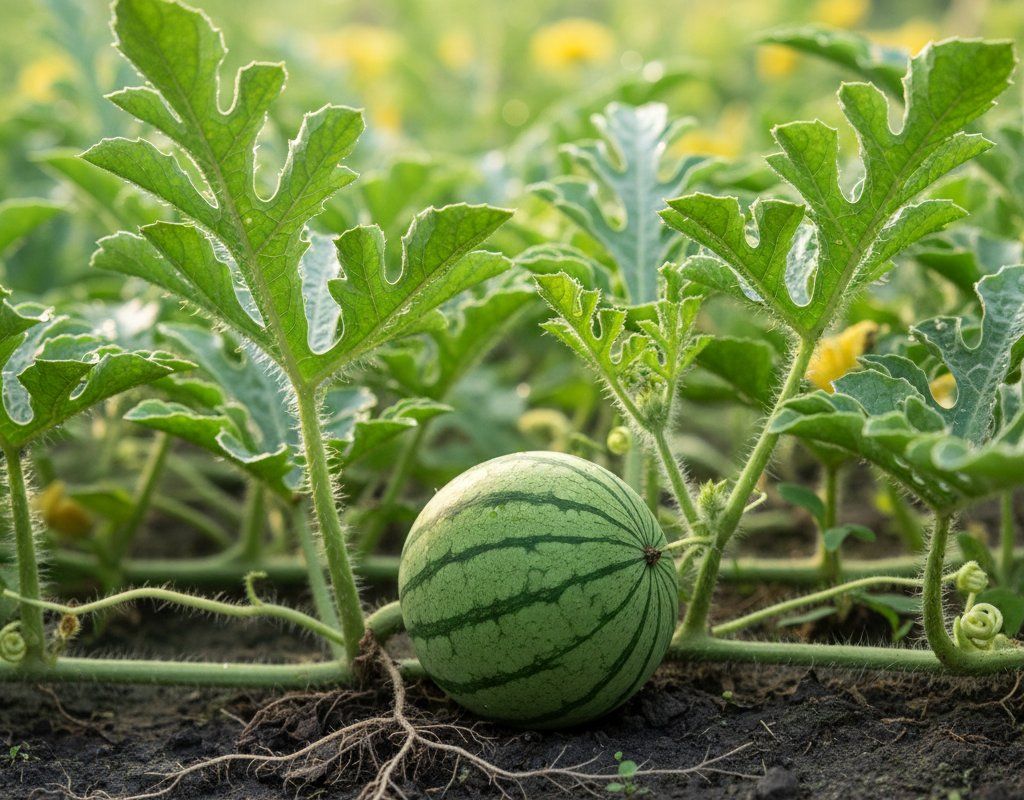
Watermelon in Zone 8A — Florida
Citrullus lanatus · Your Complete 2026 Planting Guide
Missed Seed Starting? No Problem!
Wait for starts to become available.
What to Do
Starts will be available at nurseries in 7 days (around March 11).
How to Plant Watermelon in Zone 8A — Florida
Here are all your options for getting watermelon in the ground, from the easiest method to more advanced approaches.
Direct Sow Seeds
RecommendedMid March through late August
around March 11
Consider succession planting every 2-3 weeks for continuous harvest.
Needs warm soil. Direct sow works in zones 6+. Start indoors in colder zones.
Buy Starts
Works WellMid March through early April
around March 11
Plant purchased starts after last frost (February 25).
Start Seeds Indoors
Works WellMid February through early March
around February 18
Then transplant: Mid March through early April
Start seeds 3-5 weeks before transplanting outdoors.
Handle seedlings carefully — melons resent root disturbance.
Transplant Outdoors
Timing InfoMid March through early April
around March 11
Wait until nighttime temperatures stay above 50°F.
You have a nice window — no need to rush.
Overview
Watermelons are absolutely perfect for Florida's long growing season and hot summers. While many crops struggle in our brutal heat and humidity, watermelons actually thrive in these conditions that would stress other plants. There's nothing quite like harvesting a sweet, juicy watermelon from your own garden in the middle of July when store-bought ones are expensive and flavorless. With our 283-day growing season, you can grow multiple varieties and even succession plant for harvests from early summer through late fall.
Florida's extreme humidity and fungal pressure can challenge watermelon growers, but proper timing and variety selection make these manageable. Our reversed growing season means you'll be planting in spring when temperatures are warming up rather than cooling down, giving your melons plenty of heat to develop that incredible sweetness. The key is working with our wet summers rather than against them.
Starting Seeds Indoors
Starting watermelon seeds indoors isn't the preferred method here in Florida, but it can give you a head start in cooler spring weather. If you want to try indoor starting, begin seeds mid-February through early March, about three weeks before your planned transplant date. Watermelons need warm soil to germinate - around 70-80°F - so use a heat mat under your seed trays.
Set up your seeds in individual cells or peat pots since watermelons hate root disturbance. Use bottom watering to keep the soil moist but not soggy - our high humidity means damping-off disease is always a concern with indoor seedlings. Provide strong light once they germinate, either from a south-facing window or grow lights.
The main advantage of indoor starting in Florida is getting around any late cold snaps in early March. However, since our soil warms up quickly and stays warm, direct sowing is usually more successful and definitely less fussy.
Transplanting Outdoors
If you've started seeds indoors, plan to transplant them outdoors from mid-March through early April once soil temperatures stay consistently above 65°F. This timing works well with our spring weather patterns - late enough to avoid most cold snaps but early enough to get established before the intense summer heat hits.
Harden off your seedlings gradually over a full week before transplanting. Start with just an hour or two of morning sun, then gradually increase their outdoor time. Our spring weather can be unpredictable with temperature swings, so watch the forecast and be ready to protect young plants if needed.
Space transplants 6-8 feet apart in all directions - watermelons are sprawling vines that need serious room to spread. Handle the seedlings very carefully during transplanting since melons resent any root disturbance. Plant them at the same depth they were growing in their containers and water them in gently but thoroughly.
Direct Sowing
Direct sowing is absolutely the best way to grow watermelons in Florida. Plant seeds from mid-March through late August, though I prefer the spring window for the main crop and use the late summer window for fall harvests. Wait until soil temperature reaches at least 70°F - cold soil will cause seeds to rot rather than germinate.
Prepare your planting area by working in plenty of compost or aged manure. Our sandy soils need all the organic matter they can get, and watermelons are heavy feeders. Create small hills or raised areas for better drainage - even though we get plenty of rain, watermelons don't like sitting in soggy soil. Plant 3-4 seeds per hill and thin to the strongest two plants once they're established.
Space your planting areas 6-8 feet apart in all directions. I know it seems like a lot of space, but trust me - a healthy watermelon vine can easily spread 10-12 feet. Our long, warm growing season means these plants get enormous, and proper spacing prevents disease issues that come with overcrowding in our humid climate.
Watering Watermelon in Zone 8A (Florida)
Watermelons need consistent, deep watering throughout their growing season, but Florida's climate requires a different approach than drier regions. With our 50-65 inches of annual rainfall and very high humidity, overwatering is actually more common than underwatering. The key is maintaining steady soil moisture without creating soggy conditions that invite fungal diseases.
During dry spells, provide about 1-2 inches of water per week through deep, infrequent watering sessions. Check soil moisture by sticking your finger 2 inches deep - if it's dry at that depth, it's time to water. Always water at the base of plants rather than overhead watering. Our extreme humidity means wet foliage stays wet longer, creating perfect conditions for fungal problems like anthracnose.
In our wet summer months, you might not need to water at all. Watch your plants for signs of stress rather than following a rigid schedule. Overwatering shows up as yellowing leaves and soft, weak growth. Underwatering causes leaves to wilt during the hottest part of the day, even when soil feels moist.
Apply a thick layer of organic mulch around plants to help regulate soil moisture and temperature. Pine straw or shredded leaves work great in Florida - avoid thick wood mulches that can stay too wet in our humid conditions. Reduce watering about 1-2 weeks before harvest to concentrate sugars and improve flavor.
🧪Fertilizing Watermelon
Feeding Schedule
Organic Fertilizer Options
Harvest Time
Your first watermelons will be ready from early June through early December, depending on when you planted. With our 85-day growing season average, spring-planted melons ripen in the heat of summer, while late-summer plantings give you fall harvests when the weather's more pleasant for gardening.
The classic harvest indicators work well in Florida: look for the ground spot to turn from white to creamy yellow where the melon sits on the soil. The tendril closest to the fruit stem will turn brown and dry up. Give the melon a thump - ripe ones sound hollow rather than solid. The skin should be dull rather than shiny, and you shouldn't be able to scratch it easily with your fingernail.
Harvest during the cooler parts of the day if possible, especially during summer. Cut the stem with sharp pruners rather than pulling the fruit off the vine. Watermelons don't continue ripening once harvested, so make sure they're truly ripe before picking.
As our first frost approaches in early December, harvest any remaining melons regardless of size. Green watermelons won't ripen further, but partially mature ones can still be used for pickles or preserves. Cover late-season vines with row covers if you want to extend the season through brief cold snaps.
Common Problems in Zone 8A (Florida)
Fusarium Wilt This devastating disease shows up as wilting on one side of the plant first, then gradually spreads to the entire vine. You'll notice yellowing leaves starting on one side, and if you cut the stem open, you'll see brown streaks running through it. This soil-borne fungus loves our warm soil temperatures and can persist in the ground for years, making it one of the most serious watermelon diseases in Florida.
Unfortunately, there's no cure once your plant is infected - you'll need to remove and destroy the entire vine. Prevention is key: plant fusarium-resistant varieties (look for 'F' on seed packets), rotate your melon crops to different areas on a 4-year cycle, and keep soil pH above 6.5. In our intense summer heat, soil solarization can help reduce fungal populations between seasons.
Anthracnose You'll recognize this fungal disease by the sunken, dark circular spots that appear on fruit, stems, and leaves. During humid weather, you might see pink or orange spore masses in the center of these spots. Our combination of warm temperatures and very high humidity creates perfect conditions for anthracnose to thrive and spread quickly through rain splash.
Remove any infected fruits and plant debris immediately - don't compost them. Switch to drip irrigation or soaker hoses instead of overhead sprinklers, and apply copper-based fungicides preventatively during humid periods. Always buy certified disease-free seeds and avoid working around plants when they're wet from dew or rain.
Poor Pollination When watermelons develop small, misshapen fruits or flowers that bloom and drop off, you're usually dealing with pollination problems. Partially pollinated melons grow unevenly and often rot before maturing. This is especially common during our hottest summer months when bee activity decreases, or during extended rainy periods when pollinators can't fly.
Plant pollinator-friendly flowers like zinnias and sunflowers nearby to attract more bees. During peak summer heat, try hand-pollinating in the early morning using a small paintbrush to transfer pollen from male to female flowers. Avoid using pesticides during flowering, and provide shallow water sources for beneficial insects.
Florida Specific Challenges Our extreme humidity and frequent summer thunderstorms create ongoing challenges for watermelon growers. The combination of hot temperatures and very high humidity encourages rapid fungal development, while our sandy soils drain nutrients quickly. Hurricane season adds another layer of complexity - established vines can handle moderate winds, but younger plants may need protection or replanting.
Best Companions for Watermelon
Plant these nearby for healthier Watermelon and better harvests.

Keep Away From
Companion Planting Details
Corn makes an excellent companion for watermelons in Florida because the tall stalks provide some afternoon shade during our brutal summer heat. Plant corn on the north or west side of your melon patch to give the vines relief during the hottest part of the day. The corn's deep roots also help break up our sandy soil without competing directly with the watermelons' spreading surface roots.
Radishes planted around the edges of watermelon hills help deter squash bugs and cucumber beetles while loosening compacted soil. Sunflowers work wonderfully as living trellises and pollinator magnets - their sturdy stems can support lightweight melon vines, and they attract the bees you need for good fruit set. Avoid planting potatoes anywhere near watermelons, as they're susceptible to many of the same soil-borne diseases and can increase your risk of fungal problems in our humid climate.
🌸Best Flowers to Plant with Watermelon
These flowers protect your Watermelon from pests and attract pollinators for better harvests.


Get a Reminder When It's Time to Plant
We'll email you when key planting windows open for your zone.