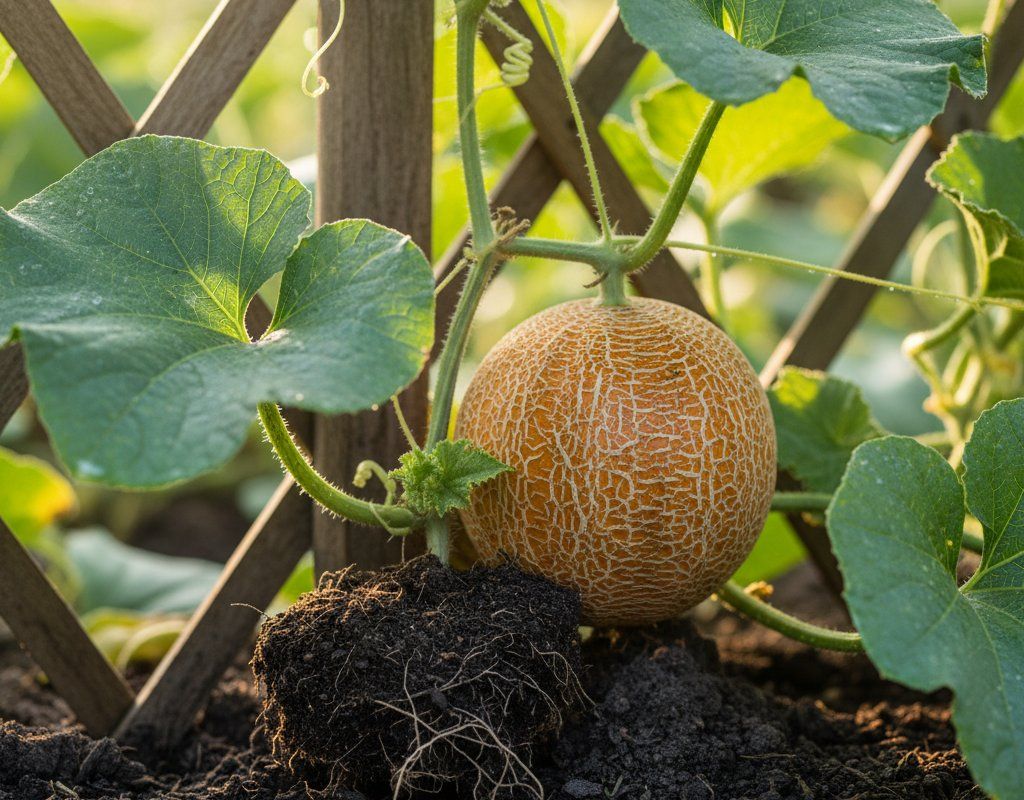
Cantaloupe in Zone 8B — Desert Southwest
Cucumis melo · Your Complete 2026 Planting Guide
Missed Seed Starting? No Problem!
Wait for starts to become available.
What to Do
Starts will be available at nurseries in 7 days (around March 11).
How to Plant Cantaloupe in Zone 8B — Desert Southwest
Here are all your options for getting cantaloupe in the ground, from the easiest method to more advanced approaches.
Direct Sow Seeds
RecommendedMid March through late August
around March 11
Consider succession planting every 2-3 weeks for continuous harvest.
Same as watermelon — needs warm soil, direct sow works in most zones.
Buy Starts
Works WellMid March through early April
around March 11
Plant purchased starts after last frost (February 25).
Start Seeds Indoors
Works WellMid February through early March
around February 18
Then transplant: Mid March through early April
Start seeds 3-5 weeks before transplanting outdoors.
Transplant Outdoors
Timing InfoMid March through early April
around March 11
Wait until nighttime temperatures stay above 50°F.
You have a nice window — no need to rush.
Overview
Cantaloupe thrives in our Desert Southwest heat, developing exceptional sweetness that store-bought melons can't match. The extreme heat that challenges so many crops actually helps cantaloupe concentrate its sugars, giving you incredibly flavorful fruit that perfectly complements our two growing seasons. Your long fall season means you can succession plant for harvests well into December.
Our arid climate and alkaline soil present challenges, but cantaloupe's heat tolerance makes it more manageable than many tender crops. With our 279-day growing season, you have flexibility in timing and can work around the extreme summer heat by planting early spring or late summer for fall harvest.
Starting Seeds Indoors
Starting cantaloupe seeds indoors works best for very early spring planting when you want to maximize the growing season. Start seeds mid-February through early March, about three weeks before your planned transplant date. This gives you a head start when soil temperatures are still too cool for direct sowing.
Use seed trays with good drainage and keep soil consistently warm (75-85°F). Bottom watering works well to maintain even moisture without disturbing the developing roots. Cantaloupe seeds germinate quickly in warm conditions, usually within 7-10 days.
Our very early spring character means you can often transplant earlier than expected, but watch for late cold snaps that could damage young plants.
Transplanting Outdoors
Transplant cantaloupe seedlings from mid-March through early April, after soil temperatures consistently reach 65°F and nighttime temperatures stay above 50°F. The timing coincides with when our desert soils start warming up reliably.
Harden off seedlings gradually over one week by increasing their outdoor exposure daily. Start with 2-3 hours of morning sun and work up to full day exposure. Our intense desert sun can shock tender seedlings if they're not properly acclimated.
Space transplants 36-48 inches apart to allow for their sprawling vine growth. The wide spacing also improves air circulation, which helps prevent fungal issues in our monsoon humidity.
Direct Sowing
Direct sowing is the preferred method for cantaloupe in our region since these plants don't transplant particularly well. Sow seeds from mid-March through late August, timing plantings around our extreme summer heat. Early spring and late summer plantings work best.
Prepare soil by working in compost to improve drainage in our heavy clay or caliche layers. Soil temperature should be at least 65°F at planting depth. Plant seeds 1 inch deep and space them 36-48 inches apart to accommodate the sprawling vines.
For summer plantings, provide shade cloth initially and plant where they'll get some afternoon shade during the hottest months. The wide spacing allows for better heat dissipation around each plant.
Watering Cantaloupe in Zone 8B (Desert Southwest)
Cantaloupe has high water needs in our arid climate, requiring consistent deep watering throughout the growing season. During active growth, provide 1-2 inches of water per week, adjusting for our monsoon periods when natural rainfall supplements irrigation.
Use the finger test to check soil moisture 2 inches deep before watering. In our extreme heat, this might be every other day during summer. Water at the base of plants rather than overhead to reduce evaporation and prevent leaf diseases. Our low humidity means less concern about foliar moisture, but ground-level watering is still more efficient.
Stop watering completely one week before expected harvest. This concentrates the sugars and prevents diluted flavor - crucial for developing that desert-grown sweetness we prize. The plant's stress response actually improves fruit quality.
Apply 2-3 inches of mulch around plants to conserve moisture and moderate soil temperature swings. In our climate, mulch makes the difference between daily and every-other-day watering during peak heat.
🧪Fertilizing Cantaloupe
Feeding Schedule
Organic Fertilizer Options
Harvest Time
First harvest typically begins in late May for early spring plantings and can continue through early December for succession plantings. The 80-day maturity means you can time harvests to avoid the worst summer heat by planning backward from your target harvest date.
Cantaloupe is ready when the netting pattern is fully developed and raised, and the stem separates easily from the fruit with gentle pressure - this is called "slipping." You'll also notice a sweet, musky aroma at the blossom end when the fruit is ripe.
Unlike some melons, cantaloupe won't continue ripening once picked, so timing is critical. Check plants daily once fruits start developing their netting pattern. The desert heat can accelerate ripening quickly during summer months.
As our first frost approaches in early December, harvest any remaining fruits that show signs of maturity. Green fruits won't ripen further, but those with some netting development may finish ripening indoors if kept at room temperature for a few days.
Common Problems in Zone 8B (Desert Southwest)
Powdery Mildew This appears as white or grayish powdery coating on leaves and stems, causing leaves to curl, yellow, and eventually die. In our desert climate, the warm days and cooler nights during spring and fall create ideal conditions, especially when combined with our monsoon humidity. Remove affected leaves immediately and improve air circulation through proper spacing. Milk spray (1 part milk to 9 parts water) works surprisingly well, applied weekly as prevention.
Aphids Small clusters of green, black, or white soft-bodied insects congregate on leaf undersides and stems, leaving sticky honeydew residue and causing distorted growth. Our warm springs trigger rapid population explosions, and they're often tended by ant colonies. Knock them off with strong water spray early in the morning, and encourage beneficial insects like ladybugs. Avoid over-fertilizing with nitrogen, which makes plants more attractive to aphids.
Poor Sweetness Melons that look ripe but lack flavor disappointingly fail to deliver the sweetness we expect from desert-grown fruit. This usually results from overwatering near harvest time, insufficient heat accumulation, or premature picking. Stop all watering 5-7 days before harvest and ensure plants get full sun exposure during fruit development. Our extreme heat actually helps concentrate sugars when managed properly.
Desert Southwest Specific Challenges: Our alkaline soil can limit nutrient uptake, particularly affecting fruit development. The extreme heat requires careful timing - plant early enough to establish before summer peaks, or late enough for fall harvest. Sunscald protection may be needed during the hottest months, and our caliche layer requires soil amendment for proper drainage.
Best Companions for Cantaloupe
Plant these nearby for healthier Cantaloupe and better harvests.


Keep Away From
Companion Planting Details
Corn makes an excellent companion, providing afternoon shade during our intense summer heat while cantaloupe's sprawling vines help retain soil moisture around corn roots. Sunflowers offer similar shade benefits and attract beneficial insects that help with pollination. Cool-season lettuce planted nearby can utilize the partial shade created by cantaloupe vines during spring growth.
Avoid planting near potatoes, which compete for similar soil nutrients and can harbor diseases that affect cantaloupe. Keep cucumbers separated as they're susceptible to similar pests and diseases, potentially concentrating problems in one area. The wide spacing cantaloupe requires naturally limits companion options, but strategic placement can create beneficial microclimates in our challenging desert environment.
🌸Best Flowers to Plant with Cantaloupe
These flowers protect your Cantaloupe from pests and attract pollinators for better harvests.


Get a Reminder When It's Time to Plant
We'll email you when key planting windows open for your zone.