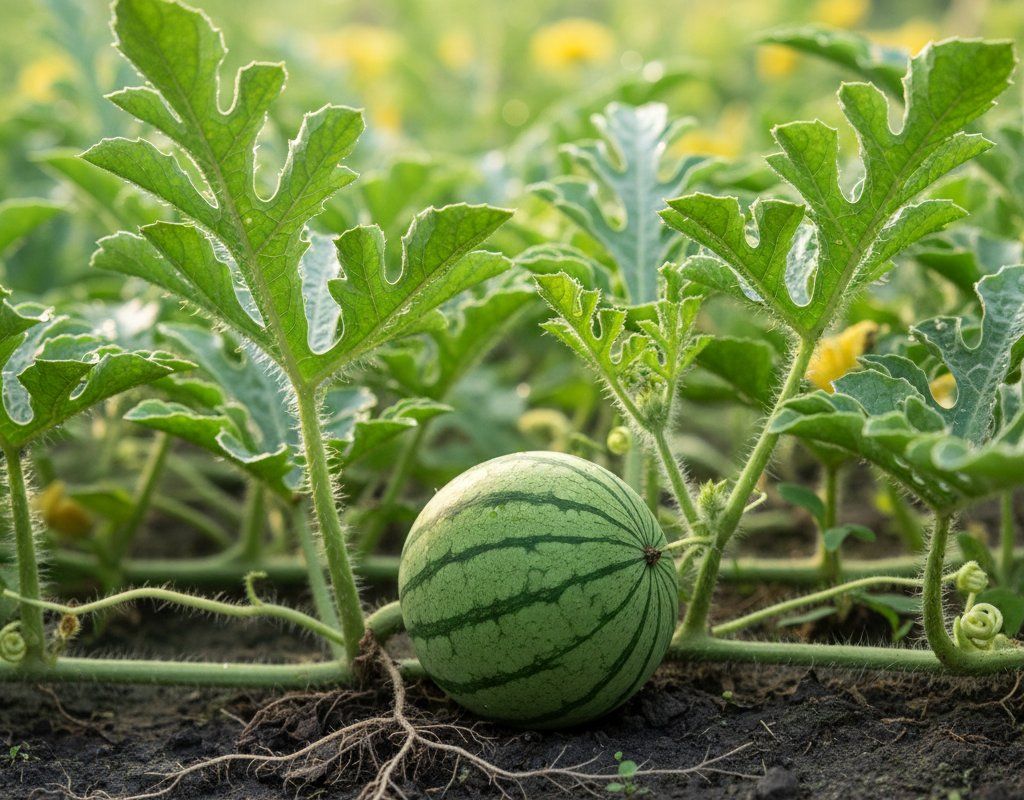
Watermelon in Zone 8B — Desert Southwest
Citrullus lanatus · Your Complete 2026 Planting Guide
Missed Seed Starting? No Problem!
Wait for starts to become available.
What to Do
Starts will be available at nurseries in 7 days (around March 11).
How to Plant Watermelon in Zone 8B — Desert Southwest
Here are all your options for getting watermelon in the ground, from the easiest method to more advanced approaches.
Direct Sow Seeds
RecommendedMid March through late August
around March 11
Consider succession planting every 2-3 weeks for continuous harvest.
Needs warm soil. Direct sow works in zones 6+. Start indoors in colder zones.
Buy Starts
Works WellMid March through early April
around March 11
Plant purchased starts after last frost (February 25).
Start Seeds Indoors
Works WellMid February through early March
around February 18
Then transplant: Mid March through early April
Start seeds 3-5 weeks before transplanting outdoors.
Handle seedlings carefully — melons resent root disturbance.
Transplant Outdoors
Timing InfoMid March through early April
around March 11
Wait until nighttime temperatures stay above 50°F.
You have a nice window — no need to rush.
Overview
Growing watermelon in the Desert Southwest gives you access to the sweetest, most flavorful melons you'll ever taste. Our intense sun and heat create perfect sugar development that store-bought melons simply can't match. With our 279-day growing season and two distinct planting windows, you can enjoy fresh watermelon from early summer through late fall.
Yes, the extreme heat and arid conditions present challenges, but watermelons actually thrive in our desert climate when planted at the right times. The key is working with our natural seasons — starting before the brutal summer peak and taking advantage of our extended fall weather for a second harvest.
Starting Seeds Indoors
Starting watermelon seeds indoors isn't the preferred method here, but it makes sense if you want to get a jump on the season or have limited space for direct sowing. Start seeds mid-February through early March, about 3 weeks before your planned transplant date. Our very early spring character means you can transplant much sooner than most regions.
Use seed trays with good drainage and keep them warm — watermelon seeds need soil temperatures around 70-80°F to germinate well. Bottom watering works best to prevent damping off and keeps moisture levels consistent. Handle the seedlings carefully when transplanting, as melons resent root disturbance and may sulk for weeks if their roots are damaged.
Transplanting Outdoors
Transplant your watermelon seedlings outdoors from mid-March through early April, once nighttime temperatures consistently stay above 50°F. Harden them off gradually over a week, giving them increasing exposure to our intense desert sun and dry air — this step is crucial in our climate.
Space transplants 72-96 inches apart in all directions — watermelon vines spread extensively and need room to roam. Plant them in mounds or raised areas for better drainage, which helps prevent root rot during our monsoon season. The wide spacing also improves air circulation, reducing disease pressure in our low-humidity environment.
Direct Sowing
Direct sowing is the preferred method for watermelons in the Desert Southwest. Plant from mid-March through late August, giving you two distinct growing seasons. For spring planting, wait until soil temperatures reach at least 65°F — use a soil thermometer rather than guessing. Our soil warms quickly in March.
Prepare planting areas by working compost into our often-alkaline desert soil. Plant seeds 1 inch deep and space hills 72-96 inches apart. The generous spacing prevents overcrowding and allows each plant access to adequate water and nutrients. For summer planting (late July through August), take advantage of monsoon moisture but provide shade cloth protection from extreme heat.
Our long growing season means you can succession plant every 2-3 weeks through late August for continuous harvests well into December.
Watering Watermelon in Zone 8B (Desert Southwest)
Watermelons are water-hungry plants that need consistent moisture throughout their growing cycle — this is especially critical in our arid Desert Southwest climate. Plan on providing 1-2 inches of water per week, increasing to 2-3 inches during fruit development. The extreme heat and low humidity mean plants lose moisture rapidly through their large leaves.
Use the finger test regularly: stick your finger 2 inches deep into the soil near the base of the plant. If it's dry at that depth, it's time to water. Water deeply at soil level rather than overhead — our low humidity means less disease pressure, but efficient water delivery is crucial with our limited rainfall of only 8-15 inches annually.
During monsoon season (typically July-September), reduce supplemental watering but don't stop entirely. Our sporadic monsoon moisture rarely provides consistent hydration that watermelons need. Mulch around plants with wood chips or gravel to retain soil moisture and keep roots cool during extreme heat periods.
Stop heavy watering 1-2 weeks before harvest to concentrate sugars in the fruit. Signs of underwatering include wilting during the hottest part of the day (normal) that doesn't recover by evening, and small or bitter fruit. Overwatering shows up as split fruit and bland flavor.
🧪Fertilizing Watermelon
Feeding Schedule
Organic Fertilizer Options
Harvest Time
Your first watermelons will be ready from early June through early December, depending on when you planted. With our 85-day growing season and extended fall weather, you can harvest fresh melons well into winter. Spring-planted melons typically ripen in early to mid-June, while summer-planted ones harvest through November.
Look for three key ripeness indicators: the ground spot (where the melon rests on soil) turns from white to creamy yellow, the nearest tendril to the fruit turns brown and dry, and the melon sounds hollow when thumped. In our dry climate, the tendril test is especially reliable since low humidity causes them to desiccate quickly when the fruit is ready.
Harvest in the morning when melons are coolest. Cut the stem with pruning shears rather than pulling — damaged vines are more susceptible to disease. Unlike some fruits, watermelons won't ripen further once picked, so wait for full maturity indicators.
As our first frost approaches in early December, harvest all remaining melons regardless of size. Wrap them in newspaper and store in a cool, dry place — they'll keep for several weeks and smaller ones can be used for pickles or preserves.
Common Problems in Zone 8B (Desert Southwest)
Fusarium Wilt This soil-borne fungus shows up as wilting on one side of the plant first, with yellowing leaves that spread across the entire vine. Cut open the stem near soil level and you'll see brown streaks running up through the vascular tissue. Our warm desert soils create ideal conditions for this persistent pathogen.
The fungus enters through roots and there's no cure once infection occurs — remove and destroy affected plants immediately. Prevention is key: choose resistant varieties marked with 'F' on seed packets, rotate watermelon family crops on a 4-year cycle, and raise soil pH above 6.5. Our alkaline desert soils often help naturally suppress this disease.
Anthracnose Look for sunken, dark circular spots on fruit, stems, and leaves. During monsoon season, you may see pink or orange spore masses on these spots. This fungal disease spreads through rain splash and thrives when humidity spikes during summer storms.
Remove infected plant debris and avoid overhead watering. Apply copper fungicide preventatively before monsoon season arrives. Our typically low humidity helps prevent this disease most of the year, but be vigilant during wet periods. Always use disease-free seeds and rotate crops annually.
Poor Pollination Fruits that start developing but remain small, misshapen, or fall off indicate pollination problems. You'll see flowers blooming but no fruit set, or melons that develop unevenly with hollow sections. Our extreme heat can stress pollinators and affect pollen viability.
Plant pollinator-friendly flowers nearby and provide a water source for bees during our hot, dry periods. Hand-pollinate using a small brush if bee activity is low. Avoid pesticide applications during flowering, especially during early morning when pollinators are most active. Morning temperatures above 90°F can reduce pollen viability, so earlier plantings often have better fruit set.
Desert Southwest Specific Challenges: Our extreme heat and arid conditions mean watermelons face additional stress from sunscald and rapid moisture loss. Provide shade cloth during peak summer temperatures above 105°F, and maintain consistent soil moisture despite our limited rainfall. The alkaline soil common in desert areas can tie up nutrients, so regular soil testing and amendments help keep plants healthy.
Best Companions for Watermelon
Plant these nearby for healthier Watermelon and better harvests.

Keep Away From
Companion Planting Details
Corn makes an excellent companion for watermelons in the Desert Southwest, providing natural shade for the sprawling vines during extreme heat periods. The vertical corn structure doesn't compete for ground space, and both crops benefit from similar watering schedules. Plant radishes around watermelon hills — they mature quickly before vines spread and help break up caliche or compacted desert soil.
Sunflowers work well as companions, attracting beneficial insects and providing afternoon shade for watermelon vines. Their deep taproots can access water below the surface, making them drought-tolerant companions in our arid climate. Avoid planting watermelons near potatoes, as both are susceptible to similar soilborne diseases and pests, increasing risk for your entire crop.
🌸Best Flowers to Plant with Watermelon
These flowers protect your Watermelon from pests and attract pollinators for better harvests.


Get a Reminder When It's Time to Plant
We'll email you when key planting windows open for your zone.