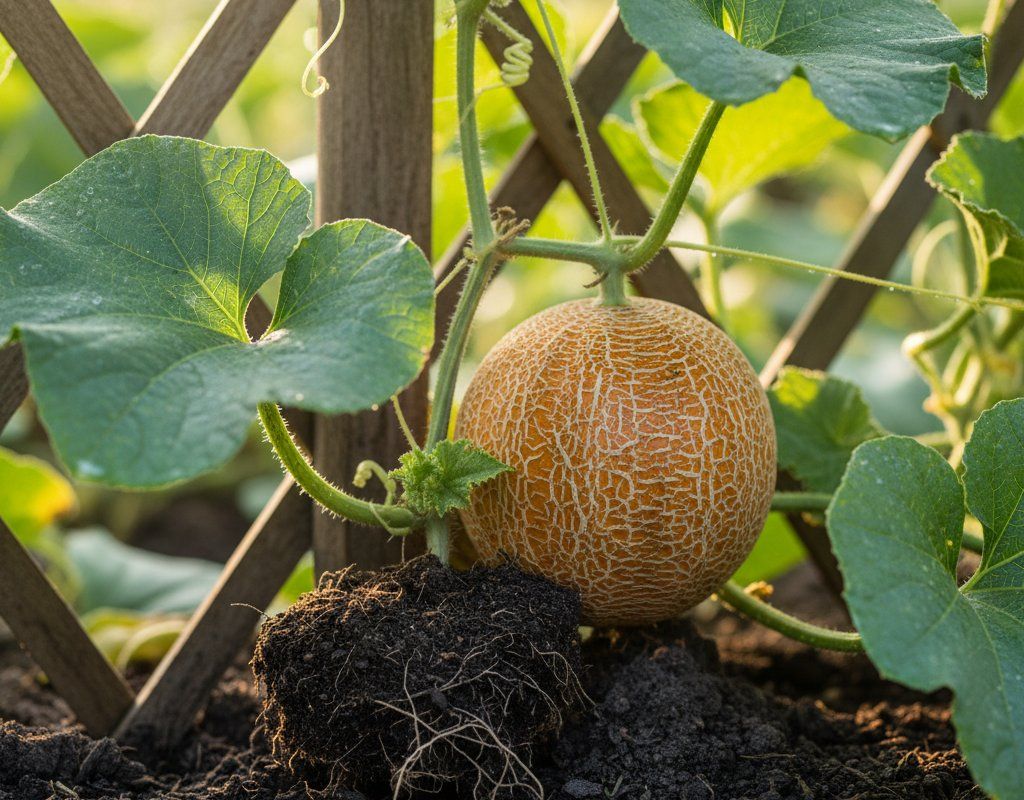
Cantaloupe in Zone 9B — Desert Southwest
Cucumis melo · Your Complete 2026 Planting Guide
Time to Buy Starts!
Seed starting window passed, but starts are available now.
Buy Starts Now
Head to your local nursery, Home Depot, or farmers market for transplants.
- Look for stocky plants with dark green leaves
- Avoid leggy seedlings or plants already flowering
- Check that roots aren't circling the pot (rootbound)
How to Plant Cantaloupe in Zone 9B — Desert Southwest
Here are all your options for getting cantaloupe in the ground, from the easiest method to more advanced approaches.
Direct Sow Seeds
RecommendedMid February through mid September
around February 19
Consider succession planting every 2-3 weeks for continuous harvest.
Same as watermelon — needs warm soil, direct sow works in most zones.
Buy Starts
Works WellMid February through mid March
around February 19
Plant purchased starts after last frost (February 5).
Start Seeds Indoors
Works WellLate January through mid February
around January 29
Then transplant: Mid February through mid March
Start seeds 3-5 weeks before transplanting outdoors.
Transplant Outdoors
Timing InfoMid February through mid March
around February 19
Wait until nighttime temperatures stay above 50°F.
You have a nice window — no need to rush.
Overview
Cantaloupe thrives in our Desert Southwest climate when you work with the seasons rather than against them. The combination of our intense sun, warm soil, and two distinct growing seasons creates perfect conditions for developing those sweet, aromatic melons that put grocery store versions to shame. Our long, hot summers provide the heat units cantaloupe craves, while our mild winters allow for extended fall harvests that many gardeners never experience.
The extreme heat and arid conditions can stress melons if poorly timed, but our 313-day growing season gives you multiple windows to succeed. Plant during our cooler months, provide consistent water through the heat, and you'll harvest sweet melons from late spring through early winter. The key is understanding that cantaloupe here follows desert gardening rules — timing is everything.
Starting Seeds Indoors
Starting cantaloupe seeds indoors works well if you want to push the early season or have limited garden space for multiple sowings. Start seeds late January through mid-February, about three weeks before your planned transplant date. Our very-early spring character means you can get transplants in the ground while other regions are still dealing with snow.
Use seed trays with good drainage and keep soil temperature around 80°F for quick germination. Bottom watering works best — fill the tray from below and let the soil absorb moisture gradually. This prevents the soil surface from crusting over, which can trap emerging seedlings.
Give seedlings bright light once they emerge, whether from a south window or grow lights. The indoor start method gives you more control over early growth, which can be helpful if your garden soil is still too cool or wet from winter rains.
Transplanting Outdoors
Transplant your indoor-started cantaloupe seedlings from mid-February through mid-March, when nighttime temperatures consistently stay above 50°F. Our desert springs can still surprise you with a late cold snap, so watch the forecast and be ready to protect young plants with row covers if needed.
Harden off seedlings over a full week before transplanting. Start with just an hour of morning sun, gradually increasing outdoor time. Desert sun is intense even in February — shocked seedlings will sulk for weeks and may never recover their vigor.
Space transplants 36 to 48 inches apart in well-draining soil. Cantaloupe vines spread wide and need air circulation to prevent disease. Plant in raised beds or mounded rows if your soil has caliche or drainage issues. Water deeply at transplanting but avoid keeping the soil soggy, which invites root rot in our heavy clay and caliche soils.
Direct Sowing
Direct sowing is the preferred method for cantaloupe in the Desert Southwest. Sow seeds from mid-February through mid-September, timing plantings to avoid the worst summer heat during fruit development. The soil needs to be at least 65°F for good germination — use a soil thermometer rather than guessing.
Prepare planting areas by working compost into the soil and ensuring good drainage. Plant seeds 1 inch deep and 12 inches apart, later thinning to 36-48 inches between plants. In heavy clay or caliche, create raised beds or plant in mounds to improve drainage and soil warming.
Your best sowing windows are mid-February through early April for spring harvest, then late July through mid-September for fall crops. Avoid mid-summer direct sowing unless you can provide shade cloth — seeds won't germinate in soil over 95°F, and young seedlings will struggle in extreme heat even with irrigation.
Watering Cantaloupe in Zone 9B (Desert Southwest)
Cantaloupe has high water needs but requires careful management in our arid climate. Provide about 1-1.5 inches of water per week through deep, infrequent watering sessions. Check soil moisture with the finger test — stick your finger 2 inches down near the base of plants. If it's dry at that depth, it's time to water.
During our extreme summer heat, melons may need water every 2-3 days despite mulching. Water at the base of plants rather than overhead — our low humidity means water evaporates quickly from leaves, and wet foliage can encourage disease. Drip irrigation or soaker hoses work perfectly for cantaloupe's spreading growth habit.
The critical timing change is one week before harvest. Stop watering completely during this final week to concentrate sugars and prevent bland, watery fruit. This is especially important during our monsoon season when natural rainfall might continue right up to harvest time.
Mulch around plants with 3-4 inches of straw or shredded bark to retain soil moisture and keep roots cool. In our desert climate, unmulched soil can heat up enough to stress shallow feeder roots even with adequate irrigation.
🧪Fertilizing Cantaloupe
Feeding Schedule
Organic Fertilizer Options
Harvest Time
Expect your first cantaloupe harvest from early May through mid-December, depending on planting timing. Most varieties take about 80 days from seed to harvest, but hot weather can speed this up while cool spells slow it down. Spring-planted melons typically ripen in late May through July, while fall plantings harvest September through December.
A ripe cantaloupe will "slip" from the vine — the stem separates easily with gentle pressure when the fruit is ready. Look for fully developed netting over the entire surface and a sweet, musky aroma at the blossom end. The background color changes from green to cream or yellow between the netting.
Harvest in early morning when sugars are most concentrated. Unlike some fruits, cantaloupe won't ripen further once picked, so patience pays off. Cut rather than pull any melons that don't slip easily — these can ripen a bit more indoors but won't reach full sweetness.
As our first frost approaches in mid-December, harvest any full-sized melons regardless of ripeness. Green melons won't ripen in storage, but those showing some color change may improve slightly if kept at room temperature for a few days.
Common Problems in Zone 9B (Desert Southwest)
Powdery Mildew White or grayish powdery coating appears on leaves, stems, and sometimes fruit surfaces. Leaves curl, yellow, and eventually die back, reducing plant vigor and fruit production. Despite our arid climate, powdery mildew thrives here because the fungus prefers dry leaf surfaces combined with warm days and cool nights. Improve air circulation by proper spacing and removing lower leaves that touch the ground. Neem oil sprays help, but surprisingly, a milk spray (1 part milk to 9 parts water) applied weekly can be very effective. Choose resistant varieties when possible.
Aphids Clusters of tiny, soft-bodied insects in green, black, or white appear on stems and leaf undersides, leaving sticky honeydew residue. New growth becomes curled and distorted. Our warm desert climate allows aphid populations to explode quickly, and ant colonies often farm them for their sweet secretions. Knock them off with a strong water spray early in the morning. Encourage beneficial insects like ladybugs and lacewings by avoiding broad-spectrum insecticides. For heavy infestations, use insecticidal soap or neem oil, and avoid excess nitrogen fertilizer which makes plants more attractive to aphids.
Poor Sweetness Melons look ripe but taste bland or watery instead of sweet and flavorful. This usually results from overwatering near harvest time, insufficient heat during development, or picking too early. Our monsoon rains can dilute fruit sugars if they arrive during harvest season. Stop all watering 5-7 days before harvest, even if plants look slightly stressed. Ensure melons get full sun exposure and adequate heat units. Wait for proper ripeness indicators — cantaloupe should slip easily from the vine when truly ready.
Desert Southwest gardeners face additional challenges with extreme heat potentially causing sunscald on fruit and water stress during our long, hot summers. The alkaline soil common here can tie up nutrients, while caliche layers prevent deep root development. Consistent deep watering and soil amendment help cantaloupe establish the extensive root system needed to survive our climate.
Best Companions for Cantaloupe
Plant these nearby for healthier Cantaloupe and better harvests.


Keep Away From
Companion Planting Details
Corn and sunflowers make excellent companions for cantaloupe in the Desert Southwest. Both provide afternoon shade that helps protect developing melons from sunscald during our extreme summer heat. Corn's upright growth doesn't compete for space with spreading melon vines, while sunflowers attract beneficial insects that help with pollination and pest control.
Lettuce works well as a living mulch between young melon plants in spring, helping retain soil moisture and keeping roots cool before the vines spread. Avoid planting cantaloupe near potatoes, which can attract similar pests and compete for water. Also skip cucumbers as companions — they're susceptible to the same diseases and pests, creating concentrated problems that spread quickly in our warm, dry climate.
🌸Best Flowers to Plant with Cantaloupe
These flowers protect your Cantaloupe from pests and attract pollinators for better harvests.


Get a Reminder When It's Time to Plant
We'll email you when key planting windows open for your zone.