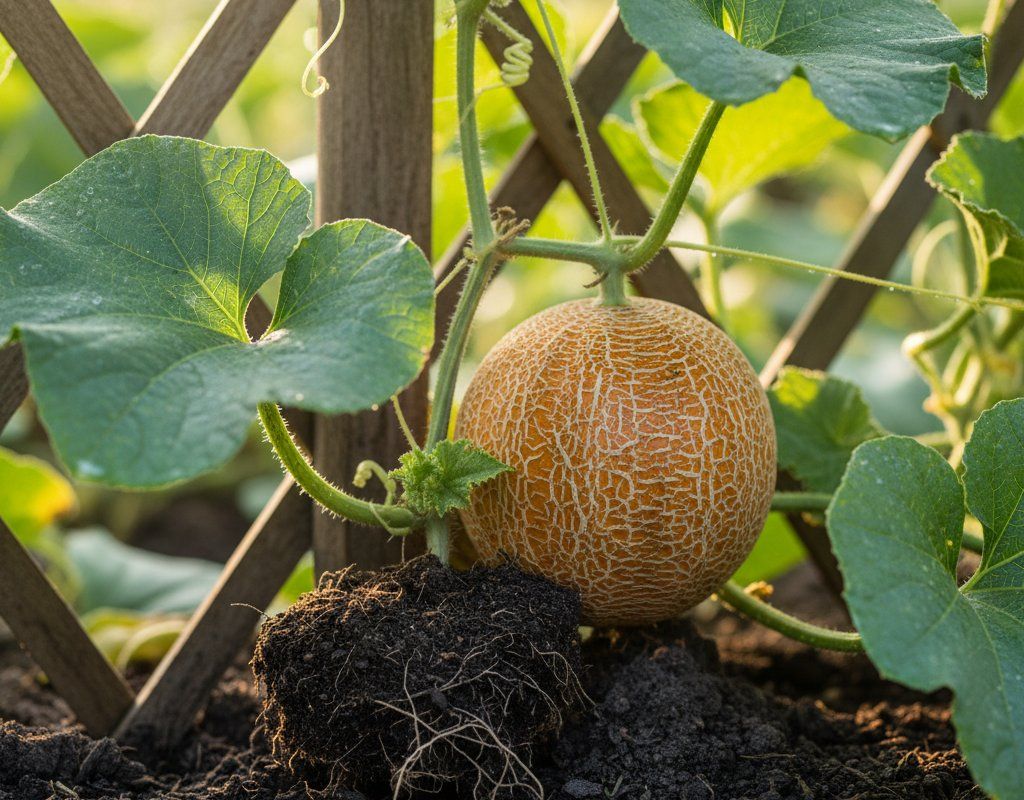
Cantaloupe in Zone 9B — Gulf Coast
Cucumis melo · Your Complete 2026 Planting Guide
Time to Buy Starts!
Seed starting window passed, but starts are available now.
Buy Starts Now
Head to your local nursery, Home Depot, or farmers market for transplants.
- Look for stocky plants with dark green leaves
- Avoid leggy seedlings or plants already flowering
- Check that roots aren't circling the pot (rootbound)
How to Plant Cantaloupe in Zone 9B — Gulf Coast
Here are all your options for getting cantaloupe in the ground, from the easiest method to more advanced approaches.
Direct Sow Seeds
RecommendedMid February through mid September
around February 13
Consider succession planting every 2-3 weeks for continuous harvest.
Same as watermelon — needs warm soil, direct sow works in most zones.
Buy Starts
Works WellMid February through mid March
around February 13
Plant purchased starts after last frost (January 30).
Start Seeds Indoors
Works WellMid January through early February
around January 23
Then transplant: Mid February through mid March
Start seeds 3-5 weeks before transplanting outdoors.
Transplant Outdoors
Timing InfoMid February through mid March
around February 13
Wait until nighttime temperatures stay above 50°F.
You have a nice window — no need to rush.
Overview
Cantaloupe grown in your Gulf Coast garden delivers sweetness that puts store-bought melons to shame. Here in Zone 9B, our long growing season and abundant heat create perfect conditions for developing that rich, aromatic flavor you remember from childhood summers. The vines thrive in our warm nights and humid air, producing fruit that's both juicier and more complex than anything shipped from distant fields.
While our high humidity and disease pressure can challenge melon growers, proper timing makes all the difference. With a 319-day growing season stretching from mid-February through mid-December, you have multiple planting windows to work around hurricane season or extend your harvest well into fall. The key is understanding when to plant and how to manage moisture in our wet climate.
Starting Seeds Indoors
Starting cantaloupe seeds indoors works best when you want to get a jump on the season or protect seedlings during unpredictable February weather. Start seeds in mid-January through early February, about three weeks before your planned transplant date. This timing lets you move seedlings outdoors during our typically mild late winter period.
Use seed trays with good drainage and keep soil temperature around 75-80°F for best germination. Bottom watering prevents damping-off disease that thrives in our humid conditions. Provide strong light once seedlings emerge, either from a south window or grow lights.
While indoor starting isn't essential in our climate, it can help you get larger plants established before summer's heat and humidity intensify. Just remember that cantaloupe doesn't love root disturbance, so handle transplants gently.
Transplanting Outdoors
Transplant your indoor-started cantaloupe seedlings from mid-February through mid-March, when soil temperatures consistently stay above 65°F. This window takes advantage of our early spring warmth while avoiding the intense heat and afternoon storms of late spring.
Harden off seedlings gradually over a week, starting with a few hours of filtered morning sun and building up to full outdoor conditions. Space plants 36-48 inches apart to ensure good air circulation—critical in our high-humidity environment for preventing fungal diseases.
Choose a calm, overcast day for transplanting if possible. Our February and March weather can swing between warm and cool, so be ready to protect young plants if an unexpected cold snap threatens. Row covers work well for temporary protection during temperature swings.
Direct Sowing
Direct sowing is the preferred method for cantaloupe in the Gulf Coast, giving you the strongest plants with the least transplant shock. Your planting window runs from mid-February through mid-September, though spring and fall sowings generally perform best in our climate.
Wait until soil temperature reaches at least 65°F before planting—cold soil leads to poor germination and weak seedlings. Plant seeds 1 inch deep and space them 36-48 inches apart to allow for proper air circulation. The wide spacing helps combat fungal diseases that love our humid conditions.
For succession planting, sow every 2-3 weeks through summer, though be aware that mid-summer plantings will face the full intensity of our heat and humidity. Fall plantings made in late August through early September often produce the sweetest fruit as they ripen during cooler October and November weather.
Watering Cantaloupe in Zone 9B (Gulf Coast)
Cantaloupe needs consistent moisture throughout the growing season, but managing water in our wet Gulf Coast climate requires a different approach than drier regions. With our 50-65 inches of annual rainfall, you'll often be managing excess water rather than providing irrigation, especially during our intense summer afternoon storms.
Check soil moisture using the finger test—stick your finger 2 inches deep near the plant base. If it's dry at that depth, water deeply, providing about 1-2 inches per week including rainfall. Water at the base of plants rather than overhead to reduce leaf wetness and fungal disease pressure in our high-humidity environment.
During our wet summer months, focus on drainage rather than irrigation. Raised beds or mounded rows help prevent waterlogged roots that lead to rot. If plants show yellowing leaves or stunted growth despite adequate nutrients, they're likely getting too much water from our frequent storms.
Stop watering completely one week before harvest for the sweetest fruit. This concentrates sugars and prevents that watery taste common in overwatered melons. Given our unpredictable rainfall, you might need to cover ripening fruit during late-season storms to maintain this dry period.
🧪Fertilizing Cantaloupe
Feeding Schedule
Organic Fertilizer Options
Harvest Time
Your first cantaloupe harvest typically begins in early May from February plantings, with successive crops continuing through mid-December in favorable years. Most varieties need about 80 days from seed to harvest, though our intense summer heat can sometimes speed this up slightly.
A ripe cantaloupe will "slip" from the vine easily when you apply gentle pressure where the stem attaches. The netting pattern should be fully developed and raised, and you'll notice a sweet, musky aroma at the blossom end. The skin color changes from green to tan or cream between the netting.
Harvest in the morning when temperatures are cooler and fruit is at its firmest. Unlike some fruits, cantaloupe won't continue ripening once picked, so timing is crucial. If the stem requires force to remove, the fruit isn't ready yet.
As our first frost approaches in mid-December, harvest any nearly mature fruit and bring it indoors. While it won't get sweeter, it will soften and become edible. Cover plants with row covers during light frost warnings to extend the season by a few extra weeks.
Common Problems in Zone 9B (Gulf Coast)
Powdery Mildew This fungal disease appears as white or grayish powdery coating on leaves, stems, and sometimes fruit surfaces. Leaves curl, yellow, and eventually die, reducing plant vigor significantly. Despite our high humidity, powdery mildew actually prefers dry leaf surfaces combined with warm days and moderate humidity—common during our spring and fall growing periods. Improve air circulation through proper spacing and pruning lower leaves. Remove affected foliage immediately and apply neem oil or potassium bicarbonate sprays. A milk spray (1 part milk to 9 parts water) works surprisingly well as both prevention and treatment.
Aphids These tiny soft-bodied insects cluster on stems and leaf undersides, appearing green, black, or white depending on species. You'll notice sticky honeydew residue and curled or distorted new growth where they feed. Aphid populations explode in our warm, humid conditions, and ant colonies often farm them for their sweet secretions. Blast them off with strong water spray from your hose, or encourage natural predators like ladybugs and lacewings. For heavy infestations, use insecticidal soap or neem oil. Avoid excess nitrogen fertilizer, which creates the tender growth aphids prefer.
Poor Sweetness Your cantaloupe might look perfectly ripe but lack the expected sweetness, leaving you disappointed after months of care. This usually results from overwatering near harvest time, insufficient heat accumulation, or harvesting too early. Stop all watering 5-7 days before expected harvest, even if this means covering fruit during our afternoon storms. Ensure plants receive full sun and adequate heat exposure throughout the growing period. Wait for proper ripeness indicators—the fruit should slip easily from the vine when ready.
Gulf Coast Specific Challenges Our extreme humidity and frequent rainfall create perfect conditions for fungal diseases, while our long, hot summers can stress plants despite their heat tolerance. Hurricane season adds another variable, potentially damaging vines or flooding root systems with salt water near coastal areas. The key to success lies in choosing well-draining sites, providing excellent air circulation, and timing plantings to avoid the worst of summer's disease pressure.
Best Companions for Cantaloupe
Plant these nearby for healthier Cantaloupe and better harvests.


Keep Away From
Companion Planting Details
Corn makes an excellent companion for cantaloupe in Gulf Coast gardens, providing natural support for sprawling vines while its tall stalks don't compete for the same root space. Sunflowers work similarly, offering partial shade during our intense summer afternoons while attracting beneficial pollinators essential for fruit set. Lettuce planted between young cantaloupe plants makes good use of space during the vines' early growth and actually benefits from light shade as summer heat intensifies.
Avoid planting cantaloupe near potatoes, as both crops attract similar pests and diseases, creating concentrated problems in our humid climate. Keep cucumbers away from cantaloupe despite their family relationship—they're susceptible to many of the same fungal diseases that thrive in our wet conditions, and planting them together increases disease pressure for both crops. Space melons generously and choose companions that won't trap moisture or block air circulation around the vines.
🌸Best Flowers to Plant with Cantaloupe
These flowers protect your Cantaloupe from pests and attract pollinators for better harvests.


Get a Reminder When It's Time to Plant
We'll email you when key planting windows open for your zone.