
Lettuce in Zone 9B — Gulf Coast
Lactuca sativa · Your Complete 2026 Planting Guide
Harvest Time!
Your Lettuce should be producing now!
Harvest Tips
Harvest outer leaves for cut-and-come-again, or cut whole head.
How to Plant Lettuce in Zone 9B — Gulf Coast
Here are all your options for getting lettuce in the ground, from the easiest method to more advanced approaches.
Direct Sow Seeds
RecommendedEarly January through mid October
around January 2
Consider succession planting every 2-3 weeks for continuous harvest.
Lettuce germinates easily in cool soil. Succession sow every 2-3 weeks.
Start Seeds Indoors
RecommendedMid December through early January
around December 19
Then transplant: Mid January through late February
Start seeds 4-6 weeks before transplanting outdoors.
Starting indoors gives you an earlier harvest.
Buy Starts
Works WellMid January through late February
around January 16
Plant purchased starts after last frost (January 30).
Lettuce starts are inexpensive and widely available.
Transplant Outdoors
Timing InfoMid January through late February
around January 16
Can tolerate light frost, but wait for soil to be workable.
You have a nice window — no need to rush.
Fall Planting
Mid October through mid November
November 3 ideal · Direct sow for fall harvest
Plant a second crop in mid-summer for fall harvest. Lettuce actually prefers the cooling temperatures of fall.
Overview
Growing lettuce in the Gulf Coast gives you crisp, flavorful greens that put grocery store varieties to shame – and here in Zone 9B, our mild winters and long growing season mean you can harvest fresh lettuce for most of the year. While other regions struggle with short seasons, we can grow lettuce from fall through spring, taking advantage of our cool winter months when the high humidity actually works in our favor.
Yes, our hot summers and extreme humidity create challenges for cool-season crops like lettuce, but smart timing makes all the difference. With a 319-day growing season, you have plenty of flexibility to work around the heat and still enjoy months of homegrown salads. Plant during our cooler months, and you'll discover how rewarding it is to step outside and harvest perfect lettuce leaves while northern gardeners are still dealing with snow.
Starting Seeds Indoors
Starting lettuce seeds indoors isn't essential here in the Gulf Coast, but it can give you an earlier harvest and more control during our unpredictable winter weather. Start seeds from mid-December through early January, about 4 weeks before you plan to transplant. Use seed trays with good drainage and keep them in a warm spot (65-70°F works well).
Your seeds will germinate quickly in our mild conditions – usually within a week. Bottom watering works best to prevent fungal issues in our high humidity. A simple setup under grow lights or in a sunny window will do the job perfectly.
Since our spring starts early compared to other zones, indoor-started transplants can be ready to go outside by mid-January. This method works especially well if you want to get ahead of the season or if you're trying specific varieties that aren't available as transplants locally.
Transplanting Outdoors
Transplant your lettuce seedlings from mid-January through late February, when nighttime temperatures stay consistently above freezing. Even though lettuce is semi-hardy, our Gulf Coast weather can swing unexpectedly during winter, so watch the forecast before transplanting.
Harden off your seedlings gradually over a week – start with a few hours of outdoor exposure and work up to full days. Space transplants 6-12 inches apart depending on the variety (leaf lettuce closer, head lettuce farther). The closer spacing works fine since you'll be harvesting outer leaves continuously.
Our afternoon storms and high humidity during winter can stress new transplants, so choose a spot with morning sun and some afternoon protection. The soil should be workable by late January in most years, but if we get an unusually wet stretch, wait for it to dry out rather than working soggy soil.
Direct Sowing
Direct sowing lettuce is straightforward in the Gulf Coast and often the most practical approach. You can sow from early January through mid-October, though you'll want to focus on the cooler months for best results. Lettuce seeds germinate easily in cool soil, often faster than you'd expect.
Prepare your bed with loose, well-draining soil since our clay can compact easily. Sow seeds about ¼ inch deep and space them 6-12 inches apart, or plant closer and thin later. The key is getting seeds in the ground when soil temperatures are between 45-65°F – perfect for our mild winter and early spring conditions.
Succession sow every 2-3 weeks to keep fresh lettuce coming. Direct sowing works especially well for cut-and-come-again varieties since you can harvest outer leaves while the center keeps producing. Skip the summer months entirely – even heat-tolerant varieties struggle in our 93°F days with crushing humidity.
Watering Lettuce in Zone 9B (Gulf Coast)
Lettuce needs consistent moisture to develop tender, sweet leaves, and this is especially critical during our warm spells when temperatures can jump unexpectedly. Check soil moisture by sticking your finger 2 inches deep – if it's dry, it's time to water. Lettuce has shallow roots that dry out fast, particularly in our sandy soils.
During our cooler months, you'll likely need to water 2-3 times per week, providing about an inch of water total. Our 50-65 inches of annual rainfall helps, but it's rarely evenly distributed. Those winter dry spells can stress lettuce just as much as summer heat, so don't assume winter means no watering.
Water at the base of plants rather than overhead – our very high humidity already creates perfect conditions for fungal diseases, and wet leaves make it worse. Early morning watering works best since it gives plants time to dry before our humid nights set in. Watch for signs of stress: wilting during the day means underwatering, while yellowing leaves often indicate overwatering in our heavy soils.
Mulch around your lettuce with a light layer of straw or shredded leaves to help retain moisture and keep soil temperatures cool. This is especially helpful during those surprise warm spells we get in late winter and early spring when temperatures can hit the 80s unexpectedly.
🧪Fertilizing Lettuce
Feeding Schedule
Organic Fertilizer Options
Harvest Time
You can start harvesting lettuce about 45 days after planting, which puts your first harvest from mid-February through late December depending on your planting schedule. For leaf lettuce, begin harvesting when leaves reach 4-6 inches long – just cut the outer leaves and let the center keep growing. Head lettuce is ready when the heads feel firm and full.
Cut lettuce in the early morning when leaves are crisp and full of moisture. Use clean scissors or a sharp knife, and cut leaf lettuce about an inch above the soil line to encourage regrowth. For head lettuce, cut the entire head at the base, though you can often get a second harvest of smaller leaves if you leave the root system intact.
Keep harvesting regularly to prevent bolting – once lettuce sends up a tall center stalk with flowers, the leaves turn bitter and tough. In our Gulf Coast climate, this can happen quickly when temperatures spike, so stay on top of your harvest during warm spells.
As we approach mid-December and our first frost date, harvest everything you can. Lettuce won't survive a freeze, but you'll have enjoyed fresh greens for months while other regions were buying expensive store lettuce. Plan your last plantings to finish harvesting by early December to get the most from your season.
Common Problems in Zone 9B (Gulf Coast)
Bolting shows up as a tall flower stalk shooting from the center of your lettuce, with leaves quickly turning bitter and tough. This is especially common in the Gulf Coast when we get those sudden warm spells in late winter or early spring – a string of 80°F days can trigger bolting even in varieties that should handle heat. Prevent this by choosing bolt-resistant varieties, providing afternoon shade during warm weather, and keeping soil consistently moist. If temperatures are climbing, harvest everything you can before plants bolt.
Aphids appear as clusters of tiny green, black, or white insects on leaf undersides and stems, leaving behind sticky honeydew and causing new growth to curl. Our warm, humid conditions help them reproduce rapidly, and they're especially problematic during our mild winters when beneficial insects are less active. Knock them off with a strong water spray, encourage ladybugs and lacewings with diverse plantings, and use insecticidal soap for heavy infestations. Avoid high-nitrogen fertilizers that make plants more attractive to aphids.
Slugs create irregular holes in leaves and leave silvery slime trails, with damage worst after our frequent afternoon storms and humid nights. They hide under mulch and debris during the day, then feast on your lettuce when conditions are moist. Set out beer traps (shallow dishes of beer sunk into soil), use iron phosphate bait around beds, and water in the morning so soil surfaces dry by evening. Remove hiding spots like boards and excessive mulch around plants.
Tip burn appears as brown, dried edges on inner lettuce leaves, similar to blossom end rot in tomatoes. This calcium uptake problem gets worse with inconsistent watering – common here when we swing between heavy rain and dry spells. It's also triggered by high temperatures during unexpected warm periods. Maintain consistent soil moisture, avoid high-ammonium fertilizers, ensure adequate soil calcium, and provide shade during warm weather.
Gulf Coast Specific Challenges: Our extreme humidity creates perfect conditions for fungal diseases, so space plants properly for air circulation and avoid overhead watering. The combination of high humidity and temperature swings stresses lettuce more than steady heat would. Plan around hurricane season by harvesting before storms and being prepared to replant afterward.
Best Companions for Lettuce
Plant these nearby for healthier Lettuce and better harvests.
View Full Companion Planting Chart →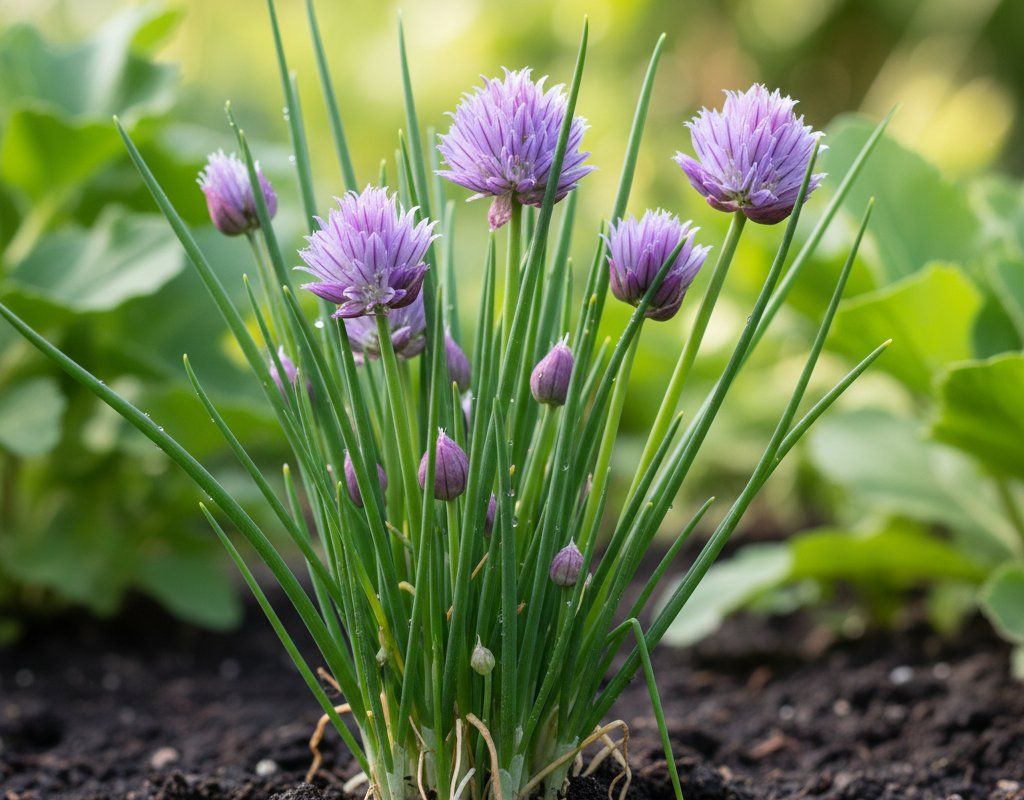


Companion Planting Details
Lettuce pairs beautifully with carrots and radishes in Gulf Coast gardens – the root vegetables help break up our heavy clay soil while lettuce provides living mulch that keeps soil cool and moist. Plant chives nearby to deter aphids with their strong scent, and they'll thrive in the same cool-season window as your lettuce. Strawberries make excellent companions since they appreciate the same consistent moisture and partial shade during warm spells.
Avoid planting lettuce near celery and parsley, which compete for similar nutrients and water in our clay soils. These plants also tend to harbor similar pests and diseases, creating concentrated problems in our humid conditions. Keep lettuce away from tall summer crops that will shade it during our long growing season – it needs morning sun even during cooler months.
🌸Best Flowers to Plant with Lettuce
These flowers protect your Lettuce from pests and attract pollinators for better harvests.
For Pest Control




Get a Reminder When It's Time to Plant
We'll email you when key planting windows open for your zone.