Cantaloupe in Zone 9B — Texas
Cucumis melo · Your Complete 2026 Planting Guide
Time to Buy Starts!
Seed starting window passed, but starts are available now.
Buy Starts Now
Head to your local nursery, Home Depot, or farmers market for transplants.
- Look for stocky plants with dark green leaves
- Avoid leggy seedlings or plants already flowering
- Check that roots aren't circling the pot (rootbound)
How to Plant Cantaloupe in Zone 9B — Texas
Here are all your options for getting cantaloupe in the ground, from the easiest method to more advanced approaches.
Direct Sow Seeds
RecommendedMid February through early September
around February 19
Consider succession planting every 2-3 weeks for continuous harvest.
Same as watermelon — needs warm soil, direct sow works in most zones.
Buy Starts
Works WellMid February through mid March
around February 19
Plant purchased starts after last frost (February 5).
Start Seeds Indoors
Works WellLate January through mid February
around January 29
Then transplant: Mid February through mid March
Start seeds 3-5 weeks before transplanting outdoors.
Transplant Outdoors
Timing InfoMid February through mid March
around February 19
Wait until nighttime temperatures stay above 50°F.
You have a nice window — no need to rush.
Overview
Growing cantaloupe in Zone 9B gives you access to those perfectly sweet, orange-fleshed melons that put store-bought varieties to shame. With our long 308-day growing season, you can actually squeeze in two cantaloupe plantings – one for early summer harvest and another for fall – something gardeners in shorter seasons can only dream about. The Texas heat that makes us wilt actually helps develop the sugars that make homegrown cantaloupe so incredibly sweet.
Our unpredictable weather and intense summer heat can seem intimidating for growing melons, but cantaloupe is surprisingly adaptable once you understand the timing. The key is working with our climate instead of fighting it – plant early to beat the worst heat, or plant late for a fall harvest when temperatures start to cooperate again.
Starting Seeds Indoors
Starting cantaloupe seeds indoors isn't the go-to method here, but it can give you a head start if you want to push the season or have limited garden space to dedicate to direct seeding. Start seeds indoors during late January through mid-February, about three weeks before you plan to transplant outside.
Set up your seed trays in a warm spot – cantaloupe seeds need soil temperatures around 70-75°F to germinate well. Bottom watering works best to keep the soil consistently moist without drowning the seeds. You'll need grow lights or a very sunny south window since our early spring days are still pretty short.
The main advantage of starting indoors is getting a jump on the season, but remember that cantaloupe doesn't love root disturbance. Use biodegradable pots or peat pellets that can go directly in the ground to minimize transplant shock.
Transplanting Outdoors
If you've started seeds indoors, transplant them outside from mid-February through mid-March, once soil temperatures consistently stay above 60°F. Our Texas springs can be tricky with those sudden temperature swings, so wait until the threat of a late cold snap has passed – usually after mid-February in most Zone 9B areas.
Harden off your seedlings gradually over a week by exposing them to outdoor conditions for increasing periods each day. Start with just an hour or two and work up to full days. This helps them adjust to our intense sun and variable humidity without going into shock.
Space transplants 36-48 inches apart – cantaloupe vines need room to spread, and good air circulation helps prevent fungal issues in our sometimes humid conditions. Plant them at the same depth they were growing in their containers, and water well to help them establish.
Direct Sowing
Direct sowing is the preferred method for cantaloupe in Texas since these plants don't enjoy being transplanted and our warm soils make germination reliable. You can direct sow from mid-February through early September, which gives you flexibility for both spring and fall plantings.
Wait until soil temperature reaches at least 65°F – usually by mid-February in most Zone 9B areas. Plant seeds about 1 inch deep and space them 36-48 inches apart, or plant in hills with 3-4 seeds per hill and thin to the strongest seedling later. The wide spacing isn't just for vine spread – it also improves air circulation, which helps prevent disease problems.
Prepare your planting area by working in plenty of compost since cantaloupe are heavy feeders. The soil should drain well but hold moisture – our unpredictable rainfall means you want soil that can handle both dry spells and sudden downpours without staying waterlogged.
Watering Cantaloupe in Zone 9B (Texas)
Cantaloupe needs consistent, deep watering throughout the growing season, but the timing and amount matter more than you might think. During active growth, provide about 1-2 inches of water per week, either from rain or irrigation. In our Texas heat, this usually means watering 2-3 times per week rather than daily light sprinklings.
Use the finger test to check soil moisture – stick your finger 2 inches down into the soil near the plants. If it's dry at that depth, it's time to water. Water at the base of the plants rather than overhead to reduce fungal problems, especially during our more humid periods. A soaker hose or drip irrigation works perfectly for this.
Here's the critical part many Texas gardeners miss: stop watering completely about a week before harvest. This might seem counterintuitive during our brutal summer heat, but reducing water stress actually concentrates the sugars and prevents bland, watery fruit. The plants can handle this brief dry period, and your taste buds will thank you.
Mulch around the plants with 2-3 inches of organic material to help retain soil moisture and keep those roots cooler during the worst heat. Grass clippings or shredded leaves work well and break down to feed the soil as the season progresses.
🧪Fertilizing Cantaloupe
Feeding Schedule
Organic Fertilizer Options
Harvest Time
Your first cantaloupe harvest typically starts in early May if you planted in February, with harvest continuing through early December for succession plantings. The 80-day maturity period means timing your plantings right is crucial – you want fruit ripening before the worst summer heat or during the more pleasant fall weather.
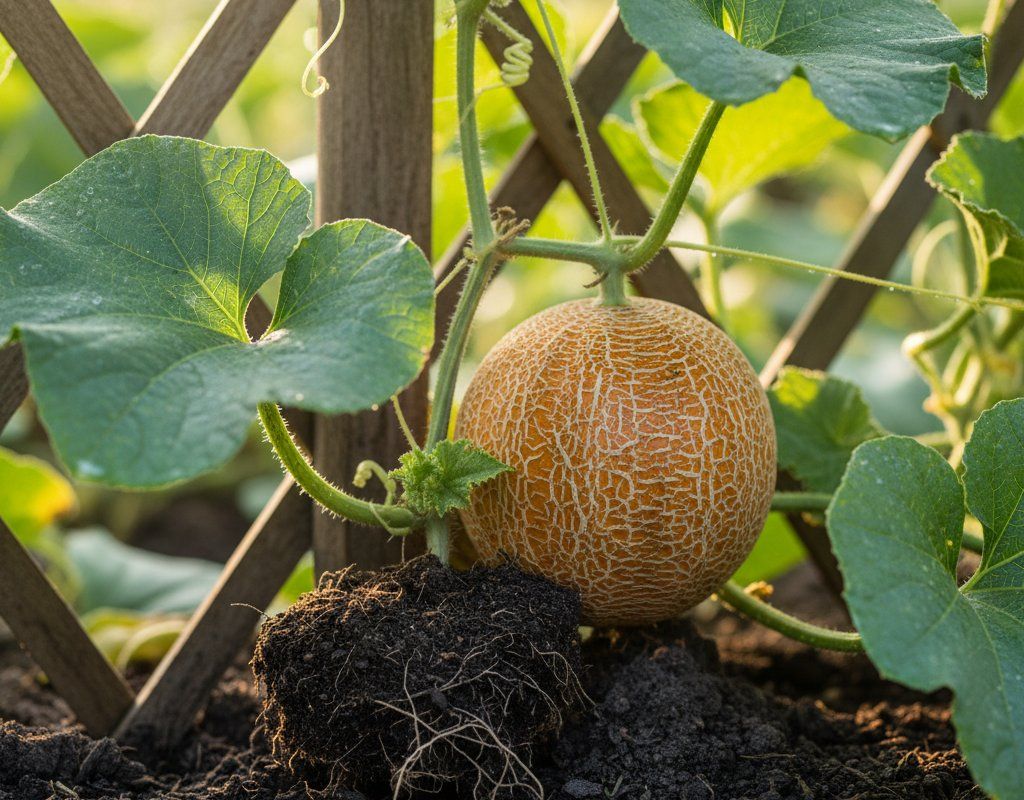
Cantaloupe gives you clear signals when it's ready: the netting pattern becomes fully developed and raised, the background color changes from green to tan or yellow, and most importantly, the fruit "slips" – meaning the stem separates easily from the melon with gentle pressure. You'll also notice a sweet, musky aroma at the blossom end when the fruit is perfectly ripe.
Unlike some fruits, cantaloupe won't continue ripening once removed from the vine, so timing is everything. Check your melons every couple of days once they start showing signs of ripeness. A ripe cantaloupe will practically fall into your hand when you lift it – if you have to tug or cut it free, give it another day or two.
As first frost approaches in early December, harvest any remaining fruit that's close to mature. While these may not reach full sweetness, they're still better than anything you'll find in stores during winter months.
Common Problems in Zone 9B (Texas)
Powdery Mildew appears as white or grayish powdery patches on leaves, stems, and sometimes the fruit itself. Affected leaves curl, turn yellow, and eventually die, which reduces the plant's ability to feed the developing fruit. This fungal disease thrives in our warm days and cooler nights, especially when humidity levels fluctuate – typical Texas weather conditions. Improve air circulation by proper spacing and removing some lower leaves. Spray affected plants with neem oil or try the surprisingly effective milk spray (1 part milk to 9 parts water) applied weekly.
Aphids show up as clusters of tiny green, black, or white insects on stems and leaf undersides, leaving behind sticky honeydew residue and causing new growth to curl and distort. These sap-suckers multiply rapidly in warm weather – which describes most of our growing season. Fire ants sometimes farm aphids for their honeydew, making the problem worse. Knock them off with a strong water spray in the morning, encourage beneficial insects like ladybugs, and use insecticidal soap for heavy infestations. Avoid over-fertilizing with nitrogen, which makes plants more attractive to aphids.
Poor Sweetness is frustrating when your cantaloupe looks perfect but tastes bland and watery. This usually happens from overwatering near harvest time, insufficient heat exposure, or harvesting too early before the fruit has developed full sugar content. Remember to stop watering 5-7 days before harvest, ensure your plants get full sun exposure, and wait for proper ripeness indicators like the fruit slipping easily from the vine.
Texas Specific Challenges: Our extreme heat can stress plants and affect fruit development, while unpredictable rainfall makes consistent watering challenging. Flash floods can damage vines and fruit, and sudden temperature drops can shock plants. The key is choosing heat-tolerant varieties, using mulch to moderate soil temperature, and being flexible with your watering schedule based on our erratic weather patterns.
Best Companions for Cantaloupe
Plant these nearby for healthier Cantaloupe and better harvests.


Keep Away From
Companion Planting Details
Corn makes an excellent companion for cantaloupe since the tall stalks provide afternoon shade during the worst heat while the cantaloupe vines can sprawl beneath without competing for the same soil nutrients. Sunflowers work similarly, offering some heat protection while their deep roots don't interfere with the cantaloupe's spreading root system. Lettuce can be planted between young cantaloupe plants early in the season – you'll harvest the lettuce before the vines need the space, making efficient use of garden real estate.
Avoid planting cantaloupe near potatoes, as they can share similar pest problems and compete for soil nutrients in ways that reduce yields for both crops. Keep cucumbers separated from cantaloupe despite their family relationship – they can cross-pollinate and share diseases like powdery mildew, plus having them together makes it easier for problems to spread quickly through your melon patch.
🌸Best Flowers to Plant with Cantaloupe
These flowers protect your Cantaloupe from pests and attract pollinators for better harvests.


Get a Reminder When It's Time to Plant
We'll email you when key planting windows open for your zone.