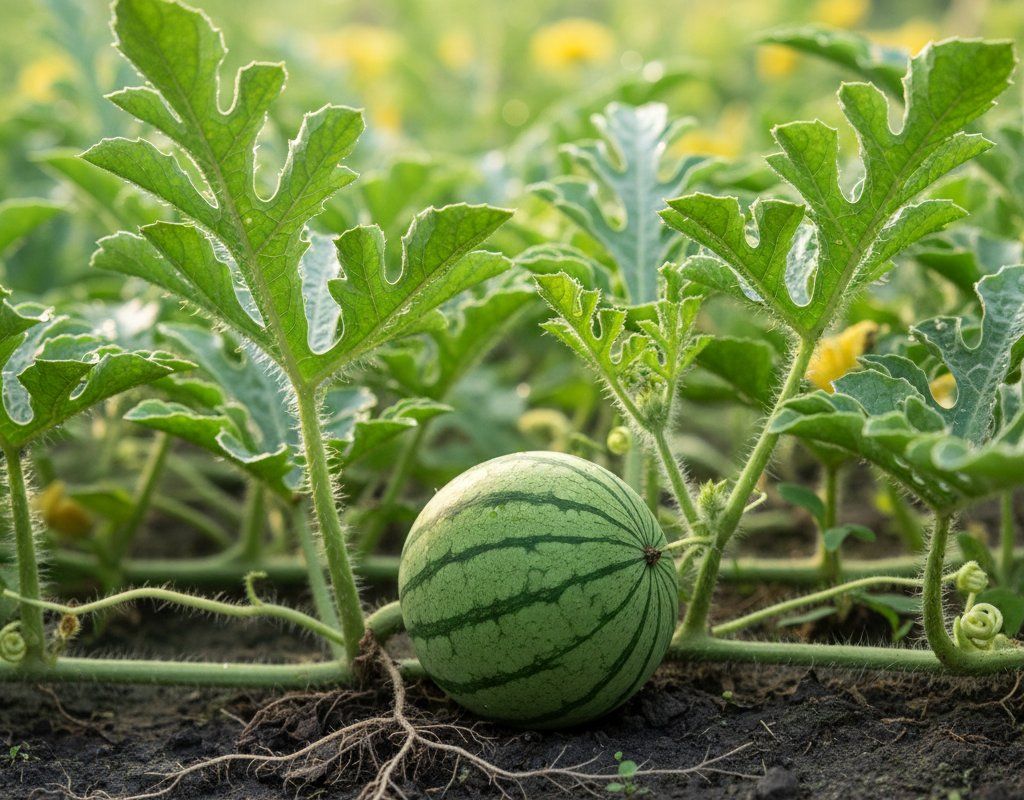
Watermelon in Zone 9B — Texas
Citrullus lanatus · Your Complete 2026 Planting Guide
Time to Buy Starts!
Seed starting window passed, but starts are available now.
Buy Starts Now
Head to your local nursery, Home Depot, or farmers market for transplants.
- Look for stocky plants with dark green leaves
- Avoid leggy seedlings or plants already flowering
- Check that roots aren't circling the pot (rootbound)
How to Plant Watermelon in Zone 9B — Texas
Here are all your options for getting watermelon in the ground, from the easiest method to more advanced approaches.
Direct Sow Seeds
RecommendedMid February through early September
around February 19
Consider succession planting every 2-3 weeks for continuous harvest.
Needs warm soil. Direct sow works in zones 6+. Start indoors in colder zones.
Buy Starts
Works WellMid February through mid March
around February 19
Plant purchased starts after last frost (February 5).
Start Seeds Indoors
Works WellLate January through mid February
around January 29
Then transplant: Mid February through mid March
Start seeds 3-5 weeks before transplanting outdoors.
Handle seedlings carefully — melons resent root disturbance.
Transplant Outdoors
Timing InfoMid February through mid March
around February 19
Wait until nighttime temperatures stay above 50°F.
You have a nice window — no need to rush.
Overview
There's nothing quite like biting into a sun-warmed watermelon you grew yourself in the Texas heat. These sprawling vines thrive in our brutal summers, turning our long, hot days into sweet, juicy rewards that store-bought melons simply can't match. With our 308-day growing season, you can actually squeeze in two plantings - an early spring crop and a summer planting for fall harvest.
Sure, our unpredictable weather and extreme heat can challenge watermelon growing, but timing your plantings right makes all the difference. These heat-loving vines actually appreciate our Texas summers once they're established, and with proper watering through our dry spells, you'll be rewarded with fruit that captures all that intense sunshine in every bite.
Starting Seeds Indoors
Starting watermelon seeds indoors isn't your typical approach here in Texas, but it can give you a head start when you want that first harvest as early as possible. If you're going this route, start seeds in late January through mid-February, about three weeks before you plan to transplant outdoors.
Set up seed trays in a warm spot (75-85°F works best) with good light once they germinate. Bottom watering works well for melon seedlings - just set your trays in shallow water and let them soak up what they need. This prevents damping off and keeps those tender stems dry.
Handle these seedlings like they're made of glass when transplant time comes. Melons absolutely hate root disturbance, so consider biodegradable pots or careful transplanting with the entire root ball intact. With our early spring weather, you're racing to get them in the ground before it gets too hot for the transplant shock.
Transplanting Outdoors
When you're ready to transplant watermelon seedlings, aim for mid-February through mid-March, once our soil has warmed and the worst of winter's unpredictable cold snaps have passed. These tender plants won't tolerate even a light frost, so watch those weather forecasts carefully during this transitional time.
Harden off your seedlings gradually over a week - start with an hour outdoors in filtered light and work up to full sun exposure. Space them a generous 6-8 feet apart each way since these vines will sprawl across your garden bed. Texas winds can be brutal on young transplants, so consider temporary wind protection for the first few weeks.
Plant them slightly deeper than they were in their containers and water thoroughly at transplant time. The key is getting them established before our heat really kicks in, which gives them the root system they'll need to handle summer's intensity.
Direct Sowing
Direct sowing is absolutely the way to go with watermelons in Texas - these vines prefer to put their roots down exactly where they'll stay. Plant from mid-February through early September, with the sweet spot being late February through March for your main crop and July through August for a fall harvest.
Wait until soil temperature hits 70°F consistently - cold, wet soil will rot your seeds before they germinate. Work compost into your planting area and create hills or raised rows for better drainage during our flash floods. Plant seeds 1 inch deep, spacing them 6-8 feet apart in all directions. These vines need room to roam.
Plant 2-3 seeds per spot and thin to the strongest seedling once they're up. In our unpredictable spring weather, extra seeds give you insurance against late cold snaps or surprise hailstorms. The soil stays warm enough through early fall for that second planting, giving you melons right up until first frost.
Watering Watermelon in Zone 9B (Texas)
Watermelons are thirsty plants that need consistent, deep watering throughout our hot Texas growing season. Plan on providing 1-2 inches per week, adjusting based on our unpredictable rainfall patterns - some years we get deluged, others we're bone dry. The finger test works well: stick your finger 2 inches into the soil near the base of the plant, and if it's dry, it's time to water.
Water at the base of the plant rather than overhead, especially during our more humid periods when fungal diseases thrive. Drip irrigation or soaker hoses work perfectly for watermelons, delivering water slowly and deeply to encourage those extensive root systems. During fruit development, these plants can use up to 2 inches per week - don't let them stress from drought or your melons will be small and bitter.
Signs of underwatering include wilting during the hottest part of the day (even with adequate soil moisture, this can be normal), stunted growth, and small fruit. Overwatering shows up as yellowing leaves and poor fruit development. About two weeks before harvest, back off on watering to concentrate the sugars - this makes for sweeter melons.
Mulch around your plants with 3-4 inches of organic matter to retain moisture during our dry spells and keep soil temperatures more even. Just keep mulch a few inches away from the main stem to prevent fire ant colonies and fungal issues.
🧪Fertilizing Watermelon
Feeding Schedule
Organic Fertilizer Options
Harvest Time
Your first watermelons should be ready from mid-May through early December, depending on when you planted and which variety you chose. Most varieties take about 85 days from seed to harvest, so count forward from your planting date to get a rough timeline.
Look for three key signs that your watermelon is ripe: the ground spot (where it sits on the soil) turns from white to creamy yellow, the tendril closest to where the fruit attaches turns brown and dry, and the melon sounds hollow when you thump it with your knuckles. The skin should also look dull rather than shiny, and you might notice the fruit stops growing larger.
Cut the stem with a sharp knife rather than pulling the fruit off - watermelons don't ripen further once picked, so you want to be sure they're ready. Handle them carefully since the skin can crack easily, especially after our intense summer sun has made it a bit brittle.
As first frost approaches in early December, harvest any remaining melons regardless of size. Green watermelons won't ripen off the vine, but you can use them for pickles or preserves. A light frost will damage the vines immediately, so don't wait if cold weather's in the forecast.
Common Problems in Zone 9B (Texas)
Fusarium Wilt This shows up as wilting on one side of the plant first, gradually spreading until the whole vine collapses. You'll see yellowing leaves starting on one side, and if you cut the stem open, there are brown streaks inside. Our warm Texas soil temperatures create perfect conditions for this soil-borne fungus that can persist for years.
Once infected, there's no cure - remove and destroy the entire plant immediately. Prevention is your best bet: choose resistant varieties marked with 'F' on seed packets, rotate your melon crops on a 4-year cycle, and keep soil pH above 6.5. In our zone, soil solarization during summer can help kill fungal spores.
Anthracnose You'll see sunken, dark circular spots on fruit, stems, and leaves. During humid weather, these spots develop pink or orange spore masses that spread the disease. Our variable humidity and summer thunderstorms create ideal conditions for this fungal problem.
Remove infected plant debris immediately and avoid overhead watering, especially during humid periods. Copper fungicide applied preventatively helps, but once it's established, it's hard to control. Always use clean, disease-free seeds and rotate crops to break the cycle.
Poor Pollination Fruits develop small, misshapen, or not at all, and flowers drop without setting fruit. This happens when male and female flowers don't bloom at the same time, or when our extreme heat (over 95°F) stresses pollinators or damages pollen.
Plant pollinator-friendly flowers nearby and provide water sources for bees during our hot summers. Hand-pollinate early morning when it's cooler using a small brush to transfer pollen from male to female flowers. Avoid pesticides during flowering, and consider shade cloth during extreme heat waves to keep flowers viable.
Texas Specific Challenges: Our unpredictable weather patterns - from flash floods to extended drought to surprise late freezes - stress watermelon plants and make them more susceptible to diseases. The combination of extreme heat and variable humidity creates perfect conditions for fungal problems, while fire ants can damage young plants and fruit touching the ground.
Best Companions for Watermelon
Plant these nearby for healthier Watermelon and better harvests.

Keep Away From
Companion Planting Details
Corn makes an excellent companion for watermelons in Texas gardens - the tall stalks provide some afternoon shade during our brutal summer heat while the melons sprawl underneath without competing for space. Radishes planted around the perimeter help deter cucumber beetles and other pests, plus they'll be harvested long before the watermelon vines need the space. Sunflowers planted nearby attract beneficial pollinators that watermelons need for fruit set, especially important during our hot summers when pollinator activity can slow down.
Avoid planting watermelons near potatoes - they're susceptible to some of the same diseases, and potatoes can actually inhibit watermelon growth through chemical compounds in their roots. Keep these two crops on opposite ends of your garden and rotate them properly to prevent soil-borne disease buildup in our warm Texas soil.
🌸Best Flowers to Plant with Watermelon
These flowers protect your Watermelon from pests and attract pollinators for better harvests.


Get a Reminder When It's Time to Plant
We'll email you when key planting windows open for your zone.