
Carrot in Zone 3A — Great Plains
Daucus carota · Your Complete 2026 Planting Guide
Planning Ahead — Great!
You’re ahead of the season. Here’s when to start.
Mark Your Calendar
How to Plant Carrot in Zone 3A — Great Plains
Here are all your options for getting carrot in the ground, from the easiest method to more advanced approaches.
Direct Sow Seeds
RecommendedMid May through mid June
around May 11
Direct sow as soon as conditions allow.
Carrots have a taproot and don't transplant. Direct sow only.
Buy Starts
Works WellMid May through early June
around May 11
Plant purchased starts after last frost (May 25).
Start Seeds Indoors
ChallengingThis plant is typically not started indoors.
Transplant Outdoors
Timing InfoMid May through early June
around May 11
Can tolerate light frost, but wait for soil to be workable.
You have a nice window — no need to rush.
Fall Planting
Late June through late July
July 9 ideal · Direct sow for fall harvest
Plant a second crop in mid-summer for fall harvest. Carrot actually prefers the cooling temperatures of fall.
Overview
Carrots grown in Zone 3A's prairie soil develop exceptional sweetness and crisp texture that store-bought varieties can't match. Our intense Plains sunshine concentrates sugars while the temperature swings between hot days and mild nights create ideal conditions for developing that classic carrot flavor. With proper timing, you'll harvest bushels of straight, colorful roots perfect for fresh eating, storage, or preserving.
While our 108-day growing season and variable weather patterns present challenges, carrots actually thrive in our climate extremes. These hardy vegetables handle temperature swings well once established, and our low disease pressure means fewer pest problems than gardeners in humid regions face. The key is working with our late spring frosts and early fall freeze dates.
Transplanting Outdoors
Carrots develop a long taproot that doesn't tolerate transplanting, making direct sowing your only viable option in the Great Plains. While you might see carrot transplants at garden centers, these will never develop the straight, full-sized roots you want.
Attempting to transplant carrots results in stunted, forked, or malformed roots since any damage to the developing taproot causes permanent deformation. Save your time and money by starting all carrots from seed directly in the garden.
Direct Sowing
Direct sow carrot seeds from mid-May through mid-June, once soil temperatures reach 45°F consistently and the threat of hard frost passes. Work your prairie soil deeply to 12 inches, removing rocks and breaking up clay chunks that cause forking. Carrot seeds are tiny and slow to germinate, so create a fine seedbed by raking smooth.
Plant seeds ¼ inch deep in rows 12 inches apart, then thin seedlings to 2-3 inches apart once they reach 2 inches tall. In our windy Plains climate, consider planting in blocks rather than single rows for wind protection. Seeds typically germinate in 10-14 days but can take up to 3 weeks in cooler soil.
Keep soil consistently moist during germination by watering gently with a fine spray to avoid washing away seeds. Our dry air means frequent light watering until seedlings establish, then transition to deeper, less frequent irrigation as roots develop.
Watering Carrot in Zone 3A (Great Plains)
Carrots require consistent moisture throughout their growing season, especially during the critical 2-3 week germination period when soil must stay evenly damp. In our Plains climate with variable rainfall and hot 93°F summer days, this means checking soil daily and watering whenever the top inch feels dry.
Once established, provide about 1 inch of water weekly, applied slowly at soil level to encourage deep root growth. Our low-to-moderate humidity means less disease pressure, so overhead watering is acceptable early morning or evening. However, soaker hoses or drip irrigation work better during peak summer heat to reduce evaporation.
Use the finger test to gauge moisture needs - soil should feel damp 2 inches down but not soggy. Inconsistent watering causes split or cracked roots, while too much water results in excessive foliage and poor root development. During hot spells, you may need to water every other day.
Apply 2-3 inches of grass clippings or straw mulch around plants to retain moisture and moderate soil temperature swings. This proves especially valuable during our intense summer heat and helps reduce watering frequency while keeping carrot shoulders covered to prevent greening.
🧪Fertilizing Carrot
Feeding Schedule
Organic Fertilizer Options
Harvest Time
Begin checking carrots for harvest readiness from mid-July through mid-September, about 70 days after planting. Look for carrot tops poking above soil surface showing about ¾-inch diameter - this indicates full-sized roots below. Gently brush away soil to check size rather than pulling prematurely.
Harvest by loosening soil around each carrot with a garden fork, then pulling straight up by grasping the green tops near the crown. Avoid yanking or twisting, which can snap the root and leave the bottom portion in the ground. Morning harvest when soil is slightly moist makes pulling easier than during afternoon heat.
Continue harvesting as needed throughout summer, but complete your harvest before our typical early September frost. Carrots actually improve in sweetness after a light frost or two, but hard freezes damage quality and make harvesting difficult.
Store freshly harvested carrots by removing tops immediately and placing roots in the refrigerator or root cellar. Properly stored Plains-grown carrots keep for months, providing fresh eating well into winter when garden beds lie dormant under snow.
Common Problems in Zone 3A (Great Plains)
Forking
Forked or twisted carrot roots indicate soil obstacles that forced the developing taproot to split or curve around barriers. You'll notice multiple "legs" instead of a single straight root, often accompanied by rough, hairy surfaces rather than smooth skin.
Heavy clay prairie soil, fresh manure, or buried rocks cause this deformation when the growing taproot encounters resistance. Our compacted Plains soil particularly contributes to this problem without proper preparation.
Work soil to 12 inches deep and remove all rocks, sticks, and debris before planting. Add compost rather than fresh manure, and consider raised beds filled with loose potting mix for problem soils. Choose shorter varieties like Paris Market for heavy clay conditions.
Carrot Rust Fly
Small dark flies hovering around carrot foliage signal potential rust fly problems, followed by rusty brown tunnels through harvested roots. Affected plants may wilt despite adequate watering as larvae damage root systems.
Adult flies lay eggs near carrot stems during late spring and again in late summer. The resulting maggots tunnel into developing roots, creating the characteristic rust-colored damage that ruins eating quality.
Install row covers immediately after seeding and keep in place until harvest for the most effective control. Our Plains winds help disperse flies, but covers provide absolute protection. Delay spring planting until early June to avoid the first generation, and interplant with onions whose scent confuses egg-laying females.
Green Shoulders
Green coloration on the upper portion of carrot roots occurs when shoulders push above soil level and develop chlorophyll from sun exposure. While safe to eat, green areas taste bitter and indicate harvest timing issues.
Our intense Plains sunshine quickly turns exposed carrot tops green once they emerge from soil. This happens naturally as roots mature and expand, pushing crowns upward.
Hill soil or add mulch around developing carrot tops to keep shoulders covered throughout the growing season. Check plants weekly during peak growing periods and add soil as needed. Harvest promptly once roots reach mature size to prevent extensive greening.
Great Plains Specific Challenges
Our hot summers and variable rainfall create additional stress that can worsen these common problems. Wind-blown soil often exposes carrot shoulders faster than in calmer climates, while drought stress makes plants more susceptible to rust fly damage and increases the likelihood of forked roots in compacted soil.
Best Companions for Carrot
Plant these nearby for healthier Carrot and better harvests.

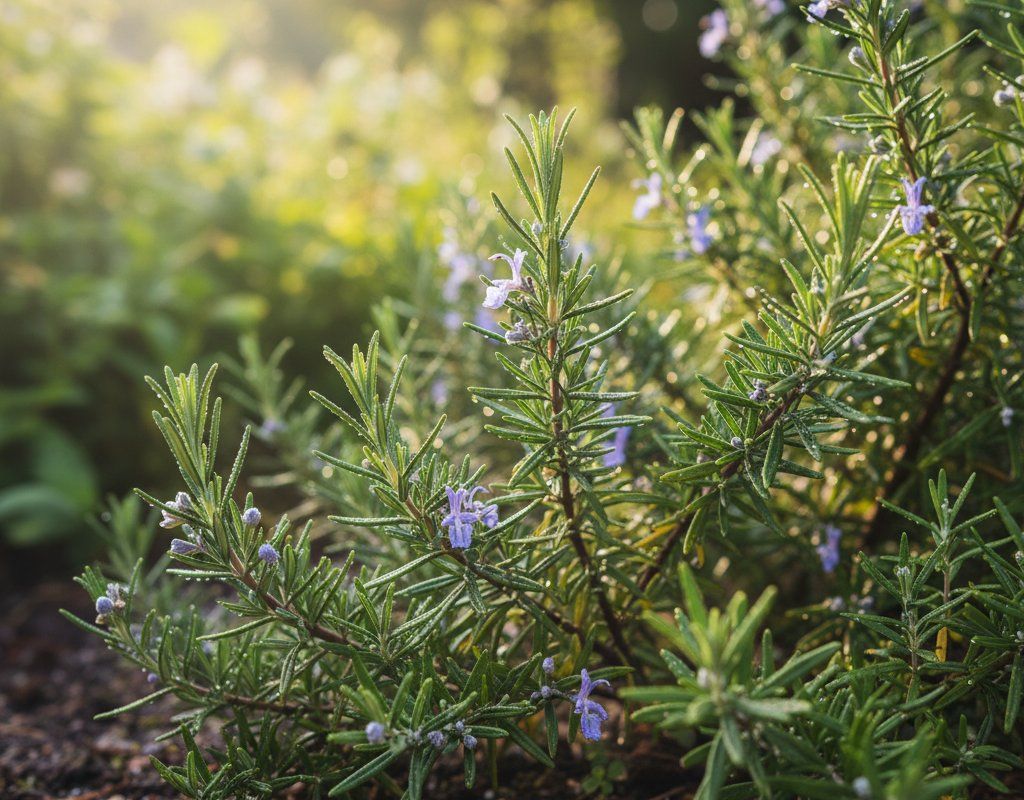
Keep Away From
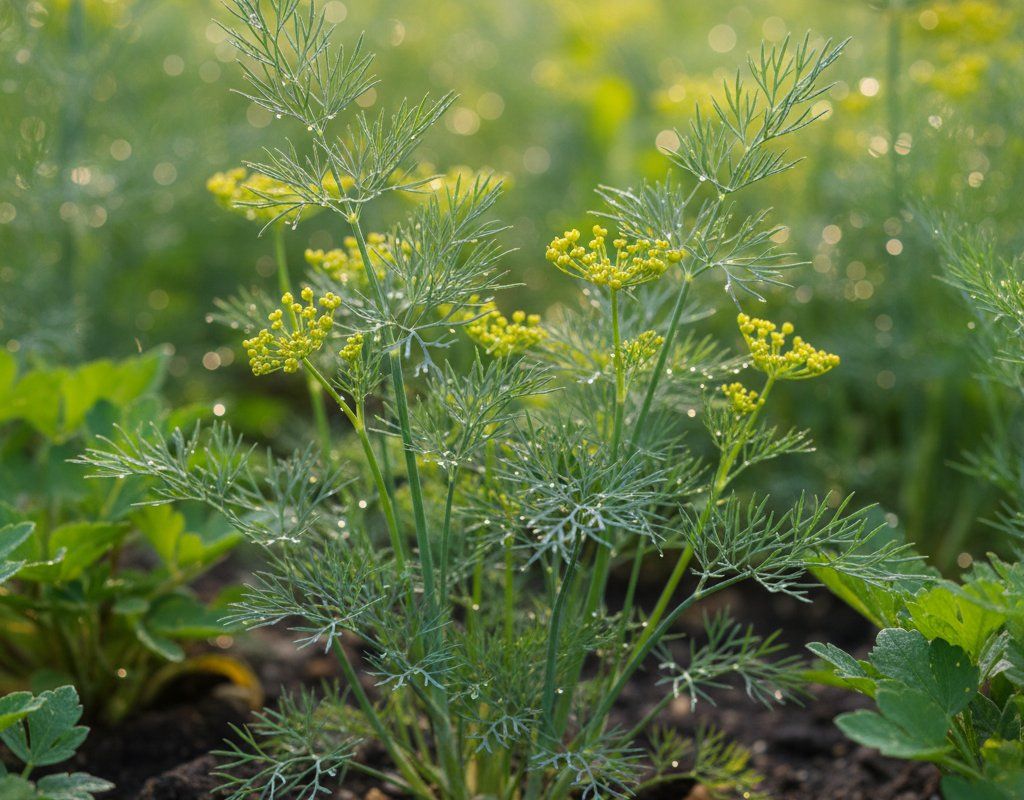
Companion Planting Details
Plant lettuce between carrot rows to maximize space usage and provide natural mulching as lettuce leaves shade soil and retain moisture during our hot summers. Onions planted nearby confuse carrot rust flies with their strong scent while taking up minimal space with their upright growth habit. Tomatoes create beneficial partial shade during peak afternoon heat while their deep roots don't compete with shallow carrot feeder roots.
Avoid planting dill near carrots as it attracts the same pests and can cross-pollinate if allowed to flower, affecting seed viability. Keep parsnips separate since they're in the same family and attract identical pests while requiring similar soil nutrients, creating unnecessary competition in our already challenging Plains growing conditions.
🌸Best Flowers to Plant with Carrot
These flowers protect your Carrot from pests and attract pollinators for better harvests.


Get a Reminder When It's Time to Plant
We'll email you when key planting windows open for your zone.