
Carrot in Zone 4A — Midwest
Daucus carota · Your Complete 2026 Planting Guide
Planning Ahead — Great!
You’re ahead of the season. Here’s when to start.
Mark Your Calendar
How to Plant Carrot in Zone 4A — Midwest
Here are all your options for getting carrot in the ground, from the easiest method to more advanced approaches.
Direct Sow Seeds
RecommendedEarly May through late June
around May 1
Consider succession planting every 2-3 weeks for continuous harvest.
Carrots have a taproot and don't transplant. Direct sow only.
Buy Starts
Works WellEarly to late May
around May 1
Plant purchased starts after last frost (May 15).
Start Seeds Indoors
ChallengingThis plant is typically not started indoors.
Transplant Outdoors
Timing InfoEarly to late May
around May 1
Can tolerate light frost, but wait for soil to be workable.
You have a nice window — no need to rush.
Fall Planting
Early July through early August
July 19 ideal · Direct sow for fall harvest
Plant a second crop in mid-summer for fall harvest. Carrot actually prefers the cooling temperatures of fall.
Overview
Carrots thrive in our Midwest Zone 4A climate, delivering that unmistakable sweet crunch you simply can't find in store-bought varieties. Our fertile soil and adequate summer rainfall create ideal conditions for developing those deep, orange roots, while our 128-day growing season gives you plenty of time for multiple sowings from spring through midsummer.
The variable Midwest spring and potential for late frosts can seem tricky, but carrots are actually quite forgiving since they're frost-hardy. With our reliable summer heat spells and consistent moisture, timing your plantings right means you'll be pulling fresh carrots from early July straight through September, making the most of our productive growing season.
Transplanting Outdoors
Carrots have a long taproot that doesn't transplant well, so direct sowing is your best bet in the Midwest. If you absolutely must transplant seedlings (perhaps started in biodegradable pots), plan for early to late May when soil has warmed and the risk of hard frost has passed.
Space transplants 2-3 inches apart in loose, deeply worked soil. However, expect some root deformation since carrots really prefer to grow undisturbed from seed. The variable spring weather we get here makes transplanting even trickier, so stick with direct sowing for the best results.
Direct Sowing
Direct sowing is the recommended method for carrots in our Midwest gardens. Start your first sowings in early May once soil temperature reaches 45°F, though waiting until mid-May ensures more consistent germination. You can continue sowing through late June for succession harvests that carry you into fall.
Prepare your soil by working it deeply and removing rocks, clods, and debris that can cause forked roots. Our clay soil benefits from adding compost or working in raised beds with loose potting mix. Sow seeds ¼ inch deep and 2-3 inches apart, keeping rows 12 inches apart.
The fine seeds can be tricky to space properly, so consider mixing them with sand or radish seeds as markers. Keep the soil consistently moist during the 2-3 week germination period - this is critical in our sometimes-dry late spring weather.
Watering Carrot in Zone 4A (Midwest)
Consistent moisture is absolutely critical during carrot germination and the first few weeks of growth. Keep the soil surface damp but not waterlogged for the 2-3 week germination period, checking daily since our Midwest spring winds can dry things out quickly. Once seedlings emerge, they need about 1 inch of water per week.
Our wet summers with 30-40 inches of annual rainfall often provide adequate moisture, but watch for dry spells during summer heat waves when temperatures climb into the 80s and 90s. Use the finger test - stick your finger 2 inches into the soil near your carrots. If it's dry at that depth, it's time to water deeply.
Water at soil level rather than overhead to prevent foliar diseases, especially important given our moderate-to-humid summer conditions. Inconsistent watering leads to cracked or split roots, while too much moisture can cause rot in our sometimes heavy clay soil.
A 2-inch layer of straw mulch helps maintain even soil moisture and keeps those shoulders covered as roots develop. Signs of underwatering include slow growth and bitter flavor, while overwatering shows up as soft, rotting roots and yellowing foliage.
🧪Fertilizing Carrot
Feeding Schedule
Organic Fertilizer Options
Harvest Time
Your first carrots will be ready in early July if you planted in early May, with harvests continuing through late September from succession plantings. At 70 days to maturity, you'll see the tops of the roots pushing up at soil surface when they're ready - look for roots about ¾ inch in diameter.
Test harvest a few carrots by gently pulling or loosening the soil around them first. Mature carrots should pull easily without snapping. If they're stubborn, use a garden fork to loosen the soil alongside the row before pulling. The best flavor develops when roots reach full size but haven't been in the ground too long.
As our first frost approaches in mid-September, carrots can actually handle light frosts and even improve in sweetness. You can leave them in the ground until hard freezes threaten, usually by late September or early October. For long-term storage, harvest before hard freezes and store in slightly damp sand in a cool basement.
Carrots don't continue ripening once harvested, so timing is important. Pull them at peak maturity for the best flavor and texture that will last months in proper storage.
Common Problems in Zone 4A (Midwest)
Forking shows up as carrot roots that split into multiple branches or grow in twisted, deformed shapes instead of straight, single roots. This commonly happens in our Midwest clay soil when roots hit obstacles like rocks, hard pan, or clumps. Fresh manure can also cause forking by creating too rich a growing environment that encourages excessive leaf growth over root development.
Prevent forking by deeply working your soil and removing all rocks and debris. Consider raised beds filled with loose potting mix for problem clay areas. Use only well-composted manure, never fresh. Shorter carrot varieties like 'Paris Market' work better in heavy Midwest soils than long varieties.
Carrot rust fly creates rusty brown tunnels throughout your carrot roots, making them inedible. You'll notice small dark flies hovering around plants and foliage wilting despite adequate water. The larvae tunnel directly into developing roots, causing significant damage.
Row covers provide the most effective prevention during egg-laying periods in late spring and midsummer. Our Midwest timing means delaying spring planting until late May can help you avoid the first generation. Interplanting with onions helps confuse the flies with scent masking. Avoid thinning during active fly periods since bruised carrot leaves attract them.
Green shoulders appear when the tops of carrot roots turn green from sun exposure above the soil line. While safe to eat, these green portions taste bitter and affect the carrot's appearance. This is especially common during our summer heat spells when soil can crack and expose root tops.
Hill soil or mulch over exposed carrot shoulders as they develop throughout the growing season. Check regularly during dry periods when soil pulls away from roots. Harvest promptly when carrots reach maturity rather than leaving them in ground too long.
Midwest Specific Challenges: Our clay soil and summer heat spells create perfect conditions for forking and green shoulders, while our humid summers can encourage rust fly populations. The moderate-to-humid conditions mean good airflow is important, and our wet summers require careful attention to drainage to prevent root rot.
Best Companions for Carrot
Plant these nearby for healthier Carrot and better harvests.

Keep Away From
Companion Planting Details
Carrots pair beautifully with lettuce in the Midwest garden since the leafy greens mature quickly and don't compete with carrots' deeper root system. Onions make excellent companions because their strong scent helps confuse carrot rust flies, a common pest in our area. Plant onion sets in early spring among your carrot rows for natural protection.
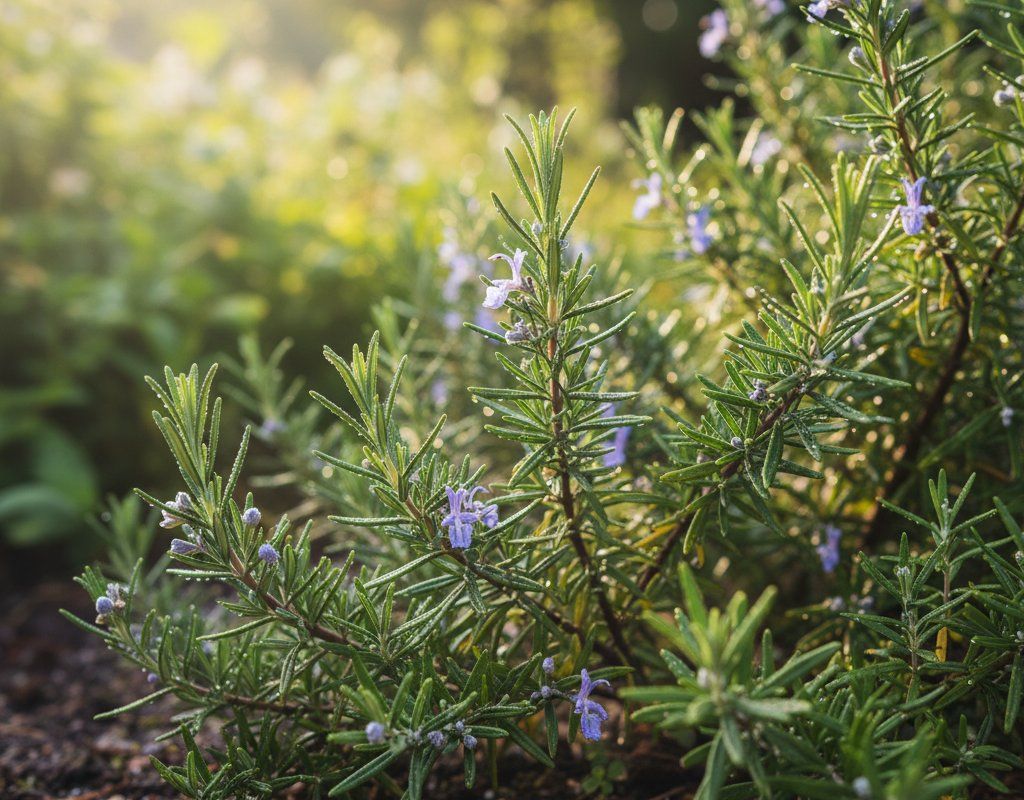
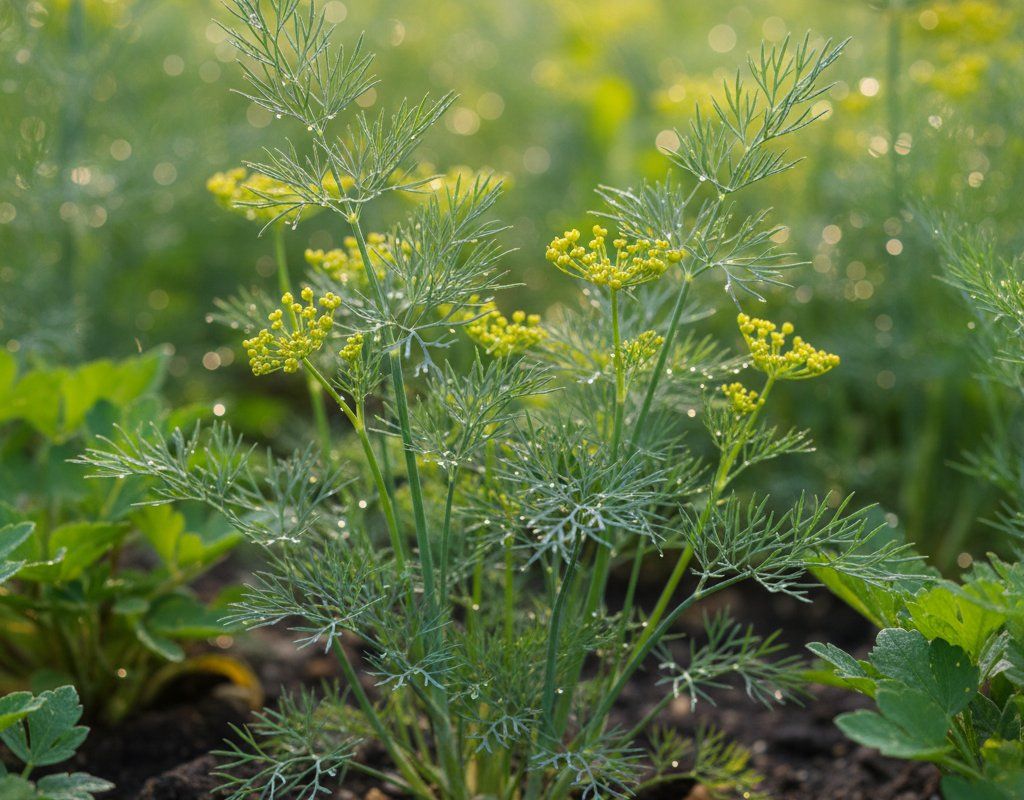
Tomatoes and carrots work well together since tomatoes benefit from the loose, deep soil you've prepared for carrots, and neither competes heavily for the same nutrients. Rosemary planted nearby can help deter pests, though in our Zone 4A climate, treat it as an annual or grow it in containers you can bring indoors. Avoid planting carrots near dill or parsnips - dill attracts the same pests that bother carrots, while parsnips compete directly for root space and nutrients in our fertile but sometimes compacted Midwest soil.
🌸Best Flowers to Plant with Carrot
These flowers protect your Carrot from pests and attract pollinators for better harvests.


Get a Reminder When It's Time to Plant
We'll email you when key planting windows open for your zone.