
Carrot in Zone 5A — Midwest
Daucus carota · Your Complete 2026 Planting Guide
Planning Ahead — Great!
You’re ahead of the season. Here’s when to start.
Mark Your Calendar
How to Plant Carrot in Zone 5A — Midwest
Here are all your options for getting carrot in the ground, from the easiest method to more advanced approaches.
Direct Sow Seeds
RecommendedMid April through mid July
around April 17
Consider succession planting every 2-3 weeks for continuous harvest.
Carrots have a taproot and don't transplant. Direct sow only.
Buy Starts
Works WellMid April through mid May
around April 17
Plant purchased starts after last frost (May 1).
Start Seeds Indoors
ChallengingThis plant is typically not started indoors.
Transplant Outdoors
Timing InfoMid April through mid May
around April 17
Can tolerate light frost, but wait for soil to be workable.
You have a nice window — no need to rush.
Fall Planting
Mid July through mid August
August 3 ideal · Direct sow for fall harvest
Plant a second crop in mid-summer for fall harvest. Carrot actually prefers the cooling temperatures of fall.
Overview
Carrots are one of the most rewarding crops you can grow in our Midwest gardens. Our fertile soil and adequate rainfall create ideal conditions for developing those sweet, crisp roots that put store-bought carrots to shame. The extended growing season here in Zone 5A gives you multiple planting opportunities from spring through midsummer, and there's nothing quite like pulling fresh carrots from your own soil during those hot August days.
While our variable spring weather and clay soil can present challenges, carrots are surprisingly forgiving once you understand the timing. Our 157-day growing season provides plenty of flexibility for both early and succession plantings. With proper soil preparation and consistent moisture during germination, you'll be harvesting homegrown carrots from late June clear through October.
Transplanting Outdoors
Carrots have a long taproot that makes them extremely sensitive to transplanting disturbance. Even the most careful transplanting usually results in forked, stunted roots that never develop properly. This is why you won't find carrot transplants at garden centers.
If you absolutely must try transplanting seedlings you've started indoors, your window runs from mid-April through mid-May after hardening them off gradually over a week. However, expect poor results and consider this more of an experiment than a reliable growing method. The roots will likely fork or remain small no matter how gentle you are.
Your best bet is always direct seeding. Save yourself the frustration and plant seeds directly where you want them to grow.
Direct Sowing
Direct sowing is the only reliable way to grow quality carrots in our Midwest gardens. Start your first planting in mid-April once the soil can be worked and has warmed to about 45°F. You have a generous window through mid-July for succession plantings, which lets you harvest fresh carrots all season long.
Prepare your beds by working the soil deeply and removing all rocks, clods, and debris that could cause forking. Our clay soil benefits from adding compost or working in raised beds filled with loose potting mix. Plant seeds about ¼ inch deep and space them every half-inch, then thin to 2-3 inches apart once they're established.
Keep the soil consistently damp for the first 2-3 weeks while seeds germinate. Carrot seeds are slow to sprout, often taking 10-14 days, so be patient. Once you see those feathery green tops emerging, you'll know your patience paid off.
Watering Carrot in Zone 5A (Midwest)
Carrots need consistent moisture throughout their growing cycle, especially during germination when the soil must stay damp for 2-3 weeks straight. This can be challenging during our variable spring weather, but it's critical for success. Check soil moisture daily by sticking your finger 2 inches deep – if it's dry, water gently to avoid washing away the tiny seeds.
Once established, carrots need about 1 inch of water per week, including rainfall. Our typical summer pattern of 30-40 inches annual rainfall helps, but you'll still need to supplement during dry spells. Water deeply at soil level rather than overhead to prevent leaf diseases in our moderate-to-humid summers.
Inconsistent watering causes problems – too little leads to tough, woody roots, while irregular watering cycles cause cracking and splitting. During those summer heat spells when temperatures hit the upper 80s, check soil moisture more frequently. The combination of heat and our clay soil can create dry pockets even when the surface looks moist.
Apply 2-3 inches of straw mulch around plants once they're 3-4 inches tall to maintain even soil moisture and keep roots cool during hot spells. This is especially important in our climate where July and August can bring sustained heat that stresses cool-season crops.
🧪Fertilizing Carrot
Feeding Schedule
Organic Fertilizer Options
Harvest Time
Your first carrots will be ready for harvest from late June through mid-October, depending on when you planted and which variety you chose. Most varieties mature in about 70 days from seeding. Look for carrot shoulders pushing up through the soil surface – they should be about ¾ inch in diameter for full-sized varieties.
Harvest by gently loosening the soil around each carrot with a garden fork, then pulling straight up with a slight twisting motion. If you just grab and pull, the tops often break off leaving the root in the ground. Morning harvests when the soil is slightly moist work best.
Carrots actually improve in flavor after a light frost, becoming sweeter as starches convert to sugars. You can leave them in the ground well into October here in the Midwest, but harvest before our first hard freeze typically arrives in early October. For winter storage, brush off excess soil but don't wash until you're ready to use them.
Baby carrots can be harvested anytime once they're finger-thick, usually starting about 50-60 days from seeding. These tender young roots are perfect for summer salads and have an especially sweet, crisp texture.
Common Problems in Zone 5A (Midwest)
Forking Forked carrots develop multiple twisted roots instead of a single straight taproot, creating strange shapes that are hard to clean and prepare. This happens when carrot roots encounter obstacles like rocks, compacted soil, or fresh manure as they grow downward. Our clay soil makes this particularly common since roots struggle to penetrate hard-packed earth.
Work your soil deeply before planting and remove every rock, stick, and clod you can find. Avoid using fresh manure – stick with well-composted organic matter instead. Consider growing carrots in raised beds filled with loose potting mix if your soil is particularly heavy clay. Shorter varieties like Paris Market perform better in challenging soil conditions.
Carrot Rust Fly Small dark flies hovering around your carrot plants signal trouble, followed by rusty brown tunnels throughout the roots and wilting foliage despite adequate water. The fly larvae tunnel into developing carrots, ruining the crop completely. These pests are most active during cool, moist periods in late spring and early fall.
Row covers provide the best protection – install them immediately after planting and keep them on until harvest. Our variable spring weather creates ideal conditions for these flies, so consider delaying your first planting until late April or early May to avoid the first generation. Interplanting with onions helps confuse the flies with competing scents.
Green Shoulders The top portion of your carrots turns green where it pushes above the soil surface, creating bitter-tasting sections. While safe to eat, these green areas detract from the sweet carrot flavor you're working toward. This commonly happens as carrots mature and naturally push upward through the soil.
Hill soil or apply mulch over any exposed carrot tops as they develop throughout the season. Check your carrot rows regularly and cover any shoulders showing above ground. Harvest promptly once carrots reach maturity rather than leaving them in the ground too long.
Midwest Specific Challenges: Our summer heat spells can cause carrots to bolt prematurely if planted too early, while late-season rains sometimes promote crown rot. The combination of clay soil and wet summers also increases fungal problems, making good drainage essential for healthy root development.
Best Companions for Carrot
Plant these nearby for healthier Carrot and better harvests.

Keep Away From
Companion Planting Details
Carrots grow beautifully alongside lettuce, which provides light shade during summer heat spells while making efficient use of garden space. Onions make excellent companions since their strong scent helps confuse carrot rust flies, and both crops have similar spacing requirements. Tomatoes planted nearby don't compete for root space and can provide afternoon shade during the hottest part of our Midwest summers.
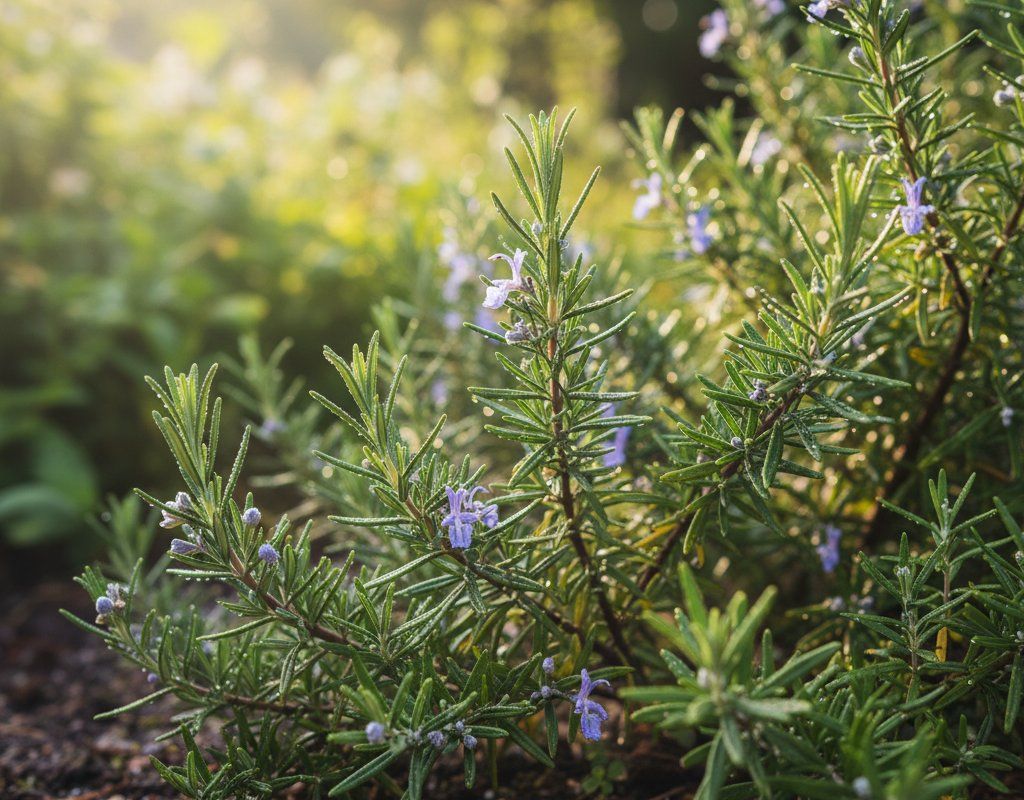
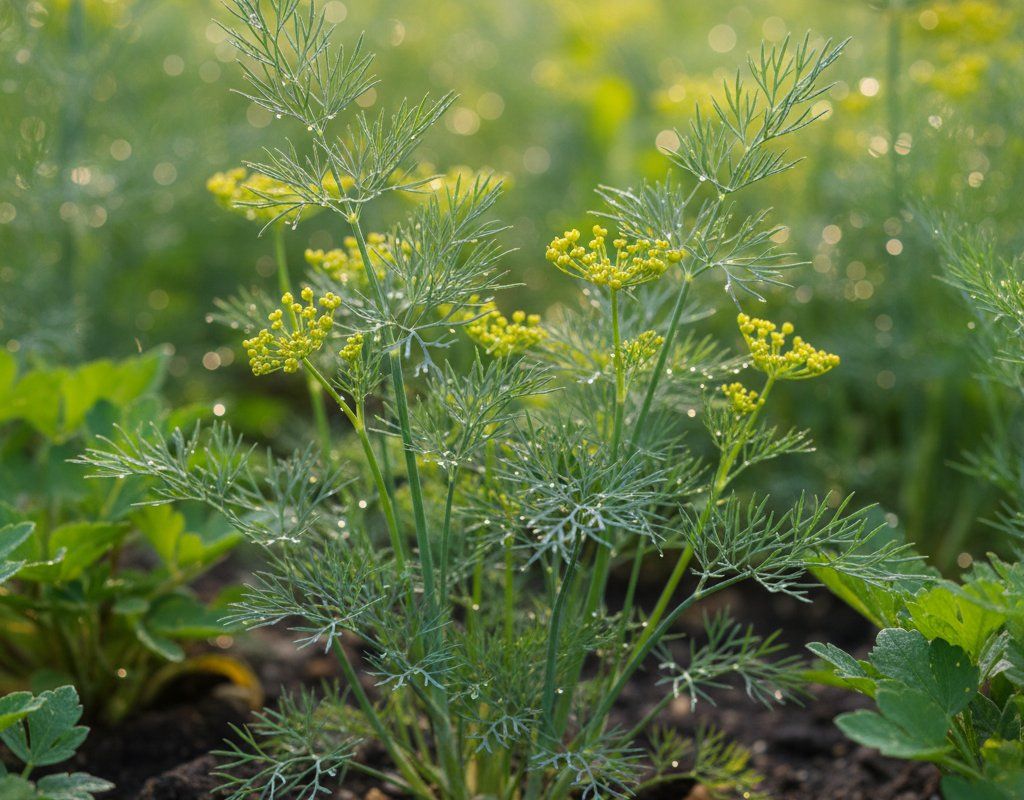
Avoid planting carrots near dill, which can actually reduce carrot yields and flavor when grown too close together. Parsnips should also be kept separate since they attract similar pests and compete for the same soil nutrients, plus both crops look nearly identical when young, making garden management confusing.
🌸Best Flowers to Plant with Carrot
These flowers protect your Carrot from pests and attract pollinators for better harvests.


Get a Reminder When It's Time to Plant
We'll email you when key planting windows open for your zone.