
Carrot in Zone 5A — Northeast
Daucus carota · Your Complete 2026 Planting Guide
Planning Ahead — Great!
You’re ahead of the season. Here’s when to start.
Mark Your Calendar
How to Plant Carrot in Zone 5A — Northeast
Here are all your options for getting carrot in the ground, from the easiest method to more advanced approaches.
Direct Sow Seeds
RecommendedMid April through early July
around April 17
Consider succession planting every 2-3 weeks for continuous harvest.
Carrots have a taproot and don't transplant. Direct sow only.
Buy Starts
Works WellMid April through mid May
around April 17
Plant purchased starts after last frost (May 1).
Start Seeds Indoors
ChallengingThis plant is typically not started indoors.
Transplant Outdoors
Timing InfoMid April through mid May
around April 17
Can tolerate light frost, but wait for soil to be workable.
You have a nice window — no need to rush.
Fall Planting
Mid July through mid August
July 30 ideal · Direct sow for fall harvest
Plant a second crop in mid-summer for fall harvest. Carrot actually prefers the cooling temperatures of fall.
Overview
Carrots are one of the most rewarding root vegetables for Northeast gardeners, especially here in Zone 5A where our cool nights actually improve their flavor and sweetness. You'll taste the difference between your homegrown carrots and store-bought ones immediately - that crisp snap and concentrated earthy sweetness that comes from slow, steady growth in our moderate summers. Plus, carrots store beautifully through winter, giving you fresh produce well into the cold months.
Our 153-day growing season might seem short, but it's actually perfect for carrots since they prefer cooler weather anyway. The trick is timing your sowings right to avoid both late spring frosts and that first hard freeze in early October. With proper planning, you can have fresh carrots from midsummer straight through fall.
Transplanting Outdoors
Carrots have long taproots that make them nearly impossible to transplant successfully, so skip this step entirely. Those delicate roots break easily when disturbed, leaving you with stunted, forked carrots that never reach their full potential.
If you've started carrot seeds indoors by mistake, it's better to start over with direct sowing outdoors. The time you think you're saving by starting indoors actually works against you - carrots much prefer to grow where they're planted from the beginning.
Direct Sowing
Direct sowing is the only reliable way to grow carrots, and it's actually easier than transplanting anyway. Start sowing in mid-April once our soil reaches about 45°F, which usually happens a few weeks after the last snow melts. You can continue sowing every 2-3 weeks through early July for a continuous harvest.
Work your soil deeply and remove every rock you can find - this is crucial in our rocky New England soil where carrots will fork around any obstacle. Create a fine seedbed by raking out clods and adding compost if your soil is heavy clay. Sow seeds about ½ inch deep and 2-3 inches apart, then keep the soil consistently moist until germination, which takes 10-21 days in our cool spring weather.
The key with carrot seeds is patience during germination - they're notoriously slow to sprout, especially in cooler soil. Mark your rows clearly since weeds will emerge before your carrots do, and you'll need to distinguish between them.
Watering Carrot in Zone 5A (Northeast)
Consistent moisture is absolutely critical during carrot germination - you need to keep that top inch of soil damp for 2-3 weeks while seeds slowly sprout in our cool spring conditions. This is where many Northeast gardeners fail with carrots. Check daily and water lightly if the surface starts to dry out, but don't create a soggy mess.
Once established, carrots need about 1 inch of water per week, which our typical 40-50 inches of annual rainfall usually provides during spring and early summer. However, July and August can get dry, so use the finger test - stick your finger 2 inches into the soil near the plants. If it's dry at that depth, it's time to water deeply at the base of the plants.
Even watering is crucial to prevent cracking and splitting. Irregular moisture - especially dry spells followed by heavy rain - causes the roots to expand too quickly and crack. In our moderate-to-humid summers, overhead watering can promote fungal issues, so water at soil level when possible.
A thin layer of straw mulch helps maintain consistent soil moisture and keeps the soil cooler, which carrots appreciate. Just don't mulch too thickly or you'll encourage slugs, which can be problematic in our humid conditions.
🧪Fertilizing Carrot
Feeding Schedule
Organic Fertilizer Options
Harvest Time
Your first carrots will be ready in late June if you planted in mid-April, about 70 days after sowing. Look for the carrot shoulders pushing up at the soil surface - when they're about ¾ inch across at the top, they're ready for baby carrots. For full-size carrots, wait until the tops are clearly visible and the diameter looks right for your variety.
The best way to harvest is to loosen the soil around each carrot first with a garden fork, especially in our often-compacted clay soils. Then grasp the greens close to the root and pull straight up with gentle, steady pressure. If you just yank on the tops, they'll often break off, leaving the root in the ground.
Carrots actually get sweeter after a light frost, so don't rush to harvest everything before our first freeze in early October. They can handle temperatures down to about 25°F if you mulch around them. For the best flavor, harvest on a cool morning when the roots are crisp and full of moisture.
As winter approaches, dig remaining carrots before the ground freezes hard. Brush off soil but don't wash them until you're ready to use them - they'll store better that way in your refrigerator or root cellar.
Common Problems in Zone 5A (Northeast)
Forking Forked or twisted carrots with multiple "legs" instead of a single straight root are frustratingly common in our rocky New England soil. You'll pull up carrots that look more like strange sculptures than vegetables. This happens when the growing tip hits a rock, clod of clay, or piece of uncomposted organic matter and splits to grow around the obstacle.
The solution is soil preparation - work your beds deeply and remove every stone you can find. Consider building raised beds filled with loose, stone-free soil mix if your native soil is particularly rocky. Never use fresh manure around carrots since chunks of undecomposed material cause the same forking problem. Shorter carrot varieties like Paris Market or Thumbelina work better in heavy or shallow soils.
Carrot Rust Fly Small dark flies hovering around your carrot patch, followed by rusty brown tunnels through your harvested roots, signals carrot rust fly damage. The adult flies lay eggs near the base of carrot plants, and the resulting maggots tunnel into the roots, making them inedible. You might also notice plants wilting despite adequate moisture.
Row covers are your best defense and work especially well in our climate since we don't have extreme heat that makes covers impractical. Install them right after planting and keep them on until harvest, or remove them only for brief periods during cooler weather. The flies are most active during warm, humid periods in late spring and again in late summer - exactly the conditions we often have here in the Northeast.
Green Shoulders When the top portion of your carrot root turns green where it's exposed above the soil line, you're seeing chlorophyll production from sun exposure. While not harmful, green shoulders can taste slightly bitter and look unappealing. This is especially common with varieties that tend to push up out of the soil as they grow.
Hill soil or mulch over the exposed carrot tops as they develop, checking every few weeks during the growing season. This is easier to stay on top of in our moderate summers compared to hotter climates where you might avoid disturbing the soil. The green portions are safe to eat, but you can cut them off if you prefer.
Northeast Specific Challenges: Our moderate heat and moderate-to-humid conditions actually reduce many carrot pest problems compared to hotter, drier regions, but the humidity can encourage fungal issues if plants stay wet. The rocky glacial till soil common throughout New England requires extra attention to soil preparation, and our short growing season means choosing varieties that mature in 70-90 days rather than longer-season types.
Best Companions for Carrot
Plant these nearby for healthier Carrot and better harvests.

Keep Away From
Companion Planting Details
Carrots pair beautifully with lettuce in our Northeast gardens - the lettuce provides living mulch that keeps carrot soil cool and moist during our warm summer days, while carrots continue growing after lettuce bolts in the heat. Plant lettuce between carrot rows for efficient space use. Onions are classic carrot companions because their strong scent helps confuse carrot rust flies, which can be problematic in our humid summers.
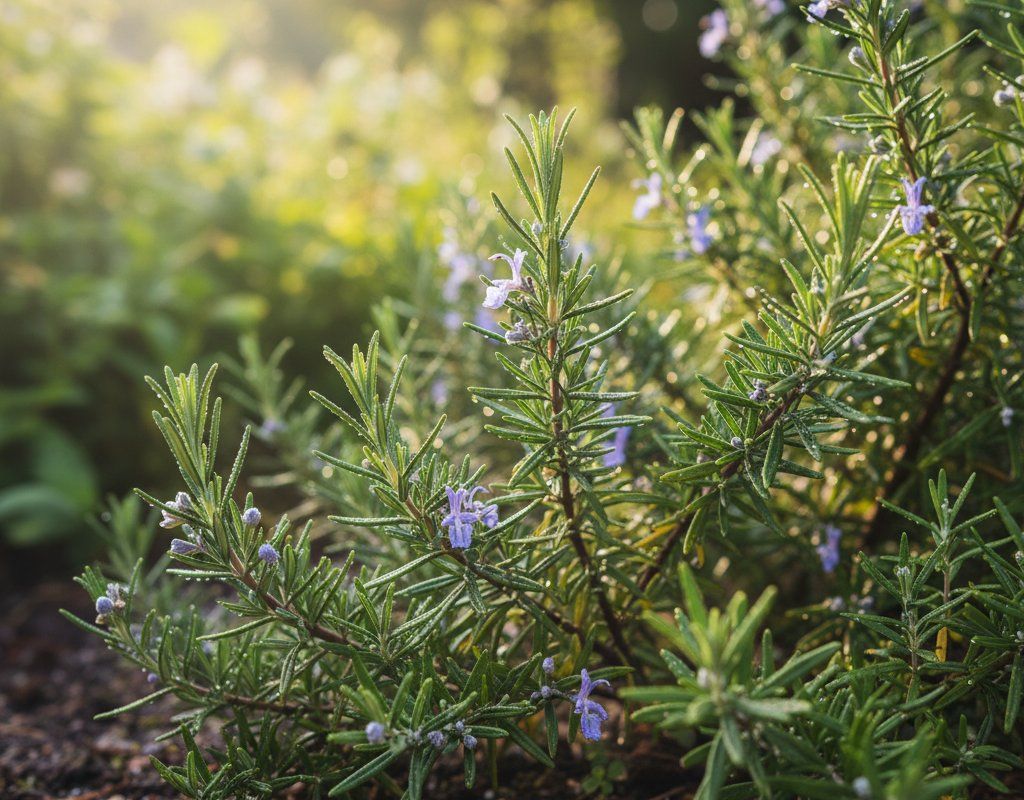
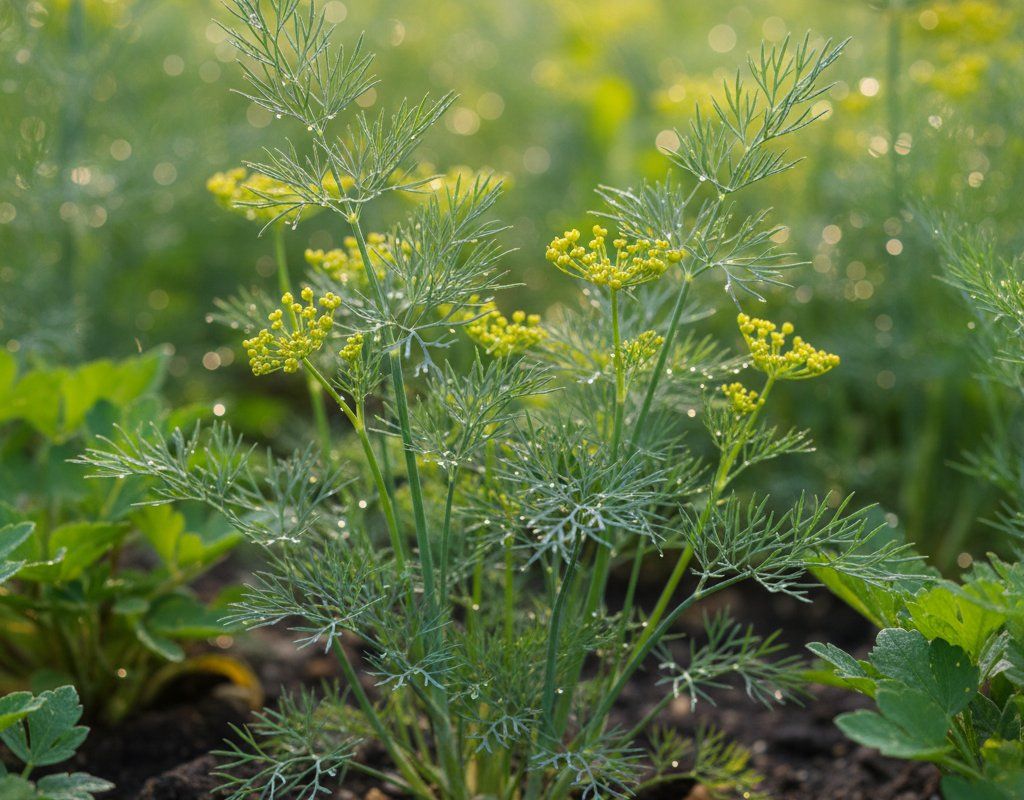
Tomatoes make surprising good neighbors for carrots since they don't compete for the same soil space - carrots grow deep while tomato roots spread horizontally. Rosemary planted nearby may also help deter carrot flies with its strong fragrance. Avoid planting carrots near dill or parsnips, as dill can actually attract carrot pests, and parsnips are in the same family and compete for similar nutrients while potentially sharing pest problems.
🌸Best Flowers to Plant with Carrot
These flowers protect your Carrot from pests and attract pollinators for better harvests.


Get a Reminder When It's Time to Plant
We'll email you when key planting windows open for your zone.