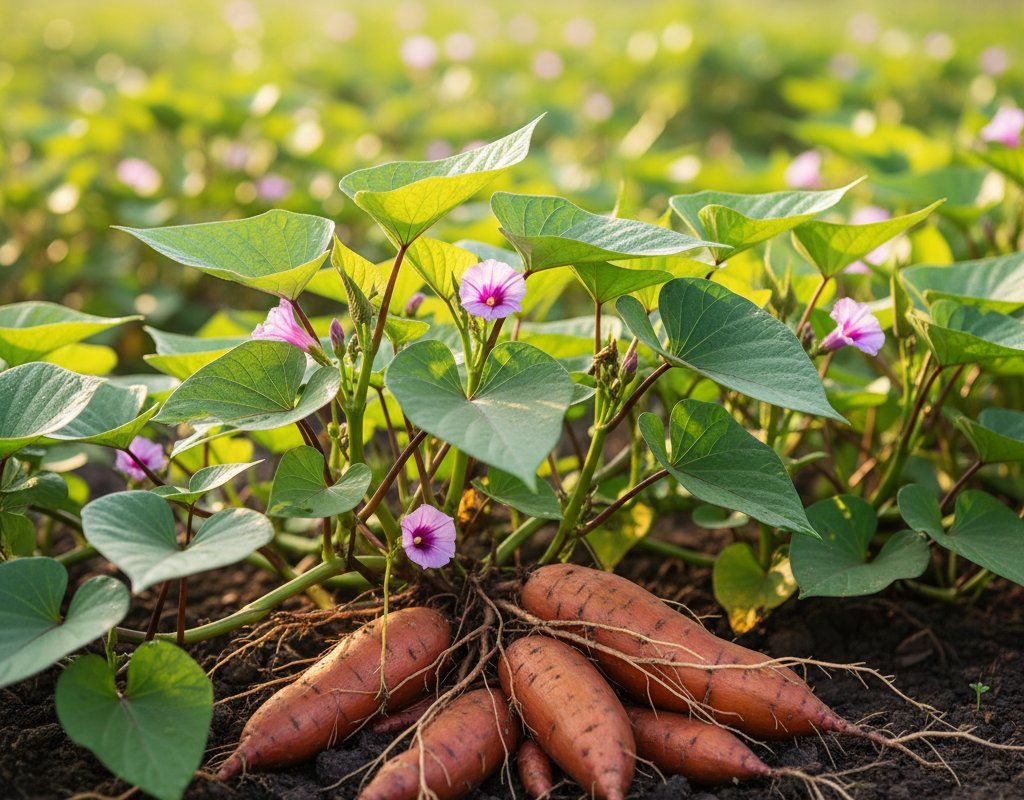
Sweet Potato in Zone 5A — Northeast
Ipomoea batatas · Your Complete 2026 Planting Guide
Planning Ahead — Great!
You’re ahead of the season. Here’s when to start.
Mark Your Calendar
How to Plant Sweet Potato in Zone 5A — Northeast
Here are all your options for getting sweet potato in the ground, from the easiest method to more advanced approaches.
Buy Starts
RecommendedLate May through early June
around May 22
Plant purchased starts after last frost (May 1).
Plant slips (rooted sprouts) after soil is warm. Buy slips or grow your own from a sweet potato.
Start Seeds Indoors
Works WellMid March through early April
around March 27
Then transplant: Late May through early June
Start seeds 8-10 weeks before transplanting outdoors.
Direct Sow Seeds
ChallengingDirect sowing is not typical for Sweet Potato.
Transplant Outdoors
Timing InfoLate May through early June
around May 22
Wait until nighttime temperatures stay above 50°F.
Plan to transplant within a few weeks of your target date.
Overview
Sweet potatoes might seem like a Southern crop, but they're absolutely worth growing here in the Northeast. These nutritious tubers store beautifully through our long winters, providing vitamin-rich meals when fresh garden produce is just a memory. The moderate summer heat and cool nights in Zone 5A actually help sweet potatoes develop better flavor and texture than they might in blazing hot climates.
Yes, our 153-day growing season is on the shorter side for sweet potatoes, and you'll need to start with slips rather than direct seeding. But with proper timing and a sunny, well-drained spot, you can grow impressive harvests that rival anything from warmer zones. The key is getting those slips in the ground once the soil warms up in late spring.
Starting Seeds Indoors
Starting sweet potatoes from seed isn't the typical approach most Northeast gardeners take. Sweet potatoes are usually grown from slips (rooted sprouts) that you either purchase or grow yourself from a sweet potato tuber. If you want to try growing your own slips, start the process in mid-March through early April, about 8 weeks before you plan to transplant outdoors.
To create slips, place a sweet potato tuber half-submerged in water in a warm spot (75-80°F works well). Bottom watering works better than top watering to prevent rot. Our late Northeast spring makes indoor slip production almost essential since you can't count on warm soil until late May.
Keep your slip containers near a south-facing window or under grow lights. The sprouting process takes patience in our cooler indoor conditions, but you should see shoots emerging within 3-4 weeks if you maintain consistent warmth.
Transplanting Outdoors
Transplant your sweet potato slips outdoors from late May through early June, once soil temperatures consistently reach 60°F and nighttime temperatures stay above 50°F. This timing works well in the Northeast since our last frost typically passes by early May, giving the soil time to warm properly.
Harden off your slips gradually over a full week, starting with just an hour or two outdoors in a sheltered spot. Sweet potato slips are tender and our spring temperature swings can shock them if you rush the process. Space slips 12-18 inches apart in loose, well-draining soil.
Plant slips deeply, burying about two-thirds of the stem including any roots that have developed. This encourages strong root development, which is crucial for good tuber formation. Choose your sunniest spot with 6-8 hours of direct sunlight – sweet potatoes need all the heat our moderate Northeast summers can provide.
Watering Sweet Potato in Zone 5A (Northeast)
Sweet potatoes have moderate water needs and become surprisingly drought-tolerant once established, which works well with our Northeast summer patterns. During the first few weeks after transplanting in late May or early June, water consistently to help slips establish roots – about 1 inch per week including rainfall.
By midsummer, you can reduce watering to about ¾ inch per week. Our moderate humidity and even rainfall distribution (typically 40-50 inches annually) means you won't need to water as frequently as gardeners in drier climates. Use the finger test – stick your finger 2 inches into the soil, and water only if it feels dry at that depth.
Water at soil level rather than overhead to avoid encouraging disease in our moderate-to-humid conditions. Sweet potato vines spread widely, so soaker hoses work better than sprinklers. About 3-4 weeks before your expected harvest in late August, reduce watering significantly to encourage the tubers to cure naturally and develop better storage quality.
Mulch around plants with straw or shredded leaves to maintain even soil moisture and prevent the wet-dry cycles that can stress the developing tubers. Signs of overwatering include yellowing leaves and soft, rotting tubers. Underwatered plants show wilted, crispy leaves and small tuber development.
🧪Fertilizing Sweet Potato
Feeding Schedule
Organic Fertilizer Options
Harvest Time
Your sweet potatoes should be ready for harvest from late August through early October, roughly 100 days after transplanting. Unlike many crops, sweet potatoes don't give obvious visual cues when they're ready – you'll need to do some careful digging to check tuber size and development.
Start checking in late August by gently digging around one plant to see how the tubers are sizing up. Look for tubers that are 3-4 inches long and have developed their characteristic smooth skin. The vines may still look healthy and green, but that doesn't mean the tubers aren't ready.
Harvest all sweet potatoes before our first frost, which typically arrives in early October. Even a light frost will damage the vines and can cause the tubers to rot in storage. Use a digging fork rather than a shovel to avoid puncturing tubers, working carefully from the side of the hill rather than directly over the plant.
After digging, brush off soil but don't wash the tubers. Cure them in a warm (80-85°F), humid place for 1-2 weeks if possible – this develops their sweetness and helps them store better through our long Northeast winter. A sunny porch or heated garage works well for curing before moving them to cool, dark storage.
Common Problems in Zone 5A (Northeast)
Sweet potato weevils show up as small, dark beetles on vines and tubers with distinctive long snouts. You'll see small holes in tubers and larvae tunneling through the flesh, leaving dark, bitter-tasting trails. These pests overwinter in crop debris and are more problematic in warmer climates, but they can establish in the Northeast during our moderate summers.
What causes it: Adult weevils lay eggs on vines and developing tubers. The larvae tunnel through tubers, making them inedible. How to fix/prevent it: Rotate crops yearly, remove all plant debris after harvest, and inspect tubers carefully when digging. If you find infested tubers, destroy them rather than composting.
Wireworms appear as thin, yellow-brown larvae about an inch long that tunnel into sweet potato tubers, creating perfectly round holes. You'll often find the actual wireworms inside the tubers when you cut them open. Our rocky New England soils can harbor these pests, especially in areas that were previously lawn or pasture.
What causes it: Wireworms are the larvae of click beetles and live in soil for several years before pupating. They're attracted to the carbon dioxide that roots produce. How to fix/prevent it: Work the soil thoroughly before planting to expose larvae to birds and weather. Avoid planting sweet potatoes in recently converted grass areas for at least two years.
Cracking shows up as splits in the tuber skin, either as concentric circles or lines radiating from one end. These cracks can expose the flesh to rot and make storage difficult. Heavy watering or rain after a dry spell causes tubers to absorb water faster than their skin can expand.
What causes it: Inconsistent moisture levels, particularly the wet-dry cycles that can happen during our variable Northeast summers. How to fix/prevent it: Maintain consistent soil moisture with mulch and regular watering. Reduce watering 3-4 weeks before harvest to help tubers cure naturally.
Northeast Specific Challenges: Our moderate summer temperatures and moderate-to-humid conditions actually reduce many pest pressures compared to hotter climates, but the short growing season means every warm day counts. Focus on consistent care rather than intensive management – sweet potatoes are remarkably resilient once established in our climate.
Best Companions for Sweet Potato
Plant these nearby for healthier Sweet Potato and better harvests.


Keep Away From
Companion Planting Details
Sweet potatoes make excellent companions for the traditional "three sisters" combination in Northeast gardens. Plant beans nearby to fix nitrogen in the soil, which sweet potatoes appreciate without becoming overly leafy. Corn provides vertical structure and partial shade for the spreading sweet potato vines, while squash and sweet potatoes both sprawl outward without competing directly for the same soil space.
Consider planting sweet potatoes along the edges of corn blocks where their vines can spread into pathways or unused areas. Avoid planting them too close to tomatoes or other solanaceous crops, not because they're incompatible, but because they have different watering and soil needs. In our moderate Northeast climate, giving sweet potatoes their own dedicated sunny space usually produces the best results.
🌸Best Flowers to Plant with Sweet Potato
These flowers protect your Sweet Potato from pests and attract pollinators for better harvests.
For Pest Control




Get a Reminder When It's Time to Plant
We'll email you when key planting windows open for your zone.