
Carrot in Zone 5B — Mountain West
Daucus carota · Your Complete 2026 Planting Guide
Planning Ahead — Great!
You’re ahead of the season. Here’s when to start.
Mark Your Calendar
How to Plant Carrot in Zone 5B — Mountain West
Here are all your options for getting carrot in the ground, from the easiest method to more advanced approaches.
Direct Sow Seeds
RecommendedLate April through early July
around April 21
Consider succession planting every 2-3 weeks for continuous harvest.
Carrots have a taproot and don't transplant. Direct sow only.
Buy Starts
Works WellLate April through mid May
around April 21
Plant purchased starts after last frost (May 5).
Start Seeds Indoors
ChallengingThis plant is typically not started indoors.
Transplant Outdoors
Timing InfoLate April through mid May
around April 21
Can tolerate light frost, but wait for soil to be workable.
You have a nice window — no need to rush.
Fall Planting
Mid July through mid August
July 30 ideal · Direct sow for fall harvest
Plant a second crop in mid-summer for fall harvest. Carrot actually prefers the cooling temperatures of fall.
Overview
Carrots grown in our Mountain West climate develop an incredible sweetness that store-bought varieties can't match. The combination of intense sunlight at altitude and our naturally cool nights creates perfect conditions for developing complex sugars, while the low humidity means less disease pressure than gardeners at sea level face. You'll taste the difference in everything from fresh snacking to roasted winter meals.
Our short 149-day growing season and unpredictable spring weather can make carrots seem challenging, but they're actually one of the most reliable crops for Zone 5B Mountain gardeners. These hardy vegetables handle our temperature swings well, and with proper timing, you can enjoy fresh carrots from midsummer straight through to first frost in early October.
Transplanting Outdoors
While some gardeners try transplanting carrots, it's not the recommended approach in our Mountain climate. Carrots develop a long taproot that doesn't tolerate root disturbance, and transplant shock often results in forked or stunted roots.
If you absolutely must transplant seedlings started indoors, do so during the late April through mid-May window when soil has warmed but before our intense summer UV becomes overwhelming. Harden them off gradually over a full week, and expect some losses. The plants that survive transplanting often produce inferior roots compared to direct-sown carrots.
Direct sowing is simply more reliable in our conditions, giving you stronger plants that can handle our altitude and temperature fluctuations better.
Direct Sowing
Direct sowing is the only recommended method for growing carrots in the Mountain West. Plant anytime from late April through early July, with the sweet spot being mid-May when soil temperatures reach 45°F consistently. Our loose, well-draining mountain soils are perfect for carrot development once you work in some compost to improve texture.
Sow seeds ¼ inch deep and 2-3 inches apart in rows. The small seeds can be tricky to space properly, so consider mixing them with sand for easier distribution. In our intense sun and low humidity, keeping the soil consistently moist during the 2-3 week germination period is critical - consider covering with a light row cover until seedlings emerge.
You can succession plant every 2-3 weeks through early July to extend your harvest. Late plantings often produce the sweetest roots since they mature during our cool fall weather, though you'll need to time the last planting about 80-90 days before our typical early October frost.
Watering Carrot in Zone 5B (Mountain West)
Consistent moisture is absolutely critical for carrots in our dry Mountain climate, especially during the first 2-3 weeks when seeds are germinating. Unlike humid regions where morning dew helps, our low humidity and intense sun can quickly dry out soil surfaces. Check daily and water lightly if the top inch feels dry.
Once established, carrots need about 1 inch of water per week, but deep, less frequent watering works better than daily sprinkles. Our typical 85°F summer highs aren't extreme, but the intense UV and dry air increase evaporation rates significantly. Water at soil level rather than overhead to minimize water loss and prevent leaf diseases.
Use the finger test - stick your finger 2 inches deep near the plants. If it's dry at that depth, it's time to water deeply. Inconsistent watering causes forking and cracking, while overwatering in our alkaline soils can lead to root rot. Yellowing older leaves often indicate overwatering, while wilting despite moist soil suggests root problems.
A thin layer of straw mulch helps retain moisture and keeps our intense sun from heating the soil too much, but keep it light - thick mulch can harbor pests and interfere with the carrot shoulders pushing through the soil surface.
🧪Fertilizing Carrot
Feeding Schedule
Organic Fertilizer Options
Harvest Time
Your first carrots will be ready for pulling in late June through early October, typically about 70 days from planting. In our Mountain climate, the cool nights help develop exceptional sweetness, especially in fall-harvested roots. Look for carrot tops that are about ¾ inch in diameter at the soil surface - they'll often push slightly above ground level.
Test harvest a few carrots by gently loosening the soil around them first, then pulling straight up with a slight twisting motion. Our often rocky soils can cause carrots to snap if you pull too hard, so it's worth the extra step to loosen them. The intense UV at our altitude can cause green shoulders if the tops are exposed, but these are still perfectly edible.
Carrots actually improve with cool weather, so don't rush to harvest everything at first frost. They can handle temperatures down to about 20°F if mulched, and the cold exposure converts starches to sugars. However, with our early October frost dates, plan your final harvest before hard freezes arrive.
After our first light frost, harvest all remaining carrots within a week or two. The freeze-thaw cycles in our variable fall weather can damage roots left in the ground too long.
Common Problems in Zone 5B (Mountain West)
Forking What it looks like: Carrot roots split into multiple "legs" or develop twisted, misshapen forms instead of growing straight and tapered. What causes it: Our rocky mountain soils are often the culprit, along with fresh manure or compacted areas. When the taproot hits an obstacle, it divides and grows around it. Heavy clay patches common in developed areas can also cause forking. How to fix/prevent it: Work your soil deeply and remove all rocks larger than a marble. Raised beds filled with loose potting mix work exceptionally well in our region. Use only well-composted manure, never fresh. Choose shorter varieties like Paris Market or Thumbelina if you're dealing with heavy or shallow soil.
Carrot Rust Fly What it looks like: Dark rusty tunnels throughout the carrot root, small dark flies hovering near plants, and foliage that wilts despite adequate moisture. What causes it: Small flies lay eggs near carrot stems, and the larvae tunnel into developing roots. Our dry climate doesn't eliminate this pest, unfortunately. How to fix/prevent it: Row covers are your best defense in our windy conditions - just ensure they're well-anchored. Delay spring planting until late May to miss the first generation of flies. Interplant with onions, as their scent confuses the flies. Avoid thinning during peak fly season (early summer) since bruised leaves attract them.
Green Shoulders What it looks like: The top portion of carrot roots turns green where they're exposed above soil level. What causes it: Our intense mountain sunlight causes exposed carrot tops to produce chlorophyll. This is more common at altitude than at sea level due to stronger UV. How to fix/prevent it: Hill soil or mulch over exposed carrot shoulders as they develop. Check weekly during the growing season and cover any orange that shows above ground. Green parts are edible but slightly bitter - just peel them off before eating.
Mountain West Specific Challenges: Our combination of intense UV, alkaline soils, and temperature swings creates unique growing conditions. The good news is our low humidity dramatically reduces fungal diseases, and our cool nights help carrots develop exceptional sweetness that compensates for any growing challenges.
Best Companions for Carrot
Plant these nearby for healthier Carrot and better harvests.

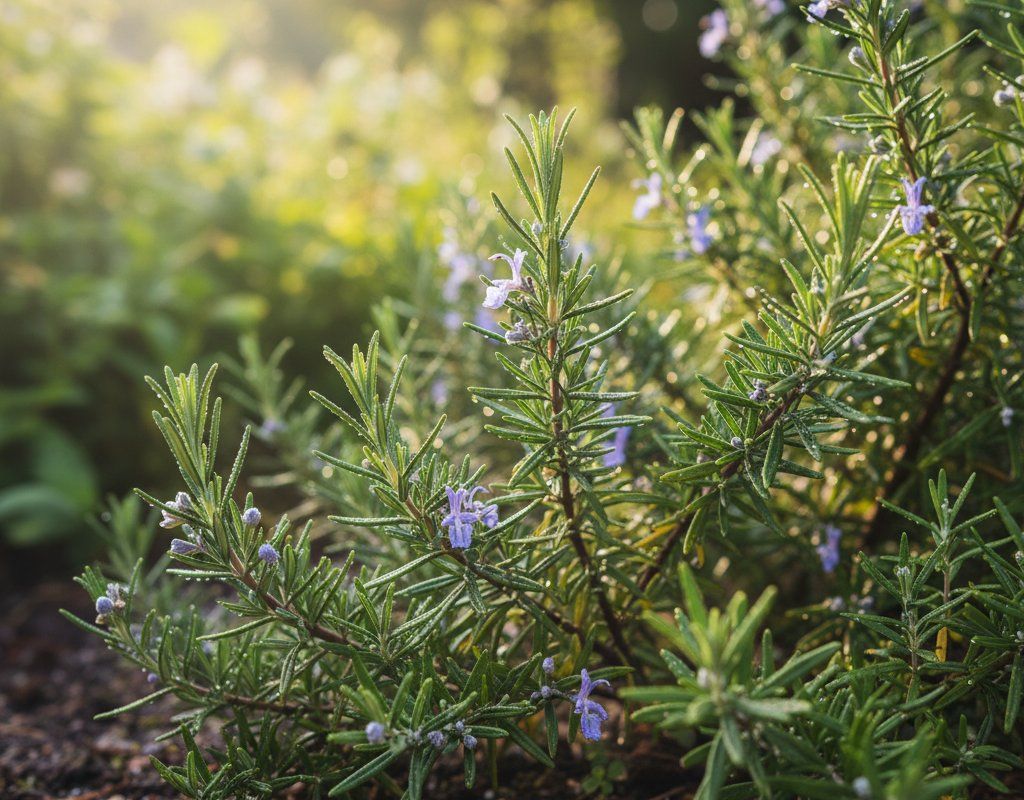
Keep Away From
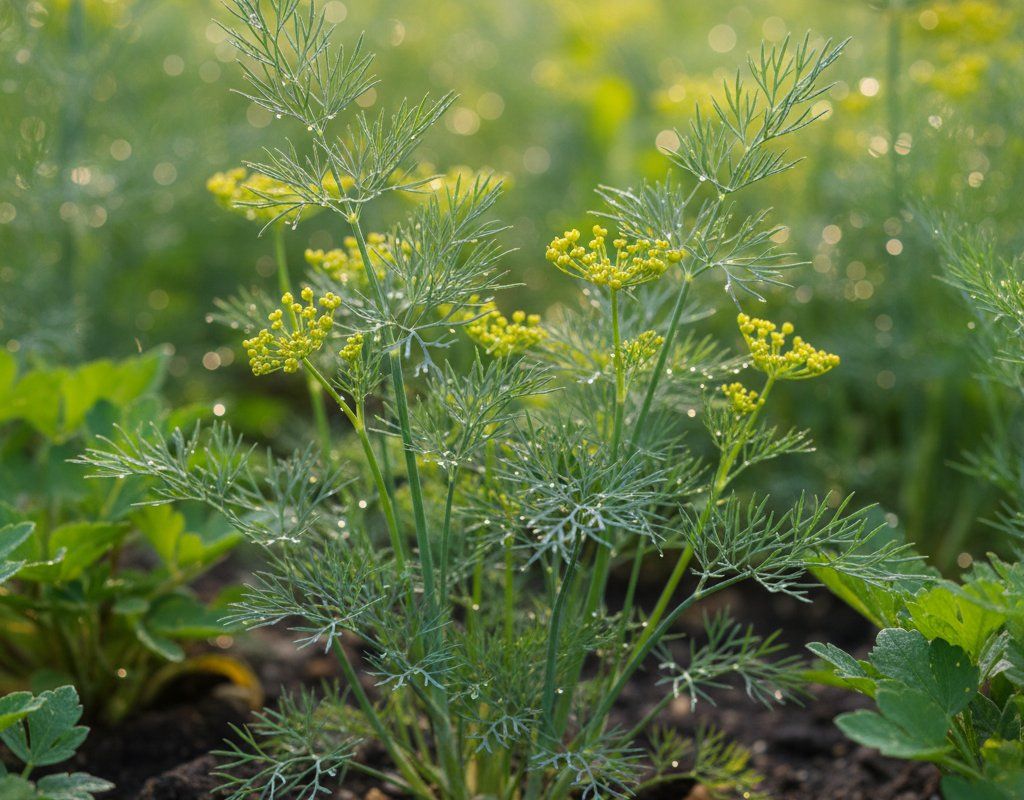
Companion Planting Details
Carrots thrive alongside lettuce in our Mountain gardens - the lettuce provides some shade during our intense midday sun while the carrots' deep roots don't compete for surface nutrients. Onions make excellent companions since their strong scent helps confuse carrot rust flies, plus both crops have similar water needs in our dry climate. Tomatoes work well too, as their taller growth provides afternoon shade without blocking morning sun.
Avoid planting carrots near dill or parsnips. Dill can actually stunt carrot growth and attracts some of the same pests, while parsnips compete directly for the same soil nutrients and space. In our short growing season, you want to give carrots every advantage possible, so stick with companions that either help or stay out of the way.
🌸Best Flowers to Plant with Carrot
These flowers protect your Carrot from pests and attract pollinators for better harvests.


Get a Reminder When It's Time to Plant
We'll email you when key planting windows open for your zone.