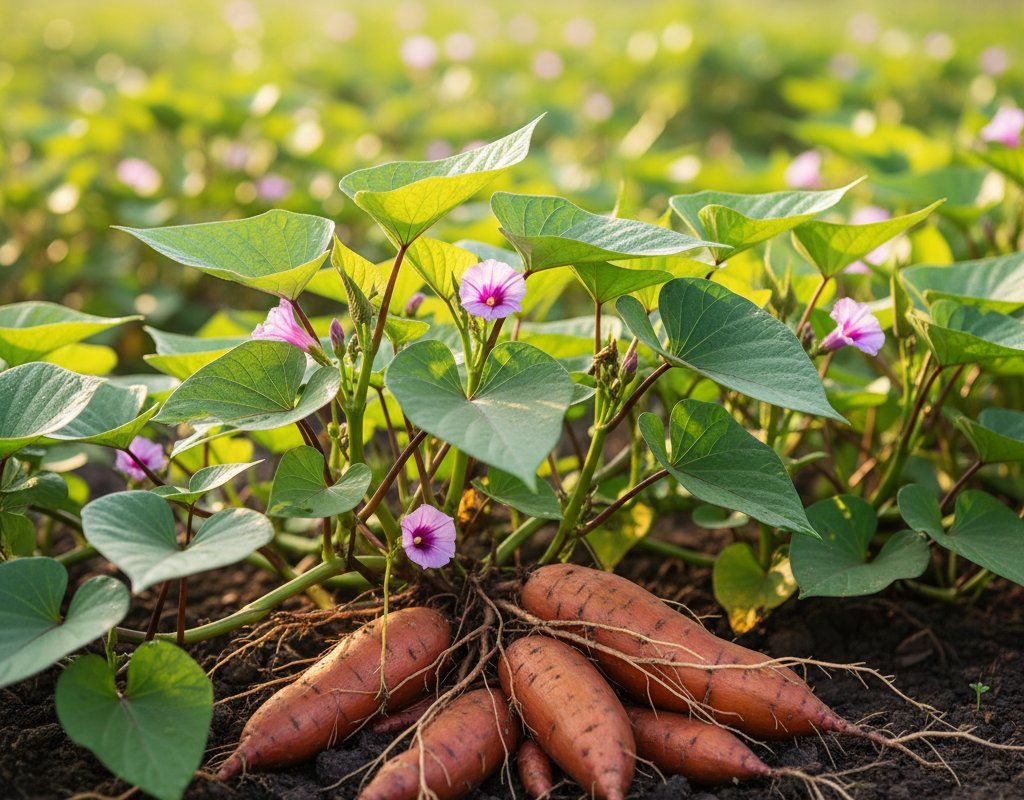
Sweet Potato in Zone 5B — Mountain West
Ipomoea batatas · Your Complete 2026 Planting Guide
Planning Ahead — Great!
You’re ahead of the season. Here’s when to start.
Mark Your Calendar
How to Plant Sweet Potato in Zone 5B — Mountain West
Here are all your options for getting sweet potato in the ground, from the easiest method to more advanced approaches.
Buy Starts
RecommendedLate May through early June
around May 26
Plant purchased starts after last frost (May 5).
Plant slips (rooted sprouts) after soil is warm. Buy slips or grow your own from a sweet potato.
Start Seeds Indoors
Works WellLate March through mid April
around March 31
Then transplant: Late May through early June
Start seeds 8-10 weeks before transplanting outdoors.
Direct Sow Seeds
ChallengingDirect sowing is not typical for Sweet Potato.
Transplant Outdoors
Timing InfoLate May through early June
around May 26
Wait until nighttime temperatures stay above 50°F.
Plan to transplant within a few weeks of your target date.
Overview
Sweet potatoes bring a unique satisfaction to Mountain West gardens, offering something truly different from our typical root vegetables. While they're definitely a warm-season challenge at our altitude, their deep, complex sweetness and incredible versatility make them worth the extra effort. You'll get tubers that store beautifully through our long winters, perfect for roasting when snow's flying outside.
Our 149-day growing season is just long enough for sweet potatoes if you time everything right. Yes, our cool nights and late spring start make this a bit tricky, but that's exactly why getting your timing down matters so much. The intense sun at altitude actually helps these heat-lovers once they're established.
Starting Seeds Indoors
Starting sweet potatoes from seed isn't the usual approach - most of us work with slips (rooted sprouts) instead. But if you want to try seeds, start them indoors from late March through mid-April, about 8 weeks before our last frost danger passes.
Sweet potato seeds need consistent warmth to germinate - keep seed trays at 75-80°F and use bottom watering to maintain even moisture without waterlogging. Our late spring means you'll be babying these seedlings indoors for quite a while, so make sure you have good grow lights set up.
The more common approach is buying slips or creating your own from stored sweet potatoes. Either way, you'll need that long indoor growing period to get them ready for our short Mountain growing season.
Transplanting Outdoors
Get your sweet potato slips into the ground from late May through early June, once soil temperatures consistently hit 65°F and night temps stay above 50°F. Our altitude means soil warms slowly, so don't rush this - cold soil will set them back for weeks.
Harden off your slips gradually over a week, starting with just a few hours outside in a protected spot. Our intense UV and dry air can shock tender plants, so increase exposure slowly. Space slips 12-18 inches apart in well-draining soil - our clay can hold too much moisture if not amended.
Plant slips about 4 inches deep, burying most of the stem with just the top leaves showing. Water them in well initially, but be ready to protect from our unpredictable late spring weather. A quick frost or hailstorm can wipe out a whole planting at this stage.
Watering Sweet Potato in Zone 5B (Mountain West)
Sweet potatoes are surprisingly drought-tolerant once established, which works well with our dry Mountain climate. Start with deep weekly watering right after transplanting to help roots establish, then back off to every 10-14 days once vines start spreading.
In our low-humidity environment, aim for about 1 inch of water weekly during the first month, then reduce to 0.5-0.75 inches. Our moderate summer heat means they won't stress as much as they would in hotter climates. Check soil moisture with the finger test - if it's dry 2 inches down, it's time to water.
Water at the base rather than overhead - our low humidity means disease pressure is minimal, but you'll lose less water to evaporation this way. Watch for wilting during our hottest afternoon hours, but don't panic if leaves droop slightly in intense sun.
About a month before harvest (early August), start reducing water to concentrate sugars in the tubers. Overwatering late in the season can cause splitting and reduce storage quality. A 2-inch layer of straw mulch helps maintain even moisture through our temperature swings.
🧪Fertilizing Sweet Potato
Feeding Schedule
Organic Fertilizer Options
Harvest Time
Your sweet potatoes will be ready from early September through early October, right around our 100-day mark from transplanting. Unlike other root crops that can handle light frost, sweet potatoes are completely frost-tender and must come out before our first freeze.
Look for yellowing vines as your harvest signal, but don't wait too long - our first frost can come suddenly in early October. Dig carefully with a fork, working from the outside edge of the vine spread inward. Sweet potato tubers can extend surprisingly far from the main plant.
Brush off soil but don't wash them right away. Minor nicks heal during curing, but major damage won't. Handle gently - sweet potatoes bruise more easily than regular potatoes.
Cure your harvest in a warm (80-85°F), humid place for 1-2 weeks if possible. This converts starches to sugars and helps them store longer. After curing, store in a cool (55-60°F), dark place. Properly cured sweet potatoes can last 6-8 months, perfect for our long Mountain winters.
Common Problems in Zone 5B (Mountain West)
Sweet Potato Weevils Small, dark beetles that tunnel into tubers, leaving small holes and causing rot. You'll see wilting vines and find grubs inside damaged sweet potatoes at harvest.
Our dry Mountain climate actually helps reduce weevil pressure compared to humid regions. Remove any damaged tubers immediately and don't compost them. Crop rotation every 3-4 years helps break the cycle.
Wireworms Thin, yellowish-brown larvae that bore neat round holes into developing tubers. These are particularly common in areas that were recently sod or pasture.
Our alkaline soil can harbor wireworms, especially in areas with native grass history. Work in organic matter to improve soil health and encourage beneficial insects. Avoid planting sweet potatoes in newly broken ground if possible.
Cracking Tubers split open, usually from inconsistent watering patterns. You'll see splits either in circles around the tuber or radiating out like spokes.
This happens when heavy watering or rain follows a dry period - common with our sporadic late-summer thunderstorms. Maintain consistent soil moisture with mulch and avoid the feast-or-famine watering cycle. Harvest promptly when ready rather than leaving them in variable fall conditions.
Mountain West Specific Challenges Our intense UV can stress sweet potato foliage initially, though they adapt quickly. The real challenge is our compressed growing season - you need every one of those 100 days, so timing transplants correctly is crucial. Our alkaline soil often needs amendment with compost to create the slightly acidic conditions sweet potatoes prefer.
Best Companions for Sweet Potato
Plant these nearby for healthier Sweet Potato and better harvests.


Keep Away From
Companion Planting Details
Sweet potatoes pair beautifully with the classic "Three Sisters" companions in Mountain gardens. Plant beans nearby - they'll fix nitrogen that sweet potatoes can use later in the season, and the trailing sweet potato vines provide living mulch for bean roots. Corn gives vertical structure and some afternoon shade during our most intense summer sun.
Winter squash makes another excellent companion since both are long-season crops that won't compete early on. The sprawling vines of both crops help suppress weeds across large garden areas. Avoid planting sweet potatoes near members of the nightshade family - they have similar nutrient needs and can compete too heavily in our already-challenging growing conditions.
🌸Best Flowers to Plant with Sweet Potato
These flowers protect your Sweet Potato from pests and attract pollinators for better harvests.
For Pest Control




Get a Reminder When It's Time to Plant
We'll email you when key planting windows open for your zone.