
Carrot in Zone 5B — Great Plains
Daucus carota · Your Complete 2026 Planting Guide
Planning Ahead — Great!
You’re ahead of the season. Here’s when to start.
Mark Your Calendar
How to Plant Carrot in Zone 5B — Great Plains
Here are all your options for getting carrot in the ground, from the easiest method to more advanced approaches.
Direct Sow Seeds
RecommendedEarly April through late July
around April 6
Consider succession planting every 2-3 weeks for continuous harvest.
Carrots have a taproot and don't transplant. Direct sow only.
Buy Starts
Works WellEarly April through early May
around April 6
Plant purchased starts after last frost (April 20).
Start Seeds Indoors
ChallengingThis plant is typically not started indoors.
Transplant Outdoors
Timing InfoEarly April through early May
around April 6
Can tolerate light frost, but wait for soil to be workable.
You have a nice window — no need to rush.
Fall Planting
Late July through late August
August 13 ideal · Direct sow for fall harvest
Plant a second crop in mid-summer for fall harvest. Carrot actually prefers the cooling temperatures of fall.
Overview
Carrots thrive in our Great Plains gardens, delivering that sweet, crisp flavor you just can't get from store-bought varieties. Our intense prairie sunshine develops exceptional sugar content, while the fertile prairie soil provides the perfect foundation for straight, healthy roots. You'll find varieties from quick Parisian Market types to long Imperator carrots all perform well here, giving you fresh carrots from mid-summer through fall harvest.
Our 178-day growing season gives you plenty of flexibility for successive plantings, though you'll need to work around our extreme temperature swings and occasional late spring surprises. The key is understanding that carrots are actually quite forgiving once established – they handle our variable weather better than many crops and actually improve in flavor after light frosts.
Transplanting Outdoors
Carrots have a long taproot that makes transplanting nearly impossible without damage. Unlike many vegetables that can be started indoors, carrots must be direct-sown where they'll grow. The taproot is extremely sensitive to disturbance, and transplant shock typically kills young carrot seedlings.
Skip the indoor seed starting entirely with carrots. Direct sowing from early April through late July gives you much better results and fits perfectly with our Plains growing season. Your carrots will establish stronger root systems and develop better flavor when grown from seed in their permanent location.
Direct Sowing
Direct sowing is your only option with carrots, and fortunately it's also the best method for our Plains conditions. Start sowing in early April when soil temperatures reach 45°F – your prairie soil warms quickly with our intense spring sunshine. You can continue successive plantings every 2-3 weeks through late July for continuous harvest.
Prepare your soil deeply, working it to at least 8-10 inches to prevent the forking that's common in our clay-heavy prairie soils. Remove all rocks and debris, and avoid fresh manure which causes twisted roots. Plant seeds ¼ inch deep and space them about 2-3 inches apart – carrot seeds are tiny, so mixing them with sand helps with even distribution.
Keep the soil consistently moist for the first 2-3 weeks while seeds germinate. This is critical in our low humidity climate where soil surfaces dry quickly. Light mulch or burlap can help retain moisture during this vulnerable period, especially during those hot spells we often get in late spring.
Watering Carrot in Zone 5B (Great Plains)
Carrots need consistent moisture throughout their growing season, and our variable Plains rainfall means you'll be supplementing regularly. They're not drought tolerant like some crops, requiring about 1 inch of water weekly from germination through harvest. The most critical period is the first 2-3 weeks when seeds are germinating – let the soil dry out then, and you'll have poor or patchy germination.
Use the finger test to check soil moisture 2 inches deep. In our hot summers with typical highs around 93°F, you'll likely need to water every 2-3 days during peak season. Water deeply at soil level rather than overhead – our low to moderate humidity means plants dry quickly, but consistent soil moisture is what matters for root development. Inconsistent watering leads to cracked or split carrots.
During our intense summer heat, early morning watering works best to minimize evaporation. Deep, less frequent watering encourages the taproot to grow straight down rather than spreading laterally. If we get one of those typical July dry spells, don't let carrots wilt – stressed plants develop woody, bitter roots.
A 2-3 inch layer of straw mulch helps retain moisture and keeps soil temperatures more consistent during our extreme temperature swings. This is especially important for fall plantings that need to establish before our first frost in mid-October.
🧪Fertilizing Carrot
Feeding Schedule
Organic Fertilizer Options
Harvest Time
Your first carrots will be ready for harvest about 70 days from planting, typically starting in mid-June for early April sowings. Look for carrot tops pushing up at the soil surface – when they're about ¾ inch in diameter at the crown, they're ready. You can often see the orange shoulders peeking through the soil.
Test harvest one carrot first by loosening the soil around it with a fork, then pulling gently. If it snaps off, the soil is too compacted or the carrot isn't quite ready. Mature carrots should pull cleanly from loose soil. Harvest in the morning when roots are full of moisture, and brush off soil rather than washing if you plan to store them.
Fall carrots actually taste sweeter after experiencing light frost, so don't rush to harvest everything before our first frost in mid-October. Carrots can handle temperatures down to about 24°F with some protection. However, harvest all remaining carrots before hard freezes set in, as frozen carrots turn mushy when they thaw.
For the best flavor, harvest carrots as you need them rather than all at once. They store perfectly in the ground during cool fall weather, often improving in sweetness as temperatures drop. Just mark your rows clearly since the tops may die back after frost.
Common Problems in Zone 5B (Great Plains)
Forking Forked or twisted carrots are the most common problem in Plains gardens, showing up as carrots that split into multiple "legs" instead of growing straight. This happens when the developing taproot hits an obstacle like a rock, clod of clay, or encounters compacted soil layers common in our prairie soils. Fresh manure also causes forking by creating nitrogen hot spots.
The fix is deep soil preparation – work your carrot beds at least 10 inches deep and remove every rock and clod you can find. Consider raised beds filled with loose potting mix if your native soil is heavily clay-based. Never use fresh manure on carrot beds; stick to well-composted materials that won't burn developing roots.
Carrot Rust Fly Small dark flies hovering around your carrot tops signal rust fly problems, though the real damage happens underground where their maggots tunnel rusty brown channels through the roots. You'll notice plants wilting despite adequate moisture, and harvested carrots will be riddled with tunnels that ruin them for eating.
Row covers provide the best protection, especially during the flies' peak activity in late spring and again in mid to late summer. Our windy Plains conditions actually help here – the flies prefer calm conditions and have trouble in constant wind. Interplanting with onions helps mask the carrot scent that attracts egg-laying females.
Green Shoulders Green-tinged carrot tops develop when the upper portion of the root pushes above soil level and produces chlorophyll in sunlight. While safe to eat, these green areas taste bitter and indicate your carrots need better soil coverage as they develop.
Hill loose soil or mulch over exposed carrot shoulders as soon as you notice orange tops emerging. This is especially important during our hot summers when rapid growth can push roots up quickly. The green portions won't hurt you, but prompt harvesting and proper hilling prevents the problem.
Great Plains Specific Challenges: Our combination of intense heat, variable rainfall, and extreme temperature swings can stress carrot plants into producing bitter or woody roots. Consistent watering and wind protection become even more critical here than in milder climates. Hail can damage exposed foliage, though the underground roots usually survive to continue growing.
Best Companions for Carrot
Plant these nearby for healthier Carrot and better harvests.

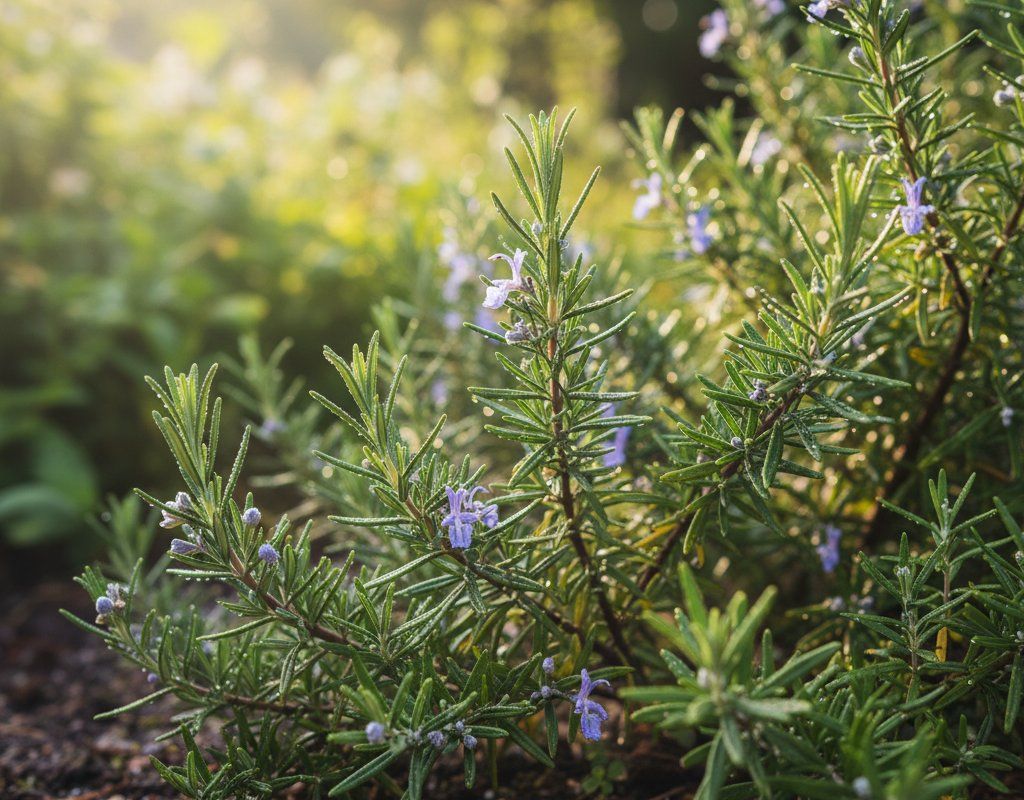
Keep Away From
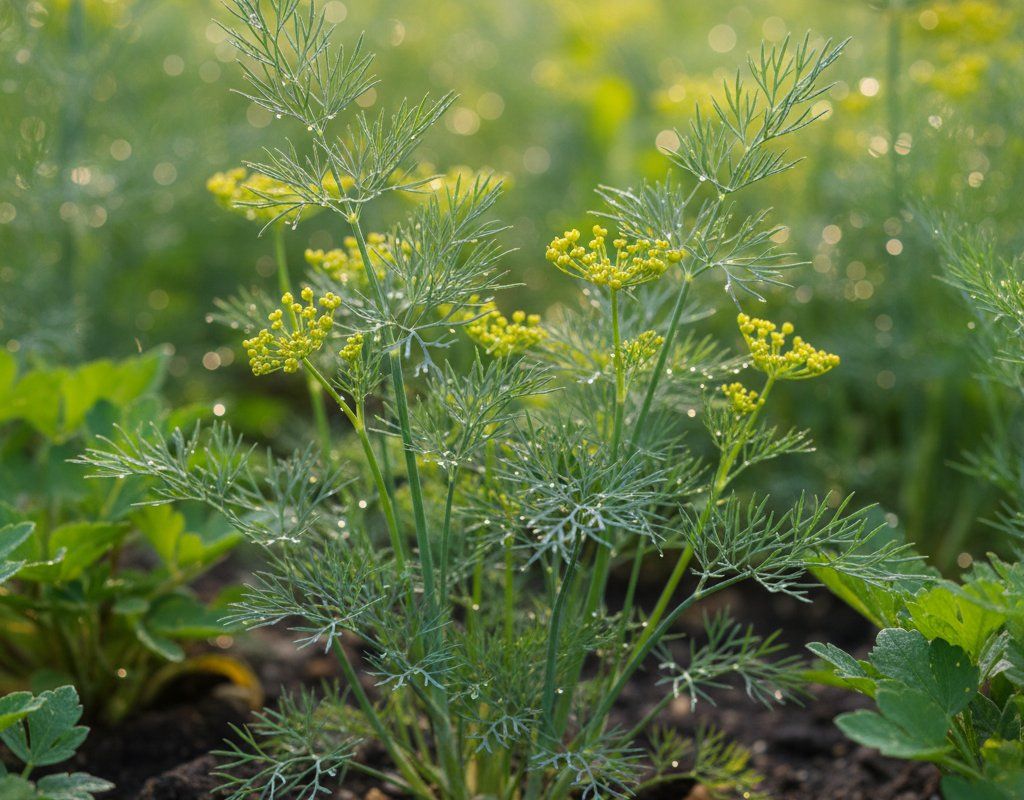
Companion Planting Details
Lettuce makes an excellent companion for carrots in Plains gardens – it provides living mulch that helps retain soil moisture during our hot summers while maturing quickly enough not to compete with developing carrot roots. Onions are another classic pairing that helps confuse carrot rust flies with their strong scent, plus their upright growth doesn't interfere with carrot development. Tomatoes work well nearby since they don't compete for root space, and their height can provide some afternoon shade during extreme heat.
Avoid planting dill near carrots, as it can actually attract the same pests that bother carrots while competing for similar soil nutrients. Parsnips should be kept separate since they're in the same family and attract identical pests – you'll just be concentrating problems in one area. Both also have similar deep taproot growth habits that create competition in the lower soil layers where carrots need to develop.
🌸Best Flowers to Plant with Carrot
These flowers protect your Carrot from pests and attract pollinators for better harvests.


Get a Reminder When It's Time to Plant
We'll email you when key planting windows open for your zone.