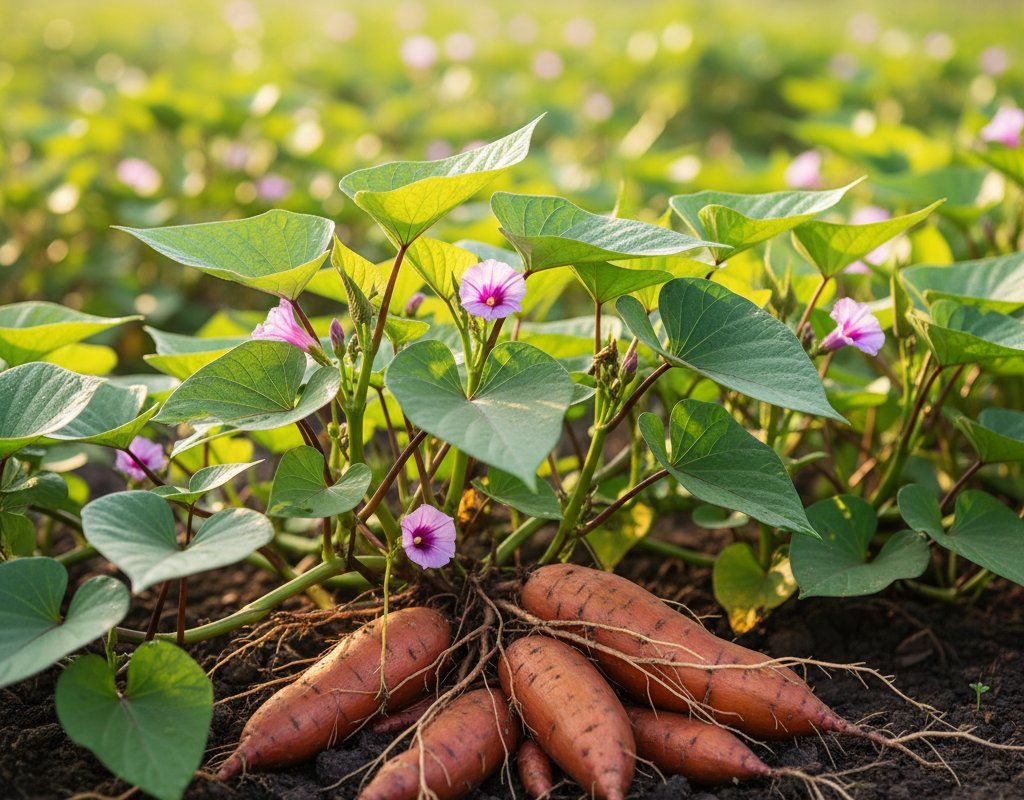
Sweet Potato in Zone 5B — Great Plains
Ipomoea batatas · Your Complete 2026 Planting Guide
Planning Ahead — Great!
You’re ahead of the season. Here’s when to start.
Mark Your Calendar
How to Plant Sweet Potato in Zone 5B — Great Plains
Here are all your options for getting sweet potato in the ground, from the easiest method to more advanced approaches.
Buy Starts
RecommendedMid May through early June
around May 11
Plant purchased starts after last frost (April 20).
Plant slips (rooted sprouts) after soil is warm. Buy slips or grow your own from a sweet potato.
Start Seeds Indoors
Works WellEarly to late March
around March 16
Then transplant: Mid May through early June
Start seeds 8-10 weeks before transplanting outdoors.
Direct Sow Seeds
ChallengingDirect sowing is not typical for Sweet Potato.
Transplant Outdoors
Timing InfoMid May through early June
around May 11
Wait until nighttime temperatures stay above 50°F.
Plan to transplant within a few weeks of your target date.
Overview
Sweet potatoes bring exceptional nutrition and storage value to your Plains garden, thriving in our intense prairie sunshine while producing tubers that store beautifully through winter. In our hot summers with low-to-moderate humidity, these heat-loving vines actually perform better than in more humid regions, developing concentrated sweetness without the disease pressure that plagues other areas. The deep orange flesh provides essential vitamins during our long winters, and there's real satisfaction in harvesting pounds of food from just a few plants.
Our 178-day growing season gives sweet potatoes exactly what they need, though our variable spring weather and wind exposure require some planning. Starting with healthy slips and timing your transplant after soil warms eliminates most challenges. The key is working with our reliable summer heat rather than fighting our unpredictable spring.
Starting Seeds Indoors
Starting sweet potatoes from seed isn't the typical approach for Plains gardeners - most of us grow them from slips (rooted sprouts) either purchased or grown from stored tubers. If you do want to try seeds, start them in early to late March, about 8 weeks before transplanting outdoors when soil temperatures reach 60°F consistently.
Sweet potato seeds need warmth to germinate - keep seed trays at 75-80°F using a heating mat. Our variable spring weather makes indoor starting more reliable than direct seeding, which simply won't work with sweet potatoes anyway. Use bottom watering to keep seedlings from getting waterlogged, as they're prone to damping off.
Most Plains gardeners find better success ordering slips online or growing their own from a sweet potato placed in water during late winter. The intense work of seed starting rarely pays off when reliable slips are available.
Transplanting Outdoors
Transplant your sweet potato slips from mid-May through early June, after soil temperatures stay above 60°F and nighttime lows remain above 50°F. Our Plains springs can swing from 80°F to 35°F in days, so wait until those extreme temperature swings settle into more predictable patterns. A week of hardening off is essential - gradually expose slips to outdoor conditions, starting with just a few hours of morning sun.
Space slips 12-18 inches apart in rows, planting them deeper than they grew indoors to encourage strong root development. Choose a location with wind protection, as our constant Plains wind can stress young transplants before they establish. Create temporary windbreaks using row covers or even cardboard shields for the first few weeks.
Plant slips when soil is workably dry but not dusty - sweet potatoes need good soil contact but won't tolerate waterlogged conditions. If late spring rains keep soil too wet, wait rather than rushing the transplant date.
Watering Sweet Potato in Zone 5B (Great Plains)
Sweet potatoes need moderate water to get established but become surprisingly drought-tolerant once their root system develops - perfect for our variable Plains rainfall. Water deeply once a week during the first month after transplanting, providing about 1 inch of water including rainfall. Check soil moisture using the finger test - stick your finger 2 inches down, and water when it feels dry at that depth.
Once vines start running in mid-summer, reduce watering frequency but increase the amount when you do water. Our hot, dry Plains air means surface moisture evaporates quickly, so water at the base of plants rather than overhead to get moisture down to developing tubers. Sweet potatoes actually develop better flavor with some drought stress during tuber formation.
Monitor rainfall carefully - our annual precipitation varies from 15-35 inches, and sweet potatoes perform differently in wet versus dry years. In dry summers, one deep watering every 10-14 days usually suffices. Overwatering creates bland, watery tubers and increases disease risk even in our low-humidity climate.
Stop watering entirely 3-4 weeks before harvest to concentrate sugars and prevent tubers from cracking. A 2-3 inch layer of mulch helps maintain even soil moisture through our extreme temperature swings, but keep mulch away from vine stems to prevent pest issues.
🧪Fertilizing Sweet Potato
Feeding Schedule
Organic Fertilizer Options
Harvest Time
Begin harvesting sweet potatoes in mid-August through late September, timing your harvest around our typical first frost in mid-October. Sweet potatoes need the full 100 days to develop properly, so count back from your expected frost date to ensure adequate growing time. Unlike many crops, you can't leave sweet potatoes in the ground after frost - cold soil damages the tubers.
Watch for signs that tubers are ready: vines begin yellowing naturally, and small cracks may appear in the soil above developing sweet potatoes. Test harvest one plant by carefully digging around it - mature tubers should have developed their characteristic color and smooth skin. Handle tubers gently during harvest, as bruised spots become entry points for rot during storage.
Dig sweet potatoes on a dry, sunny day when soil isn't muddy from recent rain. Use a garden fork rather than a spade to avoid cutting into tubers, starting your digging 12-18 inches from the main stem. Sweet potatoes can spread surprisingly far from the original plant in our loose prairie soil.
As first frost approaches, harvest all remaining sweet potatoes even if they seem small - they won't continue developing once soil temperatures drop. Brush off soil but don't wash tubers before curing them in a warm (80-85°F), humid location for 1-2 weeks to develop their full sweetness and storage potential.
Common Problems in Zone 5B (Great Plains)
Sweet Potato Weevils These small, dark beetles create holes in tubers and can devastate your harvest. Adult weevils are about 1/4 inch long with metallic blue-black coloring, while larvae tunnel through sweet potatoes leaving brown, stringy damage. In our Plains climate, weevils overwinter in stored tubers and emerge when soil warms in late spring. Prevent problems by purchasing certified clean slips, rotating sweet potato locations annually, and removing all plant debris after harvest. Our dry Plains air actually helps - weevils prefer humid conditions.
Wireworms These thin, yellow-brown larvae of click beetles bore perfectly round holes into sweet potatoes, creating entry points for rot. Wireworms thrive in newly broken prairie sod and can persist in soil for several years. You'll notice small, precise holes in harvested tubers, often with the larvae still inside. Combat wireworms by avoiding planting sweet potatoes in recently tilled prairie areas for at least two years. Our alkaline prairie soils naturally discourage some wireworm species, but crop rotation remains your best defense.
Cracking Sweet potatoes split when they absorb water too quickly after dry periods - exactly what happens during our variable Plains rainfall patterns. Radial cracks run from the growing tip outward, while concentric cracks circle the tuber. Heavy rain or irrigation after drought stress causes tubers to expand faster than their skin can stretch. Prevent cracking by maintaining consistent soil moisture through mulching and reducing irrigation as harvest approaches. Our intense prairie sunshine can worsen cracking, so ensure adequate but not excessive watering during tuber development.
Great Plains Specific Challenges: Our extreme temperature swings and variable precipitation create perfect conditions for sweet potato stress, while constant wind can damage vines and increase water loss. However, our hot summers, intense sunshine, and low disease pressure from dry air give sweet potatoes exactly what they need to thrive - just maintain consistent moisture and provide wind protection during establishment.
Best Companions for Sweet Potato
Plant these nearby for healthier Sweet Potato and better harvests.


Keep Away From
Companion Planting Details
Sweet potatoes pair perfectly with the traditional "Three Sisters" combination in Plains gardens. Plant beans near sweet potato vines - the beans fix nitrogen that sweet potatoes use for leafy growth early in the season, while sweet potato vines provide ground cover that conserves moisture for bean roots during our hot, dry summers. Corn creates natural windbreaks for sweet potato vines, essential protection in our constantly windy climate.
Squash and sweet potatoes make excellent companions since both spread along the ground, creating a living mulch that conserves precious soil moisture. The large leaves of both plants shade the soil, keeping it cooler during our intense summer heat while suppressing weeds. Avoid planting sweet potatoes near tomatoes or peppers - these heavy feeders compete for the same nutrients, and their upright growth doesn't provide the wind protection that sprawling sweet potato vines appreciate in Plains conditions.
🌸Best Flowers to Plant with Sweet Potato
These flowers protect your Sweet Potato from pests and attract pollinators for better harvests.
For Pest Control




Get a Reminder When It's Time to Plant
We'll email you when key planting windows open for your zone.