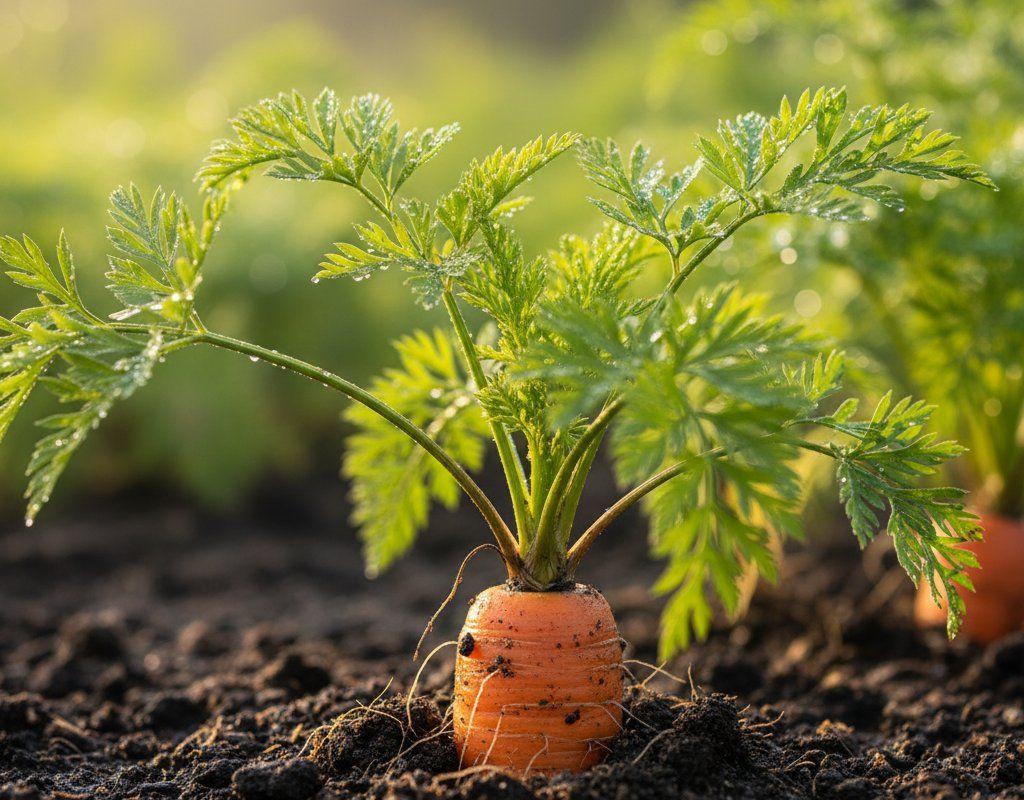
Carrot in Zone 6A — Midwest
Daucus carota · Your Complete 2026 Planting Guide
Planning Ahead — Great!
You’re ahead of the season. Here’s when to start.
Mark Your Calendar
How to Plant Carrot in Zone 6A — Midwest
Here are all your options for getting carrot in the ground, from the easiest method to more advanced approaches.
Direct Sow Seeds
RecommendedEarly April through late July
around April 6
Consider succession planting every 2-3 weeks for continuous harvest.
Carrots have a taproot and don't transplant. Direct sow only.
Buy Starts
Works WellEarly April through early May
around April 6
Plant purchased starts after last frost (April 20).
Start Seeds Indoors
ChallengingThis plant is typically not started indoors.
Transplant Outdoors
Timing InfoEarly April through early May
around April 6
Can tolerate light frost, but wait for soil to be workable.
You have a nice window — no need to rush.
Fall Planting
Late July through late August
August 13 ideal · Direct sow for fall harvest
Plant a second crop in mid-summer for fall harvest. Carrot actually prefers the cooling temperatures of fall.
Overview
Carrots are one of the most rewarding crops for Midwest gardeners, transforming our region's fertile soil into sweet, crunchy roots that put store-bought varieties to shame. Our moderate-to-hot summers and adequate rainfall create ideal conditions for these cool-season favorites, while the long 178-day growing season allows for multiple plantings and fresh carrots from midsummer straight through fall.
While our variable spring weather and occasional summer heat spells can pose challenges, timing your plantings right makes carrots surprisingly manageable. These hardy vegetables actually prefer our cooler spring and fall temperatures, and with proper planning, you'll have homegrown carrots gracing your table for months.
Transplanting Outdoors
Carrots have a deep taproot that makes them nearly impossible to transplant successfully. Unlike many vegetables, these root crops don't handle root disturbance well, and transplanted carrots often develop forked or stunted roots.
Instead of starting indoors, carrots must be direct-sown where they'll grow. This actually works perfectly in the Midwest, where our fertile soil and reliable spring moisture provide ideal conditions for direct seeding from early April onward.
Direct Sowing
Direct sowing is the only reliable method for growing carrots, and fortunately, it works beautifully in Midwest conditions. Start your first planting in early April when soil temperatures reach 45°F, then continue sowing every 2-3 weeks through late July for continuous harvests. Our fertile soil gives carrots the deep, loose growing medium they need to develop straight, healthy roots.
Prepare your planting area by working the soil deeply to remove rocks and break up clay clumps that can cause forking. Sow seeds ¼ inch deep and keep rows 12 inches apart. The tiny seeds need consistent moisture to germinate, so water gently and cover with a light layer of compost to prevent crusting. Space plants 2-3 inches apart after thinning - our rich Midwest soil can support this closer spacing beautifully.
Watch for late spring frosts that can damage young seedlings, though carrots are quite hardy. In heavy clay areas common throughout the Midwest, consider raised beds filled with loose soil mix for the straightest, most uniform carrots.
Watering Carrot in Zone 6A (Midwest)
Consistent moisture is absolutely critical for carrots, especially during the first 2-3 weeks when seeds are germinating. Keep the soil surface damp but not waterlogged during this period - check daily by pressing your finger into the top inch of soil. In our moderate-to-humid Midwest climate, morning watering works best to prevent fungal issues while giving plants time to dry before evening.
Once established, carrots need about 1 inch of water per week, though our wet summers often provide much of this naturally. The key is consistency - fluctuating moisture levels cause roots to crack and split. During our typical summer heat spells, check soil moisture 2 inches deep using the finger test, and water deeply when the top 2 inches feel dry.
Our 30-40 inches of annual rainfall means you'll rarely need supplemental watering except during dry stretches, but when you do water, focus on the root zone rather than overhead watering. The moderate-to-humid conditions here can encourage leaf diseases if foliage stays wet too long.
Apply a thin layer of organic mulch around plants to maintain consistent soil moisture and suppress weeds, but keep mulch away from the carrot shoulders to prevent green tops and pest hiding spots.
🧪Fertilizing Carrot
Feeding Schedule
Organic Fertilizer Options
Harvest Time
Your first carrots will be ready for harvest about 70 days after sowing, typically appearing in mid-June for early April plantings. Look for carrot shoulders about ¾ inch in diameter pushing up at the soil surface - this is your cue that roots have reached eating size. The tops should be full and green, indicating healthy root development below.
Harvest by loosening the soil around each carrot with a fork, then pull gently to avoid snapping the root. In our clay-heavy Midwest soils, this soil-loosening step is especially important. Baby carrots can be harvested even smaller for tender sweetness, while full-size roots develop the classic carrot flavor we love.
Continue harvesting throughout the growing season, with successive plantings providing fresh carrots through late October. As our first frost approaches in mid-October, carrots actually sweeten up in the cool weather - some of the best-tasting roots come from these late-season harvests.
For storage, brush off soil but don't wash until you're ready to eat them. Properly harvested carrots from our fertile Midwest soil will keep for weeks in the refrigerator, giving you homegrown flavor well into winter.
Common Problems in Zone 6A (Midwest)
Forking Forked or misshapen carrots appear as roots that split into multiple "fingers" instead of growing as single, straight taproots. You'll notice this when harvesting - instead of smooth, uniform carrots, you'll pull up twisted, branched roots that look more like small trees than vegetables.
This happens when carrot roots encounter obstacles like rocks, hard clay clumps, or root damage in our sometimes compacted Midwest soils. Fresh manure can also cause forking by creating nitrogen hot spots that encourage excessive root branching. The solution lies in soil preparation - work your beds deeply each spring, removing stones and breaking up clay chunks. In areas with heavy clay common throughout the Midwest, raised beds filled with loose compost and soil work wonderfully for straight carrots.
Carrot Rust Fly Look for rusty brown tunnels winding through your carrot roots, often accompanied by small dark flies hovering around plants in late spring. Affected carrots may show wilting foliage despite adequate moisture, and the tunneled roots become inedible.
These tiny flies lay eggs near carrot stems, and their maggots tunnel through developing roots. In our variable Midwest springs, the flies typically emerge during warm spells in late April through May. Row covers provide the most effective prevention - install them immediately after seeding and keep covered until harvest. Interplanting with onions helps confuse the flies with competing scents, and avoid thinning during peak fly season since bruised carrot leaves attract them.
Green Shoulders Carrot tops turn green where they push above the soil surface, creating an unappealing and slightly bitter crown on otherwise perfect roots. This is especially common in our fertile Midwest soil, where vigorous growth can cause carrots to heave upward.
The green color develops when carrot shoulders are exposed to sunlight, causing chlorophyll production just like in any plant part. Prevent this by hilling soil or mulch over exposed carrot tops as they develop. Check plantings weekly during peak growing season and cover any visible orange shoulders with soil.
Midwest Specific Challenges Our moderate-to-humid summers can encourage fungal issues if carrots stay too wet, while summer heat spells can stress plants and affect root development. The clay soil common throughout the region requires extra attention to prevent forking, but our reliable rainfall and fertile growing conditions generally favor healthy carrot crops with proper soil preparation.
Best Companions for Carrot
Plant these nearby for healthier Carrot and better harvests.

Keep Away From
Companion Planting Details
Carrots pair beautifully with several companions that thrive in our Midwest growing conditions. Lettuce makes an ideal companion, using the space between slow-developing carrot rows while providing light shade during summer heat spells. Onions planted nearby help repel carrot rust flies with their strong scent, while their upright growth doesn't compete with carrot roots. Tomatoes work well as companions since their deep roots don't interfere with carrots, and both crops appreciate our fertile soil and consistent moisture.
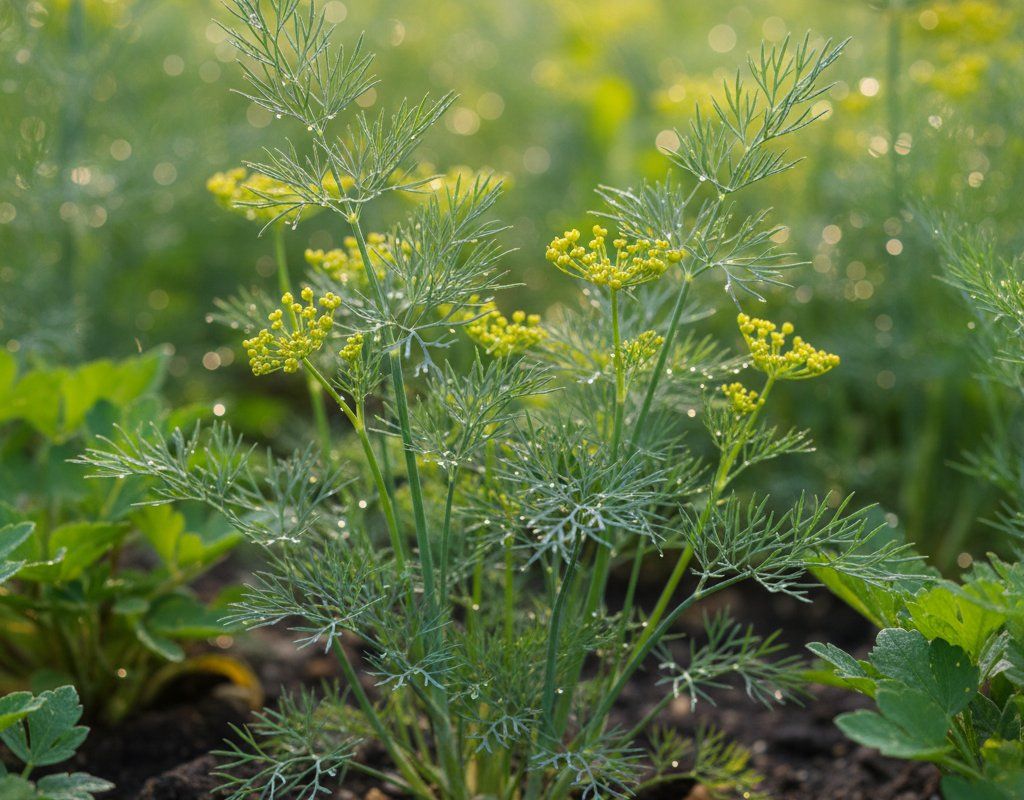
Avoid planting carrots near dill, which can attract the same pests and actually reduce carrot yields through allelopathic effects. Parsnips should also be kept separate since they're susceptible to the same diseases and pests, creating potential hot spots for problems like carrot rust fly in your garden beds.
🌸Best Flowers to Plant with Carrot
These flowers protect your Carrot from pests and attract pollinators for better harvests.


Get a Reminder When It's Time to Plant
We'll email you when key planting windows open for your zone.