
Carrot in Zone 6A — Northeast
Daucus carota · Your Complete 2026 Planting Guide
Planning Ahead — Great!
You’re ahead of the season. Here’s when to start.
Mark Your Calendar
How to Plant Carrot in Zone 6A — Northeast
Here are all your options for getting carrot in the ground, from the easiest method to more advanced approaches.
Direct Sow Seeds
RecommendedEarly April through late July
around April 6
Consider succession planting every 2-3 weeks for continuous harvest.
Carrots have a taproot and don't transplant. Direct sow only.
Buy Starts
Works WellEarly April through early May
around April 6
Plant purchased starts after last frost (April 20).
Start Seeds Indoors
ChallengingThis plant is typically not started indoors.
Transplant Outdoors
Timing InfoEarly April through early May
around April 6
Can tolerate light frost, but wait for soil to be workable.
You have a nice window — no need to rush.
Fall Planting
Late July through late August
August 13 ideal · Direct sow for fall harvest
Plant a second crop in mid-summer for fall harvest. Carrot actually prefers the cooling temperatures of fall.
Overview
Carrots are a perfect fit for our Northeast gardens, thriving in our cool nights and making the most of our moderate summer temperatures. While store-bought carrots often taste like crunchy water, homegrown carrots develop incredible sweetness thanks to our cool nights—something you simply can't get from shipped produce. The satisfaction of pulling a perfect, straight carrot from your own soil never gets old.
Our short growing season and rocky New England soil can seem challenging for root crops, but carrots are surprisingly forgiving once you know the timing. With our 178-day growing season, you have multiple planting windows from early spring through midsummer, allowing for fresh carrots from midsummer all the way to hard frost in mid-October.
Transplanting Outdoors
While it's technically possible to transplant carrot seedlings from early April through early May, I strongly recommend against it. Carrots have a long taproot that doesn't like being disturbed—transplanting often results in forked, stunted, or crooked roots that defeat the whole purpose of growing your own.
If you absolutely must transplant (perhaps you started seeds indoors during a late spring), do it when seedlings are very young with just their first true leaves. Harden them off gradually over a week, and space them 2-3 inches apart. Expect some losses and disappointing root development compared to direct-sown carrots.
Direct Sowing
Direct sowing is the only way to grow decent carrots, and our Northeast climate makes it straightforward once you get the timing right. Start your first sowings in early April when soil temperatures reach about 45°F—carrot seeds are slow to germinate in cold soil but won't mind a light frost once they're up. You can continue planting every 2-3 weeks through late July for continuous harvests.
Work your soil deeply to at least 8 inches, removing every rock and stick you can find—carrots will fork around any obstacle. In our rocky New England soil, raised beds filled with loose compost and sand work wonders. Sow seeds about ½ inch deep and 2-3 inches apart, though you can plant closer and thin later if you prefer baby carrots.
Keep the soil consistently moist during germination, which can take 2-3 weeks in cool spring soil. A light covering of row cover helps retain moisture and protects from any unexpected late frosts.
Watering Carrot in Zone 6A (Northeast)
Consistent moisture is absolutely critical for carrots, especially during germination when you need to keep the soil surface damp for 2-3 weeks straight. Our moderate Northeast summers with 40-50 inches of annual rainfall help, but you'll still need to water regularly during dry spells.
Once established, carrots need about 1 inch of water per week, including rainfall. Check soil moisture with the finger test—stick your finger 2 inches deep, and if it's dry, it's time to water. Water at soil level rather than overhead, especially given our moderate-to-humid summers that can encourage foliar diseases.
The key is even moisture throughout the growing season. Irregular watering causes carrots to crack and split, ruining months of careful growing. During hot spells in July and August, you might need to water twice a week, while spring and fall may require little supplemental watering.
A 2-inch layer of straw mulch helps maintain consistent soil moisture and keeps those carrot shoulders from turning green. Just keep mulch pulled back slightly from the stems to prevent pest issues in our humid climate.
🧪Fertilizing Carrot
Feeding Schedule
Organic Fertilizer Options
Harvest Time
Your first carrots will be ready for harvest about 70 days after planting, typically starting in mid-June if you planted in early April. Look for the tops of the roots to show at soil level—when they're about ¾ inch diameter, they're perfect for eating. Don't wait too long, as oversized carrots can become woody and split.
Harvest by gently pulling straight up, or better yet, loosen the soil around each carrot first with a fork to avoid snapping the roots. The best-tasting carrots come after we've had a few light frosts in fall—the cold converts starches to sugars and makes them incredibly sweet.
As our first hard frost approaches in mid-October, harvest all remaining carrots at once. You can leave them in the ground under a thick layer of mulch for winter storage in milder years, but our Zone 6A winters usually make this impractical. Instead, harvest everything and store in damp sand in a cool basement or root cellar.
For the sweetest carrots, harvest in the morning after the soil has had a chance to cool overnight—our cool Northeast nights are one of the reasons homegrown carrots taste so much better than store-bought.
Common Problems in Zone 6A (Northeast)
Forking and Deformed Roots Your carrots look more like octopi than vegetables, with multiple twisted roots instead of straight, single taproots. This is incredibly frustrating after months of careful watering and weeding. Our rocky New England soil is often the culprit—carrot roots hit stones, roots, or compacted layers and split around the obstacle. Heavy clay soil or fresh manure can also cause forking.
Carrot Rust Fly You notice small, dark flies hovering around your carrot plants, and when you finally harvest, the roots are riddled with rusty brown tunnels that make them inedible. The larvae of these flies tunnel through the roots, ruining your entire crop. This pest is becoming more common in the Northeast and can destroy an entire planting.
Green Shoulders The tops of your carrots turn green where they push above the soil surface, creating bitter-tasting portions you have to cut away. While not harmful, green shoulders reduce your usable harvest and indicate the roots aren't developing properly below ground.
Northeast Specific Challenges: Our moderate summers and even rainfall actually work in carrots' favor compared to hotter, drier regions. However, our rocky soil requires extra preparation, and our short growing season means you can't afford delays from pest damage or poor germination. The high humidity during summer thunderstorms can also encourage foliar diseases if you're watering overhead rather than at soil level.
Best Companions for Carrot
Plant these nearby for healthier Carrot and better harvests.

Keep Away From
Companion Planting Details
Carrots pair beautifully with lettuce and onions in our Northeast gardens. Lettuce provides quick ground cover that helps retain soil moisture during carrot germination, while its shallow roots don't compete with carrot taproots. Onions are even better companions—their strong scent helps confuse carrot rust flies, and they mature at different times so they're not competing for space and nutrients.
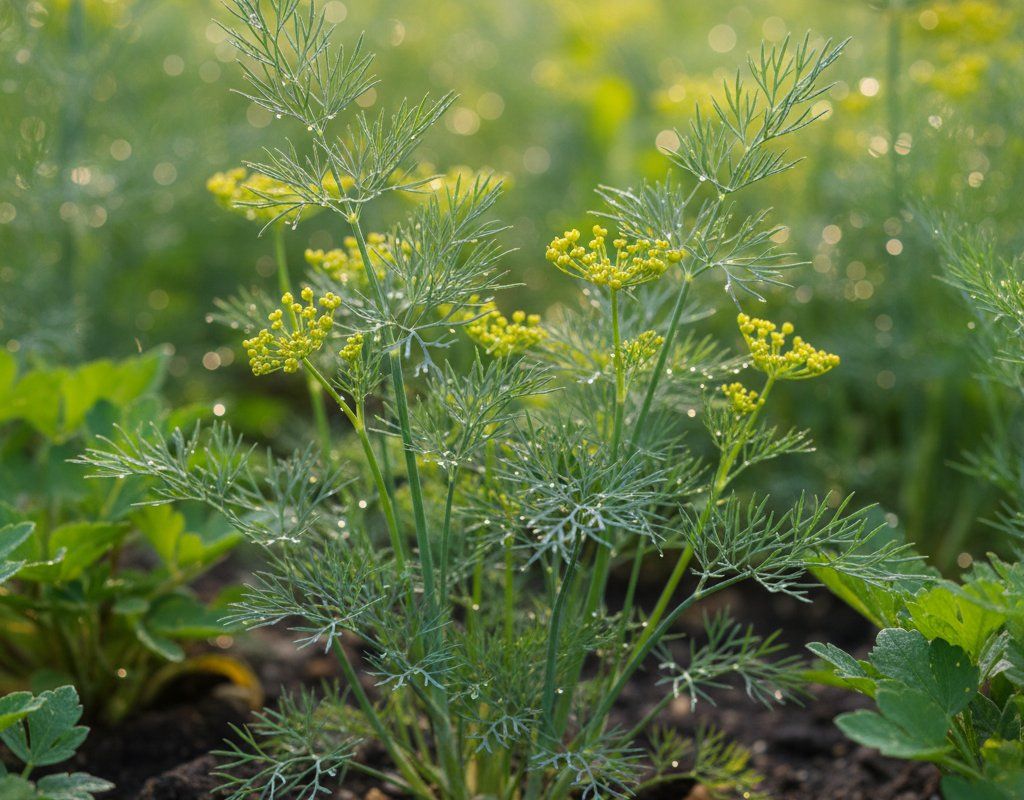
Tomatoes make surprisingly good companions since they're harvested above ground while carrots grow below, maximizing your garden space. Avoid planting carrots near dill or parsnips—dill can actually stunt carrot growth, while parsnips attract the same pests and compete for the same deep soil nutrients. In our short growing season, every inch of garden space counts, so these smart combinations help you get the most from your 178 growing days.
🌸Best Flowers to Plant with Carrot
These flowers protect your Carrot from pests and attract pollinators for better harvests.


Get a Reminder When It's Time to Plant
We'll email you when key planting windows open for your zone.