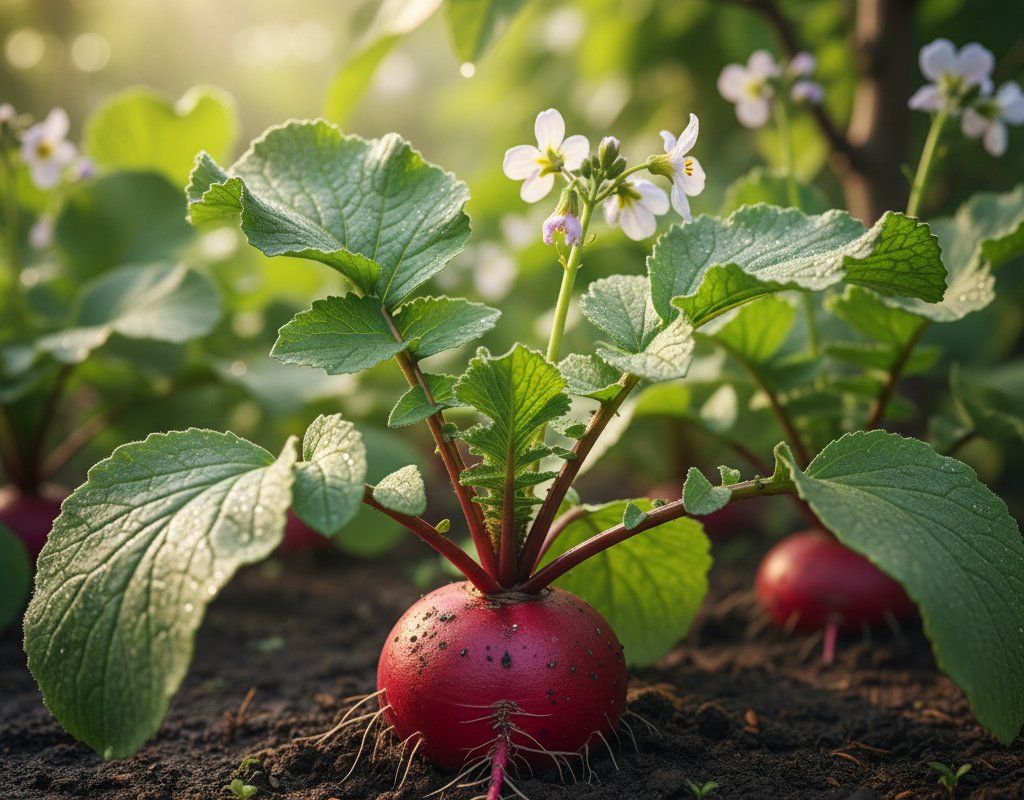
Radish in Zone 6A — Northeast
Raphanus sativus · Your Complete 2026 Planting Guide
Planning Ahead — Great!
You’re ahead of the season. Here’s when to start.
Mark Your Calendar
How to Plant Radish in Zone 6A — Northeast
Here are all your options for getting radish in the ground, from the easiest method to more advanced approaches.
Direct Sow Seeds
RecommendedLate March through early September
around March 23
Consider succession planting every 2-3 weeks for continuous harvest.
Fast-growing and easy. No reason to start indoors.
Buy Starts
Works WellLate March through early May
around March 23
Plant purchased starts after last frost (April 20).
Start Seeds Indoors
ChallengingThis plant is typically not started indoors.
Transplant Outdoors
Timing InfoLate March through early May
around March 23
Can tolerate light frost, but wait for soil to be workable.
You have a nice window — no need to rush.
Fall Planting
Mid August through mid September
September 3 ideal · Direct sow for fall harvest
Plant a second crop in mid-summer for fall harvest. Radish actually prefers the cooling temperatures of fall.
Overview
Radishes are perfect for our Northeast gardens – they're one of the few vegetables that actually thrive in our cool spring conditions and give you something to harvest while you're still waiting for everything else to get going. These crisp, peppery roots mature in just 25 days, making them ideal for succession planting throughout our 178-day growing season. Our cool nights help develop that perfect snap and mild heat that makes fresh radishes so addictive.
Don't let our late springs and early frosts discourage you from growing radishes. These hardy little vegetables can handle our unpredictable weather better than most crops, and their quick maturity means you can squeeze in multiple plantings even with our shorter growing window. The key is understanding when to plant for the best results in our Northeast climate.
Transplanting Outdoors
While you can transplant radishes, it's rarely the best choice for these fast-growing roots. If you do choose to transplant, plan for late March through early May when soil temperatures reach at least 40°F. Radishes started indoors need about a week of gradual hardening off before going into the garden.
Space transplanted radishes 2-4 inches apart in rows or scatter them in patches. The main challenge with transplanting radishes in the Northeast is timing it right with our variable spring weather – a late cold snap won't kill them, but it can stress the roots and affect quality.
Since radishes mature so quickly from direct seeding, most Northeast gardeners skip the transplant step entirely and direct sow for better root development and less work.
Direct Sowing
Direct sowing is absolutely the way to go with radishes in the Northeast. You can start as early as late March when the soil can be worked, even if it's still quite cool – radishes actually prefer growing in temperatures between 50-65°F. Sow seeds every 2-3 weeks through early September for continuous harvests, though summer plantings may be spicier due to heat stress.
Plant seeds ¼ to ½ inch deep in loose, well-draining soil. Our rocky New England soil benefits from some compost worked in, which helps prevent the forked or stunted roots that happen when radishes hit obstacles. Space seeds 2-4 inches apart, or scatter them and thin later – radish greens are edible, so thinnings don't go to waste.
The beauty of radishes is their speed – in just 3-4 weeks, you'll be harvesting. This makes them perfect for filling gaps between slower crops or getting kids excited about gardening when they see such quick results.
Watering Radish in Zone 6A (Northeast)
Radishes need consistent moisture throughout their short 25-day growing cycle, but our Northeast climate actually makes this easier than in hotter regions. With our even 40-50 inches of annual rainfall and moderate summer temperatures, you won't be fighting the constant evaporation that gardeners in drier climates face.
The key to sweet, crisp radishes is never letting the soil dry out completely. Inconsistent watering – wet, then dry, then wet again – creates those woody, pithy roots that make you wonder why you bothered growing them. Check soil moisture by sticking your finger 2 inches deep; if it's dry there, it's time to water. During typical Northeast weather, this usually means a deep watering once or twice a week.
Apply about an inch of water per week, watering at the base rather than overhead. While our moderate-to-humid conditions mean less evaporation, overhead watering can still encourage leaf diseases, especially during our muggy summer stretches. Morning watering gives plants time to dry off before evening.
A light mulch of grass clippings or shredded leaves helps retain moisture and keeps the soil cool – something radishes appreciate during our warmer July and August days. If leaves start yellowing or roots become hot and peppery, you're likely dealing with drought stress, even if the soil surface looks moist.
🧪Fertilizing Radish
Feeding Schedule
Organic Fertilizer Options
Harvest Time
Your first radishes will be ready mid-April through late October, depending on when you planted. With their 25-day maturity, spring plantings started in late March will be ready by mid-April – often your first real harvest of the season. Watch for the shoulders of the radishes to push up above the soil surface, showing you their size.
Pull radishes when they're about 1 inch in diameter for the classic spring types like Cherry Belle or White Icicle. Don't wait too long – radishes left in the ground past their prime become woody and inedibly hot. The window for perfect radishes is surprisingly short, maybe a week or two at most before quality starts declining.
Harvest by grasping the greens close to the root and pulling straight up. If the tops have been nibbled by deer (a common Northeast problem), you may need to dig around the radish to get a good grip. The greens are edible too – use them in salads when young or sauté them like spinach.
As our first frost approaches in mid-October, harvest any remaining radishes regardless of size. While the roots can handle light frosts, they won't continue growing once temperatures consistently drop, and prolonged cold makes them tough and fibrous.
Common Problems in Zone 6A (Northeast)
Flea Beetles Small round holes that look like someone took a tiny shotgun to your radish leaves are the telltale sign of flea beetles. These tiny dark beetles jump like fleas when you disturb the plants and can quickly skeletonize young radish seedlings. The damage is purely cosmetic on larger plants, but can kill small seedlings.
These jumping beetles are most problematic in late spring when your young radishes are most vulnerable. Our Northeast springs can be cool and wet, which doesn't deter flea beetles but does slow radish growth, extending the vulnerable period. Row covers work perfectly for the short 25-day growing cycle of radishes, or you can delay planting until late April when plants establish faster in warmer soil.
Root Maggots If your radishes are riddled with tiny tunnels and look like they've been mined from the inside, you're dealing with root maggots. These are the larvae of small flies that lay eggs at the base of plants, and the maggots tunnel through the developing roots. Affected radishes are inedible and often have a foul smell.
Root maggots are worst during cool, moist conditions – exactly what we often have during Northeast springs. The flies are attracted to freshly disturbed soil and young brassica plants. Avoid planting radishes in areas where you've recently added fresh manure, and consider delaying plantings until the soil warms up in late April or May.
Pithy Roots Instead of crisp, juicy radishes, you get woody, fibrous roots that taste terrible – this is the result of inconsistent watering or letting radishes sit too long in the ground. The roots become spongy and develop hollow centers, making them inedible.
Our Northeast climate actually helps prevent this problem since we don't face the intense heat that other regions deal with. However, those surprise warm spells in May or September can stress radishes if you're not keeping up with watering. Plant small successions every 2-3 weeks rather than one big planting, so you're always harvesting at the right time.
Northeast Specific Challenges: Our moderate summers and even rainfall patterns actually make radishes easier to grow than in many other regions. The main challenges are our rocky soils (work in compost for root development) and deer pressure on the tasty greens. Our cool nights help develop better flavor and reduce the heat stress that makes radishes woody in hotter climates.
Best Companions for Radish
Plant these nearby for healthier Radish and better harvests.


Keep Away From
Companion Planting Details
Radishes are excellent companions in Northeast gardens because they mature so quickly they don't compete with slower-growing neighbors. Plant them with carrots – the radishes break up compacted soil and are harvested long before the carrots need the space. Lettuce and radishes work well together since both prefer cool conditions and the radishes add a peppery contrast to salad mixes.
Try interplanting radishes with peas in early spring – both crops handle our cool conditions well, and the radishes will be done by the time the peas start climbing. Cucumbers benefit from radish companions because the radishes may help deter cucumber beetles. Avoid planting radishes near hyssop, which can inhibit their growth and affect their flavor. With our shorter growing season, every plant needs to pull its weight, and radishes are perfect space-fillers that don't interfere with your main crops.
🌸Best Flowers to Plant with Radish
These flowers protect your Radish from pests and attract pollinators for better harvests.



Get a Reminder When It's Time to Plant
We'll email you when key planting windows open for your zone.