
Carrot in Zone 8A — Northern California
Daucus carota · Your Complete 2026 Planting Guide
Still Time to Sow!
The sowing window is still open for Carrot.
Sow Seeds Soon
Carrots have a taproot and don't transplant. Direct sow only.
How to Plant Carrot in Zone 8A — Northern California
Here are all your options for getting carrot in the ground, from the easiest method to more advanced approaches.
Direct Sow Seeds
RecommendedLate February through late August
around February 24
Consider succession planting every 2-3 weeks for continuous harvest.
Carrots have a taproot and don't transplant. Direct sow only.
Buy Starts
Works WellLate February through late March
around February 24
Plant purchased starts after last frost (March 10).
Start Seeds Indoors
ChallengingThis plant is typically not started indoors.
Transplant Outdoors
Timing InfoLate February through late March
around February 24
Can tolerate light frost, but wait for soil to be workable.
You have a nice window — no need to rush.
Fall Planting
Early September through early October
September 18 ideal · Direct sow for fall harvest
Plant a second crop in mid-summer for fall harvest. Carrot actually prefers the cooling temperatures of fall.
Overview
Growing carrots in Northern California's Mediterranean climate is one of gardening's most satisfying experiences. Our mild winters and long 255-day growing season mean you can harvest sweet, crunchy carrots nearly year-round, with varieties that develop incredible flavor in our cool autumn weather. The extended harvest window from late February through late August gives you multiple chances to perfect your technique and enjoy homegrown carrots that put grocery store versions to shame.
While our dry summers and occasional water restrictions can challenge root crops, carrots are remarkably adaptable to Northern California's climate patterns. The key is timing your sowings to work with our natural rainfall and managing consistent moisture during those critical first few weeks of germination. With proper planning, you'll discover that carrots thrive in our Mediterranean conditions.
Transplanting Outdoors
Carrots have a deep taproot that makes transplanting nearly impossible without damaging the plant. Unlike many vegetables, carrots simply don't tolerate root disturbance well, and attempting to transplant often results in forked, stunted, or completely failed roots. Even if you manage to move a young carrot seedling, the stress typically causes the root to develop poorly.
This is why direct sowing is the only reliable method for growing carrots in Northern California. Skip the seed trays and plant directly in your garden beds where the carrots will grow to maturity. The good news is that carrot seeds germinate readily in our mild spring conditions, making direct sowing both practical and successful.
Direct Sowing
Direct sowing is your only option for carrots, and fortunately it works beautifully in Northern California's climate. You can sow carrot seeds from late February through late August, giving you an incredibly long planting window that takes advantage of our extended growing season. Start with spring sowings in late February or early March when soil temperatures reach about 45°F, then continue with succession plantings every 2-3 weeks for continuous harvests.
Prepare your soil by working it deeply to at least 8 inches, removing rocks and breaking up any clumps that could cause forking. Carrot seeds are tiny and need consistent moisture to germinate, so water gently but regularly for the first 2-3 weeks until seedlings emerge. In our low-humidity climate, covering newly sown areas with a thin layer of burlap or row cover helps retain soil moisture during germination.
Space seeds about 2-3 inches apart in rows, or broadcast thinly in wide beds. The seeds will take 10-21 days to germinate depending on soil temperature, with faster emergence in our warmer summer soil. Thin seedlings to final spacing once they're about 2 inches tall, being gentle to avoid disturbing neighboring roots.
Watering Carrot in Zone 8A (Northern California)
Consistent moisture is absolutely critical for carrots in Northern California's dry climate, especially during germination and the first month of growth. Keep the soil consistently damp (not waterlogged) for the first 2-3 weeks while seeds are sprouting, checking daily since our low humidity causes soil to dry quickly. Once seedlings are established, carrots need about 1 inch of water per week, delivered through deep, less frequent watering sessions.
During our dry summer months, water carrots 2-3 times per week rather than daily light sprinkling. This encourages deep root development and prevents the shallow watering that can lead to forked roots. Use the finger test by pushing 2 inches into the soil - it should feel slightly moist but not soggy. Water at soil level rather than overhead to minimize water waste and reduce disease risk in our warm summer conditions.
Even watering throughout the growing season prevents the splitting and cracking that happens when carrots experience drought stress followed by heavy watering. This is especially important during our hot summer stretches when temperatures hit the mid-80s to low 90s. Apply a thin layer of mulch around established plants to help retain soil moisture, but keep mulch away from young seedlings to prevent damping off.
Watch for signs of water stress: wilting foliage during the heat of the day (normal) versus persistent wilting (underwatered), or cracked, split roots at harvest (inconsistent watering). During water restrictions, focus your limited irrigation on the critical germination period and consider growing carrots in containers where you can better control moisture levels.
🧪Fertilizing Carrot
Feeding Schedule
Organic Fertilizer Options
Harvest Time
Your first carrots will be ready for harvest about 70 days after sowing, which means spring plantings started in late February will be ready by early May. In Northern California's favorable climate, you can continue harvesting from successive plantings through late November, right up until our first frost typically arrives in mid-November. The cool autumn weather actually improves carrot flavor as roots convert starches to sugars.
Look for carrot tops that are about 3/4 inch in diameter where they emerge from the soil - this usually indicates roots are ready for harvest. Gently brush away soil from the top of a few carrots to check their size and color before committing to a full harvest. Carrots are ready when they've developed good color and feel firm when gently squeezed at the top.
Harvest by grasping the green tops close to the soil surface and pulling straight up with steady pressure. If the soil is compacted or roots are long, use a garden fork to gently loosen the soil around the carrots first to prevent snapping. Don't twist or yank, as this often results in broken roots with the tips left in the ground.
As your first frost approaches in mid-November, harvest remaining carrots promptly since they don't improve after frost damage. However, light frosts may actually sweeten the roots, so don't panic if caught by surprise. Store harvested carrots in the refrigerator with tops removed, or leave them in the ground under row cover for a few extra weeks of harvest if a mild autumn extends your season.
Common Problems in Zone 8A (Northern California)
Forking appears as carrot roots that split into multiple twisted forks instead of growing as single, straight roots. You'll notice this at harvest when roots look deformed, branched, or completely misshapen rather than the classic carrot shape. This problem is especially common in Northern California's clay soils or gardens where soil preparation wasn't thorough enough.
Rocky, compacted, or clay-heavy soil causes developing carrot roots to hit obstacles and split around them. Fresh manure can also trigger forking by creating nitrogen hot spots. In our region's variable soil conditions, the fix is growing carrots in deeply worked, loose soil or raised beds filled with quality potting mix. Remove rocks and debris to at least 8 inches deep, and use only well-composted organic matter rather than fresh manure.
Carrot rust fly shows up as rusty brown tunnels and holes throughout carrot roots at harvest, often accompanied by small dark flies hovering near your carrot patch. You might notice plants wilting despite adequate water, which indicates larvae are damaging roots below ground. This pest is becoming more common in Northern California gardens as temperatures warm.
The larvae tunnel into developing roots after adult flies lay eggs near carrot stems. Row covers provide the most effective prevention - install them immediately after sowing and keep them in place until harvest. You can also delay spring plantings until late March to miss the first generation of flies, and interplant carrots with onions since the strong scent confuses the flies.
Green shoulders develop when the top portion of carrot roots pushes above soil level and turns green from sun exposure. While safe to eat, these green areas taste bitter and indicate the carrots weren't properly covered. This is more common during our sunny, dry summers when mulch or soil settles away from developing roots.
Prevent green shoulders by hilling soil or mulch over any exposed carrot tops as they develop throughout the growing season. Check your carrot beds every few weeks and add soil as needed. The green portions won't harm you, but they're not pleasant to eat raw.
Northern California Specific Challenges: Our Mediterranean climate's combination of dry summers, low humidity, and variable microclimates means carrots need extra attention to consistent moisture and soil preparation. Clay soils common in many areas require significant amendment, while sandy soils need regular organic matter additions to retain moisture during our long dry season.
Best Companions for Carrot
Plant these nearby for healthier Carrot and better harvests.

Keep Away From
Companion Planting Details
Lettuce makes an excellent companion for carrots in Northern California since it provides ground cover that helps retain soil moisture during our dry summers. The shallow lettuce roots don't compete with deep carrot taproots, and you can harvest the lettuce before carrots need the full space. Onions planted nearby confuse carrot rust flies with their strong scent while maximizing garden space, and their upright growth doesn't shade developing carrot foliage.
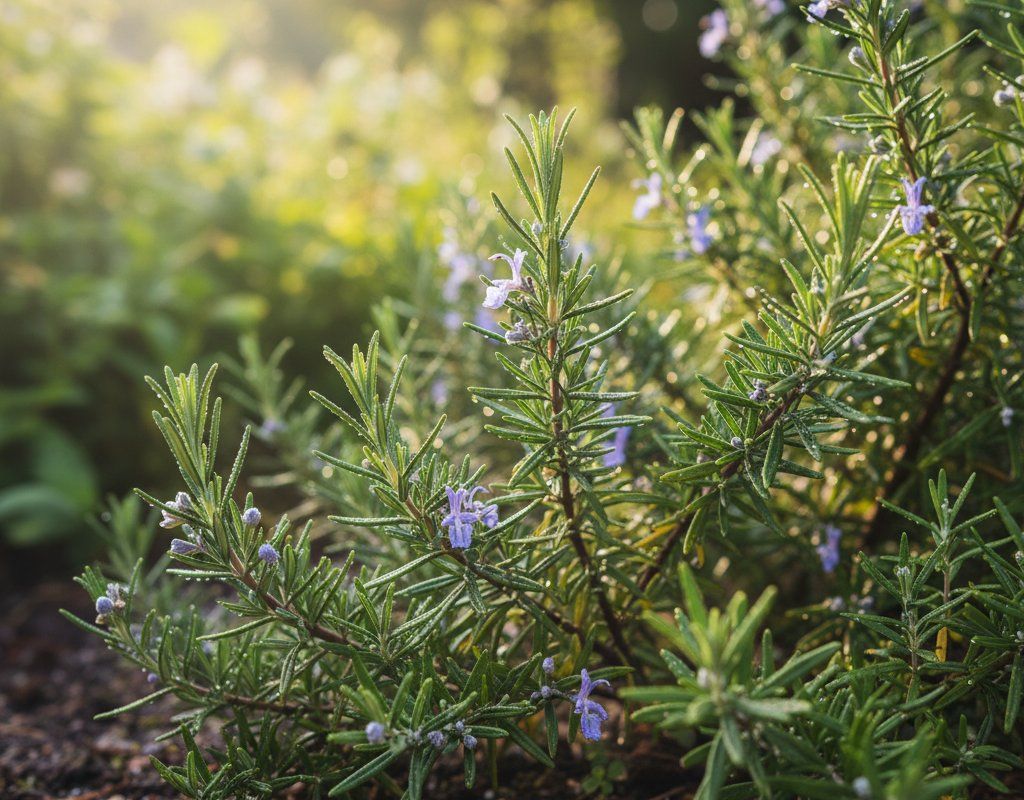
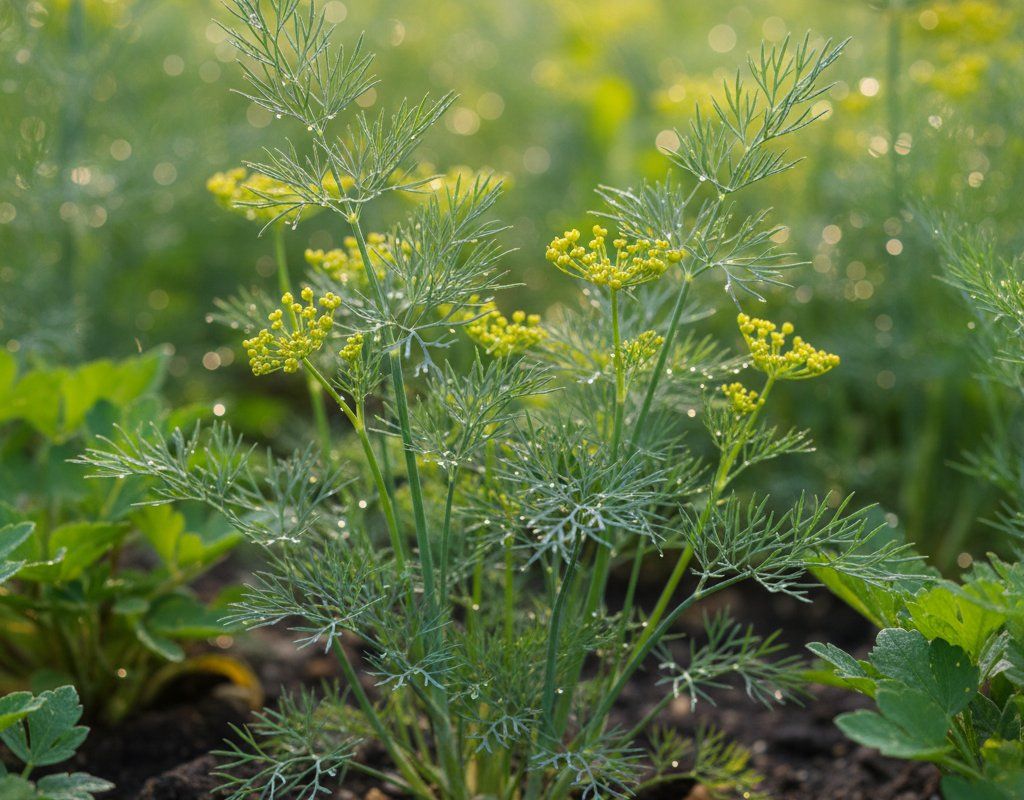
Tomatoes work well as taller companions since carrots tolerate some afternoon shade, which can actually be beneficial during our hottest summer weather. Rosemary planted at bed edges helps deter various pests while thriving in the same well-draining soil conditions carrots prefer. Avoid planting carrots near dill, which can cross-pollinate and affect flavor, and keep them away from parsnips since both crops attract similar pests and diseases.
🌸Best Flowers to Plant with Carrot
These flowers protect your Carrot from pests and attract pollinators for better harvests.


Get a Reminder When It's Time to Plant
We'll email you when key planting windows open for your zone.