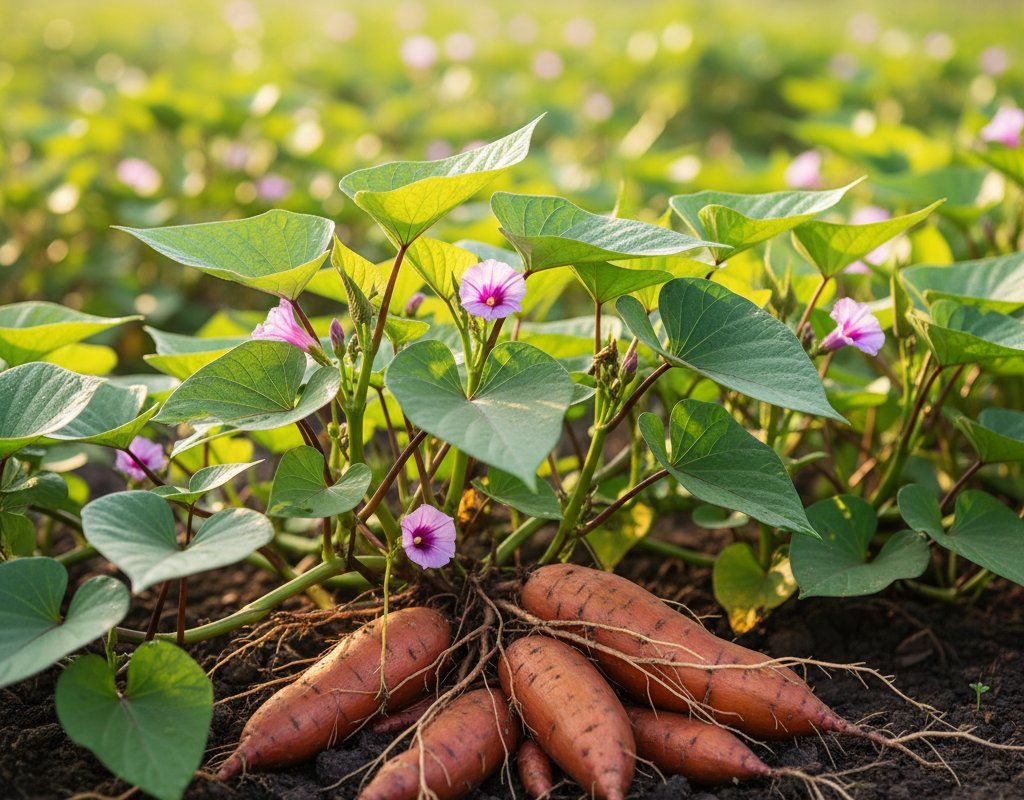
Sweet Potato in Zone 8A — Northern California
Ipomoea batatas · Your Complete 2026 Planting Guide
Missed Seed Starting? No Problem!
Wait for starts to become available.
What to Do
Starts will be available at nurseries in 27 days (around March 31).
How to Plant Sweet Potato in Zone 8A — Northern California
Here are all your options for getting sweet potato in the ground, from the easiest method to more advanced approaches.
Buy Starts
RecommendedLate March through late April
around March 31
Plant purchased starts after last frost (March 10).
Plant slips (rooted sprouts) after soil is warm. Buy slips or grow your own from a sweet potato.
Start Seeds Indoors
Works WellLate January through mid February
around February 3
Then transplant: Late March through late April
Start seeds 8-10 weeks before transplanting outdoors.
Direct Sow Seeds
ChallengingDirect sowing is not typical for Sweet Potato.
Transplant Outdoors
Timing InfoLate March through late April
around March 31
Wait until nighttime temperatures stay above 50°F.
Plan to transplant within a few weeks of your target date.
Overview
Sweet potatoes are perfectly suited for our Northern California Mediterranean climate, transforming our long, warm growing season into a bounty of nutritious, orange-fleshed tubers. With 255 days between frosts, you have plenty of time to grow these vining beauties that thrive in our dry summers and produce substantially more food per square foot than regular potatoes. The satisfaction of digging up clusters of sweet potatoes in fall, knowing they'll store for months, makes them one of the most rewarding crops for NorCal gardeners.
Our early springs and mild winters mean you can get sweet potato slips in the ground while other regions are still dealing with frost. Yes, they need consistent water during establishment and our occasional heat waves require attention, but their natural drought tolerance aligns beautifully with our water-wise gardening reality once they're settled in.
Starting Seeds Indoors
Starting sweet potatoes from seed isn't the typical approach—most gardeners grow them from slips (rooted sprouts from sweet potato tubers). However, if you want to try seeds, start them indoors from late January through mid-February, about 8 weeks before your planned transplant date. Set up seed trays in a warm spot (75-80°F) with good light, since sweet potatoes are heat lovers even as seeds.
Use bottom watering to keep the soil consistently moist but not waterlogged—sweet potato seeds can rot easily in cool, soggy conditions. Our early NorCal springs mean you'll be transplanting while night temperatures are still cool, so those extra weeks indoors give seedlings time to develop strong root systems.
The more common approach is buying certified disease-free slips in spring or creating your own by placing a sweet potato in water until it sprouts, then carefully separating and rooting the slips.
Transplanting Outdoors
Transplant your sweet potato slips outdoors from late March through late April, once soil temperatures consistently reach 60°F and nighttime lows stay above 50°F. Our NorCal springs can be tricky with cool mornings followed by warm afternoons, so wait until you're confident the cold snaps are behind us. Harden off slips gradually over a week, starting with just a few hours of outdoor exposure and building up to full days.
Space slips 12-18 inches apart in loose, well-draining soil—sweet potatoes hate waterlogged conditions and our clay soils need amendment with compost or sand. Plant them deep, burying about two-thirds of the stem and leaving just the top leaves exposed. This encourages strong root development along the buried stem.
Our dry spring winds can stress newly transplanted slips, so consider using row covers or creating temporary windbreaks for the first week or two. Once established, these vines will spread enthusiastically across your garden beds.
Watering Sweet Potato in Zone 8A (Northern California)
Sweet potatoes need moderate water to get established, but they're actually quite drought-tolerant once their root systems develop—a perfect match for our water-conscious NorCal summers. During the first month after transplanting, water deeply twice a week, providing about 1-1.5 inches total. Check soil moisture with the finger test: if it's dry 2 inches down, it's time to water.
As summer heat builds and our typical 88°F days become routine, established sweet potato vines can handle longer dry periods between waterings. Switch to deep, weekly watering sessions of about 1 inch, always watering at the base rather than overhead. Our low humidity means leaves dry quickly, but ground-level watering conserves water and directs moisture to the developing tubers.
During our peak dry season (July through September), sweet potatoes show their drought tolerance beautifully. The vines may look a bit stressed during the hottest part of the day, but they'll perk up by evening. Signs of real water stress include wilting that doesn't recover overnight and yellowing leaves starting from the bottom. Overwatering shows up as lush green growth with few tubers forming underground.
Reduce watering 3-4 weeks before harvest to concentrate sugars and prevent tubers from cracking. A light mulch of straw or shredded leaves helps maintain even soil moisture during our variable fall weather.
🧪Fertilizing Sweet Potato
Feeding Schedule
Organic Fertilizer Options
Harvest Time
Your first sweet potatoes will be ready from early July through mid-August, about 100 days from transplanting. Unlike regular potatoes, sweet potatoes need to stay in the ground until they're fully mature—they won't continue ripening after harvest. The best indicator is timing: count back from our typical mid-November first frost and plan to harvest at least two weeks before then.
Sweet potato tubers form along the buried portions of the vine, so you'll need to dig carefully to avoid damaging them. Start about 18 inches from the main stem and work inward, loosening soil with a spading fork. The tubers can be surprisingly large and may extend further than you expect. A single plant can produce 3-6 pounds of sweet potatoes.
Brush off excess soil but don't wash the tubers—you want to cure them with their skins intact. Any nicks or cuts invite rot during storage. Handle them gently since sweet potato skin is more delicate than regular potato skin.
Plan your final harvest for late October or early November, well before our first frost hits. Even though sweet potatoes are heat lovers, the tubers themselves can't handle any frost exposure. Once you've dug them all, cure them in a warm (80-85°F), humid place for 1-2 weeks to develop their characteristic sweet flavor and improve storage life.
Common Problems in Zone 8A (Northern California)
Sweet Potato Weevils Small, dark beetles with long snouts that create tunnels through your tubers, leaving behind a bitter taste and making them inedible. You'll see small holes in the sweet potatoes and dark, stringy damage inside when you cut them open. These pests are particularly problematic in our warm NorCal climate since they can reproduce multiple generations per season. Prevent them by using certified disease-free slips, rotating crops (don't plant in the same spot for 3-4 years), and removing all plant debris after harvest. If you spot them early, beneficial nematodes can help control the larvae in soil.
Wireworms These thin, hard-bodied larvae of click beetles bore small, precise holes through sweet potato tubers, creating tunnels that invite rot. You'll find the damage when you harvest—perfectly round holes with dark, smooth edges. Our California soils, especially if you're converting lawn or have had persistent weeds, often harbor these pests. They're attracted to decaying organic matter and can live in soil for several years. Control wireworms by cleaning up all plant debris, avoiding fresh manure, and using beneficial nematodes. Crop rotation helps since they particularly favor grasses and weeds.
Cracking Sweet potato tubers split open with either circular cracks around the width or radial cracks running lengthwise, exposing the flesh to rot and making storage impossible. This happens when you have inconsistent watering—particularly when heavy irrigation or unexpected rain follows a dry period. Our unpredictable fall weather patterns in NorCal make this especially common. Prevent cracking by maintaining consistent soil moisture throughout the growing season, using mulch to buffer moisture fluctuations, and reducing watering 3-4 weeks before harvest as mentioned above.
Northern California Specific Challenges Our Mediterranean climate creates unique challenges for sweet potatoes. The combination of moderate-to-hot summer days with cool nights can slow initial growth, while our low humidity means plants can lose moisture quickly during heat waves. Water restrictions during drought years require careful moisture management, and our variable microclimates mean what works in one part of your yard might not work twenty feet away.
Best Companions for Sweet Potato
Plant these nearby for healthier Sweet Potato and better harvests.


Keep Away From
Companion Planting Details
Sweet potatoes make excellent companions with beans, corn, and squash—the traditional "Three Sisters" approach works beautifully in our NorCal gardens. Beans fix nitrogen in the soil that feeds the sweet potato vines, while the vines provide ground cover that suppresses weeds and retains moisture for all three crops. Corn provides vertical structure that doesn't compete with the spreading sweet potato vines, and winter squash shares similar watering needs during our dry summers.
The sprawling nature of sweet potato vines makes them natural living mulch, which is particularly valuable in our water-wise gardens. They'll quickly cover bare soil around taller companions, reducing evaporation and keeping roots cool during our hotter summer days. Avoid planting sweet potatoes with other root crops like regular potatoes or carrots, since they'll compete for the same soil space and nutrients, but there aren't any significant antagonistic relationships to worry about with most garden plants.
🌸Best Flowers to Plant with Sweet Potato
These flowers protect your Sweet Potato from pests and attract pollinators for better harvests.
For Pest Control




Get a Reminder When It's Time to Plant
We'll email you when key planting windows open for your zone.