
Carrot in Zone 8B — Desert Southwest
Daucus carota · Your Complete 2026 Planting Guide
Still Time to Sow!
The sowing window is still open for Carrot.
Sow Seeds Soon
Carrots have a taproot and don't transplant. Direct sow only.
How to Plant Carrot in Zone 8B — Desert Southwest
Here are all your options for getting carrot in the ground, from the easiest method to more advanced approaches.
Direct Sow Seeds
RecommendedMid February through early September
around February 11
Consider succession planting every 2-3 weeks for continuous harvest.
Carrots have a taproot and don't transplant. Direct sow only.
Buy Starts
Works WellMid February through mid March
around February 11
Plant purchased starts after last frost (February 25).
Start Seeds Indoors
ChallengingThis plant is typically not started indoors.
Transplant Outdoors
Timing InfoMid February through mid March
around February 11
Can tolerate light frost, but wait for soil to be workable.
You have a nice window — no need to rush.
Fall Planting
Mid September through mid October
September 29 ideal · Direct sow for fall harvest
Plant a second crop in mid-summer for fall harvest. Carrot actually prefers the cooling temperatures of fall.
Overview
Carrots in the Desert Southwest reward your patience with incredibly sweet, crisp roots that put store-bought versions to shame. The concentrated sugars develop beautifully in our well-draining alkaline soil, and you'll appreciate having homegrown carrots during our long growing season when fresh produce prices soar. Our two growing seasons mean you can enjoy fresh carrots from late spring through early winter, with fall-grown carrots often tasting even sweeter after cool nights arrive.
Growing carrots here does require working with our extreme heat and timing your plantings right. The key is avoiding summer planting and focusing on our generous 279-day growing season that runs from late February through early December. With proper timing and consistent watering through our arid climate, you'll discover that carrots actually thrive in the Desert Southwest's intense sun and low humidity.
Transplanting Outdoors
Carrots have a long taproot that doesn't handle transplanting well, making direct sowing the only practical method for Desert Southwest gardeners. If you do attempt transplanting from seed trays, your window is extremely narrow - mid February through mid March when soil temperatures are warming but extreme heat hasn't arrived.
Even with careful handling, transplanted carrots often develop forked or stunted roots in our rocky desert soil. The stress of transplanting combined with our intense sun and low humidity makes success unlikely. Your energy is better spent on direct sowing, which gives much better results in our challenging climate.
Direct Sowing
Direct sowing is the only reliable way to grow carrots in the Desert Southwest, and timing is everything here. Your best windows are mid February through early April for spring crops, then again from mid September through early October for fall harvests. Avoid summer planting entirely - carrot seeds won't germinate well in soil temperatures above 85°F, and our typical 105°F days make summer growing nearly impossible.
Prepare your planting area by working compost into the top 8-12 inches of soil, removing rocks and breaking up any caliche you encounter. Our alkaline soil needs organic matter to improve drainage and root development. Sow seeds about ¼ inch deep and space them 2-3 inches apart in rows. The key to success is keeping the soil consistently moist during germination, which takes 10-21 days in our arid climate.
Choose shorter carrot varieties like Paris Market or Chantenay types for heavy clay soil, or try longer varieties like Danvers in raised beds filled with loose potting mix. The intense Desert Southwest sun means even cool-season carrots benefit from afternoon shade during late spring and early fall plantings.
Watering Carrot in Zone 8B (Desert Southwest)
Consistent moisture is absolutely critical for carrots in our arid Desert Southwest climate, especially during the 2-3 week germination period when seeds can quickly dry out. Keep soil evenly damp but not waterlogged - use the finger test by checking moisture 2 inches deep. During germination, you may need to water daily to prevent the soil surface from crusting in our low humidity.
Once established, carrots need about 1 inch of water per week, but adjust based on our extreme seasonal variations. Spring plantings require more frequent watering as temperatures climb toward 105°F, while fall crops can go longer between waterings as temperatures moderate. Water deeply at soil level rather than overhead to minimize evaporation in our arid air and prevent foliar diseases.
Watch for signs of water stress - wilting tops despite morning watering indicates underwatering, while yellowing leaves often signal overwatering or poor drainage. Inconsistent watering causes the worst problems: alternating wet and dry cycles lead to cracked, split roots. Our monsoon moisture from July through September can be tricky - reduce supplemental watering during heavy rain periods but resume consistent watering between storms.
A thin layer of organic mulch helps retain moisture in our desert climate, but keep it away from carrot crowns to prevent crown rot. The combination of extreme heat and low humidity means soil moisture disappears quickly, so check your carrots more frequently than you might expect.
🧪Fertilizing Carrot
Feeding Schedule
Organic Fertilizer Options
Harvest Time
Your first carrots will be ready for harvest about 70 days after planting, which typically means late April through May for spring plantings and November through early December for fall crops. Look for carrot tops that are about ¾ inch in diameter at the soil surface - this usually indicates the roots have reached eating size underneath.
The best harvest indicator is when you can see the orange shoulders just starting to push above the soil line. Gently brush away soil to check size rather than guessing. Carrots are ready when they're bright orange and about ¾ inch across at the top. In our alkaline desert soil, they may develop a slightly different flavor profile than carrots grown elsewhere, often with concentrated sweetness.
Harvest by loosening the soil around each carrot with a garden fork before pulling - our clay soil and caliche can cause roots to snap if you pull too hard. Fall-harvested carrots often taste sweeter after experiencing cool nights in November and early December. Store harvested carrots with their tops removed in the refrigerator, where they'll keep for several weeks.
As our first frost approaches in early December, harvest remaining carrots promptly. While carrots can handle light frost, our temperature swings can damage exposed shoulders. Don't leave them in the ground hoping for continued growth - they stop developing once soil temperatures drop consistently below 50°F.
Common Problems in Zone 8B (Desert Southwest)
Forking shows up as carrot roots that split into multiple forks instead of growing straight, creating twisted or Y-shaped roots. In the Desert Southwest, this commonly happens when roots hit rocks, hardpan caliche, or compacted clay soil that forces them to divide and grow around obstacles. Fresh manure can also cause forking by creating nitrogen hot spots that stimulate excessive top growth. Fix this by growing carrots in raised beds filled with loose potting mix, or work your native soil deeply while removing rocks and breaking up caliche. Choose shorter varieties like Paris Market for heavy desert soil rather than long types like Imperator.
Carrot rust fly appears as rusty brown tunnels throughout carrot roots, often with small dark flies hovering around plants. You'll notice wilting foliage despite adequate watering, which indicates maggot damage to the roots. The larvae tunnel into developing carrots, ruining the harvest. Combat this by using row covers during fly season (typically spring and fall in our area), delaying spring planting until late February when the first generation has passed, and interplanting with onions whose scent confuses the flies. Avoid thinning carrots during peak fly periods since bruised leaves attract egg-laying females.
Green shoulders develop when the tops of carrot roots push above the soil surface and turn green from sun exposure. This is especially common in the Desert Southwest where our intense sun quickly produces chlorophyll in exposed root tissue. While safe to eat, green portions taste bitter and tough. Prevent this by hilling soil or mulch over exposed carrot shoulders as they develop, checking regularly since our loose desert soil allows roots to push up quickly. Harvest promptly when carrots reach maturity rather than leaving them in the ground too long.
Desert Southwest Specific Challenges: Our extreme heat and intense UV radiation can cause premature bolting in spring plantings if started too late. The combination of alkaline soil and low organic matter creates drainage issues that lead to forking, while our minimal rainfall means any watering inconsistencies immediately stress the plants. Plan for afternoon shade and consistent irrigation to work with rather than against our challenging desert climate.
Best Companions for Carrot
Plant these nearby for healthier Carrot and better harvests.

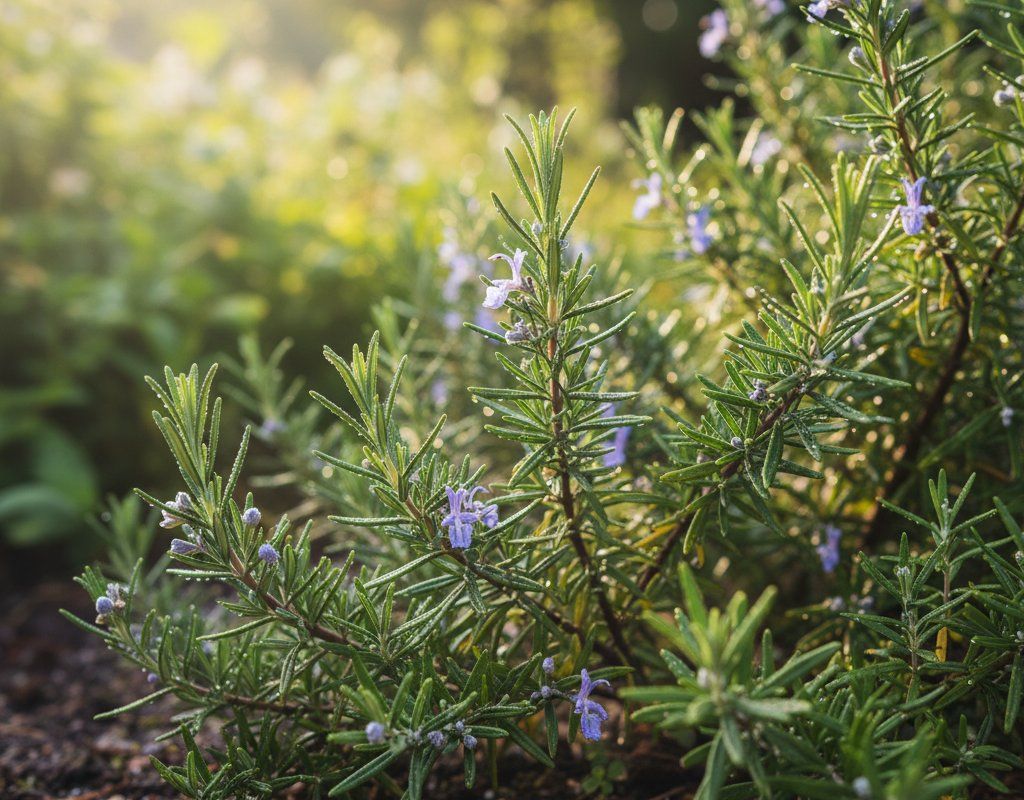
Keep Away From
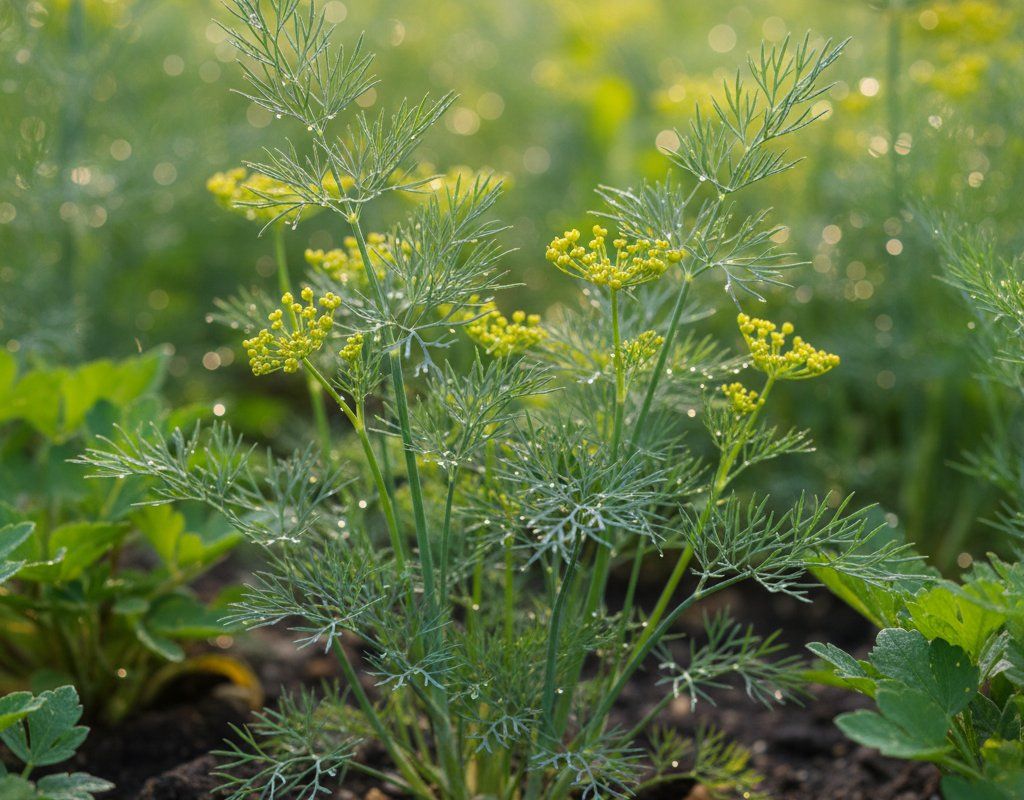
Companion Planting Details
Lettuce makes an excellent companion for carrots in the Desert Southwest since it provides living mulch that helps retain soil moisture in our arid climate while maturing quickly enough to be harvested before carrots need the space. Onions planted nearby help confuse carrot rust flies with their strong scent, while their upright growth doesn't compete for root space. Tomatoes can provide beneficial afternoon shade for carrot plantings, especially important during late spring when temperatures start climbing toward extreme heat.
Avoid planting dill near carrots since it attracts carrot rust flies and can reduce carrot germination rates. Parsnips should never be planted with carrots because they're in the same family and compete for identical nutrients in our already-challenging alkaline soil, plus they attract the same pests. In our water-scarce environment, avoid pairing carrots with heavy water users that might create competition for irrigation resources.
🌸Best Flowers to Plant with Carrot
These flowers protect your Carrot from pests and attract pollinators for better harvests.


Get a Reminder When It's Time to Plant
We'll email you when key planting windows open for your zone.