
Carrot in Zone 8B — Florida
Daucus carota · Your Complete 2026 Planting Guide
Still Time to Sow!
The sowing window is still open for Carrot.
Sow Seeds Soon
Carrots have a taproot and don't transplant. Direct sow only.
How to Plant Carrot in Zone 8B — Florida
Here are all your options for getting carrot in the ground, from the easiest method to more advanced approaches.
Direct Sow Seeds
RecommendedEarly February through late September
around February 1
Consider succession planting every 2-3 weeks for continuous harvest.
Carrots have a taproot and don't transplant. Direct sow only.
Buy Starts
Works WellEarly February through early March
around February 1
Plant purchased starts after last frost (February 15).
Start Seeds Indoors
ChallengingThis plant is typically not started indoors.
Transplant Outdoors
Timing InfoEarly February through early March
around February 1
Can tolerate light frost, but wait for soil to be workable.
You have a nice window — no need to rush.
Fall Planting
Late September through late October
October 13 ideal · Direct sow for fall harvest
Plant a second crop in mid-summer for fall harvest. Carrot actually prefers the cooling temperatures of fall.
Overview
Growing carrots in Zone 8B Florida gives you access to some of the sweetest, crunchest roots you'll ever taste—far superior to anything you'll find in the grocery store. Our long growing season means you can enjoy fresh carrots from mid-April all the way through late December, and there's something deeply satisfying about pulling those perfect orange roots from your own sandy soil. The cooler months here produce exceptionally sweet carrots as the plants convert starches to sugars in response to our mild winter temperatures.
Florida's hot summers and extreme humidity do present challenges for carrot growing, but our 303-day growing season gives you plenty of opportunities to get it right. The key is working with our reversed seasons—planting in fall for winter harvest when other regions are shutting down. With proper timing and attention to soil preparation, you can grow beautiful carrots that thrive in our subtropical climate.
Transplanting Outdoors
Carrots have a long taproot that makes them notoriously difficult to transplant successfully, so this method isn't recommended for Zone 8B Florida gardens. If you absolutely must try transplanting store-bought seedlings, your best window is early February through early March when soil temperatures are warming but the intense summer heat hasn't arrived yet.
Should you attempt transplanting, harden off seedlings gradually over one week, increasing outdoor exposure daily. Space transplants 2-3 inches apart in well-prepared, loose soil. However, expect poor results—transplanted carrots often develop forked or stunted roots due to transplant shock.
Direct sowing is really the only reliable method for growing quality carrots in our Florida climate, so save yourself the frustration and plant seeds directly in your garden beds instead.
Direct Sowing
Direct sowing is the preferred and most successful method for growing carrots in Zone 8B Florida. Your planting window runs from early February through late September, giving you multiple opportunities throughout our long growing season. The key is timing your plantings to avoid the brutal summer heat—early spring plantings for summer harvest, and fall plantings for the sweetest winter roots.
Prepare your soil by working it deeply to at least 8 inches, removing all rocks, clods, and debris that could cause forking. Carrots need loose, well-draining soil, which can be challenging in our heavy clay or compacted sandy areas. Consider raised beds filled with a quality potting mix for best results. Soil temperature should be at least 45°F for germination, which happens naturally here by early February.
Sow seeds ¼ inch deep in rows 12 inches apart, then thin seedlings to 2-3 inches apart once they're 2 inches tall. Keep the soil consistently moist during germination—this is critical and can take 2-3 weeks in our climate. Don't let the soil surface dry out during this period, or your germination rate will plummet.
Watering Carrot in Zone 8B (Florida)
Consistent moisture is absolutely critical for carrots in Florida, especially during germination and early growth. Keep soil evenly damp (not waterlogged) for the first 2-3 weeks after sowing, checking daily since our hot temperatures and high humidity can create unpredictable soil moisture conditions. Once established, carrots need about 1 inch of water per week, but our wet summers often provide much more than that.
During Florida's rainy season, focus on drainage rather than irrigation. Our 50-65 inches of annual rainfall can lead to waterlogged conditions that cause root rot and poor germination. If your soil stays soggy after summer thunderstorms, consider raised beds or adding coarse sand to improve drainage. Conversely, during dry spells in fall and winter, deep weekly watering encourages straight root development.
Use the finger test to check moisture levels—soil should feel slightly damp 2 inches down. Water at the base of plants rather than overhead to minimize fungal issues in our very high humidity. Morning watering allows foliage to dry before evening, reducing disease pressure that's common in our subtropical climate.
A light mulch of straw or shredded leaves helps maintain even soil moisture and keeps those carrot shoulders from turning green, but keep mulch away from the base of young plants to prevent pest problems in our humid conditions.
🧪Fertilizing Carrot
Feeding Schedule
Organic Fertilizer Options
Harvest Time
Your first carrots will be ready for harvest about 70 days after sowing, which means mid-April harvests from early February plantings and late December harvests from late September sowings. You'll know they're ready when the tops of the roots become visible at the soil surface and reach about ¾ inch in diameter. Fall-planted carrots harvested in our mild winters will be noticeably sweeter as cool temperatures trigger sugar production.
Check readiness by gently brushing soil away from the top of a few roots. Mature carrots should have good orange color and feel firm when squeezed gently. To harvest, loosen the soil around each carrot with a fork or your hands, then pull straight up with a gentle twisting motion. Our sandy soil makes this easier than in clay regions, but be careful not to snap the roots.
Unlike tomatoes or peppers, carrots don't continue ripening after harvest, so timing is important. Harvest promptly when ready, as leaving mature carrots in the ground too long can lead to cracking or tough, woody cores, especially during our occasional winter warm spells.
Since our first frost typically arrives around mid-December, fall-planted carrots can stay in the ground well into winter. In fact, a light frost actually improves their sweetness. Just harvest before any hard freezes, and store properly harvested carrots in the refrigerator for several weeks.
Common Problems in Zone 8B (Florida)
Forking (Multiple Split Roots) Forked carrots look like they've grown fingers instead of a single straight root, making them difficult to clean and less appealing to eat. This is extremely common in Florida due to our challenging soil conditions and nematode pressure. Our sandy soils often have rocks, root knots from nematodes, or compacted layers that force developing roots to split and grow around obstacles.
The best prevention is growing carrots in raised beds filled with loose, screened potting mix, especially for Florida gardeners dealing with nematode-infested native soil. Choose shorter varieties like Paris Market or Thumbelina if you're stuck with heavy or compacted soil. Never add fresh manure to carrot beds—the nitrogen encourages leaf growth over root development and can worsen forking.
Carrot Rust Fly Damage You'll notice rusty brown tunnels throughout your carrot roots, along with small dark flies hovering around your plants. The foliage may wilt despite adequate watering, and harvested roots are often riddled with holes and unusable. These flies lay eggs near carrot stems, and the resulting maggots tunnel destructively through developing roots.
Row covers provide the most effective protection and are especially important during peak fly activity in spring and fall. In Florida's climate, delaying spring plantings by a few weeks can help you skip the first generation of flies. Interplanting with onions helps confuse the flies with competing scents, and harvest promptly once roots are mature to minimize exposure time.
Green Shoulders The top portions of your carrots remain green instead of orange, creating an unappetizing appearance and slightly bitter taste. This happens when carrot shoulders push above the soil surface and develop chlorophyll from sun exposure. It's particularly common in Florida's intense sunlight and with our frequent thunderstorms that can wash soil away from developing roots.
Hill soil or add mulch around exposed carrot tops as they develop throughout the growing season. Check your plantings after heavy rains and add soil back around any exposed shoulders. While green shoulders are safe to eat, they can be bitter, so prevention is worth the effort.
Florida Specific Challenges: Our extreme humidity creates perfect conditions for fungal diseases, while nematodes in sandy soils cause persistent root damage and forking. Summer heat stress can cause bolting in spring plantings, and hurricane-force winds can damage foliage and expose roots. The key is timing plantings for cooler weather and improving soil health to minimize nematode pressure over time.
Best Companions for Carrot
Plant these nearby for healthier Carrot and better harvests.

Keep Away From
Companion Planting Details
Carrots pair beautifully with lettuce in Florida gardens since both prefer the cooler months and have similar water needs. The lettuce provides light shade for carrot seedlings during warm spells and helps suppress weeds around the slow-germinating carrot seeds. Onions make excellent companions because their strong scent helps repel carrot rust flies, and they mature at different times so they don't compete for space. Plant onion sets around your carrot rows in fall for spring harvest.
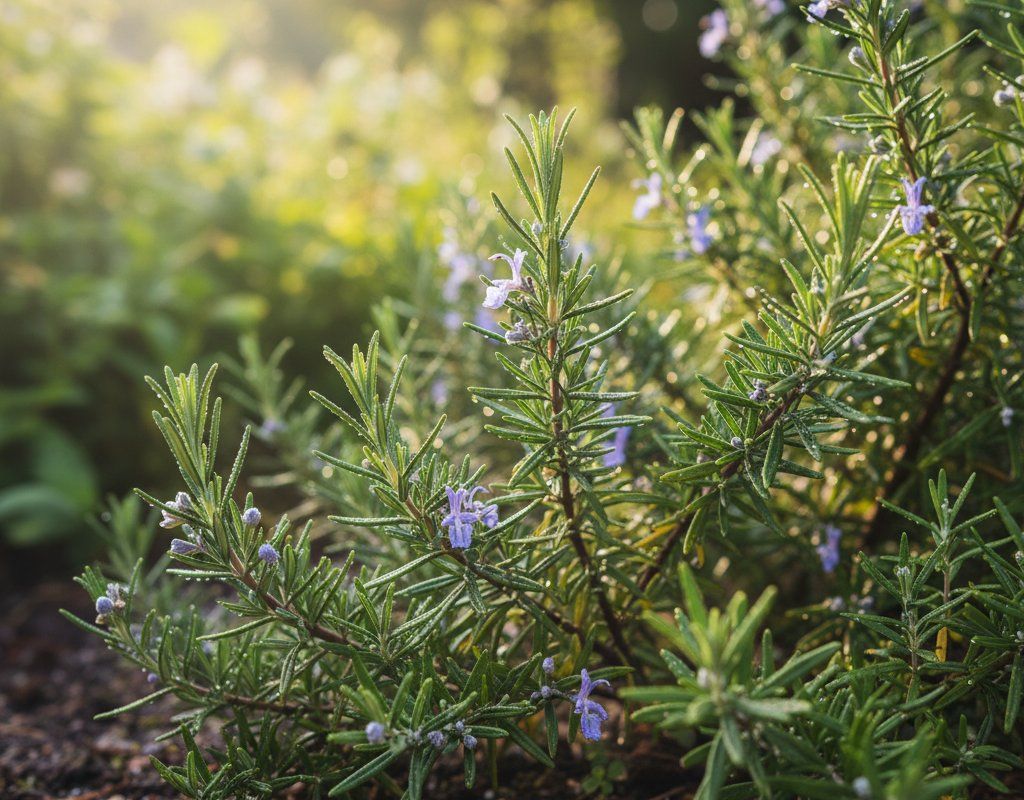
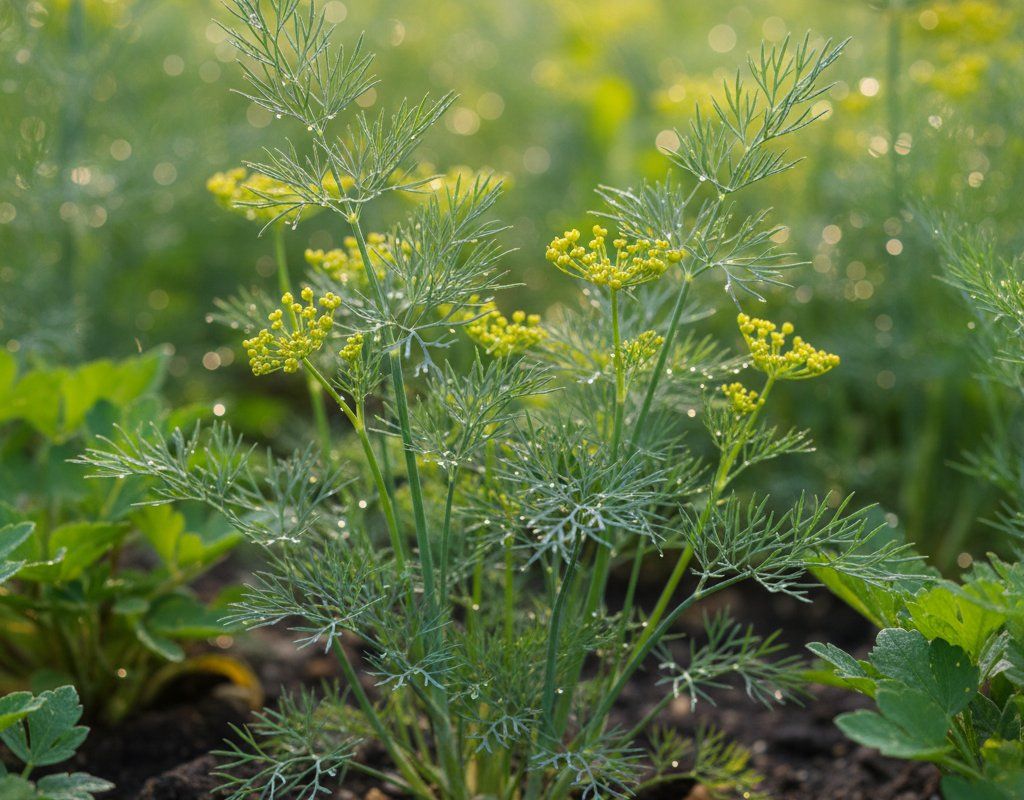
Tomatoes and carrots work well together during our spring growing season, though keep tomatoes on the north side so they don't shade the carrots as they grow taller. Rosemary planted nearby helps deter various pests with its strong fragrance and thrives in our climate year-round. Avoid planting carrots near dill, as it can attract the same pests and may inhibit carrot germination. Also skip parsnips as companions—they're in the same family and compete for similar soil nutrients while attracting identical pests.
🌸Best Flowers to Plant with Carrot
These flowers protect your Carrot from pests and attract pollinators for better harvests.


Get a Reminder When It's Time to Plant
We'll email you when key planting windows open for your zone.